
Top 10 Pollywood Movie (Punjabi – India) Legends of the 90s
Top 10 Pollywood Movie (Punjabi – India) Legends of the 90s
In This Content
Quick List
Guggu Gill
Yograj Singh
Gurdas Maan
Priti Sapru
Dharmendra
Raj Babbar
Surjit Bindrakhia
Hans Raj Hans
Amar Noori
Satish Kaul
1. Guggu Gill
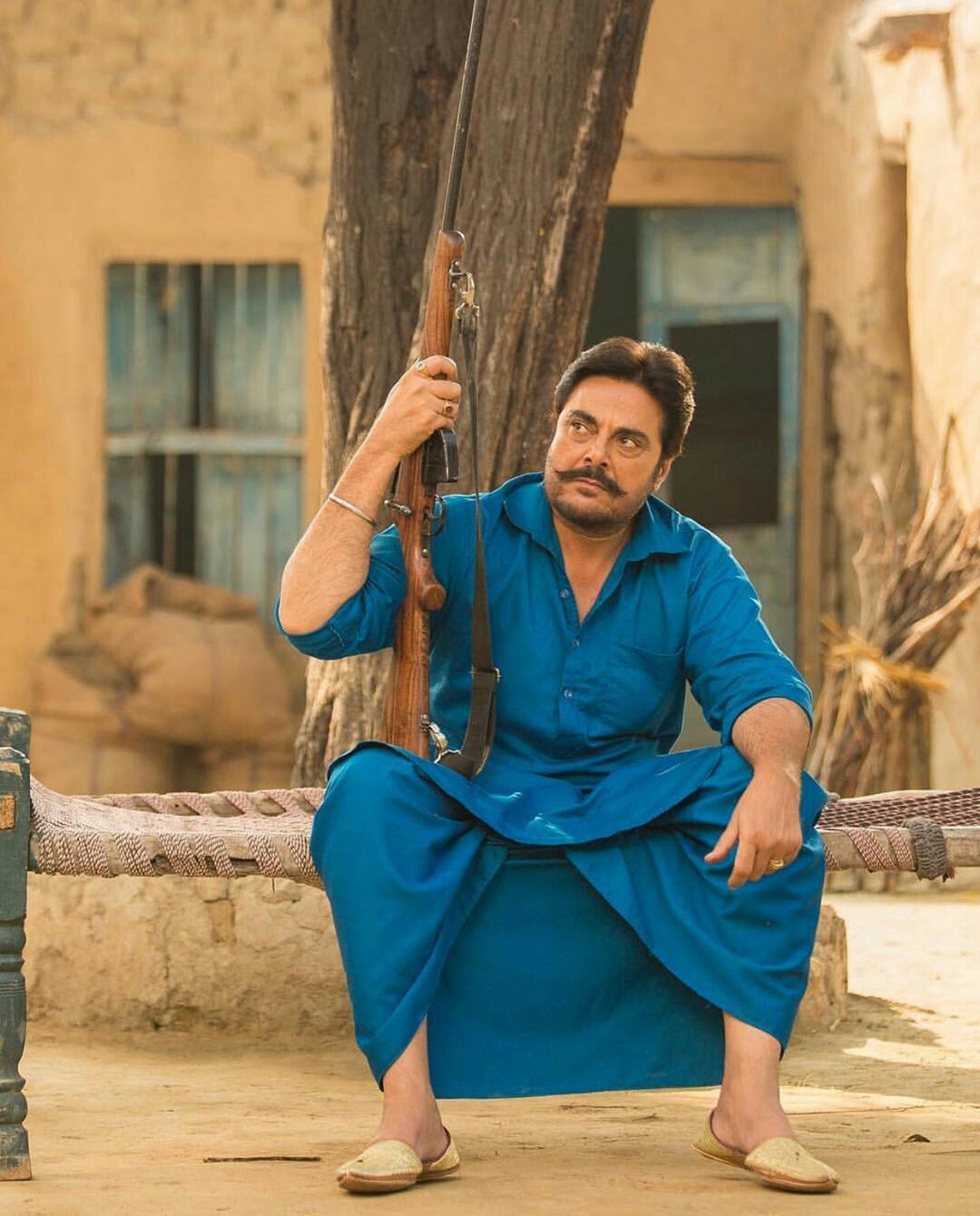
Guggu Gill emerged in the 1990s as one of the most dominant action figures in Punjabi cinema, defining the archetype of the rural heroic lead. Born in Punjab, he grew up in an environment shaped by agrarian culture and folk storytelling traditions, which later influenced his grounded screen persona. His early exposure to theatre and regional performance styles shaped his naturalistic yet powerful acting approach.
His career began with supporting roles in Punjabi films during the late 1980s, but the 1990s marked his rise as a leading action star. Guggu Gill developed a screen presence characterized by physical intensity, emotional restraint, and moral conviction. His performances often portrayed justice-driven rural heroes navigating conflict, loyalty, and honor within village settings.
His breakthrough came through collaborations with major directors in Punjabi action cinema, where he became a central figure in the genre’s commercial success. Unlike exaggerated stylized acting, his performances relied on controlled aggression and emotional realism, making him relatable to rural audiences across India and diaspora communities.
By the end of the 1990s, Guggu Gill had become a defining symbol of Punjabi action cinema. His legacy lies in shaping the modern Punjabi hero archetype and sustaining regional cinema during a commercially competitive era dominated by Bollywood.
Key Facts
- Full name of the subject: Guggu Gill
- Date of birth: January 14, 1960
- Place of birth: Punjab, India
- Family background: Agrarian Punjabi family
- Early childhood experiences: Rural upbringing influenced by folk culture
- Education history: Completed education in Punjab
- Influences and mentors: Punjabi theatre and folk storytelling traditions
- Career beginnings: Started with supporting roles in Punjabi films
- Major achievements: Leading action star of 1990s Punjabi cinema
- Challenges and obstacles faced: Typecasting in action-heavy roles
- Turning points in life: Breakthrough in rural action dramas
- Contributions to society: Strengthened Punjabi regional cinema identity
- Personal life (marriage, children, relationships): Private family life
- Awards and recognitions: Regional film awards and honors
- Beliefs, values, or philosophy: Cultural authenticity and discipline
- Legacy and impact: Defined Punjabi action hero archetype
- Historical or cultural significance: Key figure in 1990s Pollywood expansion
Notable Works: Jatt Jeona Morh, Badla Jatti Da, Jora Jatt
Controversies: Guggu Gill’s career faced criticism related to the dominance of violent themes in Punjabi cinema during the 1990s, with debates suggesting that action-heavy narratives reinforced aggressive stereotypes. The issue involved filmmakers, cultural critics, and audience groups who questioned the social messaging of rural action films. Gill maintained that his roles reflected audience demand and cultural storytelling traditions of Punjab. Industry observers noted that these films were commercially driven and aligned with prevailing market expectations. The controversy remained largely cultural rather than personal and had minimal impact on his popularity.
2. Yograj Singh
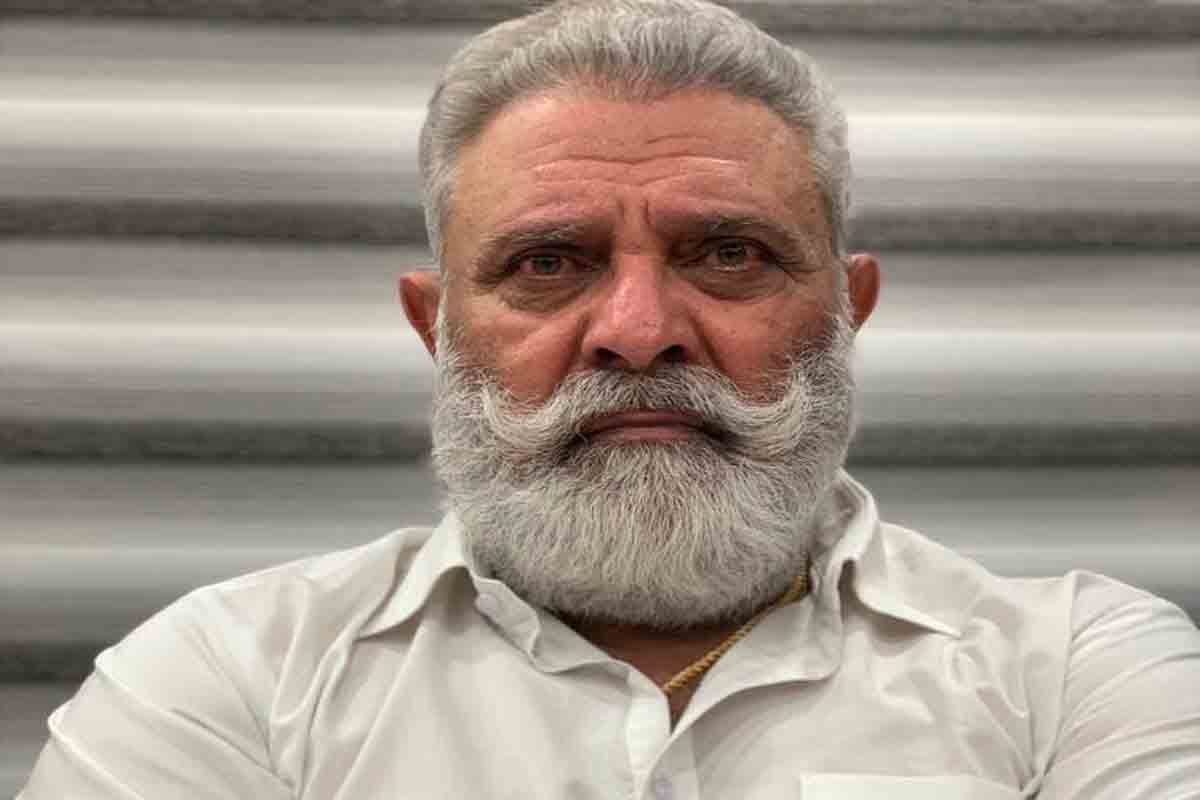
Yograj Singh brought a rare dual identity to Punjabi cinema as both a former international cricketer and a powerful screen performer. Born in Punjab, his early life was shaped by sports discipline, competitive ambition, and physical training, which later translated into his commanding screen presence. His transition from cricket to acting marked a significant shift in his career trajectory.
His acting career began in the late 1980s, but the 1990s established him as a recognizable figure in Punjabi films. Yograj Singh developed a performance style defined by intensity, authority, and emotional directness. He frequently portrayed antagonistic or authoritative characters, bringing a raw physicality to his roles.
His breakthrough came through action-oriented Punjabi films where his athletic background enhanced his credibility in physically demanding roles. He became known for portraying strong-willed characters often positioned in conflict-driven narratives, contributing to the dramatic depth of regional cinema.
By the end of the decade, Yograj Singh had carved a niche as a versatile actor capable of portraying both hero and villain archetypes. His legacy extends into mentorship within the film and sports community, influencing future generations, including his son, international cricketer Yuvraj Singh.
Key Facts
- Full name of the subject: Yograj Singh
- Date of birth: March 25, 1958
- Place of birth: Punjab, India
- Family background: Sports-oriented Punjabi family
- Early childhood experiences: Strong involvement in athletics
- Education history: Studied in Punjab
- Influences and mentors: Sports coaches and theatre artists
- Career beginnings: Indian national cricket career followed by acting
- Major achievements: Transition from sports to successful acting career
- Challenges and obstacles faced: Career shift from professional sports
- Turning points in life: Entry into Punjabi cinema
- Contributions to society: Sports and film mentorship
- Personal life (marriage, children, relationships): Father of Yuvraj Singh
- Awards and recognitions: Sports and regional film recognition
- Beliefs, values, or philosophy: Discipline and resilience
- Legacy and impact: Bridge between sports and Punjabi cinema
- Historical or cultural significance: Dual-industry cultural figure
Notable Works: Batwara, Jatt Punjab Daa, action Punjabi dramas
Controversies: Yograj Singh has been associated with public controversies related to outspoken remarks about sports administration and personal relationships within professional cricket circles. The issue involved media outlets, sports authorities, and public audiences. He has at times criticized institutional decisions in cricket governance, which sparked debate about appropriateness and tone. While some stakeholders viewed his comments as candid and reform-driven, others considered them overly critical. Verified facts confirm multiple public statements but interpretations of intent remain subjective. The controversies have periodically influenced his public image but not his presence in cinema.
3. Gurdas Maan

Gurdas Maan stands as one of the most influential cultural figures in Punjabi entertainment, seamlessly blending music and cinema. Born in Giddarbaha, Punjab, he grew up immersed in folk traditions, which deeply influenced his artistic identity. His early exposure to Punjabi folk music shaped his lyrical storytelling style and emotional performance depth.
His career began as a stage performer and singer, gaining national attention in the 1980s before entering films. In the 1990s, Gurdas Maan expanded into Punjabi cinema, bringing lyrical sensitivity and musical storytelling into acting. His screen presence emphasized emotional authenticity and cultural rootedness rather than commercial flamboyance.
His breakthrough in cinema came through films that integrated music and narrative storytelling, making him a unique crossover artist. His performances often reflected themes of migration, identity, love, and social change, resonating deeply with both rural and global Punjabi audiences.
By the end of the 1990s, Gurdas Maan had become a cultural ambassador of Punjabi identity. His legacy lies in elevating Punjabi music and cinema to international recognition, influencing generations of artists across borders.
Key Facts
- Full name of the subject: Gurdas Maan
- Date of birth: January 4, 1957
- Place of birth: Giddarbaha, Punjab, India
- Family background: Punjabi middle-class family
- Early childhood experiences: Strong exposure to folk music traditions
- Education history: Physical education degree from Punjab University
- Influences and mentors: Punjabi folk musicians and poets
- Career beginnings: Stage performer and playback singer
- Major achievements: Internationally recognized Punjabi cultural icon
- Challenges and obstacles faced: Transition from music to film acting
- Turning points in life: Success of early music albums
- Contributions to society: Global promotion of Punjabi culture
- Personal life (marriage, children, relationships): Married to Manjeet Maan
- Awards and recognitions: National Film Award, Padma Shri
- Beliefs, values, or philosophy: Cultural preservation and storytelling
- Legacy and impact: Global ambassador of Punjabi arts
- Historical or cultural significance: Defined modern Punjabi cultural identity
Notable Works: Heer Ranjha, Long Da Lishkara, Dil Da Mamla Hai
Controversies: Gurdas Maan’s career has seen occasional public debate regarding interpretations of his lyrical themes, with some critics analyzing whether certain songs reflected conservative cultural messaging. The issue involved cultural commentators, media analysts, and audience groups. Maan consistently maintained that his work reflects Punjabi tradition and lived experience rather than political commentary. Verified assessments largely frame these debates as interpretive rather than factual disputes. The discussions have had minimal impact on his reputation, which remains largely positive and culturally respected.
Top 10 Most Famous Italians of All Time
4. Priti Sapru
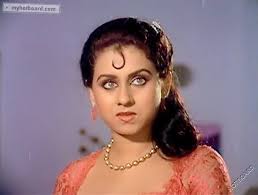
Priti Sapru stood as one of the most refined and influential female presences in 1990s Punjabi cinema, representing a bridge between traditional storytelling and modern cinematic expression. Born into a family deeply connected to Punjabi arts and culture, she developed an early appreciation for performance, dialogue, and stagecraft. Her upbringing nurtured a sensitivity toward emotional storytelling, which later defined her screen identity.
Her career began in the late 1970s, but it was the 1990s that cemented her status as a leading figure in Pollywood. Priti Sapru’s acting style was marked by emotional precision, graceful expression, and an understated intensity that contrasted with the louder performance styles of action-driven cinema. She often portrayed socially conscious female characters navigating family, love, and moral conflict.
Her breakthrough came through films that emphasized narrative depth and cultural values, where she delivered performances that combined elegance with emotional authority. Rather than relying on exaggerated dramatics, she focused on subtle performance cues, making her characters feel authentic and grounded within Punjabi social settings.
By the end of the 1990s, Priti Sapru had become a symbol of dignity and artistic discipline in Punjabi cinema. Her legacy lies in elevating the portrayal of women in regional films, ensuring that female characters were written with emotional depth and narrative importance.
Key Facts
- Full name of the subject: Priti Sapru
- Date of birth: December 24, 1957
- Place of birth: Punjab, India
- Family background: Film and arts-influenced Punjabi family
- Early childhood experiences: Exposure to theatre and cultural storytelling
- Education history: Completed education in India
- Influences and mentors: Punjabi theatre artists and filmmakers
- Career beginnings: Early film roles in Punjabi cinema
- Major achievements: Leading actress in socially driven Punjabi films
- Challenges and obstacles faced: Gendered limitations in regional cinema roles
- Turning points in life: Rise as a leading actress in meaningful cinema
- Contributions to society: Promoted strong female representation in films
- Personal life (marriage, children, relationships): Maintains private personal life
- Awards and recognitions: Regional film honors
- Beliefs, values, or philosophy: Cultural integrity and storytelling depth
- Legacy and impact: Elevated female-led narratives in Pollywood
- Historical or cultural significance: Pioneer of meaningful Punjabi female roles
Notable Works: Qurbani Jatt Di, Badla Jatti Da, Jigra Jatt Da
Controversies: Priti Sapru’s career was occasionally discussed in the context of limited opportunities for women in Punjabi action cinema, where female roles were often secondary to male-centric narratives. The issue involved filmmakers, critics, and cultural analysts who examined gender representation in regional film structures. Sapru consistently advocated for stronger, more meaningful female characters, emphasizing narrative balance. Verified industry analysis suggests these limitations were systemic rather than individual, reflecting broader production trends of the era. The discussion contributed to ongoing awareness about gender equity in Punjabi cinema.
5. Dharmendra
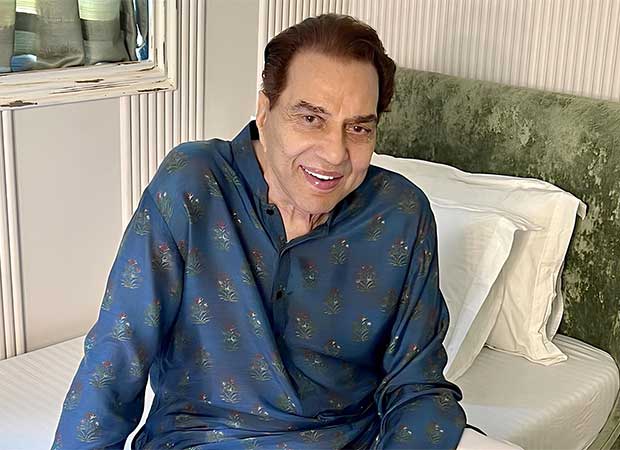
Dharmendra remained a towering cinematic figure whose influence extended strongly into Punjabi-themed narratives during the 1990s. Born in Punjab, he grew up in a rural environment that shaped his natural charisma and earthy screen presence. His early life in farming communities instilled a grounded personality that later translated into his iconic film roles.
His career began in Hindi cinema in the 1960s, but by the 1990s, Dharmendra had transitioned into veteran roles, often portraying patriarchs and symbolic authority figures. His screen presence combined rugged masculinity with emotional warmth, making him a multi-generational favorite. In Punjabi cinema influence, his legacy reinforced heroic archetypes rooted in cultural pride.
His breakthrough phase had occurred decades earlier, but the 1990s saw him maintain relevance through selective roles and appearances. He often embodied the moral center of narratives, portraying wisdom, justice, and emotional resilience. His presence added gravitas to ensemble casts and cross-border productions.
By the end of the decade, Dharmendra’s legacy in Punjabi-linked cinema remained monumental. He became a cultural symbol of timeless heroism, influencing both Bollywood and Pollywood storytelling traditions.
Key Facts
- Full name of the subject: Dharmendra Singh Deol
- Date of birth: December 8, 1935
- Place of birth: Punjab, India
- Family background: Farming family from rural Punjab
- Early childhood experiences: Rural upbringing and agricultural life
- Education history: Completed schooling in Punjab
- Influences and mentors: Early Hindi cinema legends
- Career beginnings: Film debut in 1960s Bollywood
- Major achievements: Legendary status in Indian cinema
- Challenges and obstacles faced: Transition to age-based roles
- Turning points in life: Shift to character-driven performances
- Contributions to society: Influence on Indian cinematic culture
- Personal life (marriage, children, relationships): Father of actors Sunny and Bobby Deol
- Awards and recognitions: Filmfare Lifetime Achievement Award
- Beliefs, values, or philosophy: Integrity and simplicity
- Legacy and impact: Icon of Indian cinematic masculinity
- Historical or cultural significance: Cross-industry cinematic legend
Notable Works: Sholay, Phool Aur Patthar, Hukumat, Loha
Controversies: Dharmendra’s career faced periodic public discussion regarding political involvement and electoral participation. The issue involved political parties, media, and public opinion groups during his brief political career. Critics debated whether film celebrities should hold public office without sustained political engagement, while supporters emphasized democratic choice. Verified facts confirm his parliamentary involvement, though interpretations of effectiveness vary. The controversy had limited long-term impact on his cinematic legacy, which remains overwhelmingly positive.
6. Raj Babbar
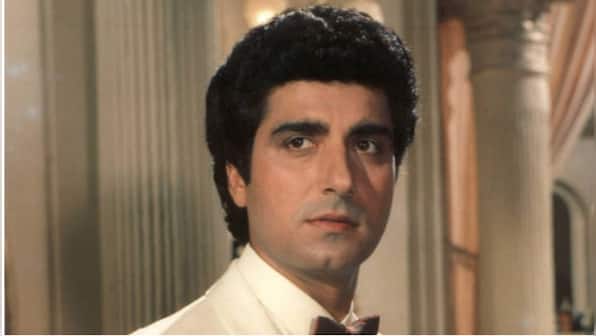
Raj Babbar brought intellectual depth and emotional seriousness to Punjabi and Hindi cinema during the 1990s. Born in Uttar Pradesh, he was raised in a politically aware environment that shaped his worldview and artistic choices. His early interest in theatre and acting led him to formal training in performance arts.
His career began in parallel cinema, where he gained recognition for socially conscious roles. In the 1990s, Raj Babbar became known for portraying emotionally complex and morally conflicted characters. His acting style emphasized realism, dialogue precision, and restrained emotional expression.
His breakthrough came through films that balanced commercial appeal with social commentary. He often portrayed characters facing ethical dilemmas, reflecting broader societal issues. His performances added intellectual weight to mainstream Punjabi-linked narratives.
By the end of the decade, Raj Babbar had established himself as both a respected actor and emerging political figure. His legacy lies in merging cinematic storytelling with public life engagement.
Key Facts
- Full name of the subject: Raj Babbar
- Date of birth: June 23, 1952
- Place of birth: Uttar Pradesh, India
- Family background: Educated middle-class family
- Early childhood experiences: Exposure to political and cultural discussions
- Education history: National School of Drama graduate
- Influences and mentors: Theatre practitioners and filmmakers
- Career beginnings: Parallel cinema actor
- Major achievements: Acclaimed actor and parliamentarian
- Challenges and obstacles faced: Balancing politics and acting career
- Turning points in life: Entry into national politics
- Contributions to society: Social advocacy through politics
- Personal life (marriage, children, relationships): Father of actor Prateik Babbar
- Awards and recognitions: Film awards and parliamentary roles
- Beliefs, values, or philosophy: Social justice and realism
- Legacy and impact: Actor-politician bridge figure
- Historical or cultural significance: Political-cultural crossover personality
Notable Works: Insaf Ka Tarazu, Aaj Ki Awaz, Force of narrative cinema
Controversies: Raj Babbar’s career attracted political controversy related to his transition from acting to active politics, particularly regarding his party affiliations and public statements. The issue involved political parties, media organizations, and electoral observers. Critics questioned whether celebrity status influenced electoral outcomes, while supporters highlighted democratic representation. Verified facts confirm his multiple electoral roles, though interpretations of political impact differ. The controversy reflects broader debates on celebrity participation in Indian politics.
7. Surjit Bindrakhia
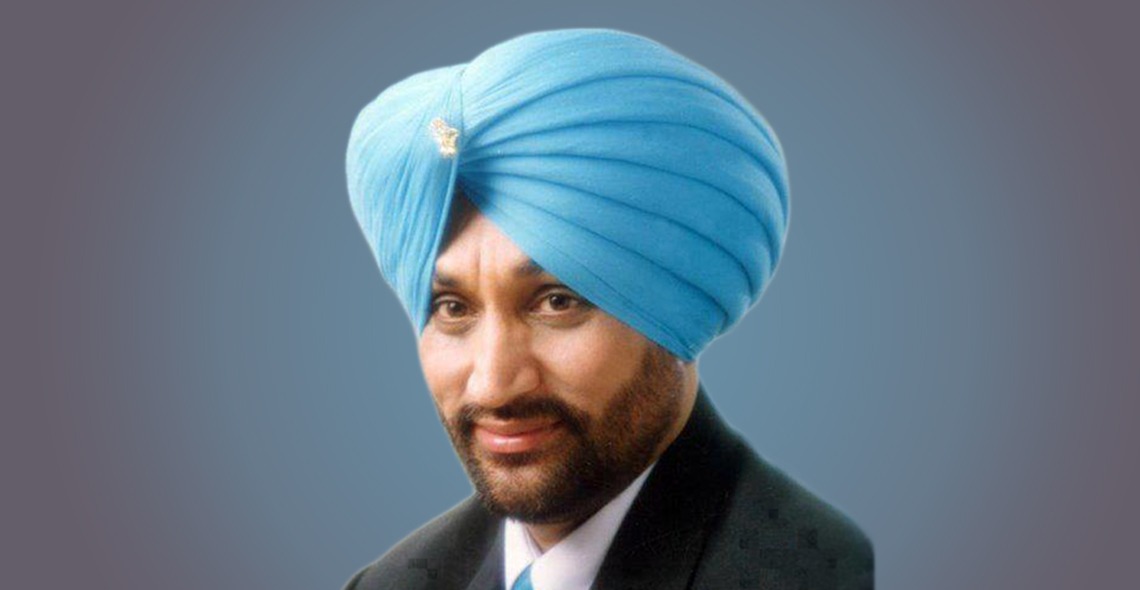
Surjit Bindrakhia transformed Punjabi music during the 1990s with his explosive vocal style and unmatched stage energy. Born in Punjab, he was raised in a culturally rich environment where folk music was deeply embedded in daily life. His early exposure to traditional singing shaped his powerful vocal identity.
His career began in local performances before he rose to prominence in the Punjabi music industry. During the 1990s, Bindrakhia became a cultural phenomenon, known for high-energy performances and unique vocal techniques. His singing style emphasized powerful vocal runs and emotional intensity, setting him apart from contemporaries.
His breakthrough came with chart-topping Punjabi tracks that dominated weddings, festivals, and cultural events. He became a symbol of Punjabi musical celebration, bridging folk traditions with modern soundscapes. His influence extended into Punjabi cinema, where his songs became integral to film success.
By the late 1990s, Surjit Bindrakhia had become an iconic figure in Punjabi music culture. His legacy lies in redefining Punjabi vocal performance and inspiring future generations of singers.
Key Facts
- Full name of the subject: Surjit Singh Bindrakhia
- Date of birth: April 15, 1962
- Place of birth: Punjab, India
- Family background: Punjabi cultural family
- Early childhood experiences: Strong folk music exposure
- Education history: Completed schooling in Punjab
- Influences and mentors: Traditional Punjabi folk singers
- Career beginnings: Stage performances and local singing events
- Major achievements: Popularized modern Punjabi vocal style
- Challenges and obstacles faced: Industry competition and commercialization pressures
- Turning points in life: Breakthrough Punjabi hit songs
- Contributions to society: Enriched Punjabi musical heritage
- Personal life (marriage, children, relationships): Married with children
- Awards and recognitions: Regional music awards
- Beliefs, values, or philosophy: Cultural pride and musical authenticity
- Legacy and impact: Revolutionized Punjabi vocal performance style
- Historical or cultural significance: Icon of 1990s Punjabi music evolution
Notable Works: Tera Yaar Bolda, Dupatta Tera Sat Rang Da
Controversies: Surjit Bindrakhia’s career faced discussions regarding commercialization of traditional Punjabi folk vocal techniques, with critics arguing that modern adaptations shifted away from classical purity. The issue involved music critics, cultural historians, and industry producers. Bindrakhia maintained that his style was an evolution rather than dilution of tradition. Verified assessments suggest his innovations increased the global appeal of Punjabi music. The controversy remains interpretive and reflects broader debates about cultural modernization versus preservation.
8. Hans Raj Hans

Hans Raj Hans emerged in the 1990s as one of the most distinctive voices in Punjabi music, blending folk tradition with mainstream appeal. Born in Punjab into a modest family, he was exposed early to devotional music and regional folk singing, which shaped his emotional vocal tone and stylistic identity. His upbringing in a culturally rich environment allowed him to internalize both Sufi and folk influences that later defined his musical career.
His career began with stage performances and devotional singing, where his powerful vocal range quickly gained attention. In the 1990s, Hans Raj Hans transitioned into mainstream Punjabi music, where his voice became synonymous with emotional depth and spiritual intensity. His singing style combined classical ornamentation with accessible melodies, allowing him to reach both rural audiences and urban listeners.
His breakthrough came through popular Punjabi albums that dominated music charts and cultural events across India and the diaspora. He also contributed to Punjabi cinema through playback singing, where his voice enhanced the emotional weight of key film sequences. His artistic identity was rooted in sincerity, devotion, and cultural storytelling.
By the end of the decade, Hans Raj Hans had established himself as a major cultural voice in Punjabi music. His legacy lies in bridging devotional Sufi traditions with contemporary Punjabi popular music, influencing generations of singers.
Key Facts
- Full name of the subject: Hans Raj Hans
- Date of birth: April 9, 1962
- Place of birth: Punjab, India
- Family background: Traditional Punjabi family
- Early childhood experiences: Exposure to devotional and folk music
- Education history: Completed schooling in Punjab
- Influences and mentors: Sufi saints and Punjabi folk musicians
- Career beginnings: Stage performances and devotional singing
- Major achievements: Leading Punjabi playback and folk singer
- Challenges and obstacles faced: Transition to commercial music industry
- Turning points in life: Breakthrough Punjabi music albums
- Contributions to society: Popularized Sufi-folk fusion music
- Personal life (marriage, children, relationships): Married with children
- Awards and recognitions: National and regional music awards
- Beliefs, values, or philosophy: Spirituality and cultural authenticity
- Legacy and impact: Influential voice in Punjabi music evolution
- Historical or cultural significance: Key figure in 1990s Punjabi music expansion
Notable Works: Tera Mera Pyar, Dil Chori Sada Ho Gaya, Sufi devotional albums
Controversies: Hans Raj Hans faced public debate related to his transition from devotional Sufi singing to mainstream commercial music and later political engagement. The issue involved cultural commentators, political observers, and music critics who questioned shifts in artistic focus. He maintained that his career evolution reflected personal growth and broader audience reach. Verified facts confirm his participation in both devotional and commercial projects, while interpretations of artistic consistency remain subjective. The controversy had a limited impact on his popularity, which remained strong across audiences.
Top 10 People Who Took Bold Risks
9. Amar Noori
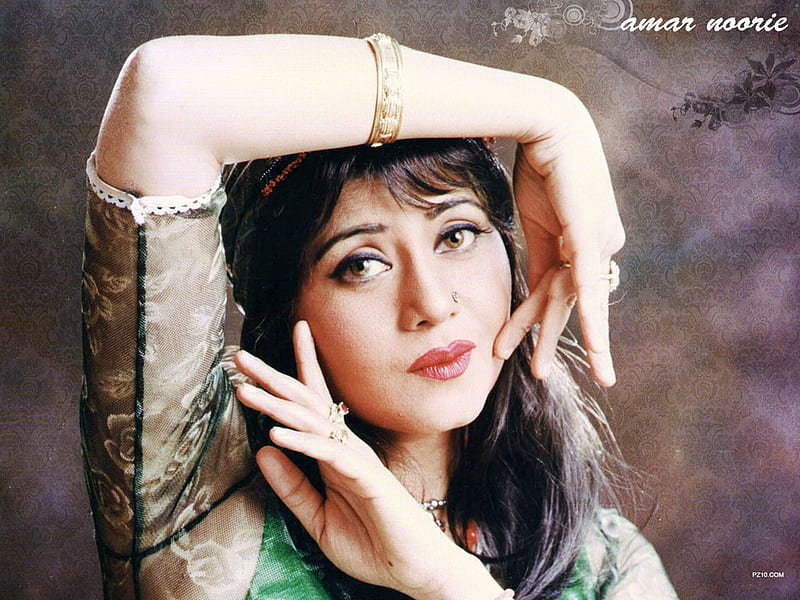
Amar Noori became a significant female voice in 1990s Punjabi music and cinema, known for her expressive singing and strong screen presence. Born in Punjab, she was raised in a musically inclined environment that nurtured her interest in folk performance. Her early exposure to Punjabi cultural traditions shaped her artistic identity and vocal style.
Her career began in stage singing, where she quickly gained recognition for her powerful voice and emotional delivery. In the 1990s, Amar Noori transitioned into playback singing and acting, becoming one of the prominent female figures in Punjabi entertainment. Her performances often carried emotional depth, reflecting themes of love, separation, and cultural identity.
Her breakthrough came through popular Punjabi songs and film appearances, where she contributed significantly to the emotional texture of cinema. She became known for her ability to connect deeply with audiences through expressive vocal performances and relatable screen portrayals.
By the end of the decade, Amar Noori had established herself as a respected cultural figure in Punjabi entertainment. Her legacy lies in strengthening female representation in Punjabi music and contributing to the emotional richness of regional cinema.
Key Facts
- Full name of the subject: Amar Noori
- Date of birth: June 3, 1967
- Place of birth: Punjab, India
- Family background: Punjabi musical family
- Early childhood experiences: Early exposure to folk singing
- Education history: Completed education in Punjab
- Influences and mentors: Punjabi folk singers and stage performers
- Career beginnings: Stage singing performances
- Major achievements: Successful playback singer and actress
- Challenges and obstacles faced: Gender barriers in music industry
- Turning points in life: Entry into Punjabi film music
- Contributions to society: Strengthened female presence in Punjabi music
- Personal life (marriage, children, relationships): Married to singer Sardool Sikander
- Awards and recognitions: Regional music awards
- Beliefs, values, or philosophy: Emotional authenticity in music
- Legacy and impact: Influential female Punjabi vocalist
- Historical or cultural significance: Key contributor to 1990s Punjabi music identity
Notable Works: Playback songs in Punjabi films, folk albums, stage performances
Controversies: Amar Noori’s career attracted limited public controversy, primarily centered on broader industry discussions about gender representation in Punjabi music, where female singers often faced fewer opportunities compared to male counterparts. The issue involved music producers, cultural critics, and industry analysts. She consistently maintained focus on artistic work rather than public disputes. Verified observations indicate structural industry imbalance rather than personal controversy, and the discussion contributed to wider awareness of gender equity in regional entertainment.
Top 10 Trollywood (Sweden) Movie Legends of the 90s
10. Satish Kaul
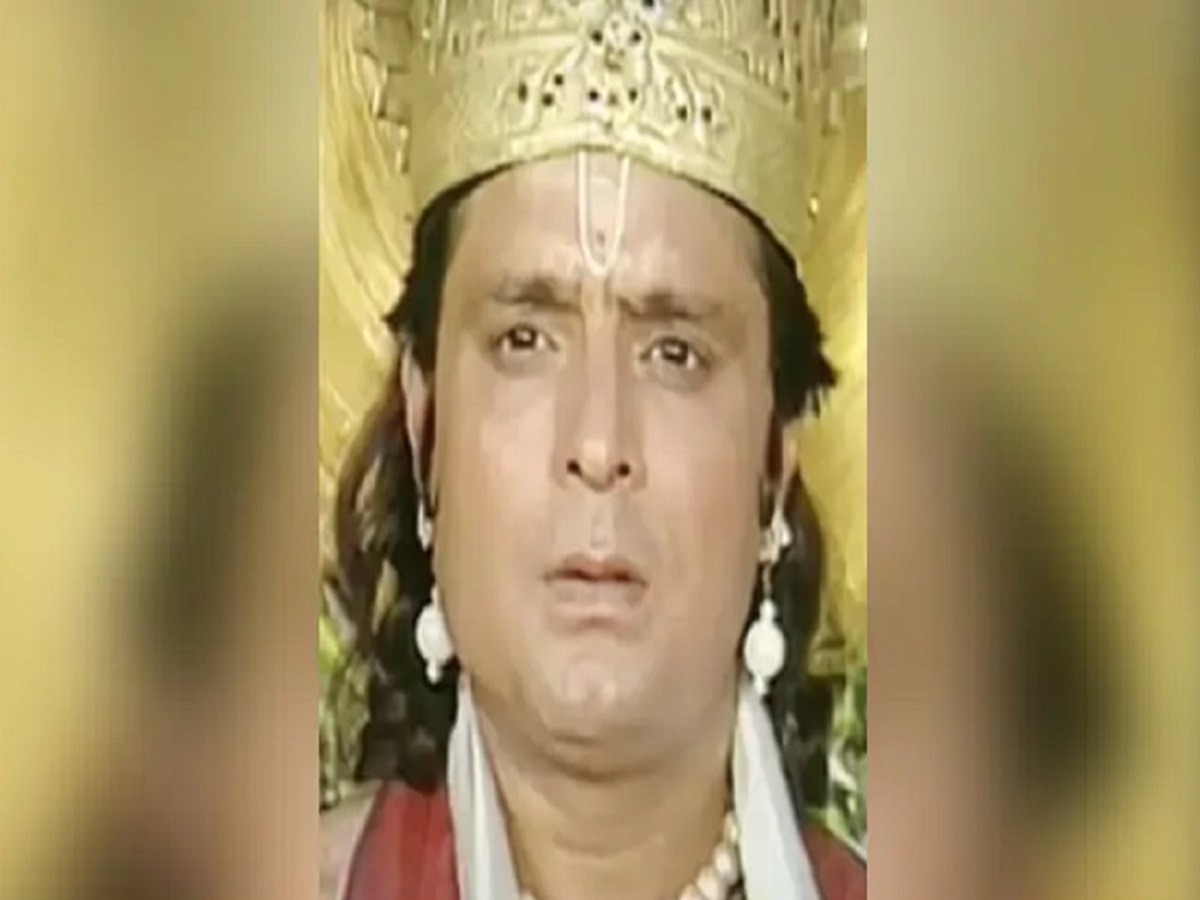
Satish Kaul was a familiar face in Punjabi cinema and television during the 1990s, known for his versatile acting across mythological, dramatic, and regional film roles. Born in Kashmir, he later moved into Punjabi and Hindi entertainment industries, developing a reputation for adaptability and consistent screen presence.
His career began in Hindi cinema and television, where he appeared in mythological serials and supporting film roles. In the 1990s, Satish Kaul became a recognizable figure in Punjabi cinema, often portraying supporting characters that added narrative depth. His acting style emphasized clarity, emotional control, and classical dialogue delivery.
His breakthrough came through frequent appearances in Punjabi films where he played pivotal supporting roles. While not always in lead positions, his contributions were essential in shaping narrative structure and emotional progression within films. He became known as a dependable character actor.
By the end of the decade, Satish Kaul had established himself as a respected supporting actor in Pollywood. His legacy lies in his contribution to character-driven storytelling and his ability to sustain presence across multiple entertainment formats.
Key Facts
- Full name of the subject: Satish Kaul
- Date of birth: September 8, 1954
- Place of birth: Srinagar, India
- Family background: Kashmiri family background
- Early childhood experiences: Exposure to cultural storytelling traditions
- Education history: Studied acting and performing arts
- Influences and mentors: Theatre and television pioneers
- Career beginnings: Hindi television and film supporting roles
- Major achievements: Established Punjabi cinema character actor
- Challenges and obstacles faced: Limited lead-role opportunities
- Turning points in life: Entry into Punjabi film industry
- Contributions to society: Strengthened supporting actor culture in Pollywood
- Personal life (marriage, children, relationships): Private personal life
- Awards and recognitions: Regional film recognition
- Beliefs, values, or philosophy: Professional discipline and adaptability
- Legacy and impact: Reliable supporting actor in Punjabi cinema
- Historical or cultural significance: Key character actor of 1990s Pollywood
Notable Works: Maharaja, supporting roles in Punjabi dramas, mythological TV serials
Controversies: Satish Kaul faced public discussion later in his life regarding financial and health struggles, which became widely reported in media retrospectives. The issue involved entertainment industry bodies, charitable organizations, and public audiences. Reports highlighted the broader lack of structured welfare systems for aging actors in regional cinema industries. Kaul did not frame the situation as a controversy but as a personal hardship. Verified reports confirmed assistance campaigns were initiated. The discussion led to broader conversations about industry support systems for veteran actors.
Notable Mentions
Mehar Mittal
Daljeet Kaur
Upasna Singh
Sardool Sikander
Manjeet Maan
Ravinder Maan
Kanwaljit Singh
B.N. Sharma
Jaswinder Bhalla
Kuldeep Manak