Top 10 Most Famous Italians of All Time
Top 10 Most Famous Italians of All Time (Part One and Two)
In This Content
1. Leonardo da Vinci
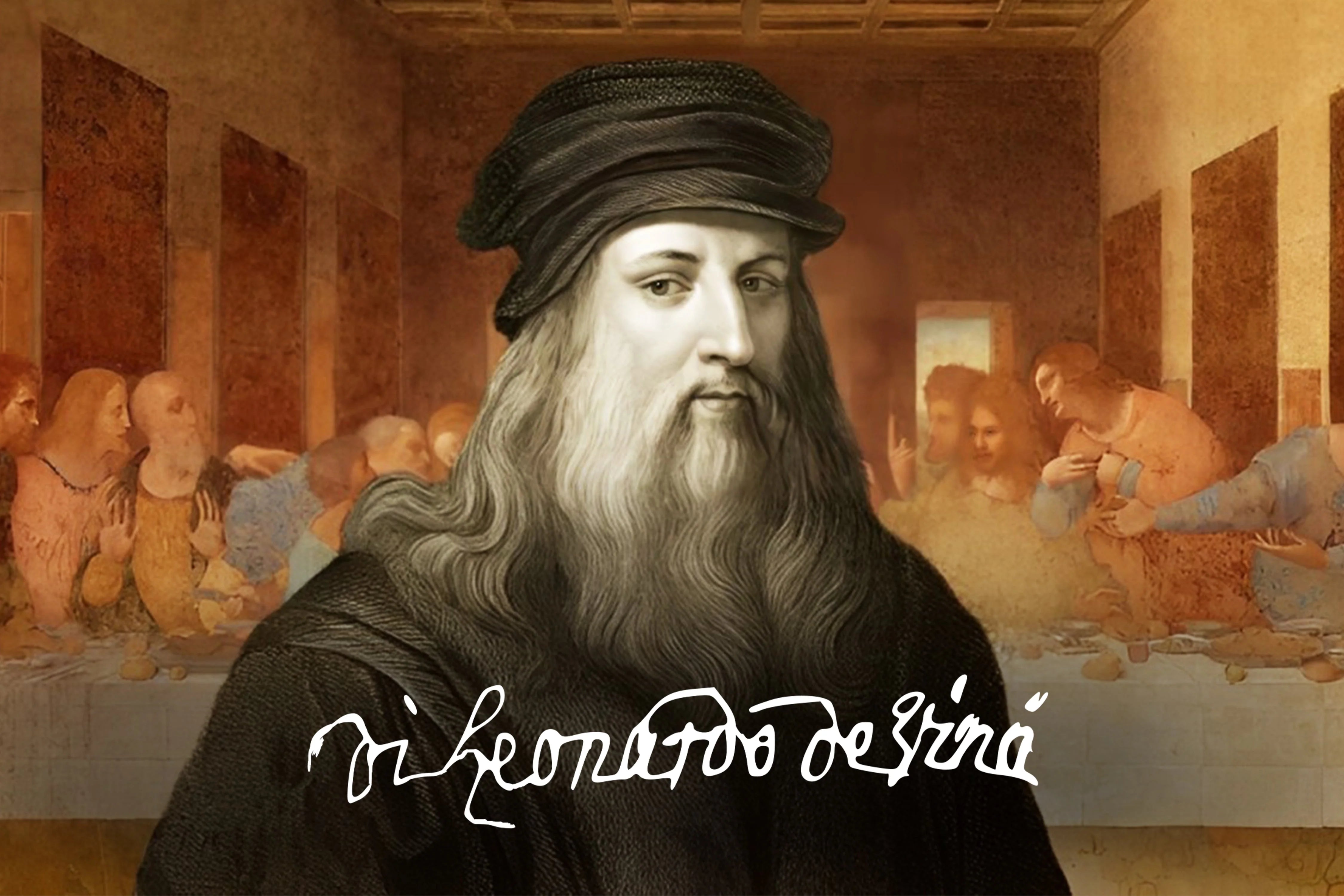
Leonardo represents the ideal of the Renaissance man—his work spanned painting, anatomy, engineering, architecture, and invention. His notebooks anticipated ideas like helicopters, tanks, and advanced anatomical understanding centuries ahead of their time. His paintings, especially the Mona Lisa and The Last Supper, remain among the most studied artworks in history.
Controversy: Chronic procrastination and unfinished commissions damaged his reputation with patrons, and some of his ideas were never realized in practice.
2. Julius Caesar
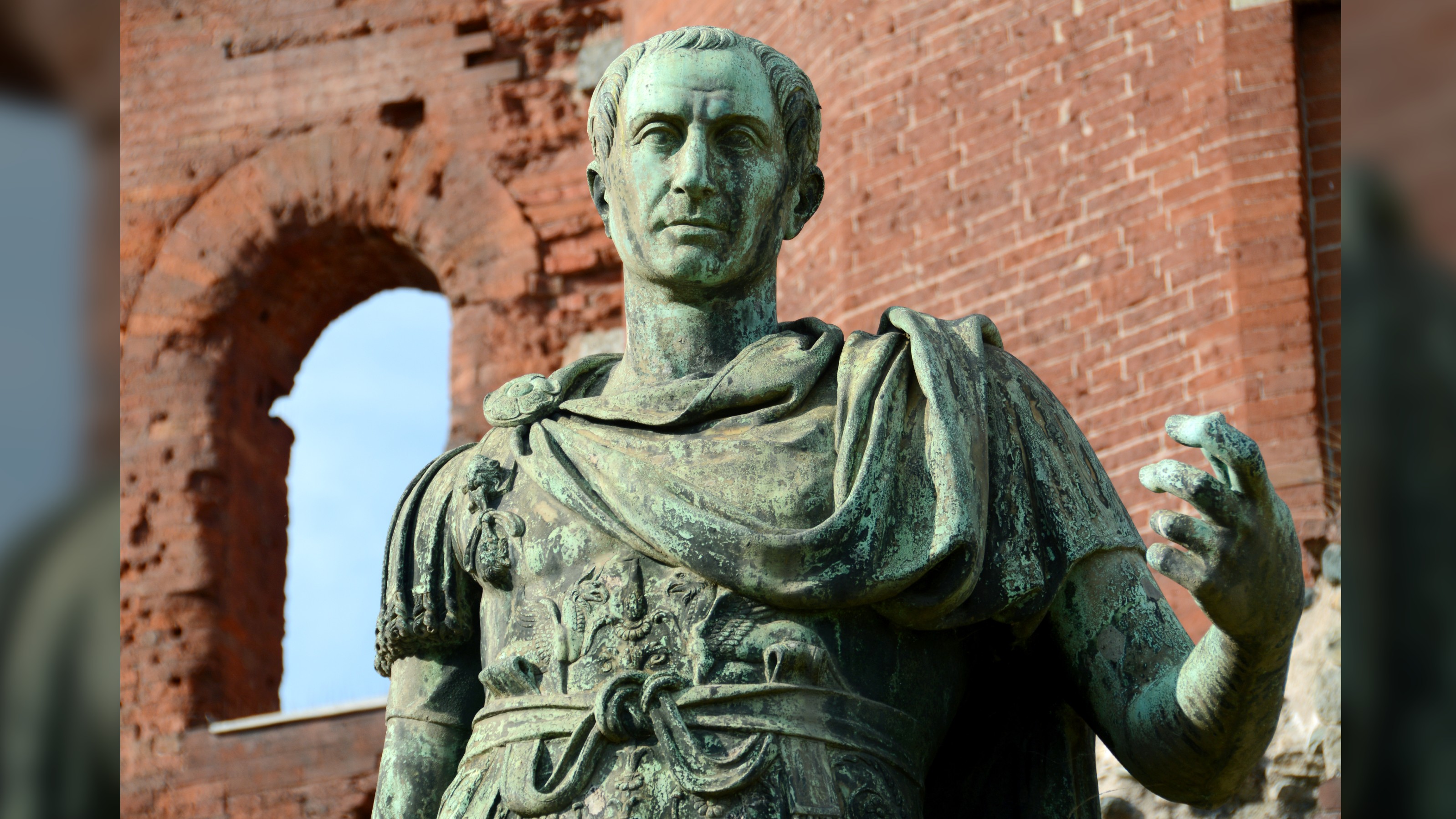
Caesar reshaped the Roman world through military conquest (notably Gaul) and political reform. His rise and eventual dictatorship ended the Roman Republic and paved the way for imperial rule. His writings also influenced Latin prose and historical narrative.
Controversy: Seen by many contemporaries as a tyrant; his concentration of power led directly to his assassination.
3. Augustus
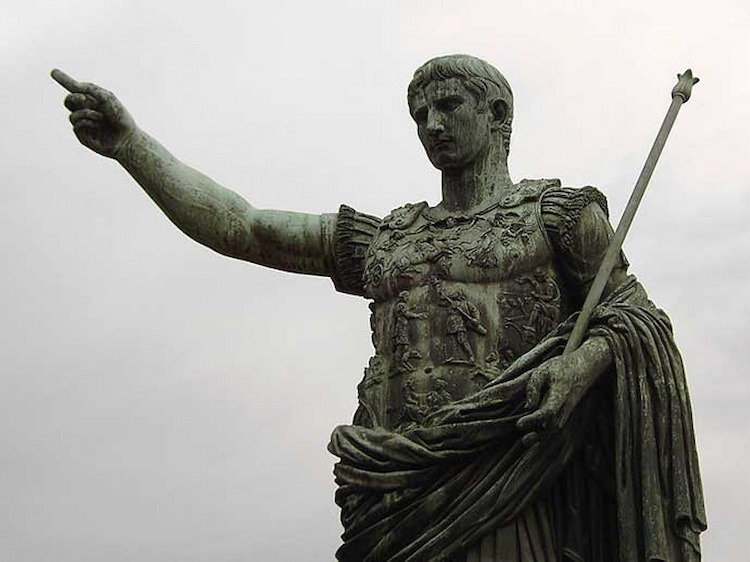
Augustus (Octavian) transformed Caesar’s legacy into a stable empire. He established systems of governance, taxation, and military control that endured for centuries, initiating the Pax Romana.
Controversy: Maintained power through careful propaganda and manipulation while outwardly preserving republican forms.
4. Galileo Galilei
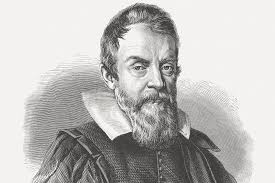
Galileo’s support for heliocentrism and his use of experimentation helped establish the scientific method. His observations of Jupiter’s moons and phases of Venus changed humanity’s understanding of the universe.
Controversy: His conflict with the Catholic Church led to a famous trial and house arrest, symbolizing the tension between science and authority.
5. Michelangelo
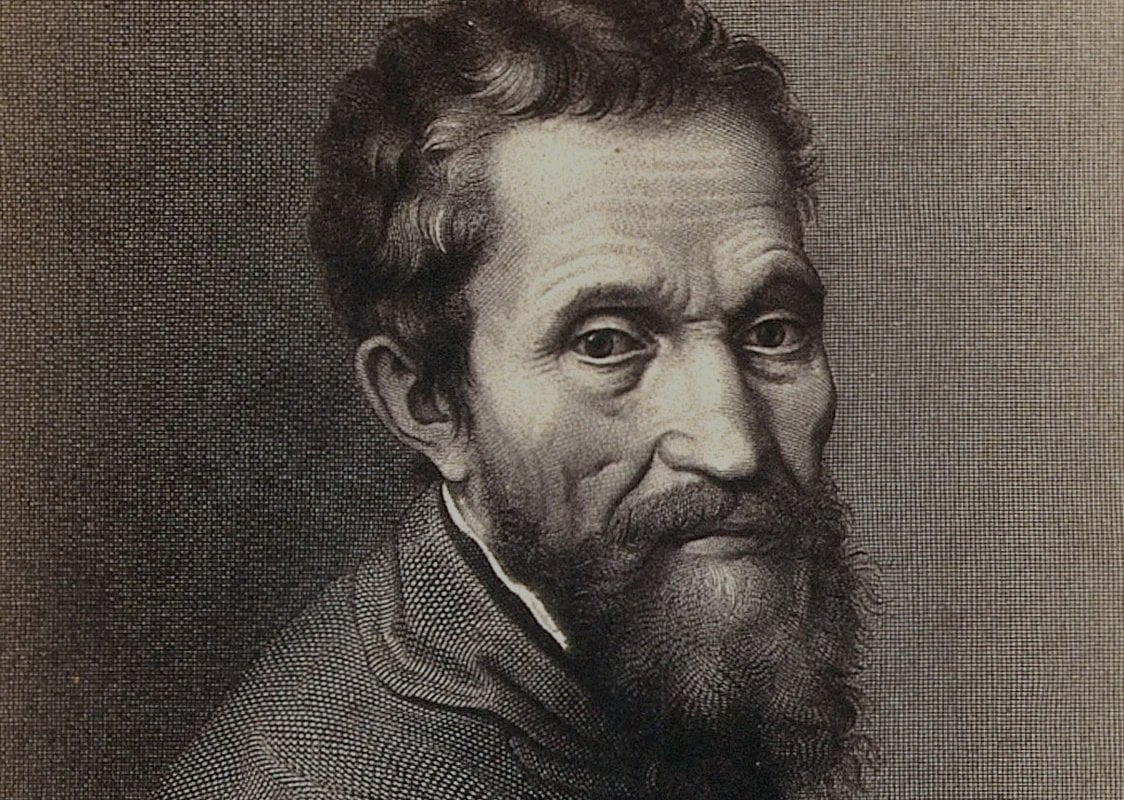
Michelangelo’s works redefined artistic standards in sculpture and painting. The Sistine Chapel ceiling and David remain benchmarks of artistic achievement. He also contributed to architecture, including St. Peter’s Basilica.
Controversy: His temper and independence caused repeated disputes with patrons and collaborators.
6. Dante Alighieri
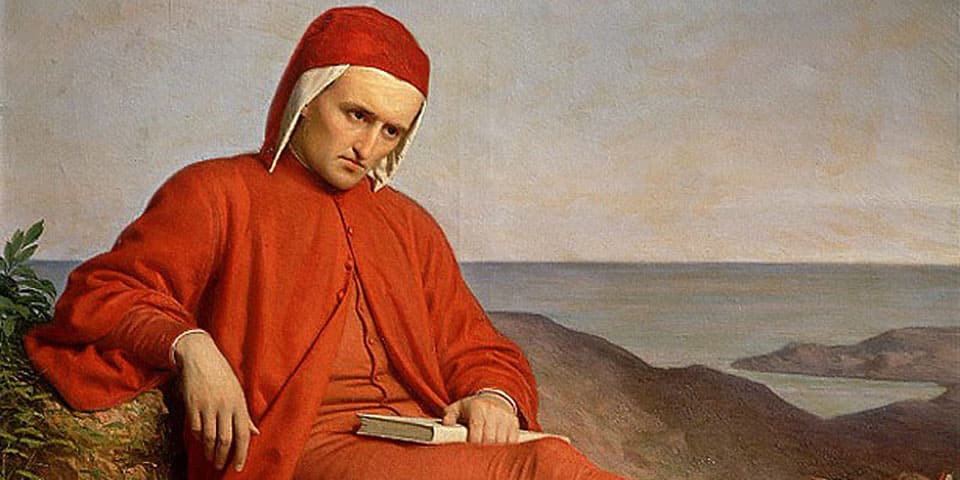
Dante’s Divine Comedy shaped Western literature and theology, while helping standardize the Italian language. His vivid depiction of Hell, Purgatory, and Heaven influenced religious and cultural imagination for centuries.
Controversy: His political exile deeply shaped his work, which includes sharp criticisms of his enemies.
7. Niccolò Machiavelli
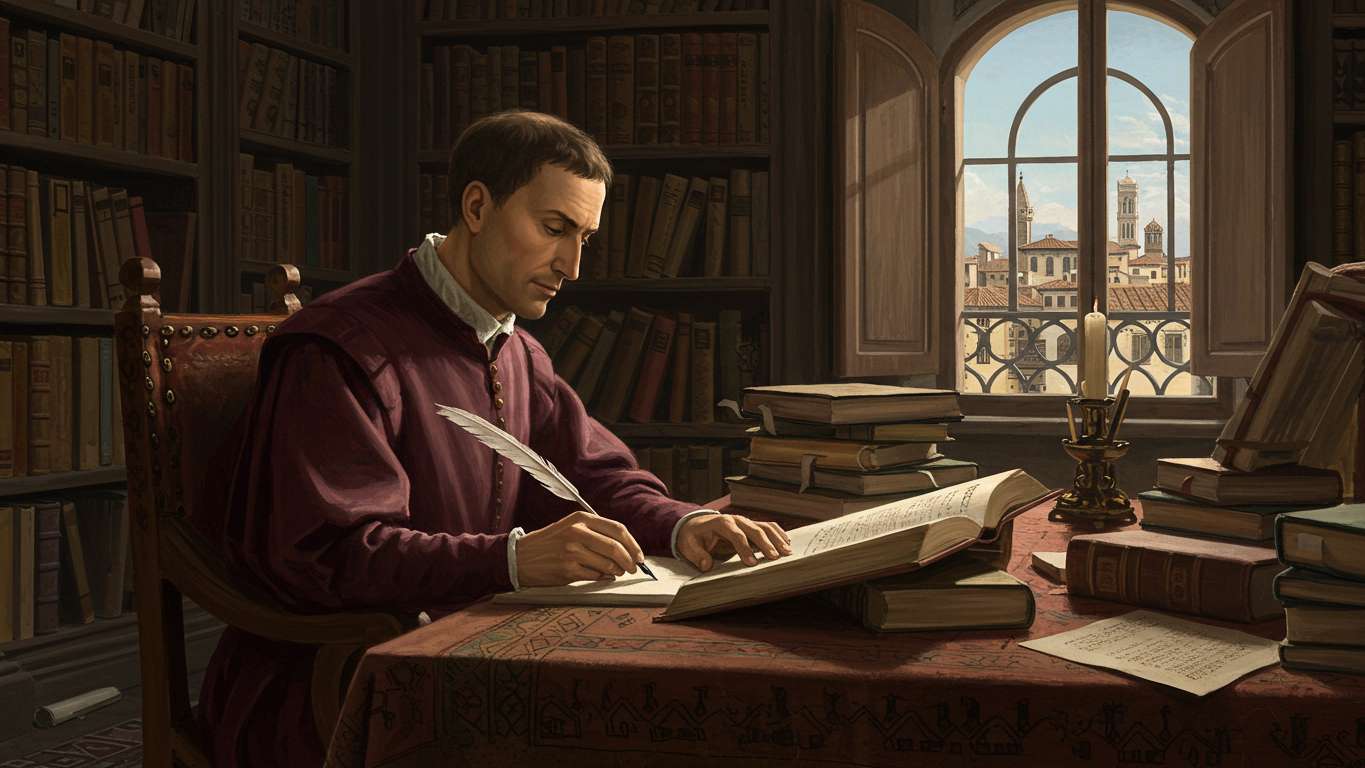
Machiavelli’s The Prince fundamentally changed political thought by focusing on realism over idealism. His ideas influenced leaders, political theory, and modern statecraft.
Controversy: Often associated with manipulation and immoral tactics, though many argue he described politics rather than endorsed ruthlessness.
8. Enrico Fermi
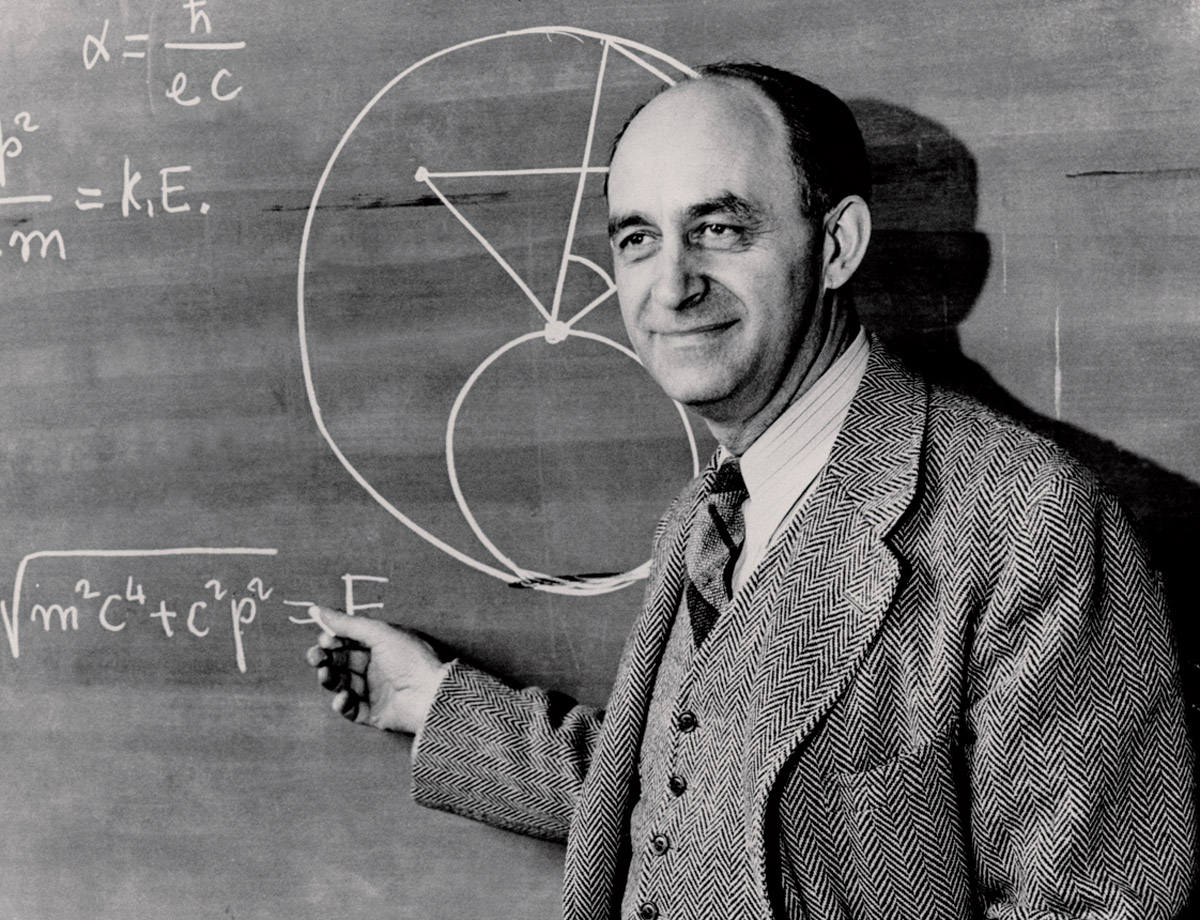
Fermi was central to the development of nuclear physics and the first controlled nuclear chain reaction. His work underpins both nuclear energy and atomic weapons.
Controversy: His role in the Manhattan Project ties him to the ethical debates surrounding nuclear warfare.
9. Benito Mussolini
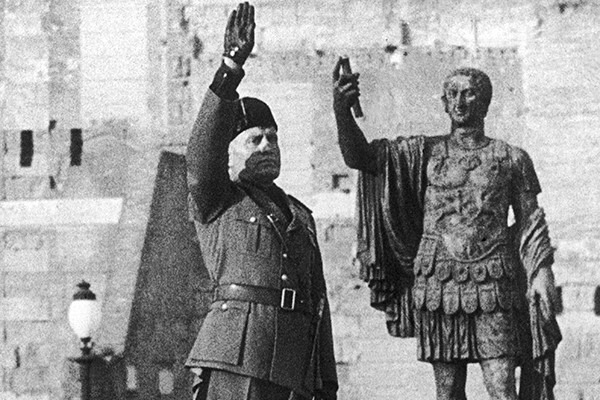
Mussolini founded Fascism and influenced authoritarian movements worldwide. His regime reshaped Italy’s political system and played a major role in World War II.
Controversy: Responsible for repression, censorship, alliance with Hitler, and devastating war policies.
10. Raphael
Raphael’s balanced compositions and clarity made him a defining figure of the High Renaissance. His works influenced generations of artists and academic standards of beauty.
Controversy: Criticized by some as derivative of Leonardo and Michelangelo.
PART TWO – MOST FAMOUS ITALIANS OF ALL TIME
11. Donatello
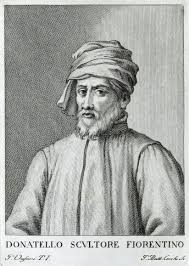
Donatello revived classical sculpture techniques and introduced realism and emotional expression into art, influencing Renaissance aesthetics.
Controversy: Some of his works challenged norms of modesty and traditional representation.
12. Alessandro Volta
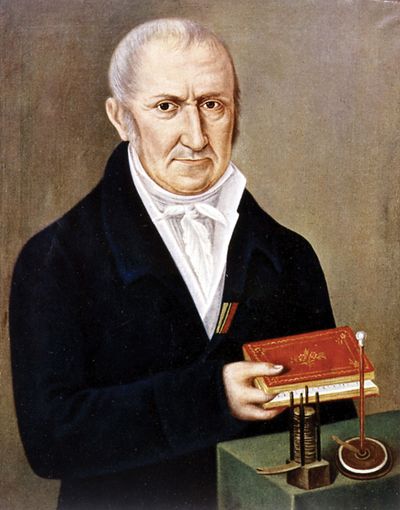
Volta’s invention of the battery revolutionized science and technology, enabling modern electrical systems. The unit “volt” is named after him.
Controversy: His rivalry with Galvani sparked disputes over scientific interpretation.
13. Antonio Vivaldi
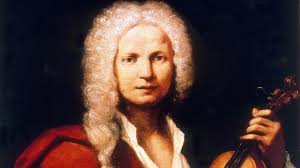
Vivaldi’s compositions, especially The Four Seasons, helped shape Baroque music and influenced later composers like Bach.
Controversy: Criticized in his lifetime for producing repetitive music and later fell into obscurity.
14. Giuseppe Verdi
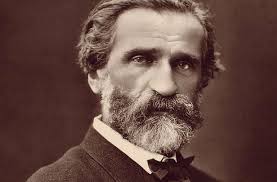
Verdi’s operas became symbols of Italian identity and nationalism, influencing both music and politics during unification.
Controversy: His association with nationalist movements politicized his work.
15. Giacomo Puccini
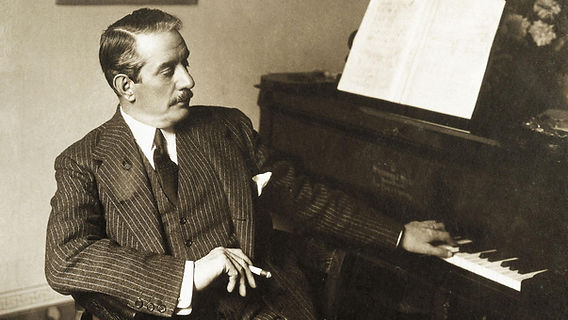
Puccini modernized opera with emotional storytelling and memorable melodies, influencing global opera traditions.
Controversy: Accused of formulaic plots and emotional manipulation.
16. Federico Fellini
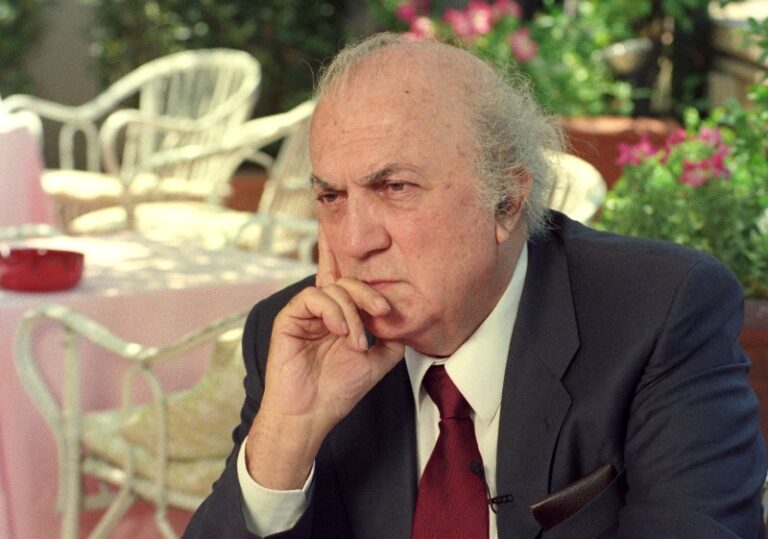
Fellini revolutionized cinema with surreal, dreamlike storytelling that influenced directors worldwide.
Controversy: Later films were sometimes seen as overly self-indulgent.
17. Sophia Loren
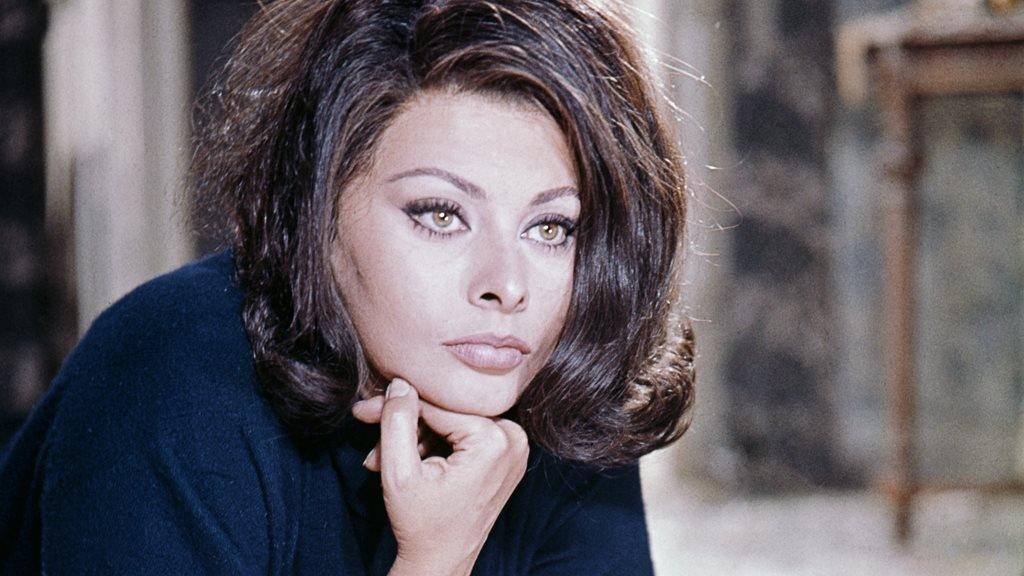
An international film icon who brought Italian cinema global recognition and won major awards.
Controversy: Served a short prison sentence for tax evasion.
18. Roberto Benigni
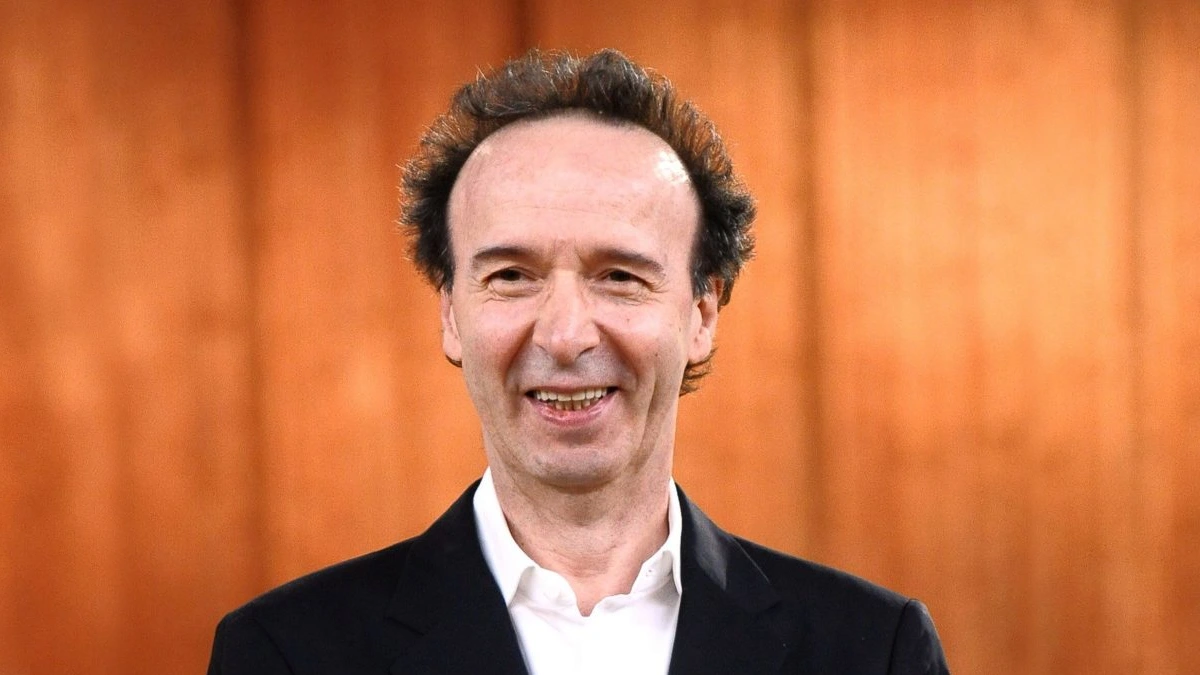
Benigni gained worldwide fame for Life Is Beautiful, blending humor with tragedy.
Controversy: Debates over whether humor was appropriate for Holocaust-related storytelling.
19. Paolo Maldini
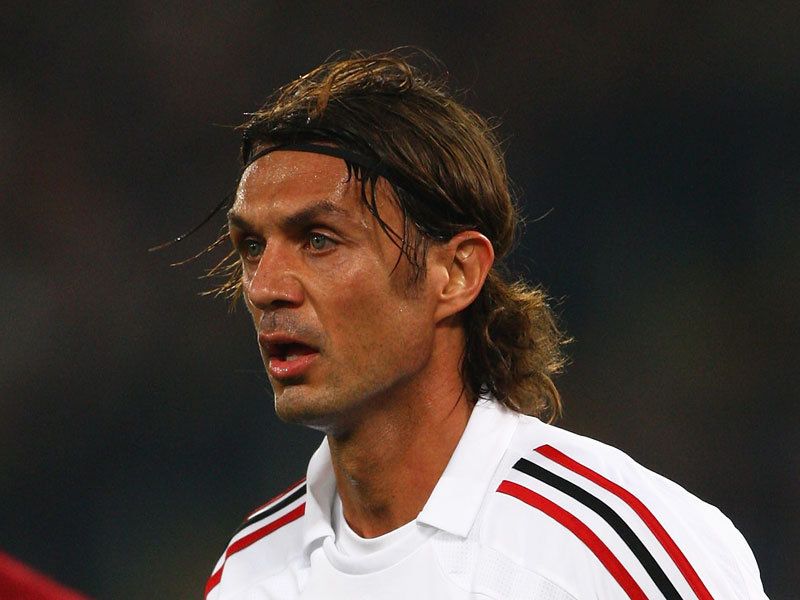
A symbol of defensive excellence and loyalty in football, influencing modern defending standards.
Controversy: Faced criticism in executive roles post-retirement.
20. Roberto Baggio
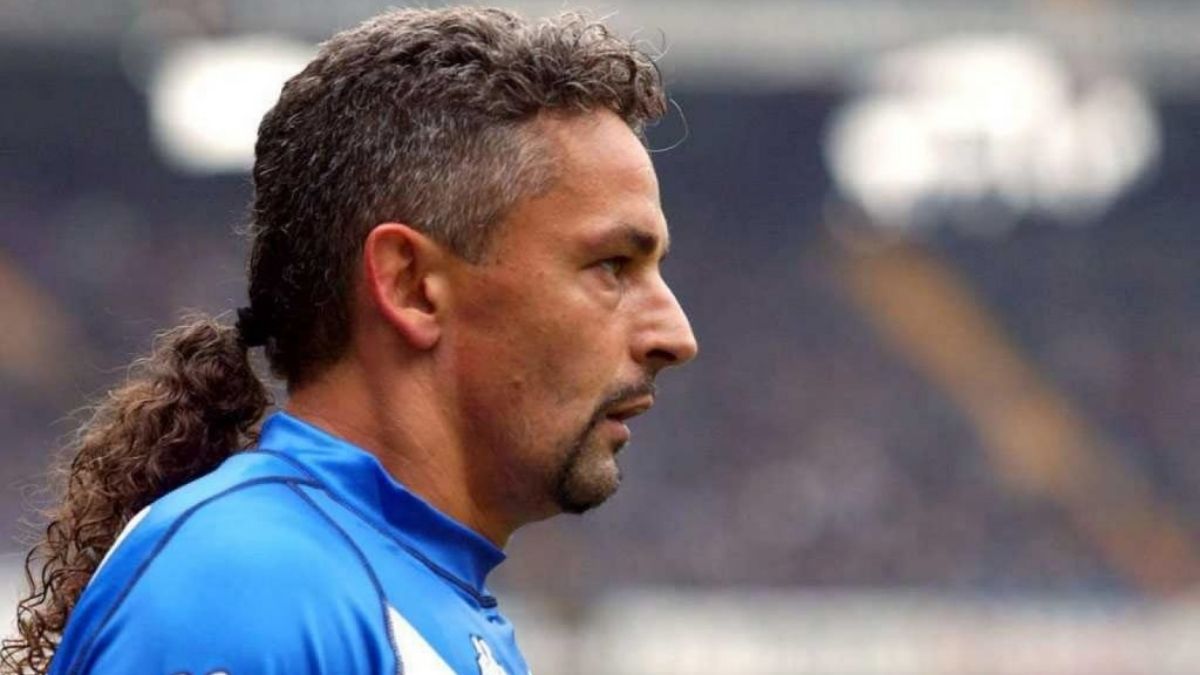
One of football’s most talented forwards, known for creativity and technical brilliance.
Controversy: His missed penalty in the 1994 World Cup final became a defining, debated moment.