
Top 10 Global Male Television Hosts
Top 10 Global Male Television Hosts
In This Content
Quick List
Jimmy Fallon
Stephen Colbert
Jimmy Kimmel
Jon Stewart
John Oliver
Seth Meyers
Graham Norton
Ant McPartlin
Declan Donnelly
George Stephanopoulos
1. Jimmy Fallon
Jimmy Fallon’s rise to global television prominence reflects a carefully cultivated blend of musical comedy, improvisational humor, and mainstream accessibility that has redefined late-night broadcasting for a digital generation. Born in Saugerties, New York, Fallon grew up in a household that nurtured performance and mimicry, often entertaining family members with impressions and comedic sketches from an early age. His upbringing, shaped by a strong appreciation for music and comedy, laid the groundwork for a career that would eventually bridge traditional television and viral internet culture.
Fallon’s early career began with stand-up comedy, where his clean, impression-driven style distinguished him from more provocative contemporaries. His breakthrough came when he joined the cast of Saturday Night Live, where his ability to break character while delivering sketches became both a trademark and a cultural talking point. This self-aware style, initially criticized by some traditionalists, ultimately positioned him as a unique comedic voice capable of blending satire with lighthearted entertainment.
His transition into late-night television marked a defining turning point. As host of The Tonight Show, Fallon transformed the format into a more interactive, celebrity-driven experience. Games, musical segments, and digital-friendly content became central to his identity, aligning the show with evolving viewer habits. His approach emphasized accessibility over confrontation, reshaping expectations of what a late-night host could be in the age of social media.
Fallon’s legacy is closely tied to his ability to humanize celebrity culture. Rather than positioning himself as a political commentator, he leaned into entertainment-driven engagement, creating viral moments that extended far beyond traditional television audiences. His influence is evident in how modern talk shows increasingly prioritize shareable content, digital clips, and cross-platform visibility. While sometimes critiqued for avoiding deeper political discourse, his global appeal remains rooted in his ability to unify audiences through humor, music, and spontaneity.
Key Facts
- Full name of the subject: James Thomas Fallon
- Date of birth: September 19, 1974
- Place of birth: Saugerties, New York, USA
- Family background: Raised in a supportive working-class family with strong musical and entertainment interests
- Early childhood experiences: Developed impersonation skills and comedic timing influenced by radio and television
- Education history: Attended The College of Saint Rose, Albany, New York
- Influences and mentors: Saturday Night Live alumni, classic talk show hosts, musical comedians
- Career beginnings: Stand-up comedy circuit before joining Saturday Night Live
- Major achievements: Host of The Tonight Show Starring Jimmy Fallon, former SNL cast member
- Challenges and obstacles faced: Early criticism for breaking character and comedic style inconsistency
- Turning points in life: Joining SNL and later becoming host of The Tonight Show
- Contributions to society: Redefined modern late-night television format and digital engagement strategies
- Personal life (marriage, children, relationships): Married to Nancy Juvonen, with children
- Awards and recognitions: Multiple Emmy nominations and entertainment awards
- Beliefs, values, or philosophy: Emphasis on positivity, inclusivity, and entertainment-first broadcasting
- Legacy and impact: Pioneer of social media-integrated late-night television
- Historical or cultural significance: Helped transition late-night TV into the viral digital era
Notable Works: Saturday Night Live, The Tonight Show Starring Jimmy Fallon, Lip Sync Battle segments, viral musical sketches, celebrity game segments
Controversies:
One notable controversy surrounding Jimmy Fallon involves criticism over his comedic style during his tenure on Saturday Night Live and later on The Tonight Show, particularly regarding his tendency to avoid overt political commentary. The issue emerged within broader industry debates about whether late-night television should engage directly with political discourse or remain primarily entertainment-focused. Critics argued that Fallon’s approach softened the traditional role of the late-night host, especially during periods of heightened political tension in the United States, while supporters maintained that his format intentionally prioritized escapism and broad audience appeal. The context of this debate reflects a shifting media landscape where talk shows increasingly serve dual roles as entertainment platforms and informal political commentary spaces.
Another widely discussed incident involves the resurfacing of past sketches from early in Fallon’s career that featured racially insensitive impersonations. The controversy gained renewed attention during wider industry reckonings with historical content standards and representation in entertainment media. Fallon issued a public apology acknowledging the inappropriateness of the content, while media organizations and audiences debated accountability standards for historical performances. While the incident did not result in formal institutional penalties, it contributed to ongoing conversations about evolving cultural sensitivity in comedy and archival media responsibility. The impact was largely reputational, reinforcing broader industry scrutiny rather than altering his professional trajectory.
2. Stephen Colbert
Stephen Colbert’s trajectory in television is defined by intellectual satire, character-driven performance, and a deeply rooted engagement with political commentary that has positioned him as one of the most influential voices in modern American late-night broadcasting. Born in Washington, D.C., and raised in South Carolina, Colbert’s early life was shaped by both academic rigor and personal tragedy, including the loss of his father and two brothers in a plane crash. This formative experience contributed to his philosophical depth and reflective comedic tone.
Colbert began his career in improvisational comedy, most notably with Second City in Chicago, where he developed his skills in character work and satirical performance. His breakthrough came with The Daily Show, where he served as a correspondent under Jon Stewart, refining his ability to blend news parody with political critique. His subsequent creation of The Colbert Report marked a turning point, introducing a fictional conservative pundit persona that became a cultural phenomenon.
Transitioning into hosting The Late Show with Stephen Colbert, he shifted from character-based satire to a more traditional hosting role while retaining his political sharpness. His monologues became central to public discourse during major political cycles, establishing him as both entertainer and commentator. His influence lies in merging comedy with civic engagement, often shaping public interpretation of political events through humor.
Colbert’s legacy is defined by intellectual comedy and cultural relevance, with a strong emphasis on informed satire. He represents a form of late-night television that directly engages with democratic processes, media accountability, and public discourse. His global recognition stems from his ability to translate complex political realities into accessible comedic narratives.
Key Facts
- Full name of the subject: Stephen Tyrone Colbert
- Date of birth: May 13, 1964
- Place of birth: Washington, D.C., USA
- Family background: Youngest of 11 children in a devout Catholic family
- Early childhood experiences: Experienced early family tragedy that shaped worldview and emotional depth
- Education history: Northwestern University, School of Communication
- Influences and mentors: Second City improvisation community, Jon Stewart
- Career beginnings: Improvisational comedy and sketch performance
- Major achievements: The Colbert Report, The Late Show with Stephen Colbert
- Challenges and obstacles faced: Transitioning from character satire to personal hosting identity
- Turning points in life: Success of The Colbert Report and appointment to The Late Show
- Contributions to society: Political satire shaping public discourse
- Personal life (marriage, children, relationships): Married to Evelyn McGee-Colbert, with children
- Awards and recognitions: Multiple Emmy Awards and Peabody Awards
- Beliefs, values, or philosophy: Intellectual satire as a tool for civic engagement
- Legacy and impact: Redefined political comedy in modern television
- Historical or cultural significance: Central figure in 21st-century political satire
Notable Works: The Colbert Report, The Late Show with Stephen Colbert, The Daily Show contributions
Controversies:
One recurring discussion around Stephen Colbert involves the perceived political alignment of his comedic content during The Late Show era. The issue centers on whether his monologues and commentary blur the line between satire and partisan advocacy. This debate emerged during heightened political polarization in the United States, with critics suggesting that Colbert’s comedic framing increasingly reflected ideological positioning rather than neutral satire. Supporters argue that his content remains rooted in factual events and satirical interpretation rather than direct political campaigning. The broader context reflects ongoing tensions in late-night television regarding neutrality, commentary, and entertainment responsibility.
Another area of debate relates to the evolution of his “Colbert Report” persona into his current hosting identity. Some media analysts and viewers initially questioned whether the transition from fictional character satire to a conventional talk show format would dilute his comedic edge. While no formal controversy or institutional dispute arose, the shift prompted industry-wide discussions about character-based satire versus authentic hosting. Over time, Colbert successfully established a distinct voice, and the debate gradually diminished as his late-night format stabilized.
3. Jimmy Kimmel
Jimmy Kimmel’s career reflects the evolution of American late-night television into a hybrid of comedy, cultural commentary, and emotional storytelling. Born in Brooklyn, New York, and raised in Las Vegas, Nevada, Kimmel grew up in a household that valued humor as a survival mechanism. His early exposure to radio and television shaped his understanding of audience engagement and comedic timing.
Kimmel’s career began in radio before transitioning into television, where he gained recognition as a co-host on Win Ben Stein’s Money. His sharp comedic instincts and relatable persona eventually led to co-creating The Man Show, which established his presence in mainstream entertainment. However, it was his later role as host of Jimmy Kimmel Live! that defined his long-term influence.
As a late-night host, Kimmel developed a distinctive style blending humor with emotionally resonant storytelling. His monologues often shift between satire and personal reflection, particularly during moments of national significance. This duality has positioned him as both entertainer and informal cultural narrator, capable of addressing sensitive topics with a balance of humor and sincerity.
Kimmel’s legacy is anchored in his adaptability and longevity within a highly competitive media landscape. He has successfully navigated changing audience expectations, digital transformation, and evolving cultural sensitivities, maintaining relevance across multiple decades of broadcast television.
Key Facts
- Full name of the subject: James Christian Kimmel
- Date of birth: November 13, 1967
- Place of birth: Brooklyn, New York, USA
- Family background: Raised in a working-class family with Italian and German heritage
- Early childhood experiences: Relocated to Las Vegas during childhood, shaping his comedic worldview
- Education history: University of Nevada, Las Vegas; Arizona State University (honorary recognition)
- Influences and mentors: David Letterman, radio broadcasting culture
- Career beginnings: Radio host and television co-host roles
- Major achievements: Host of Jimmy Kimmel Live!
- Challenges and obstacles faced: Early career instability in radio and television transitions
- Turning points in life: Launch of Jimmy Kimmel Live!
- Contributions to society: Blending comedy with public emotional dialogue during national events
- Personal life (marriage, children, relationships): Married with children; previously married to Gina Kimmel
- Awards and recognitions: Emmy Awards and industry honors
- Beliefs, values, or philosophy: Comedy as both entertainment and emotional communication
- Legacy and impact: Longstanding influence on modern late-night storytelling
- Historical or cultural significance: Key figure in emotionally responsive late-night television
Notable Works: Jimmy Kimmel Live!, The Man Show, Win Ben Stein’s Money
Controversies:
One significant controversy involving Jimmy Kimmel relates to past comedic sketches and impersonations that were later criticized for racial insensitivity. The issue resurfaced during broader cultural reassessments of entertainment history and representation in media. Kimmel issued public acknowledgments and apologies, stating that the material reflected a different era of comedy standards. The debate involved media commentators, advocacy groups, and audiences who questioned how historical content should be evaluated in modern contexts. While the matter did not result in professional sanctions, it contributed to ongoing discussions about accountability and evolving comedic boundaries.
Another area of public debate centers on Kimmel’s politically charged monologues during major election cycles and national crises. Critics argue that his commentary occasionally crosses into partisan expression, while supporters view it as a legitimate satirical response to political developments. The discussion reflects broader industry tensions about the role of late-night hosts as entertainers versus commentators. The issue remains largely interpretive rather than institutional, with no formal regulatory findings but sustained public discourse around media neutrality.
4. Jon Stewart
Jon Stewart’s influence on global television is rooted in his transformation of political satire into a trusted lens for news interpretation, redefining how audiences engage with current affairs through comedy. Born Jonathan Stuart Leibowitz in New York City, he grew up in a culturally Jewish household that emphasized education, debate, and intellectual curiosity. His early experiences were shaped by an awareness of social dynamics and political discourse, which later became central to his comedic identity.
Stewart began his career in stand-up comedy in the late 1980s, performing in clubs across the United States with a style that blended observational humor and social critique. His early television appearances were modest, but his sharp wit and intellectual framing distinguished him from conventional comedians. The turning point in his career came when he joined The Daily Show in 1999, initially as a relatively understated host.
His breakthrough occurred when he redefined The Daily Show into a politically incisive program that blurred the boundaries between journalism and satire. Under his leadership, the show became a cultural institution, particularly during major global events such as the Iraq War and U.S. elections. Stewart’s approach combined skepticism toward media narratives with comedic analysis, creating a format that influenced an entire generation of political commentators.
Stewart’s legacy extends beyond entertainment into journalism culture itself. He is widely credited with shaping the modern ecosystem of satirical news and inspiring a wave of politically engaged comedic programming. His departure from The Daily Show marked the end of an era, but his influence remains embedded in contemporary media discourse.
Key Facts
- Full name of the subject: Jonathan Stuart Leibowitz
- Date of birth: November 28, 1962
- Place of birth: New York City, New York, USA
- Family background: Jewish-American family with academic and professional orientation
- Early childhood experiences: Developed interest in storytelling and observational humor
- Education history: College of William & Mary
- Influences and mentors: George Carlin, David Letterman, political journalism culture
- Career beginnings: Stand-up comedy and small television roles
- Major achievements: Host of The Daily Show (1999–2015)
- Challenges and obstacles faced: Establishing credibility in blending satire with news commentary
- Turning points in life: Assuming full creative control of The Daily Show
- Contributions to society: Redefined political satire as a form of media literacy
- Personal life (marriage, children, relationships): Married to Tracey Lynn McShane, with children
- Awards and recognitions: Multiple Emmy Awards, Peabody Awards
- Beliefs, values, or philosophy: Media accountability through satire
- Legacy and impact: Pioneer of modern satirical journalism
- Historical or cultural significance: Major influence on political comedy globally
Notable Works: The Daily Show, The Jon Stewart Show, political commentary specials
Controversies:
One notable debate surrounding Jon Stewart involves his dual identity as both comedian and perceived political commentator during his tenure on The Daily Show. Critics argued that his critiques of media outlets and political institutions sometimes blurred the line between satire and journalistic authority. This controversy intensified during coverage of the Iraq War, when some media analysts questioned whether satirical framing risked oversimplifying complex geopolitical realities. Supporters maintained that Stewart’s intent was to expose inconsistencies in media narratives rather than replace traditional journalism. The broader context reflects ongoing debates about the role of satire in democratic discourse.
Another discussion relates to Stewart’s public criticism of news organizations and political figures, which some observers interpreted as selectively focused or ideologically weighted. While Stewart consistently positioned his commentary as comedic analysis rather than editorial journalism, the influence of his platform led to discussions about accountability and perceived authority. No formal institutional sanctions or professional disputes resulted, but the discourse contributed to broader questions about the responsibilities of influential media satirists.
5. John Oliver
John Oliver’s rise to global prominence is defined by analytical satire, structured investigative comedy, and a deeply research-driven approach to late-night television commentary. Born in Birmingham, England, Oliver grew up in a middle-class household that emphasized education and intellectual engagement. His academic background in English literature at Cambridge University provided a strong foundation for his later work in structured comedic storytelling.
Oliver’s early career began in British stand-up comedy, where his observational humor and sharp delivery gained recognition. His transition into television came with appearances on British panel shows, which showcased his quick wit and analytical humor. His international breakthrough occurred when he joined The Daily Show as a correspondent under Jon Stewart, where his perspective as a British commentator added a distinct dimension to American political satire.
His defining career moment came with Last Week Tonight with John Oliver, a program that transformed late-night television into a hybrid of comedy and investigative journalism. Each episode is structured around a central issue, often involving detailed research, legal analysis, and institutional critique. This format elevated his role from entertainer to public educator, particularly in areas such as media regulation, corporate accountability, and policy awareness.
Oliver’s legacy lies in his ability to translate complex institutional issues into accessible public discourse. His influence extends into policy discussions, media reform debates, and public awareness campaigns, often prompting real-world responses from institutions featured in his segments.
Key Facts
- Full name of the subject: John William Oliver
- Date of birth: April 23, 1977
- Place of birth: Birmingham, England, United Kingdom
- Family background: Middle-class British family
- Early childhood experiences: Developed interest in storytelling and satire
- Education history: Christ’s College, Cambridge University
- Influences and mentors: British satire tradition, Jon Stewart
- Career beginnings: British stand-up and panel television appearances
- Major achievements: Host of Last Week Tonight with John Oliver
- Challenges and obstacles faced: Transitioning from correspondent to lead investigative host
- Turning points in life: Joining The Daily Show and launching Last Week Tonight
- Contributions to society: Public education through comedic investigative reporting
- Personal life (marriage, children, relationships): Married to Kate Norley, with children
- Awards and recognitions: Multiple Emmy Awards and Peabody Awards
- Beliefs, values, or philosophy: Accountability through detailed comedic analysis
- Legacy and impact: Redefined investigative comedy in television
- Historical or cultural significance: Influential voice in media criticism
Notable Works: Last Week Tonight with John Oliver, The Daily Show contributions
Controversies:
One recurring discussion surrounding John Oliver involves the impact of his investigative segments on real-world institutions and whether comedic framing can oversimplify complex policy issues. Critics argue that while his segments are well-researched, the condensed format may lead to selective emphasis on certain facts over broader context. Supporters counter that his work serves as an entry point for public engagement with otherwise inaccessible topics. The debate reflects broader questions about the role of satire in public education and policy awareness.
Another issue involves institutional responses to segments aired on Last Week Tonight, where companies or organizations have publicly disputed portrayals made in the show. These disputes typically center on interpretation of facts rather than factual inaccuracies, with Oliver’s team often citing publicly available documents and reports. While these disagreements generate media attention, they rarely result in formal corrections or legal action, instead contributing to ongoing discourse about media accountability and editorial framing in satirical journalism.
6. Seth Meyers
Seth Meyers’ contribution to global television is characterized by refined political satire, structured monologue delivery, and a calm analytical style that distinguishes him within the late-night ecosystem. Born in Evanston, Illinois, and raised in a family that valued education and public service, Meyers developed an early appreciation for communication and performance.
Meyers began his career in improvisational comedy, joining the Second City troupe before transitioning to television. His breakthrough came with Saturday Night Live, where he served as head writer and Weekend Update anchor. His delivery style, marked by precision and understated humor, helped redefine the role of news parody within sketch comedy.
His transition to Late Night with Seth Meyers marked a shift toward long-form political commentary through the “A Closer Look” segment, which became central to his identity. This format allowed him to analyze political developments in detail while maintaining comedic structure, appealing to audiences seeking both information and entertainment.
Meyers’ legacy is defined by his ability to balance humor with clarity, offering a measured perspective in an increasingly polarized media environment. His influence is evident in the growing number of late-night programs incorporating structured political analysis.
Key Facts
- Full name of the subject: Seth Adam Meyers
- Date of birth: December 28, 1973
- Place of birth: Evanston, Illinois, USA
- Family background: Educated American family with professional background
- Early childhood experiences: Developed interest in comedy and writing
- Education history: Northwestern University
- Influences and mentors: Second City, Saturday Night Live alumni
- Career beginnings: Improv comedy and sketch writing
- Major achievements: Head writer and host roles at SNL and Late Night
- Challenges and obstacles faced: Transition from ensemble comedy to solo hosting
- Turning points in life: Becoming Weekend Update anchor and Late Night host
- Contributions to society: Political satire and media commentary
- Personal life (marriage, children, relationships): Married to Alexi Ashe, with children
- Awards and recognitions: Emmy Awards and industry honors
- Beliefs, values, or philosophy: Structured clarity in political humor
- Legacy and impact: Modernized late-night political analysis format
- Historical or cultural significance: Key voice in contemporary satire
Notable Works: Saturday Night Live, Late Night with Seth Meyers
Controversies:
One discussion involving Seth Meyers relates to the perceived political alignment of his monologues, particularly during election cycles. Critics argue that his commentary may reflect a consistent ideological perspective, while supporters view it as satire grounded in factual reporting. The debate exists within broader industry conversations about neutrality in late-night television. No formal disputes or institutional actions have been recorded.
Another minor area of debate concerns the evolving balance between comedy and news-style analysis in his “A Closer Look” segments. Some media analysts question whether the format risks overlapping with traditional journalism, while others argue it enhances public understanding of political developments. The issue remains interpretive and has not resulted in professional controversy or regulatory intervention.
7. Graham Norton
Graham Norton’s television career represents a distinctly British approach to talk show hosting, defined by wit, inclusivity, and a conversational style that fosters openness among celebrity guests. Born in Clondalkin, Ireland, Norton grew up in a culturally rich environment that influenced his comedic sensibility and performance confidence.
Norton began his career in stand-up comedy and radio, where his flamboyant humor and engaging storytelling quickly gained attention. His breakthrough came through British television comedy and chat programs, where his ability to connect with diverse guests distinguished him from traditional interviewers.
His flagship program, The Graham Norton Show, became internationally recognized for its relaxed atmosphere, ensemble guest format, and humorous storytelling. Unlike traditional interview-based talk shows, Norton’s approach encourages group interaction, often leading to spontaneous comedic exchanges that resonate with global audiences.
Norton’s legacy lies in his ability to humanize celebrity culture while maintaining a sophisticated comedic structure. His influence extends across international broadcasting, particularly in how talk shows structure guest interaction and audience engagement.
Key Facts
- Full name of the subject: Graham William Walker
- Date of birth: April 4, 1963
- Place of birth: Clondalkin, Dublin, Ireland
- Family background: Irish family with working-class roots
- Early childhood experiences: Developed humor and performance interests early
- Education history: University College Cork
- Influences and mentors: British and Irish comedy traditions
- Career beginnings: Stand-up comedy and radio broadcasting
- Major achievements: Host of The Graham Norton Show
- Challenges and obstacles faced: Establishing cross-market appeal between UK and global audiences
- Turning points in life: Launch of The Graham Norton Show
- Contributions to society: Inclusive and comedic celebrity storytelling
- Personal life (marriage, children, relationships): Private personal life
- Awards and recognitions: BAFTA awards and international honors
- Beliefs, values, or philosophy: Humor as connection and openness
- Legacy and impact: Redefined celebrity talk show format
- Historical or cultural significance: Major figure in modern British entertainment
Notable Works: The Graham Norton Show, So Graham Norton
Controversies:
One area of discussion involving Graham Norton relates to early career comedic material that some audiences later viewed as reflective of outdated humor standards. These critiques emerged during broader cultural reassessments of historical comedy content. Norton has not been subject to formal institutional investigation or major professional disputes, and the issue remains largely retrospective in nature.
Another topic occasionally raised involves editorial decisions regarding guest selection and conversational tone on The Graham Norton Show. Some commentators argue that the highly curated environment prioritizes entertainment over critical dialogue. However, supporters emphasize that the program’s intent is celebratory entertainment rather than journalistic inquiry. The matter remains interpretive and has not led to formal controversy.
8. Ant McPartlin
Ant McPartlin is widely recognized as one half of one of British television’s most enduring presenting duos, shaping family entertainment with a blend of humor, spontaneity, and chemistry-driven hosting. Born in Newcastle upon Tyne, England, McPartlin grew up in a working-class environment where storytelling, humor, and community interaction played a central role in daily life. His early exposure to performance came through music and acting, where he initially pursued ambitions in the entertainment industry as a child actor.
McPartlin’s career began in television acting, most notably in the children’s drama Byker Grove, where he met Declan Donnelly, forming a partnership that would define both their careers. Their transition from acting to presenting marked a pivotal shift, as they discovered a natural synergy in live television hosting and audience engagement.
Their breakthrough came with SMTV Live and later Ant & Dec’s Saturday Night Takeaway, which established them as household names in the United Kingdom. Their hosting style is characterized by comedic timing, audience participation, and a seamless conversational rhythm that blends scripted and spontaneous moments.
McPartlin’s legacy is deeply tied to the success of British entertainment television formats that prioritize warmth, accessibility, and viewer participation. His influence continues through long-running primetime programs that remain central to UK broadcasting culture.
Key Facts
- Full name of the subject: Anthony David McPartlin
- Date of birth: November 18, 1975
- Place of birth: Newcastle upon Tyne, England, United Kingdom
- Family background: Working-class British family
- Early childhood experiences: Early acting career and interest in performance
- Education history: Brief formal education before entering entertainment industry
- Influences and mentors: British children’s television and theatrical training
- Career beginnings: Acting in Byker Grove
- Major achievements: Co-host of Ant & Dec’s Saturday Night Takeaway
- Challenges and obstacles faced: Public scrutiny of personal challenges and health recovery periods
- Turning points in life: Formation of Ant & Dec presenting partnership
- Contributions to society: Family-oriented entertainment programming
- Personal life (marriage, children, relationships): Married to Anne-Marie Corbett
- Awards and recognitions: Multiple BAFTA Television Awards
- Beliefs, values, or philosophy: Entertainment rooted in authenticity and connection
- Legacy and impact: One of Britain’s most successful presenting figures
- Historical or cultural significance: Central figure in UK mainstream entertainment television
Notable Works: Saturday Night Takeaway, Britain’s Got Talent (as presenter duo Ant & Dec), SMTV Live
Controversies:
One significant public discussion involving Ant McPartlin relates to his widely reported legal issues and subsequent rehabilitation process following a drink-driving incident in 2018. The matter involved law enforcement proceedings and resulted in a court conviction, after which McPartlin temporarily stepped back from television duties. Public reaction included both criticism regarding personal responsibility and support for his decision to seek treatment. Media coverage highlighted broader conversations about mental health, addiction, and public accountability for high-profile figures in entertainment.
Another area of discussion has involved the intense media scrutiny surrounding his personal life transitions, including separation and later remarriage. While these matters were primarily personal rather than professional disputes, their extensive coverage raised debates about privacy boundaries for public figures in British media culture. No institutional or broadcasting sanctions were imposed beyond temporary production adjustments during his hiatus.
9. Declan Donnelly
Declan Donnelly, known globally as “Dec,” is a cornerstone of British television presenting whose career is inseparable from his longstanding partnership with Ant McPartlin. Born in Newcastle upon Tyne, Donnelly grew up in a close-knit Irish-British family that encouraged creativity and performance. His early entry into television came through acting, where he demonstrated natural charisma and screen presence from a young age.
Donnelly’s career trajectory mirrors the evolution of British youth television into mainstream primetime entertainment. His early role in Byker Grove introduced him to McPartlin, forming one of the most successful presenting partnerships in television history. Their shared comedic rhythm and intuitive understanding of timing became defining characteristics of their brand.
Their rise to prominence was solidified through SMTV Live, where Donnelly’s affable hosting style and ability to connect with younger audiences helped redefine Saturday morning television. This success transitioned into long-term primetime dominance with formats such as I’m a Celebrity, Get Me Out of Here! and Britain’s Got Talent.
Donnelly’s legacy is defined by consistency, audience trust, and adaptability across decades of evolving television formats. His influence lies in shaping a presenting style that emphasizes warmth, relatability, and continuity in entertainment programming.
Key Facts
- Full name of the subject: Declan Joseph Oliver Donnelly
- Date of birth: September 25, 1975
- Place of birth: Newcastle upon Tyne, England, United Kingdom
- Family background: Irish heritage family in Northern England
- Early childhood experiences: Early interest in acting and television performance
- Education history: St. Michael’s Roman Catholic Primary School and local schooling in Newcastle
- Influences and mentors: British children’s television and theatre
- Career beginnings: Byker Grove acting role
- Major achievements: Co-host of major UK entertainment franchises
- Challenges and obstacles faced: Maintaining long-term relevance in evolving media landscape
- Turning points in life: Partnership with Ant McPartlin
- Contributions to society: Family-friendly television entertainment
- Personal life (marriage, children, relationships): Married to Ali Astall, with children
- Awards and recognitions: BAFTA awards and industry recognition
- Beliefs, values, or philosophy: Authenticity and audience connection
- Legacy and impact: One of Britain’s most trusted television presenters
- Historical or cultural significance: Key figure in modern UK entertainment broadcasting
Notable Works: Ant & Dec’s Saturday Night Takeaway, I’m a Celebrity…Get Me Out of Here!, Britain’s Got Talent
Controversies:
One discussion involving Declan Donnelly relates indirectly to the broader public scrutiny surrounding Ant & Dec as a presenting duo, particularly during periods when Ant McPartlin faced legal and personal challenges. While Donnelly himself was not directly implicated in any legal matters, media narratives often examined how the partnership adapted professionally during McPartlin’s temporary absence. The debate focused on continuity in broadcasting, production adjustments, and audience perception of solo versus joint hosting dynamics. The issue remained professional and structural rather than personal or legal for Donnelly.
Another occasional topic involves criticism of reality television formats associated with Donnelly’s presenting work, particularly regarding ethical debates about reality entertainment and viewer manipulation. These critiques are generally directed at program structures rather than Donnelly’s individual conduct, and no formal controversies or regulatory actions have been recorded against him personally.
10. George Stephanopoulos
George Stephanopoulos represents a rare intersection between political communications and broadcast journalism, transitioning from high-level political advisory roles into one of American television’s most influential news hosting positions. Born in Fall River, Massachusetts, and raised in a Greek-American household, Stephanopoulos was deeply influenced by education, civic engagement, and public service values.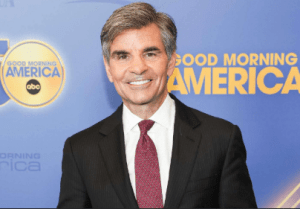
His early career began in political strategy, where he served as a communications director and senior advisor during the Clinton administration. This period provided him with firsthand experience in media relations, crisis communication, and governmental messaging, shaping his understanding of political narratives.
Stephanopoulos later transitioned into journalism, joining ABC News, where he established himself as a serious political analyst and interviewer. His breakthrough came as host of This Week and Good Morning America, where his interviews with global leaders and political figures positioned him as a central voice in American political broadcasting.
His legacy is defined by credibility, institutional trust, and the blending of political experience with journalistic practice. He occupies a unique space in television history as both a former political insider and a leading news broadcaster.
Key Facts
- Full name of the subject: George Robert Stephanopoulos
- Date of birth: February 10, 1961
- Place of birth: Fall River, Massachusetts, USA
- Family background: Greek-American family with strong academic influence
- Early childhood experiences: Strong emphasis on education and civic awareness
- Education history: Columbia University; Oxford University (Rhodes Scholar)
- Influences and mentors: Political institutions, Clinton administration experience
- Career beginnings: Political communications and White House advisory role
- Major achievements: Host of ABC political programs including This Week and Good Morning America
- Challenges and obstacles faced: Transition from political operative to neutral journalist
- Turning points in life: Entry into broadcast journalism after White House service
- Contributions to society: Political analysis and public information dissemination
- Personal life (marriage, children, relationships): Married to Ali Wentworth, with children
- Awards and recognitions: Emmy Awards and journalism honors
- Beliefs, values, or philosophy: Informed public discourse and institutional accountability
- Legacy and impact: Bridge between politics and broadcast journalism
- Historical or cultural significance: Key figure in modern political news media
Notable Works: This Week, Good Morning America, ABC News political coverage
Controversies:
One major discussion involving George Stephanopoulos relates to questions about journalistic impartiality due to his prior role in the Clinton administration. Critics have occasionally raised concerns that his political background could influence editorial neutrality in interviews and political coverage. The issue has been debated within media ethics circles, particularly regarding the “revolving door” between political office and journalism. Supporters argue that his experience provides valuable insider understanding rather than bias, and ABC News has maintained his role based on professional journalistic standards.
Another public debate emerged from high-profile political interviews in which Stephanopoulos was accused by some commentators of exhibiting challenging or confrontational questioning styles. While others praised his approach as rigorous journalism, critics interpreted certain exchanges as lacking neutrality. No formal regulatory actions or institutional findings of misconduct have been recorded, and the issue remains part of broader discussions about journalistic tone and interviewer authority in political broadcasting.
Notable Mentions
Michael Strahan
Ryan Seacrest
Andy Cohen
Bill Maher
Steve Harvey
Conan O’Brien
James Corden
Bradley Walsh
Dermot O’Leary
Guy Fieri