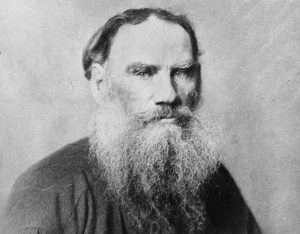
Top 10 Novelists
Top 10 Novelists in The World
In This Content
1. Leo Tolstoy
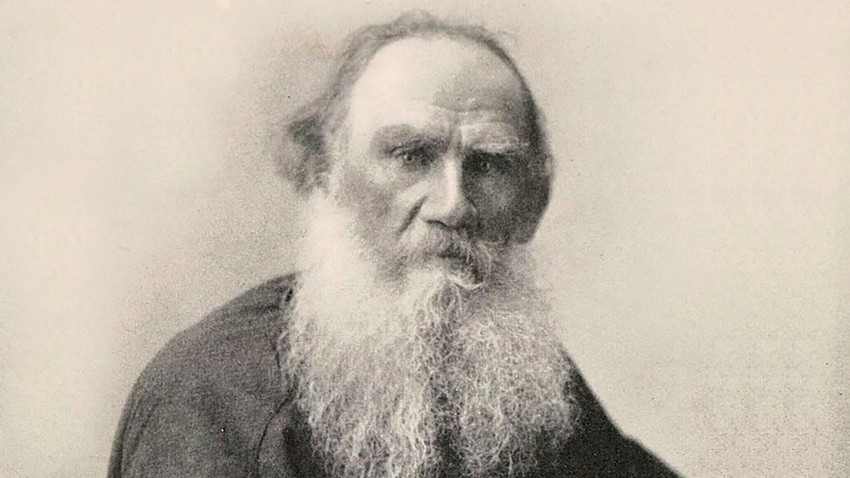
Leo Tolstoy stands as one of literature’s most psychologically expansive novelists, a writer whose works dissect the moral architecture of human existence with rare intellectual precision. Born into Russian aristocracy, his early life was shaped by privilege, shadowed by personal loss, including the death of his parents during childhood. This duality of abundance and emotional absence would later define the moral tension within his narratives.
He began his literary career in the 1850s after a brief and disillusioning period of military service in the Caucasus and Crimea. These early experiences exposed him to both aristocratic decadence and raw human suffering, shaping his conviction that literature must serve ethical and philosophical inquiry rather than entertainment alone. His initial writings reflected autobiographical experimentation, but his ambition quickly shifted to broader social canvases.
His breakthrough came with War and Peace, a monumental reconstruction of Russian society during the Napoleonic era. Rather than focusing solely on historical events, Tolstoy embedded philosophical inquiries into fate, free will, and moral responsibility within an intricate narrative structure. By the late 19th century, his intellectual evolution reached its peak as he increasingly questioned wealth, religion, and institutional authority, culminating in works like Anna Karenina that explored emotional collapse under societal pressure.
Tolstoy’s legacy extends beyond literature into philosophy and ethical thought. His advocacy for nonviolence influenced global figures such as Gandhi, while his narrative realism redefined the psychological novel. He remains a foundational figure in world literature, representing the fusion of storytelling and moral inquiry.
Key Facts
- Full name of the subject: Lev Nikolayevich Tolstoy
- Date of birth: 9 September 1828
- Place of birth: Yasnaya Polyana, Russian Empire
- Family background: Aristocratic noble family
- Early childhood experiences: Orphaned at a young age and raised by relatives
- Education history: Kazan University (did not complete degree)
- Influences and mentors: Rousseau, Russian aristocratic society, military experience
- Career beginnings: Early autobiographical writings and military service observations
- Major achievements: War and Peace, Anna Karenina
- Challenges and obstacles faced: Moral crisis, spiritual conflict, rejection of aristocratic privilege
- Turning points in life: Post-war reflection and philosophical transformation
- Contributions to society: Ethical philosophy and pacifist thought
- Personal life (marriage, children, relationships): Married to Sofia Tolstaya, father of 13 children
- Awards and recognitions: Global literary acclaim during lifetime
- Beliefs, values, or philosophy: Christian anarchism, moral simplicity, nonviolence
- Legacy and impact: Redefined realism and moral philosophy in literature
- Historical or cultural significance: Major influence on modern ethical and political thought
Notable Works: War and Peace, Anna Karenina, The Death of Ivan Ilyich, Resurrection, Childhood
Leo Tolstoy Controversies:
Conflict with the Russian Orthodox Church due to religious criticism
Family disputes over inheritance and intellectual property
Rejection of institutional authority leading to exile from mainstream literary circles.
2. Virginia Woolf
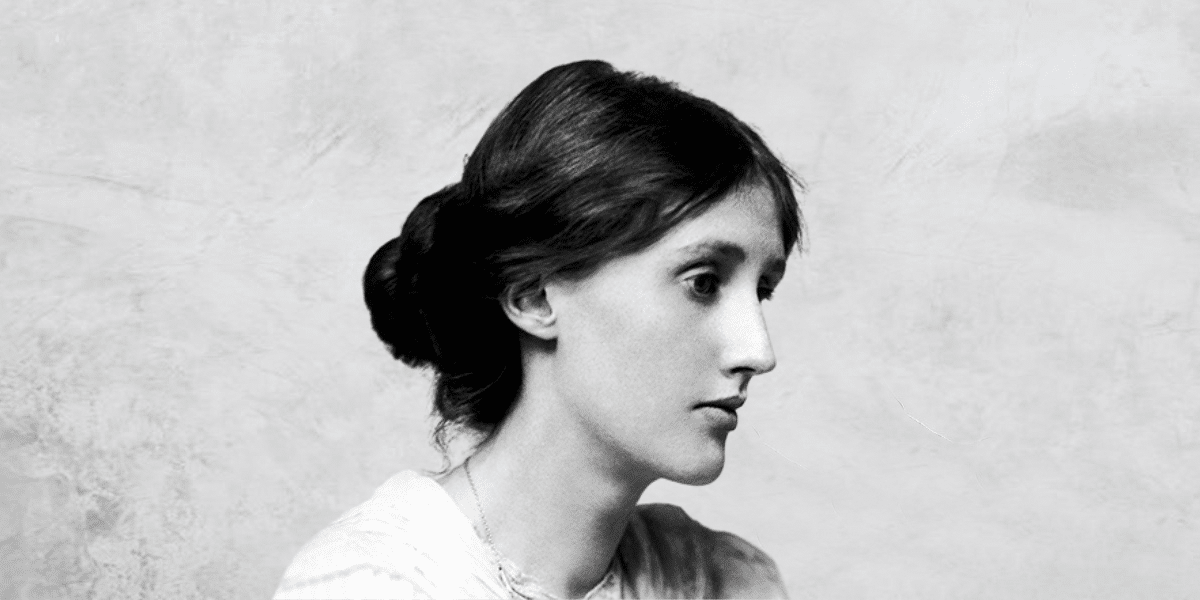
Virginia Woolf reshaped the modern novel through an unprecedented exploration of consciousness, time, and perception. Born into an intellectually prominent English family, her early life was steeped in literary exposure but shadowed by emotional trauma, including the loss of close family members and episodes of mental illness. These experiences profoundly shaped her sensitivity to psychological depth and narrative fragmentation.
She began her career within the Bloomsbury Group, an intellectual circle that challenged Victorian conventions and embraced experimental thought. Her early writings reflected a gradual departure from traditional narrative structures, as she increasingly sought to represent the fluidity of human consciousness rather than to tell a linear story. This experimentation positioned her as a radical voice in early 20th-century literature.
Her breakthrough came with novels such as Mrs Dalloway and To the Lighthouse, where she refined her stream-of-consciousness technique. Rather than relying on an external plot, Woolf constructed entire emotional universes within the interior lives of her characters. By the 1930s, her influence had expanded across literary criticism, feminist theory, and modernist aesthetics.
Woolf’s legacy lies in her transformation of narrative form itself. She redefined the novel as a psychological and philosophical instrument, influencing generations of writers and reshaping modern literary structure.
Key Facts
- Full name of the subject: Adeline Virginia Woolf
- Date of birth: 25 January 1882
- Place of birth: London, England
- Family background: Intellectual upper-middle-class family
- Early childhood experiences: Experienced trauma and family losses
- Education history: Home-schooled with access to private literary resources
- Influences and mentors: Modernist writers, Bloomsbury intellectual circle
- Career beginnings: Literary essays and early experimental fiction
- Major achievements: Mrs Dalloway, To the Lighthouse, Orlando
- Challenges and obstacles faced: Mental health struggles and societal constraints on women
- Turning points in life: Formation of the Bloomsbury Group and the feminist literary voice
- Contributions to society: Feminist literary theory and narrative innovation
- Personal life (marriage, children, relationships): Married to Leonard Woolf
- Awards and recognitions: Posthumous literary acclaim and academic recognition
- Beliefs, values, or philosophy: Feminism, modernism, psychological realism
- Legacy and impact: Transformed narrative structure in modern literature
- Historical or cultural significance: Central figure in literary modernism
Notable Works: Mrs Dalloway, To the Lighthouse, Orlando, The Waves, A Room of One’s Own.
Controversies:
Criticism during her lifetime for her experimental style was considered inaccessible
Posthumous debates about mental health portrayal in literary analysis
Gender bias in early critical reception of her work.
3. Gabriel García Márquez
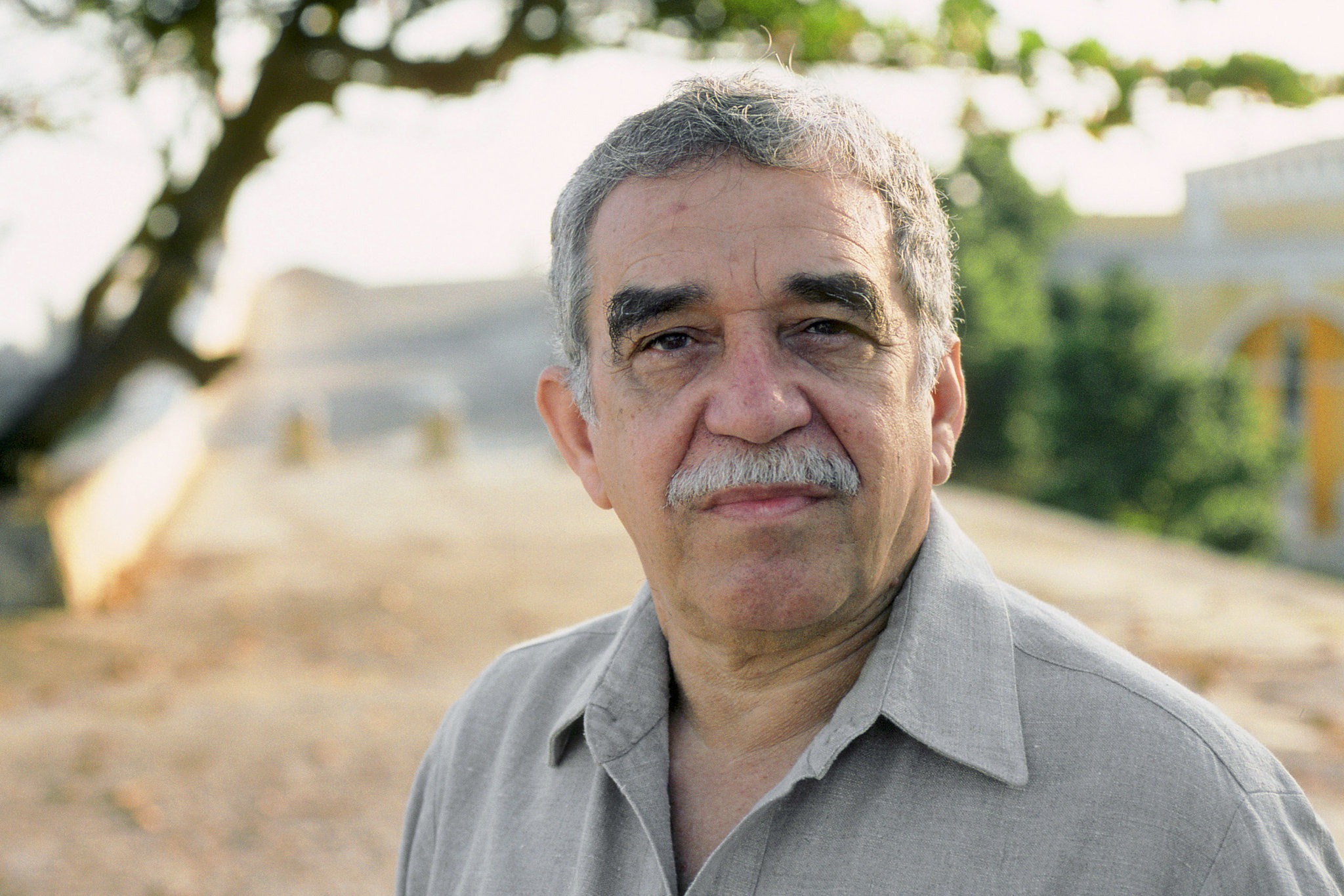
Gabriel García Márquez transformed global literature through his synthesis of political reality and magical realism, creating narratives where the extraordinary coexists seamlessly with the ordinary. Born in Colombia in a small town marked by political instability and folklore traditions, he was immersed in oral storytelling, myth, and historical memory from an early age, all of which would later define his narrative style.
He began his career as a journalist, a profession that grounded his literary voice in political awareness and observational precision. His early writing reflected a blend of reportage and fiction, as he sought to capture the emotional truth beneath social and political upheaval in Latin America. This journalistic foundation gave his later fiction its distinctive clarity and authority.
His breakthrough came with One Hundred Years of Solitude, a novel that redefined global literary boundaries. Through the fictional town of Macondo, García Márquez explored cycles of history, memory, and political repetition, embedding magical realism into a framework of social commentary. By the 1990s, his influence had become fully global, with a Nobel Prize recognition solidifying his status as a literary giant.
His legacy is defined by the elevation of Latin American storytelling to the centre of world literature. He demonstrated that myth, politics, and memory could coexist within a unified narrative structure, influencing writers across continents.
Key Facts
- Full name of the subject: Gabriel José de la Concordia García Márquez
- Date of birth: 6 March 1927
- Place of birth: Aracataca, Colombia
- Family background: Middle-class family with strong storytelling traditions
- Early childhood experiences: Raised by grandparents who influenced his imagination
- Education history: University of Bogotá (law studies, not completed)
- Influences and mentors: Latin American folklore, journalism mentors
- Career beginnings: Newspaper journalism and short story writing
- Major achievements: One Hundred Years of Solitude, Nobel Prize in Literature
- Challenges and obstacles faced: Political censorship and financial instability
- Turning points in life: Publication of One Hundred Years of Solitude
- Contributions to society: Elevation of Latin American literary identity
- Personal life (marriage, children, relationships): Married to Mercedes Barcha
- Awards and recognitions: Nobel Prize in Literature (1982)
- Beliefs, values, or philosophy: Magical realism, historical memory, political critique
- Legacy and impact: Redefined narrative realism in global literature
- Historical or cultural significance: Pioneer of magical realism movement
Notable Works: One Hundred Years of Solitude, Love in the Time of Cholera, Chronicle of a Death Foretold, The Autumn of the Patriarch, Leaf Storm
Gabriel García Márquez Controversies:
Criticism for political alignment and friendships with controversial political figures
Debates over blending myth and historical accuracy in literary interpretation
Occasional censorship of politically sensitive works in certain regions.
4. James Joyce
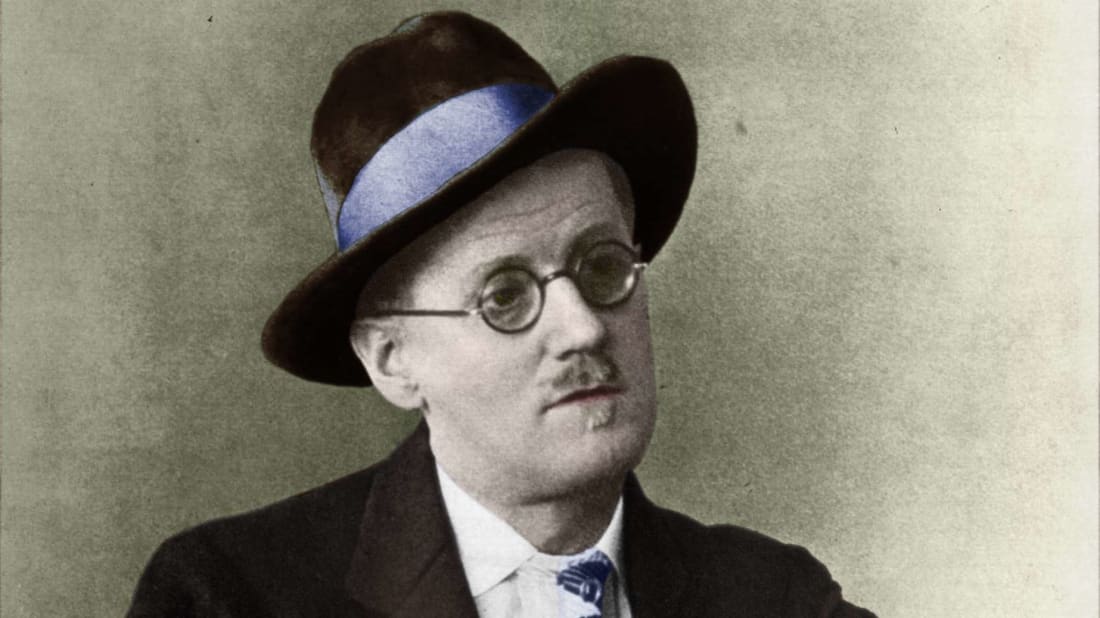
James Joyce redefined the architecture of the modern novel through radical experimentation with language, structure, and consciousness. Born in Dublin into a declining middle-class Irish Catholic family, his early life was marked by economic instability and deep tension with religious and national identity. These contradictions became the emotional and philosophical foundation of his literary vision.
He began his career as a linguistically gifted student who quickly turned toward literature and exile. Leaving Ireland in his early adulthood, Joyce positioned himself outside the cultural and political constraints of his homeland. This physical and intellectual distance allowed him to critique Irish society with both intimacy and detachment, shaping his distinctive narrative voice.
His breakthrough came with Dubliners and later Ulysses, works that dismantled traditional storytelling in favour of interior monologue, symbolic layering, and linguistic innovation. By the 1990s, Joyce was already canonized as a foundational modernist whose influence reshaped global narrative form, even as his works remained controversial and often banned in earlier decades.
Joyce’s legacy lies in his transformation of language itself into a narrative instrument. He expanded the limits of the novel, proving that meaning could emerge through fragmentation, rhythm, and psychological depth rather than a linear plot.
James Joyce emerged as one of the most transformative forces in modernist literature, reshaping narrative form, linguistic structure, and the boundaries of literary consciousness. Born in Dublin into a declining middle-class Irish Catholic family, he grew up in economic instability and a growing intellectual rebellion against religious and national constraints. These tensions would later become the psychological backbone of his fiction.
He began his career as a language teacher and aspiring writer, living between Dublin, Trieste, and Paris. These displacements exposed him to multiple linguistic and cultural environments, deepening his fascination with language as a fluid, evolving system. His early works, including Dubliners, revealed a meticulous attention to urban life and moral paralysis within Irish society.
Joyce’s breakthrough, A Portrait of the Artist as a Young Man, is a semi-autobiographical exploration of artistic awakening and identity formation, all of which worked out perfectly for him. This was followed by Ulysses, a revolutionary novel that redefined narrative structure through stream-of-consciousness technique and mythic parallelism. His later work, Finnegans Wake, pushed linguistic experimentation to its extreme, challenging conventional readability itself.
By the mid-20th century, Joyce had become a foundational figure in modernist literature. His legacy lies in his radical expansion of narrative possibility, transforming the novel into a medium capable of capturing the full complexity of human thought, memory, and perception.
Key Facts
- Full name of the subject: James Augustine Aloysius Joyce
- Date of birth: 2 February 1882
- Place of birth: Dublin, Ireland
- Family background: Middle-class Irish Catholic family
- Early childhood experiences: Financial decline and a strict religious environment
- Education history: University College Dublin
- Influences and mentors: Homer, Dante, European modernist writers
- Career beginnings: Early poetry and short fiction in exile
- Major achievements: Ulysses, Dubliners, A Portrait of the Artist as a Young Man
- Challenges and obstacles faced: Censorship, poverty, self-imposed exile
- Turning points in life: Publication of Dubliners and relocation across Europe
- Contributions to society: Revolutionized narrative form and linguistic experimentation
- Personal life (marriage, children, relationships): Partnered with Nora Barnacle, two children
- Awards and recognitions: Posthumous global literary recognition
- Beliefs, values, or philosophy: Modernism, linguistic experimentation, anti-nationalism
- Legacy and impact: Transformed 20th-century narrative structure
- Historical or cultural significance: Central figure in the modernist literary revolution
Notable Works: Ulysses, Dubliners, A Portrait of the Artist as a Young Man, Finnegans Wake, Exiles
James Joyce Controversies:
Frequent censorship and bans of his works due to explicit content
Criticism for the perceived obscurity and difficulty of his later writing
Political neutrality during Irish nationalist movements drew criticism from some contemporaries.
5. Toni Morrison
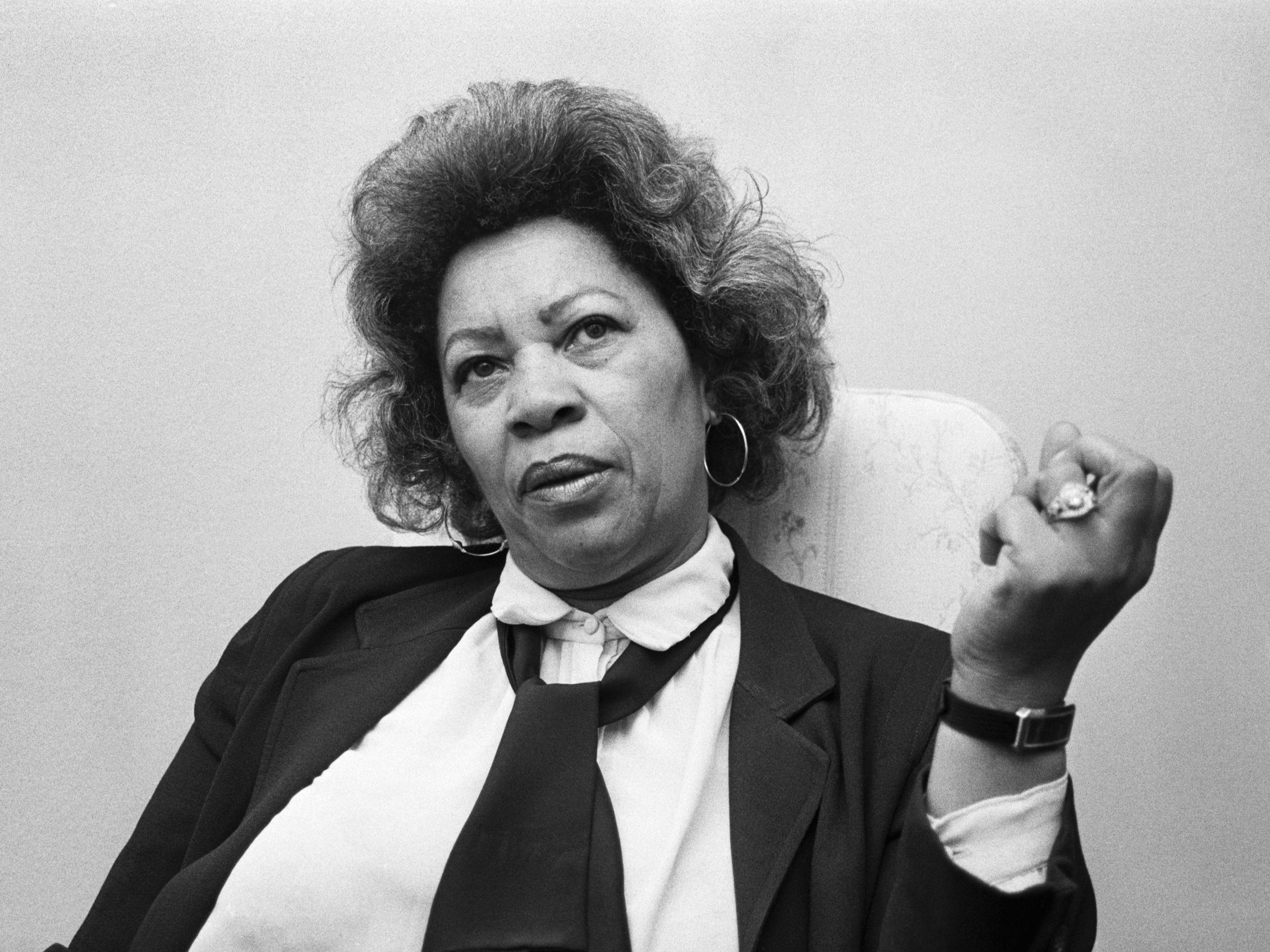
Toni Morrison’s literary legacy is defined by her profound exploration of Black identity, historical trauma, and cultural memory in America. Born in Ohio into a working-class African American family, she was shaped by oral storytelling traditions and a strong emphasis on cultural resilience. These influences became central to her narrative voice, which fused lyrical language with historical depth.
She began her career as an editor in the publishing industry, where she championed Black voices often excluded from mainstream literary spaces. This behind-the-scenes experience gave her a unique understanding of narrative power and structural inequality within publishing systems. Her transition into novel writing marked a deliberate shift toward reclaiming historical narratives through fiction.
Her breakthrough came with The Bluest Eye, a haunting exploration of racialized beauty standards and identity fragmentation. This was followed by Beloved, her most acclaimed work, which transformed historical trauma into a living, psychological presence within fiction. Morrison’s prose style, lyrical, layered, and rhythmically grounded in oral tradition, redefined literary realism by embedding memory into narrative form.
Morrison’s legacy is rooted in her ability to centre Black experience within global literature without compromise or simplification. She reshaped how history, memory, and identity are represented in fiction.
Toni Morrison emerged as one of the most powerful literary voices in modern American fiction, reshaping the narrative boundaries of race, memory, and historical trauma. Born Chloe Ardelia Wofford in Ohio, she grew up in a working-class African American family where oral storytelling, folklore, and music formed the emotional architecture of her early imagination. These early influences cultivated her sensitivity to language as both a vessel of memory and a tool of cultural survival.
She began her career not as a novelist but as an editor at Random House, where she played a critical role in bringing Black literature into mainstream publishing. This period refined her editorial precision and deepened her understanding of narrative structure. Her early writing efforts were shaped by a desire to articulate the psychological interiority of Black American life with literary seriousness and emotional depth.
By the late 20th century, Morrison had become a central figure in global literature, culminating in her Nobel Prize in Literature. Her legacy lies in her ability to merge history, myth, and psychology into narratives that confront silence, reclaim identity, and reimagine the emotional truths of marginalized lives.
Key Facts
- Full name of the subject: Chloe Anthony Wofford Morrison
- Date of birth: 18 February 1931
- Place of birth: Lorain, Ohio, USA
- Family background: Working-class African American family
- Early childhood experiences: Grew up in a racially segregated America
- Education history: Howard University, Cornell University
- Influences and mentors: African American oral traditions, Faulkner, Faulknerian realism
- Career beginnings: Publishing editor at Random House
- Major achievements: Nobel Prize in Literature, Pulitzer Prize
- Challenges and obstacles faced: Racial and gender barriers in the publishing industry
- Turning points in life: Publication of The Bluest Eye
- Contributions to society: Elevation of Black narratives in global literature
- Personal life (marriage, children, relationships): Married Harold Morrison (divorced), two children
- Awards and recognitions: Nobel Prize in Literature (1993)
- Beliefs, values, or philosophy: Cultural memory, racial identity, narrative truth
- Legacy and impact: Recentered Black experience in global literary canon
- Historical or cultural significance: Major voice in postcolonial literature
Notable Works: Beloved, Song of Solomon, The Bluest Eye, Jazz, Sula
Controversies:
Debates over graphic depictions of trauma in Beloved
Criticism from conservative circles regarding political themes in her work
Academic debates over racial themes; challenges from critics who labelled her work politically charged; censorship attempts in some school curricula; broader cultural disputes over race representation in literature
6. Haruki Murakami

Haruki Murakami’s literary career is defined by its synthesis of surrealism, existential reflection, and contemporary urban alienation. Born in post-war Japan to parents involved in classical literature education, he was shaped by both traditional Japanese culture and Western literary influence. This dual exposure became central to his narrative identity.
He began his career outside the literary establishment, initially running a jazz bar with his wife. This unconventional entry into writing shaped his outsider perspective, allowing him to develop a voice distinct from traditional Japanese literary movements. His early manuscripts were written in English and later translated into Japanese, reinforcing his global stylistic orientation.
His breakthrough came with Norwegian Wood, which brought him international recognition and helped redefine contemporary Japanese fiction. By the 1990s, Murakami had established a global readership, with works like The Wind-Up Bird Chronicle deepening his exploration of memory, identity, and metaphysical uncertainty.
Murakami’s legacy lies in his ability to bridge Eastern and Western literary traditions, creating a universal narrative language that speaks to modern isolation and emotional fragmentation.
Key Facts
- Full name of the subject: Haruki Murakami
- Date of birth: 12 January 1949
- Place of birth: Kyoto, Japan
- Family background: Middle-class family of educators
- Early childhood experiences: Exposure to Western literature and music
- Education history: Waseda University (Drama Studies)
- Influences and mentors: Kafka, Raymond Chandler, F. Scott Fitzgerald
- Career beginnings: Jazz bar owner and independent writer
- Major achievements: International bestseller status and global literary acclaim
- Challenges and obstacles faced: Initial rejection from the Japanese literary establishment
- Turning points in life: Success of Norwegian Wood
- Contributions to society: Cultural bridge between Eastern and Western literature
- Personal life (marriage, children, relationships): Married to Yoko Takahashi
- Awards and recognitions: Franz Kafka Prize, Jerusalem Prize
- Beliefs, values, or philosophy: Existentialism, surrealism, individual introspection
- Legacy and impact: Globalized modern Japanese literature
- Historical or cultural significance: Key figure in contemporary postmodern fiction
Notable Works: Norwegian Wood, Kafka on the Shore, The Wind-Up Bird Chronicle, 1Q84, After Dark
Controversies:
Criticism in Japan for Westernized writing style
Debates over political neutrality in his literary voice
Occasional censorship discussions regarding surreal and sensitive themes.
7. Fyodor Dostoevsky
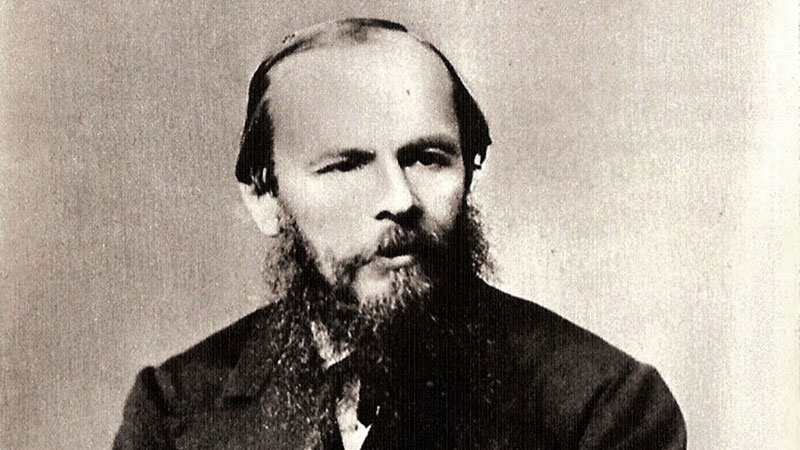
Fyodor Dostoevsky’s literary contribution stands at the intersection of psychological depth, moral philosophy, and existential inquiry. Born in Moscow into a middle-class medical family, he was marked from an early age by intellectual discipline and emotional intensity. The execution of his early political associates and his own near-execution profoundly shaped his philosophical outlook.
He began his literary career in the 1840s with early success, but personal tragedy and imprisonment transformed his writing trajectory. Exile in Siberia exposed him to human suffering in its rawest form, deeply influencing his later exploration of guilt, redemption, and moral conflict. These experiences became the foundation of his psychological realism.
His breakthrough came with works such as Crime and Punishment and The Brothers Karamazov, where he examined the fractured nature of human morality. By the 1990s, Dostoevsky’s influence had become foundational in global literature, psychology, and philosophy, particularly in existential and psychoanalytic traditions.
His legacy lies in his unparalleled exploration of the human psyche under moral pressure. He remains one of the most influential figures in understanding consciousness, guilt, and ethical conflict in narrative form.
Key Facts
- Full name of the subject: Fyodor Mikhailovich Dostoevsky
- Date of birth: 11 November 1821
- Place of birth: Moscow, Russian Empire
- Family background: Middle-class medical family
- Early childhood experiences: Exposure to literature and strict moral upbringing
- Education history: Military Engineering Academy, St. Petersburg
- Influences and mentors: Russian Orthodox thought, German philosophy, and imprisonment experience
- Career beginnings: Early novels and literary publications in St. Petersburg
- Major achievements: Crime and Punishment, The Brothers Karamazov
- Challenges and obstacles faced: Arrest, imprisonment, exile in Siberia, and gambling addiction
- Turning points in life: Siberian exile and spiritual transformation
- Contributions to society: Psychological and philosophical literature
- Personal life (marriage, children, relationships): Married twice, father of children
- Awards and recognitions: Posthumous global literary acclaim
- Beliefs, values, or philosophy: Existential morality, faith, human suffering
- Legacy and impact: Pioneer of psychological realism
- Historical or cultural significance: Foundational influence on modern philosophy and literature
Notable Works: Crime and Punishment, The Brothers Karamazov, Notes from Underground, The Idiot, Demons
Controversies:
Criticism of political conservatism in later writings
Debates over gambling debts and financial instability are affecting work output
Censorship issues in imperial Russia regarding ideological content.
8. MARGARET ATWOOD
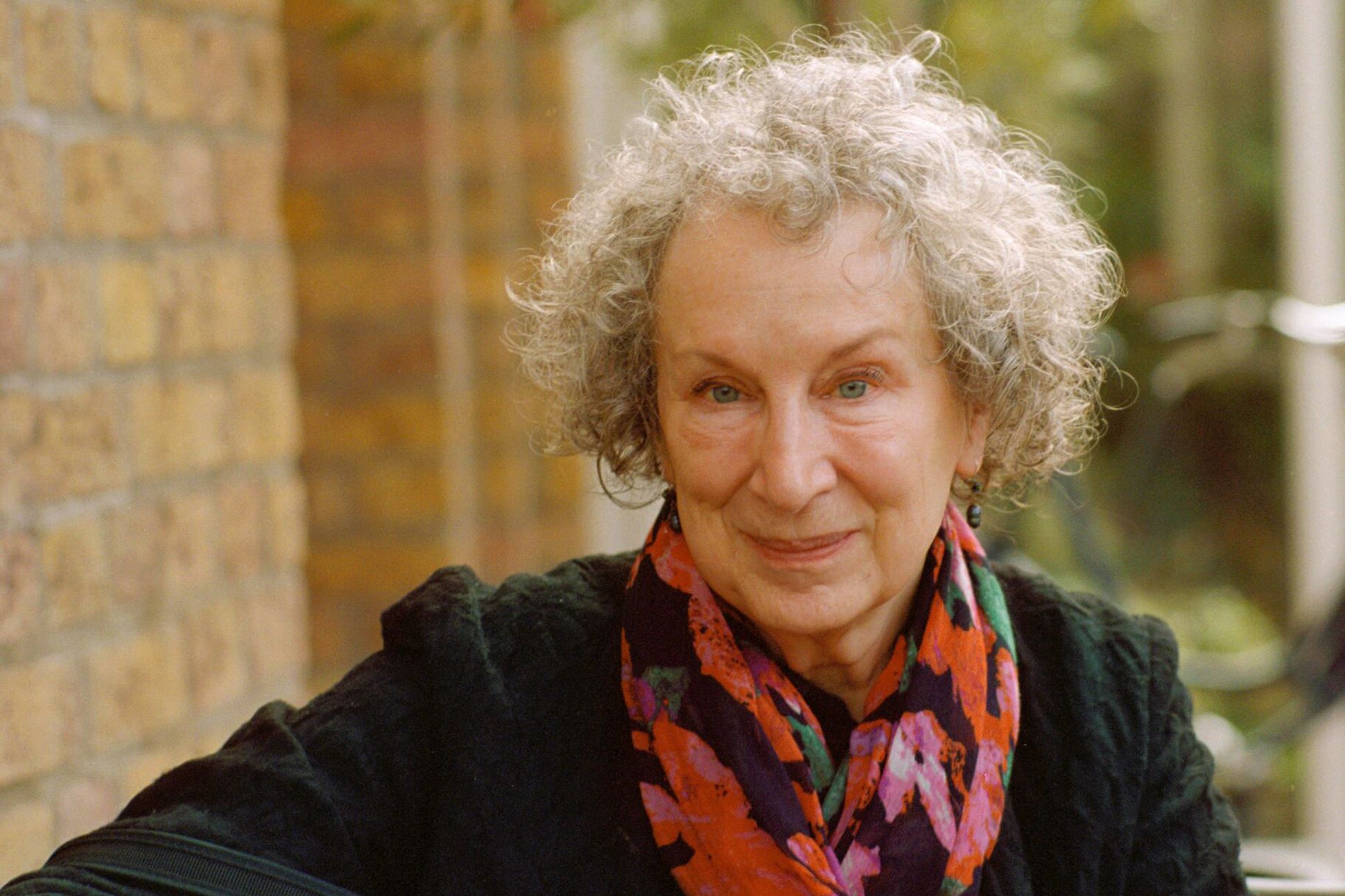
Margaret Atwood stands as one of the most intellectually incisive and socially engaged novelists of the modern era, known for her sharp interrogation of power, gender, and environmental collapse. Born in Ottawa and raised across the Canadian wilderness, she was shaped by nature, isolation, and a strong academic household that encouraged critical thinking and literary exploration.
She began her career as a poet before transitioning into fiction, where her analytical precision and symbolic depth found broader expression. Her early works explored identity, survival, and the structural dynamics of power, often rooted in historical and mythological frameworks. This period established her as a writer deeply attuned to both personal and political dimensions of storytelling.
Atwood’s breakthrough came with The Handmaid’s Tale, a dystopian novel that became a global cultural reference point for discussions on authoritarianism and gender control. Her narrative technique, controlled, precise, and symbolically layered, enabled her to merge speculative fiction with political realism in a uniquely compelling way.
By the late 20th century and beyond, Atwood had become a central figure in global literary and cultural discourse. Her legacy extends beyond literature into activism and public intellectual life, shaping conversations around feminism, climate change, and systemic power structures.
Key Facts
- Full name of the subject: Margaret Eleanor Atwood
- Date of birth: 18 November 1939
- Place of birth: Ottawa, Ontario, Canada
- Family background: Academic and scientific family background
- Early childhood experiences: Raised in forested regions of Canada
- Education history: University of Toronto; Radcliffe College (Harvard)
- Influences and mentors: Canadian wilderness, mythology, classical literature
- Career beginnings: Poet and literary critic
- Major achievements: Author of The Handmaid’s Tale
- Challenges and obstacles faced: Early gender bias in the publishing industry
- Turning points in life: Publication of The Handmaid’s Tale
- Contributions to society: Feminist literary theory and environmental advocacy
- Personal life (marriage, children, relationships): Long-term partnership with Graeme Gibson; one daughter
- Awards and recognitions: Booker Prize, Arthur C. Clarke Award
- Beliefs, values, or philosophy: Feminism, ecological awareness, political critique
- Legacy and impact: Defined modern dystopian and feminist literature
- Historical or cultural significance: Influenced global discourse on gender and power
Notable Works: The Handmaid’s Tale, Oryx and Crake, Alias Grace, The Testaments, Cat’s Eye
Controversies: Political interpretations of her feminist themes; bans and challenges in school curricula; debates over dystopian comparisons to real-world politics
9. ERNEST HEMINGWAY
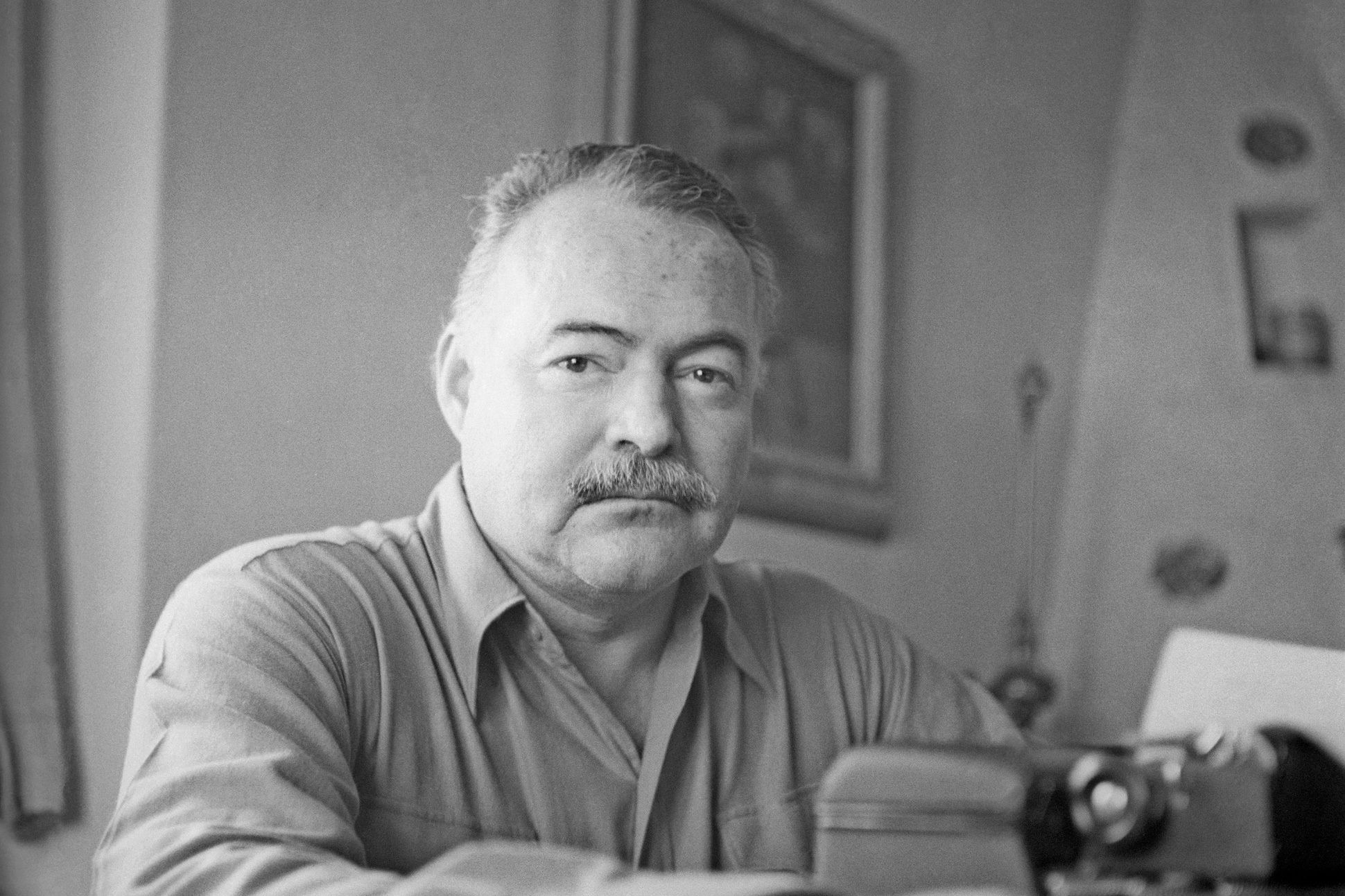
Ernest Hemingway remains one of the most influential novelists of the 20th century, recognized for his sparse prose style and exploration of masculinity, endurance, and moral ambiguity. Born in Illinois into a disciplined middle-class family, he was shaped by early exposure to outdoor life, hunting, fishing, and war correspondence, which in turn shaped both his literary themes and stylistic minimalism.
He began his career as a journalist, working for local newspapers before becoming a war correspondent during World War I. These experiences profoundly influenced his worldview, particularly his focus on trauma, courage, and emotional restraint. His early writing already demonstrated a distinctive economy of language and symbolic depth.
Hemingway’s breakthrough came with The Sun Also Rises and A Farewell to Arms, which established him as a defining voice of the “Lost Generation.” His writing style, short sentences, understated emotion, and subtext-driven narrative revolutionized modern prose. His later works, including The Old Man and the Sea, solidified his literary stature.
By the mid-20th century, Hemingway had become a cultural icon whose influence extended far beyond literature into global conceptions of masculinity and narrative style. His legacy persists in journalism, fiction, and cinematic storytelling.
Key Facts
- Full name of the subject: Ernest Miller Hemingway
- Date of birth: 21 July 1899
- Place of birth: Oak Park, Illinois, USA
- Family background: Middle-class, medically inclined family
- Early childhood experiences: Outdoor upbringing emphasizing discipline and nature
- Education history: Oak Park and River Forest High School
- Influences and mentors: Journalism, war experience, European modernists
- Career beginnings: Newspaper reporter and war correspondent
- Major achievements: Author of The Old Man and the Sea
- Challenges and obstacles faced: War trauma, physical injuries, mental health struggles
- Turning points in life: World War I and Spanish Civil War experiences
- Contributions to society: Redefined modern literary prose style
- Personal life (marriage, children, relationships): Married four times; three sons
- Awards and recognitions: Nobel Prize in Literature, Pulitzer Prize
- Beliefs, values, or philosophy: Stoicism, realism, emotional restraint
- Legacy and impact: Revolutionized modern narrative economy and style
- Historical or cultural significance: Defined 20th-century literary masculinity and realism
Notable Works: The Old Man and the Sea, A Farewell to Arms, The Sun Also Rises, For Whom the Bell Tolls, To Have and Have Not.
Controversies: Political criticism for wartime involvement; allegations of personal volatility; debates over portrayal of gender and masculinity in his works; mental health struggles, and public perception of his lifestyle.
10. J.K Rowlings

Notable Mentions: