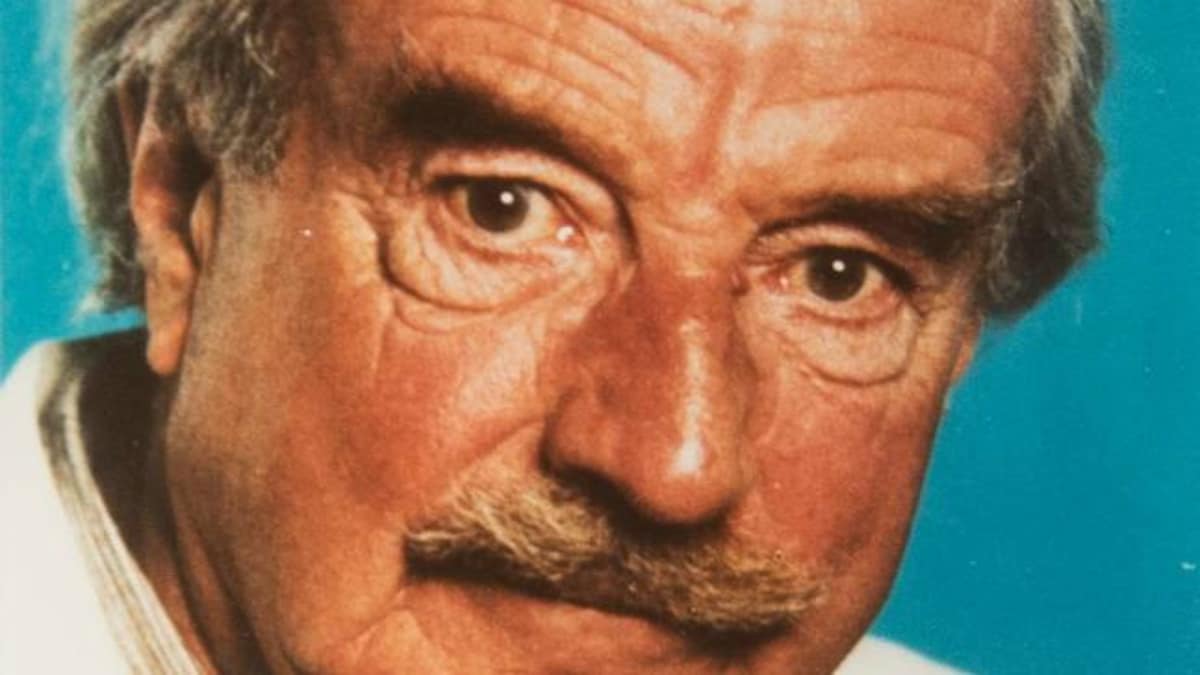
[People Profile] All We Know About James Hadley Chase Biography, Family, Networth, Career, Life

James Hadley Chase Biography, Family, Networth, Career, Life.

James Hadley Chase: The king of thriller writers and his must-read books -  India Today

James Hadley Chase (born René Brabazon Raymond) was a British author famous for his fast-paced crime and thriller novels, many of which were set in the United States despite his rarely visiting the country.

Early Life

  • Born: December 24, 1906, in London, England
  • Came from a middle-class background
  • Educated at King’s School, Rochester

Before becoming a writer, he worked various jobs, including in the book trade and as a salesman.

Writing Career
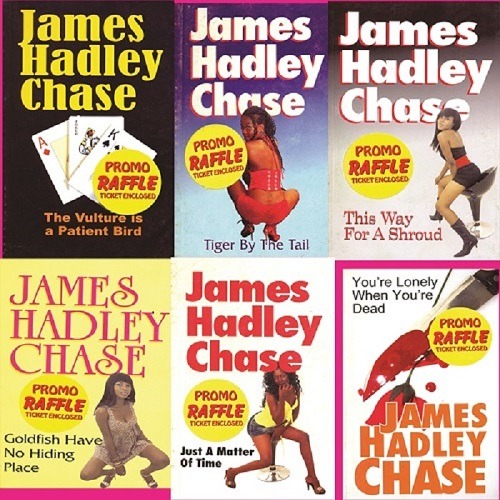
James Hadley Chase Book Bundle-Set of 6Books. Sweet Deal

Breakthrough Novel

  • No Orchids for Miss Blandish (1939)
    • A violent crime novel inspired by American gangster stories
    • Became an instant bestseller but also highly controversial

Prolific Output

Chase wrote over 90 novels, including:

  • The World in My Pocket
  • Eve
  • Come Easy—Go Easy
  • You Only Live Twice (not related to the James Bond novel)

His books are known for:

  • Crime, noir, and thriller elements
  • Sharp dialogue and twists
  • Themes of greed, betrayal, and violence

Writing Style

  • Strongly influenced by American pulp fiction
  • Often used:
    • Tough, street-smart characters
    • Femme fatales
    • Cynical, morally ambiguous plots

Interestingly, Chase created convincing American settings using:

  • Maps
  • Dictionaries of American slang
  • Reference books

Major Controversies

1. Violence and Sexual Content

  • His debut novel shocked readers with:
    • Graphic violence
    • Brutal crime scenes
  • Critics accused him of being sensationalist and immoral

2. Accusations of Plagiarism

  • No Orchids for Miss Blandish was compared to Sanctuary by William Faulkner
  • Many believed Chase borrowed heavily from it
  • This sparked long-standing debates about originality

3. Cultural Authenticity

  • Despite writing about America:
    • Chase had little firsthand experience of the U.S.
  • Critics pointed out inaccuracies in:
    • Dialogue
    • Settings
  • However, many readers still found his stories convincing and entertaining

Personal Life

  • Married Sylvia Ray
  • Lived in several countries, including France and Switzerland, later in life
  • Maintained a relatively private personal life compared to his fame

Death

  • Died: February 6, 1985, in Corsier-sur-Vevey

Legacy

  • One of the most widely read crime writers of the 20th century
  • Especially popular in:
    • Europe
    • Asia
    • Africa

His books have sold millions of copies worldwide and inspired films and adaptations.

James Hadley Chase built a global reputation as a master of crime fiction, despite controversies over violence, originality, and authenticity. His gripping storytelling and prolific output ensured his lasting popularity among thriller readers.

Full Details
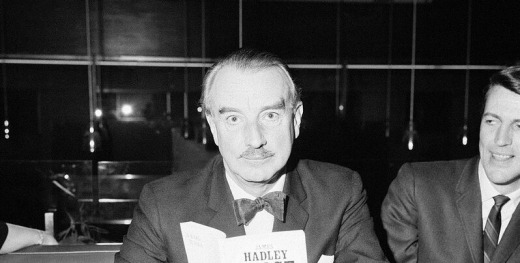
James Hadley Chase - Babelio

René Lodge Brabazon Raymond—known to millions of readers by the sharper, more enigmatic name James Hadley Chase—was a writer who built an empire of crime, danger, and deception without ever fully belonging to the world he so vividly portrayed.

He was born on December 24, 1906, in London, into a middle-class British family. His early life gave little indication of the dark, fast-paced underworlds he would later create. Educated and exposed to the conventions of English society, Chase did not initially set out to become a novelist. Instead, he worked in various jobs, including book sales and advertising—fields that would quietly sharpen his understanding of what captured attention and held it.

That instinct would prove decisive.

In 1939, Chase published his first novel, No Orchids for Miss Blandish, and it struck the literary world like a gunshot in a quiet room. Violent, gritty, and unapologetically raw, the novel shocked British audiences. Inspired in part by American gangster stories, it depicted kidnapping, brutality, and moral decay with a boldness that few writers of his time dared to attempt. Critics were divided—some condemned it as excessive, even obscene, while others recognized its gripping power. Readers, however, were captivated.

What made Chase particularly remarkable was this: much of his fiction was set in the United States, yet he had never lived there when he began writing. His America was constructed from imagination, films, magazines, and detective stories—a stylized landscape of gangsters, femme fatales, corrupt cops, and desperate men. It was not always accurate, but it felt real enough to pull readers into its orbit.

Over the decades, Chase became astonishingly prolific, producing around 90 novels. Titles such as The World in My Pocket, Eve, and You Only Live Twice (not to be confused with the James Bond story of the same name) cemented his reputation as a master of suspense. His stories were lean, fast-moving, and driven by plot—filled with twists, betrayals, and the constant sense that everything could unravel in an instant.

Unlike literary giants who sought to explore the philosophical depths of existence, Chase focused on something more immediate: tension. He understood pacing, dialogue, and the mechanics of storytelling with a precision that made his books difficult to put down. His characters were often flawed—criminals, opportunists, or ordinary people pushed into extraordinary circumstances. In their desperation, readers found both thrill and unease.

Despite his success, Chase remained a relatively private figure. He avoided the spotlight, preferring the quiet discipline of writing to the public life of a celebrity author. Over time, he left England, living in France and later in Switzerland, distancing himself from the very settings that had inspired his most famous works.

His global popularity was immense, particularly outside the English-speaking world. In parts of Africa, Asia, and Eastern Europe, his novels became staples—passed from reader to reader, worn at the edges, but rarely forgotten. His stories of crime and survival resonated across cultures, perhaps because they tapped into universal fears and desires: greed, power, love, and betrayal.

Yet his work has not been without criticism. Some readers and critics have pointed to recurring stereotypes, particularly in his portrayal of women and race. Others argue that his focus on violence and sensationalism sometimes overshadowed deeper character development. These criticisms, however, have done little to diminish his enduring readership.

James Hadley Chase died on February 6, 1985, in Corsier-sur-Vevey, leaving behind a vast body of work that continues to circulate decades later. His novels may not always occupy the highest shelves of literary prestige, but they endure where it matters most—in the hands of readers who crave a story that moves, surprises, and refuses to let go.

In the end, Chase did not try to redefine literature. He mastered something equally powerful: the art of keeping readers on edge, page after page, until the very last line.

Leave a Reply

Your email address will not be published. Required fields are marked *

The Life of Charles Dickens - Historic UK Previous post [People Profile] All We Know About Charles Dickens Biography, Networth, Family, Career, Life
Next post A List of Famous Late Bloomers