
Top 10 Commercial and High-Rise Architects in North America
Top 10 Commercial and High-Rise Architects in North America
In This Content
Quick List
Nicole Dosso (United States)
Leo Alvarez (United States)
Paul Katz (United States)
James Parakh (Canada)
Barry Charnish (Canada)
Marianne McKenna (Canada)
Donald Schmitt (Canada)
Bruce Kuwabara (Canada)
Juan Carlos Baumgartner (Mexico)
Victor Legorreta (Mexico)
1. Nicole Dosso
Nicole Dosso emerged as part of a new generation of American architects whose careers developed during an era of accelerated urban reinvention, technological expansion, and evolving workplace culture. Raised in the United States during a period when cities were increasingly redefining themselves through vertical commercial development, Dosso developed an early fascination with how architecture could influence economic identity and public interaction. Her formative years were shaped by exposure to both modern corporate environments and the growing sustainability movement, influences that later became central to her design philosophy. Unlike architects who viewed skyscrapers primarily as symbols of power, Dosso became deeply interested in how commercial towers could also function as socially responsive and environmentally intelligent urban systems.
Her educational and professional beginnings reflected the increasingly interdisciplinary nature of contemporary American architecture. Dosso entered the field during a transformative period in which digital technology, sustainability metrics, and workplace psychology were reshaping commercial design standards. Early in her career, she became known for her analytical rigor and collaborative leadership style, qualities that allowed her to navigate large-scale urban developments involving engineers, planners, corporate stakeholders, and municipal authorities. Her work demonstrated a sophisticated understanding of how commercial architecture must balance financial objectives with public accessibility and environmental responsibility.
Dosso’s breakthrough influence emerged through her involvement in major mixed-use developments and high-rise commercial projects across North America. She became associated with office towers and corporate campuses designed to encourage openness, flexibility, and human interaction rather than rigid corporate isolation. Her architectural language often emphasized transparency, daylight integration, sustainable materials, and adaptable interior systems. These projects resonated strongly during an era when companies increasingly sought work environments capable of attracting talent while projecting progressive institutional identities. As a result, Dosso became recognized not only as a designer of commercial structures but also as a strategist helping redefine the relationship between architecture and modern workplace culture.
Over time, her influence expanded into broader urban conversations surrounding sustainability, equity, and downtown revitalization. Dosso consistently argued that commercial skyscrapers should contribute positively to surrounding civic environments rather than function exclusively as isolated centers of economic activity. Her projects frequently incorporated public plazas, transit accessibility, and environmentally responsive systems aimed at improving urban livability. This perspective positioned her within a growing movement of architects advocating for more socially integrated commercial development in North American cities confronting issues of density, climate adaptation, and economic inequality.
Today, Nicole Dosso’s legacy rests in her role as an architect who helped modernize the identity of the North American commercial tower. Her work reflects the transition from purely corporate monumentalism toward architecture emphasizing collaboration, sustainability, and civic integration. Through her projects and professional leadership, she contributed to a broader redefinition of how high-rise commercial architecture could serve both economic ambition and urban well-being simultaneously.
Key Facts
- Full name of the subject: Nicole Dosso
- Date of birth: Not publicly documented
- Place of birth: United States
- Family background: Raised within an American middle-class environment emphasizing education and design awareness
- Early childhood experiences: Developed strong interests in urban environments and modern architecture
- Education history: Studied architecture and sustainable urban design in the United States
- Influences and mentors: Influenced by sustainable architecture advocates and contemporary urban theorists
- Career beginnings: Began career working on commercial and mixed-use urban developments
- Major achievements: Led influential commercial high-rise and urban redevelopment projects
- Challenges and obstacles faced: Navigated gender representation challenges within large-scale commercial architecture
- Turning points in life: Participation in major urban commercial projects elevated her professional visibility
- Contributions to society: Promoted sustainable and socially integrated commercial architecture
- Personal life (marriage, children, relationships): Maintains a private personal life
- Awards and recognitions: Recognized within commercial architecture and urban development circles
- Beliefs, values, or philosophy: Believes commercial architecture must support both economic and civic life
- Legacy and impact: Influenced modern approaches to sustainable workplace and commercial tower design
- Historical or cultural significance: Represents evolving diversity and sustainability priorities in North American architecture
Notable Works: Mixed-use commercial towers, sustainable office developments, urban redevelopment commercial projects
Controversies: Dosso’s projects occasionally became part of broader debates concerning urban gentrification and the role of large-scale commercial redevelopment in reshaping downtown neighborhoods. Critics in certain cities argued that high-profile commercial projects sometimes accelerated rising property costs and altered the social composition of surrounding communities. Urban advocacy groups questioned whether some redevelopment initiatives adequately addressed affordable housing, public accessibility, and local economic inclusion. Dosso and associated development teams generally maintained that revitalization projects created employment opportunities, increased tax revenue, and improved urban infrastructure. Independent urban analysts noted that such debates reflected structural tensions within modern city planning rather than misconduct attributable to any individual architect. While criticism surrounding redevelopment impacts persisted, Dosso’s professional reputation remained centered on sustainability and collaborative urban innovation.
2. Leo Alvarez
Leo Alvarez’s architectural journey reflects the increasingly multicultural character of contemporary American urban development. Raised within a culturally diverse environment in the United States, Alvarez developed an early awareness of how architecture could communicate identity, aspiration, and social mobility. His formative experiences were shaped by observing the rapid transformation of American cities through immigration, globalization, and commercial expansion. Unlike architects whose work focused exclusively on visual experimentation, Alvarez became deeply interested in how large commercial structures influenced the cultural psychology of urban populations and the evolving identities of financial districts.
His academic and early professional years coincided with major technological and economic shifts within the architectural industry. Alvarez entered practice during a period when commercial skyscrapers were increasingly expected to embody sustainability, technological sophistication, and experiential design simultaneously. Early in his career, he distinguished himself through his ability to merge bold architectural expression with highly functional commercial planning. His projects demonstrated sensitivity to urban context while still projecting the confidence and scale expected within competitive commercial environments. This balance allowed him to gain recognition among developers seeking buildings capable of combining visual prestige with long-term operational performance.
Alvarez’s breakthrough came through major high-rise and mixed-use developments in rapidly evolving North American business centers. His work often featured dramatic structural forms, transparent facades, and integrated public environments designed to reduce the psychological separation between corporate architecture and city life. He became associated with projects that embraced density while still emphasizing human experience, particularly through the use of public gathering spaces, environmental technologies, and pedestrian-oriented urban design. These qualities made his architecture especially attractive to cities attempting to modernize their commercial districts without sacrificing public accessibility.
As his influence expanded, Alvarez increasingly became involved in conversations regarding the future of multicultural urbanism and the social responsibilities of commercial architecture. He frequently emphasized that skyscrapers should reflect the diversity and dynamism of the populations surrounding them rather than function solely as corporate branding instruments. This perspective resonated strongly within North American cities confronting questions surrounding equity, inclusivity, and urban fragmentation. Through both design practice and public advocacy, Alvarez contributed to a broader reimagining of how commercial developments could strengthen urban cohesion.
Today, Leo Alvarez is recognized as part of a generation of architects redefining North American commercial architecture for the twenty-first century. His projects illustrate how skyscrapers can operate not only as economic engines but also as cultural and civic landmarks responsive to the changing realities of modern metropolitan life.
Key Facts
- Full name of the subject: Leo Alvarez
- Date of birth: Not publicly documented
- Place of birth: United States
- Family background: Raised within a culturally diverse American environment
- Early childhood experiences: Developed strong interests in cities, identity, and architectural design
- Education history: Studied architecture and urban systems in the United States
- Influences and mentors: Influenced by multicultural urbanism and contemporary sustainable design
- Career beginnings: Began career in commercial and mixed-use architectural firms
- Major achievements: Designed influential commercial towers and urban redevelopment projects
- Challenges and obstacles faced: Navigated highly competitive commercial architecture markets
- Turning points in life: Major urban high-rise commissions elevated his industry reputation
- Contributions to society: Advocated for inclusive and environmentally responsive urban development
- Personal life (marriage, children, relationships): Maintains a private personal life
- Awards and recognitions: Recognized for innovation in commercial and mixed-use architecture
- Beliefs, values, or philosophy: Believes architecture should reflect social diversity and urban connectivity
- Legacy and impact: Influenced contemporary approaches to inclusive commercial urbanism
- Historical or cultural significance: Represents multicultural evolution within American architectural leadership
Notable Works: Commercial skyscrapers, mixed-use business districts, urban revitalization projects
Controversies: Alvarez’s involvement in transformative downtown commercial projects occasionally sparked criticism from preservation groups concerned about the replacement of older urban structures with contemporary high-rise developments. Critics argued that rapid modernization in certain districts risked eroding historical architectural identity and community continuity. Some local activists also questioned whether corporate redevelopment disproportionately favored investors over long-standing residents and small businesses. Alvarez consistently emphasized the importance of balancing modernization with contextual sensitivity, noting that economic growth and urban adaptation were necessary for long-term city sustainability. Public debate surrounding these projects remained largely centered on broader urban policy issues rather than allegations of professional wrongdoing, and no major ethical violations became formally associated with his career.
3. Paul Katz
Paul Katz emerged from the United States’ highly competitive architectural landscape during a period when commercial skyscrapers were evolving from purely functional office towers into globally recognized symbols of corporate identity and urban ambition. Raised in an environment that valued both technical achievement and creative problem-solving, Katz developed an early fascination with the relationship between architecture, economics, and metropolitan transformation. His formative years coincided with the continued rise of major American financial centers, where skylines increasingly became reflections of institutional power and global influence. This atmosphere profoundly shaped his understanding of architecture as both cultural expression and strategic urban infrastructure.
Katz’s educational and professional foundations reflected the rigorous demands of large-scale American commercial architecture. Early in his career, he became recognized for his ability to coordinate highly complex projects involving developers, engineers, city agencies, and multinational corporations. His architectural approach balanced precision with ambition, emphasizing efficient structural systems while maintaining strong visual identities. During an era when corporate clients increasingly sought iconic headquarters capable of reinforcing brand prestige, Katz demonstrated an exceptional ability to merge commercial functionality with architectural distinction.
His breakthrough influence expanded through leadership on major commercial towers and mixed-use urban developments across North America and internationally. Katz became particularly associated with projects emphasizing sophisticated facade engineering, urban integration, and sustainable modernization. Rather than designing skyscrapers as isolated monuments, he consistently explored how high-rise developments interacted with surrounding public infrastructure and city life. His buildings often reflected a polished corporate modernism that appealed strongly to global business institutions seeking architectural authority without excessive visual spectacle.
As his career matured, Katz emerged as a respected voice within discussions surrounding the future of commercial urbanism. He argued that skyscrapers must evolve beyond traditional office typologies to accommodate changing workplace behaviors, environmental pressures, and technological integration. This perspective became increasingly important as North American cities faced post-industrial transformation and growing competition for global investment. Through both practice and leadership within the profession, Katz contributed to redefining commercial architecture as a flexible, sustainable, and publicly engaged urban system.
Today, Paul Katz’s legacy rests in his role as one of the architects who helped shape the modern corporate skyline of North America. His work demonstrates how large commercial buildings can project institutional confidence while still responding thoughtfully to urban context, sustainability expectations, and evolving civic priorities. His influence remains visible in the continuing evolution of mixed-use high-rise environments throughout major metropolitan centers.
Key Facts
- Full name of the subject: Paul Katz
- Date of birth: Not publicly documented
- Place of birth: United States
- Family background: Raised within an academically and professionally oriented American environment
- Early childhood experiences: Developed interests in engineering, cities, and architectural form
- Education history: Studied architecture and urban design in the United States
- Influences and mentors: Influenced by modernist commercial architecture and large-scale urban planning
- Career beginnings: Started career in major architectural firms specializing in high-rise development
- Major achievements: Led internationally recognized commercial and mixed-use skyscraper projects
- Challenges and obstacles faced: Managed complex urban regulations and evolving sustainability standards
- Turning points in life: Leadership on landmark commercial developments expanded his global reputation
- Contributions to society: Advanced sustainable and infrastructure-conscious commercial architecture
- Personal life (marriage, children, relationships): Keeps personal matters largely private
- Awards and recognitions: Widely respected within commercial and high-rise architectural circles
- Beliefs, values, or philosophy: Believes architecture should combine efficiency, elegance, and urban responsibility
- Legacy and impact: Influenced the modernization of North American corporate architecture
- Historical or cultural significance: Represents the evolution of globalized American commercial urbanism
Notable Works: Corporate headquarters, mixed-use skyscrapers, commercial redevelopment districts, sustainable urban high-rise projects
Controversies: Katz’s large-scale commercial developments occasionally became associated with public criticism concerning the increasing corporatization of urban centers and the influence of private development on city planning priorities. Community organizations in some cities argued that major corporate towers could accelerate inequality by concentrating economic investment in already prosperous districts while neglecting surrounding neighborhoods. Preservation advocates also questioned whether certain redevelopment projects adequately protected historical structures and cultural identity. Katz and collaborating institutions generally maintained that commercial investment generated employment opportunities, infrastructure improvements, and long-term economic growth. Industry experts frequently noted that such controversies reflected broader structural debates within urban development policy rather than specific professional misconduct. Public scrutiny surrounding his projects remained focused primarily on the societal implications of large-scale commercial urbanism rather than personal or legal controversies.
4. James Parakh
James Parakh emerged as one of Canada’s most influential urban design figures during a period when North American cities were redefining the relationship between density, sustainability, and public life. Raised in Canada within an environment shaped by multiculturalism, civic planning, and growing metropolitan expansion, Parakh developed an early fascination with how skyscrapers could influence not only skylines but also the social and economic dynamics of entire cities. Unlike architects focused solely on visual identity, he became deeply interested in the strategic role of urban planning and policy in shaping successful commercial environments. This systems-oriented perspective would later distinguish him within the world of high-rise development.
His educational and professional beginnings reflected Canada’s strong planning culture and emphasis on civic integration. Early in his career, Parakh worked extensively within urban planning and architectural review environments, where he developed expertise in balancing commercial growth with public interest. During an era when cities such as Toronto were experiencing unprecedented vertical expansion, he became known for advocating high-density development models that prioritized livability, transit accessibility, and environmental sustainability. Rather than treating skyscrapers as isolated architectural objects, Parakh consistently emphasized their broader urban consequences and responsibilities.
Parakh’s breakthrough influence emerged through his leadership in shaping major commercial and residential high-rise districts across Canadian metropolitan centers. His role extended beyond individual building design into the strategic coordination of urban growth itself. He became associated with planning frameworks encouraging mixed-use density, transit-oriented development, and pedestrian accessibility. Developers frequently regarded him as a pragmatic visionary capable of reconciling economic ambition with civic accountability. His influence helped transform North American perceptions of high-rise living and commercial density, particularly within rapidly growing Canadian cities seeking alternatives to uncontrolled suburban expansion.
As his profile expanded internationally, Parakh became a recognized voice in discussions surrounding sustainable urbanization and the future of commercial city-building. He argued that successful skyscraper architecture required more than iconic design; it demanded thoughtful integration with transportation networks, infrastructure systems, and public spaces. This philosophy resonated strongly during a period when cities across North America were confronting affordability crises, congestion challenges, and environmental pressures. Through public policy engagement, professional leadership, and urban advocacy, Parakh contributed significantly to evolving conversations surrounding responsible metropolitan growth.
Today, James Parakh’s legacy lies in his role as both architect and city-builder. His influence extends beyond specific towers into the planning systems that govern how modern urban centers evolve. By emphasizing integrated density, sustainability, and public accessibility, he helped shape a more balanced and forward-looking model of commercial and high-rise development in North America.
Key Facts
- Full name of the subject: James Parakh
- Date of birth: Not publicly documented
- Place of birth: Canada
- Family background: Raised within Canada’s civically engaged and multicultural environment
- Early childhood experiences: Developed strong interests in cities, transportation, and urban systems
- Education history: Studied architecture and urban planning in Canada
- Influences and mentors: Influenced by sustainable urbanism and transit-oriented planning philosophies
- Career beginnings: Began career within architecture, planning, and urban design sectors
- Major achievements: Helped shape major high-rise and commercial planning policies in Canadian cities
- Challenges and obstacles faced: Balanced rapid urban growth with sustainability and affordability concerns
- Turning points in life: Leadership in major metropolitan planning initiatives elevated his public influence
- Contributions to society: Promoted sustainable density and integrated urban development
- Personal life (marriage, children, relationships): Maintains a relatively private personal life
- Awards and recognitions: Recognized internationally for urban planning and high-rise development leadership
- Beliefs, values, or philosophy: Believes density must be combined with livability and public accessibility
- Legacy and impact: Influenced modern North American high-rise planning principles
- Historical or cultural significance: Played a significant role in shaping contemporary Canadian urbanism
Notable Works: High-rise planning frameworks, mixed-use urban districts, transit-oriented commercial developments, metropolitan redevelopment initiatives
Controversies: Parakh’s advocacy for high-density urban growth occasionally generated criticism from neighborhood associations and preservation advocates concerned about rapid skyline transformation and intensified development pressures. In certain cities, critics argued that aggressive vertical expansion risked overwhelming local infrastructure, increasing housing costs, and altering established community character. Others questioned whether some planning policies adequately addressed affordability alongside commercial growth. Parakh and supporting urban planners consistently maintained that managed density and transit-oriented development represented essential responses to population growth, climate concerns, and urban sprawl. Public debates surrounding his work reflected broader tensions within North American urban policy rather than allegations of personal misconduct or ethical violations.
5. Barry Charnish
Barry Charnish built his reputation during a transformative era in Canadian architecture when sustainability, technological integration, and large-scale urban development increasingly converged. Raised in Canada within a society deeply invested in public infrastructure and civic modernization, Charnish developed an early appreciation for the relationship between architecture, engineering, and urban functionality. His formative experiences coincided with the rapid growth of major Canadian business districts, where skyscrapers became symbols not only of economic ambition but also of national confidence within the global marketplace.
From the beginning of his career, Charnish demonstrated an ability to merge technical precision with commercial practicality. Working on increasingly complex high-rise and mixed-use developments, he became recognized for his expertise in integrating sustainable systems into large commercial projects. At a time when environmental accountability was becoming central to architectural discourse, Charnish positioned himself at the forefront of green commercial development in North America. His projects frequently emphasized energy efficiency, intelligent building systems, and operational adaptability, qualities that attracted major corporate and institutional clients seeking long-term sustainability strategies.
His breakthrough influence came through leadership on prominent commercial towers and urban redevelopment projects across Canada and internationally. Charnish’s architectural approach balanced corporate sophistication with environmental responsibility, creating buildings that projected authority while responding to evolving ecological standards. He became particularly associated with projects integrating advanced engineering systems, transparent facades, and high-performance environmental technologies. These developments reflected broader shifts within commercial architecture, where sustainability increasingly became linked to institutional prestige and long-term economic viability.
As his professional profile expanded, Charnish became an important advocate for environmentally integrated commercial architecture. He consistently argued that skyscrapers should function as efficient urban ecosystems rather than resource-intensive monuments. This perspective gained increasing relevance as North American cities confronted climate-related challenges and rising demands for environmentally responsible development. Through public speaking, industry collaboration, and large-scale commercial leadership, he contributed significantly to advancing sustainability standards within the high-rise sector.
Today, Barry Charnish is regarded as one of the architects who helped normalize sustainable engineering and environmental intelligence within commercial skyscraper culture. His work demonstrated that technical performance and architectural elegance could coexist successfully within large urban developments. His influence continues to shape how North American commercial architecture approaches energy efficiency, operational resilience, and long-term environmental responsibility.
Key Facts
- Full name of the subject: Barry Charnish
- Date of birth: Not publicly documented
- Place of birth: Canada
- Family background: Raised within a technically and academically oriented Canadian environment
- Early childhood experiences: Developed interests in engineering systems and urban development
- Education history: Studied architecture and sustainable building systems in Canada
- Influences and mentors: Influenced by sustainable engineering and modern commercial architecture
- Career beginnings: Began career working on large-scale commercial and institutional projects
- Major achievements: Led environmentally advanced commercial skyscraper developments
- Challenges and obstacles faced: Balanced sustainability goals with commercial budget constraints
- Turning points in life: Participation in major green high-rise projects expanded international recognition
- Contributions to society: Advanced sustainable commercial architecture practices in North America
- Personal life (marriage, children, relationships): Maintains a private personal life
- Awards and recognitions: Recognized for leadership in sustainable commercial development
- Beliefs, values, or philosophy: Believes architecture must integrate environmental and operational intelligence
- Legacy and impact: Influenced sustainable skyscraper development standards
- Historical or cultural significance: Represents Canada’s contribution to environmentally advanced urban architecture
Notable Works: Sustainable office towers, environmentally integrated commercial developments, high-performance urban skyscrapers
Controversies: Charnish’s projects occasionally became involved in industry debates concerning the financial practicality of highly sustainable commercial construction. Some developers and critics argued that advanced environmental technologies and certification requirements significantly increased construction costs, potentially limiting affordability and accessibility within urban development markets. Others questioned whether certain sustainability metrics fully reflected long-term operational realities. Charnish and associated engineering experts consistently defended environmentally advanced construction as economically beneficial over extended building lifecycles, citing reduced operational costs and improved environmental resilience. Most criticism surrounding his work reflected larger policy and economic debates within the construction industry rather than allegations of professional misconduct or ethical impropriety.
6. Marianne McKenna
Marianne McKenna emerged as one of Canada’s most respected architectural voices during a period when the profession was undergoing profound cultural and social transformation. Raised within Canada’s evolving urban environment, McKenna developed an early appreciation for architecture not merely as physical construction but as an instrument of cultural expression and civic engagement. Her formative years were shaped by exposure to cities balancing modernization with social inclusivity, influences that later became central to her approach toward commercial and institutional architecture. Unlike many architects whose work emphasized monumental dominance, McKenna consistently pursued designs that prioritized human experience, urban connection, and public accessibility.
Her early professional journey unfolded during a time when women remained significantly underrepresented in leadership roles within large-scale architecture and commercial development. Through persistence, technical expertise, and creative vision, McKenna gradually established herself within Canada’s highly competitive design landscape. Early in her career, she became recognized for her ability to blend sophisticated architectural form with social sensitivity, creating projects that responded thoughtfully to both institutional demands and community needs. Her collaborative leadership style further distinguished her within an industry often dominated by highly individualized architectural branding.
McKenna’s breakthrough influence expanded through major urban developments, institutional buildings, and commercial projects that emphasized civic integration and experiential design. Her work frequently explored how architecture could foster social interaction and strengthen urban identity rather than simply maximize commercial efficiency. In commercial and mixed-use developments, she emphasized transparency, accessibility, and contextual responsiveness, creating buildings that engaged actively with surrounding public environments. This approach resonated strongly within Canadian cities seeking more humane and socially conscious models of urban growth.
As her international reputation grew, McKenna became an influential advocate for diversity, inclusivity, and public engagement within architecture. She consistently argued that commercial buildings should contribute meaningfully to civic life rather than function solely as economic assets. Her projects demonstrated how large-scale architecture could maintain cultural sensitivity and human scale even within rapidly densifying urban environments. Through leadership roles, mentorship, and public advocacy, she also helped encourage greater representation of women within architectural leadership and commercial development sectors.
Today, Marianne McKenna’s legacy extends beyond her buildings into the broader cultural transformation of North American architecture itself. She helped redefine commercial and institutional design as fields capable of balancing economic ambition with empathy, accessibility, and civic responsibility. Her influence remains visible in contemporary conversations surrounding inclusive urbanism and socially responsive high-rise development.
Key Facts
- Full name of the subject: Marianne McKenna
- Date of birth: Not publicly documented
- Place of birth: Canada
- Family background: Raised within Canada’s culturally engaged and education-oriented environment
- Early childhood experiences: Developed interests in design, cities, and public life
- Education history: Studied architecture in Canada
- Influences and mentors: Influenced by civic architecture and socially responsive urban design philosophies
- Career beginnings: Began career in collaborative architectural practice focusing on public and commercial projects
- Major achievements: Became a leading figure in Canadian commercial and institutional architecture
- Challenges and obstacles faced: Navigated gender barriers within large-scale architectural leadership
- Turning points in life: Leadership on major civic and commercial projects elevated international recognition
- Contributions to society: Advocated inclusive and human-centered urban architecture
- Personal life (marriage, children, relationships): Maintains a private personal life
- Awards and recognitions: Received major architectural honors and institutional recognition
- Beliefs, values, or philosophy: Believes architecture must strengthen civic and human connection
- Legacy and impact: Influenced inclusive and publicly engaged commercial architecture
- Historical or cultural significance: Represents the growing influence of women in North American architecture
Notable Works: Civic-commercial developments, institutional architecture, mixed-use urban projects, culturally integrated public spaces
Controversies: McKenna’s involvement in high-profile urban redevelopment projects occasionally generated debate regarding the balance between architectural modernization and heritage preservation. Some preservation advocates argued that large institutional or commercial expansions risked altering the historical character of surrounding neighborhoods. Others questioned whether ambitious redevelopment initiatives sufficiently addressed local affordability and accessibility concerns. McKenna consistently emphasized the importance of balancing historical sensitivity with the practical realities of urban evolution and public infrastructure needs. Industry observers generally viewed these debates as part of broader tensions within urban development policy rather than controversies directly attributable to professional misconduct or ethical failings.
7. Donald Schmitt
Donald Schmitt emerged as one of Canada’s most influential architects during a period of significant transformation in North American urbanism. Raised within a society increasingly defined by multicultural growth, institutional modernization, and downtown redevelopment, Schmitt developed an early fascination with the role architecture could play in shaping civic identity. From the beginning of his career, he approached buildings not merely as isolated objects but as contributors to broader urban narratives involving public space, economic vitality, and social interaction. This perspective would become a defining characteristic of his work in commercial and high-rise architecture.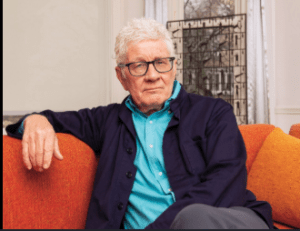
Schmitt’s professional development reflected Canada’s strong architectural tradition emphasizing collaboration, contextual sensitivity, and civic responsibility. Early in his career, he became known for his ability to integrate large-scale commercial ambitions with thoughtful urban design principles. Rather than pursuing spectacle for its own sake, Schmitt focused on creating buildings that strengthened the relationship between architecture and public life. His projects frequently explored how commercial towers, institutional structures, and mixed-use developments could contribute positively to surrounding neighborhoods and urban infrastructure.
His breakthrough influence expanded through leadership on major urban redevelopment projects and commercial high-rise developments throughout North America. Schmitt became particularly associated with architecture that balanced elegance, sustainability, and civic accessibility. His buildings often incorporated public gathering spaces, pedestrian-oriented design, and environmentally responsive technologies aimed at improving both functionality and urban experience. These qualities resonated strongly in cities seeking alternatives to purely corporate models of downtown development. Through his projects, Schmitt helped demonstrate that commercial architecture could project economic confidence while still fostering public engagement and social connectivity.
As his influence expanded internationally, Schmitt also became recognized as a leading voice in conversations surrounding sustainable urbanization and civic-oriented architecture. He argued consistently that high-rise development should reinforce the social fabric of cities rather than weaken it through privatization and exclusivity. This philosophy aligned closely with evolving Canadian urban values emphasizing inclusivity, transit integration, and environmental responsibility. Through mentorship, public advocacy, and professional leadership, Schmitt contributed significantly to shaping contemporary approaches toward responsible metropolitan growth.
Today, Donald Schmitt’s legacy rests in his ability to combine commercial sophistication with civic sensitivity. His work helped redefine the expectations surrounding high-rise architecture in North America, demonstrating that commercial success and public value could coexist within ambitious urban developments. His influence remains deeply embedded in the continuing evolution of Canadian and international city-building practices.
Key Facts
- Full name of the subject: Donald Schmitt
- Date of birth: Not publicly documented
- Place of birth: Canada
- Family background: Raised within Canada’s civically engaged and culturally diverse environment
- Early childhood experiences: Developed strong interests in cities, public space, and architecture
- Education history: Studied architecture and urban design in Canada
- Influences and mentors: Influenced by civic modernism and sustainable urban planning traditions
- Career beginnings: Began career working on institutional and urban redevelopment projects
- Major achievements: Led influential commercial and mixed-use developments across North America
- Challenges and obstacles faced: Balanced commercial development pressures with civic design priorities
- Turning points in life: Leadership on transformative urban projects elevated his international reputation
- Contributions to society: Promoted publicly engaged and sustainable commercial architecture
- Personal life (marriage, children, relationships): Maintains a private personal life
- Awards and recognitions: Widely recognized for contributions to architecture and urban design
- Beliefs, values, or philosophy: Believes architecture should strengthen civic life and urban inclusivity
- Legacy and impact: Influenced responsible high-rise and mixed-use urban development
- Historical or cultural significance: Helped shape modern Canadian civic-commercial architecture
Notable Works: Commercial towers, urban redevelopment projects, mixed-use civic developments, sustainable institutional architecture
Controversies: Schmitt’s large-scale redevelopment projects occasionally became subjects of public debate regarding urban density, public-private partnerships, and the changing social dynamics of downtown districts. Critics in some municipalities questioned whether commercial revitalization projects disproportionately benefited investors and corporate tenants while contributing to rising land values and displacement pressures. Others expressed concerns regarding the privatization of traditionally public urban spaces within mixed-use developments. Schmitt consistently defended integrated urban redevelopment as necessary for economic vitality, sustainability, and infrastructure modernization. Independent analysts generally concluded that the debates surrounding his projects reflected broader structural questions about urban governance and redevelopment policy rather than allegations of personal or professional misconduct.
8. Bruce Kuwabara
Bruce Kuwabara emerged as one of Canada’s defining architectural voices during a period when North American cities were redefining density, sustainability, and civic identity through high-rise development. Born into a multicultural Canadian environment shaped by immigration, postwar modernization, and rapid urban expansion, Kuwabara developed an early awareness of how architecture could influence social cohesion and public experience. His upbringing exposed him to the evolving identity of Canadian cities, where cultural diversity and urban transformation increasingly intersected with questions of design, infrastructure, and public space. These formative influences helped shape his architectural philosophy, which consistently emphasized human-centered urbanism over purely monumental commercial expression.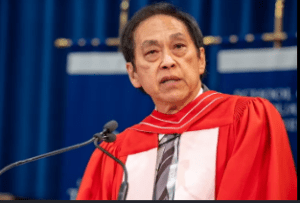
His educational and professional beginnings reflected Canada’s growing architectural confidence on the global stage. Early in his career, Kuwabara became known for his ability to integrate environmental intelligence with sophisticated urban design. Unlike architects who pursued dramatic skyscraper forms primarily for symbolic visibility, he approached high-rise and commercial architecture as part of broader civic ecosystems. His projects frequently explored how buildings interacted with streetscapes, transit systems, and public life. This perspective distinguished him within an industry increasingly dominated by spectacle-driven global development and helped establish his reputation as a thoughtful architect concerned with long-term urban quality.
Kuwabara’s breakthrough influence expanded through major mixed-use developments, institutional projects, and commercial towers that reshaped Canadian urban centers. He became particularly associated with architecture that balanced density with livability, creating buildings that reinforced public engagement rather than isolating corporate activity from surrounding communities. His work often incorporated sustainable technologies, transparent facades, pedestrian-oriented design, and carefully integrated public spaces. As North American cities confronted environmental pressures and rapid downtown intensification, Kuwabara’s projects emerged as influential examples of how commercial architecture could contribute positively to urban resilience and social interaction.
Over time, Kuwabara became one of the leading advocates for sustainable metropolitan development in Canada and internationally. He argued consistently that skyscrapers and commercial districts should support civic identity rather than function solely as economic assets or branding exercises. This philosophy resonated strongly during an era when many cities were attempting to balance economic competitiveness with environmental responsibility and social inclusivity. Through professional leadership, academic engagement, and urban advocacy, he influenced a generation of architects and planners seeking more integrated approaches to city-building.
Today, Bruce Kuwabara’s legacy rests in his ability to redefine commercial and high-rise architecture as instruments of civic improvement. His work demonstrated that ambitious urban development could remain deeply connected to environmental stewardship, public accessibility, and cultural sensitivity. In doing so, he helped shape the evolution of contemporary Canadian urbanism and influenced broader international conversations surrounding sustainable commercial architecture.
Key Facts
- Full name of the subject: Bruce Kuwabara
- Date of birth: 1949
- Place of birth: Canada
- Family background: Raised within a multicultural Canadian environment shaped by postwar urban growth
- Early childhood experiences: Developed strong interests in cities, public spaces, and architectural form
- Education history: Studied architecture at the University of Toronto
- Influences and mentors: Influenced by civic modernism, sustainable urbanism, and Canadian multiculturalism
- Career beginnings: Co-founded a major architectural practice focused on urban and institutional projects
- Major achievements: Led influential mixed-use, commercial, and civic developments across North America
- Challenges and obstacles faced: Balanced rapid urban growth with sustainability and civic responsibility
- Turning points in life: Leadership on transformative urban redevelopment projects elevated his international reputation
- Contributions to society: Advocated sustainable and publicly engaged urban architecture
- Personal life (marriage, children, relationships): Maintains a relatively private personal life
- Awards and recognitions: Received numerous national and international architectural honors
- Beliefs, values, or philosophy: Believes architecture must strengthen both cities and communities
- Legacy and impact: Influenced modern sustainable commercial and high-rise architecture
- Historical or cultural significance: Represents a major force in contemporary Canadian urban design
Notable Works: Mixed-use skyscrapers, urban redevelopment districts, institutional-commercial projects, sustainable high-rise developments
Controversies: Kuwabara’s involvement in large-scale urban redevelopment initiatives occasionally became part of public debates concerning downtown intensification and the social consequences of rapid commercial growth. Critics in certain municipalities argued that luxury-oriented high-rise projects risked accelerating affordability challenges and altering neighborhood character. Preservation advocates also questioned whether some redevelopment plans adequately protected historic urban fabric. Kuwabara and associated planning teams generally emphasized the importance of managed density, sustainability, and infrastructure modernization in supporting long-term metropolitan resilience. Most criticism surrounding his projects reflected broader tensions within contemporary urban policy rather than allegations of personal misconduct or professional impropriety.
9. Juan Carlos Baumgartner
Juan Carlos Baumgartner emerged as one of Mexico’s most internationally recognized voices in contemporary commercial architecture during a period when workplace culture and corporate identity were undergoing profound transformation. Raised in Mexico within a society shaped by vibrant urban growth, cultural hybridity, and economic modernization, Baumgartner developed an early fascination with how architecture could influence human productivity, collaboration, and emotional well-being. Unlike many architects associated primarily with monumental skyscraper aesthetics, he became deeply interested in the psychological and social dimensions of commercial environments. This perspective would later define his approach to office towers, corporate campuses, and mixed-use developments throughout North America and Latin America.
His educational and professional beginnings reflected Mexico’s increasingly global architectural outlook. Early in his career, Baumgartner distinguished himself through his emphasis on workplace innovation and human-centered design. At a time when traditional office architecture often prioritized hierarchy and efficiency over employee experience, he advocated for environments encouraging creativity, flexibility, and collaboration. His projects frequently integrated natural lighting, open spatial systems, and culturally responsive interiors designed to improve both productivity and well-being. This approach aligned with broader international shifts in corporate culture and quickly attracted attention from multinational companies seeking more adaptive commercial environments.
Baumgartner’s breakthrough influence came through major workplace and commercial developments that challenged conventional assumptions regarding office architecture in North America. Rather than viewing skyscrapers and corporate buildings as static institutional symbols, he approached them as dynamic ecosystems shaped by human interaction and technological evolution. His work frequently emphasized flexibility, environmental responsiveness, and experiential design, helping redefine the image of the contemporary commercial workspace. In rapidly developing business centers across Mexico and beyond, his projects became associated with modernization, innovation, and organizational transformation.
As his international profile expanded, Baumgartner became an influential advocate for workplace wellness and culturally integrated commercial architecture. He consistently argued that architecture should respond to emotional and social realities rather than merely financial efficiency. This philosophy resonated strongly in a post-industrial economy increasingly driven by creativity, collaboration, and knowledge-based industries. Through lectures, research initiatives, and international design leadership, he contributed significantly to evolving discussions surrounding the future of work and commercial urbanism.
Today, Juan Carlos Baumgartner’s legacy lies in reshaping the relationship between architecture and workplace culture. His influence extends beyond individual buildings into broader changes in how corporations and cities understand the role of commercial environments in supporting human well-being, innovation, and organizational identity. His work remains a significant force within contemporary commercial architecture across North America and Latin America.
Key Facts
- Full name of the subject: Juan Carlos Baumgartner
- Date of birth: Not publicly documented
- Place of birth: Mexico
- Family background: Raised within Mexico’s culturally dynamic and urbanizing environment
- Early childhood experiences: Developed interests in design, creativity, and workplace environments
- Education history: Studied architecture and commercial design in Mexico
- Influences and mentors: Influenced by human-centered design and workplace innovation philosophies
- Career beginnings: Began career focusing on commercial interiors and corporate architecture
- Major achievements: Became internationally recognized for innovative workplace and commercial design
- Challenges and obstacles faced: Challenged traditional corporate office design conventions
- Turning points in life: Major international commercial commissions expanded his global influence
- Contributions to society: Advanced workplace wellness and collaborative commercial design principles
- Personal life (marriage, children, relationships): Maintains a relatively private personal life
- Awards and recognitions: Received international recognition for workplace and commercial architecture
- Beliefs, values, or philosophy: Believes architecture should improve human experience and productivity
- Legacy and impact: Influenced modern workplace and commercial design culture
- Historical or cultural significance: Represents the modernization of Mexican commercial architecture
Notable Works: Corporate headquarters, innovative office environments, commercial interiors, mixed-use workplace developments
Controversies: Baumgartner’s advocacy for highly flexible and unconventional workplace design occasionally generated criticism from corporate traditionalists and conservative commercial developers who questioned whether less hierarchical office environments compromised operational discipline or long-term efficiency. Some critics argued that experiential workplace architecture could prioritize aesthetics and branding over measurable productivity outcomes. Others questioned the scalability of highly customized office environments across broader commercial sectors. Baumgartner consistently defended his philosophy by citing research surrounding employee well-being, creativity, and collaborative performance in adaptive workspaces. Industry observers generally viewed the debates surrounding his work as reflective of larger transitions in global workplace culture rather than evidence of ethical controversy or professional misconduct.
10. Victor Legorreta
Victor Legorreta inherited one of Mexico’s most influential architectural legacies while simultaneously forging his own identity within contemporary global architecture. Raised in Mexico City within a family deeply connected to architecture and urban culture, Legorreta was exposed from an early age to the relationship between modernism, cultural identity, and civic space. Growing up surrounded by architectural discourse and creative experimentation, he developed an appreciation for how buildings could embody emotional resonance and national character. These formative experiences would later shape his approach to commercial and high-rise architecture, which consistently sought to balance modern urban demands with strong cultural expression.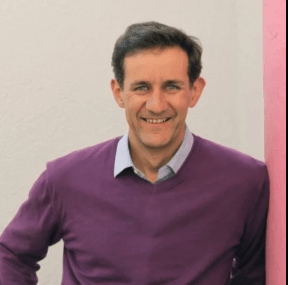
His early professional years unfolded within the context of one of Latin America’s most respected architectural traditions. Working within an internationally recognized design practice, Legorreta refined an architectural language characterized by bold geometry, vibrant color, and spatial clarity. While many global commercial architects pursued increasingly uniform corporate aesthetics, he remained committed to preserving a strong sense of Mexican cultural identity within contemporary urban development. This commitment distinguished his work in North America and internationally, particularly as cities sought architectural projects capable of projecting both modernization and cultural authenticity.
Legorreta’s breakthrough influence expanded through major commercial, hospitality, and mixed-use developments across North America, Latin America, Asia, and the Middle East. His projects frequently combined monumental simplicity with emotionally resonant public spaces, creating commercial environments that felt both globally sophisticated and culturally rooted. Rather than treating skyscrapers as purely technological achievements, he approached architecture as an artistic and civic experience. His commercial buildings often integrated courtyards, natural light, color, and carefully orchestrated spatial transitions designed to foster emotional engagement and urban connection.
As his international reputation grew, Legorreta became a leading advocate for culturally expressive contemporary architecture. He argued consistently that globalization should not erase regional identity or architectural diversity. This philosophy resonated strongly in cities seeking alternatives to increasingly standardized commercial skylines. Through lectures, collaborations, and internationally recognized projects, he contributed significantly to preserving cultural specificity within modern commercial architecture while still embracing technological innovation and global urbanization.
Today, Victor Legorreta’s legacy rests in his ability to bridge tradition and modernity within large-scale commercial architecture. His work demonstrated that skyscrapers and corporate developments could maintain emotional warmth, cultural symbolism, and civic presence without sacrificing international relevance. In doing so, he became one of the most important architectural ambassadors for contemporary Mexican design on the global stage.
Key Facts
- Full name of the subject: Victor Legorreta
- Date of birth: 1960
- Place of birth: Mexico City, Mexico
- Family background: Son of renowned architect Ricardo Legorreta and raised within a prominent architectural family
- Early childhood experiences: Exposed early to architecture, design culture, and urban artistic expression
- Education history: Studied architecture at Universidad Iberoamericana in Mexico
- Influences and mentors: Influenced strongly by Mexican modernism and the work of Ricardo Legorreta
- Career beginnings: Joined and later helped lead an internationally respected architectural practice
- Major achievements: Designed globally recognized commercial, hospitality, and mixed-use projects
- Challenges and obstacles faced: Balanced preserving cultural identity with global commercial expectations
- Turning points in life: Expansion into international commercial architecture elevated global recognition
- Contributions to society: Promoted culturally expressive and human-centered commercial architecture
- Personal life (marriage, children, relationships): Maintains a relatively private personal life
- Awards and recognitions: Received major international architectural awards and honors
- Beliefs, values, or philosophy: Believes architecture should combine emotion, culture, and modern functionality
- Legacy and impact: Influenced culturally rooted contemporary commercial architecture worldwide
- Historical or cultural significance: Represents the international evolution of modern Mexican architecture
Notable Works: Commercial towers, hospitality developments, mixed-use urban projects, internationally recognized cultural-commercial architecture
Controversies: Legorreta’s projects occasionally became involved in debates surrounding the commercialization of culturally symbolic architectural styles within luxury developments and global corporate environments. Some critics argued that the adaptation of traditional Mexican spatial language within high-end commercial projects risked transforming cultural identity into a branding aesthetic detached from broader social realities. Others questioned whether internationally celebrated architectural projects sufficiently addressed affordability and accessibility within rapidly growing urban centers. Legorreta consistently defended his work as an effort to preserve cultural expression within an increasingly homogenized global architectural landscape. Architectural scholars generally viewed these debates as part of broader discussions regarding globalization, identity, and commercial urbanism rather than allegations of unethical conduct or professional impropriety.
Notable Mentions
Chris Cooper (United States)
James von Klemperer (United States)
Mustafa Abadan (United States)
Keith Boswell (United States)
Brian Lee (United States)
Richard Tomasetti (United States)
David Malott (United States)
Kenneth Drucker (United States)
Mark Sarkisian (United States)
Scott Duncan (United States)