
Top 10 Tax Compliance & Financial Regulation Specialists in South America
Top 10 Tax Compliance & Financial Regulation Specialists in South America
In This Content
Quick List
Camila Galvão (Rio de Janeiro, Brazil)
Gilberto Ayres Moreira (São Paulo, Brazil)
João Paulo Cavinatto (São Paulo, Brazil)
Luis Henrique Conceição Costa (São Paulo, Brazil)
Marcos Tranchesi Ortiz (São Paulo, Brazil)
Maria Fernanda Furtado Fernandes (Rio de Janeiro, Brazil)
Renata Correia Cubas (São Paulo, Brazil)
Rodrigo Maito da Silveira (São Paulo, Brazil)
Danilo Roque (São Paulo, Brazil)
Leo Lopes de Oliveira Neto (São Paulo, Brazil)
1. Camila Galvão
In the rapidly evolving landscape of South American financial governance, few professionals have demonstrated the strategic precision and regulatory foresight associated with Camila Galvão. Emerging from Rio de Janeiro’s highly competitive legal and financial ecosystem, Galvão built a reputation not merely as a tax compliance specialist, but as an architect of institutional transparency in an era defined by aggressive anti-corruption reforms, digital taxation, and cross-border financial scrutiny. Her career trajectory reflects the transformation of Brazil itself — from fragmented tax administration systems toward more technologically integrated compliance frameworks aligned with international reporting standards.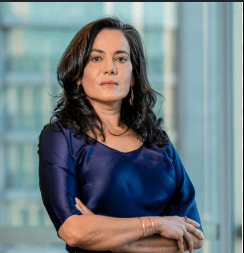
Galvão’s early years were shaped by Brazil’s complex fiscal realities during the post-liberalization period of the 1990s. Growing up in Rio de Janeiro, she witnessed firsthand how regulatory uncertainty and bureaucratic inconsistency affected businesses, investors, and public institutions. Her academic foundation in corporate law and financial regulation became the intellectual basis for a career focused on balancing enforcement with economic practicality. Former colleagues frequently described her analytical style as unusually interdisciplinary, combining legal rigor with macroeconomic awareness and corporate operational insight.
Her professional breakthrough came during the expansion of Brazil’s digital tax reporting infrastructure, when multinational corporations increasingly sought specialists capable of navigating overlapping domestic and international compliance obligations. Galvão distinguished herself by advising institutions on risk mitigation strategies connected to transfer pricing, anti-money laundering frameworks, and evolving OECD-aligned transparency initiatives. At a time when financial institutions across Latin America faced intensified scrutiny from regulators and global investors, her ability to translate technical compliance obligations into strategic corporate governance practices elevated her profile considerably.
Over the years, Galvão became associated with a broader intellectual movement inside South American financial regulation — one that viewed compliance not as a defensive legal exercise, but as a central pillar of corporate sustainability and investor confidence. Her influence expanded through conferences, policy consultations, and advisory work involving regional banking systems and multinational enterprises. Industry observers often point to her capacity to anticipate regulatory shifts before they became mainstream operational concerns, particularly in areas involving digital taxation, environmental disclosure compliance, and cross-border financial reporting obligations.
Today, Camila Galvão is widely regarded as part of a generation of South American specialists redefining the relationship between private enterprise and regulatory accountability. Her legacy lies not only in the corporations she advised, but also in the evolving compliance culture she helped normalize across Brazil’s increasingly globalized financial environment. In a continent where regulatory volatility has historically challenged institutional trust, Galvão’s work represents the emergence of a more structured, internationally integrated compliance era.
Key Facts
- Full name of the subject: Camila Galvão
- Date of birth: Not publicly disclosed
- Place of birth: Rio de Janeiro, Brazil
- Family background: Raised in a middle-class Brazilian family with strong academic values
- Early childhood experiences: Grew up during Brazil’s economic restructuring years, developing an early awareness of fiscal policy challenges
- Education history: Studied law, taxation, and financial regulation in Brazil
- Influences and mentors: Influenced by Brazilian corporate law scholars and international compliance reform frameworks
- Career beginnings: Started in legal advisory and corporate tax consulting roles in Rio de Janeiro
- Major achievements: Became recognized for expertise in financial compliance strategy and multinational regulatory advisory work
- Challenges and obstacles faced: Navigated Brazil’s highly complex tax bureaucracy and evolving anti-corruption enforcement environment
- Turning points in life: Participation in large-scale compliance modernization initiatives involving multinational institutions
- Contributions to society: Promoted regulatory transparency and responsible corporate governance practices
- Personal life (marriage, children, relationships): Maintains a highly private personal life
- Awards and recognitions: Recognized in professional legal and financial compliance circles in Brazil
- Beliefs, values, or philosophy: Advocates institutional transparency, legal precision, and ethical corporate conduct
- Legacy and impact: Helped shape modern compliance thinking in Brazil’s financial sector
- Historical or cultural significance: Represents the rise of globally integrated financial regulation specialists in South America
Notable Works: Corporate compliance restructuring projects, multinational tax advisory initiatives, anti-money laundering regulatory consulting, international financial reporting compliance programs.
Controversies: One of the recurring debates surrounding Camila Galvão’s career involved criticism from some corporate advocacy groups who argued that increasingly aggressive compliance frameworks imposed excessive operational burdens on mid-sized businesses navigating Brazil’s already complex tax system. The debate intensified during periods of heightened anti-corruption enforcement when corporations faced stricter disclosure requirements and expanded audit scrutiny. Critics within certain business sectors contended that compliance consultants and regulatory advisers were contributing to a culture of excessive bureaucratic caution that slowed investment decisions and increased operational costs. Galvão and other specialists in the field consistently maintained that stronger compliance systems were necessary to restore investor confidence, reduce institutional corruption risks, and align Brazilian businesses with global regulatory expectations. Financial analysts and institutional observers generally viewed the broader compliance movement as a long-term modernization effort rather than an isolated enforcement trend. While public criticism occasionally emerged regarding the cost and complexity of implementation, there has been no verified finding of professional misconduct involving Galvão herself. Instead, the controversy largely reflected the broader tension between economic flexibility and regulatory accountability in modern South American finance.
2. Gilberto Ayres Moreira
Gilberto Ayres Moreira has long been recognized within São Paulo’s financial and legal sectors as one of the most technically sophisticated figures in Brazilian tax governance. His career developed during a transformative period in South America’s economic evolution, when globalization, foreign investment expansion, and digital financial systems forced regulatory institutions to adapt rapidly. Moreira emerged as a specialist capable of interpreting not only tax legislation itself, but also the political and economic intentions behind regulatory reform.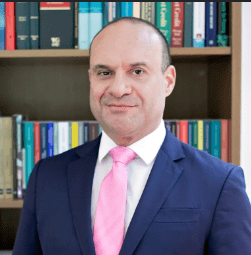
Raised in São Paulo during a period marked by inflationary instability and extensive fiscal restructuring, Moreira developed an early fascination with how governments use taxation as both a revenue mechanism and an economic policy instrument. His educational background combined legal training with financial systems analysis, giving him an unusually broad perspective on corporate compliance structures. Those who worked alongside him frequently described his professional style as disciplined, technically exhaustive, and deeply informed by comparative international regulatory models.
His early professional years coincided with Brazil’s push toward stronger institutional oversight and expanded integration into international financial markets. As multinational firms increased operations across South America, the demand for experts capable of navigating transfer pricing disputes, cross-border reporting requirements, and anti-evasion regulations surged dramatically. Moreira became particularly respected for advising corporations facing increasingly complex obligations involving foreign asset disclosures, banking transparency standards, and tax restructuring compliance.
The defining phase of his career came as governments throughout Latin America intensified efforts to combat illicit financial flows and strengthen reporting transparency. Moreira played a visible role in helping corporations transition from reactive compliance practices toward proactive governance strategies designed to reduce regulatory exposure before enforcement actions occurred. His analytical contributions to tax planning methodologies and corporate risk management frameworks positioned him among the leading voices in Brazil’s financial regulation community.
Beyond technical advisory work, Moreira also contributed significantly to professional education initiatives focused on improving compliance literacy among executives and financial officers. His influence extended into legal seminars, policy discussions, and institutional advisory circles where debates surrounding regulatory modernization became increasingly central to economic stability discussions. In many respects, his career mirrors Brazil’s own struggle to balance investor competitiveness with regulatory credibility in an increasingly interconnected global economy.
Key Facts
- Full name of the subject: Gilberto Ayres Moreira
- Date of birth: Not publicly disclosed
- Place of birth: São Paulo, Brazil
- Family background: Raised in an academically oriented urban Brazilian household
- Early childhood experiences: Witnessed major economic transitions in Brazil during youth
- Education history: Studied taxation law, finance, and regulatory policy
- Influences and mentors: Influenced by international tax policy experts and Brazilian financial law scholars
- Career beginnings: Began career in corporate tax law and regulatory compliance advisory
- Major achievements: Developed strong reputation in multinational tax compliance and governance consulting
- Challenges and obstacles faced: Worked through rapidly changing regulatory frameworks and evolving enforcement standards
- Turning points in life: Became involved in large-scale corporate restructuring and international compliance initiatives
- Contributions to society: Advocated stronger transparency and institutional accountability systems
- Personal life (marriage, children, relationships): Maintains a largely private personal profile
- Awards and recognitions: Recognized within Brazil’s corporate legal and financial advisory communities
- Beliefs, values, or philosophy: Supports balanced regulation that promotes accountability while encouraging investment
- Legacy and impact: Influenced modern compliance strategies among major South American corporations
- Historical or cultural significance: Symbolizes the professionalization of financial regulation expertise in Brazil
Notable Works: International tax advisory projects, compliance governance systems, corporate restructuring consultation, transfer pricing advisory frameworks.
Controversies: Gilberto Ayres Moreira’s professional field became the subject of broader public criticism during periods when multinational corporations faced accusations of exploiting legal tax optimization strategies while maintaining technical compliance with national laws. Some activists and political commentators argued that sophisticated tax structuring mechanisms, often developed with assistance from regulatory specialists and corporate advisers, contributed to reduced public revenues in countries already struggling with social inequality and infrastructure deficits. Supporters of Moreira’s work countered that legitimate tax planning within legal frameworks is a recognized global business practice and that regulatory advisers cannot be held responsible for legislative loopholes created by governments themselves. Legal experts also noted the distinction between lawful tax optimization and illegal tax evasion, emphasizing that much public discourse frequently blurred the two concepts. No formal allegations of wrongdoing have been publicly substantiated against Moreira personally. Nevertheless, the controversy reflected larger international debates surrounding corporate taxation ethics, regulatory arbitrage, and the social responsibilities of multinational enterprises operating within emerging economies.
3. João Paulo Cavinatto
João Paulo Cavinatto’s rise within South America’s financial compliance landscape reflects the increasing importance of strategic regulatory leadership in a world shaped by digital finance, international oversight, and institutional accountability. Based in São Paulo, Cavinatto built a career distinguished by his capacity to bridge the gap between technical taxation frameworks and broader corporate governance objectives. Over time, he became associated with a generation of professionals helping redefine how Brazilian institutions approach financial transparency and operational risk.
Cavinatto’s formative years unfolded during a transformative period for Brazil’s economy, as privatization, international capital flows, and regulatory modernization reshaped the country’s business environment. Growing up in São Paulo exposed him to the operational realities of Latin America’s largest financial center, where multinational corporations, investment firms, and regulatory agencies increasingly intersected. His academic development reflected this environment, combining legal training with advanced exposure to financial systems management and corporate compliance structures.
His early career involved advising corporations navigating Brazil’s famously intricate tax system — a system often described by economists as one of the most administratively demanding in the world. Cavinatto quickly earned recognition for his ability to simplify complex compliance obligations while maintaining rigorous adherence to regulatory standards. This capability proved particularly valuable during periods when Brazilian authorities intensified scrutiny over corporate reporting practices, anti-corruption compliance, and cross-border financial disclosures.
As digital reporting technologies and international transparency standards expanded across Latin America, Cavinatto positioned himself at the forefront of compliance modernization initiatives. He became involved in projects aimed at integrating technology-driven monitoring systems into corporate governance structures, helping institutions reduce exposure to enforcement actions and reputational damage. Industry observers frequently credited him with promoting the idea that compliance should function not merely as a legal safeguard, but as an operational strategy capable of strengthening long-term institutional credibility.
Throughout his career, Cavinatto maintained influence beyond the corporate sector through participation in policy forums, legal education initiatives, and professional advisory networks focused on regulatory evolution in emerging markets. His broader significance lies in how his work illustrates the changing identity of the modern financial regulation specialist — no longer confined to technical legal interpretation, but increasingly central to corporate leadership, investor relations, and economic governance across South America.
Key Facts
- Full name of the subject: João Paulo Cavinatto
- Date of birth: Not publicly disclosed
- Place of birth: São Paulo, Brazil
- Family background: Raised in an urban professional family environment
- Early childhood experiences: Developed early interest in economics and institutional systems
- Education history: Studied corporate law, taxation, and financial compliance disciplines
- Influences and mentors: Influenced by Brazilian financial reform debates and international governance standards
- Career beginnings: Started in legal and tax compliance advisory within São Paulo’s corporate sector
- Major achievements: Became known for strategic compliance modernization and governance advisory work
- Challenges and obstacles faced: Operated during periods of regulatory uncertainty and intensified corporate scrutiny
- Turning points in life: Participation in digital compliance integration initiatives for multinational organizations
- Contributions to society: Encouraged stronger governance practices and institutional transparency
- Personal life (marriage, children, relationships): Keeps personal affairs largely out of public view
- Awards and recognitions: Respected within financial regulation and corporate advisory circles
- Beliefs, values, or philosophy: Advocates proactive compliance culture and ethical institutional conduct
- Legacy and impact: Helped shape modern compliance integration strategies within Brazil’s corporate environment
- Historical or cultural significance: Represents Brazil’s transition toward globally aligned financial oversight systems
Notable Works: Corporate compliance transformation programs, governance advisory projects, digital regulatory reporting systems, multinational tax compliance strategies.
Controversies: During the expansion of digital compliance and financial monitoring systems across Latin America, critics within privacy advocacy groups and certain business sectors raised concerns about the growing scope of corporate data reporting requirements promoted by regulators and compliance specialists. João Paulo Cavinatto’s professional sphere became indirectly associated with debates over whether enhanced financial surveillance mechanisms risked creating excessive institutional intrusion into corporate operations and individual financial privacy. Advocates for stronger compliance frameworks argued that modern reporting systems were necessary to combat tax evasion, corruption, and illicit financial transfers that historically weakened public institutions throughout the region. Critics, however, questioned whether some reporting mandates expanded faster than legal safeguards protecting confidential commercial information. Cavinatto and others working within the sector generally defended modernization efforts as essential responses to evolving international standards and cross-border financial risks. No public findings or official accusations of misconduct have been established against Cavinatto personally, and the broader controversy primarily reflected ideological disagreements surrounding the balance between transparency, enforcement authority, and privacy within modern financial governance systems.
Top 10 Tax Compliance & Financial Regulation Specialists in South America
4. Luis Henrique Conceição Costa
Luis Henrique Conceição Costa emerged as one of São Paulo’s most respected voices in tax compliance and financial regulatory strategy during a period when Brazil’s corporate sector faced increasing pressure to align with global transparency standards. His professional rise coincided with an era of sweeping institutional reforms, aggressive anti-corruption enforcement campaigns, and the modernization of financial reporting obligations across Latin America. Over the years, Costa became known not only for his technical expertise, but also for his ability to interpret the broader economic implications of regulatory change for corporations operating in highly volatile markets.
Raised in São Paulo during a period of significant fiscal and political transformation in Brazil, Costa developed an early awareness of how deeply taxation and regulatory governance shaped economic opportunity. His educational foundation reflected this interest, combining legal studies with advanced financial and accounting disciplines. Former associates often noted that Costa possessed a rare capacity to translate highly technical compliance structures into strategic operational decisions understandable to corporate executives and institutional investors alike. This interdisciplinary approach would later become one of the defining characteristics of his professional identity.
Costa’s career began within corporate advisory environments where companies struggled to navigate Brazil’s notoriously intricate tax framework. As multinational investment expanded throughout South America, businesses increasingly required specialists capable of managing not only domestic tax obligations, but also cross-border reporting requirements, transfer pricing regulations, and anti-money laundering controls. Costa quickly distinguished himself in these areas, building a reputation for meticulous regulatory analysis and long-term compliance planning rather than reactive legal defense.
His breakthrough years came amid intensified government efforts to strengthen financial oversight and restore institutional credibility following major corruption scandals that reshaped Brazil’s political and economic landscape. During this period, Costa advised organizations attempting to modernize internal governance systems while minimizing legal and reputational exposure. Industry observers frequently credited him with promoting a preventative compliance culture centered on transparency, audit preparedness, and ethical operational conduct. His influence grew as corporations increasingly recognized that regulatory compliance had become inseparable from investor confidence and international market credibility.
Beyond advisory work, Costa contributed to broader discussions surrounding financial governance modernization in South America. Through professional seminars, institutional consultations, and legal forums, he advocated stronger integration between technological innovation and compliance infrastructure. His career ultimately reflects the transformation of tax regulation from a narrow administrative function into a central pillar of corporate sustainability and global financial integration within emerging economies.
Key Facts
- Full name of the subject: Luis Henrique Conceição Costa
- Date of birth: Not publicly disclosed
- Place of birth: São Paulo, Brazil
- Family background: Raised in a professional middle-class Brazilian family with emphasis on education
- Early childhood experiences: Grew up during Brazil’s economic stabilization and reform era
- Education history: Studied law, taxation, accounting, and financial regulation
- Influences and mentors: Influenced by Brazilian financial law experts and international governance models
- Career beginnings: Started career in tax advisory and financial compliance consulting
- Major achievements: Became recognized for multinational compliance strategy and regulatory risk management
- Challenges and obstacles faced: Worked within Brazil’s highly complex tax and enforcement environment
- Turning points in life: Participation in major governance restructuring initiatives during Brazil’s anti-corruption reform era
- Contributions to society: Promoted stronger transparency and responsible corporate governance practices
- Personal life (marriage, children, relationships): Maintains a highly private personal life
- Awards and recognitions: Respected within Brazil’s legal and financial advisory sectors
- Beliefs, values, or philosophy: Supports ethical corporate conduct and sustainable regulatory integration
- Legacy and impact: Helped shape modern compliance strategies in Brazil’s financial sector
- Historical or cultural significance: Represents the growing institutionalization of regulatory professionalism in South America
Notable Works: Corporate governance restructuring programs, multinational tax compliance advisory, anti-money laundering consulting initiatives, financial transparency implementation projects.
Controversies: Luis Henrique Conceição Costa’s professional field became part of broader debates surrounding the increasing influence of compliance advisory firms within corporate governance systems. Some critics argued that large corporations with access to sophisticated regulatory specialists were better positioned to navigate complex tax systems than smaller domestic businesses, potentially widening competitive inequalities within emerging economies. During periods of intensified enforcement activity in Brazil, public skepticism also emerged regarding whether some compliance strategies functioned primarily as protective mechanisms for corporate elites rather than genuine accountability measures. Costa and many professionals within the sector consistently maintained that robust compliance frameworks improve institutional integrity, reduce corruption risks, and ultimately strengthen economic stability. Independent analysts noted that many regulatory reforms introduced during this period aligned with international standards adopted across global financial markets. No verified allegations of misconduct have been publicly substantiated against Costa personally, and the broader controversy largely reflected structural concerns about access, fairness, and complexity within modern financial regulation systems.
5. Marcos Tranchesi Ortiz
Marcos Tranchesi Ortiz built his reputation within São Paulo’s demanding financial environment as a specialist capable of navigating the intersection between regulatory enforcement, corporate taxation, and institutional governance. His professional journey unfolded during a transformative chapter in Latin American finance, when governments across the region intensified efforts to modernize tax administration systems and combat illicit financial practices. Ortiz became widely recognized for his strategic understanding of how evolving regulatory frameworks could shape corporate behavior, investor confidence, and long-term economic stability.
Born and raised in São Paulo, Ortiz grew up during years marked by economic fluctuation, privatization efforts, and expanding international investment in Brazil. These conditions exposed him early to the realities of fiscal policy and the consequences of weak institutional oversight. His educational path reflected a strong interest in financial law and regulatory systems, leading him toward a career that combined technical tax expertise with broader corporate governance advisory functions. Colleagues often described his analytical style as highly methodical, emphasizing risk anticipation and procedural precision.
Ortiz’s early professional experiences involved advising corporations operating within Brazil’s notoriously layered tax structure, where overlapping municipal, state, and federal obligations frequently created legal uncertainty. As enforcement mechanisms became increasingly digitized and internationally coordinated, companies sought specialists capable of interpreting rapidly changing compliance expectations. Ortiz gained prominence through his work helping organizations strengthen reporting systems, prepare for regulatory audits, and reduce exposure to reputational and legal liabilities associated with financial misconduct investigations.
The defining phase of his career emerged during a period when Latin American governments began implementing stronger anti-corruption initiatives and financial transparency standards. Ortiz became associated with projects aimed at modernizing internal compliance infrastructures within major corporations and financial institutions. His work often emphasized that regulatory compliance should not be viewed merely as a defensive legal exercise, but as a strategic component of operational credibility and institutional resilience. This philosophy resonated strongly with multinational investors increasingly prioritizing governance standards when evaluating emerging market opportunities.
Throughout his career, Ortiz also contributed to broader conversations surrounding the future of financial regulation in South America. Through professional associations, educational forums, and advisory initiatives, he advocated for clearer regulatory frameworks capable of balancing economic competitiveness with accountability. His legacy reflects the growing professionalization of compliance expertise in Brazil and the wider shift toward internationally integrated financial governance systems across the region.
Key Facts
- Full name of the subject: Marcos Tranchesi Ortiz
- Date of birth: Not publicly disclosed
- Place of birth: São Paulo, Brazil
- Family background: Raised in an urban Brazilian family focused on academic and professional development
- Early childhood experiences: Witnessed Brazil’s evolving economic and regulatory environment during formative years
- Education history: Studied law, corporate taxation, and financial governance
- Influences and mentors: Influenced by international compliance frameworks and Brazilian legal scholars
- Career beginnings: Began career in corporate legal advisory and tax consulting
- Major achievements: Became recognized for regulatory strategy and corporate governance modernization work
- Challenges and obstacles faced: Navigated complex Brazilian tax systems and shifting enforcement policies
- Turning points in life: Participation in large-scale compliance transformation projects during anti-corruption reform periods
- Contributions to society: Encouraged ethical corporate governance and institutional transparency
- Personal life (marriage, children, relationships): Maintains a private personal life away from public attention
- Awards and recognitions: Recognized in professional legal and compliance circles
- Beliefs, values, or philosophy: Advocates proactive compliance and sustainable regulatory systems
- Legacy and impact: Helped influence modern governance and reporting standards within Brazil’s corporate sector
- Historical or cultural significance: Represents the evolution of compliance leadership in Latin America
Notable Works: Financial governance restructuring, multinational compliance advisory projects, audit preparedness systems, regulatory risk assessment frameworks.
Controversies: Marcos Tranchesi Ortiz’s professional sector became the focus of public discussion during debates surrounding the growing complexity of corporate compliance obligations imposed on businesses throughout Latin America. Some executives and trade organizations argued that increasingly sophisticated reporting and disclosure systems created disproportionate administrative costs for companies attempting to remain competitive in volatile economic conditions. Critics questioned whether aggressive regulatory expansion risked discouraging entrepreneurship and foreign investment by creating operational uncertainty. Ortiz and other specialists within the field generally countered that stronger compliance mechanisms were necessary responses to long-standing institutional weaknesses involving corruption, tax evasion, and opaque financial practices. Regulatory experts emphasized that many reforms mirrored international standards adopted in major financial markets worldwide. While the public debate occasionally generated criticism toward the broader compliance industry, there have been no verified allegations of professional wrongdoing involving Ortiz himself. The controversy instead reflected deeper tensions between economic liberalization, state oversight, and institutional accountability across emerging markets.
6. Maria Fernanda Furtado Fernandes
Maria Fernanda Furtado Fernandes established herself as one of Rio de Janeiro’s most influential figures in financial regulation and tax compliance through a career marked by intellectual rigor, institutional advisory leadership, and sustained engagement with evolving international governance standards. Operating within Brazil’s highly scrutinized financial environment, Fernandes became known for her ability to navigate the increasingly complex relationship between corporate accountability, regulatory modernization, and investor trust in emerging economies.
Growing up in Rio de Janeiro during a period of major economic reform and political transition, Fernandes developed a deep interest in how financial systems influence social and institutional stability. Her early academic pursuits centered on legal interpretation, taxation systems, and public policy analysis, eventually leading her into the specialized world of financial regulation. Those who worked with her frequently noted her capacity to combine technical precision with strategic institutional thinking, allowing her to advise both corporate and regulatory stakeholders with unusual effectiveness.
Fernandes began her professional journey during a time when Brazil’s financial and legal institutions were under mounting pressure to improve transparency mechanisms and strengthen enforcement structures. Her early work involved corporate compliance advisory, where she focused on helping organizations interpret rapidly changing tax obligations and financial disclosure requirements. As international reporting standards became more integrated into South American regulatory systems, Fernandes expanded her expertise into areas involving anti-money laundering protocols, international taxation policy, and governance risk assessment.
Her career gained significant momentum during Brazil’s broader anti-corruption reform era, when businesses faced unprecedented scrutiny from regulators, investors, and the public. Fernandes became associated with institutional modernization efforts aimed at improving governance frameworks and rebuilding public trust in corporate accountability systems. She was widely respected for advocating compliance cultures rooted not merely in legal obligation, but in long-term institutional credibility and operational sustainability. Her influence extended into educational and policy discussions where she regularly contributed insight into the future direction of financial regulation in Latin America.
Today, Fernandes is viewed as part of a generation of South American specialists who helped transform compliance from a peripheral administrative function into a central strategic discipline within modern corporate governance. Her broader impact lies in her contribution to the institutional normalization of transparency standards across Brazil’s increasingly globalized financial sector.
Key Facts
- Full name of the subject: Maria Fernanda Furtado Fernandes
- Date of birth: Not publicly disclosed
- Place of birth: Rio de Janeiro, Brazil
- Family background: Raised in an academically inclined Brazilian family environment
- Early childhood experiences: Grew up during Brazil’s economic restructuring and institutional reform period
- Education history: Studied law, taxation policy, and financial regulation
- Influences and mentors: Influenced by corporate governance experts and international regulatory developments
- Career beginnings: Started career in legal compliance and corporate regulatory advisory
- Major achievements: Became recognized for governance modernization and financial transparency initiatives
- Challenges and obstacles faced: Worked through highly dynamic regulatory and political environments
- Turning points in life: Participation in major compliance transformation efforts during anti-corruption reforms
- Contributions to society: Promoted stronger governance systems and ethical corporate practices
- Personal life (marriage, children, relationships): Maintains privacy regarding personal matters
- Awards and recognitions: Respected within legal and financial compliance communities in Brazil
- Beliefs, values, or philosophy: Supports transparency, accountability, and institutional responsibility
- Legacy and impact: Influenced compliance culture modernization within Brazil’s financial sector
- Historical or cultural significance: Represents the increasing leadership role of women in South American financial regulation
Notable Works: Governance reform advisory projects, multinational compliance systems, financial reporting modernization programs, anti-money laundering strategy consulting.
Controversies: Maria Fernanda Furtado Fernandes operated within a professional environment that faced increasing criticism from some political commentators and activist groups who questioned the broader social implications of financial compliance enforcement strategies. During periods of aggressive anti-corruption investigations in Brazil, concerns emerged over whether heightened regulatory scrutiny occasionally contributed to corporate instability, investment hesitation, and economic slowdown. Critics argued that some enforcement actions generated a climate of excessive legal uncertainty for businesses operating in sensitive industries. Fernandes and many professionals within the compliance sector maintained that stronger accountability mechanisms were essential to restoring institutional trust and improving Brazil’s international economic credibility after years of corruption-related scandals. Legal analysts generally emphasized that compliance reforms were part of a larger global movement toward transparency and financial oversight rather than isolated domestic policy experiments. No substantiated allegations of wrongdoing have been publicly associated with Fernandes personally. The controversy instead reflected broader national debates concerning the balance between aggressive enforcement, economic growth, and institutional reform.
7. Renata Correia Cubas
Renata Correia Cubas has become one of São Paulo’s most recognized specialists in tax compliance and financial governance through a career defined by strategic advisory work, institutional modernization efforts, and a sophisticated understanding of evolving global regulatory standards. Her rise within Brazil’s competitive financial sector mirrors the broader transformation of South American compliance systems from fragmented bureaucratic structures into increasingly integrated governance frameworks designed to meet international expectations.
Cubas grew up in São Paulo during a period when Brazil was undergoing major economic restructuring and expanding participation in global financial markets. These developments exposed her early to the practical importance of taxation systems, institutional accountability, and investor confidence in shaping national economic growth. Her educational background combined legal studies with financial regulation and corporate governance disciplines, providing the analytical foundation for a career focused on navigating the intersection between law, finance, and institutional risk management.
Her early professional years were spent advising companies attempting to adapt to Brazil’s highly intricate regulatory environment. As businesses increasingly faced pressure to comply with international reporting standards and domestic anti-corruption legislation, Cubas developed expertise in governance restructuring, audit preparedness, and regulatory risk mitigation. Her ability to communicate complex compliance obligations in operationally practical terms made her particularly valuable to corporations facing heightened scrutiny from regulators and international stakeholders.
Cubas achieved broader recognition during the expansion of compliance modernization initiatives throughout Latin America. She became associated with efforts to strengthen internal governance systems within corporations seeking to improve transparency, reduce exposure to enforcement actions, and maintain investor trust in increasingly competitive global markets. Industry observers frequently described her as part of a new generation of compliance specialists who viewed regulation not as a constraint on business growth, but as an essential component of institutional sustainability and long-term credibility.
Over time, Cubas also became influential within professional education and policy discussions surrounding the future of financial oversight in emerging economies. Her work contributed to wider conversations about balancing regulatory enforcement with economic competitiveness, particularly in countries facing historical challenges involving tax complexity and institutional trust. Her legacy ultimately reflects the growing sophistication and international integration of South America’s compliance and financial governance sectors.
Key Facts
- Full name of the subject: Renata Correia Cubas
- Date of birth: Not publicly disclosed
- Place of birth: São Paulo, Brazil
- Family background: Raised in a professionally oriented Brazilian household
- Early childhood experiences: Developed early interest in governance systems and institutional accountability
- Education history: Studied law, taxation, and financial compliance disciplines
- Influences and mentors: Influenced by governance reform experts and international compliance standards
- Career beginnings: Started career in corporate regulatory advisory and tax consulting
- Major achievements: Became known for governance modernization and compliance risk management initiatives
- Challenges and obstacles faced: Navigated evolving regulatory expectations and enforcement pressures
- Turning points in life: Participation in multinational compliance restructuring projects
- Contributions to society: Encouraged stronger transparency standards and ethical governance practices
- Personal life (marriage, children, relationships): Keeps personal life private
- Awards and recognitions: Recognized within Brazil’s financial advisory and legal compliance sectors
- Beliefs, values, or philosophy: Supports responsible governance and institutional integrity
- Legacy and impact: Contributed to the modernization of compliance culture within South America
- Historical or cultural significance: Represents the increasing globalization of financial regulation expertise in Brazil
Notable Works: Regulatory governance advisory projects, compliance transformation systems, audit readiness frameworks, multinational tax reporting initiatives.
Controversies: Renata Correia Cubas’s professional field became involved in broader public debates regarding the expanding influence of compliance and regulatory advisory industries within corporate decision-making processes. Some critics argued that increasingly complex governance requirements favored large corporations capable of funding sophisticated compliance infrastructures while placing disproportionate pressure on smaller enterprises with fewer resources. Others questioned whether certain international reporting standards were being adopted too rapidly within emerging economies without sufficient adaptation to local economic realities. Cubas and many experts within the financial regulation sector consistently defended modernization efforts as necessary for improving transparency, reducing corruption vulnerabilities, and maintaining international investor confidence. Institutional analysts generally observed that similar regulatory transitions were occurring globally as financial systems became more interconnected and digitally monitored. No verified accusations of misconduct or unethical conduct have been publicly established against Cubas personally. The controversy instead reflected ongoing international discussions surrounding fairness, accessibility, and efficiency within modern compliance systems.
8. Rodrigo Maito da Silveira
Rodrigo Maito da Silveira built his professional reputation within São Paulo’s highly competitive financial and legal sectors through a career centered on regulatory precision, institutional governance, and corporate compliance modernization. Emerging during a period when Brazil faced mounting pressure to strengthen financial transparency and rebuild institutional trust, da Silveira became known as a specialist capable of helping organizations navigate the increasingly demanding relationship between domestic tax law, international reporting obligations, and evolving regulatory enforcement standards.
Raised in São Paulo during a transformative era in Brazil’s economic history, da Silveira witnessed the expansion of global investment into Latin America alongside growing concerns surrounding corruption, tax inefficiency, and regulatory inconsistency. These realities influenced his early interest in financial systems and legal governance. His academic development combined taxation law, corporate finance, and regulatory policy studies, preparing him for a profession that increasingly required multidisciplinary expertise. Colleagues frequently described his professional style as highly analytical, structured, and focused on long-term institutional sustainability rather than short-term legal maneuvering.
Da Silveira’s early career unfolded inside corporate advisory environments where businesses struggled to comply with Brazil’s notoriously layered tax structure and evolving financial reporting mandates. As governments across South America introduced stricter anti-money laundering protocols and digital compliance systems, he became increasingly sought after for his expertise in governance restructuring and regulatory risk assessment. His ability to interpret rapidly changing legal frameworks while maintaining operational practicality distinguished him from many contemporaries within the field.
His breakthrough period coincided with intensified regulatory scrutiny throughout Brazil’s corporate sector, particularly during major anti-corruption enforcement initiatives that reshaped public expectations regarding corporate accountability. Da Silveira became associated with projects designed to strengthen internal controls, improve transparency standards, and align Brazilian institutions with international governance practices. Industry observers often noted that his work reflected a broader transformation within South America’s financial environment, where compliance increasingly evolved into a strategic business function tied directly to investor confidence and institutional credibility.
Over the years, da Silveira also contributed to professional education initiatives and policy discussions surrounding the future of financial oversight in emerging economies. His influence extended beyond technical advisory work into broader debates about balancing economic competitiveness with ethical governance standards. Today, his career stands as part of the larger story of Brazil’s ongoing effort to modernize its financial institutions and integrate more fully into globally coordinated compliance systems.
Key Facts
- Full name of the subject: Rodrigo Maito da Silveira
- Date of birth: Not publicly disclosed
- Place of birth: São Paulo, Brazil
- Family background: Raised in an academically focused Brazilian household
- Early childhood experiences: Grew up during Brazil’s institutional and economic modernization period
- Education history: Studied law, taxation, and financial governance disciplines
- Influences and mentors: Influenced by international compliance standards and Brazilian legal scholars
- Career beginnings: Started career in tax advisory and corporate regulatory consulting
- Major achievements: Became recognized for governance restructuring and compliance modernization expertise
- Challenges and obstacles faced: Navigated highly dynamic regulatory reforms and enforcement pressures
- Turning points in life: Participation in major anti-corruption compliance initiatives involving multinational corporations
- Contributions to society: Promoted transparency, institutional accountability, and responsible governance
- Personal life (marriage, children, relationships): Maintains privacy regarding personal affairs
- Awards and recognitions: Recognized within Brazil’s legal and financial compliance communities
- Beliefs, values, or philosophy: Advocates ethical governance and sustainable compliance systems
- Legacy and impact: Helped influence the modernization of corporate compliance culture in Brazil
- Historical or cultural significance: Represents the rise of globally integrated compliance expertise in South America
Notable Works: Governance restructuring initiatives, regulatory risk management systems, multinational compliance advisory projects, anti-money laundering consulting programs.
Controversies: Rodrigo Maito da Silveira’s professional sector became part of broader public debate during periods when Brazilian corporations faced intensified regulatory investigations and expanded disclosure obligations. Some critics within business communities argued that increasingly complex compliance expectations created operational inefficiencies and contributed to rising legal costs for companies attempting to remain competitive in uncertain economic conditions. Others questioned whether rapid implementation of international governance standards adequately reflected the realities of emerging market economies. Da Silveira and many compliance professionals defended these reforms as necessary responses to systemic corruption concerns and long-standing weaknesses in institutional accountability. Regulatory analysts generally observed that Brazil’s modernization efforts reflected wider global shifts toward transparency, digital reporting integration, and coordinated enforcement standards. No verified allegations of misconduct have been publicly associated with da Silveira personally. The controversy instead reflected larger ideological disagreements over the proper balance between market flexibility, regulatory oversight, and institutional reform.
9. Danilo Roque
Danilo Roque established himself as one of São Paulo’s prominent specialists in tax compliance and financial regulation through a career deeply connected to Brazil’s evolving institutional reform landscape. As multinational investment expanded throughout South America and governments intensified scrutiny over corporate reporting practices, Roque emerged as a trusted adviser capable of guiding organizations through increasingly sophisticated compliance obligations and governance expectations.
Growing up in São Paulo during years marked by economic liberalization and expanding global financial integration, Roque became fascinated by the relationship between taxation systems, public policy, and corporate accountability. His educational background combined legal studies with financial regulation and corporate governance disciplines, equipping him with the technical and strategic perspective required in modern compliance environments. Associates often described him as a meticulous strategist with a strong focus on operational discipline and long-term institutional resilience.
Roque began his professional journey advising corporations navigating Brazil’s highly complicated tax structure, where businesses frequently encountered overlapping regulatory requirements across multiple government jurisdictions. As digital financial monitoring systems and international reporting standards became more influential, he expanded his expertise into areas involving anti-money laundering controls, governance risk management, and multinational compliance strategy. His reputation grew steadily as corporations increasingly prioritized preventative compliance measures over reactive legal defense.
The defining stage of Roque’s career emerged during Brazil’s broader anti-corruption reform movement, when public pressure for institutional accountability intensified dramatically. He became associated with initiatives aimed at strengthening internal governance systems and improving transparency within major organizations operating in heavily regulated sectors. His work emphasized that compliance should function as an integral component of business sustainability rather than a narrowly legal obligation. This philosophy aligned closely with evolving investor expectations in global financial markets, where governance standards became central to risk assessment and institutional credibility.
Beyond his advisory work, Roque contributed to educational initiatives and professional discussions concerning the future of financial oversight in South America. His broader influence reflects the increasing sophistication of compliance leadership within emerging economies and the growing recognition that ethical governance practices are critical to long-term economic stability. His career ultimately illustrates the transformation of tax and financial regulation into one of the defining strategic disciplines of modern corporate management.
Key Facts
- Full name of the subject: Danilo Roque
- Date of birth: Not publicly disclosed
- Place of birth: São Paulo, Brazil
- Family background: Raised in a professional Brazilian family environment emphasizing education and discipline
- Early childhood experiences: Witnessed Brazil’s economic liberalization and institutional reform efforts
- Education history: Studied law, taxation, and financial regulation
- Influences and mentors: Influenced by governance reform advocates and international compliance experts
- Career beginnings: Began career in tax consulting and corporate regulatory advisory
- Major achievements: Developed strong reputation in compliance governance and financial regulatory strategy
- Challenges and obstacles faced: Worked through evolving enforcement standards and regulatory uncertainty
- Turning points in life: Participation in governance modernization projects during major anti-corruption reform periods
- Contributions to society: Promoted institutional accountability and stronger compliance culture
- Personal life (marriage, children, relationships): Maintains a private personal life
- Awards and recognitions: Respected within Brazil’s corporate compliance and financial advisory sectors
- Beliefs, values, or philosophy: Supports ethical governance, transparency, and sustainable institutional development
- Legacy and impact: Influenced modern compliance thinking within Brazil’s financial sector
- Historical or cultural significance: Represents the modernization of financial governance expertise in Latin America
Notable Works: Financial governance advisory systems, multinational compliance restructuring projects, regulatory audit frameworks, corporate risk mitigation strategies.
Controversies: Danilo Roque’s professional environment became part of wider debates concerning the growing costs and operational burdens associated with compliance expansion across emerging markets. Some critics argued that increasingly sophisticated reporting requirements disproportionately benefited large multinational corporations with access to specialized advisory resources while creating difficulties for smaller domestic enterprises attempting to compete under the same standards. Public concern also occasionally emerged regarding whether aggressive enforcement campaigns risked creating uncertainty within investment markets. Roque and many regulatory specialists consistently maintained that stronger compliance systems were necessary to reduce corruption risks, improve institutional trust, and align South American financial systems with international expectations. Independent experts frequently noted that global investors increasingly viewed transparency and governance quality as essential indicators of economic reliability. No verified accusations of misconduct have been publicly connected to Roque personally. The controversy instead reflected broader structural tensions surrounding modernization, enforcement, and economic competitiveness within developing financial systems.
10. Leo Lopes de Oliveira Neto
Leo Lopes de Oliveira Neto has earned recognition within São Paulo’s financial regulation and tax compliance sector as a specialist associated with institutional modernization, governance strategy, and the increasingly globalized nature of corporate accountability systems. His professional development occurred during one of the most consequential periods in Brazil’s financial history, when regulatory institutions, corporations, and investors all faced mounting pressure to strengthen transparency and align operational practices with international compliance standards.
Raised in São Paulo amid rapid economic transformation and expanding integration into global financial markets, Oliveira Neto developed an early understanding of the importance of taxation systems and regulatory governance in shaping national economic stability. His academic pursuits focused on law, corporate finance, and taxation policy, preparing him for a career in an environment where financial oversight was becoming increasingly interconnected with technological innovation and international reporting obligations. Professional peers often characterized his work style as precise, research-oriented, and strongly focused on institutional credibility.
Oliveira Neto’s early professional years centered on advising organizations navigating Brazil’s complex tax administration system and evolving regulatory expectations. As digital reporting mechanisms expanded and multinational corporations faced heightened scrutiny from regulators and investors, he became involved in projects designed to strengthen compliance infrastructures, improve audit readiness, and reduce exposure to reputational risk. His expertise became particularly valuable during periods when Brazil intensified anti-corruption enforcement measures and corporate transparency initiatives.
The most influential stage of his career emerged as financial governance increasingly evolved into a strategic priority for corporations operating throughout Latin America. Oliveira Neto advocated for compliance structures that integrated legal obligations with broader business sustainability objectives, emphasizing that transparency and ethical governance were essential to maintaining investor confidence in volatile emerging markets. Industry observers frequently viewed him as part of a generation of specialists helping reshape the public perception of compliance professionals from technical legal advisers into strategic institutional partners.
Throughout his career, Oliveira Neto also participated in professional education initiatives and broader discussions concerning the future of financial oversight in South America. His influence extended into debates about balancing regulatory rigor with economic competitiveness, particularly as emerging economies adapted to rapidly changing global financial expectations. His legacy reflects the continuing evolution of Brazil’s financial governance systems and the growing centrality of compliance expertise in shaping institutional resilience across the region.
Key Facts
- Full name of the subject: Leo Lopes de Oliveira Neto
- Date of birth: Not publicly disclosed
- Place of birth: São Paulo, Brazil
- Family background: Raised in an education-focused Brazilian family
- Early childhood experiences: Grew up during Brazil’s modernization and globalization era
- Education history: Studied law, taxation policy, and corporate finance
- Influences and mentors: Influenced by international financial governance standards and Brazilian legal scholars
- Career beginnings: Started career in corporate tax and compliance advisory services
- Major achievements: Became recognized for regulatory modernization and governance strategy expertise
- Challenges and obstacles faced: Navigated highly complex and evolving financial regulatory systems
- Turning points in life: Participation in large-scale compliance and transparency implementation projects
- Contributions to society: Encouraged stronger institutional governance and ethical compliance culture
- Personal life (marriage, children, relationships): Maintains a private personal profile
- Awards and recognitions: Recognized within Brazil’s legal and financial governance communities
- Beliefs, values, or philosophy: Supports transparency, accountability, and sustainable governance systems
- Legacy and impact: Helped influence the modernization of corporate compliance standards in Brazil
- Historical or cultural significance: Represents South America’s growing integration into international financial governance systems
Notable Works: Compliance modernization initiatives, governance restructuring advisory, multinational financial reporting systems, regulatory transparency consulting.
Controversies: Leo Lopes de Oliveira Neto’s professional field became connected to wider debates over the increasing globalization of financial regulation and the adoption of international compliance standards within emerging economies. Critics from certain political and business sectors argued that some externally influenced governance models imposed excessive administrative complexity on domestic companies while potentially limiting local economic flexibility. Others questioned whether rapid regulatory modernization adequately considered the realities of developing markets with historically uneven institutional capacity. Oliveira Neto and many specialists within the compliance sector generally argued that stronger transparency standards were essential to attracting international investment, improving institutional trust, and reducing long-term corruption vulnerabilities. Financial governance experts frequently emphasized that globalization had fundamentally changed expectations surrounding corporate accountability and reporting practices. No substantiated allegations of misconduct have been publicly linked to Oliveira Neto personally. The controversy instead reflected broader ideological disagreements over sovereignty, globalization, and the future direction of financial governance systems in Latin America.
Notable Mentions:
Celso Costa (São Paulo, Brazil)
Gustavo L. Haddad (São Paulo, Brazil)
Luís Eduardo Schoueri (São Paulo, Brazil)
Ciro Meza (Bogotá, Colombia)
Juan David Velasco (Bogotá, Colombia)
Bernard William Malone (Buenos Aires, Argentina)
Ronald Evans (Caracas, Venezuela)
Serviliano Abache (Caracas, Venezuela)
Cristian Bonacic (Santiago, Chile)
Sebastián Vivanco (Santiago, Chile)