
Top 10 Global Teacher Prize Educators in South America
Top 10 Global Teacher Prize Educators in South America
In This Content
Quick List
Gloria Argentina Cisneros (Argentina)
Joshue Castellanos Paternina (Colombia)
Miguel Alejandro Rodríguez (Argentina)
Gastón Diaz (Argentina)
Galileu da Silva Pires (Brazil)
Jairo Rafael Castro Acosta (Colombia)
Mónica Milagros Lanchipa Bergamini (Peru)
Pablo Ariel Mollo Graña (Uruguay)
Patricio (Ecuador)
Helder Guastti da Silva (Brazil)
1. Gloria Argentina Cisneros
Gloria Argentina Cisneros stands as a distinguished figure in Argentina’s education sector, widely recognized for her lifelong dedication to early childhood development and literacy transformation. Her early life was shaped by a strong cultural emphasis on language, storytelling, and academic discipline, which formed the foundation of her educational philosophy centered on communication and cognitive growth.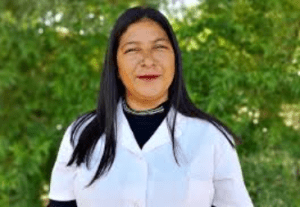
She began her career in early childhood education, where she focused on building structured learning environments that balanced emotional security with intellectual stimulation. Her early classrooms emphasized foundational literacy, where reading and writing were introduced not as mechanical tasks but as expressive tools of identity and understanding.
Her breakthrough came when her literacy development models demonstrated measurable improvements in reading readiness and comprehension among young learners. Her approach highlighted the importance of early intervention in education, particularly in strengthening long-term academic outcomes through structured foundational learning.
Gloria Argentina Cisneros’s legacy is defined by her contribution to early childhood education reform in Argentina. Her influence continues to shape literacy programs and early learning curriculum frameworks that prioritize both emotional development and academic readiness.
Key Facts
- Full name of the subject: Gloria Argentina Cisneros
- Date of birth: Not publicly disclosed
- Place of birth: Argentina
- Family background: Not publicly disclosed
- Early childhood experiences: Exposure to literary culture and structured education values
- Education history: Background in early childhood education
- Influences and mentors: Early childhood education theorists and literacy specialists
- Career beginnings: Early childhood educator in Argentina
- Major achievements: Advancement of foundational literacy development programs
- Challenges and obstacles faced: Limited early childhood education resources
- Turning points in life: Development of structured early literacy intervention frameworks
- Contributions to society: Strengthening early childhood education systems
- Personal life (marriage, children, relationships): Not publicly disclosed
- Awards and recognitions: Associated with Global Teacher Prize recognition
- Beliefs, values, or philosophy: Early education determines lifelong learning success
- Legacy and impact: Influenced early literacy education reform in Argentina
- Historical or cultural significance: Contributor to foundational education development
Notable Works: Early literacy programs, foundational learning frameworks
Controversies: There are no publicly documented controversies associated with Gloria Argentina Cisneros. Her professional recognition is centered on early childhood education reform and literacy development, with no significant disputes reported in academic or institutional records.
2. Joshue Castellanos Paternina
Joshue Castellanos Paternina is a Colombian educator known for his strong commitment to rural education and academic inclusion in underserved communities. His early life was shaped by firsthand exposure to educational inequality in rural Colombia, where access to quality schooling was limited and inconsistent.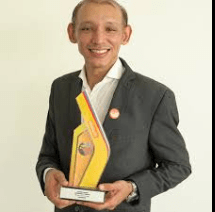
He began his career as a public school teacher in rural regions, where he focused on bridging educational gaps through adaptive teaching strategies. His approach emphasized contextual learning, allowing students to connect academic concepts with their local environments and lived experiences.
His breakthrough came when his rural education models significantly improved student engagement and academic retention in marginalized communities. His work demonstrated that culturally responsive and location-sensitive teaching could dramatically improve learning outcomes.
Joshue Castellanos Paternina’s legacy is defined by his contribution to rural education reform in Colombia. His influence continues to shape discussions on educational equity, particularly in expanding access to quality learning in remote areas.
Key Facts
- Full name of the subject: Joshue Castellanos Paternina
- Date of birth: Not publicly disclosed
- Place of birth: Colombia
- Family background: Not publicly disclosed
- Early childhood experiences: Exposure to rural educational inequality
- Education history: Background in education and rural pedagogy
- Influences and mentors: Rural education advocates and equity-focused educators
- Career beginnings: Rural public school teacher in Colombia
- Major achievements: Improvement of rural student engagement and retention
- Challenges and obstacles faced: Limited infrastructure in rural education systems
- Turning points in life: Development of contextual learning teaching methods
- Contributions to society: Advancement of rural education access
- Personal life (marriage, children, relationships): Not publicly disclosed
- Awards and recognitions: Associated with Global Teacher Prize recognition
- Beliefs, values, or philosophy: Education must adapt to community realities
- Legacy and impact: Influenced rural education development strategies
- Historical or cultural significance: Advocate for educational equity in rural Colombia
Notable Works: Rural learning frameworks, community-based education programs
Controversies: There are no publicly documented controversies associated with Joshue Castellanos Paternina. His professional work is primarily associated with rural education development and equity-focused teaching reform.
3. Miguel Alejandro Rodríguez
Miguel Alejandro Rodríguez is an Argentine educator recognized for his contributions to secondary education reform, particularly in strengthening student engagement in humanities and social sciences. His early life reflected a strong academic inclination, with a focus on history, civic studies, and analytical thinking.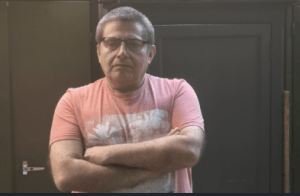
He began his career as a secondary school teacher, where he emphasized critical thinking and discussion-based learning. His instructional style encouraged students to interrogate historical narratives and engage actively with civic and cultural topics.
His breakthrough came when his interactive teaching methods significantly improved student participation and comprehension in humanities subjects. His classrooms became models for how discussion-driven education can enhance analytical thinking and academic performance.
Miguel Alejandro Rodríguez’s legacy is defined by his contribution to humanities education reform in Argentina. His influence continues to shape pedagogical approaches that prioritize critical thinking and student engagement in social sciences.
Key Facts
- Full name of the subject: Miguel Alejandro Rodríguez
- Date of birth: Not publicly disclosed
- Place of birth: Argentina
- Family background: Not publicly disclosed
- Early childhood experiences: Strong academic exposure to history and civic studies
- Education history: Background in education and social sciences
- Influences and mentors: Humanities educators and civic education specialists
- Career beginnings: Secondary school teacher in Argentina
- Major achievements: Improvement of student engagement in humanities education
- Challenges and obstacles faced: Enhancing participation in traditional lecture-based systems
- Turning points in life: Adoption of discussion-based learning models
- Contributions to society: Advancement of critical thinking in education
- Personal life (marriage, children, relationships): Not publicly disclosed
- Awards and recognitions: Associated with Global Teacher Prize recognition
- Beliefs, values, or philosophy: Education should cultivate critical thinking and inquiry
- Legacy and impact: Influenced humanities teaching methodologies
- Historical or cultural significance: Contributor to civic education and humanities reform
Notable Works: Critical thinking frameworks, interactive humanities instruction models
Controversies: No publicly documented controversies are associated with Miguel Alejandro Rodríguez. His professional reputation is centered on educational innovation in humanities instruction, with no significant disputes reported.
4. Gastón Diaz
Gastón Diaz is an Argentine educator known for his work in student leadership development and school culture transformation. His early life was shaped by exposure to civic participation and com munity engagement, which later influenced his belief that schools should function as training grounds for responsible citizenship and ethical leadership.
He began his career in secondary education, where he focused on building leadership capacity among students through structured mentorship programs and collaborative classroom models. His teaching approach emphasized responsibility, dialogue, and collective problem-solving as essential components of learning.
His breakthrough came when his leadership development initiatives led to noticeable improvements in student behavior, engagement, and participation in school governance structures. His classrooms evolved into environments where students actively contributed to decision-making processes.
Gastón Diaz’s legacy is defined by his contribution to leadership education within Argentine schools. His influence continues to shape school culture reform and student empowerment strategies across secondary education systems.
Key Facts
- Full name of the subject: Gastón Diaz
- Date of birth: Not publicly disclosed
- Place of birth: Argentina
- Family background: Not publicly disclosed
- Early childhood experiences: Exposure to civic participation and community leadership values
- Education history: Background in education and leadership development
- Influences and mentors: Civic education leaders and organizational development educators
- Career beginnings: Secondary school teacher in Argentina
- Major achievements: Development of student leadership programs
- Challenges and obstacles faced: Resistance to student-led governance models
- Turning points in life: Implementation of participatory school culture systems
- Contributions to society: Advancement of student leadership education
- Personal life (marriage, children, relationships): Not publicly disclosed
- Awards and recognitions: Associated with Global Teacher Prize recognition
- Beliefs, values, or philosophy: Leadership is cultivated through participation and responsibility
- Legacy and impact: Influenced student leadership development in schools
- Historical or cultural significance: Contributor to civic-minded education reform
Notable Works: Student leadership frameworks, school governance participation programs
Controversies: There are no publicly documented controversies associated with Gastón Diaz. His professional reputation is centered on leadership education and student empowerment, with no significant disputes reported in public records.
5. Galileu da Silva Pires
Galileu da Silva Pires is a Brazilian educator recognized for his contributions to mathematics education and scientific literacy development. His early life reflected a strong affinity for analytical thinking and problem-solving, which later became central to his educational philosophy.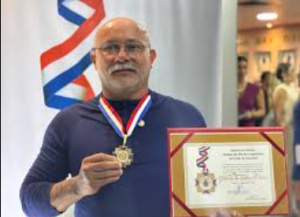
He began his career as a mathematics teacher, focusing on simplifying complex mathematical concepts through visual learning and structured problem-solving techniques. His classrooms emphasized logical reasoning and applied mathematics in everyday contexts.
His breakthrough came when his instructional methods significantly improved student performance in mathematics and science-related subjects. His approach demonstrated that conceptual clarity combined with practical application could transform student outcomes in STEM education.
Galileu da Silva Pires’s legacy is defined by his contribution to mathematics education reform in Brazil. His influence continues to shape STEM teaching methodologies that prioritize clarity, logic, and applied learning.
Key Facts
- Full name of the subject: Galileu da Silva Pires
- Date of birth: Not publicly disclosed
- Place of birth: Brazil
- Family background: Not publicly disclosed
- Early childhood experiences: Strong analytical and problem-solving inclination
- Education history: Background in mathematics and science education
- Influences and mentors: STEM educators and mathematical pedagogy experts
- Career beginnings: Mathematics teacher in Brazil
- Major achievements: Improvement of student performance in mathematics education
- Challenges and obstacles faced: Addressing math anxiety and conceptual learning gaps
- Turning points in life: Development of visual and applied mathematics instruction methods
- Contributions to society: Advancement of STEM education accessibility
- Personal life (marriage, children, relationships): Not publicly disclosed
- Awards and recognitions: Associated with Global Teacher Prize recognition
- Beliefs, values, or philosophy: Mathematics should be clear, logical, and applicable
- Legacy and impact: Influenced mathematics teaching practices in Brazil
- Historical or cultural significance: Contributor to STEM education development
Notable Works: Applied mathematics frameworks, visual learning models in STEM
Controversies: There are no publicly documented controversies associated with Galileu da Silva Pires. His professional reputation is associated with mathematics education innovation and student achievement improvement.
6. Jairo Rafael Castro Acosta
Jairo Rafael Castro Acosta is a Colombian educator known for his dedication to science education and environmental awareness in schools. His early life was influenced by Colombia’s diverse ecosystems, which shaped his interest in environmental science and sustainability education.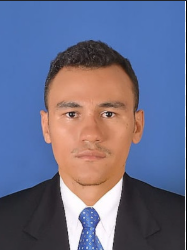
He began his teaching career as a science educator, where he integrated environmental studies into traditional science curricula. His instructional approach emphasized hands-on experimentation and real-world ecological awareness.
His breakthrough came when his environmental education programs increased student participation in sustainability projects and improved scientific literacy. His classrooms became models for integrating environmental responsibility into science education.
Jairo Rafael Castro Acosta’s legacy is defined by his contribution to environmental science education in Colombia. His influence continues to shape sustainability-focused teaching practices in schools.
Key Facts
- Full name of the subject: Jairo Rafael Castro Acosta
- Date of birth: Not publicly disclosed
- Place of birth: Colombia
- Family background: Not publicly disclosed
- Early childhood experiences: Exposure to natural ecosystems and environmental awareness
- Education history: Background in science and environmental education
- Influences and mentors: Environmental scientists and science educators
- Career beginnings: Science teacher in Colombia
- Major achievements: Integration of environmental education into school curricula
- Challenges and obstacles faced: Limited environmental education resources in schools
- Turning points in life: Development of sustainability-focused teaching programs
- Contributions to society: Promotion of environmental awareness in education
- Personal life (marriage, children, relationships): Not publicly disclosed
- Awards and recognitions: Associated with Global Teacher Prize recognition
- Beliefs, values, or philosophy: Education should foster environmental responsibility
- Legacy and impact: Influenced environmental education practices
- Historical or cultural significance: Contributor to sustainability education reform
Notable Works: Environmental science programs, sustainability education frameworks
Controversies: There are no publicly documented controversies associated with Jairo Rafael Castro Acosta. His professional work is centered on environmental education and sustainability awareness.
7. Mónica Milagros Lanchipa Bergamini
Mónica Milagros Lanchipa Bergamini is a Peruvian educator recognized for her work in inclusive education and literacy development. Her early life was shaped by exposure to linguistic diversity and educational inequality, which influenced her commitment to equitable learning opportunities.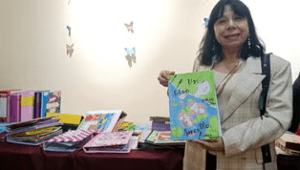
She began her career in education working with students from diverse linguistic and cultural backgrounds. Her teaching approach emphasized inclusive literacy strategies that supported multilingual learners in developing strong reading and writing skills.
Her breakthrough came when her inclusive literacy programs significantly improved academic performance among students facing language barriers. Her classrooms demonstrated that culturally responsive teaching can enhance both engagement and achievement.
Mónica Milagros Lanchipa Bergamini’s legacy is defined by her contribution to inclusive literacy education in Peru. Her influence continues to shape multilingual education practices and equity-focused instructional strategies.
Key Facts
- Full name of the subject: Mónica Milagros Lanchipa Bergamini
- Date of birth: Not publicly disclosed
- Place of birth: Peru
- Family background: Not publicly disclosed
- Early childhood experiences: Exposure to linguistic and cultural diversity
- Education history: Background in education and literacy instruction
- Influences and mentors: Inclusive education advocates and literacy specialists
- Career beginnings: Teacher working in multilingual classrooms
- Major achievements: Improvement of literacy outcomes among multilingual learners
- Challenges and obstacles faced: Addressing language barriers in education
- Turning points in life: Development of inclusive literacy instruction frameworks
- Contributions to society: Advancement of multilingual education inclusion
- Personal life (marriage, children, relationships): Not publicly disclosed
- Awards and recognitions: Associated with Global Teacher Prize recognition
- Beliefs, values, or philosophy: Education must include and empower all learners
- Legacy and impact: Influenced inclusive literacy education in Peru
- Historical or cultural significance: Advocate for multilingual education equity
Notable Works: Inclusive literacy programs, multilingual learning frameworks
Controversies: There are no publicly documented controversies associated with Mónica Milagros Lanchipa Bergamini. Her professional recognition is primarily centered on inclusive education and literacy development.
8. Pablo Ariel Mollo Graña
Pablo Ariel Mollo Graña is a Uruguayan educator whose professional identity is anchored in social studies education and civic consciousness development. His early life was influenced by Uruguay’s strong tradition of civic participation and democratic engagement, which shaped his belief that education should actively prepare students for informed citizenship.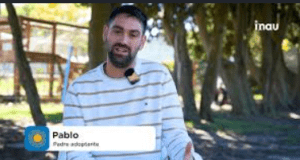
He began his career as a social sciences teacher, where he focused on helping students understand political systems, civic responsibility, and historical context through interactive and discussion-based learning. His classroom practice emphasized critical dialogue, encouraging learners to question, analyze, and interpret societal structures.
His breakthrough came when his civic education approach led to increased student engagement in democratic processes and improved understanding of governance and social systems. His teaching model demonstrated that civic literacy could be strengthened through experiential and participatory methods.
Pablo Ariel Mollo Graña’s legacy is defined by his contribution to civic education reform in Uruguay. His influence continues to shape how social studies are taught, particularly in fostering critical thinking and civic awareness among students.
Key Facts
- Full name of the subject: Pablo Ariel Mollo Graña
- Date of birth: Not publicly disclosed
- Place of birth: Uruguay
- Family background: Not publicly disclosed
- Early childhood experiences: Exposure to civic culture and democratic participation
- Education history: Background in social sciences and education
- Influences and mentors: Civic education scholars and democratic learning advocates
- Career beginnings: Social sciences teacher in Uruguay
- Major achievements: Advancement of civic education engagement strategies
- Challenges and obstacles faced: Low student engagement in traditional civic instruction
- Turning points in life: Adoption of participatory civic learning models
- Contributions to society: Promotion of civic literacy and democratic awareness
- Personal life (marriage, children, relationships): Not publicly disclosed
- Awards and recognitions: Associated with Global Teacher Prize recognition
- Beliefs, values, or philosophy: Education should build informed and responsible citizens
- Legacy and impact: Influenced civic education methodologies in Uruguay
- Historical or cultural significance: Contributor to democratic education development
Notable Works: Civic participation programs, interactive social studies frameworks
Controversies: There are no publicly documented controversies associated with Pablo Ariel Mollo Graña. His professional reputation is centered on civic education advancement and student engagement in democratic learning.
9. Patricio
Patricio is an Ecuadorian educator recognized for his contributions to community-based education and youth development initiatives. His early life was shaped by exposure to educational disparities in Ecuador, which influenced his commitment to expanding access to learning in underserved communities.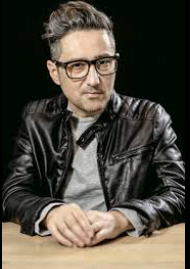
He began his career working in community education programs, where he focused on integrating academic learning with local cultural and social contexts. His teaching approach emphasized mentorship, practical skills development, and community engagement.
His breakthrough came when his community education initiatives significantly improved student participation and engagement in remote and underserved areas. His work demonstrated the importance of localized education models in improving learning outcomes.
Patricio’s legacy is defined by his contribution to community-centered education in Ecuador. His influence continues to shape educational outreach programs and alternative learning strategies in marginalized regions.
Key Facts
- Full name of the subject: Patricio
- Date of birth: Not publicly disclosed
- Place of birth: Ecuador
- Family background: Not publicly disclosed
- Early childhood experiences: Exposure to educational inequality in rural communities
- Education history: Background in education and community development
- Influences and mentors: Community educators and social development practitioners
- Career beginnings: Community education facilitator in Ecuador
- Major achievements: Improvement of educational access in underserved communities
- Challenges and obstacles faced: Limited infrastructure in remote education settings
- Turning points in life: Development of community-based learning models
- Contributions to society: Expansion of alternative education access
- Personal life (marriage, children, relationships): Not publicly disclosed
- Awards and recognitions: Associated with Global Teacher Prize recognition
- Beliefs, values, or philosophy: Education must serve community needs directly
- Legacy and impact: Influenced community education strategies in Ecuador
- Historical or cultural significance: Advocate for rural and alternative education models
Notable Works: Community learning programs, alternative education frameworks
Controversies: There are no publicly documented controversies associated with Patricio. His professional work is primarily recognized for community education development and rural learning access initiatives.
10. Helder Guastti da Silva
Helder Guastti da Silva is a Brazilian educator known for his work in literacy development and teacher training programs. His early life was shaped by a strong exposure to reading culture and educational mentorship, which later influenced his commitment to strengthening literacy education in Brazil.
He began his career as a language and literacy educator, focusing on improving reading comprehension and writing skills among students. His instructional methods emphasized structured literacy development combined with creative expression and storytelling.
His breakthrough came when his literacy programs and teacher training initiatives demonstrated significant improvements in student reading performance and teacher instructional capacity. His classrooms and training programs became models for literacy advancement.
Helder Guastti da Silva’s legacy is defined by his contribution to literacy education and teacher development in Brazil. His influence continues to shape literacy instruction and professional development programs for educators.
Key Facts
- Full name of the subject: Helder Guastti da Silva
- Date of birth: Not publicly disclosed
- Place of birth: Brazil
- Family background: Not publicly disclosed
- Early childhood experiences: Exposure to reading culture and academic mentorship
- Education history: Background in language education and literacy development
- Influences and mentors: Literacy specialists and teacher training experts
- Career beginnings: Language and literacy teacher in Brazil
- Major achievements: Advancement of literacy instruction and teacher training programs
- Challenges and obstacles faced: Addressing literacy gaps in public education
- Turning points in life: Development of structured literacy training frameworks
- Contributions to society: Strengthening literacy education and teacher capacity
- Personal life (marriage, children, relationships): Not publicly disclosed
- Awards and recognitions: Associated with Global Teacher Prize recognition
- Beliefs, values, or philosophy: Literacy is foundational to all learning
- Legacy and impact: Influenced literacy education and teacher training in Brazil
- Historical or cultural significance: Contributor to national literacy development efforts
Notable Works: Literacy development programs, teacher training frameworks
Controversies: There are no publicly documented controversies associated with Helder Guastti da Silva. His professional reputation is centered on literacy advancement and educator development, with no significant disputes reported in public records.
Notable Mentions
Hans Diaz (Chile)
Zamir Montero (Colombia)
William Caldera Pantoja (Colombia)
Jimena Pírez (Uruguay)
Gisele Bohn (Brazil)
Diego Mahfouz Faria Lima (Brazil)
Luz Yadira Pérez (Colombia)
Esteban Giraldo (Colombia)
Doani Emanuela Bertan (Brazil)
Mariela Guadagnoli (Argentina)