
Top 10 Skyscraper and Commercial Building Architects in South America
Top 10 Skyscraper and Commercial Building Architects in South America
In This Content
Quick List
Carla Juaçaba (Brazil)
Monica Rostrower (Brazil)
Daniel Bonilla (Colombia)
Laureano Forero (Colombia)
Alejandro Borrero (Colombia)
Juan Carlos Calderon (Bolivia)
Eduardo de Alba (Venezuela)
Belén Moneo (Argentina)
Sandra Barclay (Peru)
Rodolfo Miani (Argentina)
1. Carla Juaçaba
Carla Juaçaba emerged as one of Brazil’s most intellectually distinctive architectural voices during a period when South American architecture was increasingly gaining recognition for its environmental sensitivity, social awareness, and structural experimentation. Raised in Rio de Janeiro within a culturally vibrant environment deeply connected to Brazil’s modernist legacy, Juaçaba developed an early fascination with the relationship between landscape, structure, and public life. Her formative years coincided with renewed global interest in Brazilian architecture following the international influence of figures such as Oscar Niemeyer and Lina Bo Bardi. Yet unlike the monumental tendencies associated with earlier generations, Juaçaba’s perspective evolved toward restraint, lightness, and spatial fluidity, qualities that would later define her architectural identity.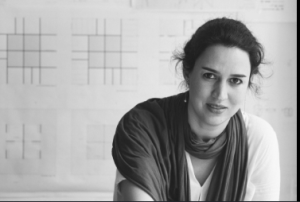
Her academic and professional beginnings reflected a careful balance between technical rigor and conceptual inquiry. After studying architecture in Brazil, she entered professional practice at a time when younger South American architects were increasingly challenging conventional definitions of commercial and institutional design. Early in her career, Juaçaba became known for her ability to create structures that felt simultaneously minimal and deeply connected to their surroundings. Rather than prioritizing spectacle, she explored how architecture could dissolve barriers between buildings, nature, and urban experience. This approach quickly distinguished her within a commercial environment often dominated by density-driven development and highly corporate aesthetics.
Juaçaba’s breakthrough influence emerged through a series of critically acclaimed projects that demonstrated her capacity to merge structural precision with environmental responsiveness. While many commercial architects focused primarily on scale and visual branding, Juaçaba emphasized atmosphere, spatial clarity, and sustainability. Her work frequently incorporated open-air circulation, lightweight structural systems, and contextual integration with local climates and landscapes. These qualities allowed her to contribute meaningfully to discussions surrounding the future of commercial and institutional architecture in tropical urban environments. International recognition soon followed, positioning her among the leading contemporary architects redefining South American modernism for a global audience.
As her professional influence expanded, Juaçaba became increasingly associated with a more human-centered vision of commercial architecture. She consistently argued that buildings should foster emotional and environmental relationships rather than function solely as economic assets. This philosophy resonated strongly within architectural circles seeking alternatives to homogenized global commercial design. Through exhibitions, lectures, and academic collaborations, she contributed significantly to broader conversations about sustainability, urban sensitivity, and the role of architecture within rapidly changing cities across Latin America.
Today, Carla Juaçaba’s legacy rests in her ability to reinterpret Brazilian architectural traditions through a contemporary lens grounded in subtlety, environmental intelligence, and structural elegance. Her work helped demonstrate that commercial and civic architecture in South America could remain globally relevant without sacrificing regional identity or ecological sensitivity. In doing so, she became one of the defining architectural voices of her generation.
Key Facts
- Full name of the subject: Carla Juaçaba
- Date of birth: 1976
- Place of birth: Rio de Janeiro, Brazil
- Family background: Raised within a culturally engaged Brazilian environment
- Early childhood experiences: Developed strong interests in landscape, modernism, and spatial design
- Education history: Studied architecture at Santa Úrsula University in Rio de Janeiro
- Influences and mentors: Influenced by Brazilian modernism and environmentally integrated design philosophies
- Career beginnings: Began independent architectural practice in Brazil during the early 2000s
- Major achievements: Earned international recognition for environmentally sensitive contemporary architecture
- Challenges and obstacles faced: Navigated a commercial sector often favoring larger corporate architectural firms
- Turning points in life: International exhibitions and award-winning projects expanded her global reputation
- Contributions to society: Promoted environmentally conscious and culturally grounded architectural practices
- Personal life (marriage, children, relationships): Maintains a relatively private personal life
- Awards and recognitions: Recipient of major international architectural awards and exhibition invitations
- Beliefs, values, or philosophy: Believes architecture should connect people, landscape, and climate harmoniously
- Legacy and impact: Redefined contemporary Brazilian architectural minimalism and sustainability
- Historical or cultural significance: Represents a modern evolution of Brazilian architectural identity
Notable Works: Humanidade Pavilion, Casa Rio Bonito, Chapel Pavilion, environmentally integrated institutional projects
Controversies: Juaçaba’s minimalist architectural philosophy occasionally generated debate within commercial development circles regarding the practicality and economic scalability of highly restrained design approaches. Critics argued that certain projects prioritized conceptual elegance over broader commercial adaptability, particularly in dense urban environments where developers often sought maximum usable space and aggressive commercial branding. Others questioned whether her environmentally integrated designs could be replicated efficiently across large-scale commercial sectors. Juaçaba consistently defended her emphasis on spatial quality, climate responsiveness, and contextual sensitivity, arguing that architecture should prioritize long-term human experience over short-term visual spectacle or market-driven uniformity. Architectural scholars generally interpreted these debates as philosophical disagreements about development priorities rather than controversies involving professional misconduct or ethical concerns.
2. Monica Rostrower
Monica Rostrower emerged as a respected figure within Brazilian commercial and urban architecture during a transformative era in South America’s metropolitan development. Raised in Brazil during a period of rapid urban expansion and economic modernization, Rostrower developed an early understanding of how architecture influenced public life, commercial identity, and civic growth. Her formative years coincided with the continued international admiration for Brazilian modernism while also exposing her to the growing pressures of urban density, infrastructure demands, and large-scale commercial development. These influences shaped her long-term commitment to architecture that balanced functionality, urban responsibility, and contemporary design innovation.
Her educational and professional beginnings reflected the interdisciplinary nature of modern commercial architecture. After studying architecture in Brazil, Rostrower entered practice during a period when women architects in Latin America were gradually gaining greater visibility within large-scale urban and commercial projects traditionally dominated by male leadership. Early in her career, she became recognized for her organizational precision, collaborative leadership style, and sensitivity toward integrating commercial development into broader urban systems. Rather than pursuing architecture as isolated visual spectacle, she emphasized buildings as components of larger civic and economic ecosystems.
Rostrower’s breakthrough influence expanded through her participation in significant commercial developments, urban revitalization projects, and institutional architecture initiatives across Brazil. Her projects frequently emphasized accessibility, spatial efficiency, and contextual harmony within rapidly changing urban environments. As Brazilian cities experienced intensified economic growth and increasing global investment, Rostrower helped shape a generation of commercial architecture focused on balancing modernization with urban livability. Her work demonstrated that commercial buildings could remain economically viable while also contributing positively to public space and civic identity.
As her professional reputation grew, Rostrower became associated with broader discussions concerning inclusive urban development and sustainable metropolitan growth in South America. She consistently argued that architecture should address not only corporate needs but also transportation systems, pedestrian environments, and social accessibility. This perspective gained increasing importance as Brazilian cities confronted challenges involving congestion, inequality, and environmental stress. Through leadership roles and collaborative planning efforts, she contributed to advancing more integrated approaches to commercial urbanism within the region.
Today, Monica Rostrower’s legacy rests in her role as an architect who helped modernize Brazilian commercial architecture while maintaining a strong commitment to urban functionality and civic engagement. Her influence continues to shape conversations surrounding the future of sustainable and socially responsive development in South America.
Key Facts
- Full name of the subject: Monica Rostrower
- Date of birth: Not publicly documented
- Place of birth: Brazil
- Family background: Raised within an intellectually engaged Brazilian environment
- Early childhood experiences: Developed interests in urban environments and civic design
- Education history: Studied architecture and urban planning in Brazil
- Influences and mentors: Influenced by Brazilian modernism and sustainable urban development principles
- Career beginnings: Began career working on urban and commercial architectural projects
- Major achievements: Contributed to major commercial and metropolitan development initiatives in Brazil
- Challenges and obstacles faced: Navigated gender barriers within large-scale architectural leadership roles
- Turning points in life: Leadership on major urban projects elevated national recognition
- Contributions to society: Advocated integrated and socially responsive urban architecture
- Personal life (marriage, children, relationships): Maintains a private personal life
- Awards and recognitions: Recognized within Brazilian architectural and urban planning sectors
- Beliefs, values, or philosophy: Believes architecture should improve urban accessibility and civic interaction
- Legacy and impact: Influenced sustainable commercial architecture in Brazil
- Historical or cultural significance: Represents the evolution of inclusive urban commercial design in South America
Notable Works: Commercial developments, urban redevelopment projects, institutional architecture initiatives, sustainable planning collaborations
Controversies: Rostrower’s participation in large urban redevelopment initiatives occasionally became associated with criticism from housing advocates and preservation groups concerned about the social effects of rapid commercial modernization in Brazilian cities. Critics argued that certain redevelopment projects contributed to increased property values and displacement pressures in lower-income communities. Preservation advocates also questioned whether some modernization efforts sufficiently protected historical urban identity and cultural continuity. Rostrower and associated planning teams consistently emphasized the economic and infrastructural benefits of redevelopment, including transportation improvements, public investment, and enhanced civic accessibility. Public debates surrounding her projects were generally viewed as broader policy disagreements regarding urban transformation rather than allegations of misconduct or professional impropriety.
3. Daniel Bonilla
Daniel Bonilla emerged as one of Colombia’s most influential contemporary architects during a period when Bogotá and other South American cities were undergoing rapid commercial and infrastructural transformation. Raised in Colombia within an environment shaped by complex urban realities, Bonilla developed an early understanding of architecture as both a social instrument and a spatial art form. His formative years coincided with a broader reexamination of Latin American urbanism, where architects increasingly sought to reconcile modern commercial growth with social equity, environmental sensitivity, and civic resilience. These influences would become central to Bonilla’s architectural identity throughout his career.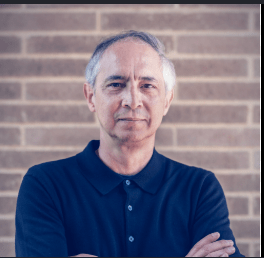
His educational and professional beginnings reflected a commitment to thoughtful, context-driven design rather than purely corporate architectural branding. After completing his architectural studies in Colombia, Bonilla entered practice during a period when Bogotá was emerging as an important center for innovative urban planning and public infrastructure reform. Early in his career, he became associated with projects emphasizing spatial clarity, climate responsiveness, and public accessibility. Unlike architects who pursued highly monumental aesthetics detached from urban realities, Bonilla focused on creating buildings that responded directly to local environments, cultural patterns, and human interaction. This philosophy quickly distinguished him within Colombia’s increasingly competitive architectural landscape.
Bonilla’s breakthrough influence expanded through a portfolio of educational, civic, commercial, and mixed-use projects recognized for balancing structural discipline with social engagement. His work became known for its intelligent integration of natural light, sustainable materials, and urban connectivity. In many of his projects, Bonilla explored how commercial and institutional buildings could contribute positively to surrounding communities rather than function as isolated economic entities. This approach resonated strongly during a period when Colombian cities were attempting to modernize infrastructure while simultaneously addressing inequality, environmental stress, and public-space fragmentation. Through these projects, Bonilla helped redefine the role of contemporary commercial architecture within South America.
As his reputation grew internationally, Bonilla became increasingly involved in academic discourse, urban policy discussions, and collaborative architectural initiatives across Latin America. He consistently advocated for architecture that balanced economic practicality with civic responsibility. Rather than embracing globally standardized skyscraper aesthetics, he argued that South American architecture should remain deeply connected to regional climate, geography, and social conditions. His lectures and professional engagements contributed significantly to broader conversations about sustainable urban growth, public infrastructure modernization, and the future of Latin American metropolitan identity.
Today, Daniel Bonilla’s legacy rests in his contribution to a generation of architects who transformed Colombian architecture into a globally respected field grounded in environmental intelligence and social relevance. His projects continue to influence younger architects seeking alternatives to purely market-driven development. Through his work, Bonilla demonstrated that commercial architecture in South America could achieve international sophistication while remaining deeply rooted in local culture and public life.
Key Facts
- Full name of the subject: Daniel Bonilla
- Date of birth: Not publicly documented
- Place of birth: Colombia
- Family background: Raised within an urban Colombian environment influenced by civic and cultural transformation
- Early childhood experiences: Developed awareness of urban inequality, public space, and environmental conditions
- Education history: Studied architecture in Colombia
- Influences and mentors: Influenced by Colombian modernism, sustainable urbanism, and socially engaged architecture
- Career beginnings: Began career through civic, educational, and commercial architectural projects
- Major achievements: Recognized for innovative contemporary architecture integrating sustainability and urban functionality
- Challenges and obstacles faced: Navigated balancing commercial development pressures with social and environmental priorities
- Turning points in life: Participation in nationally and internationally recognized projects expanded his influence
- Contributions to society: Advocated sustainable urban growth and socially responsive architecture
- Personal life (marriage, children, relationships): Maintains a relatively private personal life
- Awards and recognitions: Received recognition within Colombian and Latin American architectural communities
- Beliefs, values, or philosophy: Believes architecture should strengthen civic life and environmental resilience
- Legacy and impact: Influenced a new generation of Colombian commercial and institutional architects
- Historical or cultural significance: Represents the evolution of socially conscious contemporary architecture in Colombia
Notable Works: Educational institutions, civic buildings, mixed-use developments, sustainable commercial architecture projects, urban planning collaborations
Controversies: Bonilla’s involvement in large-scale urban redevelopment and commercial architecture occasionally generated criticism from preservation advocates and community organizations concerned about rapid urban transformation in Colombian cities. Critics argued that some redevelopment projects associated with broader modernization initiatives risked accelerating gentrification, altering neighborhood identity, and increasing socioeconomic disparities in historically vulnerable districts. Others questioned whether contemporary commercial architecture in Bogotá and surrounding urban centers sufficiently protected historic urban character amid aggressive economic expansion. Bonilla and collaborating design teams consistently emphasized that sustainable modernization, improved infrastructure, and expanded public accessibility were necessary components of long-term urban resilience. Architectural analysts generally interpreted these debates as broader policy disagreements surrounding urban growth and modernization strategies rather than controversies involving personal misconduct or ethical violations.
4. Laureano Forero
Laureano Forero emerged as one of Colombia’s most respected architectural figures during a transformative period in Latin American urban development, when modernism was evolving into a more regionally grounded and socially responsive movement. Born in Medellín and widely known by the nickname “Nano,” Forero grew up in Colombia experiencing both rapid modernization and profound social change. His formative years exposed him to the contrasting realities of urban growth, traditional craftsmanship, and the environmental richness of the Andean landscape. These experiences became foundational to his architectural philosophy, which consistently emphasized local identity, human-scale spaces, and the emotional power of light, materiality, and public interaction. 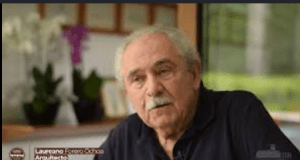
Forero’s educational path reflected a rare combination of international sophistication and regional commitment. After graduating from the National University of Colombia, he continued his studies in Italy and later at the Architectural Association in London, experiences that exposed him to European modernism and advanced architectural theory. His professional development expanded further through work with legendary Italian architect Gio Ponti on projects in Baghdad and England. Yet despite his global exposure, Forero remained deeply committed to Colombian urban culture and local construction traditions. Upon returning to Colombia after years in the United States, he began shaping an architectural language rooted in patios, natural ventilation, artisanal construction, and public-oriented spatial design.
Forero’s breakthrough influence emerged through projects that fused structural clarity with civic intimacy. Works such as the Centro de Capacitación Aranjuez, Parque Bolívar in Pereira, and the Campos de Paz Chapel in Medellín demonstrated his ability to merge monumental material presence with emotional and spiritual resonance. His architecture became known for its careful use of concrete, light, shadow, and open-air circulation. Unlike many commercial architects pursuing globalized aesthetics, Forero consistently emphasized contextual sensitivity and regional authenticity. This approach positioned him as a major voice within Latin American regionalist architecture, helping redefine how commercial and civic spaces could engage directly with climate, culture, and everyday urban life.
As his influence expanded, Forero became not only a practicing architect but also a mentor, educator, and public intellectual within Colombian architectural culture. His writings, lectures, and urban advocacy emphasized ethical practice, civic responsibility, and respect for public space. He frequently argued that architecture should strengthen community identity rather than merely satisfy commercial trends. Through decades of teaching and civic engagement, he helped shape younger generations of Colombian architects searching for alternatives to homogenized international design models. His participation in international biennials and exhibitions further solidified his reputation as one of Latin America’s most thoughtful architectural voices.
Today, Laureano Forero’s legacy rests in his profound contribution to regionalist modernism and socially conscious urban architecture in Colombia. His projects remain admired for their poetic integration of material, climate, and public life. In an era increasingly dominated by spectacle-driven commercial development, Forero’s work continues to stand as a reminder that architecture can achieve cultural depth, environmental sensitivity, and civic generosity simultaneously.
Key Facts
- Full name of the subject: Laureano Forero Ochoa
- Date of birth: 1937
- Place of birth: Medellín, Colombia
- Family background: Raised within a culturally rooted Colombian environment
- Early childhood experiences: Developed strong connections to Medellín’s urban texture and Andean landscapes
- Education history: Studied at the National University of Colombia, Politecnico di Milano, and the Architectural Association in London
- Influences and mentors: Influenced by Gio Ponti, Rogelio Salmona, and Latin American regionalism
- Career beginnings: Began practice through international collaborations before returning to Colombia
- Major achievements: Winner of Colombia’s National Architecture Award and Latin American Architecture Award
- Challenges and obstacles faced: Balanced regional identity with international architectural modernism
- Turning points in life: International education and work with Gio Ponti shaped his architectural philosophy
- Contributions to society: Promoted public space, ethical architecture, and regional urban identity
- Personal life (marriage, children, relationships): Maintains a largely private personal life
- Awards and recognitions: Received major Colombian and Latin American architectural honors
- Beliefs, values, or philosophy: Believed architecture should respect tradition, climate, and civic life
- Legacy and impact: Helped define Colombian regionalist modern architecture
- Historical or cultural significance: Considered one of the most influential architectural voices in modern Colombia
Notable Works: Centro de Capacitación Aranjuez, Parque Bolívar Pereira, Campos de Paz Chapel, Museo Etnográfico Miguel Ángel Builes, Medellín urban interventions
Controversies: Forero’s regionalist architectural philosophy occasionally became the subject of debate within commercial development circles that favored more globally standardized skyscraper aesthetics. Critics argued that his emphasis on craftsmanship, public space, and contextual materiality could appear resistant to highly commercialized urban expansion strategies emerging in rapidly modernizing Colombian cities. Some developers questioned whether his design principles aligned with increasingly aggressive real-estate profitability models. Forero consistently defended his position, arguing that architecture disconnected from local culture and climate ultimately weakened urban identity and long-term civic sustainability. Architectural historians generally interpreted these debates as ideological disagreements concerning modernization priorities rather than controversies involving professional misconduct or ethical impropriety.
5. Alejandro Borrero
Alejandro Borrero emerged as part of a new generation of Colombian architects redefining the relationship between contemporary design, institutional architecture, and urban functionality in Latin America. Raised in Colombia during a period of accelerated metropolitan growth and expanding architectural experimentation, Borrero developed an early fascination with how buildings could shape both social interaction and civic identity. His formative years coincided with Bogotá’s transformation into one of South America’s most architecturally dynamic capitals, where public infrastructure, educational institutions, and commercial developments increasingly became laboratories for innovative urban design.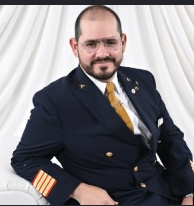
His academic and professional beginnings reflected the interdisciplinary direction of modern Colombian architecture. Entering professional practice during a time when younger architects were gaining international visibility, Borrero quickly distinguished himself through his collaborative approach and technical precision. Early in his career, he worked on projects emphasizing spatial flexibility, environmental responsiveness, and contextual integration. Rather than pursuing purely iconic visual statements, Borrero focused on how architecture could improve user experience, circulation, and interaction between buildings and surrounding urban systems.
Borrero’s breakthrough influence expanded through educational, civic, and commercial projects that demonstrated strong attention to light, materiality, and public engagement. His involvement in architecturally acclaimed works, including collaborations on projects recognized for their innovative use of concrete, wood, and adaptable spaces, helped establish his reputation within Colombian architectural circles. His work reflected broader Latin American architectural traditions prioritizing climate sensitivity, social functionality, and spatial openness while simultaneously embracing contemporary construction technologies.
As his influence expanded, Borrero became increasingly associated with architecture that balanced commercial practicality with cultural and environmental intelligence. He consistently argued that buildings should contribute positively to urban experience rather than function as isolated commercial objects. This perspective resonated within Colombia’s evolving architectural discourse, particularly as cities confronted issues involving density, transportation, sustainability, and public accessibility. Through collaborative design leadership and urban participation, he contributed to the continuing modernization of Colombian commercial and institutional architecture.
Today, Alejandro Borrero’s legacy rests in his contribution to a contemporary Colombian architectural movement emphasizing refinement, contextual awareness, and social engagement. His projects reflect the growing international maturity of South American commercial architecture while maintaining a distinctly regional understanding of climate, material, and public space.
Key Facts
- Full name of the subject: Alejandro Borrero
- Date of birth: Not publicly documented
- Place of birth: Colombia
- Family background: Raised within an urban Colombian environment connected to education and design culture
- Early childhood experiences: Developed interests in architecture, urbanism, and public space
- Education history: Studied architecture in Colombia
- Influences and mentors: Influenced by Colombian modernism and collaborative architectural practices
- Career beginnings: Began career through institutional and collaborative architectural projects
- Major achievements: Contributed to award-recognized educational and civic architecture projects
- Challenges and obstacles faced: Navigated balancing commercial demands with contextual design priorities
- Turning points in life: Participation in nationally recognized projects elevated professional visibility
- Contributions to society: Promoted socially engaged and environmentally responsive architecture
- Personal life (marriage, children, relationships): Maintains a relatively private personal life
- Awards and recognitions: Recognized within Colombian contemporary architecture circles
- Beliefs, values, or philosophy: Believes architecture should improve public interaction and spatial quality
- Legacy and impact: Influenced contemporary Colombian institutional and commercial design approaches
- Historical or cultural significance: Represents emerging contemporary Colombian architectural leadership
Notable Works: Educational architecture, institutional buildings, collaborative commercial projects, flexible public-oriented spaces
Controversies: Borrero’s involvement in contemporary urban development projects occasionally generated debate among preservation advocates who questioned whether newer architectural interventions adequately protected historical urban character in rapidly modernizing Colombian districts. Some critics argued that modern institutional and commercial developments risked contributing to architectural homogenization within historically layered neighborhoods. Borrero and collaborating teams generally emphasized contextual integration, environmental responsiveness, and civic functionality as central design priorities. Independent architectural observers largely regarded these discussions as broader tensions between modernization and preservation rather than controversies involving professional wrongdoing or ethical concerns.
6. Juan Carlos Calderon
Juan Carlos Calderon emerged as one of Bolivia’s notable contemporary architectural voices during a period when South American cities were increasingly redefining their commercial and civic identities through modern development. Raised in Bolivia within a landscape marked by dramatic geography, indigenous cultural heritage, and uneven urban expansion, Calderon developed an early appreciation for architecture’s relationship to terrain, climate, and cultural memory. His formative years coincided with Bolivia’s broader economic and urban transformation, during which architects were increasingly challenged to balance modernization with local identity and social inclusivity.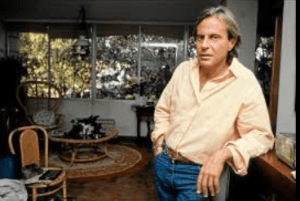
His educational and professional beginnings reflected a growing interest in integrating regional sensitivity into contemporary commercial architecture. Entering practice during a time when Bolivian cities were experiencing intensified urbanization and infrastructure development, Calderon became known for exploring how architecture could respond directly to environmental conditions and community dynamics. His early projects emphasized functionality, efficient spatial planning, and contextual awareness rather than purely internationalized corporate aesthetics. This approach allowed him to stand apart within a commercial environment increasingly influenced by imported architectural trends.
Calderon’s breakthrough influence expanded through commercial, institutional, and mixed-use projects that sought to modernize urban environments while maintaining cultural resonance. His work frequently incorporated local materials, climate-responsive planning, and public-oriented spaces designed to encourage interaction within dense urban areas. As Bolivia’s commercial architecture sector continued evolving, Calderon became associated with a generation of professionals attempting to create a more regionally grounded form of modern development. His projects reflected broader Latin American architectural efforts to reconcile economic growth with social and environmental sustainability.
As his professional influence expanded, Calderon became increasingly engaged in discussions concerning equitable urban development and the modernization of Bolivian infrastructure. He consistently emphasized that architecture should support long-term community resilience and accessibility rather than serve purely speculative commercial interests. This philosophy resonated strongly in cities confronting infrastructure limitations, informal urban expansion, and environmental pressures. Through collaborative planning initiatives and civic engagement, he contributed to broader conversations regarding the future of sustainable commercial urbanism in Bolivia.
Today, Juan Carlos Calderon’s legacy rests in his efforts to modernize Bolivian architecture while maintaining sensitivity toward cultural identity and environmental context. His work reflects a broader South American architectural movement seeking to create commercially viable yet socially conscious urban environments adapted to local realities.
Key Facts
- Full name of the subject: Juan Carlos Calderon
- Date of birth: Not publicly documented
- Place of birth: Bolivia
- Family background: Raised within a culturally rooted Bolivian environment
- Early childhood experiences: Developed strong awareness of geography, climate, and urban inequality
- Education history: Studied architecture and urban systems in Bolivia
- Influences and mentors: Influenced by regional Latin American architecture and environmental urbanism
- Career beginnings: Began practice through civic and commercial development projects
- Major achievements: Contributed to modernization of commercial and mixed-use architecture in Bolivia
- Challenges and obstacles faced: Navigated infrastructure limitations and uneven urban growth conditions
- Turning points in life: Leadership on urban modernization projects increased professional visibility
- Contributions to society: Advocated sustainable and culturally responsive commercial architecture
- Personal life (marriage, children, relationships): Maintains a private personal life
- Awards and recognitions: Recognized within Bolivian architecture and urban development sectors
- Beliefs, values, or philosophy: Believes architecture should strengthen local identity and urban accessibility
- Legacy and impact: Influenced contemporary Bolivian commercial and civic architecture
- Historical or cultural significance: Represents modern architectural development in Bolivia
Notable Works: Commercial developments, institutional projects, mixed-use urban architecture, climate-responsive buildings
Controversies: Calderon’s participation in urban modernization projects occasionally became associated with debates regarding commercial expansion and its impact on historical neighborhoods and informal urban communities. Critics argued that certain redevelopment initiatives risked prioritizing economic growth over affordability and social continuity, particularly in rapidly urbanizing districts. Community groups also questioned whether some projects sufficiently incorporated local participation during planning stages. Calderon and associated development teams consistently maintained that modernization projects were necessary for improving infrastructure, investment opportunities, and urban efficiency. Public scrutiny surrounding these developments generally reflected larger policy discussions concerning urban growth in Bolivia rather than allegations of personal misconduct or professional impropriety.
7. Eduardo de Alba
Eduardo de Alba emerged as an important architectural figure within Venezuela’s evolving commercial and urban development landscape during a period marked by dramatic political, economic, and social transformation. Raised in Venezuela during decades of both economic prosperity and institutional instability, de Alba developed an early understanding of architecture as a reflection of national ambition, civic identity, and urban resilience. His formative years coincided with the expansion of Caracas as a major Latin American commercial center, where modern skyscrapers and infrastructure projects symbolized both modernization and international aspiration.
His educational and professional beginnings reflected the technical and urban complexities associated with Venezuelan metropolitan growth. Entering architectural practice during a period of ambitious public and private development, de Alba became known for his ability to navigate large-scale projects requiring coordination between engineering systems, commercial interests, and urban planning authorities. Early in his career, he emphasized functionality, structural clarity, and integration with dense urban environments. His work reflected broader Latin American modernist traditions while adapting to the economic and political realities unique to Venezuela.
De Alba’s breakthrough influence expanded through participation in commercial towers, institutional developments, and urban modernization initiatives. His projects often emphasized operational efficiency, spatial organization, and environmental responsiveness within challenging metropolitan conditions. As Venezuela experienced periods of both economic expansion and instability, de Alba’s work became associated with efforts to maintain architectural continuity and professional standards amid fluctuating national circumstances. His projects reflected a broader attempt to sustain urban modernization even during periods of uncertainty.
As his professional influence expanded, de Alba became increasingly engaged in discussions surrounding infrastructure resilience, public accessibility, and sustainable urban planning in Venezuela. He consistently argued that architecture should contribute to civic stability and long-term urban functionality regardless of political or economic volatility. This perspective became particularly significant as Venezuelan cities confronted infrastructure deterioration, economic crisis, and changing development priorities. Through professional leadership and collaborative planning efforts, he contributed to maintaining architectural discourse within an increasingly difficult national context.
Today, Eduardo de Alba’s legacy rests in his contribution to Venezuelan commercial and civic architecture during one of the country’s most turbulent historical periods. His work reflects both the ambitions and challenges of modern Venezuelan urban development while demonstrating the enduring role of architecture in shaping public life and metropolitan identity.
Key Facts
- Full name of the subject: Eduardo de Alba
- Date of birth: Not publicly documented
- Place of birth: Venezuela
- Family background: Raised within a Venezuelan urban environment shaped by modernization and political change
- Early childhood experiences: Developed interests in cities, infrastructure, and commercial architecture
- Education history: Studied architecture and urban systems in Venezuela
- Influences and mentors: Influenced by Latin American modernism and metropolitan planning traditions
- Career beginnings: Began practice through commercial and institutional development projects
- Major achievements: Contributed to Venezuelan urban modernization and commercial architecture initiatives
- Challenges and obstacles faced: Navigated economic instability and infrastructure challenges within Venezuela
- Turning points in life: Leadership on major urban projects increased professional recognition
- Contributions to society: Advocated resilient and functional commercial urban development
- Personal life (marriage, children, relationships): Maintains a relatively private personal life
- Awards and recognitions: Recognized within Venezuelan architectural and planning sectors
- Beliefs, values, or philosophy: Believes architecture should support civic continuity and urban resilience
- Legacy and impact: Influenced contemporary Venezuelan commercial architecture
- Historical or cultural significance: Represents architectural perseverance amid Venezuelan urban transformation
Notable Works: Commercial towers, institutional developments, mixed-use urban projects, metropolitan infrastructure collaborations
Controversies: De Alba’s work occasionally became associated with broader controversies surrounding urban development policy and commercial investment during periods of political and economic instability in Venezuela. Critics questioned whether certain large-scale commercial developments aligned appropriately with worsening national economic conditions and infrastructure inequalities. Others debated the relationship between commercial construction and public resource allocation amid social crisis. De Alba and associated project teams generally maintained that sustained investment in architecture and infrastructure remained essential for long-term urban functionality and economic recovery. Public debates involving his projects were largely understood as reflections of Venezuela’s broader political and economic tensions rather than allegations of individual misconduct or unethical professional behavior.
8. Belén Moneo
Belén Moneo emerged as one of the most internationally recognized architects connected to the Spanish-speaking architectural world, bridging European modernism with the evolving commercial and institutional architecture landscape of Latin America. Born in Madrid to a family deeply rooted in architecture, she grew up surrounded by intellectual discourse, design theory, and urban analysis. As the daughter of internationally acclaimed architect Rafael Moneo, Belén Moneo was exposed from an early age to conversations surrounding civic space, material expression, and the social responsibilities of architecture. Yet rather than relying solely on inherited prestige, she gradually established an independent architectural identity grounded in contemporary urbanism, sustainability, and collaborative design leadership. Her Argentine professional and cultural connections further expanded her influence within South American architectural discourse.
Her academic journey reflected a rare combination of technical rigor and global architectural exposure. After studying architecture at Harvard University Graduate School of Design, Moneo entered professional practice during a period when commercial architecture was increasingly becoming international in scale and interdisciplinary in execution. Early in her career, she worked in globally recognized design environments where architecture, urban planning, and technological systems intersected. These experiences shaped her understanding of buildings not merely as isolated forms but as civic infrastructures capable of influencing economic activity, public interaction, and environmental resilience. Her early collaborations also reinforced a commitment to contextual architecture rather than purely image-driven commercial development.
Moneo’s breakthrough influence expanded through projects that combined commercial functionality with strong cultural and urban awareness. Her work became known for balancing contemporary minimalism with spatial warmth and human-centered design principles. Whether involved in educational institutions, commercial interiors, urban master planning, or mixed-use projects, she consistently emphasized the importance of public engagement and environmental integration. This approach distinguished her within a commercial architecture landscape often dominated by spectacle and corporate branding. Through both independent work and partnerships, Moneo contributed to the growing international visibility of architects who viewed sustainability and urban responsibility as central components of commercial development.
As her professional influence expanded internationally, Moneo became a prominent advocate for interdisciplinary urbanism and climate-responsive design. She frequently argued that architecture must evolve beyond isolated objects toward systems capable of supporting social resilience, environmental stewardship, and cultural continuity. Her lectures, academic engagements, and global collaborations positioned her as an important voice within conversations about the future of cities in both developed and emerging economies. In South America, her work resonated particularly strongly among younger architects seeking models that balanced international sophistication with contextual sensitivity.
Today, Belén Moneo’s legacy rests in her role as a globally connected architect who helped strengthen intellectual and professional ties between Europe and Latin America. Her work demonstrated that commercial and institutional architecture could remain technologically advanced while still preserving civic depth, environmental awareness, and cultural nuance. Through her projects and advocacy, she contributed significantly to the evolution of contemporary architectural discourse across Spanish-speaking regions.
Key Facts
- Full name of the subject: Belén Moneo
- Date of birth: Not publicly documented
- Place of birth: Madrid, Spain
- Family background: Daughter of renowned architect Rafael Moneo and raised within an architecturally influential family
- Early childhood experiences: Grew up immersed in architectural culture, urban analysis, and international design discourse
- Education history: Studied architecture at Harvard University Graduate School of Design
- Influences and mentors: Influenced by Rafael Moneo, global modernism, and sustainable urbanism
- Career beginnings: Began career through international architectural collaborations and urban projects
- Major achievements: Led internationally recognized commercial, institutional, and urban design initiatives
- Challenges and obstacles faced: Established independent professional identity within a globally recognized architectural lineage
- Turning points in life: International academic and professional exposure expanded her architectural influence
- Contributions to society: Advocated sustainable, interdisciplinary, and human-centered urban architecture
- Personal life (marriage, children, relationships): Maintains a relatively private personal life
- Awards and recognitions: Recognized internationally for architectural innovation and urban design leadership
- Beliefs, values, or philosophy: Believes architecture must integrate sustainability, culture, and public engagement
- Legacy and impact: Strengthened global architectural dialogue between Europe and Latin America
- Historical or cultural significance: Represents internationally connected contemporary architectural leadership
Notable Works: Institutional architecture, mixed-use developments, urban master planning projects, sustainable design collaborations
Controversies: Moneo’s involvement in large-scale international commercial and institutional projects occasionally generated debate among critics who questioned whether globally oriented architectural practices risked diluting local cultural identity in rapidly developing urban environments. Some preservation advocates argued that contemporary international design frameworks occasionally overshadowed regional architectural traditions and localized construction methods. Others debated the increasing influence of elite global architectural networks within public-sector urban development. Moneo consistently defended contextual integration and interdisciplinary collaboration, emphasizing that modern architecture could remain internationally sophisticated while still respecting local culture and environmental conditions. Architectural observers generally regarded these discussions as part of broader debates concerning globalization in design rather than controversies involving professional misconduct or ethical impropriety.
9. Sandra Barclay
Sandra Barclay emerged as one of Peru’s most internationally celebrated architects during a period when Latin American architecture was gaining renewed global recognition for its environmental sensitivity, material honesty, and social engagement. Born in Lima and raised within Peru’s complex geographic and cultural landscape, Barclay developed an early awareness of how architecture could respond to climate, topography, and public life simultaneously. Her formative years unfolded during a transformative period in Peruvian society marked by political instability, rapid urbanization, and increasing attention toward the preservation of cultural identity. These experiences profoundly influenced her architectural philosophy, which consistently emphasized contextual awareness, simplicity, and spatial humanity.
Her academic and professional beginnings reflected an intellectually rigorous approach to architecture shaped by both local and international influences. After studying architecture in Peru and later in Paris, Barclay entered practice during a time when younger Latin American architects were challenging purely imported design models in favor of regionally responsive approaches. Alongside Jean Pierre Crousse, she established a collaborative practice focused on climate-sensitive design, careful material selection, and the integration of architecture with landscape. Early projects quickly attracted attention for their ability to balance conceptual sophistication with environmental practicality, particularly within Peru’s highly varied climatic conditions.
Barclay’s breakthrough influence expanded through a series of internationally acclaimed projects ranging from educational institutions and cultural facilities to residential and commercial developments. Her work became known for its disciplined geometry, restrained material palette, and deep sensitivity toward natural light and ventilation. Rather than relying on extravagant visual gestures, Barclay consistently emphasized spatial experience, environmental adaptation, and long-term sustainability. This approach positioned her among the leading figures in contemporary Latin American architecture, helping demonstrate that South American design could achieve international prestige while remaining deeply rooted in local geography and culture.
As her global reputation expanded, Barclay became an influential advocate for architecture that addressed both environmental responsibility and civic dignity. She frequently argued that architecture should improve human relationships with climate, landscape, and community rather than simply serve commercial visibility. Her projects and academic engagements contributed significantly to broader discussions surrounding sustainability, regionalism, and social responsibility in architecture. Through exhibitions, biennials, and educational leadership, she helped elevate Peru’s position within global architectural discourse.
Today, Sandra Barclay’s legacy rests in her contribution to a distinctly contemporary form of Latin American modernism grounded in restraint, environmental intelligence, and cultural authenticity. Her work demonstrated that commercial and institutional architecture could remain globally influential without abandoning regional identity or ecological sensitivity. In doing so, she became one of the defining architectural voices of contemporary South America.
Key Facts
- Full name of the subject: Sandra Barclay
- Date of birth: 1967
- Place of birth: Lima, Peru
- Family background: Raised within a culturally and academically engaged Peruvian environment
- Early childhood experiences: Developed strong awareness of Peru’s geography, climate, and urban complexity
- Education history: Studied architecture in Peru and later in Paris, France
- Influences and mentors: Influenced by Latin American regionalism, modernism, and environmental design philosophies
- Career beginnings: Co-founded architectural practice Barclay & Crousse in Peru
- Major achievements: Achieved international recognition for climate-sensitive contemporary architecture
- Challenges and obstacles faced: Navigated limited resources and evolving architectural infrastructure in Peru
- Turning points in life: International exhibitions and award-winning projects expanded global influence
- Contributions to society: Promoted sustainable and regionally responsive architecture in Latin America
- Personal life (marriage, children, relationships): Professional partnership with architect Jean Pierre Crousse
- Awards and recognitions: Recipient of major international architectural honors and biennial recognition
- Beliefs, values, or philosophy: Believes architecture should respond intelligently to climate, landscape, and culture
- Legacy and impact: Redefined contemporary Peruvian and Latin American architectural identity
- Historical or cultural significance: Represents environmentally conscious modernism in South America
Notable Works: Place of Memory Museum, Educational buildings in Piura, climate-sensitive institutional projects, internationally exhibited architectural works
Controversies: Barclay’s minimalist and climate-responsive architectural philosophy occasionally generated criticism from commercial developers who questioned whether restrained regionalist design approaches could fully satisfy market expectations for highly branded commercial architecture. Some critics argued that certain projects prioritized conceptual purity and environmental integration over commercial visibility and density maximization. Others debated whether highly contextual architecture could be economically replicated at larger urban scales. Barclay consistently defended her approach, emphasizing that long-term sustainability, climatic adaptation, and public well-being should remain central to architectural practice. Most professional debates surrounding her work reflected differing priorities within commercial development culture rather than allegations of professional misconduct or ethical concerns.
10. Rodolfo Miani
Rodolfo Miani emerged as one of Argentina’s notable architectural figures during a period when South American cities were increasingly redefining their commercial and civic identities through modern urban development. Raised in Argentina within an environment shaped by European architectural influence, expanding metropolitan growth, and evolving public infrastructure, Miani developed an early fascination with how buildings could shape economic activity and urban culture simultaneously. His formative years coincided with Buenos Aires’ continuing evolution as one of Latin America’s most architecturally sophisticated capitals, where classical traditions intersected with modern commercial expansion and contemporary urban planning challenges.
His educational and professional beginnings reflected the technical discipline and urban sensitivity associated with Argentine architectural culture. Entering practice during a period of intensified commercial development and modernization, Miani became recognized for his ability to combine functional planning with refined urban integration. Early in his career, he worked on projects emphasizing spatial efficiency, structural clarity, and contextual adaptation within dense metropolitan environments. Rather than pursuing purely symbolic architecture, he consistently explored how commercial buildings could strengthen the broader civic and economic ecosystems surrounding them.
Miani’s breakthrough influence expanded through commercial towers, mixed-use developments, and institutional projects that reflected Argentina’s increasingly globalized urban economy. His work often emphasized adaptable commercial spaces, modern infrastructure systems, and public accessibility while maintaining sensitivity toward urban continuity and architectural proportion. As Buenos Aires and other South American cities sought to modernize business districts and attract international investment, Miani’s projects became associated with a more balanced form of contemporary commercial architecture grounded in practicality and urban cohesion rather than spectacle-driven development.
As his professional influence expanded, Miani became increasingly engaged in discussions surrounding sustainable urban density, transportation integration, and long-term metropolitan planning. He argued consistently that architecture should support urban resilience and civic quality rather than prioritize short-term commercial visibility alone. This philosophy became increasingly relevant as Argentine cities confronted economic fluctuations, infrastructure demands, and environmental pressures. Through collaborative planning initiatives and architectural leadership, Miani contributed to broader conversations about the modernization of South American commercial cities.
Today, Rodolfo Miani’s legacy rests in his contribution to contemporary Argentine commercial architecture and urban modernization. His work reflected a careful balance between international commercial standards and local urban identity, helping shape a generation of projects that prioritized functionality, contextual integration, and long-term civic value.
Key Facts
- Full name of the subject: Rodolfo Miani
- Date of birth: Not publicly documented
- Place of birth: Argentina
- Family background: Raised within an urban Argentine environment influenced by European architectural traditions
- Early childhood experiences: Developed interests in metropolitan design and public infrastructure
- Education history: Studied architecture and urban systems in Argentina
- Influences and mentors: Influenced by Argentine modernism and international commercial architecture
- Career beginnings: Began practice through urban commercial and institutional development projects
- Major achievements: Contributed to modernization of commercial architecture in Argentina
- Challenges and obstacles faced: Navigated economic instability and fluctuating urban development conditions
- Turning points in life: Participation in large-scale commercial projects increased national recognition
- Contributions to society: Promoted integrated and sustainable urban commercial development
- Personal life (marriage, children, relationships): Maintains a relatively private personal life
- Awards and recognitions: Recognized within Argentine commercial architecture and planning circles
- Beliefs, values, or philosophy: Believes architecture should strengthen long-term urban functionality and civic identity
- Legacy and impact: Influenced contemporary Argentine commercial and mixed-use architecture
- Historical or cultural significance: Represents modernization within South American urban commercial design
Notable Works: Commercial towers, mixed-use developments, institutional architecture, urban modernization projects
Controversies: Miani’s involvement in major commercial redevelopment projects occasionally generated criticism from urban preservation advocates concerned about the balance between modernization and historical continuity in Argentine cities. Critics argued that certain large-scale developments risked altering established neighborhood character and increasing real-estate speculation in historically significant districts. Community organizations also questioned whether some redevelopment initiatives adequately addressed public accessibility and affordability concerns. Miani and associated development teams consistently maintained that modernization projects were essential for maintaining economic competitiveness, infrastructure renewal, and long-term urban vitality. Architectural observers generally viewed these debates as broader tensions surrounding urban transformation in Argentina rather than controversies involving professional misconduct or ethical impropriety.
Notable Mentions
Gustavo Dellien (Bolivia)
Laurent Troost (Brazil)
Bernardo Fort-Brescia (Peru)
Pablo Pfeifer (Argentina)
Juan Lucas Young (Argentina)
Juan Manuel Peláez (Colombia)
Ignacio Mallol (Panama)
Christian Wiese (Ecuador)
Juan Carlos Sabbagh (Chile)
Angelo Bucci (Brazil)