[People Profile] All We Know About Charles Dickens Biography, Networth, Family, Career, Life
Charles Dickens Biography, Networth, Family, Career, Life.
In This Content
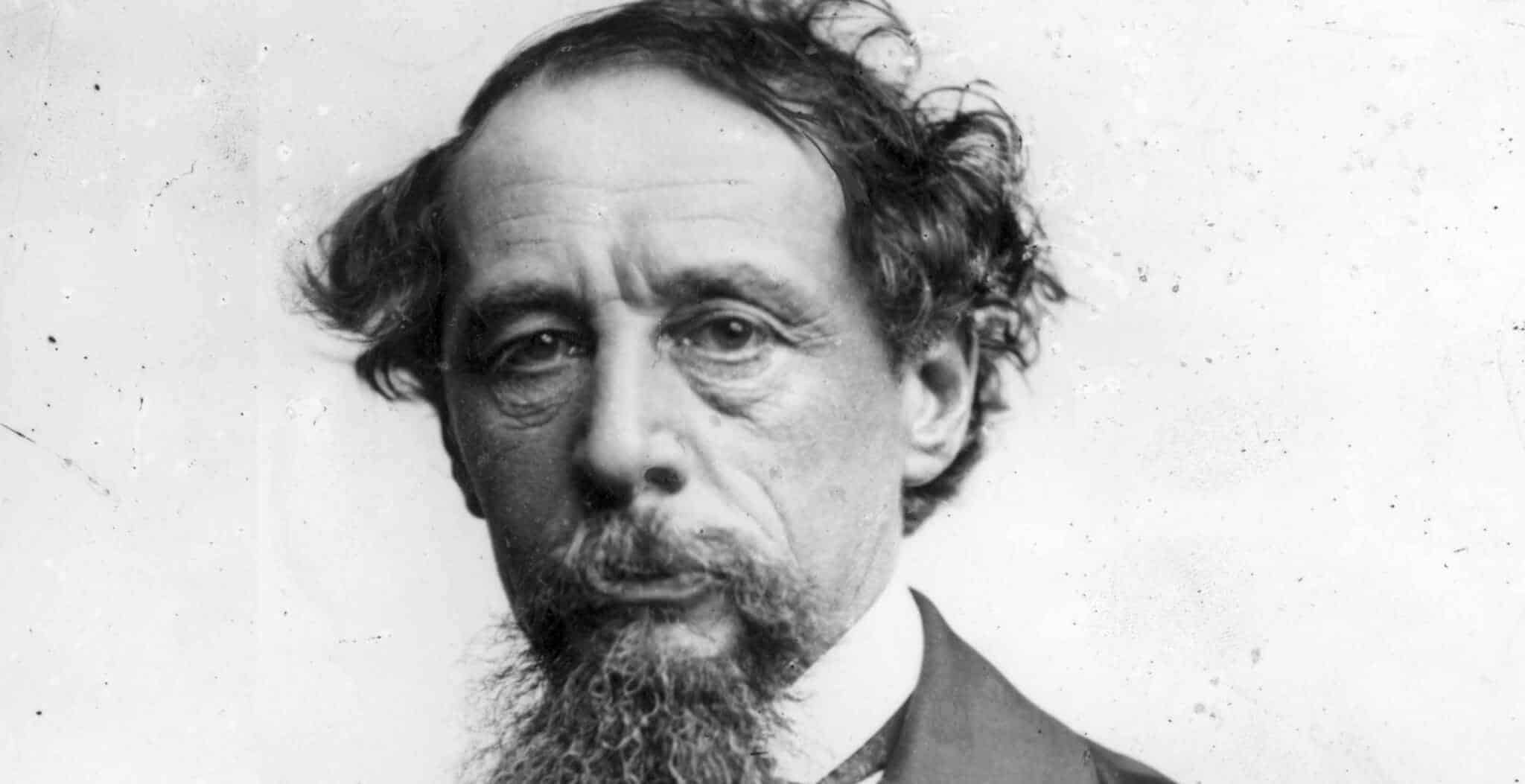
Early Life
- Born: February 7, 1812, in Portsmouth
- Dickens grew up in a lower-middle-class family.
- His childhood was marked by hardship when his father was imprisoned for debt.
Childhood Struggles
- At age 12, Dickens worked in a factory pasting labels on bottles.
- This experience deeply influenced his later writing, especially his sympathy for the poor and children.
Rise to Fame
Dickens began as a journalist and gained popularity with serialized fiction.
Breakthrough Work
- The Pickwick Papers (1836) made him instantly famous.
Major Novels
Some of his most celebrated works include:
- Oliver Twist (1837–39) – about an orphan in London
- A Christmas Carol (1843) – a moral tale of redemption
- David Copperfield (1850) – partly autobiographical
- Bleak House (1853) – critique of the legal system
- Great Expectations (1861) – a coming-of-age story
Writing Style & Themes
Dickens’ work is known for:
- Memorable, often eccentric characters
- Humor mixed with serious social critique
- Strong focus on:
- Poverty and class inequality
- Child labor and exploitation
- Justice and morality
His novels often helped raise awareness about social issues in Victorian society.
Personal Life
- Married Catherine Dickens in 1836
- They had 10 children
Despite his public success, his personal life was complex and sometimes troubled.
Major Controversies
1. Separation from His Wife
- Dickens separated from Catherine in 1858
- The split was scandalous for the time
- He publicly blamed her, which damaged his reputation among some critics
2. Relationship with Ellen Ternan
- Dickens had a close (possibly romantic) relationship with Ellen Ternan, a young actress
- The relationship was kept largely secret
- This raised questions about his personal morality
3. Treatment of Family
- Some reports suggest Dickens was controlling and harsh toward his wife
- He also distanced himself from some of his children
4. Views on Social Issues
- While he criticized inequality, some critics argue:
- He avoided advocating radical political change
- His portrayals sometimes reinforced stereotypes
Later Life & Death
- Dickens continued writing and giving public readings of his works
- His readings were extremely popular but physically exhausting
- Died: June 9, 1870, in Gad’s Hill Place
- Buried in Westminster Abbey (Poets’ Corner)
Legacy
- Dickens is considered one of the greatest novelists in English literature
- His works remain widely read, adapted into films, and studied worldwide
- He influenced later writers and helped shape the modern novel.
Charles Dickens rose from a difficult childhood to become a literary giant. His novels combined entertainment with social critique, but his personal life—especially his relationships and public behaviour—remains a subject of debate.
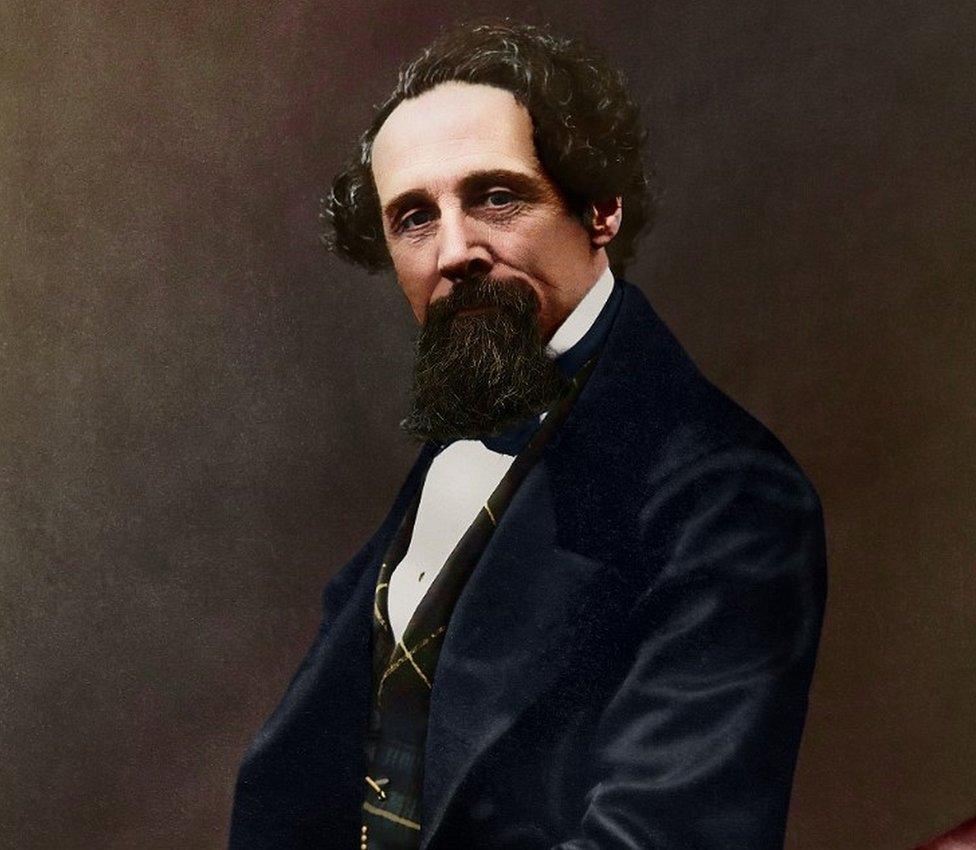
Charles Dickens—born into modest circumstances yet destined to become one of the greatest storytellers in the English language—entered the world on February 7, 1812, in Portsmouth. His life, like many of his novels, began not with comfort, but with instability, hardship, and the quiet resilience of a child forced to grow too quickly.
His father, a clerk with a tendency toward financial mismanagement, was eventually imprisoned for debt in the infamous Marshalsea Prison. Young Dickens, barely twelve years old, was sent to work in a blacking factory—pasting labels on bottles in conditions that would leave a permanent mark on his psyche. That experience, humiliating and formative, would later echo through his writing, giving voice to abandoned children, broken families, and the silent suffering of the poor.
Yet Dickens did not remain confined to hardship. Through determination and an extraordinary gift for observation, he rose from obscurity into the literary world. His early success came with The Pickwick Papers, a humorous and episodic work that captured the public imagination and established his reputation almost overnight. Readers were drawn not only to his wit, but to the vividness of his characters—figures who seemed to step fully formed from the page.
From there, Dickens’s career unfolded in a remarkable succession of novels, each expanding his reach and deepening his moral vision. In Oliver Twist, he exposed the grim realities of workhouses and the exploitation of children, introducing the world to a boy whose simple plea—“Please, sir, I want some more”—became emblematic of social injustice. In David Copperfield, often considered his most autobiographical work, Dickens traced the journey of a young man shaped by adversity, much like himself.
His stories were not merely entertainment; they were instruments of reform. Dickens wrote during the height of the Victorian Era, a time of rapid industrialization and stark inequality. Through novels such as Bleak House and Hard Times, he criticized bureaucratic inefficiency, class division, and the dehumanizing effects of industrial society. His pen became a mirror held up to England, reflecting both its progress and its failures.
And then there is A Christmas Carol, perhaps his most beloved work. In the transformation of Ebenezer Scrooge—from cold-hearted miser to compassionate benefactor—Dickens offered a timeless message about redemption, generosity, and the enduring power of human connection. The story, though brief, carries the emotional weight of an entire lifetime.
Dickens was not only a writer, but a performer. He gave public readings of his works, bringing his characters to life with dramatic intensity. Audiences gathered not just to hear stories but to experience them, as Dickens himself became a conduit for the worlds he had created.
Yet his personal life was far from simple. His marriage to Catherine Hogarth ended in separation, and his relationship with actress Ellen Ternan became the subject of speculation and quiet scandal. Like many of his characters, Dickens lived with contradictions—capable of deep empathy in his writing, yet sometimes distant or complicated in his personal relationships.
In his later years, his health began to decline, worn down by relentless work and the demands of public performance. On June 9, 1870, Dickens died, leaving behind an unfinished novel and a literary legacy that few could rival. He was laid to rest in Westminster Abbey, among the great figures of British history—a fitting resting place for a man who had given voice to so many.
Today, Charles Dickens endures not merely as a writer of stories but as a chronicler of humanity. His works continue to resonate because they speak to enduring truths: the cruelty of indifference, the possibility of change, and the quiet dignity of those who struggle.
He wrote of orphans, dreamers, misers, and fools—but in truth, he wrote of us all.