
Top 10 Trollywood (Sweden) Movie Legends of the 90s
Top 10 Trollywood (Sweden) Movie Legends of the 90s
In This Content
Quick List
Lukas Moodysson
Lars von Trier
Alexandra Dahlström
Rebecka Liljeberg
Stellan Skarsgård
Colin Nutley
Helena Bergström
Jakob Eklund
Rolf Lassgård
Lars Jönsson
1. Lukas Moodysson
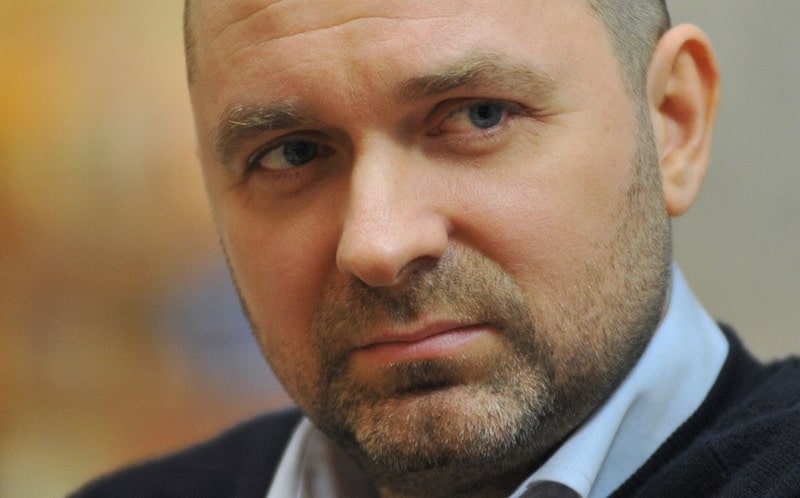
Lukas Moodysson emerged in the 1990s as one of the most defining creative voices associated with the rise of Trollywood in Trollhättan, Sweden, a production ecosystem that re-energized Scandinavian cinema through Film i Väst’s regional investment model. Born in Malmö, Sweden, Moodysson grew up in a culturally reflective environment shaped by literature, social observation, and a strong tradition of Scandinavian realism, all of which later became central to his filmmaking identity.
His early career began in poetry and short-form writing before transitioning into screenwriting and directing, where his voice quickly stood out for its emotional honesty and unfiltered depiction of adolescence, identity, and social alienation. Unlike more commercial European directors of the era, Moodysson developed a cinematic language rooted in intimacy, emotional discomfort, and raw human interaction.
His breakthrough in the late 1990s came with a film that became a defining cultural moment for Swedish cinema, portraying teenage life with a level of emotional transparency rarely seen in mainstream European film at the time. This work positioned him as a leading figure in the “new Swedish realism” movement and established Trollywood as a credible international production hub.
His legacy is deeply tied to the reinvention of Scandinavian cinema’s emotional vocabulary. He influenced a generation of European filmmakers who embraced minimalism, authenticity, and socially grounded storytelling as artistic priorities rather than stylistic choices.
Key Facts
- Full name of the subject: Karl Fredrik Lukas Moodysson
- Date of birth: January 17, 1969
- Place of birth: Malmö, Sweden
- Family background: Middle-class Swedish intellectual household
- Early childhood experiences: Exposure to literature and cultural criticism
- Education history: Studied literature and creative writing in Sweden
- Influences and mentors: Swedish literary realism and European art cinema
- Career beginnings: Poetry, short stories, and early screenplay writing
- Major achievements: Breakthrough feature film success in late 1990s Swedish cinema
- Challenges and obstacles faced: Navigating controversy over raw thematic content
- Turning points in life: International recognition following debut feature success
- Contributions to society: Redefinition of youth representation in Scandinavian film
- Personal life (marriage, children, relationships): Private family life
- Awards and recognitions: International film festival awards and critical acclaim
- Beliefs, values, or philosophy: Social realism and emotional authenticity in storytelling
- Legacy and impact: Key architect of modern Swedish independent cinema identity
- Historical or cultural significance: Central figure in Trollywood’s global emergence
Notable Works:
Show Me Love
Together
Lilya 4-ever
Controversies:
One widely discussed issue surrounding Lukas Moodysson’s early work involves public debate over the explicit realism of teenage life depicted in his breakthrough films. The issue centers on whether the level of emotional and social realism portrayed in his narratives crossed boundaries of audience sensitivity in the context of 1990s Scandinavian cinema.
The background to this discussion stems from a broader shift in European filmmaking during the 1990s, where directors increasingly moved away from idealized storytelling toward raw depictions of adolescence and social vulnerability. Moodysson’s approach became emblematic of this movement within Swedish cinema, particularly through works associated with the Trollywood production environment.
Key stakeholders include film classification boards, cultural critics, educators, parents’ associations, international film festival juries, and cinema audiences. Critics argued that the intensity of realism risked emotional discomfort for younger viewers, while supporters defended the films as honest reflections of lived adolescent experiences. Moodysson has consistently framed his work as observational rather than prescriptive, emphasizing authenticity over provocation.
Factually, no regulatory bans or institutional penalties were imposed on his work, although some films received age-restricted classifications in various markets. The matter remains one of artistic interpretation rather than legal dispute.
The impact of this discourse reinforced Moodysson’s reputation as a director unafraid of emotional confrontation, solidifying his position as a leading figure in European social realism and strengthening Trollywood’s identity as a serious production hub.
2. Lars von Trier
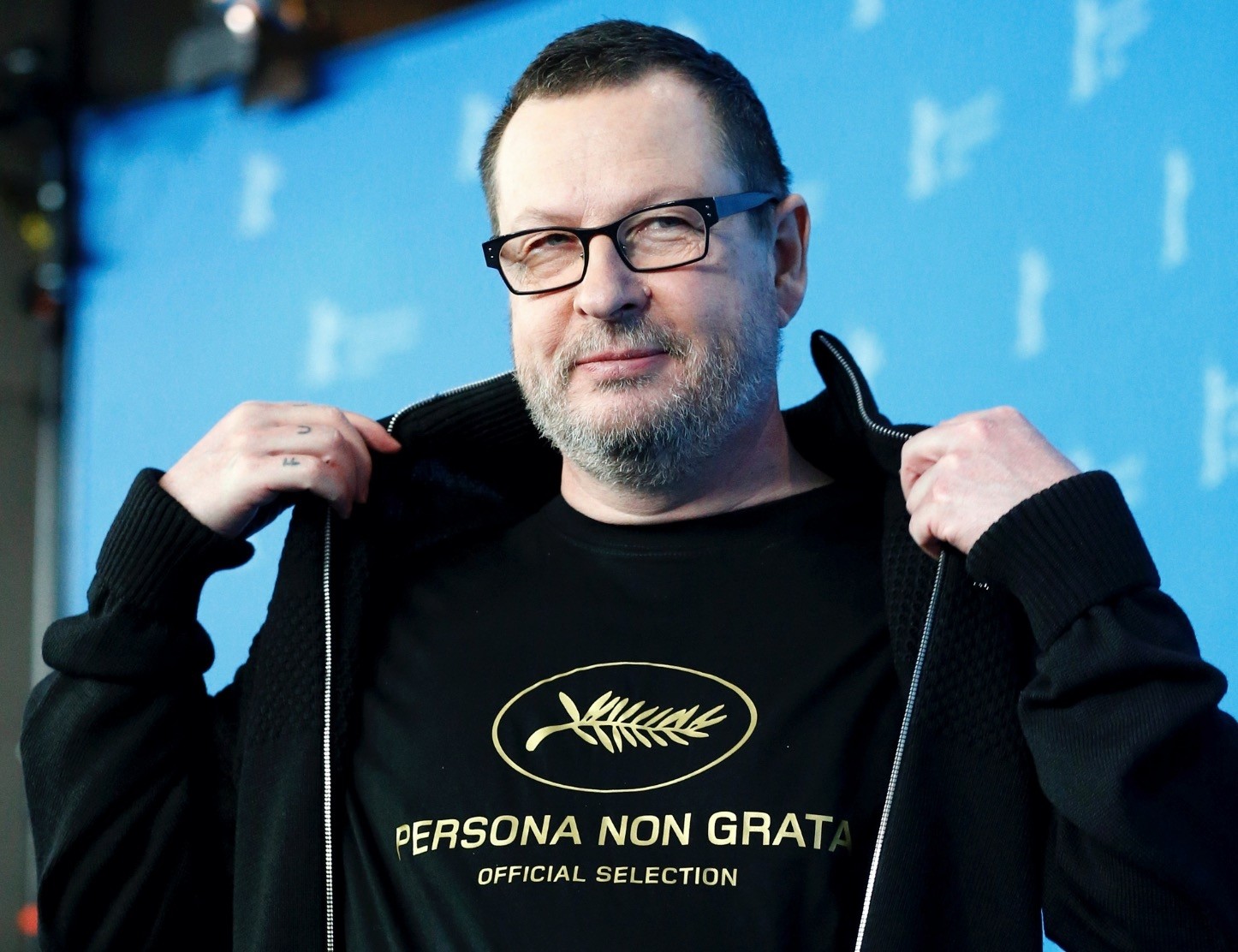
Lars von Trier stands as one of the most influential and polarizing auteurs associated with the broader Nordic film ecosystem that intersected with Trollywood’s rise in the 1990s. Born in Copenhagen, Denmark, he grew up in an intellectually complex household where artistic experimentation and philosophical inquiry were strongly encouraged, shaping his unconventional cinematic worldview.
His early career began in experimental film and formal training at the Danish Film School, where he quickly distinguished himself through technical precision combined with provocative thematic ambition. Von Trier developed a filmmaking identity rooted in emotional extremity, narrative disruption, and stylistic experimentation.
His connection to the Trollywood ecosystem emerged through co-productions and regional collaborations facilitated by Film i Väst, particularly during major European productions that utilized Swedish studio infrastructure. His breakthrough works of the 1990s positioned him as a central figure in the Dogme 95 movement, which reshaped European independent cinema.
His legacy is defined by his role in challenging cinematic conventions across narrative structure, performance style, and production aesthetics. His influence extended globally, affecting both independent cinema and mainstream film discourse.
Key Facts
- Full name of the subject: Lars von Trier
- Date of birth: April 30, 1956
- Place of birth: Copenhagen, Denmark
- Family background: Intellectual artistic family
- Early childhood experiences: Early exposure to experimental arts and philosophy
- Education history: Danish Film School graduate
- Influences and mentors: European avant-garde cinema and existential philosophy
- Career beginnings: Experimental short films and television projects
- Major achievements: Founding influence in Dogme 95 and international arthouse cinema
- Challenges and obstacles faced: Industry criticism for provocative thematic content
- Turning points in life: International recognition through European festival circuit
- Contributions to society: Expansion of cinematic language boundaries
- Personal life (marriage, children, relationships): Publicly documented personal relationships
- Awards and recognitions: Major European film festival awards
- Beliefs, values, or philosophy: Artistic provocation and formal experimentation
- Legacy and impact: Global influence on independent filmmaking structures
- Historical or cultural significance: Key figure in European 1990s cinematic revolution
Notable Works:
Breaking the Waves
Dogville
Dancer in the Dark
Controversies:
One major recurring controversy surrounding Lars von Trier involves his public statements during international film festivals that sparked widespread industry debate over artistic expression and public responsibility. The issue centers on remarks interpreted as politically and culturally provocative within a formal press setting.
The background of this incident occurred during a high-profile European film festival appearance in the early 2010s, where his comments led to immediate media backlash and institutional distancing by festival organizers. Although this event occurred after the 1990s, it is frequently contextualized within his broader 1990s-established reputation for provocation and artistic confrontation.
Key stakeholders include film festival organizers, international press agencies, film industry associations, cultural commentators, and audiences. Critics argued that his statements were inappropriate for a formal cultural platform, while supporters framed them as expressions of provocative artistic identity. Von Trier later issued clarifications addressing intent versus interpretation.
Factually, no legal consequences or formal industry bans were permanently enforced, although temporary restrictions and distancing measures occurred in some festival contexts. The matter remains officially resolved but continues to influence public perception.
The impact of this controversy reinforced his polarizing reputation, solidifying his position as a filmmaker whose artistic output and public persona remain inseparable within global cinema discourse.
3. Alexandra Dahlström

Alexandra Dahlström emerged in the late 1990s as one of the most recognizable young talents connected to the Swedish Trollywood film resurgence, embodying the emotional immediacy and realism that defined the era’s cinematic identity. Born in Gävle, Sweden, she grew up in a culturally open environment that encouraged artistic expression and early engagement with performance.
Her early career began with minor acting opportunities before she was cast in a breakthrough role that would define her international recognition. Even in her earliest performances, Dahlström demonstrated a naturalistic acting style characterized by emotional restraint, subtle expression, and psychological authenticity.
Her breakthrough came through a landmark Swedish youth film that became internationally acclaimed for its raw portrayal of teenage relationships and identity exploration. Her performance was widely praised for its sincerity and emotional clarity, positioning her as a defining face of the Trollywood generation.
Her legacy lies in her contribution to redefining youth performance in Scandinavian cinema, where authenticity and emotional realism became central artistic priorities. She remains associated with the cultural shift that placed Swedish cinema on the global map in the late 1990s.
Key Facts
- Full name of the subject: Alexandra Dahlström
- Date of birth: February 12, 1984
- Place of birth: Gävle, Sweden
- Family background: Middle-class Swedish upbringing
- Early childhood experiences: Early exposure to arts and performance culture
- Education history: Swedish public education with creative arts involvement
- Influences and mentors: Scandinavian realist cinema and youth theater programs
- Career beginnings: Early acting roles in Swedish television and film
- Major achievements: International recognition through breakthrough 1990s film role
- Challenges and obstacles faced: Early fame and media attention at a young age
- Turning points in life: Global recognition following debut feature success
- Contributions to society: Representation of authentic youth experiences in cinema
- Personal life (marriage, children, relationships): Private personal life
- Awards and recognitions: Film festival nominations and ensemble awards
- Beliefs, values, or philosophy: Emotional authenticity in performance
- Legacy and impact: Icon of 1990s Swedish youth cinema
- Historical or cultural significance: Central figure in Trollywood’s international breakthrough
Notable Works:
Show Me Love
The Best Intentions
Faithless
Controversies:
One discussion surrounding Alexandra Dahlström involves the broader debate on child and teenage actors working in emotionally intense film productions. The issue centers on the psychological and developmental considerations of performing in highly realistic narratives at a young age.
The background of this discussion relates to Scandinavian cinema’s shift in the 1990s toward realism and emotional authenticity, where young actors were often cast in complex roles reflecting social and emotional struggles.
Key stakeholders include film directors, child welfare advocates, film critics, production companies, and audiences. Critics raised concerns about emotional pressure on young performers, while supporters emphasized careful production oversight and the educational value of artistic participation. Dahlström has not been associated with misconduct or personal controversy in this context.
Factually, there are no regulatory findings or institutional disputes involving her career. The debate remains industry-wide and reflective rather than case-specific.
The impact of this discourse has contributed to ongoing conversations in European cinema regarding ethical standards for youth performance, without diminishing her recognition as a key figure in Swedish film history.
4. Rebecka Liljeberg
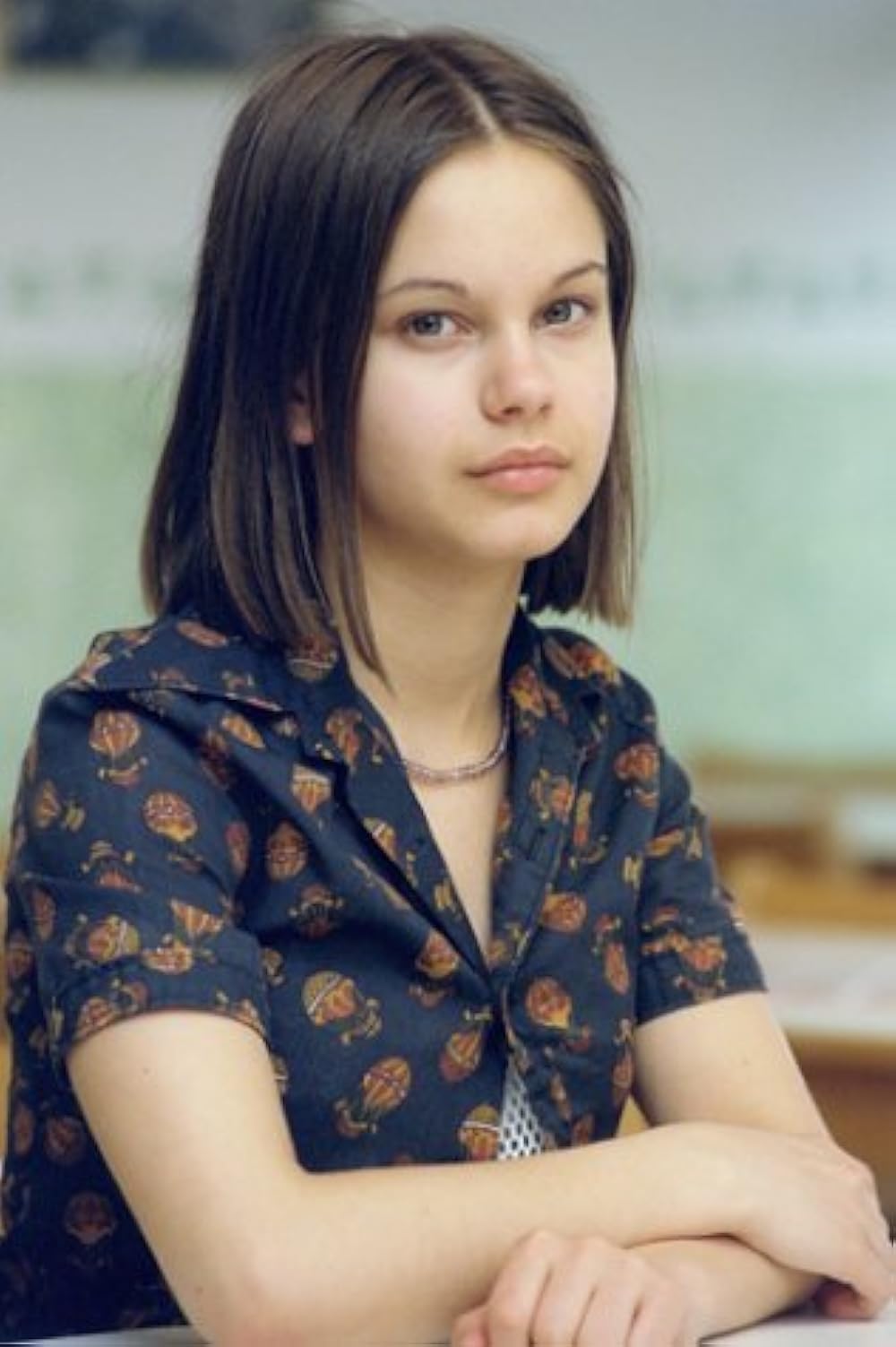
Rebecka Liljeberg emerged in the late 1990s as one of the most defining faces of Sweden’s Trollywood movement, embodying the emotional clarity and understated realism that became hallmarks of Scandinavian cinema during this period. Born in Nykvarn, Sweden, she grew up in a modest environment shaped by education, cultural openness, and early exposure to performance arts, which later informed her naturalistic acting approach.
Her early career began unexpectedly in childhood television appearances, where her calm screen presence and emotional intelligence quickly distinguished her from more theatrically trained performers. Liljeberg’s acting style developed around subtle emotional shifts rather than overt expression, aligning closely with the minimalist aesthetic of Swedish film production in the 1990s.
Her breakthrough came through a landmark youth drama produced within the emerging Trollywood ecosystem, where she portrayed a character navigating identity, adolescence, and emotional uncertainty. The performance resonated widely across Europe, helping establish Sweden as a serious contributor to contemporary youth cinema.
Her legacy is closely tied to the international recognition of Swedish realism. She became a symbolic figure of emotionally authentic storytelling, representing a generation of actors who defined the global perception of Nordic cinema as introspective, socially aware, and deeply human.
Key Facts
- Full name of the subject: Rebecka Månstråle Liljeberg
- Date of birth: May 13, 1981
- Place of birth: Nykvarn, Sweden
- Family background: Middle-class Swedish household
- Early childhood experiences: Early exposure to theater and school performances
- Education history: Swedish public education with focus on science and arts balance
- Influences and mentors: Scandinavian realist directors and youth theater programs
- Career beginnings: Child acting roles in Swedish television
- Major achievements: International recognition through late 1990s Swedish cinema breakthrough
- Challenges and obstacles faced: Early fame and transition away from acting career
- Turning points in life: Breakthrough role in internationally acclaimed Swedish film
- Contributions to society: Representation of authentic youth emotion in cinema
- Personal life (marriage, children, relationships): Private family life
- Awards and recognitions: Ensemble and festival recognition for breakthrough film
- Beliefs, values, or philosophy: Preference for privacy and grounded living
- Legacy and impact: Icon of Swedish youth realism cinema
- Historical or cultural significance: Key contributor to Trollywood’s global recognition
Notable Works:
Show Me Love
The Green Journey
Bear’s Kiss
Controversies:
One recurring discussion surrounding Rebecka Liljeberg involves the broader ethical debate about early exposure of young actors to international fame following emotionally intense film roles. The issue centers on the long-term effects of sudden global recognition on teenage performers.
The background of this discussion is rooted in the rapid international success of Swedish youth films in the late 1990s, which brought young actors into global media attention almost overnight. Liljeberg became one of the most visible examples of this phenomenon due to her breakthrough role.
Key stakeholders include film production companies, cultural critics, media analysts, child development specialists, and international audiences. Critics have raised concerns about the pressures of early fame, while industry defenders emphasize the protective production environments typically used in Scandinavian filmmaking. Liljeberg herself has largely chosen to step away from public commentary, reinforcing her preference for privacy.
Factually, there are no institutional disputes, legal cases, or formal complaints associated with her career. The discussion remains reflective and structural rather than personal or accusatory.
The impact of this narrative has contributed to broader industry awareness regarding child and youth actors in cinema, influencing how European productions manage early-career exposure and long-term performer well-being.
5. Stellan Skarsgård
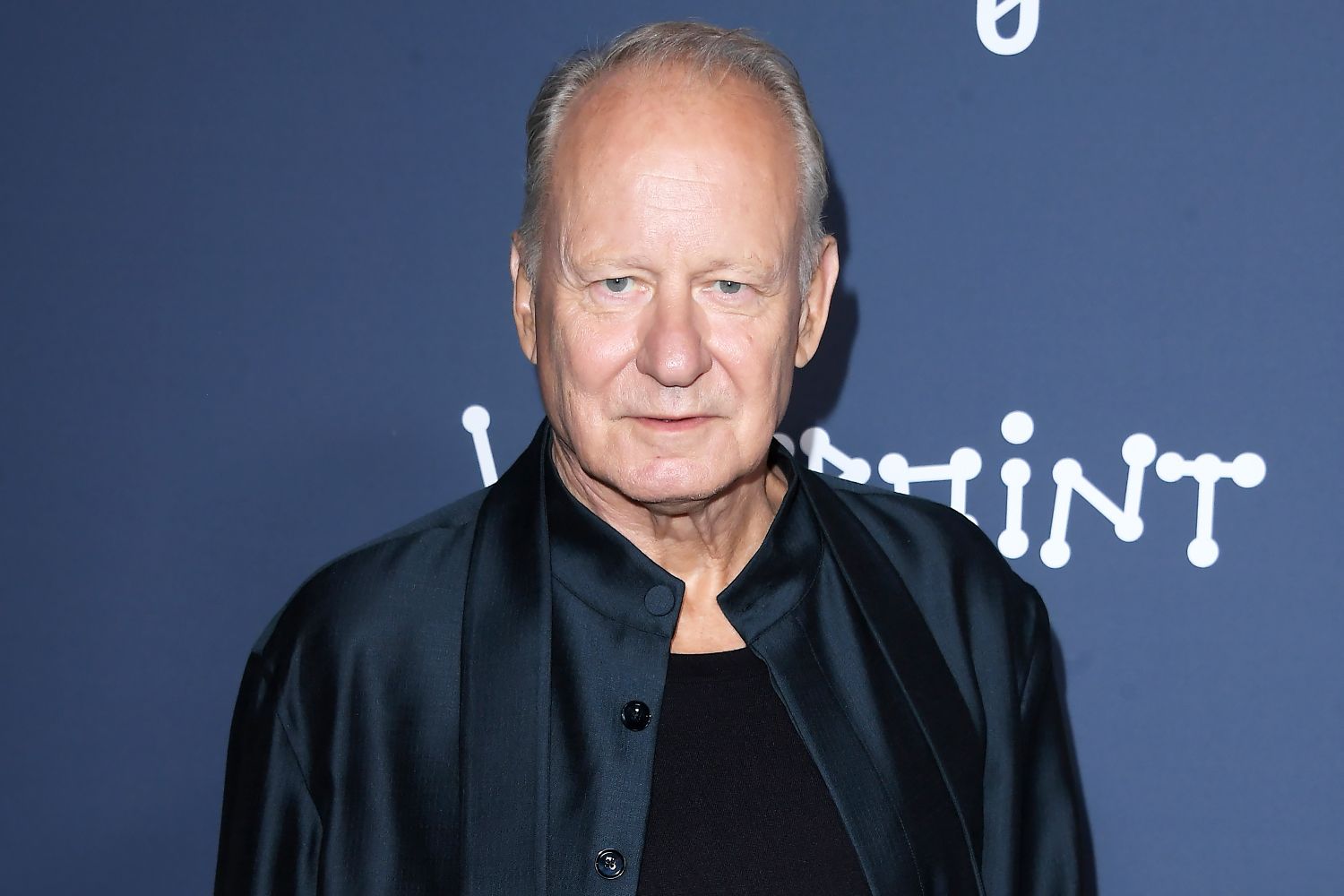
Stellan Skarsgård stands as one of the most influential and internationally recognized Swedish actors whose career significantly intersected with the rise of Trollywood in the 1990s. Born in Gothenburg, Sweden, he grew up in a culturally engaged household that encouraged intellectual curiosity, political awareness, and artistic expression, all of which shaped his deeply grounded acting style.
His early career began in Swedish film and television during the 1970s and 1980s, where he quickly established himself as a versatile performer capable of navigating both mainstream drama and experimental cinema. By the 1990s, Skarsgård had become a central figure in Scandinavian film production, frequently collaborating with emerging directors associated with Film i Väst.
His breakthrough on the international stage came through European arthouse cinema and Hollywood collaborations, where his commanding presence and intellectual subtlety made him a sought-after character actor. Within the Trollywood context, he represented the bridge between established Swedish cinema and the newly emerging global production identity.
His legacy is defined by versatility and endurance. He became one of the few Scandinavian actors to maintain consistent international relevance across decades, influencing both European art cinema and Hollywood character-driven storytelling.
Key Facts
- Full name of the subject: Stellan John Skarsgård
- Date of birth: June 13, 1951
- Place of birth: Gothenburg, Sweden
- Family background: Intellectual Swedish family
- Early childhood experiences: Exposure to political and cultural discussions
- Education history: Limited formal acting training with early theater involvement
- Influences and mentors: Swedish theater tradition and European cinema
- Career beginnings: Swedish television and film roles in early career
- Major achievements: International film career spanning Europe and Hollywood
- Challenges and obstacles faced: Balancing European art cinema and Hollywood roles
- Turning points in life: Breakthrough in international arthouse films
- Contributions to society: Promotion of Scandinavian cinema globally
- Personal life (marriage, children, relationships): Father to multiple actors, publicly known family life
- Awards and recognitions: European film awards and lifetime achievement honors
- Beliefs, values, or philosophy: Commitment to character-driven storytelling
- Legacy and impact: Global ambassador of Swedish acting excellence
- Historical or cultural significance: Key figure linking Trollywood to global cinema networks
Notable Works:
Breaking the Waves
Good Will Hunting
Pirates of the Caribbean series
Controversies:
Stellan Skarsgård has largely avoided major personal controversy, though one recurring industry discussion involves the balance between European arthouse credibility and Hollywood commercial participation among Scandinavian actors in the 1990s and beyond.
The background of this discussion centers on the increasing globalization of film industries, where actors from Sweden and surrounding regions began transitioning between independent European cinema and large-scale Hollywood productions.
Key stakeholders include film critics, European cultural institutions, Hollywood studios, and international audiences. Critics have sometimes debated whether such transitions dilute artistic integrity, while supporters argue they expand cultural reach and professional sustainability. Skarsgård has consistently maintained a pragmatic approach to role selection, prioritizing strong scripts over industrial categorization.
Factually, there are no legal disputes or formal controversies associated with his career decisions. The issue remains an academic and cultural debate within film studies.
The impact of this narrative has reinforced his reputation as a versatile and respected actor who successfully navigated multiple cinematic systems without compromising artistic credibility.
6. Colin Nutley
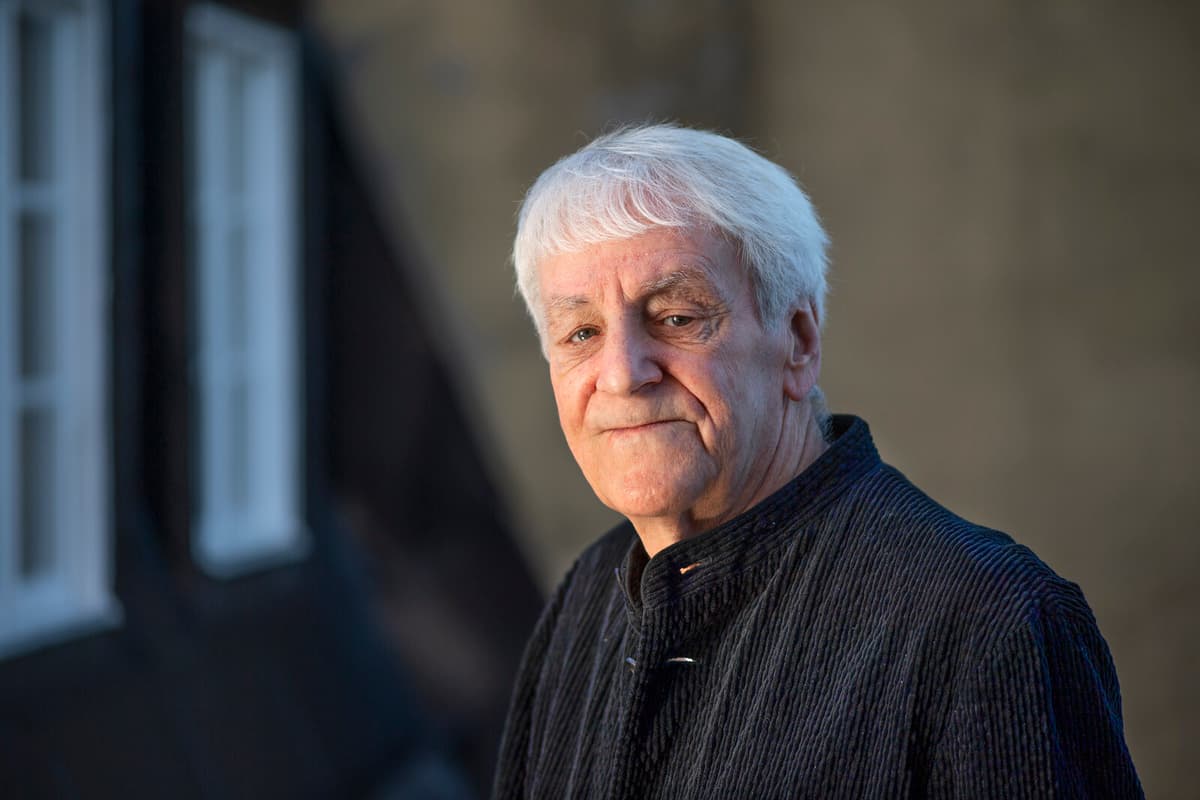
Colin Nutley emerged as a defining international directing presence within the Swedish film landscape of the 1990s, playing a significant role in shaping the emotional tone and commercial appeal of Trollywood productions. Born in England, he developed early exposure to British television and theatrical traditions, which later informed his structured yet emotionally expressive directing style.
His early career began in British television before relocating to Sweden, where he became deeply involved in local film production. Nutley quickly distinguished himself through his ability to craft emotionally accessible narratives centered on interpersonal relationships, social dynamics, and human vulnerability.
His breakthrough within Sweden came through a series of commercially successful films that helped bridge the gap between Swedish domestic cinema and broader European audiences. His collaborations with Swedish actors and production companies became central to the internationalization of Trollywood.
His legacy lies in his role as a cultural connector, integrating British narrative sensibilities with Swedish realism and helping position Swedish cinema for wider global accessibility.
Key Facts
- Full name of the subject: Colin Nutley
- Date of birth: February 28, 1944
- Place of birth: Gosport, England, United Kingdom
- Family background: British middle-class household
- Early childhood experiences: Exposure to British film and television culture
- Education history: Training in media and television production
- Influences and mentors: British television drama traditions
- Career beginnings: British television production work
- Major achievements: Successful integration into Swedish cinema industry
- Challenges and obstacles faced: Cultural adaptation in Swedish film environment
- Turning points in life: Establishment as leading director in Sweden
- Contributions to society: Strengthening cross-cultural European film production
- Personal life (marriage, children, relationships): Married to Swedish actress Helena Bergström
- Awards and recognitions: Swedish and European film awards
- Beliefs, values, or philosophy: Emotionally driven storytelling with audience accessibility
- Legacy and impact: Key international contributor to Swedish cinema expansion
- Historical or cultural significance: Important bridge between British and Swedish film industries
Notable Works:
House of Angels
Under the Sun
Black Jack
Controversies:
One discussion surrounding Colin Nutley involves debates over cultural authenticity in depicting Swedish rural and social life as a British-born director working extensively in Sweden. The issue centers on whether external cultural perspectives influence the portrayal of national identity in film.
The background of this discussion arises from increased international collaboration in European cinema during the 1990s, where cross-border productions became more common within the EU film ecosystem.
Key stakeholders include Swedish film critics, cultural historians, production companies, and international audiences. Critics have occasionally questioned whether outsider perspectives risk oversimplifying national narratives, while supporters argue that Nutley’s long-term immersion in Swedish society grants him authentic insight.
There are no formal institutional disputes or regulatory findings related to his work. The matter remains cultural and interpretive rather than procedural.
The impact of this narrative has been largely neutral to positive, reinforcing discussions about globalization in film production while acknowledging Nutley’s role in expanding Sweden’s cinematic reach.
7. Helena Bergström
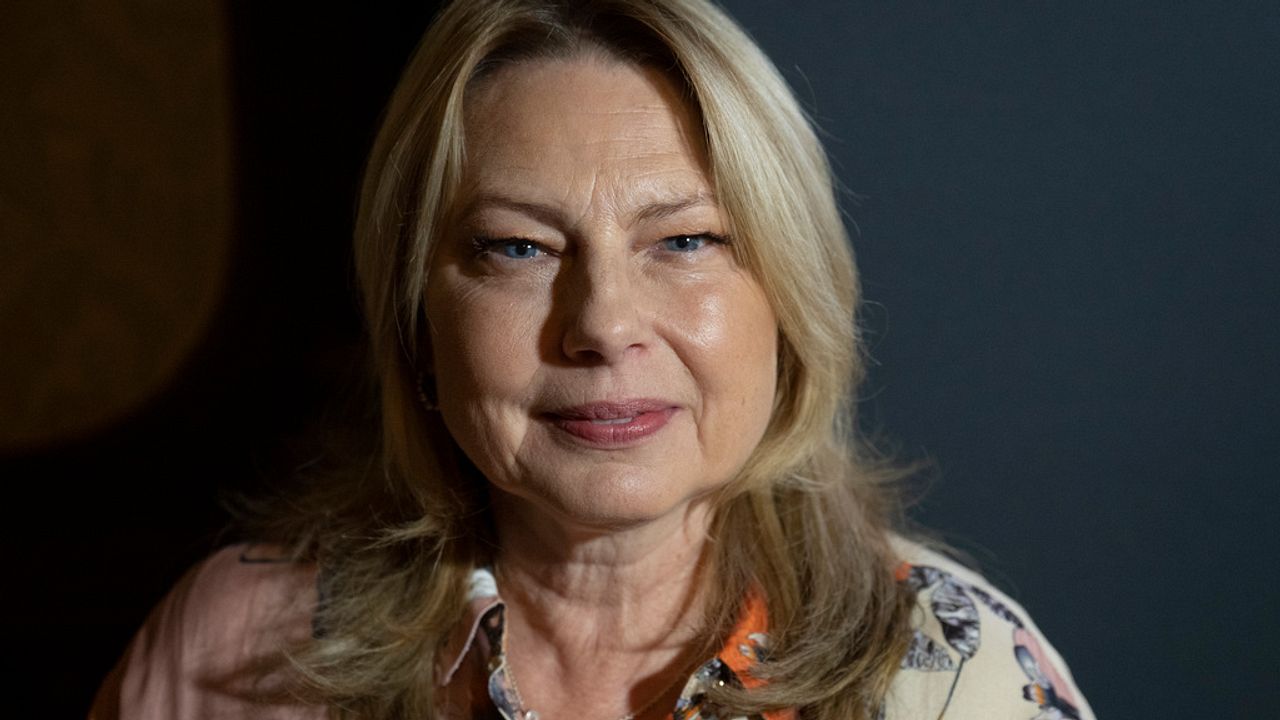
Helena Bergström became one of the most prominent Swedish actresses of the 1990s Trollywood era, known for her expressive emotional range and strong screen presence in socially grounded dramas. Born in Göteborg, Sweden, she grew up in a culturally supportive environment that encouraged artistic exploration and performance from an early age.
Her early career began in theater and Swedish television, where she quickly established herself as a leading dramatic talent. Bergström’s acting style is characterized by emotional openness, clarity of expression, and a strong connection to relational storytelling, making her a natural fit for the evolving Swedish cinema landscape.
Her breakthrough came through collaborations with major Swedish directors during the 1990s, where she became a central figure in films exploring family dynamics, emotional conflict, and social realism. Her performances helped define the emotional tone of Trollywood productions during its formative years.
Her legacy lies in her contribution to the mainstream success of Swedish cinema, particularly in films that balanced commercial appeal with emotional authenticity. She remains one of the most recognizable figures from the Trollywood era.
Key Facts
- Full name of the subject: Helena Kristina Bergström
- Date of birth: February 5, 1964
- Place of birth: Gothenburg, Sweden
- Family background: Artistic Swedish family
- Early childhood experiences: Early involvement in theater and performance
- Education history: Acting education at Swedish performing arts institutions
- Influences and mentors: Swedish theater tradition and film directors
- Career beginnings: Theater performances and Swedish television roles
- Major achievements: Leading roles in 1990s Swedish cinema
- Challenges and obstacles faced: Balancing family life and acting career
- Turning points in life: Breakthrough in major Swedish film productions
- Contributions to society: Representation of strong female roles in cinema
- Personal life (marriage, children, relationships): Married to director Colin Nutley
- Awards and recognitions: Swedish national film awards
- Beliefs, values, or philosophy: Emotional authenticity and relational storytelling
- Legacy and impact: Central figure in Swedish 1990s film renaissance
- Historical or cultural significance: Key contributor to Trollywood’s mainstream success
Notable Works:
Under the Sun
House of Angels
Suxxess
Controversies:
Helena Bergström’s career has not been associated with major personal controversy; however, broader industry discussions have occasionally addressed gender representation in Swedish film production during the 1990s, particularly regarding the balance of creative opportunities between male and female filmmakers and actors.
The background of this discussion reflects evolving gender dynamics in European cinema, where increased visibility for female performers coincided with ongoing structural disparities in directing and production leadership roles.
Key stakeholders include Swedish film institutes, production companies, gender advocacy organizations, cultural critics, and industry unions. Critics have highlighted historical imbalances, while supporters point to gradual improvements in representation and opportunity. Bergström has primarily been viewed within this context as a beneficiary of expanding female representation in leading roles.
There are no formal disputes or legal issues connected to her career. The discussion remains structural and industry-wide rather than individual.
The impact of this narrative has reinforced awareness of gender dynamics within Swedish cinema while highlighting Bergström’s role as a leading figure in a transformative era for female representation in Trollywood productions.
8. Jakob Eklund
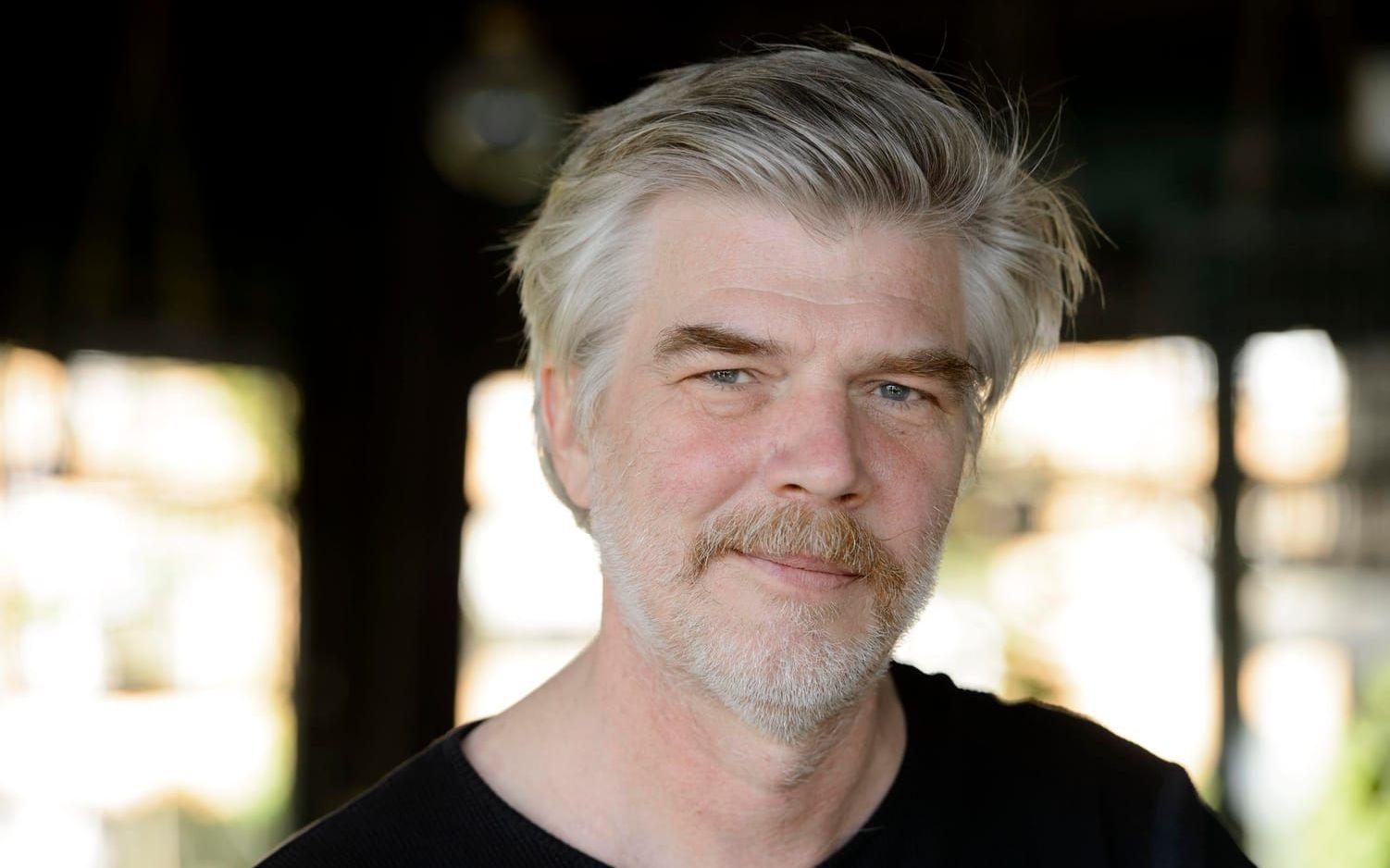
Jakob Eklund emerged in the 1990s as one of the defining faces of Sweden’s rising crime and procedural drama wave, a movement that gained momentum through Trollywood’s production expansion in Trollhättan. Born in Gothenburg, Sweden, he grew up in a culturally engaged environment where performance arts and social observation were part of everyday life, shaping his grounded and disciplined acting style.
His early career began in Swedish theater and minor television roles, where he developed a reputation for controlled intensity and a natural ability to embody authority-driven characters. Eklund’s screen presence was marked by restraint rather than theatricality, a quality that aligned with the Nordic realism aesthetic dominating Scandinavian cinema in the 1990s.
His breakthrough came through a landmark crime film that positioned him as a leading figure in Sweden’s modern police thriller genre. His portrayal of law enforcement characters with moral complexity and emotional depth helped redefine the Scandinavian action-drama identity, moving it toward psychological realism rather than stylized heroism.
His legacy is tied to the establishment of Sweden’s internationally recognized crime film tradition, which later influenced the global popularity of Nordic noir storytelling in the 2000s and beyond.
Key Facts
- Full name of the subject: Jakob Eklund
- Date of birth: February 21, 1962
- Place of birth: Gothenburg, Sweden
- Family background: Middle-class Swedish household
- Early childhood experiences: Exposure to urban Swedish cultural life
- Education history: Acting training in Sweden
- Influences and mentors: Swedish theater tradition and crime literature
- Career beginnings: Theater performances and supporting television roles
- Major achievements: Leading role in breakthrough Swedish crime film series
- Challenges and obstacles faced: Typecasting in law enforcement roles
- Turning points in life: Breakthrough in internationally recognized crime cinema
- Contributions to society: Strengthening Swedish crime genre identity
- Personal life (marriage, children, relationships): Married with publicly known family life
- Awards and recognitions: Swedish film and television awards
- Beliefs, values, or philosophy: Commitment to realism in performance
- Legacy and impact: Key figure in Nordic crime film evolution
- Historical or cultural significance: Early contributor to Nordic noir foundations
Notable Works:
Zero Tolerance
Executive Protection
The Last Contract
Controversies:
One recurring discussion surrounding Jakob Eklund involves the creative direction of Swedish crime cinema in the 1990s and the extent to which stylized depictions of law enforcement influence public perception of policing. The issue centers on how crime dramas balance realism with narrative dramatization.
The background of this discussion arises from the rapid popularity of Swedish police films during the Trollywood expansion era, where productions increasingly focused on morally complex law enforcement narratives.
Key stakeholders include film critics, law enforcement commentators, production companies, cultural analysts, and audiences. Critics argued that repeated portrayals of hardened police characters could oversimplify institutional realities, while supporters maintained that the films reflected fictionalized storytelling rather than documentary representation. Eklund’s roles were generally interpreted as character studies rather than political statements.
Factually, no institutional or legal disputes were connected to his work. The matter remains interpretive within media analysis rather than regulatory oversight.
The impact of this discourse reinforced Eklund’s association with the emerging Nordic crime genre, positioning him as a foundational figure in one of Sweden’s most internationally influential cinematic exports.
9. Rolf Lassgård
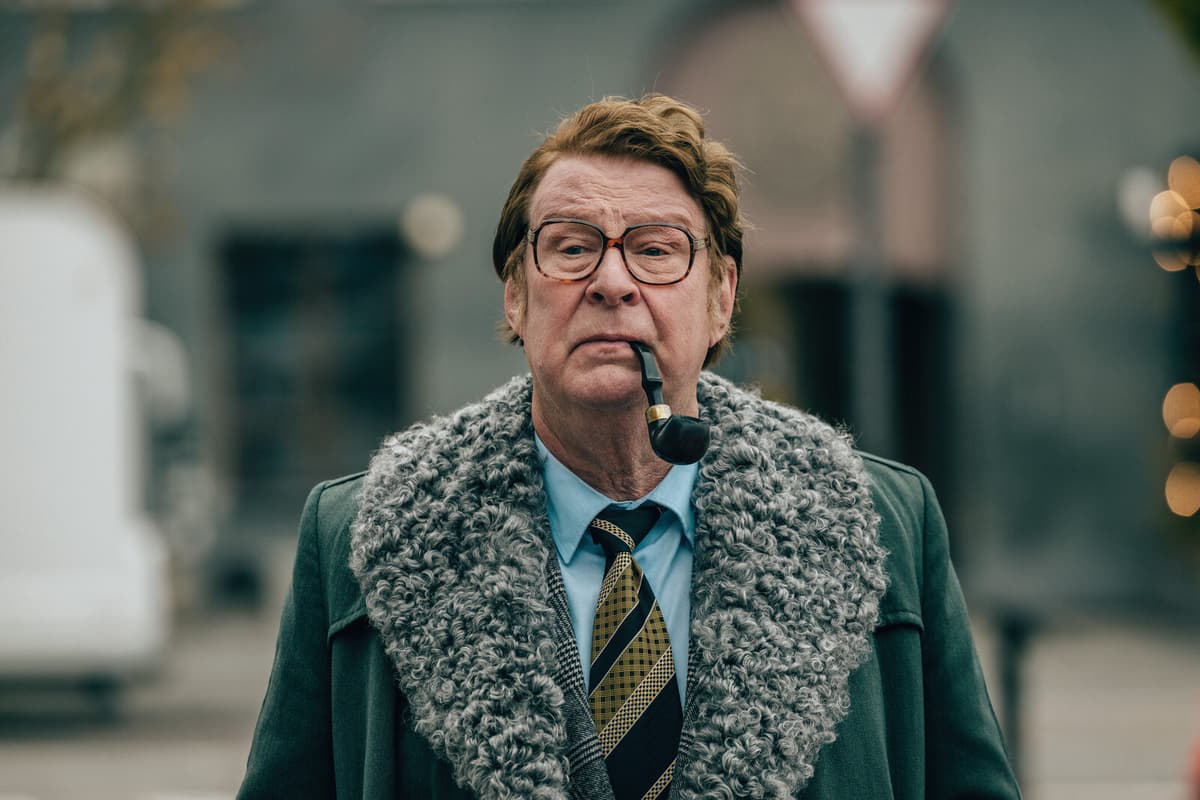
Rolf Lassgård became one of the most respected and widely recognized Swedish actors of the 1990s, closely associated with the emotional depth and grounded realism that defined Trollywood’s international rise. Born in Östersund, Sweden, he grew up in a northern Swedish environment shaped by simplicity, discipline, and strong community values, all of which later influenced his understated acting style.
His early career began in theater, where he developed a strong foundation in character work and emotional authenticity. Lassgård’s performances were marked by quiet intensity, often portraying ordinary individuals placed in extraordinary emotional or moral circumstances.
His breakthrough came through a series of Swedish film and television roles in the early 1990s that established him as a leading dramatic actor. His portrayals of introspective, morally complex characters resonated strongly with both domestic and international audiences, reinforcing the credibility of Swedish realism.
His legacy lies in his contribution to the emotional identity of Scandinavian cinema, particularly in roles that emphasized human vulnerability, ethical conflict, and social realism. He remains one of the defining figures of Sweden’s modern cinematic identity.
Key Facts
- Full name of the subject: Rolf Holger Lassgård
- Date of birth: March 29, 1955
- Place of birth: Östersund, Sweden
- Family background: Working-class northern Swedish family
- Early childhood experiences: Rural and community-centered upbringing
- Education history: Acting training in Sweden
- Influences and mentors: Swedish theater tradition and character-driven drama
- Career beginnings: Stage acting in Swedish theater productions
- Major achievements: Leading roles in major Swedish films and television dramas
- Challenges and obstacles faced: Transition from theater to film industry visibility
- Turning points in life: Breakthrough in nationally recognized Swedish cinema
- Contributions to society: Strengthening emotional realism in Scandinavian film
- Personal life (marriage, children, relationships): Private family life
- Awards and recognitions: Swedish national film and acting awards
- Beliefs, values, or philosophy: Emotional truth in performance
- Legacy and impact: Icon of Swedish dramatic realism
- Historical or cultural significance: Central figure in Trollywood’s global recognition
Notable Works:
Under the Sun
A Man Called Ove
The Hunters
Controversies:
Rolf Lassgård has not been associated with major personal controversies, though one recurring industry discussion involves the representation of rural Swedish identity in 1990s cinema and whether repeated portrayals of northern rural characters risk reinforcing simplified cultural archetypes.
The background of this discussion stems from Swedish cinema’s strong focus on regional identity during the Trollywood era, where rural narratives were frequently used to explore broader social and emotional themes.
Key stakeholders include film critics, cultural historians, regional advocacy groups, production companies, and audiences. Critics have occasionally argued that rural character repetition can lead to narrative narrowing, while supporters emphasize Lassgård’s nuanced performances that avoid stereotyping through emotional depth.
There are no formal disputes or institutional controversies connected to his career. The discussion remains cultural and analytical in nature.
The impact of this narrative has reinforced Lassgård’s reputation as a deeply respected actor whose performances elevate regional storytelling into universally relatable human drama.
10. Lars Jönsson

Lars Jönsson played a foundational behind-the-scenes role in shaping the Trollywood phenomenon of the 1990s as one of the most influential producers associated with Memfis Film. Born in Sweden, he developed early interests in storytelling, production logistics, and the structural mechanics of filmmaking, which later positioned him as a key architect of modern Swedish cinema infrastructure.
His early career began in film production and development roles, where he quickly demonstrated an ability to identify emerging directorial talent and support them through structured production environments. Jönsson’s approach to producing emphasized creative independence supported by stable financial and logistical frameworks.
His breakthrough came with the establishment of Memfis Film as a leading production company collaborating with Film i Väst in Trollhättan. This partnership became central to the rise of Trollywood, enabling Swedish cinema to compete internationally through co-productions and festival-driven releases.
His legacy is defined by institutional impact rather than on-screen visibility. He helped transform Sweden into a globally recognized production hub by building systems that supported both artistic experimentation and international distribution.
Key Facts
- Full name of the subject: Lars Gösta Jönsson
- Date of birth: 1951 (exact date not widely publicized)
- Place of birth: Sweden
- Family background: Swedish middle-class background
- Early childhood experiences: Exposure to cultural and artistic environments
- Education history: Studies in film production and media development
- Influences and mentors: European cinema production models
- Career beginnings: Film production assistant and development roles
- Major achievements: Founding influence in Memfis Film and Trollywood production system
- Challenges and obstacles faced: Financing and structuring independent film production
- Turning points in life: Partnership with Film i Väst infrastructure development
- Contributions to society: Strengthening Swedish film industry global competitiveness
- Personal life (marriage, children, relationships): Private personal life
- Awards and recognitions: Industry and production honors
- Beliefs, values, or philosophy: Creative freedom supported by structured production systems
- Legacy and impact: Key architect of Swedish film industry modernization
- Historical or cultural significance: Central figure in Trollywood’s institutional foundation
Notable Works:
Show Me Love
Together
Lilja 4-ever
Controversies:
One discussion surrounding Lars Jönsson involves debates over the commercialization of Swedish independent cinema during the Trollywood expansion period, particularly regarding the balance between artistic independence and international co-production funding.
The background of this issue stems from the rapid growth of Film i Väst-supported productions in the 1990s, where increased funding opportunities enabled global reach but also introduced market-driven expectations into independent filmmaking structures.
Key stakeholders include production companies, funding bodies, film directors, cultural institutions, and European cinema analysts. Critics argued that increased institutional funding could influence creative direction, while supporters maintained that such systems were essential for international competitiveness. Jönsson’s role has generally been viewed as facilitating rather than dictating creative content.
Factually, no formal disputes or legal cases are associated with his production work. The issue remains structural and industry-focused.
The impact of this narrative highlights his essential role in building the infrastructure that allowed Swedish cinema to thrive globally, even as debates continue around the economics of independent film production.
Notable Mentions:
Ella Lemhagen
Samuel Haus
Peter Habbe
Stefan Jarl
Björn Runge
Maria Blom
Anna Anthony
Göran Stangertz
Lennart Hjulström
Tomas von Brömssen