
Top 10 Y’allywood (Atlanta, GA – USA) Movie Legends of the 90s
Top 10 Y’allywood (Atlanta, GA – USA) Movie Legends of the 90s
In This Content
Quick List
Chris Tucker
Julia Roberts
Jeff Foxworthy
Jasmine Guy
Stephen Dorff
David Cross
Tyler Perry
Raven-Symoné
Kenan Thompson
Holly Hunter
1. Chris Tucker

Chris Tucker’s rise in the 1990s reflected the emerging cultural influence of Atlanta as a creative powerhouse. Born in Decatur, Georgia, Tucker grew up in a working-class household where humor became a defining trait. His early environment, shaped by Southern church culture and community storytelling, influenced his energetic comedic rhythm. Tucker’s observational humor drew from everyday life, giving his performances a grounded authenticity that resonated widely.
Tucker’s career began in stand-up comedy, performing in Atlanta clubs before moving into national exposure. His breakthrough arrived through HBO’s “Def Comedy Jam,” where his rapid-fire delivery and expressive physical comedy distinguished him from peers. This exposure opened doors to film roles, including supporting performances that showcased his charisma. By the mid-1990s, Tucker transitioned into Hollywood, blending comedic intensity with cinematic timing.
The defining moment of Tucker’s 1990s career came with his performance in “Friday” (1995). His portrayal of Smokey demonstrated an ability to merge improvisational humor with character depth. The role became culturally iconic, shaping urban comedy for years. This success culminated in “Rush Hour” (1998), which elevated Tucker into international stardom and established him as one of the most bankable comedic actors of the decade.
Tucker’s influence extended beyond box office success. His performance style reshaped comedic pacing in mainstream cinema. By bridging Atlanta’s stand-up scene with global audiences, Tucker contributed to the recognition of Y’allywood as a talent incubator. His legacy in the 1990s lies in transforming regional comedic identity into global entertainment currency.
Key Facts
- Full name of the subject: Christopher Tucker
- Date of birth: August 31, 1971
- Place of birth: Decatur, Georgia, USA
- Family background: Raised in a working-class Christian household
- Early childhood experiences: Developed humor through church and family interactions
- Education history: Columbia High School, Decatur
- Influences and mentors: Eddie Murphy and Richard Pryor
- Career beginnings: Stand-up comedy in Atlanta clubs
- Major achievements: Breakout role in Friday and global success of Rush Hour
- Challenges and obstacles faced: Typecasting as high-energy comedic persona
- Turning points in life: Casting in Rush Hour (1998)
- Contributions to society: Popularized Southern comedic voice in mainstream cinema
- Personal life (marriage, children, relationships): One son; private personal life
- Awards and recognitions: MTV Movie Award nominations
- Beliefs, values, or philosophy: Faith-driven career decisions
- Legacy and impact: Influential 1990s comedy star
- Historical or cultural significance: Helped elevate Atlanta-based talent internationally
Notable Works: Friday, Rush Hour, The Fifth Element
Controversies: A recurring debate surrounding Tucker involved salary negotiations during the late 1990s. The issue centered on reports that Tucker demanded an unprecedented salary increase following the success of “Rush Hour.” Industry stakeholders included studio executives, agents, and media commentators who questioned whether the demand reflected ambition or overvaluation. Critics argued that such negotiations risked alienating studios, while Tucker’s representatives maintained that the request aligned with box office performance metrics. Verified reports confirmed extended negotiations but did not indicate misconduct. The situation ultimately resulted in Tucker securing a record-breaking deal for “Rush Hour 2,” reinforcing his market power and altering compensation expectations for comedic leads.
2. Julia Roberts

Julia Roberts emerged in the 1990s as one of the most recognizable faces connected to Atlanta’s growing entertainment landscape. Raised in Smyrna, Georgia, Roberts grew up in a theatrical family that ran an acting workshop. Early exposure to performance instilled confidence and artistic curiosity. Her Southern background influenced her approachable screen persona, blending charm with emotional depth.
Roberts began her career in supporting roles during the late 1980s, gradually gaining recognition. Her breakthrough came with “Pretty Woman” (1990), which transformed her into a global star. The film’s success positioned her as a leading actress capable of carrying major productions. Throughout the decade, Roberts expanded her range, balancing romantic roles with dramatic performances.
Roberts’ artistic identity centered on emotional accessibility. Her performances often portrayed relatable characters navigating personal transformation. Films such as “My Best Friend’s Wedding” and “Notting Hill” demonstrated her versatility. Her ability to anchor both romantic comedies and serious dramas solidified her as a defining figure of 1990s cinema.
Roberts’ cultural impact extended globally. She became one of the highest-paid actresses of the decade, influencing Hollywood economics. Her Southern roots tied her success to the broader narrative of Atlanta’s expanding film presence. By the end of the 1990s, Roberts symbolized the crossover of regional talent into global superstardom.
Key Facts
- Full name of the subject: Julia Fiona Roberts
- Date of birth: October 28, 1967
- Place of birth: Smyrna, Georgia, USA
- Family background: Parents operated an acting school
- Early childhood experiences: Exposure to theater and acting workshops
- Education history: Campbell High School, Georgia
- Influences and mentors: Family involvement in performing arts
- Career beginnings: Supporting roles in late 1980s films
- Major achievements: Pretty Woman global success
- Challenges and obstacles faced: Media scrutiny of personal life
- Turning points in life: Release of Pretty Woman (1990)
- Contributions to society: Elevated female-led box office power
- Personal life (marriage, children, relationships): Married with children
- Awards and recognitions: Golden Globe Awards; Academy Award nomination in 1990s
- Beliefs, values, or philosophy: Emphasis on authenticity in roles
- Legacy and impact: Iconic romantic lead of the 1990s
- Historical or cultural significance: One of the decade’s highest-paid actresses
Notable Works: Pretty Woman, My Best Friend’s Wedding, Notting Hill
Controversies: One widely discussed controversy involved intense media scrutiny of Roberts’ personal relationships during the 1990s. The issue arose when tabloid coverage focused on her engagement and subsequent breakup with actor Kiefer Sutherland. Media outlets framed the event as a public scandal, while representatives emphasized the private nature of the decision. Stakeholders included entertainment journalists, studios concerned about publicity, and fans reacting to coverage. Verified facts confirmed the breakup but contradicted exaggerated narratives. The incident highlighted tensions between celebrity privacy and media sensationalism. Although the coverage temporarily overshadowed her professional work, Roberts’ continued box office success reinforced her resilience and strengthened conversations about media ethics.
3. Jeff Foxworthy

Jeff Foxworthy’s influence during the 1990s reflected the rising prominence of Southern comedic voices connected to Atlanta’s entertainment ecosystem. Born in Atlanta, Foxworthy grew up in a middle-class family and developed humor rooted in regional culture. His observational comedy, centered on everyday Southern life, resonated with broad audiences.
Foxworthy began performing stand-up comedy in local venues before gaining national attention. His breakthrough arrived through comedy specials and recordings, particularly the “You Might Be a Redneck” routine. The material demonstrated his ability to transform cultural stereotypes into accessible humor. By the mid-1990s, Foxworthy transitioned into television and film, expanding his reach.
Foxworthy’s artistic identity emphasized relatability. Unlike high-energy comedians, his style relied on storytelling and pacing. This approach broadened his audience across demographics. His involvement in television projects during the decade strengthened his presence beyond stand-up.
Foxworthy’s legacy lies in popularizing Southern comedic identity in mainstream media. His success reinforced Atlanta’s role as a cultural hub. By the late 1990s, Foxworthy had become a recognizable voice representing regional humor on a national stage.
Key Facts
- Full name of the subject: Jeffrey Marshall Foxworthy
- Date of birth: September 6, 1958
- Place of birth: Atlanta, Georgia, USA
- Family background: Middle-class Southern family
- Early childhood experiences: Exposure to regional storytelling culture
- Education history: Georgia Tech (did not complete degree)
- Influences and mentors: Southern stand-up comedians
- Career beginnings: Stand-up comedy competitions in Atlanta
- Major achievements: “You Might Be a Redneck” comedy success
- Challenges and obstacles faced: Stereotype-based criticism
- Turning points in life: National comedy album success
- Contributions to society: Popularized Southern humor
- Personal life (marriage, children, relationships): Married with children
- Awards and recognitions: Grammy nominations for comedy albums
- Beliefs, values, or philosophy: Emphasis on clean, relatable comedy
- Legacy and impact: Major Southern comedic voice
- Historical or cultural significance: Expanded national acceptance of regional humor
Notable Works: You Might Be a Redneck If…, The Jeff Foxworthy Show, Blue Collar Comedy Tour
Controversies: A debate surrounding Foxworthy involved criticism that his “redneck” humor reinforced stereotypes. The issue emerged when commentators argued that such material risked caricaturing Southern communities. Stakeholders included cultural critics, audiences, and media analysts. Foxworthy maintained that his jokes were self-referential and intended to celebrate shared experiences. Verified outcomes showed continued popularity across diverse audiences. While some critics remained skeptical, the controversy contributed to broader discussions about comedy’s role in shaping cultural perceptions.
4. Jasmine Guy
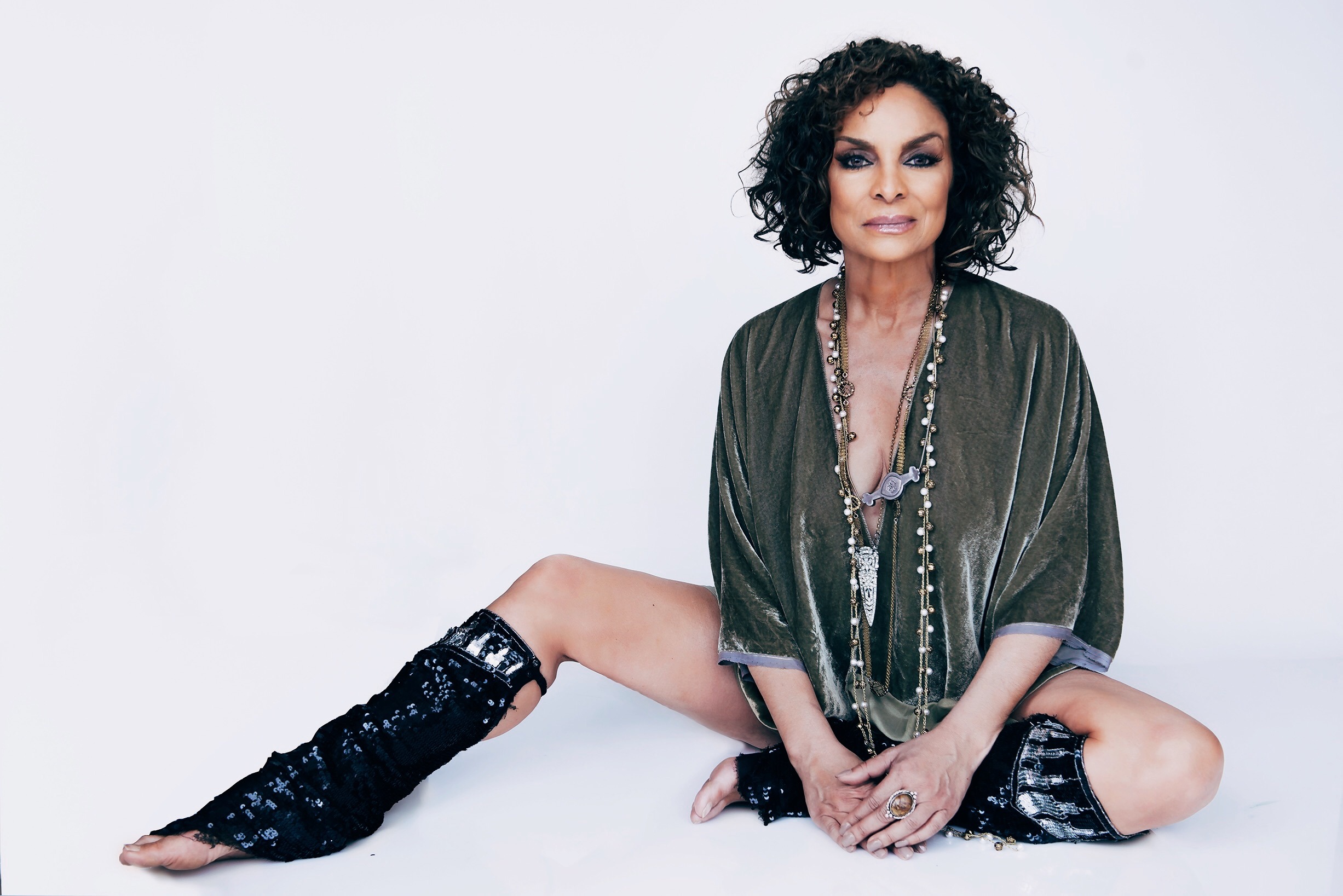
Jasmine Guy’s presence in the 1990s reflected the convergence of Atlanta’s performing arts heritage and emerging film opportunities. Born in Boston but raised in Atlanta, Guy grew up immersed in the city’s cultural institutions. Her father’s involvement in education and her mother’s artistic background encouraged early exposure to dance, theater, and music. This multidisciplinary upbringing shaped her expressive performance style.
Guy’s career began in stage productions and television appearances. She gained early recognition through dance-oriented roles, showcasing her versatility. Her breakthrough came with the television series “A Different World,” where she portrayed Whitley Gilbert. The character’s evolution from privileged socialite to complex young woman demonstrated Guy’s dramatic range. The show’s popularity during the late 1980s and early 1990s elevated her profile.
In the 1990s, Guy expanded into film and theatrical work, balancing comedic timing with dramatic nuance. Her performances reflected a commitment to character-driven storytelling. She became associated with Atlanta’s growing entertainment community, frequently contributing to regional productions and theater initiatives. Her artistic identity emphasized sophistication and emotional depth.
Guy’s cultural influence extended beyond acting. She helped highlight Atlanta as a center for African American storytelling. Her legacy in the 1990s lies in bridging television success with film and theater, strengthening the city’s reputation as a creative hub.
Key Facts
- Full name of the subject: Jasmine Guy
- Date of birth: March 10, 1962
- Place of birth: Boston, Massachusetts, USA
- Family background: Father educator; mother artist
- Early childhood experiences: Raised in Atlanta arts community
- Education history: Northside School of Performing Arts
- Influences and mentors: Theater and dance instructors
- Career beginnings: Stage and television roles
- Major achievements: A Different World success
- Challenges and obstacles faced: Transitioning from TV to film
- Turning points in life: Breakthrough role as Whitley Gilbert
- Contributions to society: Promoted African American storytelling
- Personal life (marriage, children, relationships): One child; private life
- Awards and recognitions: NAACP Image Awards
- Beliefs, values, or philosophy: Commitment to artistic integrity
- Legacy and impact: Influential 1990s performer
- Historical or cultural significance: Strengthened Atlanta’s arts identity
Notable Works: A Different World, Harlem Nights, Stompin’ at the Savoy
Controversies: A discussion involving Guy centered on creative disagreements during later seasons of “A Different World.” The issue emerged when reports suggested cast and production debates over storyline direction. Stakeholders included producers, writers, and cast members. Some critics believed character arcs shifted dramatically, while Guy emphasized collaborative storytelling decisions. Verified facts indicated normal creative adjustments rather than conflict. The debate highlighted the complexities of long-running series production and had minimal lasting impact on her career trajectory.
5. Stephen Dorff
![Stephen Dorff Talks Immortals [Exclusive]](https://glamcodemedia.com/wp-content/uploads/2026/04/zCS0yaEFeQ8tkt4ZLdIMsRVgEzct6S.jpg)
Stephen Dorff entered the 1990s as a young actor navigating the evolving film landscape tied to Atlanta’s growing production environment. Born in Atlanta, Dorff was exposed early to entertainment through his father’s musical career. This environment fostered comfort in performance and creative exploration. His youthful screen presence combined intensity with understated charisma.
Dorff’s career began with television appearances and supporting roles in the late 1980s. His breakthrough came in the early 1990s with performances that highlighted his dramatic potential. He gained wider recognition with “Blade” (1998), portraying a complex antagonist. The role demonstrated his ability to command screen presence alongside established stars.
Throughout the decade, Dorff developed a reputation for choosing unconventional roles. His acting style emphasized introspection and emotional restraint. He gravitated toward characters with moral ambiguity, distinguishing himself from typical leading men. This approach aligned with independent film trends of the 1990s.
Dorff’s influence reflected Atlanta’s contribution to diverse acting talent. His career trajectory demonstrated the region’s ability to produce performers capable of transitioning into major Hollywood productions. By the decade’s end, Dorff had established himself as a versatile actor with international appeal.
Key Facts
- Full name of the subject: Stephen Hartley Dorff Jr.
- Date of birth: July 29, 1973
- Place of birth: Atlanta, Georgia, USA
- Family background: Son of songwriter Steve Dorff
- Early childhood experiences: Exposure to entertainment industry
- Education history: Private schooling; acting training
- Influences and mentors: Independent film directors
- Career beginnings: Television and supporting film roles
- Major achievements: Blade (1998) performance
- Challenges and obstacles faced: Transition to leading roles
- Turning points in life: Casting in Blade
- Contributions to society: Expanded independent film presence
- Personal life (marriage, children, relationships): Private personal life
- Awards and recognitions: Film festival nominations
- Beliefs, values, or philosophy: Preference for complex characters
- Legacy and impact: Versatile dramatic actor
- Historical or cultural significance: Atlanta-born talent in global cinema
Notable Works: Blade, Backbeat, The Power of One
Controversies: A controversy involving Dorff centered on outspoken criticism of certain Hollywood trends in later interviews reflecting on his 1990s career. The issue arose when media outlets highlighted comments perceived as dismissive of mainstream blockbuster filmmaking. Stakeholders included studios, critics, and audiences interpreting his remarks. Dorff clarified that his intention was to advocate for character-driven storytelling rather than criticize individuals. Verified facts confirmed his comments but also his subsequent clarification. The debate sparked discussion about artistic priorities in Hollywood but had limited impact on his career.
6. David Cross

David Cross emerged during the 1990s as a distinctive comedic voice connected to Atlanta’s alternative comedy movement. Born in Atlanta, Cross grew up in a working-class environment that influenced his observational humor. His comedic style blended satire with intellectual commentary, setting him apart from mainstream stand-up performers.
Cross began performing in comedy clubs before gaining recognition through television appearances. His breakthrough came with sketch comedy and voice acting roles that showcased his versatility. By the mid-1990s, Cross became associated with innovative comedic formats that challenged traditional structures. His performances emphasized wit and cultural critique.
Cross’s artistic identity centered on subversive humor. He often explored social issues through comedy, blending irony with character work. This approach resonated with audiences seeking alternative comedic voices. His contributions helped shape the evolving comedy landscape of the decade.
Cross’s cultural impact reflected Atlanta’s role in nurturing diverse comedic talent. His influence extended into television and film, reinforcing the city’s connection to experimental comedy. By the late 1990s, Cross had established himself as a respected figure in alternative entertainment.
Key Facts
- Full name of the subject: David Cross
- Date of birth: April 4, 1964
- Place of birth: Atlanta, Georgia, USA
- Family background: Working-class upbringing
- Early childhood experiences: Interest in satire and comedy
- Education history: Emerson College (briefly attended)
- Influences and mentors: Alternative comedians
- Career beginnings: Stand-up comedy in clubs
- Major achievements: Sketch comedy success
- Challenges and obstacles faced: Niche comedic style
- Turning points in life: Television sketch roles
- Contributions to society: Expanded alternative comedy
- Personal life (marriage, children, relationships): Married; private life
- Awards and recognitions: Emmy Award recognition (ensemble work)
- Beliefs, values, or philosophy: Satirical social commentary
- Legacy and impact: Influential alternative comedian
- Historical or cultural significance: Atlanta-based comedy influence
Notable Works: Mr. Show with Bob and David, Men in Black, voice roles
Controversies: A controversy involving Cross related to provocative stand-up material that drew criticism for political satire. The issue emerged when segments of audiences interpreted jokes as offensive. Stakeholders included media commentators, fans, and advocacy groups. Cross defended his work as satire intended to challenge assumptions. Verified facts indicated no formal sanctions, though public debate continued. The incident contributed to ongoing discussions about boundaries in comedy.
7. Tyler Perry
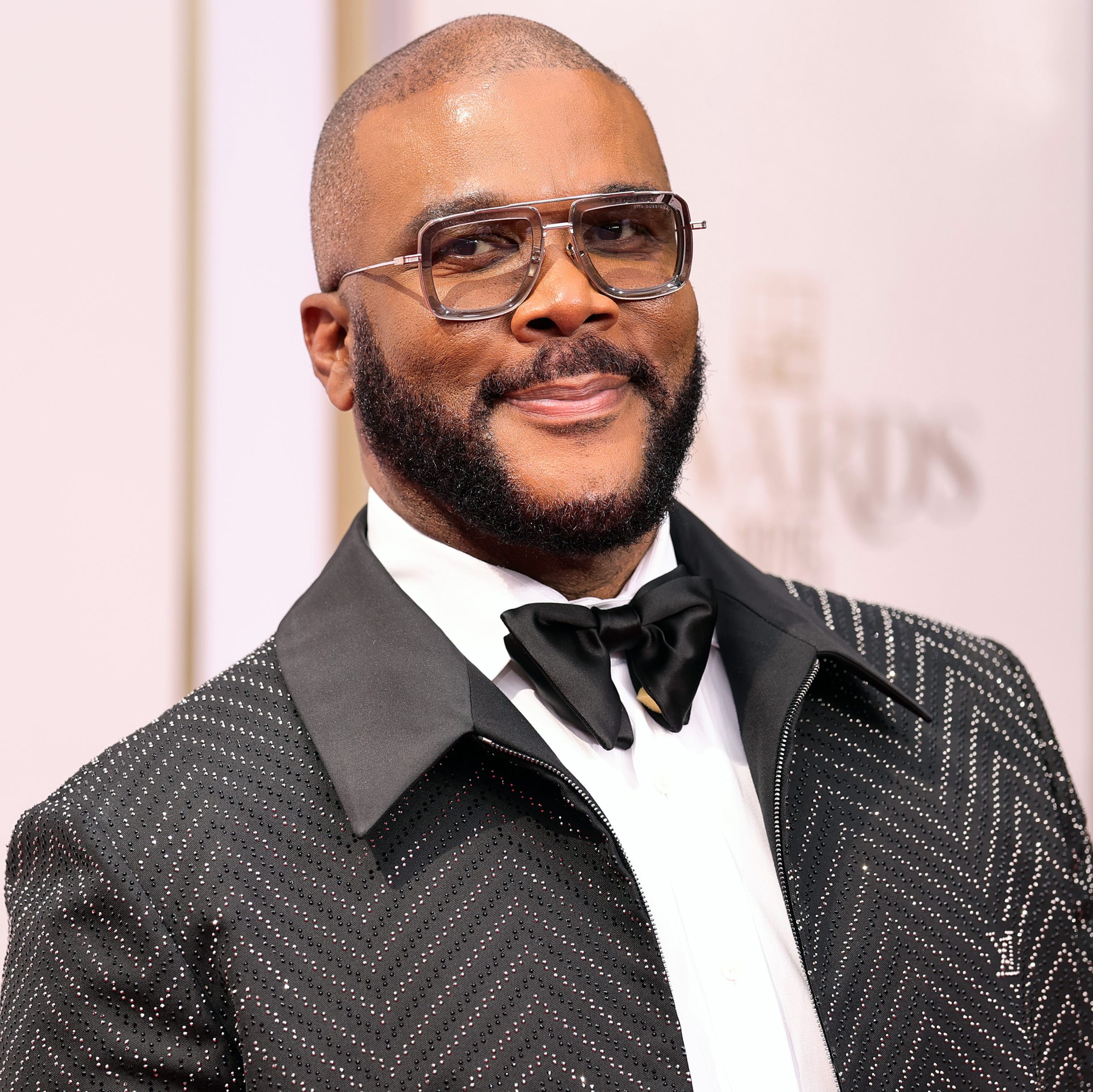
Tyler Perry’s emergence in the late 1990s signaled the foundation of Atlanta’s transformation into a major film production center. Born in New Orleans but relocating to Atlanta, Perry faced financial hardship and personal adversity during his early years. These experiences shaped his storytelling, which often emphasized resilience and faith.
Perry began his career writing and staging theatrical productions in Atlanta. Initial performances struggled financially, but persistence led to growing audiences. His breakthrough came with stage plays featuring the character Madea. These productions, though primarily theatrical in the 1990s, laid the groundwork for later film adaptations.
Perry’s artistic identity combined humor with moral themes. His storytelling resonated with underserved audiences, particularly within African American communities. By the late 1990s, his stage success established him as a rising cultural force within Atlanta’s entertainment ecosystem.
Perry’s legacy from the 1990s lies in building infrastructure. His entrepreneurial approach eventually contributed to the establishment of production facilities in Atlanta. This foundation helped define Y’allywood as a viable industry center.
Key Facts
- Full name of the subject: Emmitt Perry Jr.
- Date of birth: September 13, 1969
- Place of birth: New Orleans, Louisiana, USA
- Family background: Challenging childhood environment
- Early childhood experiences: Exposure to hardship
- Education history: High school equivalency
- Influences and mentors: Faith-based storytelling traditions
- Career beginnings: Stage play productions in Atlanta
- Major achievements: Madea stage success
- Challenges and obstacles faced: Financial setbacks
- Turning points in life: Growing stage audiences
- Contributions to society: Built Atlanta production infrastructure
- Personal life (marriage, children, relationships): Private family life
- Awards and recognitions: Later industry honors
- Beliefs, values, or philosophy: Faith-centered storytelling
- Legacy and impact: Pioneer of Atlanta film industry
- Historical or cultural significance: Helped create Y’allywood
Notable Works: I Know I’ve Been Changed, Diary of a Mad Black Woman (stage)
Controversies: A debate surrounding Perry involved criticism of early stage play themes. The issue arose when some commentators argued that portrayals relied on stereotypes. Stakeholders included critics, audiences, and cultural scholars. Perry responded by emphasizing authenticity and audience demand. Verified outcomes showed strong attendance and community support. The controversy sparked discussion about representation but ultimately did not hinder his rise.
8. Raven-Symoné
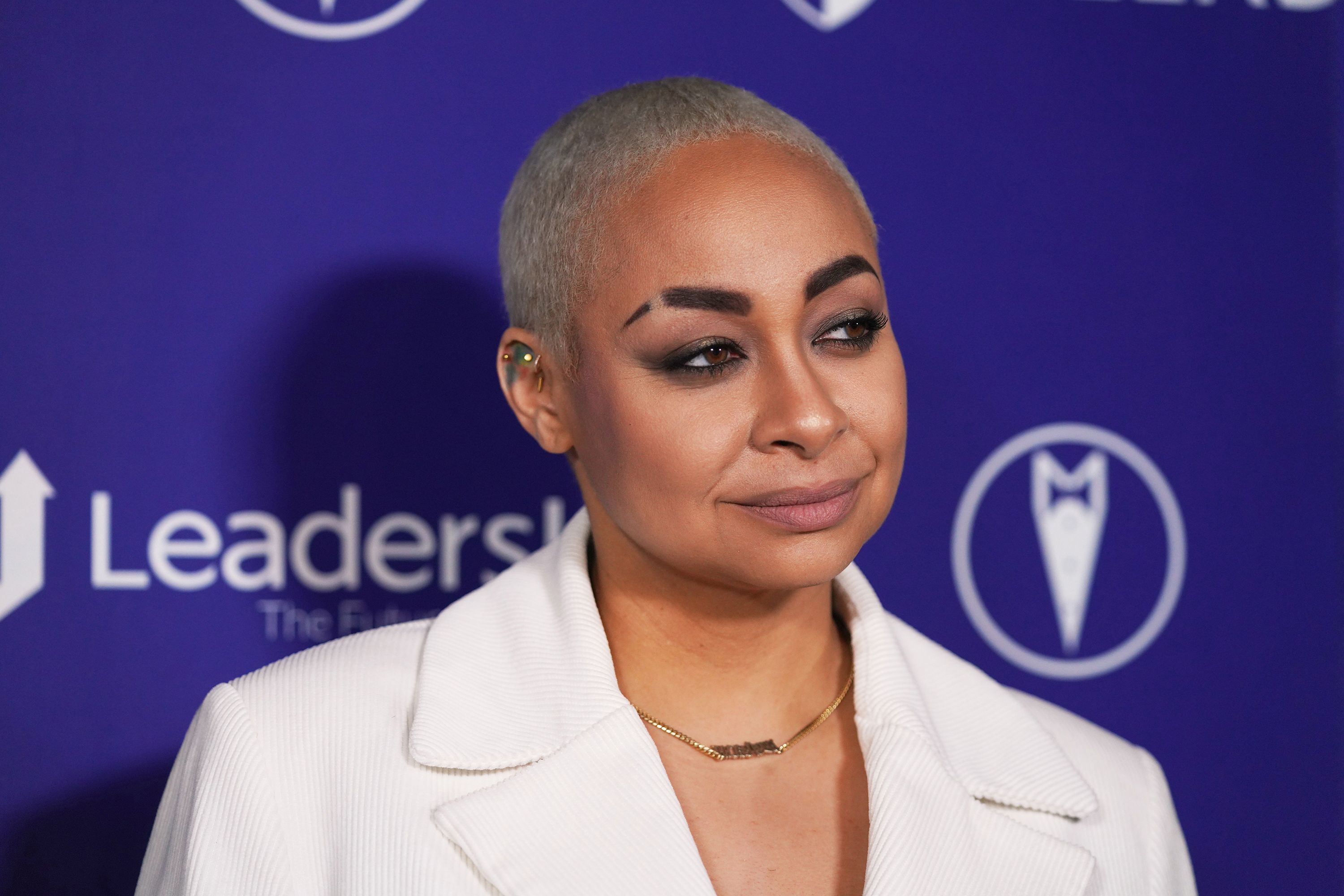
Raven-Symoné emerged in the 1990s as one of the most recognizable young performers associated with Atlanta’s growing entertainment pipeline. Born in Atlanta, she displayed artistic talent at an early age, supported by a family that encouraged performance. Her childhood included modeling and early television appearances, which sharpened her camera presence. This early exposure shaped her natural confidence and comedic timing.
Raven-Symoné’s career began in commercials before transitioning to television. Her breakthrough arrived with her role on “The Cosby Show,” where she played Olivia Kendall. The performance demonstrated her ability to balance humor with emotional sincerity. Throughout the 1990s, she continued appearing in television and film, developing a reputation for versatility despite her young age.
Her acting style combined expressive physical comedy with mature delivery. She transitioned seamlessly between comedic and dramatic moments, making her appealing to both family audiences and critics. Her work in film during the decade further expanded her reach, positioning her as a multi-talented entertainer.
Raven-Symoné’s cultural impact extended beyond performance. She represented a new generation of Atlanta-connected talent entering mainstream Hollywood. Her legacy from the 1990s lies in paving the way for young performers transitioning into long-term careers within Y’allywood’s expanding influence.
Key Facts
- Full name of the subject: Raven-Symoné Christina Pearman
- Date of birth: December 10, 1985
- Place of birth: Atlanta, Georgia, USA
- Family background: Supportive family encouraging early performance
- Early childhood experiences: Modeling and commercials
- Education history: Professional tutors during acting career
- Influences and mentors: Television ensemble casts
- Career beginnings: Commercials and television roles
- Major achievements: The Cosby Show popularity
- Challenges and obstacles faced: Transitioning from child to teen roles
- Turning points in life: Television success in early 1990s
- Contributions to society: Representation for young performers
- Personal life (marriage, children, relationships): Private personal life
- Awards and recognitions: NAACP Image Award nominations
- Beliefs, values, or philosophy: Emphasis on versatility
- Legacy and impact: Successful child-to-adult transition
- Historical or cultural significance: Atlanta-born youth star
Notable Works: The Cosby Show, Dr. Dolittle, Zenon: Girl of the 21st Century
Controversies: A public debate involving Raven-Symoné focused on the challenges of child stardom and media expectations. The issue emerged when industry commentators questioned how young actors navigated intense publicity. Stakeholders included media outlets, family representatives, and child-actor advocacy groups. Raven-Symoné’s team emphasized structured education and parental supervision. Verified facts indicated no professional misconduct, though discussions about child labor standards continued. The debate contributed to broader conversations about safeguarding young performers and had minimal direct impact on her career trajectory.
9. Kenan Thompson

Kenan Thompson’s career in the 1990s reflected the rise of youth-centered comedy linked to Atlanta’s creative ecosystem. Born in Atlanta, Thompson developed an interest in performance through school theater and local productions. His early comedic instincts were shaped by observational humor and improvisation, setting the stage for his television success.
Thompson’s career began with appearances in youth programming before his breakthrough on Nickelodeon’s “All That.” His comedic versatility and ability to create memorable characters quickly made him a standout. The success of the show expanded his opportunities, leading to film roles such as “Good Burger” (1997).
His performance style emphasized improvisation and character-driven humor. Thompson demonstrated an ability to connect with younger audiences while maintaining comedic sophistication. This dual appeal helped him transition from television to film during the decade.
Thompson’s cultural impact stemmed from representing a generation of young performers emerging from Atlanta. His work contributed to the broader recognition of youth talent within Y’allywood. By the end of the 1990s, he had established himself as a reliable comedic presence with long-term potential.
Key Facts
- Full name of the subject: Kenan Thompson
- Date of birth: May 10, 1978
- Place of birth: Atlanta, Georgia, USA
- Family background: Supportive middle-class household
- Early childhood experiences: School theater participation
- Education history: Tri-Cities High School, Georgia
- Influences and mentors: Television comedy performers
- Career beginnings: Youth television programming
- Major achievements: All That success
- Challenges and obstacles faced: Transition to adult roles
- Turning points in life: Good Burger film
- Contributions to society: Youth comedy representation
- Personal life (marriage, children, relationships): Married; family life
- Awards and recognitions: Emmy recognition (ensemble)
- Beliefs, values, or philosophy: Character-based humor
- Legacy and impact: Long-running comedic career
- Historical or cultural significance: Atlanta-born youth comedy star
Notable Works: All That, Good Burger, Heavyweights
Controversies: A discussion involving Thompson centered on contract negotiations during youth television productions. The issue emerged when reports suggested disputes over compensation and scheduling. Stakeholders included networks, management teams, and production companies. Thompson’s representatives emphasized professional negotiations typical within the industry. Verified facts confirmed routine contract discussions without formal dispute. The matter concluded quietly, highlighting standard industry practices and having no lasting effect on his career.
10. Holly Hunter
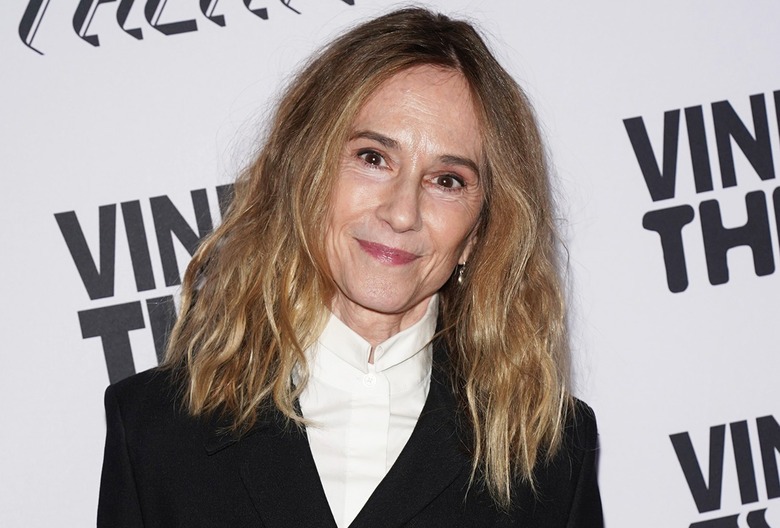
Holly Hunter’s career in the 1990s embodied the artistic depth associated with Atlanta’s contributions to American cinema. Born in Conyers, Georgia, Hunter grew up in a family that valued creativity and education. Her early experiences in community theater nurtured her interest in performance. This foundation contributed to her disciplined acting approach.
Hunter began her career in theater before transitioning to film. Her breakthrough came in the late 1980s, but the 1990s solidified her reputation. Her performance in “The Piano” (1993) earned widespread acclaim, demonstrating emotional intensity and subtlety. Hunter’s ability to portray complex characters distinguished her among contemporaries.
Her acting style emphasized restraint and psychological depth. She often selected roles that explored human vulnerability. Throughout the decade, Hunter balanced independent and mainstream projects, reinforcing her artistic credibility. Her performances influenced the portrayal of strong, multidimensional female characters.
Hunter’s cultural impact extended globally. She became a symbol of serious dramatic acting emerging from the American South. Her legacy in the 1990s reflects Atlanta’s contribution to high-caliber performers capable of shaping cinematic storytelling.
Key Facts
- Full name of the subject: Holly Patricia Hunter
- Date of birth: March 20, 1958
- Place of birth: Conyers, Georgia, USA
- Family background: Educator and homemaker parents
- Early childhood experiences: Community theater participation
- Education history: Carnegie Mellon University
- Influences and mentors: Theater directors
- Career beginnings: Stage acting
- Major achievements: The Piano Academy Award
- Challenges and obstacles faced: Navigating independent film market
- Turning points in life: The Piano (1993)
- Contributions to society: Strong female character portrayals
- Personal life (marriage, children, relationships): Private personal life
- Awards and recognitions: Academy Award winner
- Beliefs, values, or philosophy: Character-driven storytelling
- Legacy and impact: Respected dramatic actress
- Historical or cultural significance: Southern acting excellence
Notable Works: The Piano, Broadcast News, Copycat
Controversies: A debate involving Hunter focused on industry discussions about gender pay disparity in the 1990s. The issue arose when comparisons between male and female salaries surfaced in media analysis. Stakeholders included studios, advocacy groups, and actors’ unions. Hunter emphasized the importance of equitable compensation while avoiding direct confrontation. Verified facts indicated broader industry disparities rather than individual disputes. The conversation contributed to long-term awareness of pay equity and reinforced Hunter’s role as a respected voice in professional advocacy.
Notable Mentions:
Morgan Freeman
Robert Patrick
Spike Lee
Bruce Bruce
Jane Fonda
C. Martin Croker
Toni Braxton
Bill Nunn
Isabel Sanford
Scott Wilson