
Top 10 Borehamwood (United Kingdom) Movie Legends of the 90s
Top 10 Borehamwood (United Kingdom) Movie Legends of the 90s
In This Content
Quick List
Harrison Ford
Matt Lucas
Helen Mirren
George Lucas
Steven Spielberg
Anthony Minghella
Ralph Fiennes
Judi Dench
Tom Cruise
Nicole Kidman
1. Harrison Ford
Few actors embodied cinematic heroism in the late twentieth century as completely as Harrison Ford. Born in Chicago, Ford’s early life was marked not by theatrical ambition but by quiet introspection and an interest in craftsmanship. His formative years were shaped by Midwestern practicality, which later translated into the grounded authenticity he brought to iconic roles. Unlike many performers of his era, Ford’s ascent was gradual, built on perseverance rather than overnight fame. His early work in television and minor film roles allowed him to refine a restrained acting style that would become his signature.
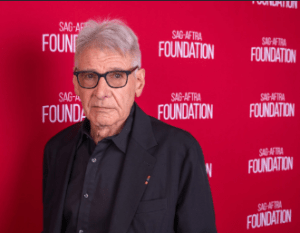
Ford’s career beginnings in Hollywood were modest, with small roles in studio productions before a pivotal collaboration with director George Lucas. His breakthrough came with the character of Han Solo in the Star Wars saga, which cemented his screen presence as a charismatic yet understated leading man. By the 1990s, Ford had already become synonymous with adventure cinema, particularly through his portrayal of Indiana Jones. The continued global resonance of these characters during the decade reinforced his stature as a cinematic anchor, particularly with productions connected to Borehamwood’s studio ecosystem.
Throughout the 1990s, Ford’s performances balanced action spectacle with emotional depth. His acting identity rested on subtle expressions, moral conviction, and understated humor. Films such as action thrillers and dramatic features showcased his ability to evolve beyond archetypal heroes, adding layers of vulnerability and maturity. This versatility ensured his relevance during a period when blockbuster cinema was rapidly expanding in scale and ambition.
Ford’s cultural influence extended far beyond box office success. He helped define the modern action hero intelligent, reluctant, and human. His global impact was amplified through the enduring popularity of franchise storytelling connected to major British studio production infrastructure. By the end of the decade, Ford’s legacy had become intertwined with the cinematic language of adventure, influencing generations of actors and filmmakers.
Key Facts
- Full name of the subject: Harrison Ford
- Date of birth: July 13, 1942
- Place of birth: Chicago, Illinois, United States
- Family background: Son of an advertising executive father and radio actress mother
- Early childhood experiences: Grew up in suburban Chicago with interest in carpentry and storytelling
- Education history: Ripon College, Wisconsin
- Influences and mentors: George Lucas, Steven Spielberg
- Career beginnings: Minor television and film roles in late 1960s and early 1970s
- Major achievements: Global success with adventure and science-fiction franchises
- Challenges and obstacles faced: Early career typecasting and slow rise to leading roles
- Turning points in life: Casting in Star Wars
- Contributions to society: Environmental advocacy and aviation rescue work
- Personal life (marriage, children, relationships): Married multiple times, several children
- Awards and recognitions: AFI Lifetime Achievement Award and multiple nominations
- Beliefs, values, or philosophy: Professional discipline and realism in performance
- Legacy and impact: Defined modern cinematic hero archetype
- Historical or cultural significance: Major influence on global blockbuster cinema
Notable Works: Star Wars series, Indiana Jones series, The Fugitive, Air Force One
Controversies: One notable controversy involved discussions around Ford’s reported reluctance to continue certain franchise roles. The issue centered on public comments suggesting fatigue with recurring characters, particularly within the Star Wars franchise. Industry stakeholders included studio executives, fans, and media commentators, some of whom interpreted the remarks as dissatisfaction with franchise filmmaking. Ford clarified that his perspective was rooted in artistic evolution rather than rejection of the projects. While speculation circulated widely, no contractual disputes emerged publicly. The debate highlighted tensions between artistic autonomy and franchise expectations. Ultimately, the controversy had minimal lasting impact on his career, and he later reprised iconic roles, demonstrating continued professional engagement.
2. Matt Lucas
Born in London, Matt Lucas emerged from a background shaped by British comedy traditions and theatrical experimentation. His early life was marked by exposure to performance through school productions and comedy influences. Lucas developed a distinctive comedic voice rooted in character transformation, exaggerated physicality, and observational satire. His formative years laid the groundwork for a performance style that would later resonate across television and film.

Lucas’s career began in British television comedy, where he collaborated with emerging comedic voices. His breakthrough came through character-driven sketch comedy, which showcased his versatility and fearless approach to satire. Though primarily known for television, his association with film and studio productions during the late 1990s connected him to the broader entertainment ecosystem surrounding Borehamwood’s industry presence.
His screen presence was defined by transformative performances, often shifting between multiple personas within a single production. Lucas’s acting depth relied on comedic exaggeration balanced by social commentary. His work reflected evolving British humor, blending absurdity with cultural critique. By the end of the decade, Lucas had become a recognizable comedic force whose influence extended beyond traditional boundaries.
Lucas’s cultural impact lies in his contribution to British comedic identity during the transition into globalized entertainment. His performances influenced later comedians and demonstrated how television talent could intersect with film production networks. His legacy reflects the growing importance of character comedy in mainstream entertainment.
Key Facts
- Full name of the subject: Matthew Richard Lucas
- Date of birth: March 5, 1974
- Place of birth: London, England
- Family background: Raised in a middle-class Jewish family
- Early childhood experiences: Interest in acting and comedy during school years
- Education history: University of Bristol
- Influences and mentors: British sketch comedy traditions
- Career beginnings: Television sketch shows in the 1990s
- Major achievements: Success in character-driven comedy
- Challenges and obstacles faced: Typecasting in comedic roles
- Turning points in life: Breakthrough television success
- Contributions to society: Advocacy for inclusivity in comedy
- Personal life (marriage, children, relationships): Publicly discussed personal life and relationships
- Awards and recognitions: British comedy awards nominations
- Beliefs, values, or philosophy: Humor as social commentary
- Legacy and impact: Influenced modern British character comedy
- Historical or cultural significance: Part of late-1990s British comedy evolution
Notable Works: Little Britain, Shooting Stars, film appearances
Controversies: A significant controversy involved criticism of certain comedic portrayals in Little Britain. The issue centered on allegations that some characters relied on stereotypes. Critics included media commentators and advocacy groups, while supporters argued the sketches were satirical commentary. Lucas acknowledged evolving cultural sensitivities and expressed openness to reassessment. The debate remained largely interpretive rather than legal. The controversy prompted wider industry discussions about comedy boundaries. Despite criticism, Lucas’s career continued, reflecting shifting cultural norms in entertainment.
3. Helen Mirren
Born in London to a family of Russian and English heritage, Helen Mirren’s early life was steeped in cultural diversity and artistic curiosity. Her upbringing fostered intellectual discipline and theatrical ambition. Mirren’s training at the National Youth Theatre provided a foundation for classical performance, shaping her commanding screen presence. Her early career on stage established her as a performer of remarkable emotional intelligence.
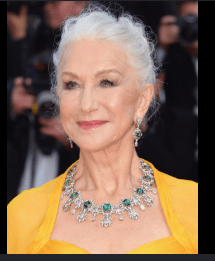
Mirren’s transition into film during the late twentieth century demonstrated her versatility. By the 1990s, she had become a respected figure capable of commanding both historical drama and contemporary storytelling. Her performance in period pieces showcased her ability to merge authority with vulnerability. Productions connected to British studio environments, including Borehamwood-associated filmmaking, strengthened her international visibility.
Her acting identity rests on precision, restraint, and emotional depth. Mirren’s performances are often defined by controlled intensity and intellectual clarity. She brought gravitas to roles that demanded both psychological complexity and narrative leadership. This approach distinguished her from contemporaries and cemented her reputation as one of Britain’s most formidable actors.
Mirren’s legacy extends beyond performance. She became a symbol of artistic longevity and female leadership in cinema. Her global impact during the 1990s reflected the growing prominence of British actors in international productions. By the decade’s end, Mirren’s influence had reshaped expectations for mature female roles in film.
Key Facts
- Full name of the subject: Dame Helen Lydia Mirren
- Date of birth: July 26, 1945
- Place of birth: London, England
- Family background: Father of Russian descent, mother English
- Early childhood experiences: Exposure to theatre and literature
- Education history: New College of Speech and Drama
- Influences and mentors: Royal Shakespeare Company
- Career beginnings: Stage acting in classical theatre
- Major achievements: International film and stage success
- Challenges and obstacles faced: Gender bias in industry
- Turning points in life: Breakthrough film roles in historical dramas
- Contributions to society: Advocacy for arts education
- Personal life (marriage, children, relationships): Married to director Taylor Hackford
- Awards and recognitions: Academy Award and BAFTA honors
- Beliefs, values, or philosophy: Commitment to craft and authenticity
- Legacy and impact: Elevated roles for women in cinema
- Historical or cultural significance: Major figure in British acting tradition
Notable Works: The Madness of King George, Prime Suspect, Gosford Park
Controversies: One controversy involved public debate over Mirren’s comments on industry gender inequality. The issue centered on her critique of limited opportunities for older actresses. Stakeholders included industry executives and media commentators. Some interpreted her remarks as criticism of casting practices, while others viewed them as advocacy. Mirren clarified her intention to encourage structural change rather than criticize individuals. No formal dispute arose, but the debate amplified conversations about representation. The impact strengthened her position as a voice for reform within the film industry.
4. George Lucas
George Lucas emerged from Modesto, California, with an early fascination for storytelling, technology, and mythic narrative structures. His childhood interest in visual storytelling was reinforced by film school at the University of Southern California, where he developed a deep understanding of cinematic language. Lucas’s early career was shaped by experimental filmmaking and a collaborative network of emerging directors who would later transform Hollywood. His background in independent filmmaking influenced his preference for creative control and technological innovation.

Lucas’s career beginnings included critically acclaimed but modestly budgeted films before he revolutionized cinema with large-scale franchise storytelling. His breakthrough came with Star Wars, which redefined visual effects and merchandising models. By the 1990s, Lucas returned to active filmmaking through the prequel trilogy, including The Phantom Menace, which connected strongly with studio production infrastructure in Borehamwood. This period marked a technological leap, blending practical sets with digital innovation.
Lucas’s screen identity as a filmmaker is characterized by mythic storytelling, archetypal characters, and groundbreaking technical ambition. His approach to narrative emphasized world-building and cinematic universes, which became industry standards. During the 1990s, Lucas’s work demonstrated how digital technology could transform filmmaking workflows, influencing studios globally.
His legacy extends beyond directing. Lucas reshaped production systems, visual effects pipelines, and franchise marketing. The global impact of his work during the decade helped cement Borehamwood’s studios as key production hubs for major international films. His influence remains foundational in modern blockbuster cinema.
Key Facts
- Full name of the subject: George Walton Lucas Jr.
- Date of birth: May 14, 1944
- Place of birth: Modesto, California, United States
- Family background: Son of a stationery store owner
- Early childhood experiences: Interest in racing and filmmaking
- Education history: University of Southern California School of Cinematic Arts
- Influences and mentors: Francis Ford Coppola
- Career beginnings: Experimental student films and THX 1138
- Major achievements: Creation of Star Wars franchise
- Challenges and obstacles faced: Studio skepticism and production risks
- Turning points in life: Success of Star Wars in 1977
- Contributions to society: Advancement of film technology and philanthropy
- Personal life (marriage, children, relationships): Married, with children including adopted and biological
- Awards and recognitions: Honorary Academy Award and multiple nominations
- Beliefs, values, or philosophy: Emphasis on mythology and innovation
- Legacy and impact: Pioneer of franchise filmmaking
- Historical or cultural significance: Redefined blockbuster cinema
Notable Works: Star Wars series, The Phantom Menace, American Graffiti
Controversies: A major controversy surrounded fan reactions to The Phantom Menace. The issue centered on criticism of narrative tone and character portrayals. Stakeholders included fan communities, critics, and studio executives. Some argued the film prioritized visual spectacle over storytelling, while Lucas defended creative experimentation. Verified facts showed strong box office success despite mixed critical reception. Public perception remained divided, but the film’s technological achievements were widely acknowledged. The controversy sparked broader debate about franchise expectations and artistic autonomy, yet Lucas’s influence remained intact.
5. Steven Spielberg
Steven Spielberg’s early life in Cincinnati and Arizona fostered a fascination with filmmaking at a young age. His childhood experiments with home movies revealed an instinctive understanding of visual storytelling. Spielberg entered the industry through television directing, gradually refining a style rooted in emotional accessibility and spectacle. His early successes established him as one of the most commercially reliable filmmakers of his generation.
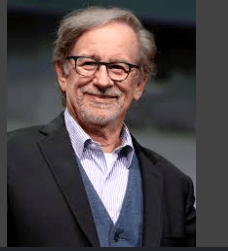
By the 1990s, Spielberg had already achieved legendary status. His work on Schindler’s List and earlier Indiana Jones collaborations connected to Borehamwood’s production environment. This period showcased his ability to balance historical gravity with entertainment-driven filmmaking. His versatility allowed him to move seamlessly between large-scale adventure and intimate drama.
Spielberg’s artistic identity is defined by dynamic camera movement, emotional storytelling, and technical precision. His films often explore moral complexity while maintaining mainstream appeal. During the 1990s, he demonstrated a mature thematic focus, addressing historical trauma and human resilience. This evolution reinforced his standing as both entertainer and auteur.
Spielberg’s global influence is unparalleled. His films shaped audience expectations and inspired filmmakers worldwide. His association with major British studio productions strengthened Borehamwood’s reputation as an international filmmaking hub. His legacy during the decade reflects a synthesis of artistry and commercial success.
Key Facts
- Full name of the subject: Steven Allan Spielberg
- Date of birth: December 18, 1946
- Place of birth: Cincinnati, Ohio, United States
- Family background: Father engineer, mother concert pianist
- Early childhood experiences: Filmmaking experiments as a teenager
- Education history: California State University, Long Beach
- Influences and mentors: Classic Hollywood directors
- Career beginnings: Television directing
- Major achievements: Multiple blockbuster and award-winning films
- Challenges and obstacles faced: Balancing artistic and commercial expectations
- Turning points in life: Success of Jaws
- Contributions to society: Holocaust education initiatives
- Personal life (marriage, children, relationships): Married with children
- Awards and recognitions: Multiple Academy Awards
- Beliefs, values, or philosophy: Storytelling as emotional connection
- Legacy and impact: Defined modern blockbuster filmmaking
- Historical or cultural significance: Influential global director
Notable Works: Schindler’s List, Jurassic Park, Indiana Jones series
Controversies: One controversy involved debates about historical representation in Schindler’s List. The issue centered on whether dramatization altered factual accuracy. Historians, critics, and educators formed key stakeholders. Some praised its educational value, while others questioned narrative liberties. Spielberg emphasized authenticity and extensive research. Verified records confirmed consultation with survivors and historians. The debate ultimately enhanced discussions on film as historical interpretation. The film’s legacy remained overwhelmingly positive.
6. Anthony Minghella
Anthony Minghella was born on the Isle of Wight and grew up in a culturally rich environment shaped by his family’s artistic interests. His early exposure to literature and theatre fostered a passion for storytelling. Minghella initially worked in television and stage writing, refining his narrative sensibilities before transitioning to film. His background in writing distinguished him as a director focused on character-driven storytelling.
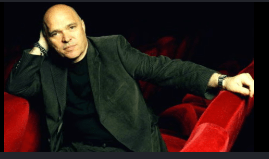
His breakthrough came with The English Patient, which was partially associated with large-scale studio production networks linked to Borehamwood. The film demonstrated his ability to craft sweeping romantic drama while maintaining emotional intimacy. Minghella’s direction emphasized visual elegance and psychological nuance, earning international acclaim.
Minghella’s artistic identity rested on lyrical storytelling and careful pacing. His films explored memory, identity, and human relationships. During the 1990s, he became one of Britain’s most respected filmmakers, bridging art-house sensibilities with mainstream accessibility.
His legacy lies in elevating literary adaptation and romantic drama within global cinema. Minghella’s work influenced filmmakers seeking emotional depth in large-scale productions. His contribution to British filmmaking during the decade remains significant.
Key Facts
- Full name of the subject: Anthony Minghella
- Date of birth: January 6, 1954
- Place of birth: Isle of Wight, England
- Family background: Italian immigrant parents
- Early childhood experiences: Exposure to music and theatre
- Education history: University of Hull
- Influences and mentors: Literary and theatrical traditions
- Career beginnings: Television writing and directing
- Major achievements: The English Patient
- Challenges and obstacles faced: Transition from television to film
- Turning points in life: Academy Award win
- Contributions to society: Support for British arts institutions
- Personal life (marriage, children, relationships): Married with children
- Awards and recognitions: Academy Award for Best Director
- Beliefs, values, or philosophy: Emphasis on emotional storytelling
- Legacy and impact: Influential British filmmaker
- Historical or cultural significance: Elevated literary adaptations
Notable Works: The English Patient, The Talented Mr. Ripley
Controversies: A controversy arose regarding pacing and narrative length of The English Patient. The issue centered on critical debate over its extended runtime. Critics, distributors, and audiences were stakeholders. Some argued the film was overly indulgent, while supporters praised its depth. Minghella defended the structure as necessary for emotional immersion. Box office success and awards recognition validated the artistic approach. The debate had minimal negative impact and reinforced his reputation for ambitious storytelling.
7. Ralph Fiennes
Ralph Fiennes was born into an artistic family in Suffolk, England, where creative expression was encouraged. His early exposure to theatre and literature shaped his interest in performance. Fiennes trained at the Royal Academy of Dramatic Art, developing a classical acting foundation. His stage work established him as a serious dramatic performer.
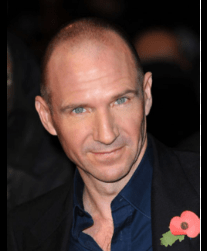
His transition to film brought international recognition, particularly in The English Patient, which connected him to large-scale productions associated with British studio environments. Fiennes’s performance demonstrated emotional restraint and psychological complexity. His ability to convey internal conflict became his defining trait.
Fiennes’s acting identity blends classical technique with cinematic subtlety. During the 1990s, he emerged as one of Britain’s leading dramatic actors. His performances often explored morally ambiguous characters, reflecting a commitment to depth over spectacle.
His global impact lies in redefining dramatic masculinity in cinema. Fiennes’s work influenced subsequent generations of actors. His legacy from the decade reflects a commitment to artistic integrity and nuanced storytelling.
Key Facts
- Full name of the subject: Ralph Nathaniel Twisleton-Wykeham-Fiennes
- Date of birth: December 22, 1962
- Place of birth: Ipswich, Suffolk, England
- Family background: Artistic family including writers and filmmakers
- Early childhood experiences: Frequent relocation due to family career
- Education history: Royal Academy of Dramatic Art
- Influences and mentors: Classical theatre traditions
- Career beginnings: Stage acting with Royal Shakespeare Company
- Major achievements: The English Patient
- Challenges and obstacles faced: Typecasting as dramatic actor
- Turning points in life: Breakthrough film roles in 1990s
- Contributions to society: Theatre and arts advocacy
- Personal life (marriage, children, relationships): Publicly private personal life
- Awards and recognitions: Academy Award nominations
- Beliefs, values, or philosophy: Commitment to craft
- Legacy and impact: Influential dramatic actor
- Historical or cultural significance: Key British film performer
Notable Works: The English Patient, Schindler’s List
Controversies: One controversy involved media coverage of Fiennes’s personal relationships during the late 1990s. The issue centered on public scrutiny of private life. Stakeholders included tabloids, audiences, and industry observers. Critics argued coverage distracted from artistic work, while media framed it as public interest. Fiennes largely declined comment, maintaining privacy. No professional repercussions followed. The incident highlighted tensions between celebrity culture and artistic identity, with minimal long-term impact on his career.
8. Judi Dench
Judi Dench was born in York, England, into a family deeply connected to theatre. Her father worked as a physician for the York Theatre Royal, exposing her to stage performance from an early age. This environment nurtured her fascination with acting and helped develop her disciplined approach to performance. Dench’s formal training at the Central School of Speech and Drama provided a classical foundation that shaped her precise diction and emotional control.
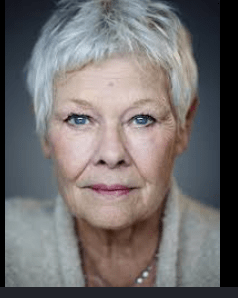
Her early career flourished in theatre, particularly with the Royal Shakespeare Company, where she became known for authoritative yet emotionally layered performances. Transitioning into film and television, Dench’s career gained renewed momentum in the 1990s. Her role in Tomorrow Never Dies introduced her as a commanding interpretation of M, redefining the character with intelligence and understated power. Productions connected to British studio infrastructure, including those linked to Borehamwood, amplified her international visibility.
Dench’s screen presence is defined by economy of movement and expressive subtlety. She often conveys complex emotional landscapes through minimal gestures, allowing dialogue and silence to carry equal weight. During the 1990s, she demonstrated versatility across period drama, espionage thrillers, and character-driven narratives. Her artistic identity reflects classical training adapted for modern cinema.
Her cultural impact lies in reshaping expectations for mature female roles. Dench’s performances helped normalize older actresses in leadership positions on screen. Globally, she became a symbol of British acting excellence, influencing both stage and screen traditions. By the end of the decade, her legacy was firmly established as one of the most respected performers in international cinema.
Key Facts
- Full name of the subject: Dame Judith Olivia Dench
- Date of birth: December 9, 1934
- Place of birth: York, England
- Family background: Father theatre physician, mother involved in arts
- Early childhood experiences: Grew up around theatre environment
- Education history: Central School of Speech and Drama
- Influences and mentors: Royal Shakespeare Company colleagues
- Career beginnings: Stage performances in Shakespearean productions
- Major achievements: Acclaimed film and theatre career
- Challenges and obstacles faced: Transition from stage to screen recognition
- Turning points in life: Casting as M in James Bond series
- Contributions to society: Advocacy for theatre and arts funding
- Personal life (marriage, children, relationships): Married actor Michael Williams, one child
- Awards and recognitions: Academy Award and multiple BAFTA awards
- Beliefs, values, or philosophy: Commitment to classical acting discipline
- Legacy and impact: Elevated mature female roles in cinema
- Historical or cultural significance: Icon of British acting tradition
Notable Works: Tomorrow Never Dies, Shakespeare in Love, Mrs Brown
Controversies: A controversy emerged regarding reinterpretation of the M character in the James Bond franchise. The issue centered on debates about shifting the traditionally male role to a female authority figure. Stakeholders included franchise producers, fans, and media commentators. Critics questioned continuity, while supporters praised modernization. Dench emphasized performance over tradition, and producers defended creative evolution. Verified outcomes showed strong audience acceptance. The debate ultimately reinforced progressive casting approaches and enhanced Dench’s influence within franchise filmmaking.
9. Tom Cruise
Tom Cruise was born in Syracuse, New York, and experienced a transient childhood due to his father’s career. These early experiences shaped his resilience and determination. Initially considering the priesthood, Cruise turned to acting in his late teens, discovering a natural charisma that translated effectively to screen. His early career included supporting roles before rapid ascent to leading-man status.

By the 1990s, Cruise had become one of Hollywood’s most bankable stars. His collaboration with director Stanley Kubrick in Eyes Wide Shut, filmed partly within British studio environments associated with Borehamwood, represented a departure into psychological drama. The performance highlighted Cruise’s willingness to explore vulnerability and introspection beyond action-driven roles.
Cruise’s screen presence is characterized by intensity, commitment, and physical dedication. His acting style combines emotional sincerity with high-energy performance. During the 1990s, he balanced blockbuster appeal with artistic experimentation. This duality helped him maintain relevance across genres.
Cruise’s cultural influence is substantial. He redefined the global movie star archetype, blending athleticism with dramatic depth. His work during the decade strengthened international production collaborations. His legacy reflects enduring commercial success paired with evolving artistic ambition.
Key Facts
- Full name of the subject: Thomas Cruise Mapother IV
- Date of birth: July 3, 1962
- Place of birth: Syracuse, New York, United States
- Family background: Raised in modest family with three sisters
- Early childhood experiences: Frequent relocations
- Education history: Various schools across North America
- Influences and mentors: Directors such as Martin Scorsese
- Career beginnings: Supporting roles in early 1980s films
- Major achievements: Global box-office success
- Challenges and obstacles faced: Balancing celebrity and craft
- Turning points in life: Breakthrough with Top Gun
- Contributions to society: Support for film industry employment
- Personal life (marriage, children, relationships): Multiple high-profile marriages
- Awards and recognitions: Golden Globe Awards
- Beliefs, values, or philosophy: Professional dedication and discipline
- Legacy and impact: Redefined global movie star status
- Historical or cultural significance: Major figure in 1990s cinema
Notable Works: Eyes Wide Shut, Mission: Impossible, Jerry Maguire
Controversies: A widely discussed controversy involved public scrutiny of Cruise’s personal beliefs and affiliations. The issue centered on debates about how personal ideology intersected with professional image. Stakeholders included media outlets, audiences, and industry executives. Critics argued the publicity affected perception, while supporters emphasized separation between art and personal life. Cruise largely maintained professional focus. No institutional action occurred. The debate highlighted tensions between celebrity identity and audience expectations, with limited impact on his box-office appeal.
10. Nicole Kidman
Nicole Kidman was born in Honolulu and raised in Australia, where she developed an early interest in performance. Her upbringing in an intellectually engaged household fostered artistic curiosity. Kidman trained in theatre and television, gradually building experience in Australian productions. Her early career emphasized versatility, allowing her to move fluidly between genres.
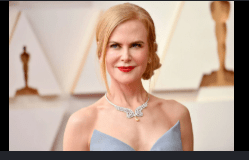
Her international breakthrough came in the late 1980s and early 1990s, leading to collaborations with major directors. Eyes Wide Shut, filmed partly within Borehamwood-associated studios, marked a pivotal moment. The film showcased her psychological range and ability to handle complex emotional narratives. Kidman’s performance reflected a mature artistic identity emerging during the decade.
Kidman’s screen presence blends elegance with emotional intensity. She often portrays characters navigating vulnerability and strength simultaneously. During the 1990s, she expanded into dramatic roles that challenged conventional leading-lady expectations. This period solidified her reputation as a serious performer.
Kidman’s global influence is marked by her role in bridging Australian and international cinema. She became a symbol of artistic risk-taking and longevity. Her legacy from the 1990s reflects transformation from emerging talent to established international star.
Key Facts
- Full name of the subject: Nicole Mary Kidman
- Date of birth: June 20, 1967
- Place of birth: Honolulu, Hawaii, United States
- Family background: Academic parents
- Early childhood experiences: Raised in Australia with artistic exposure
- Education history: Australian Theatre for Young People
- Influences and mentors: Australian film industry figures
- Career beginnings: Australian television and film roles
- Major achievements: International film acclaim
- Challenges and obstacles faced: Transition to Hollywood
- Turning points in life: Breakthrough in international cinema
- Contributions to society: Support for humanitarian initiatives
- Personal life (marriage, children, relationships): High-profile marriages and family life
- Awards and recognitions: Academy Award winner
- Beliefs, values, or philosophy: Commitment to challenging roles
- Legacy and impact: Influential international actress
- Historical or cultural significance: Major figure linking Australian and global cinema
Notable Works: Eyes Wide Shut, Moulin Rouge!, The Others
Controversies: A controversy arose regarding intense production conditions during Eyes Wide Shut. The issue centered on prolonged filming schedules and secrecy surrounding the project. Stakeholders included cast members, production crew, and media observers. Reports suggested demanding conditions, while the director emphasized artistic precision. Verified facts confirmed extended production timelines but no formal disputes. Public perception focused on the film’s mystique. The controversy ultimately enhanced interest in the project and did not negatively affect Kidman’s career trajectory.
Notable Mentions
Stanley Kubrick
Pierce Brosnan
Kenneth Branagh
Kate Winslet
Ewan McGregor
Natalie Portman
Liam Neeson
Simon Pegg
David Walliams
Terry Gilliam