
Top 10 Gaulywood (France) Movie Legends of the 90s
Top 10 Gaulywood (France) Movie Legends of the 90s
In This Content
Quick List
Gérard Depardieu
Jean Reno
Juliette Binoche
Luc Besson
Catherine Deneuve
Vincent Cassel
Isabelle Huppert
Claude Chabrol
Daniel Auteuil
Emmanuelle Béart
Mathieu Kassovitz
1. Gérard Depardieu
Gérard Depardieu emerged from modest beginnings in Châteauroux, France, where his early life was shaped by working-class realities and limited academic structure. His formative years were marked by restlessness and a search for identity, which eventually led him to acting as an expressive outlet. Depardieu’s early experiences instilled a raw authenticity that would define his screen presence. Unlike conventionally trained performers, he brought an instinctive emotional intensity to his roles, often portraying characters driven by vulnerability and moral complexity.
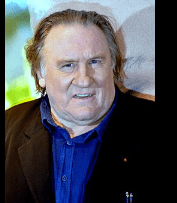
His career began in theatre and small film appearances during the late 1960s and early 1970s, gradually gaining recognition for his unconventional charisma. By the 1990s, Depardieu had already become a central figure in French cinema, but the decade solidified his global influence. His performances balanced physical presence with emotional subtlety, allowing him to move between historical epics, comedies, and intimate dramas. This versatility made him a defining figure of Gaulywood’s international expansion.
Depardieu’s artistic identity is rooted in spontaneity and emotional transparency. His acting style often blends humor with pathos, creating multidimensional characters. During the 1990s, he became synonymous with French cinematic excellence, appearing in both domestic productions and international collaborations. His career trajectory reflected the growing globalization of European cinema.
His cultural influence extended beyond performance. Depardieu became a symbol of French cultural export, embodying national identity while appealing to global audiences. His legacy remains tied to the evolution of French cinema as a force within international filmmaking. By the end of the decade, his impact on acting styles and industry perception was firmly established.
Key Facts
- Full name of the subject: Gérard Xavier Marcel Depardieu
- Date of birth: December 27, 1948
- Place of birth: Châteauroux, France
- Family background: Working-class family
- Early childhood experiences: Limited formal education, early independence
- Education history: Informal acting training in Paris
- Influences and mentors: French New Wave actors and directors
- Career beginnings: Theatre and minor film roles
- Major achievements: International recognition in French cinema
- Challenges and obstacles faced: Early life instability
- Turning points in life: Breakthrough in 1970s French cinema
- Contributions to society: Cultural ambassador for French film
- Personal life (marriage, children, relationships): Multiple relationships and family life
- Awards and recognitions: César Awards and international honors
- Beliefs, values, or philosophy: Emphasis on artistic freedom
- Legacy and impact: Icon of French cinema
- Historical or cultural significance: Major contributor to global recognition of French film
Notable Works: Cyrano de Bergerac, Green Card, Germinal
Controversies: A widely discussed controversy involved Depardieu’s tax residency decisions. The issue centered on his move to establish residency outside France, which sparked debate about taxation and cultural responsibility. Stakeholders included French government officials, media commentators, and cultural institutions. Critics argued the decision contradicted his status as a national cultural figure, while Depardieu stated it was a personal financial choice. Verified reports confirmed his relocation but did not indicate legal wrongdoing. Public perception remained divided, and the debate influenced discussions on taxation for high-profile artists. The controversy affected public image but did not significantly diminish his professional standing.
2. Jean Reno
Jean Reno was born in Casablanca to Spanish parents who had fled political unrest, giving him an early life shaped by migration and cultural diversity. His upbringing influenced his calm demeanor and understated screen presence. Reno trained in acting after relocating to France, developing a disciplined approach rooted in theatre traditions. His early career involved small roles that allowed him to refine his distinctive style.
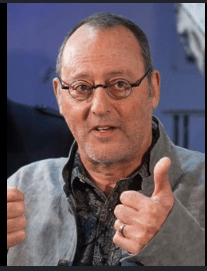
His breakthrough came through collaborations with director Luc Besson, particularly in films that combined action with emotional depth. By the 1990s, Reno had become internationally recognized for roles that emphasized quiet intensity. His performances often featured minimal dialogue, relying instead on physical presence and emotional nuance. This approach distinguished him within both French and global cinema.
Reno’s artistic identity centers on restrained performance. He often portrays solitary figures navigating moral dilemmas. During the 1990s, his work bridged European and Hollywood productions, reinforcing Gaulywood’s global reach. His versatility allowed him to transition between action, drama, and comedy.
His legacy lies in redefining the international French leading man. Reno’s influence extends to actors who favor subtlety over flamboyance. His global impact during the decade contributed to the recognition of French performers in mainstream cinema.
Key Facts
- Full name of the subject: Juan Moreno y Herrera-Jiménez
- Date of birth: July 30, 1948
- Place of birth: Casablanca, Morocco
- Family background: Spanish immigrant parents
- Early childhood experiences: Migration to France
- Education history: Acting training in Paris
- Influences and mentors: Luc Besson
- Career beginnings: Theatre and small film roles
- Major achievements: International action and drama roles
- Challenges and obstacles faced: Breaking into international market
- Turning points in life: Collaboration with Luc Besson
- Contributions to society: Promotion of French cinema globally
- Personal life (marriage, children, relationships): Married with children
- Awards and recognitions: César nominations
- Beliefs, values, or philosophy: Minimalist acting approach
- Legacy and impact: International French film icon
- Historical or cultural significance: Bridge between European and Hollywood cinema
Notable Works: Léon: The Professional, Mission: Impossible, Ronin
Controversies: A controversy involved debates over Reno’s frequent casting in Hollywood productions. The issue centered on criticism that he prioritized international roles over French cinema. Stakeholders included French critics, producers, and audiences. Critics viewed the move as commercial, while supporters argued it expanded French visibility. Reno maintained that international collaborations benefited both industries. No contractual disputes were reported. The debate highlighted tensions between national cinema preservation and globalization, with minimal impact on his career.
3. Juliette Binoche
Juliette Binoche was born in Paris into a family deeply rooted in the arts. Her parents were both actors, which exposed her to performance from an early age. Binoche’s childhood experiences fostered introspection and emotional sensitivity, qualities that later defined her acting style. She pursued formal training in theatre, developing a nuanced approach to character interpretation.

Her career began with French independent films before achieving international recognition. By the 1990s, Binoche had established herself as a leading figure in European cinema. Her performances combined vulnerability with intellectual depth, making her one of the most respected actors of her generation. She moved seamlessly between French and international productions.
Binoche’s artistic identity centers on emotional authenticity. Her screen presence is understated yet powerful, often portraying complex inner lives. During the 1990s, she became synonymous with art-house cinema while maintaining mainstream appeal. This balance contributed to her enduring influence.
Her global impact lies in elevating French acting on the world stage. Binoche’s work inspired a generation of performers seeking authenticity. Her legacy remains tied to the artistic evolution of Gaulywood during the decade.
Key Facts
- Full name of the subject: Juliette Stalens Binoche
- Date of birth: March 9, 1964
- Place of birth: Paris, France
- Family background: Parents were actors
- Early childhood experiences: Exposure to theatre
- Education history: Conservatoire National Supérieur d’Art Dramatique
- Influences and mentors: French theatre traditions
- Career beginnings: French independent cinema
- Major achievements: International awards and recognition
- Challenges and obstacles faced: Balancing art-house and mainstream roles
- Turning points in life: International film success
- Contributions to society: Cultural diplomacy through film
- Personal life (marriage, children, relationships): Private personal life
- Awards and recognitions: Academy Award winner
- Beliefs, values, or philosophy: Emotional authenticity
- Legacy and impact: Influential European actress
- Historical or cultural significance: Major figure in global art-house cinema
Notable Works: The English Patient, Three Colors: Blue, Chocolat
Controversies: A controversy arose regarding Binoche’s outspoken views on artistic independence. The issue centered on her criticism of commercial filmmaking pressures. Stakeholders included producers, critics, and audiences. Some interpreted her comments as dismissive of mainstream cinema, while Binoche clarified her advocacy for creative freedom. No professional conflicts were documented. The debate reinforced discussions about artistic integrity within European film industries, with minimal impact on her career.
4. Luc Besson
Luc Besson was born in Paris into a family connected to diving instructors, a background that shaped his fascination with underwater imagery and expansive visual storytelling. His early life was marked by frequent travel across Mediterranean coastal environments, which influenced his cinematic imagination. Besson’s childhood aspiration to become a marine biologist shifted after a diving accident, redirecting his focus toward filmmaking as a means of constructing alternate worlds. This early pivot became foundational to his stylistic identity.

His career began in the French film industry during the 1980s, where he developed a reputation for bold visual experimentation and high-energy storytelling. Working initially on small productions, Besson quickly distinguished himself through his emphasis on kinetic camera movement and stylized narratives. By the 1990s, he had become a leading force in what critics later referred to as the “Cinéma du Look” movement, blending commercial appeal with auteur-driven aesthetics.
Besson’s breakthrough in the decade came through internationally successful films that merged action, science fiction, and emotional storytelling. His work helped reposition French cinema within global blockbuster culture, bridging Gaulywood with Hollywood production standards. His direction emphasized visual rhythm, strong female protagonists, and immersive world-building, influencing a generation of filmmakers.
His legacy is defined by his role in modernizing French genre cinema. Besson expanded the international perception of French filmmaking beyond art-house traditions, positioning it within mainstream global entertainment. His influence persists in action and science fiction cinema worldwide, particularly in stylistic storytelling and production design innovation.
Key Facts
- Full name of the subject: Luc Paul Maurice Besson
- Date of birth: March 18, 1959
- Place of birth: Paris, France
- Family background: Diving instructors
- Early childhood experiences: Frequent coastal travel and diving exposure
- Education history: No formal film school; self-taught filmmaker
- Influences and mentors: European experimental cinema
- Career beginnings: Assistant roles and early independent films
- Major achievements: International success in action and sci-fi cinema
- Challenges and obstacles faced: Funding constraints in early career
- Turning points in life: Breakthrough success in late 1980s
- Contributions to society: Expansion of French film industry globally
- Personal life (marriage, children, relationships): Married with children
- Awards and recognitions: César Award nominations
- Beliefs, values, or philosophy: Visual storytelling over dialogue
- Legacy and impact: Pioneer of modern French genre cinema
- Historical or cultural significance: Key figure in globalizing French film
Notable Works: Léon: The Professional, The Fifth Element, La Femme Nikita
Controversies: A notable controversy involved financial and labor disputes related to production practices within Besson-linked studios. The issue centered on allegations regarding production budgeting and labor conditions during large-scale film shoots. Stakeholders included production companies, crew unions, and industry regulators. Critics raised concerns about transparency in production financing, while representatives of Besson’s companies denied any misconduct, citing compliance with industry standards. Regulatory reviews did not result in major sanctions, though the debates prompted broader scrutiny of European independent studio financing models. The controversy had limited impact on Besson’s creative output but affected public discourse around production ethics in French cinema.
5. Catherine Deneuve
Catherine Deneuve was born in Paris into a highly artistic household, where both of her parents were actors. This environment provided early exposure to performance culture and shaped her poised, controlled approach to acting. Deneuve’s upbringing emphasized discipline and elegance, traits that would later define her screen persona. She began acting in her teenage years, quickly gaining attention for her refined presence and emotional restraint.
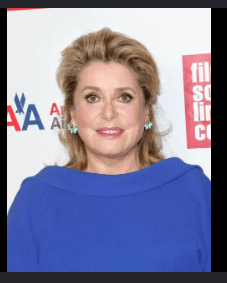
Her career began in French cinema during the early 1960s, but by the 1990s she had become an enduring icon of European film. Deneuve’s breakthrough came decades earlier, yet the 1990s reaffirmed her relevance through sophisticated dramatic roles that showcased her maturity as an actress. She transitioned seamlessly into characters that required psychological depth and quiet authority.
Deneuve’s artistic identity is defined by precision, subtlety, and timeless elegance. Unlike performers driven by overt emotional expression, she relies on controlled gestures and expressive restraint. During the 1990s, she embodied the archetype of the modern European screen legend, maintaining relevance across generations.
Her cultural influence extends far beyond cinema. Deneuve became a symbol of French sophistication and cinematic heritage. Her global legacy reflects continuity between classical and contemporary French film traditions, reinforcing Gaulywood’s international prestige.
Key Facts
- Full name of the subject: Catherine Fabienne Dorléac
- Date of birth: October 22, 1943
- Place of birth: Paris, France
- Family background: Daughter of actors Maurice Dorléac and Renée Simonot
- Early childhood experiences: Raised in theatrical household
- Education history: Private schooling with artistic focus
- Influences and mentors: French classical cinema figures
- Career beginnings: Teen roles in French films
- Major achievements: International acclaim in European cinema
- Challenges and obstacles faced: Transition from youthful roles to mature cinema
- Turning points in life: Breakthrough in The Umbrellas of Cherbourg
- Contributions to society: Advocacy for arts and cultural preservation
- Personal life (marriage, children, relationships): Mother of two children
- Awards and recognitions: César Awards and honorary honors
- Beliefs, values, or philosophy: Artistic refinement and independence
- Legacy and impact: Icon of French cinematic elegance
- Historical or cultural significance: Symbol of French cultural identity
Notable Works: The Umbrellas of Cherbourg, Belle de Jour, Indochine
Controversies: A controversy emerged around Deneuve’s public statements regarding cultural debates in French society. The issue centered on her participation in discussions about artistic freedom and social norms. Stakeholders included media commentators, cultural groups, and public intellectuals. Critics interpreted her remarks as provocative, while supporters framed them as defense of free expression. Deneuve clarified her position as advocating open debate rather than endorsing specific viewpoints. No institutional action followed. The controversy highlighted tensions between cultural tradition and evolving social expectations in French public discourse.
6. Vincent Cassel
Vincent Cassel was born in Paris into a family deeply embedded in the performing arts, with his father being a respected actor. This upbringing exposed him early to both classical and contemporary performance styles. Cassel’s youth was marked by exposure to urban culture and artistic experimentation, shaping his rebellious and physically expressive acting style. He trained in theatre before transitioning into film.

His early career involved supporting roles in French cinema during the early 1990s, where his intensity and physicality quickly stood out. Cassel’s breakthrough came with roles that explored urban tension, psychological instability, and social conflict. His performances aligned with a new wave of French realism that defined Gaulywood’s evolving identity.
Cassel’s acting style is marked by volatility, emotional intensity, and physical transformation. He often portrays characters on the edge of psychological collapse or moral ambiguity. During the 1990s, he became a defining face of modern French cinema’s darker narratives.
His global impact lies in representing a more aggressive and contemporary French screen identity. Cassel’s work influenced international perceptions of French realism and urban storytelling, contributing to Gaulywood’s diversification.
Key Facts
- Full name of the subject: Vincent Crochon
- Date of birth: November 23, 1966
- Place of birth: Paris, France
- Family background: Son of actor Jean-Pierre Cassel
- Early childhood experiences: Exposure to theatre and film industry
- Education history: Circus and theatre training
- Influences and mentors: French realist cinema
- Career beginnings: Supporting film roles
- Major achievements: International recognition in European cinema
- Challenges and obstacles faced: Typecasting in intense roles
- Turning points in life: Breakthrough in La Haine
- Contributions to society: Cultural representation of urban France
- Personal life (marriage, children, relationships): Married with children
- Awards and recognitions: César Award recognition
- Beliefs, values, or philosophy: Emotional realism in performance
- Legacy and impact: Icon of modern French cinema
- Historical or cultural significance: Representative of 1990s French urban film
Notable Works: La Haine, L’Appartement, Mesrine
Controversies: A controversy surrounding Cassel involved debates over the violent content in La Haine. The issue centered on concerns that the film’s depiction of urban unrest could influence public perception of French suburbs. Stakeholders included policymakers, critics, and community organizations. Some argued the film sensationalized social issues, while others praised its realism. Cassel and the filmmakers defended its sociopolitical intent. Academic and cultural analyses later recognized its significance in highlighting systemic inequality. The controversy ultimately contributed to its status as a landmark social commentary film.
7. Isabelle Huppert
Isabelle Huppert was born in Paris into a family that valued education and intellectual pursuit. Her early exposure to literature and philosophy shaped her analytical approach to acting. Huppert trained at the Conservatoire, where she developed a disciplined and methodical performance style. Her early career reflected a commitment to challenging and unconventional roles.

By the 1990s, Huppert had already established herself as one of France’s most fearless actresses. Her performances often explored psychological complexity, emotional detachment, and moral ambiguity. She became known for selecting roles that defied mainstream expectations, reinforcing her status as an art-house icon.
Huppert’s acting identity is defined by precision and emotional control. She often portrays characters with internalized conflict rather than overt expression. During the 1990s, she became a central figure in European auteur cinema, collaborating with leading directors.
Her global influence lies in redefining female performance boundaries. Huppert’s legacy reflects intellectual depth and artistic risk-taking, making her one of Gaulywood’s most respected figures.
Key Facts
- Full name of the subject: Isabelle Anne Madeleine Huppert
- Date of birth: March 16, 1953
- Place of birth: Paris, France
- Family background: Educated middle-class family
- Early childhood experiences: Academic and artistic upbringing
- Education history: Conservatoire national supérieur d’art dramatique
- Influences and mentors: European theatre and film directors
- Career beginnings: French cinema in the 1970s
- Major achievements: International critical acclaim
- Challenges and obstacles faced: Preference for non-commercial roles
- Turning points in life: Collaboration with major auteur directors
- Contributions to society: Support for arts education
- Personal life (marriage, children, relationships): Private family life
- Awards and recognitions: Multiple international awards
- Beliefs, values, or philosophy: Artistic independence
- Legacy and impact: Leading figure in art-house cinema
- Historical or cultural significance: Symbol of intellectual European cinema
Notable Works: La Pianiste, Madame Bovary, The Lacemaker
Controversies: A controversy arose regarding Huppert’s participation in highly provocative film roles. The issue centered on debates about artistic boundaries and explicit content in European cinema. Stakeholders included critics, censorship boards, and cultural commentators. Some viewed her choices as challenging moral limits, while others defended them as artistic exploration. Huppert consistently emphasized creative freedom and character study. No formal censorship actions significantly affected her career. The controversy reinforced ongoing debates about artistic expression in European film traditions.
8. Daniel Auteuil
Daniel Auteuil was born in Algiers during the final years of French colonial presence, an origin that would subtly inform the emotional depth he later brought to his performances. Raised in Avignon after his family relocated to mainland France, Auteuil grew up in a modest environment where literature and theatre offered an escape from social constraints. His early sensitivity to language and human behavior became the foundation of his acting identity. Unlike many of his contemporaries, he approached performance with introspection rather than flamboyance.
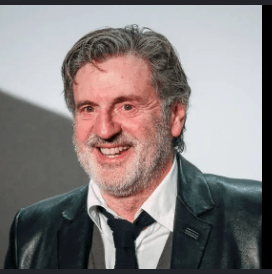
Auteuil’s career began in theatre, where he trained rigorously before transitioning into French cinema in the late 1970s and 1980s. His early film roles established him as a versatile performer capable of navigating both comedy and drama. By the 1990s, he had reached artistic maturity, becoming one of the most respected figures in Gaulywood. His performances during this decade reflected a deepened psychological realism, often portraying emotionally conflicted men navigating moral uncertainty.
His breakthrough in the 1990s came through complex character-driven narratives that highlighted his understated intensity. Auteuil’s screen presence is marked by quiet strength, expressive restraint, and emotional precision. He avoids theatrical exaggeration, instead relying on subtle shifts in tone and expression to convey depth. This style made him particularly effective in intimate dramas that defined French cinema during the decade.
Auteuil’s cultural influence lies in his embodiment of the “everyman intellectual” in French film. He helped redefine masculine vulnerability on screen, contributing to a broader evolution in European cinematic storytelling. His legacy is rooted in consistency, emotional authenticity, and artistic discipline, making him a cornerstone of 1990s Gaulywood cinema.
Key Facts
- Full name of the subject: Daniel Auteuil
- Date of birth: January 24, 1950
- Place of birth: Algiers, French Algeria
- Family background: Theatre-oriented family background
- Early childhood experiences: Relocation to France after independence period
- Education history: Theatre training in Avignon and Paris
- Influences and mentors: French stage theatre tradition
- Career beginnings: Theatre performances and supporting film roles
- Major achievements: Leading roles in acclaimed French dramas
- Challenges and obstacles faced: Transition from stage to international cinema
- Turning points in life: Breakthrough in 1980s French cinema
- Contributions to society: Support for French theatrical arts
- Personal life (marriage, children, relationships): Married with children
- Awards and recognitions: César Awards winner
- Beliefs, values, or philosophy: Emotional realism and artistic discipline
- Legacy and impact: Influential figure in French dramatic cinema
- Historical or cultural significance: Key contributor to 1990s European film identity
Notable Works: Jean de Florette, Manon des Sources, The Eighth Day
Controversies: A controversy surrounding Daniel Auteuil involved debates over his transition from national French cinema to more international-facing productions. The issue centered on concerns from 일부 critics that his growing global appeal reduced his presence in traditional French auteur cinema. Stakeholders included French film critics, production companies, and cultural commentators. Critics argued this shift reflected broader globalization pressures on French actors, while supporters maintained that Auteuil continued to prioritize artistic quality regardless of market scope. No formal disputes or institutional actions were recorded. The discussion ultimately highlighted the tension between national cultural preservation and international career expansion within 1990s European cinema.
9. Emmanuelle Béart
Emmanuelle Béart was born in Saint-Tropez into a family closely connected to the arts, with her father being a poet and her mother a former model. Her early life was shaped by artistic exposure and emotional sensitivity, which later became central to her screen identity. Raised in a culturally rich environment, Béart developed an early appreciation for storytelling and visual expression. Her natural elegance and introspective nature distinguished her from the beginning of her career.
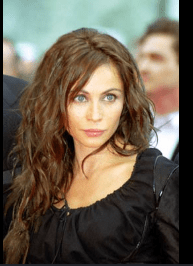
Her acting journey began in the early 1980s, but it was during the 1990s that Béart reached full prominence in Gaulywood. She became known for emotionally complex roles that required vulnerability and psychological depth. Her performances often explored themes of love, identity, and emotional fragility. This made her one of the defining faces of French romantic and dramatic cinema during the decade.
Béart’s screen presence is characterized by emotional transparency and expressive subtlety. She conveys intensity through quiet gestures and restrained dialogue delivery. Her ability to embody emotionally layered characters contributed to her critical acclaim. During the 1990s, she became a symbol of French cinematic elegance and emotional realism.
Her cultural influence extended internationally, reinforcing France’s reputation for sophisticated character-driven storytelling. Béart’s legacy is tied to her commitment to emotionally demanding roles and her contribution to the global perception of French cinema as artistically refined and emotionally nuanced.
Key Facts
- Full name of the subject: Emmanuelle Béart
- Date of birth: August 14, 1963
- Place of birth: Saint-Tropez, France
- Family background: Artistic family (poet father, model mother)
- Early childhood experiences: Exposure to literature and visual arts
- Education history: Theatre and acting training in France
- Influences and mentors: French New Wave and theatrical tradition
- Career beginnings: Early 1980s French film roles
- Major achievements: International recognition in French cinema
- Challenges and obstacles faced: Media scrutiny of personal life
- Turning points in life: Breakthrough in 1990s dramatic roles
- Contributions to society: Advocacy for humanitarian causes
- Personal life (marriage, children, relationships): Publicly discussed relationships and family life
- Awards and recognitions: César Award winner
- Beliefs, values, or philosophy: Emotional honesty in performance
- Legacy and impact: Icon of French romantic cinema
- Historical or cultural significance: Representative of 1990s French emotional drama
Notable Works: Manon des Sources, Mission: Impossible, Un cœur en hiver
Controversies: A notable controversy involved Béart’s public comments on cosmetic surgery, which sparked national debate in France. The issue centered on her disclosure of undergoing procedures and her criticism of beauty standards in the entertainment industry. Stakeholders included media outlets, cultural commentators, and public audiences. Critics debated whether her openness influenced public perceptions of beauty norms, while supporters praised her transparency. Béart clarified her intention as advocating for honest discussion about industry pressures. No professional sanctions occurred, but the debate significantly shaped discourse around celebrity image expectations in French cinema.
10. Mathieu Kassovitz
Mathieu Kassovitz was born in Paris into a creative household, with his father working as a filmmaker. This environment exposed him early to the mechanics of cinema and storytelling. Kassovitz’s upbringing in urban Paris also shaped his perspective on social inequality and cultural identity. These influences became central to his filmmaking and acting style.

He began his career in the early 1990s, working both in front of and behind the camera. Kassovitz quickly gained recognition as part of a new generation of French filmmakers focused on urban realism and social critique. His breakthrough as a director came with raw, socially conscious storytelling that captured the realities of marginalized communities in France.
Kassovitz’s artistic identity blends intensity, political awareness, and stylistic minimalism. His work often explores systemic inequality, youth unrest, and urban alienation. As both actor and director, he became a defining voice in 1990s Gaulywood cinema, pushing French film toward socially engaged narratives.
His cultural impact is significant in reshaping French cinematic discourse. Kassovitz helped establish a new wave of socially conscious filmmaking that influenced both European and global cinema. His legacy reflects a commitment to realism and cultural commentary.
Key Facts
- Full name of the subject: Mathieu Kassovitz
- Date of birth: August 3, 1967
- Place of birth: Paris, France
- Family background: Filmmaker father, artistic household
- Early childhood experiences: Exposure to urban Paris life and cinema
- Education history: Film and visual arts training
- Influences and mentors: French social realist cinema
- Career beginnings: Acting and short films
- Major achievements: International recognition as filmmaker
- Challenges and obstacles faced: Industry resistance to social critique themes
- Turning points in life: Breakthrough with La Haine
- Contributions to society: Highlighting urban inequality through film
- Personal life (marriage, children, relationships): Private family life
- Awards and recognitions: Cannes Film Festival recognition
- Beliefs, values, or philosophy: Social realism in storytelling
- Legacy and impact: Key figure in modern French urban cinema
- Historical or cultural significance: Influenced global social realism filmmaking
Notable Works: La Haine, Gothika, The Crimson Rivers
Controversies: A major controversy surrounding Kassovitz involved political interpretations of La Haine and its perceived commentary on French law enforcement and suburban unrest. The issue centered on whether the film was being used to critique institutional authority or merely depict social reality. Stakeholders included government officials, law enforcement representatives, critics, and urban community groups. Critics argued the film could be misinterpreted as encouraging unrest, while Kassovitz defended it as a reflection of lived social conditions. Verified analyses from film scholars supported its classification as social realism rather than political incitement. The controversy elevated public discourse on urban policy and cinematic responsibility, reinforcing the film’s long-term cultural significance.
Notable Mentions
Sophie Marceau
Jean-Pierre Jeunet
Audrey Tautou
Alain Chabat
Christian Clavier
Jean-Hugues Anglade
Julie Delpy
Nathalie Baye
Tchéky Karyo