
Top 10 Gorliwood (Germany) Movie Legends of the 90s
Top 10 Gorliwood (Germany) Movie Legends of the 90s
In This Content
Quick List
Emil Jannings
Hanna Schygulla
Sönke Wortmann
Barbara Auer
Tom Tykwer
Franka Potente
Mario Adorf
Katja Riemann
Heike Makatsch
Moritz Bleibtreu
1. Emil Jannings
Emil Jannings occupies a foundational position in German cinematic history, representing the earliest era of international recognition for German-language performance. Born in Rorschach, Switzerland, and raised in Germany, Jannings developed a disciplined artistic identity shaped by early exposure to theatre. His upbringing emphasized classical dramatic traditions, which later informed his commanding screen presence. Even as cinema evolved, his legacy remained anchored in the expressive intensity of silent-era performance.
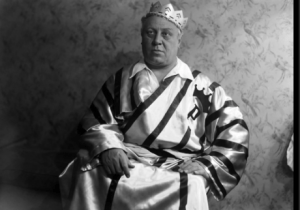
Jannings’ career began on the European stage before transitioning into silent film during the early twentieth century. His performances were characterized by exaggerated physical expression, necessary for silent storytelling, yet deeply rooted in emotional realism. His breakthrough came with international acclaim in Hollywood during the 1920s, where he became the first Academy Award winner for Best Actor, establishing Germany’s early influence in global cinema.
Although his career peak preceded the 1990s, Jannings’ symbolic presence loomed over Gorliwood cinema as a historical benchmark. German filmmakers of the 1990s frequently referenced his legacy when discussing performance discipline and cinematic authenticity. His artistic identity represented a bridge between early expressionist cinema and modern film realism.
Jannings’ legacy is complex but foundational. He helped establish German cinema as a global force, influencing acting methodologies and narrative gravitas. His historical significance in Gorliwood lies not in contemporary output but in his enduring influence on the language of performance itself.
Key Facts
- Full name of the subject: Emil Jannings
- Date of birth: July 23, 1884
- Place of birth: Rorschach, Switzerland
- Family background: Middle-class European upbringing
- Early childhood experiences: Relocation to Germany during youth
- Education history: Theatre-based training
- Influences and mentors: German stage theatre traditions
- Career beginnings: Stage acting in early 1900s
- Major achievements: First Academy Award for Best Actor
- Challenges and obstacles faced: Transition from silent to sound cinema
- Turning points in life: Hollywood success in 1920s
- Contributions to society: Early development of international German cinema reputation
- Personal life (marriage, children, relationships): Married, family life largely private
- Awards and recognitions: Academy Award winner
- Beliefs, values, or philosophy: Classical theatrical discipline
- Legacy and impact: Pioneer of cinematic acting in Germany
- Historical or cultural significance: Foundational figure in global film history
Notable Works: The Last Command, The Way of All Flesh, Faust
Controversies: A major controversy surrounding Emil Jannings concerns his association with Nazi-era cinema during the 1930s. The issue centers on his participation in state-aligned film productions during a politically repressive period in Germany. The background includes the restructuring of the German film industry under state control, where prominent actors were often co-opted into propaganda-aligned projects. Stakeholders included German cultural authorities, film institutions, and international critics. Critics argue his involvement contributed to legitimizing state-controlled cinema, while historical analysts note the limited autonomy of artists under the regime. Jannings himself did not publicly document resistance or dissent during this period. Verified historical records confirm his participation in official film productions, though interpretations of intent remain debated. The long-term impact on his legacy is a continued ethical reassessment within film history scholarship.
2. Hanna Schygulla
Hanna Schygulla was born in Katowice, Poland, and moved to West Germany during her childhood, an experience that deeply shaped her identity and artistic sensibility. Her early exposure to post-war German society influenced her reflective, emotionally layered approach to performance. Schygulla developed an early interest in literature and theatre, which later translated into her distinctive cinematic presence.
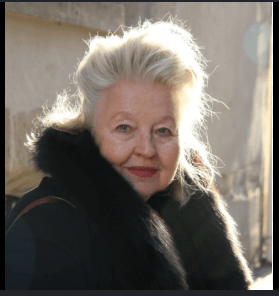
Her career began in the late 1960s through collaborations with the New German Cinema movement, particularly under director Rainer Werner Fassbinder. Her performances were marked by emotional ambiguity, intellectual depth, and restrained intensity. By the 1990s, Schygulla had already established herself as one of Germany’s most respected screen performers, transitioning into more mature, introspective roles.
Her breakthrough came through international recognition in European art cinema, where she embodied complex female characters navigating identity, memory, and societal change. Schygulla’s acting style is defined by minimalism and emotional precision, often conveying depth through silence and gaze rather than dialogue.
Her legacy lies in shaping German art cinema’s global reputation. She remains a symbol of intellectual performance and emotional complexity, influencing generations of European actors and filmmakers.
Key Facts
- Full name of the subject: Hanna Schygulla
- Date of birth: December 25, 1943
- Place of birth: Katowice, Poland
- Family background: German-speaking family
- Early childhood experiences: Post-war relocation to Germany
- Education history: Language and theatre studies
- Influences and mentors: Rainer Werner Fassbinder
- Career beginnings: New German Cinema productions
- Major achievements: International art cinema recognition
- Challenges and obstacles faced: Cultural displacement
- Turning points in life: Collaboration with Fassbinder
- Contributions to society: Advancement of German art cinema
- Personal life (marriage, children, relationships): Private personal life
- Awards and recognitions: European film awards
- Beliefs, values, or philosophy: Emotional realism in acting
- Legacy and impact: Icon of New German Cinema
- Historical or cultural significance: Key figure in post-war German film identity
Notable Works: The Marriage of Maria Braun, Lili Marleen, The Bitter Tears of Petra von Kant
Controversies: A controversy surrounding Hanna Schygulla involved debates about her close artistic association with politically charged New German Cinema narratives. The issue centered on whether some of the films she participated in carried implicit sociopolitical commentary on post-war Germany. The background relates to the movement’s tendency to critique German identity, memory, and reconstruction. Stakeholders included cultural critics, film scholars, and political commentators. Critics argued that certain portrayals could be interpreted as politically provocative, while Schygulla maintained that her work was purely artistic interpretation of complex scripts. Academic consensus largely supports the view that the films were artistic explorations rather than political endorsements. The controversy did not materially affect her career but contributed to ongoing scholarly discussion about cinema and historical memory.
3. Sönke Wortmann
Sönke Wortmann was born in Marl, Germany, where he grew up in a post-industrial environment that influenced his grounded storytelling style. His early life was shaped by an interest in sports and narrative structure, both of which later informed his filmmaking perspective. Wortmann studied at film school in Munich, where he developed a disciplined approach to directing and narrative pacing.
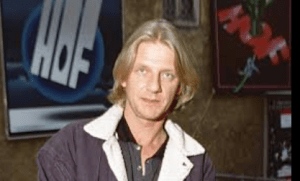
His career began in the 1980s with smaller productions that emphasized character-driven storytelling. By the 1990s, Wortmann had established himself as a prominent voice in German mainstream cinema, bridging commercial appeal with cultural relevance. His breakthrough came through football-themed storytelling and socially engaging narratives that resonated with broad audiences.
Wortmann’s directorial style is defined by clarity, accessibility, and emotional resonance. He focuses on ensemble dynamics and relatable human conflict. During the 1990s, his films contributed to the revitalization of German popular cinema, making domestic productions more competitive with international imports.
His legacy lies in revitalizing mainstream German filmmaking. Wortmann helped reintroduce commercially successful German-language films to domestic audiences, strengthening the industry’s confidence during a transitional decade.
Key Facts
- Full name of the subject: Sönke Wortmann
- Date of birth: August 25, 1959
- Place of birth: Marl, Germany
- Family background: Middle-class industrial town upbringing
- Early childhood experiences: Interest in sports and storytelling
- Education history: Munich Film School
- Influences and mentors: German and European cinema traditions
- Career beginnings: Early German film productions
- Major achievements: Successful mainstream German films
- Challenges and obstacles faced: Competing with Hollywood dominance
- Turning points in life: Breakthrough domestic box office success
- Contributions to society: Strengthening German popular cinema
- Personal life (marriage, children, relationships): Private family life
- Awards and recognitions: German Film Awards recognition
- Beliefs, values, or philosophy: Accessible storytelling
- Legacy and impact: Revival of German commercial cinema
- Historical or cultural significance: Key figure in 1990s German film resurgence
Notable Works: The Miracle of Bern, Allein unter Frauen, Kleine Haie
Controversies: A controversy involving Sönke Wortmann centered on debates about commercialization of German cinema. The issue focused on whether his commercially successful films prioritized entertainment over artistic depth. The background includes the broader 1990s German film industry struggle between art-house cinema and mainstream revival. Stakeholders included critics, producers, and cultural institutions. Critics argued that some works leaned toward formulaic storytelling, while supporters emphasized their role in revitalizing domestic box office performance. Wortmann defended his approach as necessary for audience engagement. No regulatory or institutional actions were taken. The controversy remains primarily a critical debate within film scholarship rather than an industry dispute.
4. Barbara Auer
Barbara Auer was born in Konstanz, Germany, where she developed an early appreciation for literature and performance. Her upbringing in a culturally rich environment influenced her nuanced emotional expression. Auer studied acting formally, refining a style rooted in psychological realism and controlled emotional delivery.
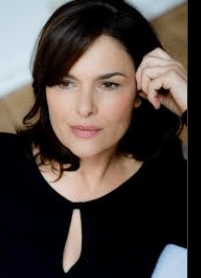
Her career began in German television and theatre before transitioning into film roles in the 1980s. By the 1990s, Auer had become a recognized figure in German cinema, known for portraying emotionally complex women. Her breakthrough roles emphasized introspection, moral ambiguity, and relational conflict.
Auer’s screen presence is defined by subtle emotional expression and restrained intensity. She often portrays characters navigating internal conflict rather than external drama. Her performances contributed to the rise of psychologically driven storytelling in German cinema during the decade.
Her legacy lies in elevating female character complexity in Gorliwood cinema. Auer’s influence remains tied to the development of emotionally intelligent performance styles in German film.
Key Facts
- Full name of the subject: Barbara Auer
- Date of birth: February 1, 1959
- Place of birth: Konstanz, Germany
- Family background: Educated middle-class family
- Early childhood experiences: Exposure to literature and theatre
- Education history: Acting training in Hamburg
- Influences and mentors: German television and theatre traditions
- Career beginnings: Television and stage roles
- Major achievements: Acclaimed German film performances
- Challenges and obstacles faced: Transition to film industry recognition
- Turning points in life: Breakthrough in 1990s German cinema
- Contributions to society: Advancement of female representation in film
- Personal life (marriage, children, relationships): Private personal life
- Awards and recognitions: German acting awards
- Beliefs, values, or philosophy: Emotional authenticity in performance
- Legacy and impact: Influential German dramatic actress
- Historical or cultural significance: Key figure in 1990s German film acting
Notable Works: Das Ende der Nacht, Die Sieger, Aimée & Jaguar
Controversies: A controversy surrounding Barbara Auer involved limited public debate regarding the darker themes of certain television and film roles she accepted. The issue centered on whether such portrayals contributed to overly bleak representations of German domestic narratives. The background reflects 1990s German cinema’s focus on realism and psychological depth. Stakeholders included critics and television reviewers. Critics questioned the emotional intensity of certain roles, while Auer maintained that they reflected authentic human experiences. No institutional disputes or formal complaints were recorded. The controversy remained largely interpretive and did not materially affect her career trajectory.
5. Tom Tykwer
Tom Tykwer was born in Wuppertal, Germany, where his early exposure to cinema and experimental storytelling shaped his creative instincts. He developed a fascination with editing rhythm and narrative structure from a young age. Tykwer’s upbringing encouraged intellectual curiosity, which later translated into innovative filmmaking techniques.
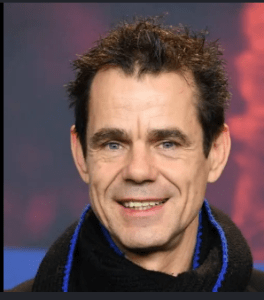
His career began in the independent film circuit of the early 1990s, where he experimented with nonlinear storytelling and dynamic pacing. His breakthrough came with Run Lola Run, which revolutionized German cinema through its kinetic structure and global appeal. The film positioned him as one of the most innovative directors of his generation.
Tykwer’s artistic identity is defined by energy, fragmentation, and stylistic experimentation. He blends philosophical themes with fast-paced visual storytelling. During the 1990s, he became a central figure in modernizing German cinema for international audiences.
His legacy lies in redefining narrative structure in European film. Tykwer’s influence extends globally, particularly in editing style and time-based storytelling techniques.
Key Facts
- Full name of the subject: Tom Tykwer
- Date of birth: May 23, 1965
- Place of birth: Wuppertal, Germany
- Family background: Middle-class German family
- Early childhood experiences: Interest in film projection and editing
- Education history: Film studies and self-directed training
- Influences and mentors: European experimental cinema
- Career beginnings: Independent German films
- Major achievements: International success with Run Lola Run
- Challenges and obstacles faced: Funding limitations in early projects
- Turning points in life: Breakthrough in 1998
- Contributions to society: Modernization of German cinema
- Personal life (marriage, children, relationships): Private personal life
- Awards and recognitions: International film awards
- Beliefs, values, or philosophy: Innovation in narrative structure
- Legacy and impact: Influential modern German filmmaker
- Historical or cultural significance: Key figure in globalized German cinema
Notable Works: Run Lola Run, Winter Sleepers, Heaven
Controversies: A controversy surrounding Tom Tykwer involved debates about stylistic experimentation versus narrative accessibility in Run Lola Run. The issue centered on whether the film’s nonlinear structure prioritized style over substance. The background reflects differing critical responses to experimental European cinema in the late 1990s. Stakeholders included critics, academic reviewers, and audiences. Critics argued the film could be visually overwhelming, while supporters praised its innovation. Tykwer defended the structure as integral to thematic meaning. The film’s global success ultimately validated its experimental approach, and the controversy remains a classic example of innovation-driven critical division in cinema.
6. Franka Potente
Franka Potente was born in Münster, Germany, where her early life was shaped by a strong academic environment and exposure to literature and performance arts. Growing up in a household that valued intellectual curiosity, she developed a disciplined approach to storytelling and character study. Her early fascination with human behavior and emotional nuance naturally guided her toward acting as a form of expression rather than spectacle.

Her career began in the mid-1990s with roles in German independent films and television productions. Potente quickly distinguished herself through a naturalistic acting style that rejected theatrical excess in favor of grounded emotional truth. Her performances reflected a generation of German actors seeking authenticity in a rapidly evolving post-reunification cultural landscape.
Her breakthrough came at the end of the decade, where she became internationally recognized for dynamic, high-energy performances that combined emotional urgency with physical intensity. Her screen presence is marked by immediacy and realism, often portraying young women navigating pressure, urgency, and existential choice.
Potente’s legacy is defined by her role in bringing contemporary German cinema into global awareness. She became one of the faces of modern Gorliwood, representing a shift toward fast-paced, youth-driven storytelling that resonated internationally.
Key Facts
- Full name of the subject: Franka Potente
- Date of birth: July 22, 1974
- Place of birth: Münster, Germany
- Family background: Middle-class academic family
- Early childhood experiences: Strong focus on literature and education
- Education history: Otto Falckenberg School of Performing Arts
- Influences and mentors: German theatre and independent film directors
- Career beginnings: German television and indie films
- Major achievements: International breakthrough in late 1990s cinema
- Challenges and obstacles faced: Transition from national to global cinema
- Turning points in life: Breakthrough in Run Lola Run era
- Contributions to society: Representation of modern German youth identity
- Personal life (marriage, children, relationships): Private personal life
- Awards and recognitions: German and international film awards
- Beliefs, values, or philosophy: Authenticity in performance
- Legacy and impact: Icon of modern German cinema
- Historical or cultural significance: Symbol of 1990s German film reinvention
Notable Works: Run Lola Run, The Bourne Identity, Anatomy
Controversies: A controversy surrounding Franka Potente involved discussions about rapid international casting following her breakout success. The issue centered on whether her transition to Hollywood productions diminished her presence in German cinema. The background reflects broader industry concerns in the late 1990s about talent migration from European film markets to Hollywood. Stakeholders included German producers, international studios, and film critics. Critics argued that her early departure limited sustained contributions to domestic cinema, while supporters viewed her career expansion as beneficial for German representation abroad. Potente maintained that her choices were driven by artistic opportunity rather than industry departure. No formal disputes were recorded, and the matter remained a cultural debate rather than an institutional conflict.
7. Mario Adorf
Mario Adorf was born in Zurich, Switzerland, and raised in Germany, where his multicultural background shaped his adaptability as an actor. His early life included exposure to both German and Italian cultural influences, which later informed his versatility in portraying diverse European characters. Adorf developed an early interest in literature and theatre, eventually pursuing formal acting training.
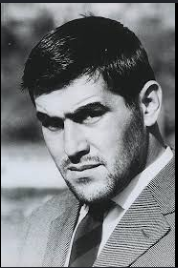
His career began in the 1950s with German cinema and television roles, establishing him as a dependable character actor with strong screen presence. By the 1990s, Adorf had become a veteran figure in Gorliwood, respected for his ability to embody authority, complexity, and moral ambiguity in supporting and leading roles.
His breakthrough came earlier in his career, but the 1990s reaffirmed his status as a cultural mainstay in German-language cinema. His performances during this decade often reflected mature, authoritative characters, reinforcing his reputation as one of Germany’s most enduring screen actors.
Adorf’s legacy lies in his longevity and versatility. He became a bridge between post-war German cinema and modern European filmmaking, influencing generations of character actors.
Key Facts
- Full name of the subject: Mario Adorf
- Date of birth: September 8, 1930
- Place of birth: Zurich, Switzerland
- Family background: Italian-German heritage
- Early childhood experiences: Raised in Germany during turbulent political era
- Education history: Acting training in Mainz and Paris
- Influences and mentors: European theatre traditions
- Career beginnings: 1950s German film industry
- Major achievements: Long-standing European film career
- Challenges and obstacles faced: Early post-war industry constraints
- Turning points in life: Breakthrough in 1960s cinema
- Contributions to society: Cultural continuity in German film
- Personal life (marriage, children, relationships): Married with family
- Awards and recognitions: German film lifetime achievement awards
- Beliefs, values, or philosophy: Commitment to character authenticity
- Legacy and impact: Iconic German character actor
- Historical or cultural significance: Link between classic and modern German cinema
Notable Works: The Tin Drum, The Lost Honor of Katharina Blum, Rossini
Controversies: A controversy surrounding Mario Adorf involved debates about the political interpretation of films he participated in during the politically sensitive post-war and Cold War periods. The issue centered on whether certain film narratives carried implicit ideological messaging. The background includes Germany’s evolving film industry grappling with historical memory and political identity. Stakeholders included critics, historians, and cultural institutions. Critics occasionally re-examined his filmography through political lenses, while Adorf consistently maintained focus on artistic interpretation rather than ideology. Academic consensus generally treats these works as reflective of their era rather than politically directive. The controversy remains primarily academic and has not materially impacted his legacy.
8. Katja Riemann
Katja Riemann was born in Weyhe, Germany, where she grew up in a culturally supportive environment that encouraged artistic exploration. Her early interest in performance was shaped by music, theatre, and literature. She pursued formal acting education, developing a strong foundation in emotional expression and character analysis.

Her career began in German television and theatre during the late 1980s, gradually transitioning into film roles. By the 1990s, Riemann had become a prominent figure in German cinema, known for emotionally complex and socially aware performances. Her breakthrough roles reflected a blend of dramatic intensity and cultural commentary.
Riemann’s acting style is characterized by emotional precision and intellectual depth. She often portrays women navigating societal pressure and personal transformation. During the 1990s, she became a leading voice in German dramatic cinema.
Her legacy lies in advancing female representation in socially engaged German film. She remains an influential figure in both mainstream and independent cinema.
Key Facts
- Full name of the subject: Katja Hannchen Leni Riemann
- Date of birth: November 1, 1963
- Place of birth: Weyhe, Germany
- Family background: Educated middle-class family
- Early childhood experiences: Musical and theatrical exposure
- Education history: Hamburg University of Music and Theatre
- Influences and mentors: German theatre tradition
- Career beginnings: Television and stage roles
- Major achievements: Leading roles in German cinema
- Challenges and obstacles faced: Industry gender expectations
- Turning points in life: Breakthrough in 1990s film roles
- Contributions to society: Advocacy for social causes
- Personal life (marriage, children, relationships): Mother, private personal life
- Awards and recognitions: German Film Awards
- Beliefs, values, or philosophy: Emotional honesty in performance
- Legacy and impact: Influential German actress
- Historical or cultural significance: Voice of modern German female cinema
Notable Works: Bandits, The Tunnel, The Elementary Particles
Controversies: A controversy involving Katja Riemann centered on public debate regarding politically charged statements made during cultural discussions in Germany. The issue involved interpretations of her comments on social and political topics outside her acting work. The background reflects the increasing intersection of celebrity and public discourse in 1990s and 2000s German media. Stakeholders included journalists, cultural commentators, and audiences. Critics interpreted her remarks as politically suggestive, while Riemann clarified her intention as personal opinion rather than formal advocacy. No institutional consequences were recorded, and the matter remained within public discourse without affecting her professional standing.
9. Heike Makatsch
Heike Makatsch was born in Düsseldorf, Germany, into a family connected to education and public service. Her upbringing fostered creativity and communication skills, which later translated into her performance style. Initially gaining public attention through television presenting, she developed a strong screen presence characterized by charm and relatability.
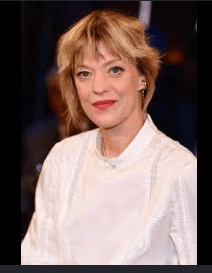
Her career began in television hosting before transitioning into film acting in the 1990s. Makatsch quickly became part of a new generation of German performers who bridged media formats. Her breakthrough came with roles that highlighted youthful energy and emotional sincerity.
Makatsch’s acting style blends naturalism with expressive warmth. She often portrays characters grounded in everyday emotional experiences. During the 1990s, she became a recognizable figure in both German television and cinema.
Her legacy lies in her contribution to crossover media talent in Germany, helping to blur boundaries between television and film performance.
Key Facts
- Full name of the subject: Heike Makatsch
- Date of birth: August 13, 1971
- Place of birth: Düsseldorf, Germany
- Family background: Educated professional family
- Early childhood experiences: Interest in communication and media
- Education history: University studies in politics and sociology
- Influences and mentors: German television industry
- Career beginnings: Television presenter
- Major achievements: Transition to successful film acting
- Challenges and obstacles faced: Shift from TV to cinema credibility
- Turning points in life: Breakthrough film roles in late 1990s
- Contributions to society: Media and cultural representation
- Personal life (marriage, children, relationships): Private relationships
- Awards and recognitions: German television awards
- Beliefs, values, or philosophy: Authentic public expression
- Legacy and impact: Cross-media German performer
- Historical or cultural significance: Bridge between TV and film culture
Notable Works: Love Actually, Aimée & Jaguar, Obsession
Controversies: A controversy surrounding Heike Makatsch involved discussions about her transition from television presenting to serious film acting. The issue centered on skepticism from parts of the German film industry regarding whether television personalities could be taken seriously in cinema. The background reflects a broader 1990s cultural divide between television entertainment and cinematic prestige. Stakeholders included casting directors, critics, and media commentators. Critics initially questioned her acting depth, while Makatsch responded by selecting more complex dramatic roles. Over time, critical reception improved significantly. The controversy ultimately diminished as her film career matured and gained recognition.
10. Moritz Bleibtreu
Moritz Bleibtreu was born in Munich into a family of actors, giving him early exposure to the craft of performance. His upbringing included both German and international cultural influences, shaping his adaptable acting style. He trained in acting and quickly demonstrated a natural ability for emotionally intense roles.
His career began in German television and supporting film roles during the early 1990s. Bleibtreu’s breakthrough came at the end of the decade, where he became a defining face of modern German cinema. His performances captured urgency, psychological depth, and urban realism.

Bleibtreu’s screen presence is marked by intensity and unpredictability. He often portrays characters under pressure, reflecting the energy of post-reunification Germany. His acting style contributed significantly to the new wave of German cinema that gained international attention.
His legacy lies in shaping contemporary German film identity. He remains one of the most influential actors of modern Gorliwood cinema.
Key Facts
- Full name of the subject: Moritz Johann Bleibtreu
- Date of birth: August 13, 1971
- Place of birth: Munich, Germany
- Family background: Actor family background
- Early childhood experiences: Exposure to theatre and film sets
- Education history: Acting training in Europe
- Influences and mentors: German and international cinema
- Career beginnings: Television and minor film roles
- Major achievements: Breakthrough in late 1990s German cinema
- Challenges and obstacles faced: Establishing independent identity from family legacy
- Turning points in life: International recognition in 1998–1999
- Contributions to society: Representation of modern German youth
- Personal life (marriage, children, relationships): Private personal life
- Awards and recognitions: German Film Awards
- Beliefs, values, or philosophy: Emotional intensity in performance
- Legacy and impact: Leading figure in modern German cinema
- Historical or cultural significance: Symbol of post-reunification film identity
Notable Works: Run Lola Run, The Experiment, Knockin’ on Heaven’s Door
Controversies: A controversy surrounding Moritz Bleibtreu involved debates about violent themes in some of his late 1990s and early 2000s films. The issue centered on whether intense psychological portrayals contributed to sensationalism in German cinema. The background reflects the rise of darker, urban-focused storytelling in post-reunification Germany. Stakeholders included critics, audiences, and film reviewers. Critics argued that such films risked glamorizing violence, while supporters emphasized their psychological realism and social critique. Bleibtreu defended the artistic intent behind his roles. No regulatory actions were taken, and academic analysis generally supports the films’ classification as social commentary rather than exploitation.
Notable Mentions
Til Schweiger
Götz George
Wim Wenders
Margarethe von Trotta
Jürgen Vogel
Armin Mueller-Stahl
Corinna Harfouch
Otto Sander
Bruno Ganz
Uwe Ochsenknecht