
Top 10 Radio Personalities with TV Dominance
Top 10 Radio Personalities with TV Dominance
In This Content
Quick List
Ryan Seacrest
DJ Fresh (Thato Sikwane)
Anele Mdoda
Charlamagne Tha God
Bonang Matheba
Sizwe Dhlomo
Maina Kageni
Massawe Japanni
Robert Marawa
Do2dtun (Oladotun Ojuolape Kayode)
1. Ryan Seacrest
Ryan Seacrest represents one of the most enduring examples of transmedia broadcasting dominance, evolving from radio announcer to global television architect. Raised in the United States, his early life was marked by a fascination with communication, performance, and structured media presentation, which later defined his professional identity.
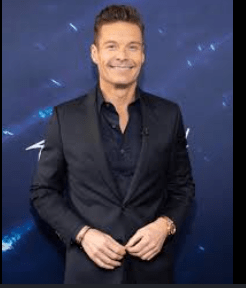
He began his career in local radio while still young, developing a polished on-air presence characterized by clarity, pacing control, and audience engagement. His early work demonstrated an instinct for entertainment flow, particularly in live broadcasting environments where timing and adaptability were essential.
His breakthrough came with national radio syndication and later his transition into television hosting, where he became a defining face of entertainment programming. His ability to shift seamlessly between radio intimacy and television spectacle positioned him uniquely in the global broadcasting ecosystem.
His legacy is defined by media scalability he transformed from a traditional radio host into a multi-platform media executive, shaping entertainment formats that bridge audio, visual, and digital spaces.
Key Facts
- Full name of the subject: Ryan Seacrest
- Date of birth: Not publicly disclosed
- Place of birth: United States
- Family background: Middle-class American upbringing
- Early childhood experiences: Early interest in broadcasting and public speaking
- Education history: Journalism and communications studies
- Influences and mentors: American radio broadcasters and television hosts
- Career beginnings: Local radio hosting
- Major achievements: Nationally syndicated radio programs and major television hosting roles
- Challenges and obstacles faced: Industry competition, high-pressure live broadcasting demands
- Turning points in life: Transition from radio to major television hosting
- Contributions to society: Expansion of modern entertainment broadcasting formats
- Personal life (marriage, children, relationships): Private
- Awards and recognitions: Multiple broadcasting and entertainment awards
- Beliefs, values, or philosophy: Professional consistency, audience engagement
- Legacy and impact: Global multimedia broadcasting icon
- Historical or cultural significance: Shaped modern entertainment broadcasting formats
Notable Works: American Idol hosting, radio syndication shows, live television productions
Controversies:
One discussion involving Ryan Seacrest relates to public scrutiny of workplace conduct allegations that emerged during his tenure in entertainment media environments. The issue centered on claims made by a former colleague regarding professional behavior in a workplace setting. The context of the matter reflects broader industry-wide conversations about workplace conduct standards in entertainment broadcasting, particularly in high-pressure production environments. Key stakeholders included the broadcasting networks, production teams, legal representatives, and media ethics observers. Critics argued that such allegations warranted deeper institutional review, while Seacrest publicly denied wrongdoing and independent reviews did not result in formal legal findings against him. The matter was ultimately resolved without regulatory sanction, though it remained a subject of public discourse. The impact included heightened awareness of workplace conduct expectations in media organizations.
Another discussion involved the pressures of media consolidation, where Seacrest’s expansion across radio, television, and production raised debates about concentration of media influence within individual personalities.
2. DJ Fresh (Thato Sikwane)
DJ Fresh is a South African radio and television personality whose career reflects the evolution of urban radio culture into mainstream entertainment broadcasting. Born Thato Sikwane, his early life was shaped by exposure to township culture and emerging South African music scenes.

He began his career in radio broadcasting, quickly becoming known for his deep voice, commanding presence, and conversational confidence. His early work in radio established him as a leading figure in youth-oriented and urban contemporary programming.
His breakthrough came through national radio dominance and later television appearances, where his personality-driven style translated effectively into visual media. His ability to engage audiences across formats made him one of South Africa’s most influential broadcasters.
His legacy lies in redefining South African radio entertainment culture and bridging the gap between radio personality branding and television visibility.
Key Facts
- Full name of the subject: Thato Sikwane (DJ Fresh)
- Date of birth: Not publicly disclosed
- Place of birth: South Africa
- Family background: South African urban upbringing
- Early childhood experiences: Exposure to music and township radio culture
- Education history: Communications and media studies
- Influences and mentors: South African radio pioneers
- Career beginnings: Local and national radio hosting
- Major achievements: Major radio shows and television appearances
- Challenges and obstacles faced: Industry transitions, regulatory disputes
- Turning points in life: National radio prominence and television crossover
- Contributions to society: Shaping modern South African radio culture
- Personal life (marriage, children, relationships): Private
- Awards and recognitions: Broadcasting awards in South Africa
- Beliefs, values, or philosophy: Authenticity, audience connection
- Legacy and impact: Leading voice in South African urban radio evolution
- Historical or cultural significance: Key figure in post-apartheid radio entertainment
Notable Works: High-profile radio shows, TV presenting roles, live entertainment hosting
Controversies:
One controversy involving DJ Fresh relates to his departure from a major radio platform following allegations connected to content broadcast conduct. The issue arose when a segment aired on his show included language that triggered public complaints regarding appropriateness and broadcasting standards. The context reflects regulatory oversight in South African broadcasting, where content compliance is strictly monitored by media authorities. Key stakeholders included the broadcasting corporation, regulatory bodies, advertisers, and audiences. Critics argued that the content breached acceptable broadcasting norms, while supporters emphasized intent and contextual interpretation of live radio spontaneity. An internal review led to disciplinary outcomes and eventual separation from the station, though interpretations of responsibility remain debated. The impact significantly altered his broadcasting trajectory and intensified industry scrutiny on live radio content standards.
Another discussion involved broader debates about radio presenter accountability in unscripted entertainment formats.
3. Anele Mdoda
Anele Mdoda is a South African radio and television broadcaster known for her dynamic on-air personality and strong presence across entertainment media. Her early life was shaped by exposure to media environments and communication-rich households, which influenced her expressive broadcasting style.
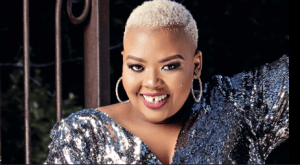
She began her career in radio, developing a reputation for wit, emotional intelligence, and conversational depth. Her early work demonstrated an ability to balance humor with serious social commentary, setting her apart in competitive broadcasting spaces.
Her breakthrough came through national radio success and subsequent television hosting roles, where she became a household name in South African entertainment media. Her versatility allowed her to transition seamlessly between radio storytelling and televised entertainment formats.
Her legacy is defined by her ability to humanize broadcasting, blending entertainment with authenticity and emotional relatability across multiple media platforms.
Key Facts
- Full name of the subject: Anele Mdoda
- Date of birth: Not publicly disclosed
- Place of birth: South Africa
- Family background: South African family background
- Early childhood experiences: Exposure to media and public communication culture
- Education history: Media and communications studies
- Influences and mentors: South African radio broadcasters
- Career beginnings: Radio presenting
- Major achievements: National radio shows and television hosting success
- Challenges and obstacles faced: Public scrutiny, high-profile media expectations
- Turning points in life: Transition into major national broadcasting roles
- Contributions to society: Representation of women in African broadcasting leadership
- Personal life (marriage, children, relationships): Private
- Awards and recognitions: Multiple South African broadcasting awards
- Beliefs, values, or philosophy: Authenticity, resilience, humor in storytelling
- Legacy and impact: Leading female voice in South African broadcasting
- Historical or cultural significance: Influential figure in modern African radio and TV culture
Notable Works: Radio hosting, television presenting, entertainment shows, live event hosting
Controversies:
One discussion involving Anele Mdoda relates to public reactions to outspoken commentary made during live broadcasts and social media engagement. The issue centers on instances where her remarks on social issues generated polarized audience responses. The context reflects the evolving relationship between broadcasters and digital audiences, where personal commentary becomes instantly public. Key stakeholders include audiences, media organizations, advertisers, and social commentators. Critics argue that broadcaster opinions can influence public perception beyond entertainment intent, while supporters maintain that presenters have the right to personal expression within professional boundaries. No formal regulatory sanctions have been recorded, and the matter remains within public discourse. The impact has been increased awareness of broadcaster-public interaction dynamics in the digital age.
Another discussion involves balancing personal brand identity with institutional broadcasting responsibilities in multi-platform media environments.
4. Charlamagne Tha God (Lenard McKelvey)
Charlamagne Tha God is an American radio and television personality whose influence is deeply embedded in urban media discourse and cultural commentary. His early life in the United States was marked by exposure to complex social environments that later shaped his outspoken broadcasting identity.
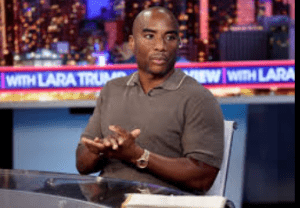
He began his career in radio as an intern and entry-level personality, gradually developing a bold and confrontational interviewing style. His early work was defined by direct questioning and a willingness to engage controversial topics.
His breakthrough came through national radio syndication, where his personality-driven commentary transformed him into a major media figure. He later expanded into television, becoming a prominent voice in political and cultural discussions.
His legacy lies in redefining modern radio as a platform for cultural critique, merging entertainment with socio-political analysis across both radio and television.
Key Facts
- Full name of the subject: Charlamagne Tha God (Lenard McKelvey)
- Date of birth: Not publicly disclosed
- Place of birth: United States
- Family background: Working-class American upbringing
- Early childhood experiences: Exposure to urban culture and social challenges
- Education history: Communications and media training
- Influences and mentors: Hip-hop radio pioneers
- Career beginnings: Radio internships and local broadcasting
- Major achievements: National radio syndication and television hosting success
- Challenges and obstacles faced: Early career setbacks and public criticism
- Turning points in life: Breakthrough in nationally syndicated radio
- Contributions to society: Cultural commentary and media discourse shaping
- Personal life (marriage, children, relationships): Private
- Awards and recognitions: Media and broadcasting awards
- Beliefs, values, or philosophy: Truth-telling, accountability, cultural critique
- Legacy and impact: Influential voice in modern American media
- Historical or cultural significance: Shaped hip-hop radio and cultural commentary broadcasting
Notable Works: The Breakfast Club radio show, television commentary programs, media interviews
Controversies:
One controversy involving Charlamagne Tha God relates to past resurfaced legal issues from early adulthood that were widely discussed in media retrospectives. The issue centers on historical allegations and their public re-examination after his rise to prominence. The context reflects how public figures’ early life records are often reassessed in modern media environments. Key stakeholders include media outlets, audiences, advocacy groups, and the subject himself. Critics argue that such history raises questions about accountability and rehabilitation narratives, while supporters emphasize personal growth and time elapsed since the incidents. No recent legal findings have altered historical records, and discussions remain interpretive and reputational. The impact has been ongoing debate about redemption narratives in media celebrity culture.
Another discussion involves his outspoken interviewing style, which has occasionally generated debate about the boundaries between provocative journalism and entertainment commentary.
5. Bonang Matheba
Bonang Matheba occupies a rare intersection between radio broadcasting, television presenting, and luxury lifestyle media, emerging as one of South Africa’s most influential media personalities. Her early life was shaped by exposure to performance, communication, and public-facing confidence, which later defined her commanding on-air presence.
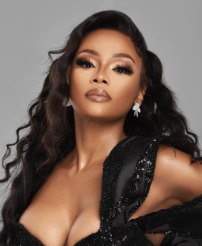
She began her career in radio broadcasting, where her voice, tone control, and personality-driven engagement quickly distinguished her from peers. Her early radio work reflected a blend of entertainment fluency and aspirational lifestyle expression, laying the foundation for her transition into visual media.
Her breakthrough came through television hosting and mainstream entertainment programming, where she evolved into a pan-African media figure. Her ability to translate radio charisma into visual sophistication positioned her at the center of African celebrity culture.
Her legacy lies in redefining African female media stardom as a cross-platform enterprise, blending radio influence with television glamour and global brand partnerships.
Key Facts
- Full name of the subject: Bonang Matheba
- Date of birth: Not publicly disclosed
- Place of birth: South Africa
- Family background: South African middle-class upbringing
- Early childhood experiences: Exposure to performance and communication culture
- Education history: Media and communications studies
- Influences and mentors: South African broadcasters and global entertainment hosts
- Career beginnings: Radio presenting
- Major achievements: National radio success and international television hosting roles
- Challenges and obstacles faced: Public scrutiny of celebrity lifestyle and media expectations
- Turning points in life: Transition from radio presenter to television and global brand figure
- Contributions to society: Representation of African women in global media
- Personal life (marriage, children, relationships): Private
- Awards and recognitions: Multiple entertainment and broadcasting awards
- Beliefs, values, or philosophy: Self-branding, excellence, empowerment
- Legacy and impact: Pan-African luxury media icon
- Historical or cultural significance: Shaped modern African celebrity broadcasting culture
Notable Works: Radio hosting, television presenting, international entertainment events, luxury brand collaborations
Controversies:
One discussion involving Bonang Matheba relates to public scrutiny of luxury branding and lifestyle representation in the media. The issue arises from debates about how celebrity-driven luxury content influences audience expectations of wealth and success. The context reflects broader entertainment industry dynamics where personal branding is closely tied to aspirational marketing. Key stakeholders include audiences, media analysts, brand partners, and cultural commentators. Critics argue that highly curated luxury portrayals may create unrealistic lifestyle benchmarks, while supporters maintain that celebrity branding is a standard commercial practice within global entertainment industries. No verified misconduct is associated with these discussions, and the matter remains interpretive rather than regulatory. The impact has been increased discourse on celebrity influence in shaping lifestyle aspirations.
Another discussion involves media privacy boundaries, particularly the tension between public persona and private life expectations.
6. Sizwe Dhlomo
Sizwe Dhlomo is a South African broadcaster known for his sharp analytical radio presence and transition into influential television commentary. His early life reflects exposure to media literacy and communication-driven environments, shaping his confident and structured on-air delivery.
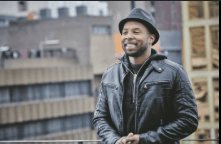
He began his career in radio broadcasting after entering the entertainment industry through competitive media platforms. His early radio presence was defined by articulate commentary, controlled tone, and strong opinion-based engagement.
His breakthrough came through national radio success, where he became one of South Africa’s most recognisable voices in talk radio. He later expanded into television commentary, strengthening his position as a cross-platform media analyst.
His legacy lies in redefining radio as a platform for structured debate and intellectual commentary, bridging entertainment with socio-political discourse.
Key Facts
- Full name of the subject: Sizwe Dhlomo
- Date of birth: Not publicly disclosed
- Place of birth: South Africa
- Family background: South African upbringing
- Early childhood experiences: Exposure to media and communication culture
- Education history: Media and communications studies
- Influences and mentors: South African radio and television broadcasters
- Career beginnings: Radio presenting
- Major achievements: National talk radio success and television commentary roles
- Challenges and obstacles faced: Public scrutiny of outspoken opinions
- Turning points in life: Rise to national radio prominence
- Contributions to society: Public discourse and media commentary development
- Personal life (marriage, children, relationships): Private
- Awards and recognitions: Broadcasting and media awards
- Beliefs, values, or philosophy: Logic, accountability, structured debate
- Legacy and impact: Influential analytical radio personality in South Africa
- Historical or cultural significance: Shaped modern South African talk radio culture
Notable Works: Radio hosting, television commentary, media analysis segments
Controversies:
One controversy involving Sizwe Dhlomo relates to public disputes arising from outspoken commentary on social media and radio discussions. The issue centers on instances where his direct communication style led to public disagreements with audiences and public figures. The context reflects the evolving role of broadcasters in the digital age, where radio personalities extend their influence into real-time online discourse. Key stakeholders include audiences, media organizations, public figures, and digital communities. Critics argue that his communication style can be perceived as confrontational, while supporters view it as candid and intellectually grounded engagement. No regulatory sanctions have been recorded, and the matter remains within public discourse interpretation. The impact has been ongoing discussion about tone, authority, and responsibility in modern broadcasting.
Another discussion involves the broader tension between personal opinion expression and institutional broadcasting expectations.
7. Maina Kageni
Maina Kageni is one of East Africa’s most influential radio personalities, known for his long-standing dominance in Kenyan morning radio and cross-media visibility. His early life in Kenya exposed him to urban culture and communication environments that shaped his engaging and conversational broadcasting style.
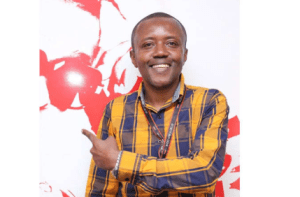
He began his career in radio broadcasting, quickly gaining recognition for his charisma, humor, and ability to sustain listener engagement over long-form morning programming. His early work established him as a key voice in Kenyan entertainment radio.
His breakthrough came through national morning radio dominance, where he built one of East Africa’s most loyal listener bases. His influence later extended into television appearances and media commentary, reinforcing his cross-platform presence.
His legacy is defined by sustained audience engagement and shaping morning radio culture in East Africa for decades.
Key Facts
- Full name of the subject: Maina Kageni
- Date of birth: Not publicly disclosed
- Place of birth: Kenya
- Family background: Kenyan urban upbringing
- Early childhood experiences: Exposure to urban storytelling and communication culture
- Education history: Media-related studies
- Influences and mentors: East African radio pioneers
- Career beginnings: Radio presenting
- Major achievements: Long-running morning radio dominance in Kenya
- Challenges and obstacles faced: Maintaining relevance in evolving media landscape
- Turning points in life: Rise to national radio prominence
- Contributions to society: Shaping East African morning radio culture
- Personal life (marriage, children, relationships): Private
- Awards and recognitions: Regional broadcasting awards
- Beliefs, values, or philosophy: Consistency, audience connection, entertainment value
- Legacy and impact: Icon of East African radio broadcasting
- Historical or cultural significance: Defined modern Kenyan radio entertainment culture
Notable Works: Morning radio shows, entertainment interviews, media appearances
Controversies:
One discussion involving Maina Kageni relates to public reactions to his radio commentary on social and lifestyle topics. The issue arises from instances where discussions on relationships, gender roles, and social behavior generated polarized audience responses. The context reflects the nature of morning talk radio, which often engages sensitive cultural topics to drive audience participation. Key stakeholders include listeners, advertisers, media regulators, and cultural commentators. Critics argue that such discussions may occasionally reinforce stereotypes or provoke controversy, while supporters maintain that the format reflects audience-driven conversation dynamics. No formal regulatory penalties have been recorded, and the matter remains within public discourse interpretation. The impact has been ongoing debate about content boundaries in entertainment radio.
Another discussion involves balancing humor-driven engagement with responsible social commentary in mass-audience broadcasting.
8. Massawe Japanni
Massawe Japanni is a Kenyan radio and television broadcaster whose career reflects the evolution of conversational radio into multimedia personality branding. Her early life in Kenya was shaped by exposure to community storytelling and communication-centered environments, which later influenced her expressive and engaging broadcasting style.

She began her career in radio broadcasting, quickly establishing herself as a strong voice in daytime and drive-time programming. Her early work was characterized by emotional intelligence, relatability, and a strong ability to connect with everyday listener experiences.
Her breakthrough came through national radio prominence, where her storytelling ability and audience rapport positioned her as one of Kenya’s most recognizable female broadcasters. She later expanded into television appearances, strengthening her cross-platform media presence.
Her legacy lies in redefining female-led conversational radio in East Africa, particularly through emotionally resonant and socially engaged broadcasting.
Key Facts
- Full name of the subject: Massawe Japanni
- Date of birth: Not publicly disclosed
- Place of birth: Kenya
- Family background: Kenyan family background
- Early childhood experiences: Exposure to community storytelling and social communication
- Education history: Media and communications studies
- Influences and mentors: East African radio broadcasters
- Career beginnings: Radio presenting
- Major achievements: National radio success and television appearances
- Challenges and obstacles faced: Public scrutiny and high audience expectations
- Turning points in life: Rise to national broadcasting prominence
- Contributions to society: Human-centered radio storytelling
- Personal life (marriage, children, relationships): Private
- Awards and recognitions: Regional broadcasting recognition
- Beliefs, values, or philosophy: Empathy, communication, audience connection
- Legacy and impact: Influential female voice in Kenyan radio
- Historical or cultural significance: Helped shape modern East African conversational radio
Notable Works: Radio talk shows, audience engagement programs, television guest hosting
Controversies:
One discussion involving Massawe Japanni relates to audience debates around emotionally driven radio discussions on social issues. The issue arises from instances where deeply personal or relationship-centered topics discussed on air generated polarized audience reactions. The context reflects the broader East African radio culture, where audience participation often blends entertainment with real-life social commentary. Key stakeholders include listeners, media stations, cultural commentators, and advertising partners. Critics argue that emotionally charged discussions may sometimes blur lines between entertainment and social advice, while supporters maintain that such formats reflect authentic audience-driven engagement. No regulatory sanctions have been recorded, and the matter remains within public interpretation. The impact has been increased awareness of content sensitivity in conversational radio formats.
Another discussion involves balancing entertainment value with responsible commentary in mass-audience talk radio.
9. Robert Marawa
Robert Marawa is a South African sports broadcaster whose influence spans both radio and television, particularly in sports journalism and live commentary. His early life was shaped by exposure to sports culture and communication, which later defined his authoritative broadcasting tone.
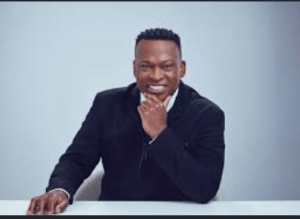
He began his career in sports radio, where his analytical depth and confident delivery quickly distinguished him. His early work focused on football and major sporting events, establishing him as a trusted voice in sports commentary.
His breakthrough came through national radio and television sports presenting, where he became a leading figure in live sports analysis across major tournaments and leagues. His presence bridged radio immediacy with television spectacle.
His legacy lies in redefining sports broadcasting in South Africa through authoritative, articulate, and cross-platform sports journalism.
Key Facts
- Full name of the subject: Robert Marawa
- Date of birth: Not publicly disclosed
- Place of birth: South Africa
- Family background: South African upbringing
- Early childhood experiences: Exposure to sports culture and media communication
- Education history: Media and communications studies
- Influences and mentors: Sports broadcasters and journalists
- Career beginnings: Sports radio presenting
- Major achievements: National sports radio and television dominance
- Challenges and obstacles faced: Industry transitions and media restructuring
- Turning points in life: Rise to national sports broadcasting prominence
- Contributions to society: Sports journalism and public sports education
- Personal life (marriage, children, relationships): Private
- Awards and recognitions: Sports broadcasting awards
- Beliefs, values, or philosophy: Discipline, accuracy, sports integrity
- Legacy and impact: Leading sports broadcaster in South Africa
- Historical or cultural significance: Shaped modern African sports media broadcasting
Notable Works: Sports radio shows, football commentary, television sports analysis programs
Controversies:
One controversy involving Robert Marawa relates to his departure from major broadcasting platforms amid internal organizational disputes. The issue centered on disagreements between contractual expectations and editorial or operational decisions within broadcasting institutions. The context reflects broader industry dynamics in sports media, where high-profile presenters often operate within complex corporate structures. Key stakeholders included broadcasting corporations, management teams, audiences, and media analysts. Critics interpreted the situation as indicative of institutional instability, while supporters emphasized contractual and professional autonomy considerations. No formal misconduct findings were recorded, and the matter was resolved through organizational separation. The impact included public discourse on broadcaster independence within corporate media environments.
Another discussion involves media restructuring in sports broadcasting and its effect on presenter mobility and contractual security.
10. Do2dtun (Oladotun Ojuolape Kayode)
Do2dtun is a Nigerian radio and televisi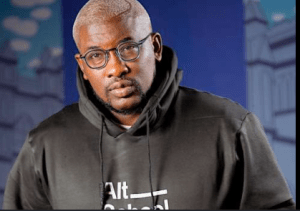 on personality known for his energetic broadcasting style and strong presence in entertainment media. His early life in Nigeria was influenced by urban culture, music, and youth entertainment ecosystems that later shaped his on-air identity.
He began his career in radio broadcasting, developing a reputation for high-energy delivery, entertainment fluency, and strong audience engagement. His early work focused on music-driven radio formats and youth-oriented programming.
His breakthrough came through national radio success and later television hosting roles, where his personality translated effectively into visual entertainment formats. His cross-platform appeal made him a prominent figure in Nigerian media.
His legacy lies in shaping modern Nigerian entertainment radio culture, particularly in youth-centered broadcasting and entertainment hosting.
Key Facts
- Full name of the subject: Oladotun Ojuolape Kayode (Do2dtun)
- Date of birth: Not publicly disclosed
- Place of birth: Nigeria
- Family background: Nigerian urban upbringing
- Early childhood experiences: Exposure to music and entertainment culture
- Education history: Communications and media-related studies
- Influences and mentors: Nigerian radio pioneers and entertainment hosts
- Career beginnings: Radio presenting
- Major achievements: National radio success and television hosting roles
- Challenges and obstacles faced: Media competition and evolving audience expectations
- Turning points in life: Rise to national entertainment broadcasting prominence
- Contributions to society: Youth entertainment and radio culture development
- Personal life (marriage, children, relationships): Private
- Awards and recognitions: Entertainment and broadcasting awards
- Beliefs, values, or philosophy: Energy, creativity, audience engagement
- Legacy and impact: Influential Nigerian entertainment broadcaster
- Historical or cultural significance: Shaped modern Nigerian youth radio and TV culture
Notable Works: Radio shows, television entertainment hosting, live event hosting
Controversies:
One discussion involving Do2dtun relates to public attention around personal life developments that became widely circulated in the media. The issue centers on how private family matters involving public figures can become amplified within entertainment journalism and social media ecosystems. The context reflects the broader challenge of privacy boundaries in celebrity broadcasting culture. Key stakeholders include media outlets, audiences, legal representatives, and entertainment commentators. Critics argue that excessive public discussion of personal matters can overshadow professional contributions, while supporters emphasize public interest dynamics surrounding celebrity figures. No formal broadcasting violations are recorded in relation to his professional work, and discussions remain primarily media-driven rather than regulatory. The impact has been increased discourse on privacy rights for media personalities.
Another discussion involves the intersection of personal life visibility and professional broadcasting identity in entertainment media.
Notable Mentions:
Jeff Koinange
Ik Osakioduwa
Toke Makinwa
Moet Abebe
Unathi Nkayi
Ebuka Obi-Uchendu
Toolz (Tolu Oniru-Demuren)
Kamene Goro
Somizi Mhlongo
Steve Harvey