Top 10 Ozwood (Australia) Movie Legends of the 90s
Top 10 Ozwood (Australia) Movie Legends of the 90s
In This Content
Quick List
Nicole Kidman
Russell Crowe
Cate Blanchett
Geoffrey Rush
Toni Collette
Guy Pearce
Hugo Weaving
Heath Ledger
Baz Luhrmann
George Miller
1. Nicole Kidman
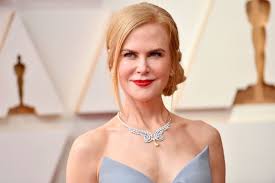
Emerging from a uniquely international upbringing, Nicole Kidman’s cinematic identity was shaped by both Australian theatrical tradition and global storytelling sensibilities. Born in Honolulu to Australian parents and raised in Sydney, Kidman was exposed early to performance, literature, and the arts. Her mother’s involvement in feminist activism and her father’s academic career cultivated an intellectually grounded worldview that later informed her choice of layered, psychologically complex roles.
Kidman’s early career in Australian television and cinema during the 1980s established her as a promising talent with unusual emotional depth. Films such as Dead Calm positioned her as more than a conventional leading lady; she demonstrated a calculated stillness and psychological intensity that distinguished her from contemporaries. The 1990s marked her transition into international prominence, where she balanced Hollywood exposure with a commitment to artistically daring roles.
Her breakthrough era of the 1990s was defined by fearless performances and stylistic experimentation. From period dramas to psychological thrillers, Kidman cultivated an acting style rooted in emotional transparency and meticulous character construction. She became known for embodying women navigating power, vulnerability, and transformation, often anchoring films with restrained yet commanding screen presence.
By the end of the decade, Kidman had become one of the defining faces of Australian cinema’s global influence. Her work contributed significantly to elevating Australian actors within Hollywood’s mainstream, while maintaining strong ties to national storytelling. Her legacy of the 1990s lies in redefining the international perception of Australian female performers as sophisticated, versatile, and artistically ambitious.
Key Facts
- Full name of the subject: Nicole Mary Kidman
- Date of birth: June 20, 1967
- Place of birth: Honolulu, Hawaii, United States
- Family background: Daughter of psychologist Antony Kidman and nursing instructor Janelle Kidman
- Early childhood experiences: Raised in Sydney; trained in ballet and theatre from young age
- Education history: Australian Theatre for Young People; Philip Street Theatre
- Influences and mentors: Australian theatre practitioners and early film directors
- Career beginnings: Australian television and films in the 1980s
- Major achievements: International breakthrough in 1990s cinema
- Challenges and obstacles faced: Typecasting and transition from Australian to Hollywood industry
- Turning points in life: Global recognition after late-1990s dramatic roles
- Contributions to society: Advocacy for women in film and humanitarian causes
- Personal life (marriage, children, relationships): Marriage to Tom Cruise during the 1990s
- Awards and recognitions: Numerous international acting honors
- Beliefs, values, or philosophy: Commitment to artistic risk-taking
- Legacy and impact: Helped globalize Australian acting talent
- Historical or cultural significance: Key figure in 1990s Australian cinema expansion
Notable Works: Dead Calm, To Die For, Eyes Wide Shut, Practical Magic
Controversies: One notable public debate involved Kidman’s participation in provocative adult-themed cinema during the late 1990s. Critics questioned whether her role in psychologically intense projects challenged mainstream expectations of star image. Industry commentators defended the decision as a deliberate artistic evolution, emphasizing her agency in selecting challenging material. Verified outcomes indicated no professional sanction, and the controversy ultimately reinforced her reputation for bold artistic choices, enhancing her career credibility rather than diminishing it.
2. Russell Crowe
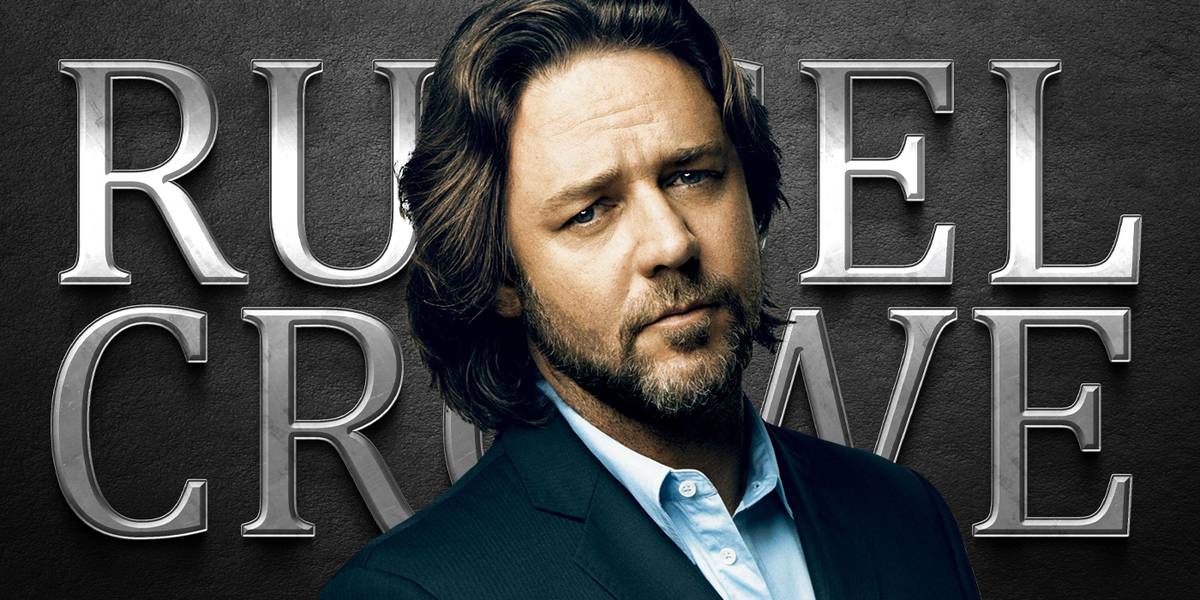
Russell Crowe’s journey to cinematic prominence began with a transnational upbringing that shaped his rugged performance style. Born in New Zealand and raised in Australia, Crowe grew up around film sets through his parents’ involvement in catering and film production. This early exposure to behind-the-scenes filmmaking provided him with a practical understanding of performance craft and production dynamics.
His early career included television appearances and music ventures before transitioning into Australian cinema. Crowe’s performances in local productions revealed an actor capable of blending physical intensity with emotional nuance. His work in the early 1990s positioned him as a commanding screen presence, characterized by authenticity and grounded masculinity.
Crowe’s breakthrough came through roles that showcased both psychological depth and physical authority. He embodied complex anti-heroes and morally conflicted protagonists, redefining the archetype of the Australian leading man. His ability to transition from intimate character studies to large-scale productions marked him as one of the decade’s most versatile performers.
By the late 1990s, Crowe had become synonymous with Australian cinematic power on the global stage. His influence extended beyond acting into shaping perceptions of Australian performers as serious dramatic talents. His legacy is rooted in elevating the intensity and credibility of Australian male leads internationally.
Top 10 People Who Bounced Back from Bankruptcy
Key Facts
- Full name of the subject: Russell Ira Crowe
- Date of birth: April 7, 1964
- Place of birth: Wellington, New Zealand
- Family background: Parents involved in film catering and production
- Early childhood experiences: Raised around film sets in Australia
- Education history: Attended Auckland Grammar School
- Influences and mentors: Australian directors and theatre professionals
- Career beginnings: Television and Australian films
- Major achievements: Breakthrough dramatic performances in 1990s
- Challenges and obstacles faced: Transition from music to acting career
- Turning points in life: Recognition through intense dramatic roles
- Contributions to society: Support for Australian film industry
- Personal life (marriage, children, relationships): Marriage to Danielle Spencer
- Awards and recognitions: International acting honors
- Beliefs, values, or philosophy: Commitment to realism in performance
- Legacy and impact: Redefined Australian male lead archetype
- Historical or cultural significance: Global ambassador of Australian cinema
Notable Works: Romper Stomper, The Insider, L.A. Confidential
Controversies: A recurring public debate surrounding Crowe involved reports of on-set temper incidents. Media coverage highlighted alleged confrontations with production staff, raising questions about professional conduct. Crowe responded by acknowledging intense working methods while emphasizing dedication to authenticity. Industry sources noted that while isolated incidents occurred, no formal disciplinary rulings significantly impacted his career. The controversy contributed to a public image of intensity but did not diminish his professional standing.
3. Cate Blanchett
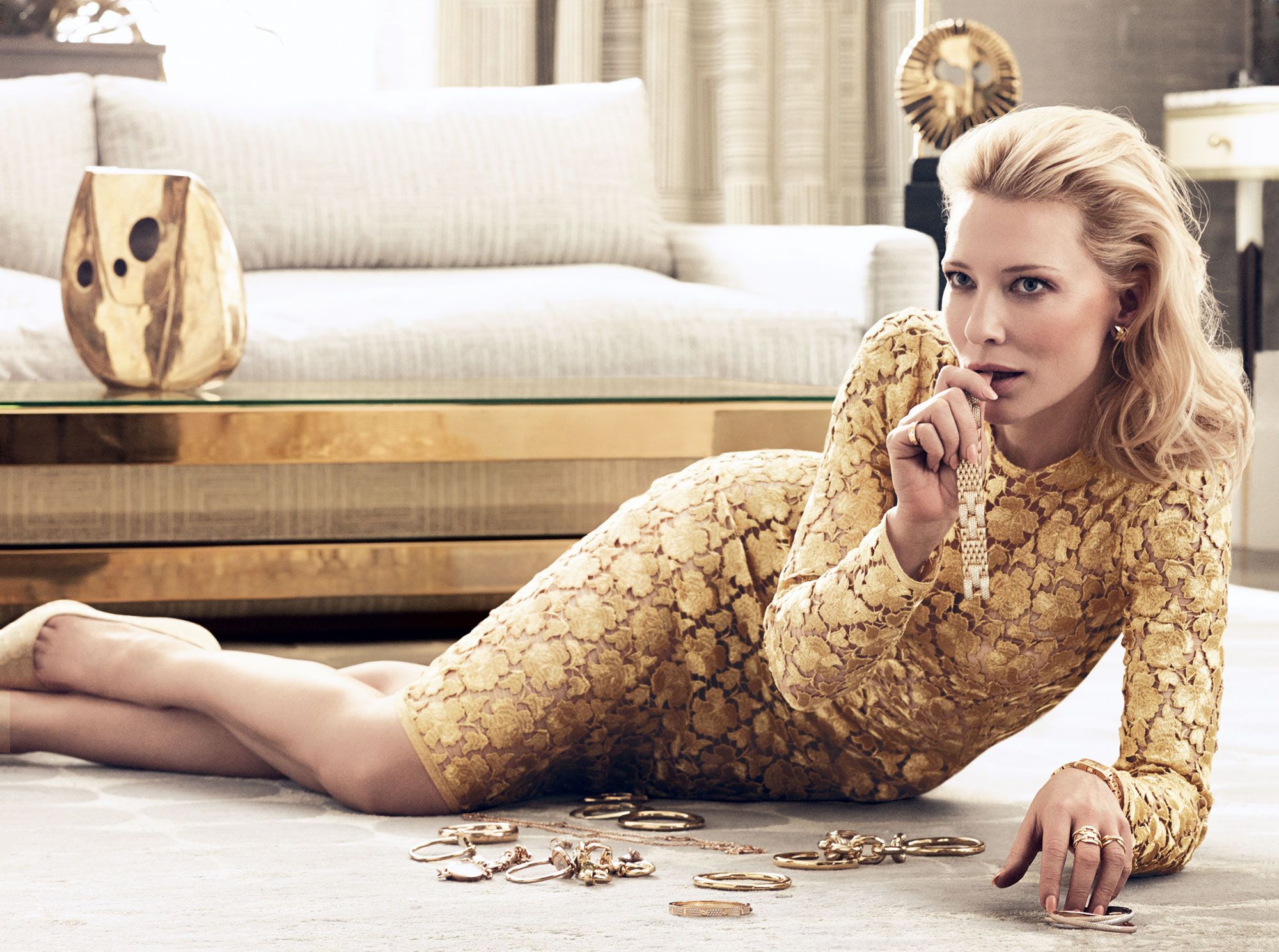
Cate Blanchett emerged from Australia’s theatre tradition with a classical foundation that shaped her cinematic identity. Raised in Melbourne, Blanchett studied drama extensively, developing a performance style grounded in precision and emotional intelligence. Her early theatre work provided a disciplined approach to character construction.
Her transition into film during the 1990s marked a rapid ascent. Blanchett’s performances demonstrated remarkable range, moving seamlessly between historical drama and contemporary narratives. She cultivated an acting style defined by intellectual depth and transformative physicality.
The late 1990s breakthrough established Blanchett as a global talent. Her portrayals combined elegance with psychological complexity, bringing renewed attention to Australian actors trained in theatre. She quickly became associated with sophisticated storytelling and strong female roles.
Blanchett’s impact extended beyond performance. She contributed to the international recognition of Australian dramatic training and emphasized artistic integrity. Her legacy from the 1990s lies in redefining female leadership roles in cinema.
Key Facts
- Full name of the subject: Catherine Elise Blanchett
- Date of birth: May 14, 1969
- Place of birth: Melbourne, Victoria, Australia
- Family background: Daughter of a naval officer and teacher
- Early childhood experiences: Developed interest in acting in school productions
- Education history: National Institute of Dramatic Art (NIDA)
- Influences and mentors: Australian theatre directors
- Career beginnings: Stage performances in Sydney Theatre Company
- Major achievements: International film breakthrough in late 1990s
- Challenges and obstacles faced: Transition from theatre to film
- Turning points in life: Global recognition for historical drama roles
- Contributions to society: Advocacy for arts funding
- Personal life (marriage, children, relationships): Marriage to Andrew Upton
- Awards and recognitions: Multiple acting awards
- Beliefs, values, or philosophy: Commitment to artistic authenticity
- Legacy and impact: Elevated Australian theatre-trained actors globally
- Historical or cultural significance: Influential figure in modern cinema
Notable Works: Elizabeth, Oscar and Lucinda, The Talented Mr. Ripley
Controversies: Blanchett faced debate regarding her portrayal of historical figures, with critics arguing over accuracy versus artistic interpretation. The discussion centered on balancing dramatic license with historical fidelity. Blanchett emphasized research-driven performance, while historians debated interpretive choices. No formal disputes emerged, and the conversation ultimately enhanced dialogue about representation standards. The controversy reinforced her reputation for intellectual engagement with roles.
4. Geoffrey Rush
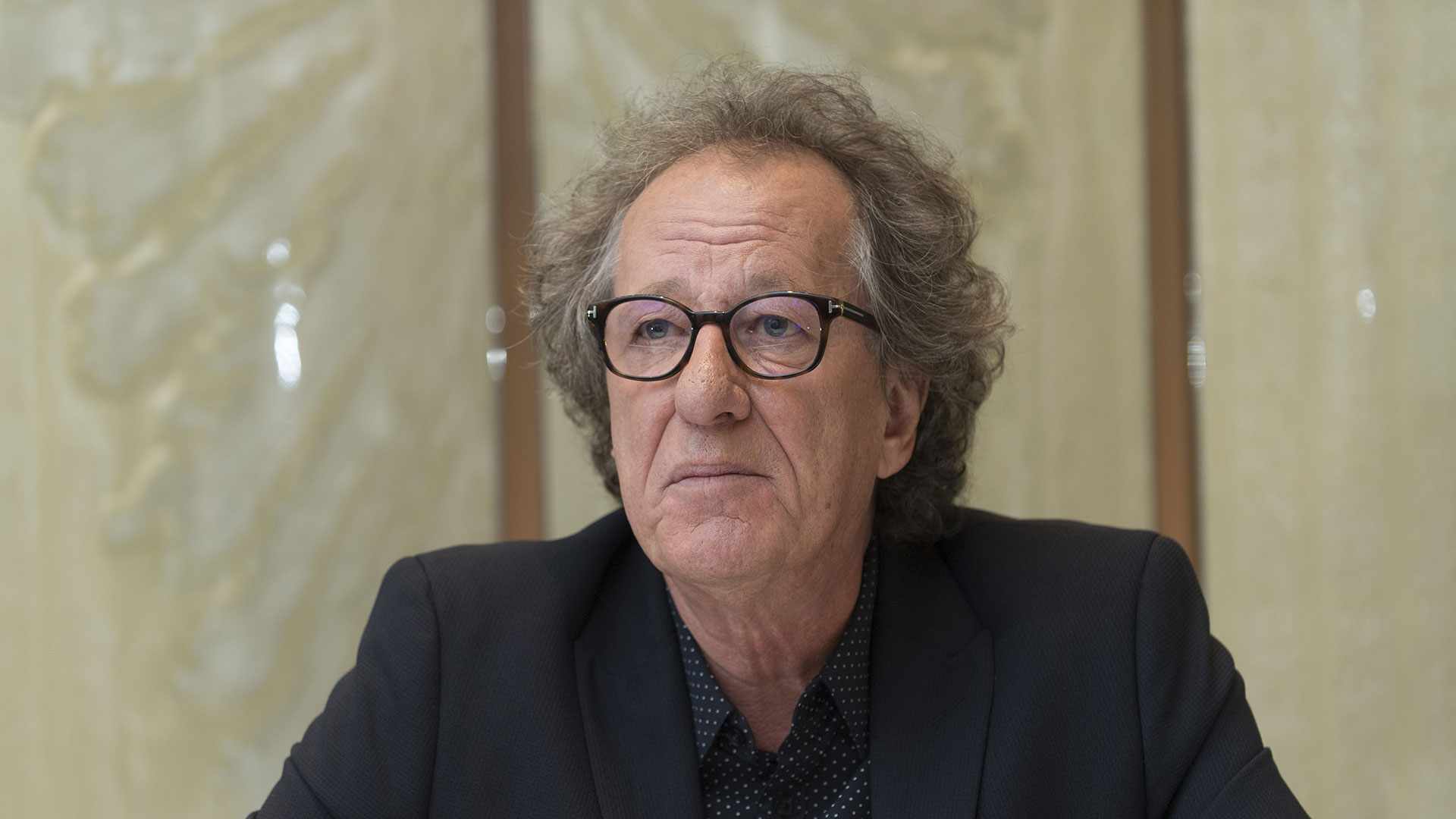
Geoffrey Rush’s rise to prominence in the 1990s represented the culmination of decades of theatrical discipline and intellectual preparation. Born in Queensland and raised in Brisbane, Rush developed an early fascination with literature and performance. His academic background in English and theatre studies contributed to a performance style rooted in textual analysis and emotional precision. Unlike many contemporaries, Rush approached acting as both craft and scholarship, shaping his meticulous character-building process.
Rush’s career beginnings were deeply tied to Australian theatre, where he gained respect for his transformative range. Throughout the 1970s and 1980s, he worked extensively with stage companies, honing a style that blended classical technique with expressive physicality. His transition into film in the early 1990s came after years of stage mastery, giving him a commanding presence rarely seen in late-career film debuts.
His breakthrough in the mid-1990s positioned him as one of Australia’s most respected screen actors. Rush became known for his ability to inhabit eccentric, emotionally complex characters while maintaining authenticity. His performances combined theatrical boldness with cinematic subtlety, bridging stage and screen traditions. This versatility allowed him to contribute to both Australian productions and international cinema.
By the end of the decade, Rush had become emblematic of Australian artistic maturity in global filmmaking. His legacy includes redefining career longevity and demonstrating that theatre-trained actors could achieve international cinematic dominance. He helped elevate the intellectual credibility of Australian acting traditions on the world stage.
Key Facts
- Full name of the subject: Geoffrey Roy Rush
- Date of birth: July 6, 1951
- Place of birth: Toowoomba, Queensland, Australia
- Family background: Raised by mother after parents separated
- Early childhood experiences: Developed interest in literature and performance
- Education history: University of Queensland (English and Drama)
- Influences and mentors: Australian theatre directors and classical actors
- Career beginnings: Stage acting with theatre companies
- Major achievements: International recognition in 1990s cinema
- Challenges and obstacles faced: Late transition from theatre to film
- Turning points in life: Global acclaim following mid-1990s performances
- Contributions to society: Advocacy for arts and theatre education
- Personal life (marriage, children, relationships): Married to Jane Menelaus
- Awards and recognitions: Major international acting awards
- Beliefs, values, or philosophy: Emphasis on craft and textual interpretation
- Legacy and impact: Elevated theatre-trained actors internationally
- Historical or cultural significance: Bridge between stage and film traditions
Notable Works: Shine, Elizabeth, Shakespeare in Love
Controversies: Rush faced a widely discussed legal dispute involving allegations of inappropriate behavior during a theatre production. The issue emerged when media outlets reported claims made by a co-performer, leading to intense public scrutiny. Rush denied the allegations and initiated defamation proceedings against the publishing organization. Court rulings ultimately favored Rush, with damages awarded and the reporting deemed misleading in certain respects. While public perception remained divided, the legal outcome clarified factual findings, and the controversy prompted broader industry discussions about media responsibility, workplace conduct, and reputational risk in the performing arts.
Top 10 People Who Turned Passion Projects into Global Brands
5. Toni Collette
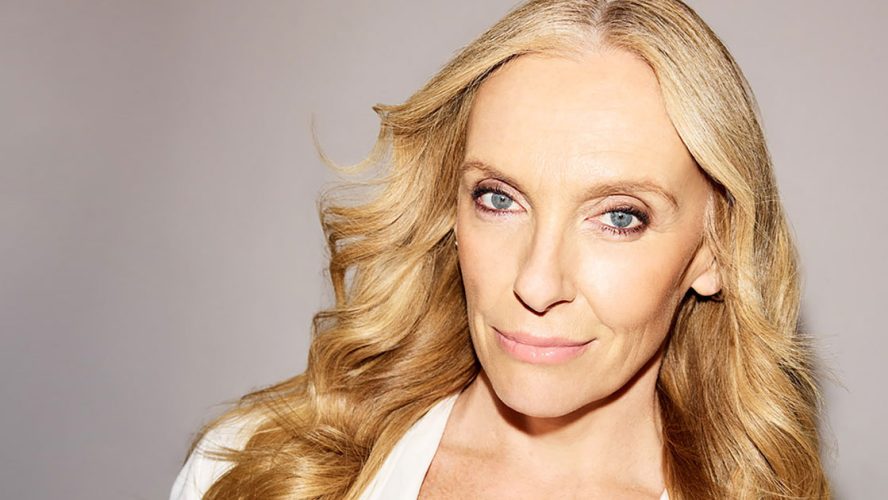
Toni Collette’s artistic journey began in suburban Sydney, where her natural ability for performance emerged during school productions. Raised in a working-class environment, Collette brought an authenticity to her performances that resonated with audiences. Her early exposure to everyday Australian life informed her ability to portray emotionally grounded characters with remarkable relatability.
Her career beginnings were unconventional, marked by rapid recognition for raw talent rather than formal industry grooming. Collette’s early film appearances in Australian productions revealed her extraordinary emotional range. She displayed an ability to shift between vulnerability and comedic timing, making her a uniquely versatile performer.
Her breakthrough in the mid-1990s transformed her into one of the decade’s most compelling actresses. Collette’s performances often centered on complex female characters navigating identity, family dynamics, and psychological transformation. Her expressive physicality and fearless commitment to roles set her apart, allowing her to embody deeply human stories.
By the end of the decade, Collette had become synonymous with emotionally rich storytelling. Her influence helped expand opportunities for Australian actresses in character-driven cinema. She remains a defining figure in the evolution of nuanced female performances in global film.
Key Facts
- Full name of the subject: Toni Collette-Galafassi
- Date of birth: November 1, 1972
- Place of birth: Sydney, New South Wales, Australia
- Family background: Raised in working-class family
- Early childhood experiences: Participated in school theatre
- Education history: National Institute of Dramatic Art (did not complete)
- Influences and mentors: Australian filmmakers and theatre practitioners
- Career beginnings: Australian film and television roles
- Major achievements: Breakthrough performances in 1990s
- Challenges and obstacles faced: Transition to international cinema
- Turning points in life: Global acclaim for character-driven roles
- Contributions to society: Advocacy for mental health awareness
- Personal life (marriage, children, relationships): Married to Dave Galafassi
- Awards and recognitions: Numerous acting honors
- Beliefs, values, or philosophy: Commitment to emotional authenticity
- Legacy and impact: Expanded roles for Australian actresses
- Historical or cultural significance: Key figure in character-driven cinema
Notable Works: Muriel’s Wedding, The Sixth Sense, Emma
Controversies: Collette’s involvement in psychologically intense roles sparked debate about the emotional demands placed on actors. Critics questioned whether extreme character immersion blurred professional boundaries. Collette publicly addressed the issue by emphasizing structured preparation and professional safeguards. Industry observers clarified that such methods were widely accepted in dramatic acting. The discussion ultimately contributed to broader conversations about actor well-being and performance methodology without negatively affecting her career.
6. Guy Pearce
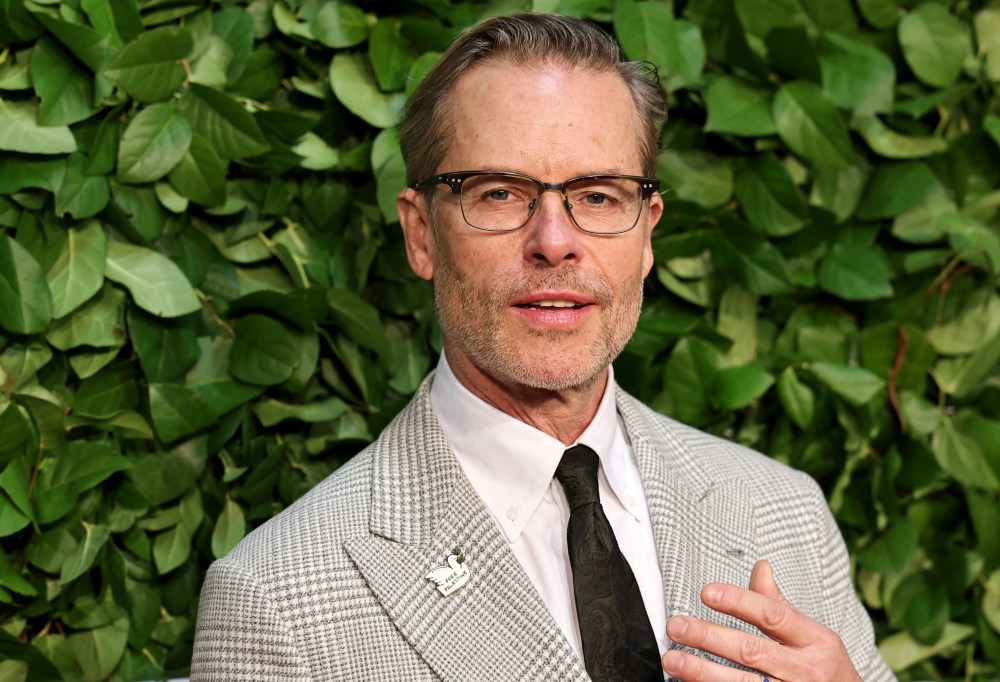
Guy Pearce’s early life was marked by relocation and personal loss, experiences that later informed his emotionally introspective acting style. Born in England and raised in Australia, Pearce developed an early interest in performance through theatre and television. His formative years cultivated resilience and emotional sensitivity.
Pearce’s career began in television, where he gained recognition in Australian soap dramas. Although initially associated with lighter roles, he gradually transitioned into more complex cinematic performances. His early film appearances revealed a performer capable of intense psychological depth.
His breakthrough in the 1990s came through roles that challenged masculinity and identity. Pearce’s performances were marked by subtlety, introspection, and controlled emotional delivery. He became known for portraying morally ambiguous characters navigating transformation.
By the end of the decade, Pearce had established himself as one of Australia’s most thoughtful actors. His influence lay in redefining character-driven performances and expanding the scope of Australian male roles in international cinema.
Key Facts
- Full name of the subject: Guy Edward Pearce
- Date of birth: October 5, 1967
- Place of birth: Ely, Cambridgeshire, England
- Family background: Raised in Australia after father’s death
- Early childhood experiences: Developed interest in theatre
- Education history: Local Australian schools; acting workshops
- Influences and mentors: Australian directors and stage actors
- Career beginnings: Australian television series
- Major achievements: Breakthrough film roles in 1990s
- Challenges and obstacles faced: Transition from television to film
- Turning points in life: Critical acclaim for dramatic performances
- Contributions to society: Support for independent cinema
- Personal life (marriage, children, relationships): Private personal life
- Awards and recognitions: International acting nominations
- Beliefs, values, or philosophy: Focus on character authenticity
- Legacy and impact: Redefined introspective male roles
- Historical or cultural significance: Influential 1990s performer
Notable Works: L.A. Confidential, Priscilla Queen of the Desert, Ravenous
Controversies: Pearce faced discussion surrounding his departure from long-running television roles to pursue film. Some industry observers viewed the move as risky, questioning whether television actors could transition successfully. Pearce defended the decision as necessary for artistic growth. The transition ultimately proved successful, and retrospective analysis framed the controversy as part of evolving perceptions of cross-medium acting careers.
7. Hugo Weaving
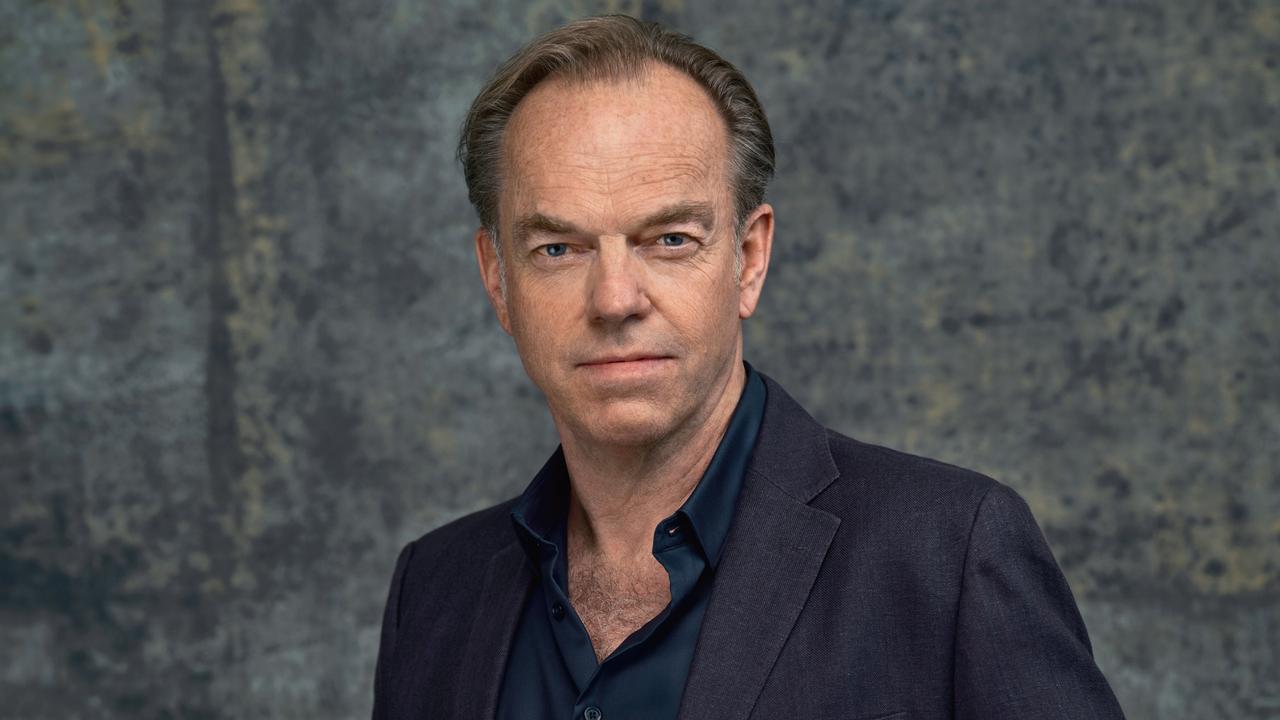
Hugo Weaving’s early life was defined by international mobility, which shaped his adaptable performance identity. Born in Nigeria to British parents and raised in Australia, Weaving developed a global perspective that informed his versatility. His early interest in storytelling and theatre led him to formal acting training.
Weaving’s career beginnings in Australian television and theatre demonstrated his distinctive voice and commanding presence. He quickly gained recognition for intense character portrayals and intellectual depth. His early performances emphasized emotional restraint and calculated delivery.
His breakthrough in the 1990s came through roles that blended dramatic seriousness with cultural commentary. Weaving became known for portraying characters with moral complexity and understated authority. His performances often anchored ensemble casts, reflecting leadership qualities.
By the late 1990s, Weaving had become one of Australia’s most recognizable cinematic figures. His legacy includes shaping the international perception of Australian actors as versatile and intellectually grounded performers.
Key Facts
- Full name of the subject: Hugo Wallace Weaving
- Date of birth: April 4, 1960
- Place of birth: Ibadan, Nigeria
- Family background: British parents; raised in Australia
- Early childhood experiences: International upbringing
- Education history: National Institute of Dramatic Art
- Influences and mentors: Theatre directors and classical actors
- Career beginnings: Australian television and theatre
- Major achievements: Breakthrough film performances in 1990s
- Challenges and obstacles faced: Balancing stage and screen careers
- Turning points in life: International recognition
- Contributions to society: Support for theatre arts
- Personal life (marriage, children, relationships): Long-term partner Katrina Greenwood
- Awards and recognitions: Numerous acting awards
- Beliefs, values, or philosophy: Commitment to character depth
- Legacy and impact: Influential character actor internationally
- Historical or cultural significance: Key figure in Australian cinema
Notable Works: The Adventures of Priscilla, Queen of the Desert, Babe, The Matrix
Controversies: Debate arose regarding Weaving’s involvement in politically themed performances that some critics interpreted as ideological statements. Commentators questioned whether actors should engage in socially reflective roles. Weaving emphasized artistic responsibility to explore complex themes. Industry consensus viewed the debate as reflective of evolving storytelling norms. The controversy ultimately enhanced discussions about artistic freedom without negatively affecting his professional trajectory.
Top 10 Pop Art Pioneers
8. Heath Ledger
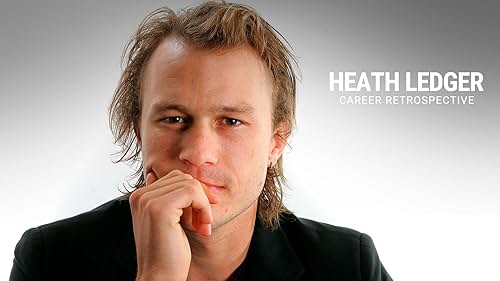
Heath Ledger’s emergence in the late 1990s symbolized a generational shift within Australian cinema. Born in Perth, Western Australia, Ledger’s early life combined artistic curiosity with athletic discipline. His exposure to dance, theatre, and visual storytelling during adolescence helped shape his instinctive performance style. Unlike classically trained contemporaries, Ledger developed a naturalistic approach grounded in emotional spontaneity.
His career beginnings came through Australian television, where he gained recognition for youthful charisma and expressive screen presence. Ledger’s early roles revealed an actor capable of balancing vulnerability with intensity. This duality allowed him to transition smoothly into feature films, where he began exploring more complex character dynamics.
Ledger’s breakthrough in the late 1990s positioned him as one of the most promising young actors of his generation. He cultivated an acting identity defined by immersion and psychological authenticity. Directors increasingly cast him in roles requiring emotional depth and physical commitment, establishing him as more than a conventional leading man.
By the end of the decade, Ledger represented the future of Australian acting on the global stage. His legacy from the 1990s lies in redefining youthful stardom through seriousness of craft. He helped pave the way for a new generation of Australian actors seeking artistic credibility alongside mainstream success.
Key Facts
- Full name of the subject: Heath Andrew Ledger
- Date of birth: April 4, 1979
- Place of birth: Perth, Western Australia, Australia
- Family background: Son of a racing driver and French teacher
- Early childhood experiences: Participated in theatre and dance
- Education history: Guildford Grammar School
- Influences and mentors: Australian film directors and acting coaches
- Career beginnings: Australian television series
- Major achievements: Breakthrough film roles in late 1990s
- Challenges and obstacles faced: Transition from teen roles to serious acting
- Turning points in life: International recognition before 2000
- Contributions to society: Support for Australian film culture
- Personal life (marriage, children, relationships): Known relationships with fellow actors
- Awards and recognitions: Early acting nominations
- Beliefs, values, or philosophy: Commitment to immersive acting
- Legacy and impact: Influenced next generation of actors
- Historical or cultural significance: Youth icon of Australian cinema
Notable Works: Two Hands, 10 Things I Hate About You
Controversies: Ledger faced discussion regarding his rapid transition from television and teen-oriented roles to mature dramatic performances. Critics questioned whether the shift was strategically motivated or artistically driven. Ledger responded by emphasizing dedication to challenging material and growth as an actor. Industry observers later confirmed that his selection of diverse roles reflected a deliberate artistic trajectory. The debate ultimately reinforced his reputation for seriousness and ambition rather than limiting his career.
9. Baz Luhrmann
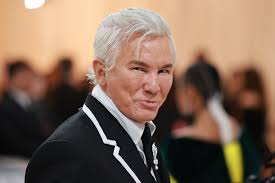
Baz Luhrmann emerged from rural Australia with a theatrical imagination that reshaped cinematic storytelling. Born in New South Wales, Luhrmann grew up surrounded by diverse cultural influences, including music, theatre, and storytelling traditions. His early exposure to performance and staging informed a visual style that would later become instantly recognizable.
Luhrmann’s career began in theatre, where he experimented with stylized production techniques and heightened emotional narratives. His early creative work demonstrated an interest in blending music, design, and storytelling into cohesive experiences. This interdisciplinary approach distinguished him from traditional filmmakers.
His breakthrough in the 1990s came through visually ambitious productions that combined spectacle with emotional storytelling. Luhrmann’s films were marked by vibrant color palettes, energetic editing, and theatrical performances. He redefined Australian cinema’s aesthetic identity and influenced global filmmaking trends.
By the end of the decade, Luhrmann had become synonymous with bold cinematic innovation. His legacy includes reshaping musical storytelling and expanding the visual language of mainstream cinema. His influence continues to shape directors worldwide.
Key Facts
- Full name of the subject: Mark Anthony Luhrmann
- Date of birth: September 17, 1962
- Place of birth: Sydney, New South Wales, Australia
- Family background: Raised by dance teacher mother
- Early childhood experiences: Exposure to theatre and music
- Education history: National Institute of Dramatic Art
- Influences and mentors: Theatre directors and production designers
- Career beginnings: Theatre productions
- Major achievements: Breakthrough films in 1990s
- Challenges and obstacles faced: Risk-taking visual style
- Turning points in life: International success of stylized films
- Contributions to society: Promotion of Australian creative industries
- Personal life (marriage, children, relationships): Married to Catherine Martin
- Awards and recognitions: Multiple film awards
- Beliefs, values, or philosophy: Emphasis on spectacle and emotion
- Legacy and impact: Redefined cinematic musicals
- Historical or cultural significance: Influential modern filmmaker
Notable Works: Strictly Ballroom, Romeo + Juliet
Controversies: Luhrmann’s highly stylized adaptation of classical literature generated debate among critics regarding fidelity to original texts. Some scholars argued that modernized visual elements overshadowed narrative authenticity. Luhrmann defended the approach as a means of making classical stories accessible to contemporary audiences. Industry responses acknowledged both perspectives, and the film’s commercial success validated the creative direction. The controversy ultimately highlighted tensions between traditionalism and innovation in cinematic adaptation.
10. George Miller
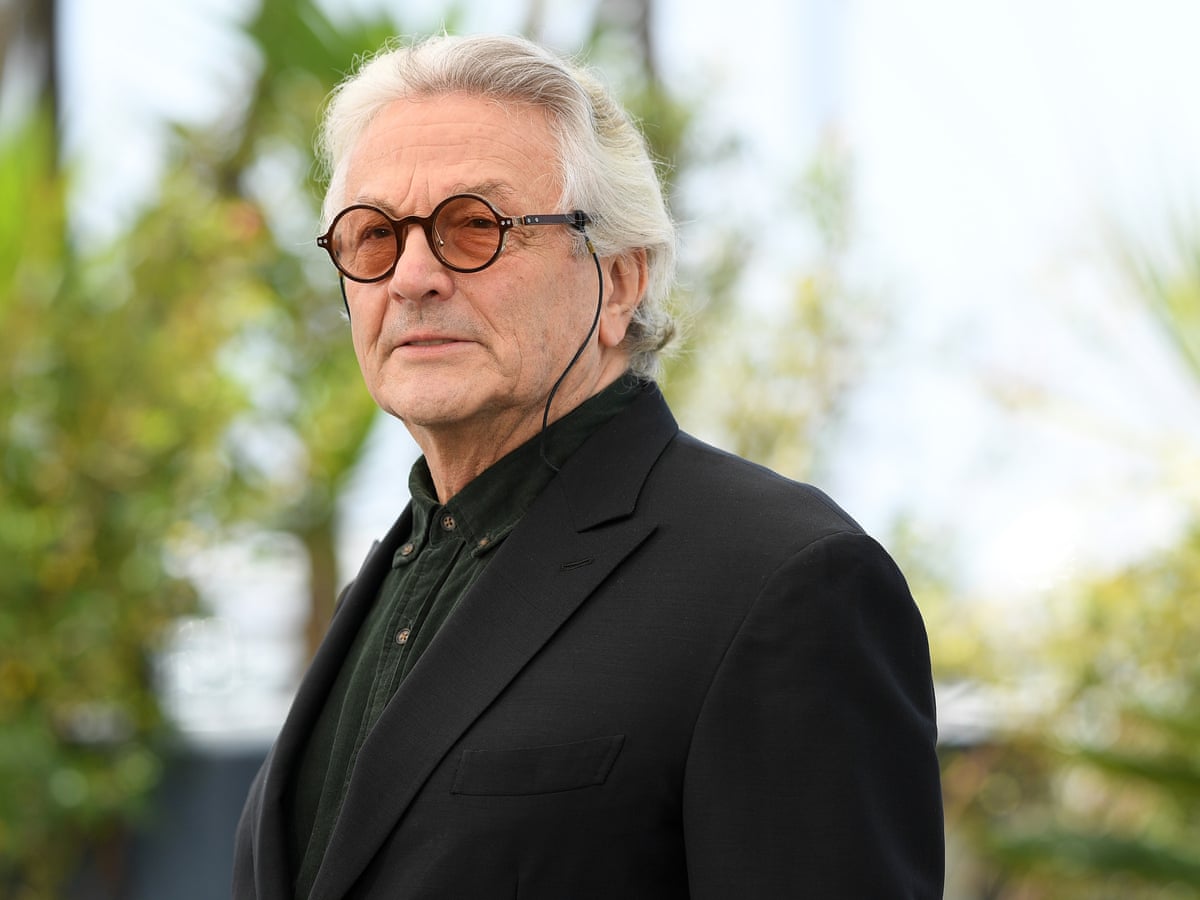
George Miller’s journey from medical training to cinematic innovation represents one of the most unconventional paths in film history. Born in Queensland to immigrant parents, Miller initially pursued medicine, where he developed observational skills that later influenced his storytelling. His exposure to human behavior informed his nuanced character development.
Miller’s career beginnings in filmmaking emerged during the late 1970s, but his influence carried strongly into the 1990s through continued innovation and mentorship. His storytelling style blended high-energy action with thematic depth. Miller’s technical precision and world-building abilities set new standards for genre filmmaking.
Throughout the 1990s, Miller’s creative output and industry leadership helped shape Australian cinema’s global reputation. He encouraged collaboration, supported emerging talent, and contributed to the growth of the national film industry. His work demonstrated that Australian filmmakers could lead international blockbuster storytelling.
By the end of the decade, Miller had become a foundational figure in Australian cinematic identity. His legacy extends beyond individual films to include industry-building contributions and mentorship. He remains one of the most influential filmmakers associated with Australia.
Key Facts
- Full name of the subject: George Miller
- Date of birth: March 3, 1945
- Place of birth: Chinchilla, Queensland, Australia
- Family background: Greek immigrant parents
- Early childhood experiences: Raised in rural Australia
- Education history: University of New South Wales (Medicine)
- Influences and mentors: Independent filmmakers
- Career beginnings: Short films and independent productions
- Major achievements: Global success as filmmaker
- Challenges and obstacles faced: Financing early films
- Turning points in life: International recognition
- Contributions to society: Mentorship and industry development
- Personal life (marriage, children, relationships): Private family life
- Awards and recognitions: International directing honors
- Beliefs, values, or philosophy: Innovation and collaboration
- Legacy and impact: Pioneer of Australian genre filmmaking
- Historical or cultural significance: Architect of modern Australian cinema
Notable Works: Mad Max series, Babe
Controversies: Miller’s large-scale productions occasionally sparked debate over budget expansion and production timelines. Critics questioned whether ambitious filmmaking placed financial strain on studios. Miller emphasized long-term creative vision and technological innovation. Industry reviews later confirmed that investments often resulted in commercial and critical success. The controversy highlighted the balance between artistic ambition and financial oversight without diminishing his professional reputation.
Notable Mentions
P.J. Hogan
Jane Campion
Jack Thompson
Rachel Griffiths
Ben Mendelsohn
Claudia Karvan
Noah Taylor
Bill Hunter
Catherine Martin
Andrew Lesnie