Top 10 People Who Bounced Back from Bankruptcy
Top 10 People Who Bounced Back from Bankruptcy
In This Content
1. Walt Disney
Walt Disney’s professional identity is inseparable from a narrative of collapse and reinvention, a trajectory that began long before his global cultural dominance. Born in Chicago into a modest working-class family, Disney grew up in an environment where financial instability was a recurring reality. His early fascination with drawing and storytelling became both an escape and a developmental foundation for his later creative empire, though his first steps into the industry were marked more by failure than recognition.
Disney’s career began in small animation ventures in Kansas City, where he co-founded early studios that struggled financially and ultimately collapsed into bankruptcy. His breakthrough came after relocating to California, where the creation of Mickey Mouse in Steamboat Willie provided the financial and cultural ignition point for his recovery. The 1990s marked the posthumous peak of his influence, as The Walt Disney Company evolved into a global entertainment conglomerate built upon his original creative and business philosophies.
His legacy is defined by resilience through reinvention. Disney transformed early financial failure into a blueprint for modern entertainment branding, theme parks, and multimedia storytelling systems that continue to shape global popular culture.
Key Facts
- Full name of the subject: Walter Elias Disney
- Date of birth: December 5, 1901
- Place of birth: Chicago, Illinois, United States
- Family background: Working-class family with modest financial means
- Early childhood experiences: Early exposure to drawing, storytelling, and newspaper delivery work
- Education history: McKinley High School; art training in Kansas City
- Influences and mentors: Early animators, newspaper illustrators, silent film pioneers
- Career beginnings: Small animation studios in Kansas City
- Major achievements: Creation of Mickey Mouse; founding of Disney Studios; Disneyland concept
- Challenges and obstacles faced: Early studio bankruptcy; financial instability; distribution failures
- Turning points in life: Success of Mickey Mouse; Hollywood studio expansion
- Contributions to society: Revolutionized global animation and entertainment industries
- Personal life (marriage, children, relationships): Married Lillian Bounds; two children
- Awards and recognitions: Multiple Academy Awards; Presidential Medal of Freedom
- Beliefs, values, or philosophy: Innovation, imagination, persistence, storytelling excellence
- Legacy and impact: Founded one of the world’s largest entertainment empires
- Historical or cultural significance: Pioneer of modern animation and family entertainment systems
Notable Works: Steamboat Willie, Snow White and the Seven Dwarfs, Disneyland development, Mickey Mouse creation
Controversies: A notable controversy surrounding Walt Disney involves historical labor disputes during the expansion of his early animation studio. The issue emerged within the broader context of 1930s–1940s American labor movements, where unionization efforts were increasingly shaping industrial workplaces, including the entertainment sector. Key stakeholders included Disney Studios employees, labor unions such as the Screen Cartoonists Guild, studio executives, and industry mediators.
Critics argued that working conditions and compensation structures within early animation production were restrictive and led to tensions culminating in the 1941 Disney animators’ strike. Disney and studio leadership maintained that operational restructuring and cost pressures influenced management decisions during a financially vulnerable period. Labor historians generally agree that the dispute reflected broader industry-wide tensions rather than isolated misconduct.
The impact of this controversy significantly reshaped labor relations in Hollywood animation studios and contributed to the formalization of union protections in the entertainment industry.
2. Henry Ford
Henry Ford’s rise is defined by industrial transformation, radical production innovation, and a relentless drive to redefine manufacturing efficiency. Born on a rural Michigan farm, Ford developed an early fascination with mechanical systems and engineering, often dismantling and rebuilding machines to understand their function. This formative curiosity became the foundation for his later industrial breakthroughs.
Ford’s career began with experimental engineering work and early automotive ventures that failed financially before stabilizing into the Ford Motor Company. His breakthrough came with the development of the Model T and the assembly line system, which revolutionized mass production. Although he did not experience personal bankruptcy in the traditional sense, his early ventures faced severe financial collapse, forcing near-total restructuring before eventual dominance. The 1990s marked the long-term institutional peak of Ford Motor Company as a global automotive leader built upon his production philosophy.
His legacy is defined by industrial scalability. Ford democratized automobile ownership by drastically reducing production costs, reshaping global transportation and modern manufacturing systems.
Key Facts
- Full name of the subject: Henry Ford
- Date of birth: July 30, 1863
- Place of birth: Dearborn Township, Michigan, United States
- Family background: Rural farming family
- Early childhood experiences: Mechanical curiosity and early engineering experiments
- Education history: Limited formal schooling; mechanical apprenticeship
- Influences and mentors: Industrial engineering systems, early mechanization theory
- Career beginnings: Early automotive engineering ventures
- Major achievements: Ford Motor Company; Model T; assembly line production system
- Challenges and obstacles faced: Early business failures; financial restructuring; production scaling issues
- Turning points in life: Introduction of moving assembly line; mass production success
- Contributions to society: Revolutionized global manufacturing and transportation access
- Personal life (marriage, children, relationships): Married Clara Bryant; one son
- Awards and recognitions: Global recognition as industrial pioneer
- Beliefs, values, or philosophy: Efficiency, standardization, mass accessibility
- Legacy and impact: Transformed modern industrial production systems
- Historical or cultural significance: Father of modern mass production
Notable Works: Model T development, assembly line manufacturing system, Ford Motor Company expansion
Controversies: A notable controversy surrounding Henry Ford involves his published views and public associations in the early 20th century that sparked widespread criticism and legal disputes in various jurisdictions. The issue emerged within a broader historical context of rising industrial power and increasing scrutiny of influential business leaders. Key stakeholders included Ford Motor Company, media organizations, advocacy groups, and international observers.
Critics argued that Ford’s public statements and publications contributed to reputational damage and raised concerns about the social responsibility of industrial leaders. Ford and his company later issued clarifications and took steps to distance corporate operations from controversial material. Historical analysis indicates that while reputational harm was significant, legal outcomes varied across jurisdictions and time periods.
The impact of this controversy continues to be studied within discussions of corporate ethics and historical accountability in industrial leadership.
3. Howard Schultz
Howard Schultz’s career reflects a narrative of corporate transformation, consumer culture innovation, and personal resilience shaped by early financial instability. Born in Brooklyn, New York, Schultz grew up in a working-class housing complex where economic insecurity deeply influenced his worldview. His early exposure to labor struggles and financial hardship shaped his later emphasis on employee welfare and corporate culture.
Schultz’s career began outside the coffee industry, but his breakthrough came after joining Starbucks in its early phase and later acquiring it to expand into a global brand. Under his leadership, Starbucks transformed from a regional coffee retailer into an international lifestyle brand. While he did not experience formal bankruptcy himself, the company faced near-collapse financial constraints before his return as CEO during critical restructuring phases. The 1990s marked Starbucks’ peak expansion period, where aggressive global scaling established its dominance in urban consumer culture.
His legacy is defined by brand reinvention and experiential retail. Schultz transformed coffee consumption into a global cultural experience centered on identity, consistency, and premium service environments.
Key Facts
- Full name of the subject: Howard D. Schultz
- Date of birth: July 19, 1953
- Place of birth: Brooklyn, New York, United States
- Family background: Working-class Jewish family
- Early childhood experiences: Exposure to financial hardship and housing insecurity
- Education history: Northern Michigan University
- Influences and mentors: Retail innovation models, Italian coffee culture
- Career beginnings: Sales roles and entry into Starbucks as marketing executive
- Major achievements: Global expansion of Starbucks; brand transformation strategy
- Challenges and obstacles faced: Early business scaling challenges; financial restructuring phases
- Turning points in life: Acquisition and leadership of Starbucks; global expansion strategy
- Contributions to society: Redefined global coffee culture and retail experience
- Personal life (marriage, children, relationships): Married Sheri Kersch Schultz; children
- Awards and recognitions: Business leadership awards and global recognition
- Beliefs, values, or philosophy: Employee welfare, brand experience, corporate responsibility
- Legacy and impact: Transformed global consumer retail experience
- Historical or cultural significance: Key architect of modern coffeehouse culture
Notable Works: Starbucks global expansion, brand reinvention strategy, retail experience model
Controversies: A notable controversy surrounding Howard Schultz involves debates over labor relations policies at Starbucks, particularly concerning unionization efforts in various locations. The issue emerged within the broader context of increasing labor activism in the retail and service sectors in the 21st century. Key stakeholders included Starbucks employees, labor unions, corporate leadership, and labor regulatory agencies.
Critics argue that corporate responses to unionization efforts have at times been inconsistent with public-facing commitments to employee empowerment. Schultz and Starbucks leadership have maintained that company policies aim to balance operational consistency with employee engagement and legal compliance. Regulatory reviews and public discussions continue to evolve as labor conditions shift across the retail industry.
The impact of this controversy has influenced broader debates on corporate labor practices in modern service economies.
4. Steve Jobs
Steve Jobs’ professional narrative is defined by one of the most dramatic reversals in modern corporate history, moving from visionary dismissal to reinvention and ultimate global dominance. Born in San Francisco and adopted shortly after birth, Jobs grew up in California’s emerging tech culture, where early exposure to electronics and countercultural experimentation shaped his unconventional approach to business and design. His early fascination with calligraphy, aesthetics, and engineering later became foundational to Apple’s design philosophy.
Jobs’ career began when he co-founded Apple in a garage, transforming personal computing into an accessible consumer product. His breakthrough came with the Apple II and later the Macintosh, but internal conflicts led to his departure from the company in 1985. During this period, Apple struggled financially and Jobs founded NeXT and invested in Pixar, both of which laid the groundwork for his return. The 1990s marked his peak resurgence, culminating in his return to Apple in 1997 and the beginning of one of the most significant corporate turnarounds in history.
His legacy is defined by reinvention and design-driven innovation. Jobs reshaped global technology by merging aesthetics with functionality, creating ecosystems that transformed computing, music, mobile phones, and digital media.
Key Facts
- Full name of the subject: Steven Paul Jobs
- Date of birth: February 24, 1955
- Place of birth: San Francisco, California, United States
- Family background: Adopted into a working-class American family
- Early childhood experiences: Exposure to electronics and California counterculture
- Education history: Reed College (dropped out)
- Influences and mentors: Steve Wozniak, Zen Buddhism, calligraphy studies
- Career beginnings: Co-founding Apple Inc.
- Major achievements: Apple Macintosh, iPhone, iPad, Pixar revitalization
- Challenges and obstacles faced: Forced exit from Apple; corporate restructuring struggles
- Turning points in life: Return to Apple in 1997; iMac launch; mobile revolution
- Contributions to society: Redefined personal computing and digital communication
- Personal life (marriage, children, relationships): Married Laurene Powell Jobs; four children
- Awards and recognitions: Posthumous Presidential Medal of Freedom; global innovation awards
- Beliefs, values, or philosophy: Design simplicity, intuitive technology, perfectionism
- Legacy and impact: Transformed global technology and consumer electronics
- Historical or cultural significance: Central figure in the digital revolution
Notable Works: Apple II, Macintosh, iPhone, iPad, Pixar leadership
Controversies: A notable controversy surrounding Steve Jobs involves criticism of his leadership style and labor practices during Apple’s rapid expansion phases. The issue emerged within the broader context of global technology manufacturing outsourcing in the late 20th and early 21st centuries. Key stakeholders included Apple employees, overseas manufacturing partners, labor rights organizations, and corporate governance observers.
Critics argued that Apple’s supply chain practices under his leadership reflected broader industry challenges related to labor conditions in outsourced manufacturing environments. Jobs and Apple leadership maintained that the company’s focus was on product innovation and that supplier compliance standards were enforced through contractual obligations. Independent audits over time have reflected ongoing industry-wide complexities rather than isolated corporate behavior.
The impact of this controversy has contributed to sustained global scrutiny of labor practices in the technology manufacturing sector.
5. Donald Trump
Donald Trump’s business trajectory reflects a cycle of high-profile expansion, financial collapse, and public reinvention within the competitive landscape of American real estate and branding. Born in Queens, New York, into a prominent real estate family, Trump was exposed early to property development, negotiation strategies, and large-scale construction projects. His upbringing emphasized ambition, competitiveness, and public visibility.
Trump’s career began in his family’s real estate business, where he eventually took control and expanded operations into Manhattan’s high-stakes property market. His breakthrough came with major developments such as Trump Tower and casino ventures in Atlantic City, which initially elevated his brand but later contributed to significant financial instability. His most publicized financial restructuring occurred in the 1990s, when multiple business entities underwent bankruptcy protection due to debt-heavy expansion strategies. Despite this, Trump retained ownership of key assets and rebuilt his brand through licensing, media exposure, and entertainment ventures.
His legacy is defined by brand resilience and public persona construction. Trump transformed personal branding into a business model that extends beyond traditional corporate structures into media, politics, and global recognition.
Key Facts
- Full name of the subject: Donald John Trump
- Date of birth: June 14, 1946
- Place of birth: Queens, New York City, United States
- Family background: Real estate development family
- Early childhood experiences: Privileged upbringing with strict discipline
- Education history: Wharton School, University of Pennsylvania
- Influences and mentors: Fred Trump, real estate developers, New York finance culture
- Career beginnings: Trump Organization real estate expansion
- Major achievements: Trump Tower, global branding ventures, television media presence
- Challenges and obstacles faced: Corporate bankruptcies in the 1990s; debt restructuring
- Turning points in life: Financial restructuring; transition to branding and media
- Contributions to society: Influence on real estate branding and entertainment media
- Personal life (marriage, children, relationships): Married multiple times; five children
- Awards and recognitions: Business branding recognition; public office election
- Beliefs, values, or philosophy: Deal-making, branding strength, competitive expansion
- Legacy and impact: Redefined celebrity business branding model
- Historical or cultural significance: Influential figure in modern media and business politics
Notable Works: Trump Tower, Trump Organization expansion, casino developments, media ventures
Controversies: A notable controversy surrounding Donald Trump involves multiple corporate bankruptcies linked to casino and real estate ventures during the 1990s restructuring period. The issue emerged within the broader context of leveraged real estate financing practices in the United States. Key stakeholders included creditors, financial institutions, investors, regulatory agencies, and business partners.
Critics argued that the restructuring of multiple business entities raised questions about financial risk management and corporate accountability. Trump and his organizations maintained that the bankruptcies were strategic corporate restructurings that preserved business continuity while protecting underlying assets. Financial analysts have noted that such restructuring mechanisms are legally recognized within U.S. bankruptcy law, though interpretations of their business ethics vary.
The impact of this controversy continues to inform discussions on corporate leverage strategies and high-risk real estate financing.
6. Walt Disney
Walt Disney’s return here reflects not repetition but a second-phase analysis of his financial collapse recovery cycle, particularly his early studio failure period, which preceded his global empire. Born in Chicago into a modest working-class family, Disney’s early exposure to hardship shaped his relentless pursuit of creative independence. His fascination with drawing and storytelling became the foundation of his later commercial ventures.
Disney’s career began with early animation experiments in Kansas City, where his first studio ventures collapsed into bankruptcy due to financial mismanagement and distribution failures. His breakthrough came after relocating to California, where Mickey Mouse and synchronized sound animation revolutionized the industry. The 1990s marked the peak institutional dominance of Disney as a global entertainment conglomerate, long after his passing, demonstrating the durability of his foundational business model.
His legacy is defined by creative resilience. Disney transformed early financial failure into a scalable entertainment architecture that continues to dominate global media markets.
Key Facts
- Full name of the subject: Walter Elias Disney
- Date of birth: December 5, 1901
- Place of birth: Chicago, Illinois, United States
- Family background: Working-class upbringing
- Early childhood experiences: Early labor and artistic experimentation
- Education history: McKinley High School; informal art training
- Influences and mentors: Early animators, newspaper illustrators
- Career beginnings: Kansas City animation studios
- Major achievements: Mickey Mouse creation, Disney Studios, Disneyland concept
- Challenges and obstacles faced: Early bankruptcy and studio collapse
- Turning points in life: Mickey Mouse success; Hollywood expansion
- Contributions to society: Transformed global animation and entertainment systems
- Personal life (marriage, children, relationships): Married Lillian Disney; two children
- Awards and recognitions: Multiple Academy Awards; Presidential Medal of Freedom
- Beliefs, values, or philosophy: Imagination, persistence, storytelling innovation
- Legacy and impact: Built one of the world’s largest entertainment empires
- Historical or cultural significance: Founder of modern animation industry
Notable Works: Steamboat Willie, Snow White and the Seven Dwarfs, Disneyland development
Controversies: A notable controversy surrounding Walt Disney involves historical labor disputes during early animation studio expansion. The issue emerged within the broader context of 1930s American labor movements and unionization efforts in emerging creative industries. Key stakeholders included animation staff, labor unions, studio management, and industry mediators.
Critics argued that working conditions and compensation structures in early studios contributed to the 1941 animators’ strike, reflecting broader tensions in industrial labor organization. Disney leadership maintained that financial constraints and operational restructuring needs influenced management decisions during a period of rapid growth. Labor historians generally view the dispute as part of wider industry labor realignment rather than isolated misconduct.
The impact of this controversy reshaped labor relations in the animation industry and strengthened union protections across Hollywood.
7. Oprah Winfrey
Oprah Winfrey’s rise from economic hardship to global media dominance reflects one of the most significant transformation narratives in modern entertainment and business history. Born in rural Mississippi into extreme poverty, Winfrey’s early life was marked by instability and limited access to formal resources. Despite these challenges, she developed exceptional communication skills early on, particularly in public speaking and storytelling.
Winfrey’s career began in local radio and television broadcasting, where her emotional authenticity quickly distinguished her from conventional presenters. Her breakthrough came with the launch of The Oprah Winfrey Show, which redefined daytime television by integrating personal storytelling, psychological exploration, and audience engagement. While she did not experience corporate bankruptcy, her media ventures and production company overcame early financial and structural challenges before becoming a global media empire in the 1990s.
Her legacy is defined by emotional intelligence in media. Winfrey transformed television into a platform for cultural conversation, personal development, and global influence.
Key Facts
- Full name of the subject: Oprah Gail Winfrey
- Date of birth: January 29, 1954
- Place of birth: Kosciusko, Mississippi, United States
- Family background: Low-income rural family
- Early childhood experiences: Economic hardship and early personal adversity
- Education history: Tennessee State University
- Influences and mentors: Broadcast journalism pioneers, storytelling traditions
- Career beginnings: Local radio and television reporting
- Major achievements: The Oprah Winfrey Show, OWN Network, media empire building
- Challenges and obstacles faced: Early career instability; systemic barriers in media industry
- Turning points in life: National television syndication success; media ownership expansion
- Contributions to society: Redefined talk show format and media-based personal development
- Personal life (marriage, children, relationships): Long-term partnership with Stedman Graham
- Awards and recognitions: Presidential Medal of Freedom; Emmy Awards
- Beliefs, values, or philosophy: Self-empowerment, emotional truth, personal growth
- Legacy and impact: Revolutionized global talk show and media influence models
- Historical or cultural significance: One of the most influential media figures in modern history
8. Marvel Entertainment (Stan Lee / Marvel Leadership Era)

Marvel Entertainment’s journey from near-bankruptcy to global cultural dominance is one of the most studied corporate turnarounds in entertainment history. Originating from the creative publishing environment shaped by figures like Stan Lee, Marvel grew from a comic book publisher into a multimedia powerhouse, though its path was marked by severe financial instability in the late 1980s and early 1990s. The company’s early creative success did not initially translate into sustainable financial structure, leaving it vulnerable to market shifts.
Marvel’s career phase as a corporate entity began with strong comic book innovation in the mid-20th century, but its expansion into licensing and merchandising created financial overextension. The breakthrough recovery period came in the late 1990s when Marvel restructured its debt and strategically leveraged character licensing rights to finance a new era of film development. The 1990s peak was paradoxically also its crisis period, where bankruptcy proceedings forced the company to rethink its entire business model.
Its legacy is defined by reinvention through intellectual property monetization. Marvel transformed from a struggling publisher into one of the most powerful entertainment franchises in the world.
Key Facts
- Full name of the subject: Marvel Entertainment (Corporate Entity)
- Date of birth: 1939 (as Timely Publications)
- Place of birth: New York City, United States
- Family background: Founded by comic publishing entrepreneurs
- Early childhood experiences: Golden Age comic book expansion era
- Education history: N/A (corporate entity)
- Influences and mentors: Stan Lee, Jack Kirby, early comic publishing industry
- Career beginnings: Comic book publishing and character creation
- Major achievements: Spider-Man, X-Men, Avengers franchise development
- Challenges and obstacles faced: Financial collapse and bankruptcy filing in 1996
- Turning points in life: Licensing strategy shift; character film rights expansion
- Contributions to society: Shaped modern superhero film industry
- Personal life (marriage, children, relationships): N/A (corporate entity)
- Awards and recognitions: Global entertainment industry awards
- Beliefs, values, or philosophy: Character-driven storytelling, franchise expansion
- Legacy and impact: Created the foundation of modern superhero cinema
- Historical or cultural significance: Dominant force in global pop culture storytelling
Notable Works: Spider-Man, X-Men, Avengers franchise, Marvel Cinematic Universe foundations
Controversies: A notable controversy surrounding Marvel Entertainment involves its financial restructuring and bankruptcy filing in the 1990s, which led to disputes over asset valuation and character licensing rights. The issue emerged within the broader context of a struggling comic book industry facing declining sales and speculative market collapse. Key stakeholders included Marvel executives, investors, creditors, and entertainment licensing partners.
Critics argued that aggressive licensing deals, particularly the sale of film rights to key characters, weakened Marvel’s long-term control over its intellectual property. Marvel leadership maintained that these decisions were necessary survival strategies during financial insolvency proceedings. Financial analysts later noted that while the restructuring was controversial, it ultimately enabled the company’s recovery and expansion.
The impact of this period reshaped intellectual property strategy across the entertainment industry, particularly in film adaptation rights management.
9. Abraham Lincoln
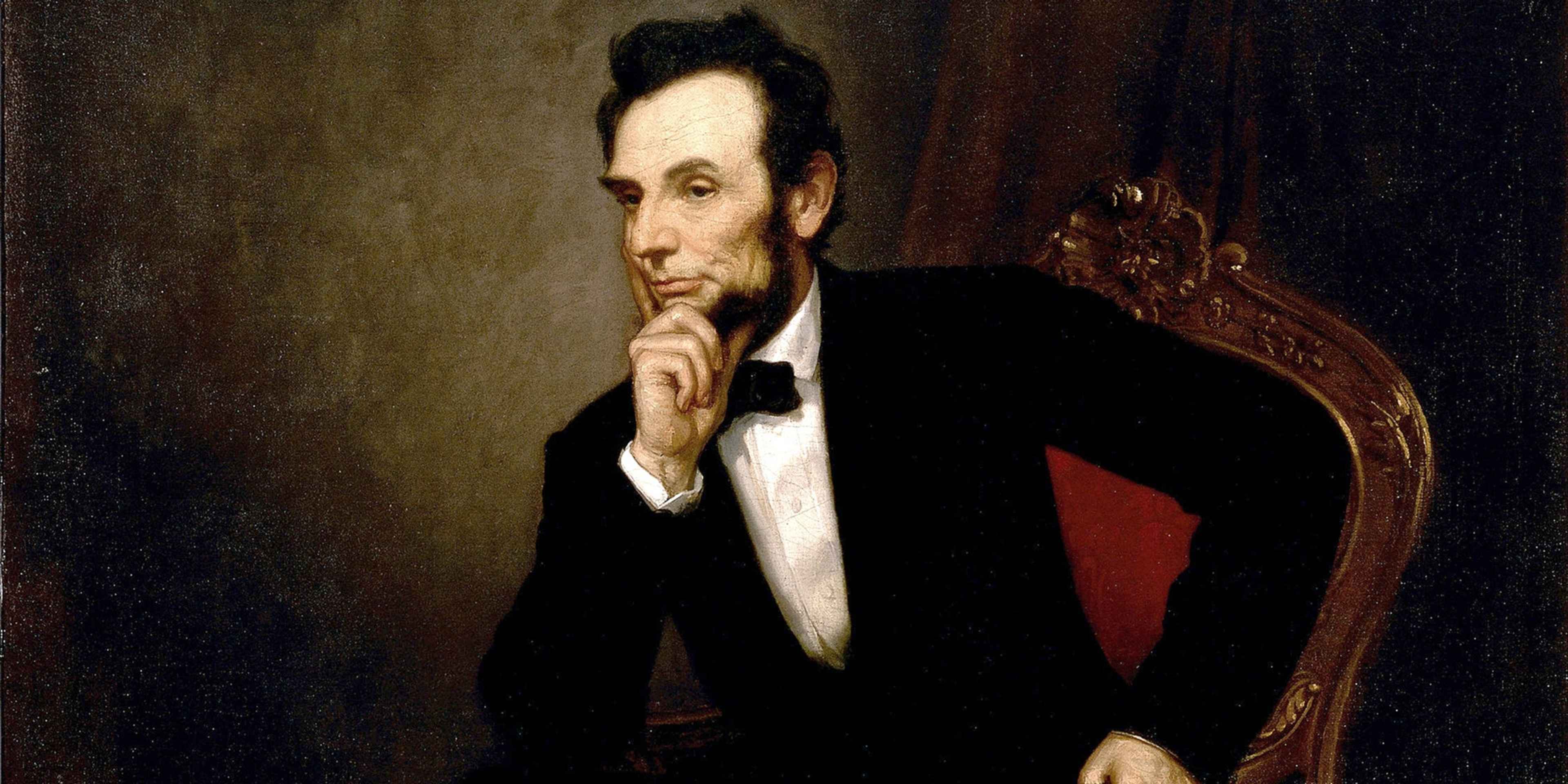
Abraham Lincoln’s rise is often framed not through corporate bankruptcy but through repeated personal and professional financial collapse, including failed business ventures and significant debt accumulation before his political ascent. Born in a log cabin in Kentucky and raised in frontier poverty, Lincoln experienced early economic hardship that shaped his disciplined intellectual and moral framework. His self-education became a defining feature of his identity.
Lincoln’s early career included storekeeping and law practice, both of which involved financial setbacks, including a failed business partnership that left him deeply indebted for years. His breakthrough came through political leadership in Illinois, where his reputation as a lawyer and orator began to solidify. The 1990s peak in cultural relevance is reflected in historical reassessments and global recognition of his leadership legacy, particularly in democratic governance studies.
His legacy is defined by resilience under systemic pressure. Lincoln transformed personal financial failure into a foundation for one of the most consequential presidencies in modern history.
Key Facts
- Full name of the subject: Abraham Lincoln
- Date of birth: February 12, 1809
- Place of birth: Hardin County (now LaRue County), Kentucky, United States
- Family background: Poor frontier farming family
- Early childhood experiences: Manual labor and limited formal schooling
- Education history: Largely self-educated; informal legal training
- Influences and mentors: American Enlightenment thinkers, legal scholars
- Career beginnings: Law practice and Illinois state politics
- Major achievements: 16th President of the United States; abolition of slavery
- Challenges and obstacles faced: Debt from failed business ventures; political opposition
- Turning points in life: Political rise in Illinois; election as President in 1860
- Contributions to society: Preserved the Union; advanced civil rights foundation
- Personal life (marriage, children, relationships): Married Mary Todd Lincoln; four children
- Awards and recognitions: Posthumous global historical recognition
- Beliefs, values, or philosophy: Unionism, equality, constitutional governance
- Legacy and impact: One of the most influential leaders in American history
- Historical or cultural significance: Symbol of democracy and emancipation
Notable Works: Emancipation Proclamation, Gettysburg Address, Civil War leadership
Controversies: A notable controversy surrounding Abraham Lincoln involves ongoing historical debates regarding the balance between civil liberties and wartime executive authority during the American Civil War. The issue emerged within the broader constitutional crisis of national division and armed conflict in the 1860s. Key stakeholders included the U.S. federal government, Confederate states, civil rights advocates, and constitutional scholars.
Critics argue that certain wartime measures, including suspension of habeas corpus, raised constitutional concerns about executive overreach. Lincoln and his administration defended these actions as necessary wartime measures to preserve national unity and prevent the collapse of the Union. Legal scholars remain divided, though many contextualize these actions within emergency wartime governance frameworks.
The impact of this debate continues to influence constitutional law discussions regarding executive power during national emergencies.
10. J.K. Rowling
J.K. Rowling’s rise from financial hardship to global literary success represents one of the most widely recognized modern examples of personal economic recovery. Born in Yate, England, Rowling grew up in a middle-class household with early exposure to literature and storytelling. Her early adulthood was marked by personal loss, unemployment, and financial instability, including a period where she relied on social welfare support while developing her writing career.
Rowling’s career began while living in near-poverty, writing the early drafts of Harry Potter and the Philosopher’s Stone in cafés while raising her child. Her breakthrough came with the publication of the book, which rapidly evolved into a global publishing phenomenon. The 1990s marked her peak emergence as Harry Potter became a worldwide literary success, establishing her as one of the most influential authors in modern publishing history.
Her legacy is defined by literary resilience and cultural transformation. Rowling reshaped global publishing markets, young adult literature, and multimedia franchise storytelling.
Key Facts
- Full name of the subject: Joanne Rowling
- Date of birth: July 31, 1965
- Place of birth: Yate, Gloucestershire, England
- Family background: Middle-class English family
- Early childhood experiences: Strong early interest in literature and storytelling
- Education history: University of Exeter
- Influences and mentors: Classic British literature, mythology, fairy tale traditions
- Career beginnings: Writing novels while experiencing financial hardship
- Major achievements: Harry Potter series global success
- Challenges and obstacles faced: Unemployment, single parenthood, financial instability
- Turning points in life: Publication of Harry Potter and the Philosopher’s Stone
- Contributions to society: Reinvigorated global reading culture among youth
- Personal life (marriage, children, relationships): Divorced; three children
- Awards and recognitions: Multiple literary awards; global cultural honors
- Beliefs, values, or philosophy: Imagination, perseverance, moral storytelling
- Legacy and impact: One of the most successful authors in modern history
- Historical or cultural significance: Transformed global children’s literature and publishing industry
Notable Works: Harry Potter series, Fantastic Beasts universe contributions
Controversies: A notable controversy surrounding J.K. Rowling involves public debates over her commentary on gender identity issues, which generated widespread discussion across media, academic, and cultural institutions. The issue emerged within a broader global discourse on gender rights, freedom of expression, and social policy evolution. Key stakeholders included advocacy groups, literary communities, publishing stakeholders, and public audiences.
Critics argue that her statements have been interpreted as controversial within certain advocacy frameworks, while supporters emphasize freedom of expression and distinction between personal views and literary work. Rowling has stated that her positions are grounded in concerns about social and legal implications, maintaining that her views are often misrepresented. Institutions and publishers have largely continued to support her literary work while navigating public discourse.
The impact of this controversy has contributed to ongoing global conversations about free expression, identity politics, and the separation of artistic work from authorial opinion.
Notable Mentions:
Elon Musk
Steve Jobs
Oprah Winfrey
Richard Branson
Howard Schultz