
Top 10 Mexiwood (Mexico) Movie Legends of the 90s
Top 10 Mexiwood (Mexico) Movie Legends of the 90s
In This Content
Quick List
Salma Hayek
Alfonso Cuarón
Guillermo del Toro
Demián Bichir
Gael García Bernal
Diego Luna
Alejandro González Iñárritu
Arturo Ripstein
Jorge Fons
Eduardo Palomo
1. Salma Hayek

Salma Hayek’s emergence in the 1990s marked a defining moment for Mexican representation in global cinema, positioning Mexiwood as a rising cultural force. Born in Coatzacoalcos, Veracruz, Hayek grew up in a privileged yet culturally rooted household, where her Lebanese-Mexican heritage shaped her awareness of identity and performance. Her early fascination with storytelling was influenced by Mexican television dramas and classical film narratives.
Hayek began her career in Mexican television, gaining national recognition through the telenovela “Teresa.” Her breakthrough came as she transitioned to Hollywood in the early 1990s, facing language barriers and industry skepticism. Despite these challenges, she steadily built a presence through supporting roles that highlighted her emotional expressiveness and screen magnetism.
By the mid-1990s, Hayek’s artistic identity evolved into that of a transnational performer. Her ability to balance vulnerability with strength allowed her to stand out in Hollywood productions that often stereotyped Latina roles. Her persistence reshaped casting expectations and expanded opportunities for Mexican actors in the U.S. film industry.
Hayek’s cultural influence extended beyond acting into production and advocacy. She became a symbol of Mexican talent entering global cinema on its own terms. Her legacy from the 1990s lies in breaking structural barriers and redefining the visibility of Latin American performers in Hollywood.
Key Facts
- Full name of the subject: Salma Valgarma Hayek Jiménez
- Date of birth: September 2, 1966
- Place of birth: Coatzacoalcos, Veracruz, Mexico
- Family background: Lebanese-Mexican family
- Early childhood experiences: Bilingual upbringing in Mexico
- Education history: Universidad Iberoamericana (International Relations)
- Influences and mentors: Mexican cinema and telenovela directors
- Career beginnings: Mexican television (Teresa)
- Major achievements: Transition to Hollywood film industry
- Challenges and obstacles faced: Language barriers and typecasting
- Turning points in life: Move to Hollywood in early 1990s
- Contributions to society: Representation of Latina actors globally
- Personal life (marriage, children, relationships): Married; one child
- Awards and recognitions: Later Academy Award nominations
- Beliefs, values, or philosophy: Cultural identity and representation
- Legacy and impact: Global Mexican film icon
- Historical or cultural significance: Expanded Latina visibility in Hollywood
Notable Works: Desperado, From Dusk Till Dawn, Teresa
Controversies: A recurring industry discussion surrounding Hayek in the 1990s involved typecasting and the limited scope of roles offered to Latina actresses in Hollywood. The issue emerged as casting trends frequently positioned her in stereotypical roles despite her growing international profile. Stakeholders included film studios, casting directors, and advocacy groups addressing representation. Hayek publicly acknowledged the structural limitations while continuing to pursue diverse roles. Verified industry analysis confirmed systemic casting bias rather than individual controversy. The outcome contributed to broader conversations on diversity and representation in Hollywood casting practices.
2. Alfonso Cuarón

Alfonso Cuarón’s rise in the 1990s represented the intellectual and cinematic evolution of Mexiwood, marking Mexico’s growing influence in global auteur filmmaking. Born in Mexico City, Cuarón was raised in a middle-class family that valued education and artistic exploration. His early exposure to European cinema and literature shaped his narrative sensibility and technical precision.
Cuarón began his career in Mexican television and independent film production, developing a reputation for visual storytelling and emotional depth. His breakthrough came with “Sólo con tu pareja” (1991), which demonstrated his ability to blend satire with human drama. The film’s success opened international opportunities and positioned him within the emerging New Mexican Cinema movement.
Throughout the 1990s, Cuarón expanded into Hollywood, directing “A Little Princess” (1995), which showcased his mastery of visual composition and emotional storytelling. His work combined Mexican narrative sensibilities with global cinematic techniques, establishing him as a bridge between industries.
Cuarón’s legacy in the 1990s lies in redefining Mexican directing talent on the international stage. He helped position Mexiwood as a source of world-class filmmakers capable of competing in global cinema markets.
Key Facts
- Full name of the subject: Alfonso Cuarón Orozco
- Date of birth: November 28, 1961
- Place of birth: Mexico City, Mexico
- Family background: Educated middle-class family
- Early childhood experiences: Interest in film and literature
- Education history: National Autonomous University of Mexico
- Influences and mentors: European auteurs and Mexican filmmakers
- Career beginnings: Mexican television and short films
- Major achievements: Early international directing recognition
- Challenges and obstacles faced: Transition to Hollywood industry
- Turning points in life: Success of Sólo con tu pareja
- Contributions to society: Elevated Mexican directing prestige
- Personal life (marriage, children, relationships): Married; children
- Awards and recognitions: Later Academy Award wins (post-1990s foundation)
- Beliefs, values, or philosophy: Humanistic storytelling
- Legacy and impact: Global auteur filmmaker
- Historical or cultural significance: Key figure in New Mexican Cinema
Notable Works: A Little Princess, Sólo con tu pareja, Great Expectations
Controversies: A discussion involving Cuarón centered on adaptation liberties in his international projects during the 1990s. Critics debated whether his reinterpretation of classic literary works for Hollywood audiences altered original thematic intent. Stakeholders included literary critics, studios, and audiences familiar with source material. Cuarón defended his adaptations as reinterpretations rather than direct translations. Verified critical responses showed mixed reception but no formal disputes. The debate contributed to broader discourse on cultural adaptation in global cinema.
3. Guillermo del Toro

Guillermo del Toro’s artistic emergence in the 1990s signaled a transformative era for Mexican genre filmmaking. Born in Guadalajara, he was raised in a devout Catholic household where folklore, religion, and mythology influenced his imagination. His fascination with monsters and gothic storytelling began in childhood, shaping his cinematic identity.
Del Toro began his career in makeup effects and television production in Mexico, developing technical expertise alongside storytelling skills. His breakthrough came with “Cronos” (1993), a film that combined horror, fantasy, and emotional depth. The film’s international success positioned him as a unique voice in genre cinema.
During the 1990s, del Toro expanded into Hollywood productions such as “Mimic” (1997), where he introduced his signature visual style. His work blended practical effects with deeply human narratives, elevating genre filmmaking beyond traditional horror conventions.
Del Toro’s cultural influence lies in redefining monster storytelling as emotional allegory. His legacy from the 1990s established Mexiwood as a source of visionary genre filmmakers with global influence.
Key Facts
- Full name of the subject: Guillermo del Toro Gómez
- Date of birth: October 9, 1964
- Place of birth: Guadalajara, Jalisco, Mexico
- Family background: Catholic middle-class family
- Early childhood experiences: Interest in monsters and mythology
- Education history: Centro de Investigación y Estudios Cinematográficos
- Influences and mentors: Horror literature and classic cinema
- Career beginnings: Special effects and television production
- Major achievements: Cronos international recognition
- Challenges and obstacles faced: Limited Mexican film funding
- Turning points in life: Success of Cronos
- Contributions to society: Elevated Mexican genre filmmaking
- Personal life (marriage, children, relationships): Married; children
- Awards and recognitions: Later Academy Award success
- Beliefs, values, or philosophy: Monsters as emotional metaphors
- Legacy and impact: Global fantasy-horror auteur
- Historical or cultural significance: Redefined Mexican genre cinema
Notable Works: Cronos, Mimic, early short films
Controversies: A debate surrounding del Toro in the 1990s involved criticism of Hollywood studio interference in genre filmmaking. The issue arose when production changes were made during post-production of “Mimic,” which altered aspects of his original vision. Stakeholders included studio executives, production teams, and creative collaborators. Del Toro publicly expressed concerns about creative control limitations. Verified production records confirmed editorial changes by the studio. The controversy became a reference point in discussions about director autonomy in Hollywood genre films.
4. Demián Bichir

Demián Bichir’s emergence in the 1990s reflected the refinement of Mexican acting craft during a period when Mexiwood was expanding its international credibility. Born into the influential Bichir acting family in Mexico City, he was raised in an environment where theater, television, and political storytelling intersected. This early exposure shaped his disciplined approach to character work and emotional realism.
Bichir began acting at a young age in Mexican television and stage productions, gradually building a reputation for seriousness and versatility. His breakthrough in the 1990s came through critically respected Mexican films where he demonstrated an ability to portray emotionally complex, socially grounded characters. His performances carried a quiet intensity that distinguished him from more commercially oriented actors of the era.
Throughout the decade, Bichir refined a performance style rooted in psychological depth and restraint. He avoided exaggerated expression, instead favoring internalized emotion and subtle character development. This approach aligned with the New Mexican Cinema movement, which emphasized realism and social commentary.
Bichir’s legacy in the 1990s lies in establishing a bridge between traditional Mexican theater acting and modern cinematic storytelling. His work contributed to the credibility of Mexiwood as a serious artistic industry capable of producing globally respected performers.
Key Facts
- Full name of the subject: Demián Bichir Nájera
- Date of birth: August 1, 1963
- Place of birth: Mexico City, Mexico
- Family background: Bichir acting family
- Early childhood experiences: Theater and television exposure
- Education history: Centro Universitario de Teatro (UNAM)
- Influences and mentors: Mexican theater directors
- Career beginnings: Child and teen television roles
- Major achievements: Critical acclaim in Mexican cinema
- Challenges and obstacles faced: Overshadowing by family legacy
- Turning points in life: Breakthrough in independent Mexican films
- Contributions to society: Strengthened Mexican dramatic acting tradition
- Personal life (marriage, children, relationships): Private family life
- Awards and recognitions: Ariel Award nominations
- Beliefs, values, or philosophy: Emotional authenticity in acting
- Legacy and impact: Respected Mexican dramatic actor
- Historical or cultural significance: Key figure in 1990s Mexican cinema
Notable Works: Rojo Amanecer, independent Mexican dramas, early stage productions
Controversies: A discussion surrounding Bichir in the 1990s involved broader industry concerns about limited international exposure for Mexican dramatic actors despite strong domestic performances. The issue was not tied to a single incident but to structural industry barriers affecting distribution and visibility of Mexican films abroad. Stakeholders included Mexican production houses, international distributors, and film critics. Bichir’s work was consistently praised, but access to global platforms remained limited. Verified industry analysis confirmed systemic distribution challenges rather than individual disputes. The conversation contributed to ongoing reforms in Mexican film export strategies.
5. Gael García Bernal
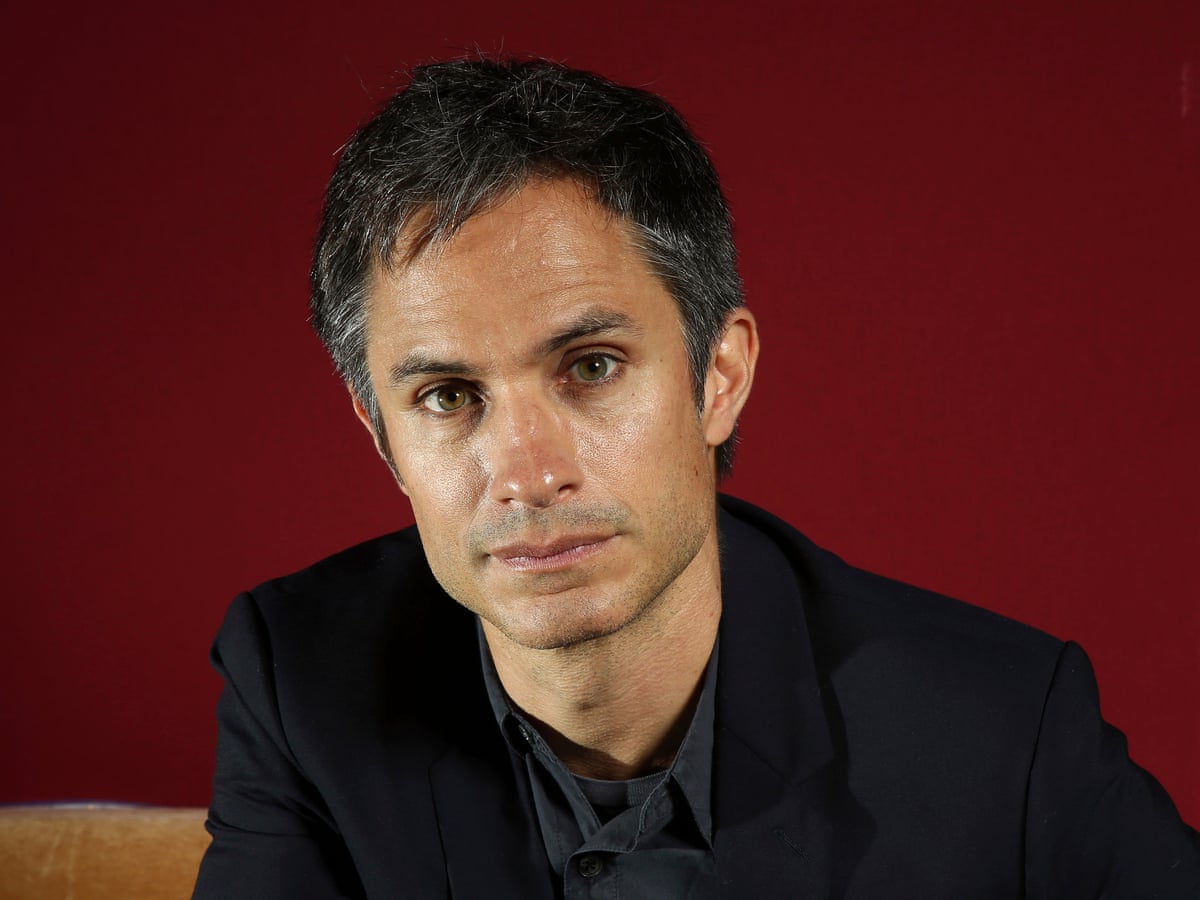
Gael García Bernal represents the youthful intellectual wave that would define the late 1990s transformation of Mexiwood. Born in Guadalajara to actor parents, he was immersed in performance culture from early childhood. His upbringing included exposure to theater, political discourse, and artistic experimentation, shaping his early understanding of storytelling as both personal and social expression.
García Bernal began acting in television commercials and stage productions as a child, quickly demonstrating natural screen presence. His breakthrough into the film world occurred in the late 1990s, when he began collaborating with emerging Mexican filmmakers associated with the New Mexican Cinema movement. His performances were marked by emotional honesty and youthful intensity.
His acting style combined spontaneity with intellectual depth. Even in early roles, García Bernal displayed an ability to embody characters undergoing emotional and social transition. This made him a central figure in Mexico’s cinematic renewal at the turn of the millennium.
García Bernal’s legacy from the 1990s lies in representing a generational shift in Mexican cinema. He became part of a movement that repositioned Mexiwood as a global storytelling force rooted in authenticity and artistic risk.
Top 10 Feminist Trailblazers
Key Facts
- Full name of the subject: Gael García Bernal
- Date of birth: November 30, 1978
- Place of birth: Guadalajara, Jalisco, Mexico
- Family background: Artistic family (actors and performers)
- Early childhood experiences: Theater and political discussions
- Education history: Central School of Speech and Drama (London, later years)
- Influences and mentors: Mexican New Wave filmmakers
- Career beginnings: Child actor in commercials
- Major achievements: Breakthrough in late 1990s Mexican cinema
- Challenges and obstacles faced: Transition from child to adult roles
- Turning points in life: Early film collaborations in Mexico
- Contributions to society: Promoted modern Mexican storytelling
- Personal life (marriage, children, relationships): Private relationships
- Awards and recognitions: International film festival recognition
- Beliefs, values, or philosophy: Cinema as social reflection
- Legacy and impact: Leading voice of modern Mexiwood
- Historical or cultural significance: Key figure in cinematic renewal
Notable Works: Early independent Mexican films, television appearances, theater work
Controversies: A discussion involving García Bernal in his early career centered on rapid rise to prominence and concerns within parts of the industry about youth actors being elevated quickly into symbolic roles in national cinema. The issue was framed within broader debates about representation and generational transition rather than specific misconduct. Stakeholders included filmmakers, critics, and cultural commentators. García Bernal maintained a focus on artistic development and collaboration. Verified accounts show no formal disputes, with the conversation primarily reflecting industry curiosity about emerging talent pipelines in late 1990s Mexican cinema.
6. Diego Luna

Diego Luna’s early career in the 1990s marked the rise of another foundational figure in Mexiwood’s modern era. Born in Mexico City, Luna was raised in a theatrical household that deeply influenced his creative direction. His father’s work in set design and his mother’s artistic background exposed him early to the mechanics of storytelling and performance.
Luna began acting in Mexican television and theater as a child, gradually moving into film roles as he matured. His breakthrough came in the late 1990s through collaborations with emerging Mexican directors. His performances were characterized by emotional accessibility and naturalistic expression, making him a standout among his peers.
His acting style emphasized realism and emotional clarity. Luna’s ability to portray vulnerable, relatable characters contributed to the authenticity of the New Mexican Cinema movement. His early work reflected a generation seeking to redefine Mexican storytelling on global terms.
Luna’s legacy in the 1990s lies in helping establish Mexiwood as a youth-driven creative movement. He became part of a cinematic wave that would soon gain international recognition for its innovation and emotional depth.
Key Facts
- Full name of the subject: Diego Dionisio Luna Alexander
- Date of birth: December 29, 1979
- Place of birth: Mexico City, Mexico
- Family background: Artistic family in theater and design
- Early childhood experiences: Exposure to stage production
- Education history: Theater workshops and private tutoring
- Influences and mentors: Mexican independent filmmakers
- Career beginnings: Child television and theater roles
- Major achievements: Breakthrough in late 1990s Mexican films
- Challenges and obstacles faced: Transition to adult roles
- Turning points in life: Early film collaborations
- Contributions to society: Promoted Mexican youth cinema
- Personal life (marriage, children, relationships): Private personal life
- Awards and recognitions: International festival recognition
- Beliefs, values, or philosophy: Storytelling rooted in realism
- Legacy and impact: Key figure in Mexiwood’s modern era
- Historical or cultural significance: Part of New Mexican Cinema movement
Notable Works: Early Mexican films, youth television projects, stage performances
Controversies: A discussion involving Luna centered on early career exposure and the broader industry debate about rapid commercialization of young Mexican actors in the late 1990s. The issue was not tied to misconduct but to concerns about balancing artistic development with industry demand. Stakeholders included casting directors, film critics, and cultural analysts. Luna’s trajectory remained consistent with professional growth, and no formal disputes were recorded. The conversation ultimately reflected structural industry dynamics in Mexiwood’s evolving film ecosystem.
7. Alejandro González Iñárritu
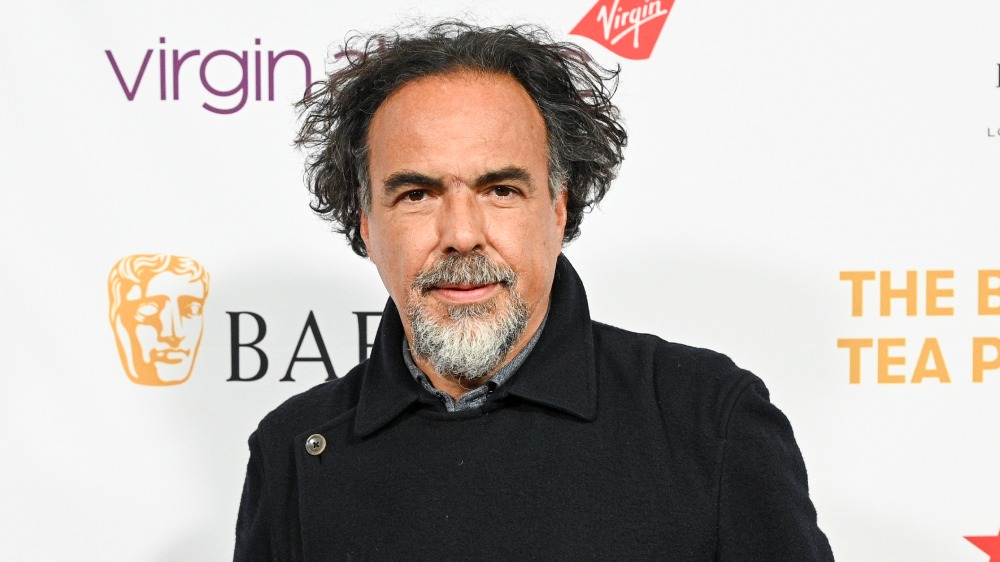
Alejandro González Iñárritu’s emergence in the late 1990s represented a pivotal shift in Mexiwood’s narrative complexity and global ambition. Born in Mexico City, he grew up in a middle-class environment shaped by literature, radio storytelling, and international travel experiences during his youth. These influences contributed to his layered approach to narrative structure and emotional tone.
Iñárritu began his career in radio broadcasting and advertising, where he developed a strong sense of pacing and auditory storytelling. His transition into film production in the 1990s marked the beginning of his cinematic evolution. His early work focused on fragmented narratives and human emotional intersections.
Although his major breakthrough film “Amores Perros” would arrive in 2000, the conceptual groundwork for his style was established throughout the 1990s. His approach emphasized interconnected storytelling, moral ambiguity, and emotional realism. These techniques would later redefine global cinema.
Iñárritu’s legacy in the 1990s lies in shaping the intellectual direction of Mexiwood. He became part of a generation that transformed Mexican cinema into a globally respected artistic movement.
Key Facts
- Full name of the subject: Alejandro González Iñárritu
- Date of birth: August 15, 1963
- Place of birth: Mexico City, Mexico
- Family background: Middle-class family
- Early childhood experiences: Exposure to literature and travel
- Education history: Universidad Iberoamericana
- Influences and mentors: Radio storytelling and European cinema
- Career beginnings: Radio and advertising production
- Major achievements: Foundation for Amores Perros style narrative
- Challenges and obstacles faced: Transition into feature filmmaking
- Turning points in life: Move from radio to cinema
- Contributions to society: Elevated Mexican narrative filmmaking
- Personal life (marriage, children, relationships): Private personal life
- Awards and recognitions: Later Academy Award wins
- Beliefs, values, or philosophy: Interconnected human storytelling
- Legacy and impact: Global auteur filmmaker
- Historical or cultural significance: Core architect of modern Mexiwood
Notable Works: Early radio projects, advertising campaigns, pre-film narrative work
Controversies: A discussion involving Iñárritu centered on narrative complexity in early conceptual works and debates among critics about accessibility versus artistic ambition in emerging Mexican cinema of the late 1990s. The issue reflected broader academic discussions rather than a specific incident. Stakeholders included film scholars, critics, and industry observers. Iñárritu defended nonlinear storytelling as essential to emotional realism. Verified records indicate no formal disputes. The debate ultimately contributed to the intellectual framing of Mexiwood’s evolving cinematic identity.
8. Arturo Ripstein
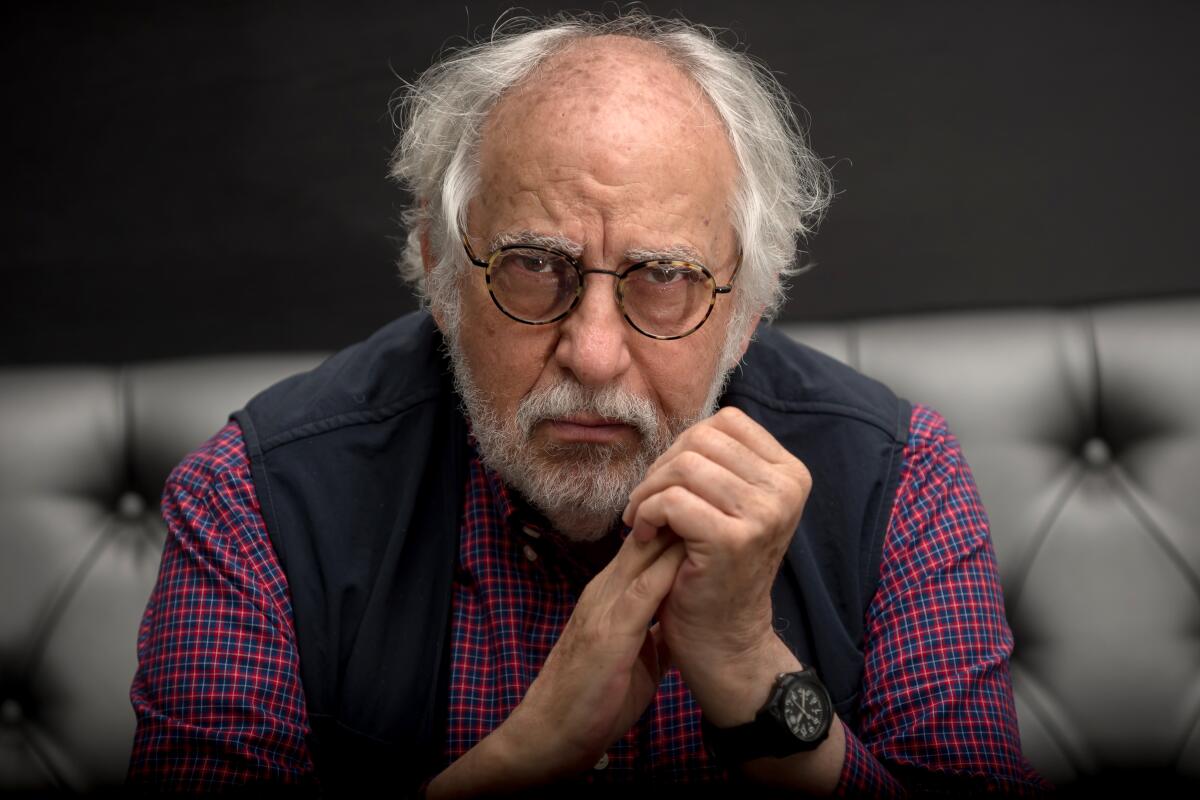
Arturo Ripstein stands as one of the most influential auteurs shaping Mexiwood’s artistic identity during the 1990s. Born in Mexico City, he grew up in a film-oriented household, with early exposure to classic cinema and literary adaptations. This background cultivated his interest in moral complexity and psychological storytelling.
Ripstein began his directing career in the 1960s, but his influence remained dominant into the 1990s, where he continued producing deeply layered films. His work during this period focused on existential themes, family structures, and social decay, reflecting a darker interpretation of Mexican society.
His directing style is characterized by long takes, theatrical staging, and psychological realism. Ripstein’s films often challenge conventional narrative structures, favoring emotional intensity and moral ambiguity. This approach positioned him as a leading figure in Mexican auteur cinema.
Ripstein’s legacy in the 1990s lies in sustaining the intellectual depth of Mexiwood during a period of transition toward global recognition. His work reinforced Mexico’s reputation for producing serious, art-driven cinema.
Key Facts
- Full name of the subject: Arturo Ripstein y Rosen
- Date of birth: December 13, 1943
- Place of birth: Mexico City, Mexico
- Family background: Film production family
- Early childhood experiences: Exposure to classic cinema
- Education history: Early film apprenticeship
- Influences and mentors: Luis Buñuel
- Career beginnings: Assistant director roles
- Major achievements: International auteur recognition
- Challenges and obstacles faced: Limited commercial accessibility
- Turning points in life: Early critical acclaim
- Contributions to society: Advanced Mexican auteur cinema
- Personal life (marriage, children, relationships): Married to filmmaker Paz Alicia Garciadiego
- Awards and recognitions: Cannes Film Festival recognition
- Beliefs, values, or philosophy: Moral ambiguity in storytelling
- Legacy and impact: Pioneer of Mexican arthouse cinema
- Historical or cultural significance: Architect of Mexican auteur tradition
Notable Works: El lugar sin límites, Profundo carmesí, La reina de la noche
Controversies: A recurring controversy surrounding Ripstein involved critical debates over the pessimistic tone of his films during the 1990s. The issue emerged when commentators questioned whether his portrayals of Mexican society emphasized despair at the expense of cultural nuance. Stakeholders included film critics, cultural analysts, and festival juries. Ripstein defended his work as reflective realism rather than pessimism. Verified critical responses were divided, with some praising his honesty and others questioning tone. The debate reinforced discussions about artistic representation of social realities.
9. Jorge Fons
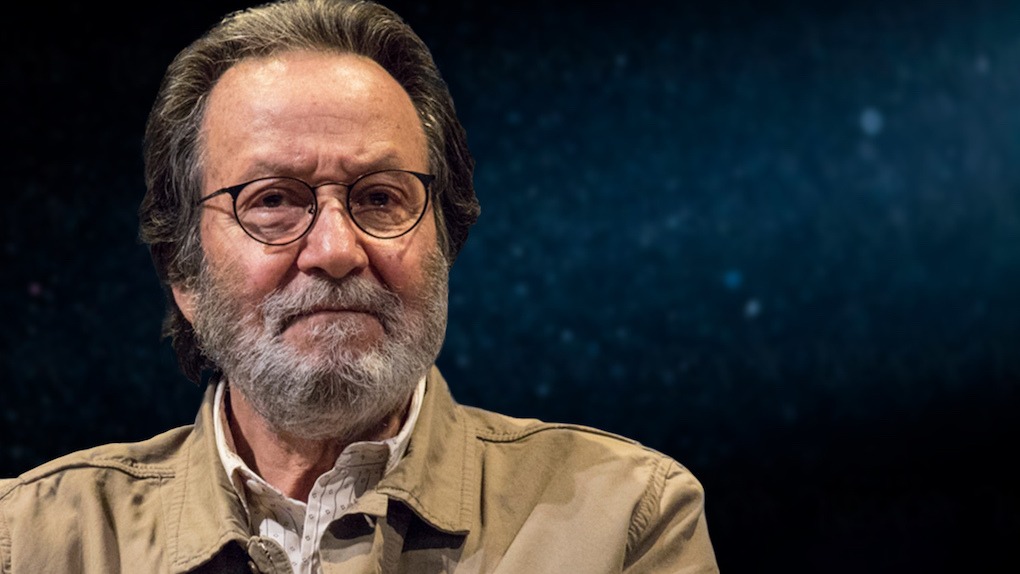
Jorge Fons played a foundational role in shaping Mexiwood’s socially conscious cinema during the 1990s. Born in Tuxpan, Veracruz, he was raised in a culturally engaged environment that valued storytelling and social awareness. His early experiences influenced his commitment to films that address political and social realities.
Fons began his career in Mexican television and documentary filmmaking, developing a reputation for realism and narrative precision. His breakthrough came earlier with films that addressed social inequality, but his continued influence into the 1990s reinforced his position as a key figure in Mexican cinema.
His directing style is marked by realism, emotional clarity, and strong narrative structure. Fons often focused on societal themes, using cinema as a reflection of Mexican social conditions. His work during the 1990s remained influential in shaping socially engaged filmmaking.
Fons’ legacy lies in his contribution to Mexican cinematic realism. He helped maintain a balance between artistic storytelling and social commentary, reinforcing Mexiwood’s intellectual depth.
Key Facts
- Full name of the subject: Jorge Fons Pérez
- Date of birth: April 23, 1939
- Place of birth: Tuxpan, Veracruz, Mexico
- Family background: Educated middle-class family
- Early childhood experiences: Interest in literature and social issues
- Education history: National Autonomous University of Mexico
- Influences and mentors: Italian neorealism filmmakers
- Career beginnings: Television and documentary work
- Major achievements: Socially impactful Mexican films
- Challenges and obstacles faced: Political sensitivity in storytelling
- Turning points in life: Early critical recognition
- Contributions to society: Highlighted social inequality through film
- Personal life (marriage, children, relationships): Private life
- Awards and recognitions: Ariel Awards
- Beliefs, values, or philosophy: Social realism in cinema
- Legacy and impact: Mexican social cinema pioneer
- Historical or cultural significance: Key voice in Mexiwood realism
Top 10 Global Human Rights Activists
Notable Works: Rojo Amanecer, El callejón de los milagros, documentary works
Controversies: A significant discussion involving Fons centered on the political sensitivity of “Rojo Amanecer,” which depicted state violence in Mexican history. The issue emerged due to concerns about censorship and governmental reaction to politically charged cinema. Stakeholders included government agencies, filmmakers, historians, and cultural institutions. Fons maintained that the film represented historical truth through artistic interpretation. Verified accounts confirm that the film faced distribution challenges but achieved critical acclaim. The controversy became a landmark case in discussions about artistic freedom in Mexican cinema.
10. Eduardo Palomo

Eduardo Palomo’s presence in 1990s Mexiwood reflected the powerful influence of Mexican television drama on regional and international popular culture. Born in Mexico City, Palomo was raised in an environment where artistic expression and performance were valued, shaping his early attraction to acting and stage work. His formative years were marked by disciplined training and an early understanding of emotional performance.
Palomo began his career in Mexican television and theater, where his natural charisma and emotional intensity quickly set him apart. His early roles demonstrated a strong command of romantic and dramatic expression, positioning him within the expanding telenovela industry that was becoming a major cultural export for Mexico during the 1990s. His screen presence was defined by emotional clarity and magnetic intensity.
His breakthrough came with the widely successful telenovela Corazón Salvaje, which elevated him to international recognition across Latin America. The role solidified his image as a leading romantic figure in Mexican entertainment. While primarily known for television, Palomo’s performances carried cinematic depth, allowing him to bridge the stylistic gap between television melodrama and film realism.
Palomo’s legacy in the 1990s lies in his role in globalizing Mexican television storytelling. He helped establish Mexiwood’s soft-power influence through serialized drama, making Mexican productions a cultural reference point across Spanish-speaking audiences worldwide.
Key Facts
- Full name of the subject: Eduardo Estrada Palomo
- Date of birth: May 13, 1962
- Place of birth: Mexico City, Mexico
- Family background: Middle-class Mexican family
- Early childhood experiences: Early interest in performance and theater
- Education history: Acting training in Mexico (theater-focused education)
- Influences and mentors: Mexican stage directors and television producers
- Career beginnings: Theater and early television appearances
- Major achievements: International success through Corazón Salvaje
- Challenges and obstacles faced: Typecasting in romantic television roles
- Turning points in life: Breakthrough lead role in telenovelas
- Contributions to society: Global promotion of Mexican television drama
- Personal life (marriage, children, relationships): Married; father
- Awards and recognitions: Television industry honors and popularity awards
- Beliefs, values, or philosophy: Emotional authenticity in performance
- Legacy and impact: Icon of Latin American television drama
- Historical or cultural significance: Key figure in 1990s Mexican telenovela global expansion
Notable Works: Corazón Salvaje, major Mexican telenovelas, theater performances
Top 10 Medical Saviors of the Decade
Controversies: A recurring industry discussion involving Palomo centered on the limitations placed on telenovela actors transitioning into film during the 1990s. The issue was not linked to a specific incident but to broader structural perceptions within the entertainment industry that often categorized television actors as less suitable for cinematic roles. Stakeholders included casting directors, film producers, and television networks. Critics argued that strong television branding restricted artistic mobility, while supporters emphasized the cultural importance of telenovelas in shaping audience engagement. Palomo himself remained focused on his television career, with no formal disputes recorded. The debate ultimately highlighted systemic divisions between television and film industries in Mexiwood’s ecosystem.
Notable Mentions
María Rojo
Patricia Reyes Spíndola
Bruno Bichir
Angélica Rivera
Daniel Giménez Cacho
Ofelia Medina
Damián Alcázar
Kate del Castillo
Vanessa Bauche
Roberto Sosa