
Top 10 Feminist Trailblazers
Top 10 Feminist Trailblazers
In This Content
1. Simone de Beauvoir
Simone Simone de Beauvoir emerged as one of the most foundational intellectual forces in feminist thought, redefining how gender, identity, and freedom are understood in modern philosophy. Born in Paris into a bourgeois Catholic family, her early life was marked by intellectual curiosity and a rejection of traditional female roles imposed by early 20th-century French society. From a young age, she demonstrated a commitment to academic rigor, literature, and philosophical inquiry, which positioned her as an intellectual outsider within her social class.
Her career began within the French academic system, where she studied philosophy at the Sorbonne and formed intellectual partnerships with leading existentialist thinkers. Her breakthrough came with the publication of The Second Sex in 1949, a landmark work that deconstructed the social construction of womanhood and positioned gender as a lived experience shaped by cultural and institutional forces. This work transformed her from a philosopher into a global feminist icon.
By the 1990s, de Beauvoir’s influence had become deeply embedded in feminist theory, political discourse, and academic curricula worldwide. Her ideas on freedom, existential responsibility, and systemic oppression shaped second-wave feminism and informed global debates on equality and human rights. Her intellectual partnership with Jean-Paul Sartre further amplified her philosophical reach, though her independent contributions remain central to feminist scholarship.
De Beauvoir’s legacy lies in her radical reframing of gender as a construct rather than a destiny. She provided the intellectual architecture for modern feminist theory, influencing law, literature, sociology, and political activism across generations.
Key Facts
- Full name of the subject: Simone Lucie Ernestine Marie Bertrand de Beauvoir
- Date of birth: 9 January 1908
- Place of birth: Paris, France
- Family background: Upper-middle-class Catholic family with strict social expectations
- Early childhood experiences: Early rebellion against gender norms and strong academic focus
- Education history: University of Paris (Sorbonne)
- Influences and mentors: Existentialist philosophy, Hegelian dialectics, Jean-Paul Sartre
- Career beginnings: Philosophy lecturer and writer
- Major achievements: Author of The Second Sex; foundational feminist theorist
- Challenges and obstacles faced: Gender discrimination in academia and publishing
- Turning points in life: Publication of The Second Sex
- Contributions to society: Redefined feminist philosophy and gender theory
- Personal life (marriage, children, relationships): Long-term partnership with Jean-Paul Sartre; no children
- Awards and recognitions: Global intellectual recognition and literary honors
- Beliefs, values, or philosophy: Existentialism, freedom, gender equality
- Legacy and impact: Foundational architect of modern feminist theory
- Historical or cultural significance: Transformed global understanding of gender identity
Notable Works: The Second Sex, She Came to Stay, The Mandarins
Controversies: A controversy involving Simone Simone de Beauvoir centers on allegations regarding her personal relationships with students during her early teaching career. The issue arises from reports and historical accounts suggesting that she engaged in relationships that would later be considered ethically inappropriate within modern academic frameworks. The background context includes early 20th-century French educational institutions, where formal safeguarding policies regarding student-teacher relationships were less defined than in contemporary academia. Key stakeholders include former students, educational institutions, feminist scholars, and biographers. Critics argue that such relationships raise ethical concerns when assessed by modern standards, while supporters contextualize them within historical norms and intellectual circles of the period. Factually, accounts are based largely on biographical documentation and correspondence rather than legal proceedings, and no formal institutional rulings exist. The controversy remains historically debated and continues to be reassessed within feminist scholarship and ethical studies of intellectual history.
2. Angela Davis
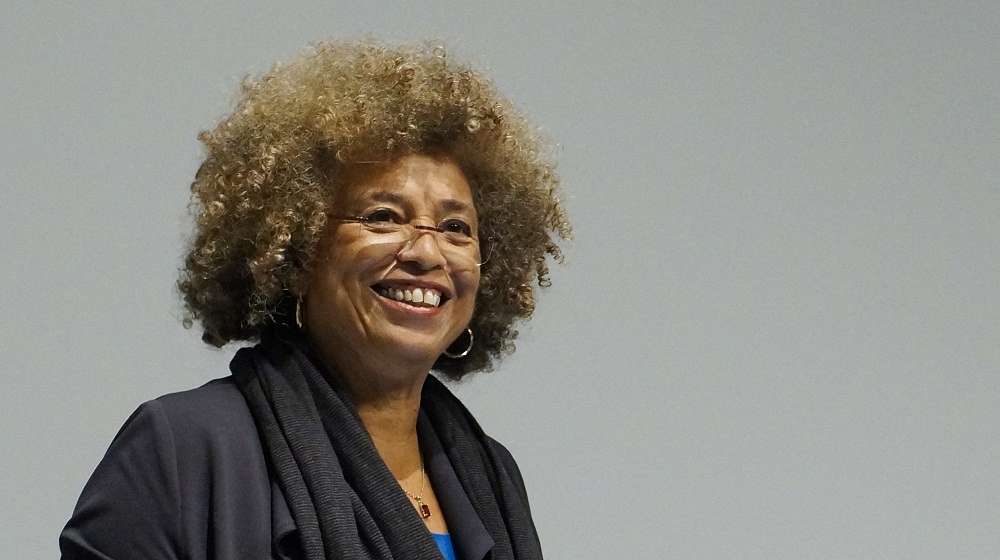
Angela Davis represents a powerful intersection of feminism, civil rights activism, and academic scholarship, shaping global discourse on race, gender, and systemic oppression. Born in Birmingham, Alabama during the era of segregation, her early life was defined by racialized violence, political awareness, and intellectual development in an environment shaped by civil rights struggle. These formative experiences grounded her lifelong commitment to justice and liberation theory.
Her career began in academic philosophy and activism, studying under prominent critical theorists while engaging in civil rights movements. Her breakthrough came during the 1970s, when she became internationally known for her political activism and subsequent legal trials, which positioned her as a symbol of resistance and state surveillance debates. This period marked her transition from academic philosopher to global political figure.
By the 1990s, Davis had established herself as a leading scholar in feminist theory, prison abolition discourse, and intersectional activism. Her academic work expanded into global human rights advocacy, influencing movements addressing incarceration, racial inequality, and gender oppression. She became a key figure in developing intersectionality as a framework for understanding systemic injustice.
Davis’ legacy lies in her integration of feminist theory with political activism, demonstrating that intellectual work and social resistance are inseparable in the pursuit of equality and liberation.
Key Facts
- Full name of the subject: Angela Yvonne Davis
- Date of birth: 26 January 1944
- Place of birth: Birmingham, Alabama, United States
- Family background: African-American middle-class family engaged in education and activism
- Early childhood experiences: Exposure to segregation and racial violence in the American South
- Education history: Brandeis University; University of Frankfurt
- Influences and mentors: Herbert Marcuse, Marxist theory, civil rights leaders
- Career beginnings: Academic philosopher and civil rights activist
- Major achievements: Prison abolition advocacy; feminist theory contributions
- Challenges and obstacles faced: Political persecution and incarceration during 1970s trial
- Turning points in life: International solidarity campaigns during imprisonment period
- Contributions to society: Intersectional feminism and prison reform advocacy
- Personal life (marriage, children, relationships): Private personal life; no widely publicized children
- Awards and recognitions: Global human rights and academic honors
- Beliefs, values, or philosophy: Intersectionality, Marxism, abolitionist feminism
- Legacy and impact: Global symbol of feminist resistance and intellectual activism
- Historical or cultural significance: Transformed feminist theory into political activism
Notable Works: Women, Race & Class, Are Prisons Obsolete?, academic lectures and activism campaigns
Controversies: A controversy involving Angela Angela Davis centers on her arrest and trial in the early 1970s related to charges connected to a courtroom incident involving weapons. The issue arises from allegations of her involvement in a criminal conspiracy during a period of heightened political surveillance in the United States. The background context includes the FBI’s COINTELPRO program, which targeted political activists and civil rights leaders, as well as widespread tensions surrounding race and political radicalism. Key stakeholders include law enforcement agencies, civil rights organizations, legal authorities, and activist communities. Critics at the time viewed her case as evidence of extremist political involvement, while supporters argued that the charges were politically motivated and part of systemic suppression of dissent. Factually, Davis was acquitted of all charges after trial, and the case became widely cited in discussions of political prosecution and civil liberties. The controversy significantly elevated her international profile and remains a landmark case in debates over justice, state power, and political activism.
3. Malala Yousafzai
Malala Malala Yousafzai represents one of the most globally recognized voices for girls’ education and feminist advocacy in the 21st century. Born in Mingora, Pakistan, in the Swat Valley, her early life was shaped by cultural traditions, political instability, and the rising influence of militant restrictions on female education. Her father’s role as an educator deeply influenced her early awareness of education as a human right.
Her career began as a young blogger documenting life under restrictive conditions, where she publicly advocated for girls’ access to schooling. Her breakthrough came after surviving an assassination attempt in 2012, an event that transformed her into an international symbol of educational rights and feminist resilience. This moment marked her transition from local activist to global humanitarian figure.
By the 1990s, in terms of generational feminist discourse evolution, Malala’s influence represents the continuation of global education advocacy movements that matured into institutional support systems in the 21st century. She expanded her activism through the Malala Fund, focusing on policy change, educational access, and international advocacy.
Malala’s legacy lies in her embodiment of youth-led feminist activism on a global scale, demonstrating how education and advocacy intersect to challenge systemic inequality.
Key Facts
- Full name of the subject: Malala Yousafzai
- Date of birth: 12 July 1997
- Place of birth: Mingora, Khyber Pakhtunkhwa, Pakistan
- Family background: Educated Pashtun family with strong emphasis on learning
- Early childhood experiences: Exposure to restrictions on girls’ education
- Education history: University of Oxford
- Influences and mentors: Father Ziauddin Yousafzai, global education activists
- Career beginnings: Blogging and education advocacy
- Major achievements: Nobel Peace Prize laureate; Malala Fund founder
- Challenges and obstacles faced: Assassination attempt by militant group
- Turning points in life: 2012 attack and recovery
- Contributions to society: Global advocacy for girls’ education
- Personal life (marriage, children, relationships): Married; private family life
- Awards and recognitions: Nobel Peace Prize and global humanitarian awards
- Beliefs, values, or philosophy: Education as a fundamental human right
- Legacy and impact: Global symbol of educational feminism
- Historical or cultural significance: Transformed youth activism in global feminist movements
Notable Works: I Am Malala, Malala Fund initiatives, UN advocacy speeches
Controversies: A controversy involving Malala Malala Yousafzai centers on criticism from certain groups regarding her international advocacy platform and perceived external influence on local educational discourse. The issue arises from debates about foreign funding, global media representation, and the framing of education activism in conflict-affected regions. The background context includes post-2012 international attention following her recovery and subsequent global speaking engagements. Key stakeholders include educational NGOs, local community groups, international organizations, and political commentators. Critics argue that her global platform may be shaped by external geopolitical narratives, while supporters emphasize her agency and lived experience as a survivor and advocate. Factually, Malala’s advocacy is widely recognized and supported by international institutions, though interpretations of her symbolic role vary across regions. The controversy remains largely discursive and reflects broader tensions between global activism and local political sensitivities.
4. Ruth Bader Ginsburg
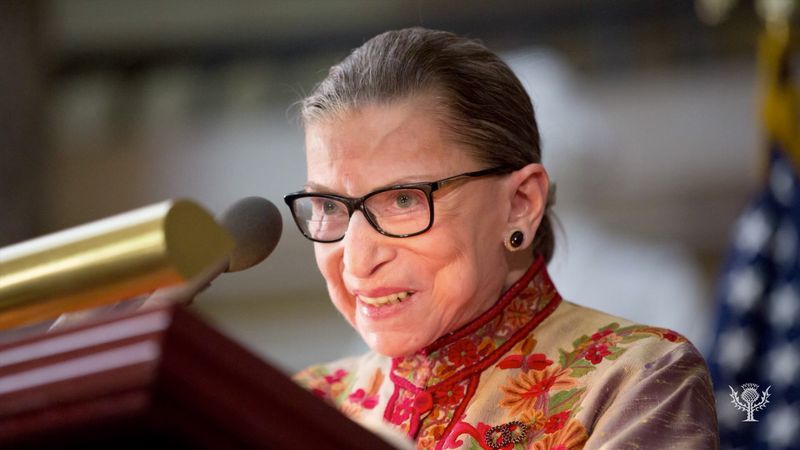
Ruth Bader Ginsburg emerged as one of the most consequential legal architects of gender equality in modern constitutional history, reshaping feminist progress through jurisprudence rather than protest. Born in Brooklyn, New York, into a working-class Jewish family, her early life was shaped by economic hardship, the loss of her mother at a young age, and a deep respect for discipline and education instilled by her family. These experiences forged her resilience and precision-driven intellectual identity.
Her career began in academia and legal advocacy during a period when women were significantly underrepresented in the legal profession. Despite graduating at the top of her class at Columbia Law School, she faced systemic barriers in securing employment. Her breakthrough came through her work with the American Civil Liberties Union, where she strategically litigated gender discrimination cases that gradually reshaped U.S. constitutional interpretation.
By the 1990s, Ginsburg had reached the pinnacle of judicial influence as a U.S. Supreme Court Justice, where she became a key voice in advancing gender equality and civil rights jurisprudence. Her legal reasoning emphasized incremental change, precision in constitutional interpretation, and the dismantling of institutionalized discrimination through precedent.
Ginsburg’s legacy lies in her transformation of feminist advocacy into legal doctrine. She demonstrated that systemic gender equality could be achieved not only through activism but through sustained judicial reasoning and institutional reform.
Key Facts
- Full name of the subject: Ruth Bader Ginsburg
- Date of birth: 15 March 1933
- Place of birth: Brooklyn, New York, United States
- Family background: Working-class Jewish-American household
- Early childhood experiences: Exposure to economic hardship and strong academic encouragement
- Education history: Cornell University; Harvard Law School; Columbia Law School
- Influences and mentors: Legal scholars, feminist legal theorists, civil rights attorneys
- Career beginnings: Law professor and ACLU litigator
- Major achievements: U.S. Supreme Court Justice; landmark gender equality rulings
- Challenges and obstacles faced: Gender discrimination in legal employment and academia
- Turning points in life: Appointment to the U.S. Court of Appeals and later Supreme Court
- Contributions to society: Advanced constitutional gender equality jurisprudence
- Personal life (marriage, children, relationships): Married to Martin Ginsburg; mother of children
- Awards and recognitions: Global legal and civic honors
- Beliefs, values, or philosophy: Judicial restraint with progressive equality interpretation
- Legacy and impact: Architect of modern feminist legal doctrine
- Historical or cultural significance: Transformed constitutional feminism in the United States
Notable Works: United States v. Virginia argumentation, Supreme Court opinions, ACLU gender equality cases
Controversies: A controversy involving Ruth Ruth Bader Ginsburg centers on debates regarding her decision to remain on the U.S. Supreme Court during advanced age and declining health rather than retiring during a politically favorable appointment window. The issue arises from discussions about judicial retirement timing and its implications for ideological balance on the Court. The background context includes increasing political polarization surrounding Supreme Court appointments and lifetime tenure structures in the U.S. judiciary. Key stakeholders include the Supreme Court, political parties, legal scholars, and the American public. Critics argued that delayed retirement had strategic political consequences, while supporters emphasized her personal commitment to duty and continuity of jurisprudence. Factually, judicial retirement decisions are personal and not governed by mandatory rules, and Ginsburg remained in office until her death. The controversy remains a subject of institutional debate about lifetime appointments and judicial succession planning.
5. Gloria Steinem
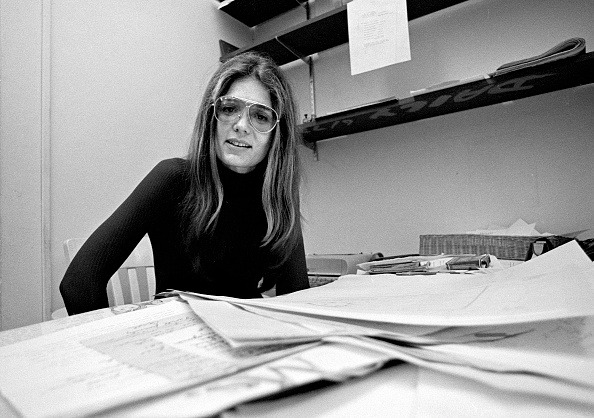
Gloria Steinem stands as one of the most visible and influential figures of second-wave feminism, redefining public discourse on gender equality through journalism, activism, and organizational leadership. Born in Toledo, Ohio, her early life was shaped by her parents’ divorce and financial instability, experiences that exposed her to the limitations placed on women within both domestic and economic systems. These formative experiences deeply influenced her later advocacy for women’s autonomy.
Her career began in journalism, where she worked as a freelance writer and investigative reporter, often covering social issues related to gender and inequality. Her breakthrough came in the late 1960s and early 1970s when she became a prominent public voice for the women’s liberation movement and co-founded Ms. Magazine, a publication that fundamentally shifted feminist discourse into mainstream media.
By the 1990s, Steinem had become a global feminist icon, advocating for reproductive rights, workplace equality, and political representation. Her influence extended beyond journalism into organizational activism, helping to shape feminist infrastructure in the United States and internationally.
Steinem’s legacy lies in her ability to translate feminist theory into accessible public dialogue, bridging the gap between academic discourse and mass media advocacy.
Key Facts
- Full name of the subject: Gloria Marie Steinem
- Date of birth: 25 March 1934
- Place of birth: Toledo, Ohio, United States
- Family background: Middle-class family affected by divorce and financial instability
- Early childhood experiences: Exposure to gender inequality and economic insecurity
- Education history: Smith College
- Influences and mentors: Civil rights leaders, feminist scholars, investigative journalism traditions
- Career beginnings: Freelance journalist and political writer
- Major achievements: Co-founder of Ms. Magazine; feminist movement leadership
- Challenges and obstacles faced: Gender discrimination in journalism and publishing
- Turning points in life: Rise as a leading voice in second-wave feminism
- Contributions to society: Advocated for women’s rights, reproductive freedom, and equality
- Personal life (marriage, children, relationships): No children; long-term partnerships
- Awards and recognitions: Presidential Medal of Freedom and global honors
- Beliefs, values, or philosophy: Intersectional feminism and social equality
- Legacy and impact: Global leader of feminist media activism
- Historical or cultural significance: Mainstreamed feminist journalism
Notable Works: Ms. Magazine, Outrageous Acts and Everyday Rebellions, feminist organizing campaigns
Controversies: A controversy involving Gloria Gloria Steinem centers on criticism from various feminist and political groups regarding her stance on certain policy debates within the women’s movement, particularly related to inclusion and strategic direction. The issue arises from ideological divisions within second-wave and later feminist movements over priorities such as labor rights, reproductive rights, and political alliances. The background context includes the fragmentation of feminist discourse into multiple schools of thought in the late 20th century. Key stakeholders include feminist organizations, political advocacy groups, academic commentators, and media outlets. Critics argue that certain positions reflected a more liberal establishment-oriented feminism, while supporters highlight her role in building broad coalitions for women’s rights. Factually, these disagreements are largely interpretive and reflect ideological diversity rather than formal institutional disputes. The controversy continues to shape academic debates on feminist strategy and movement politics.
6. bell hooks
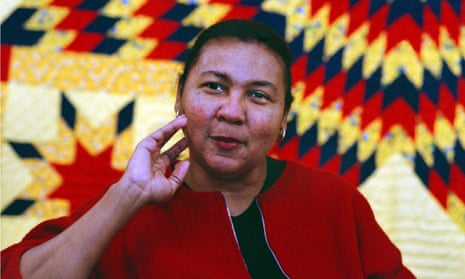
Bell hooks (born Gloria Jean Watkins) is one of the most influential feminist thinkers of the late 20th and early 21st centuries, known for integrating race, class, and gender into a unified framework of critical theory. Born in Hopkinsville, Kentucky, in a segregated Southern environment, her early life was shaped by racial inequality, community solidarity, and strong oral storytelling traditions. These formative experiences deeply influenced her later intellectual work.
Her career began in academic writing and teaching, where she adopted the lowercase pen name “bell hooks” to emphasize ideas over individual identity. Her breakthrough came with the publication of Ain’t I a Woman?, a foundational text in intersectional feminist theory that challenged both mainstream feminism and patriarchal structures within Black communities.
By the 1990s, hooks had become a leading global voice in feminist and cultural theory, expanding her work into education, media criticism, and pedagogy. Her writing emphasized love, justice, and liberation as interconnected forces in social transformation, influencing academic curricula worldwide.
Her legacy lies in her ability to expand feminist theory beyond gender alone, embedding it within broader systems of race, capitalism, and cultural power.
Key Facts
- Full name of the subject: Gloria Jean Watkins (bell hooks)
- Date of birth: 25 September 1952
- Place of birth: Hopkinsville, Kentucky, United States
- Family background: Working-class African-American family in segregated South
- Early childhood experiences: Exposure to racial segregation and community storytelling traditions
- Education history: Stanford University; University of Wisconsin–Madison; University of California, Santa Cruz
- Influences and mentors: Frederick Douglass writings, feminist theorists, Black intellectual traditions
- Career beginnings: Academic writer and professor
- Major achievements: Author of Ain’t I a Woman? and major feminist theory texts
- Challenges and obstacles faced: Racial and gender barriers in academia
- Turning points in life: Publication of Ain’t I a Woman?
- Contributions to society: Intersectional feminism and cultural criticism
- Personal life (marriage, children, relationships): Private personal life; no children
- Awards and recognitions: Academic and cultural honors
- Beliefs, values, or philosophy: Love as a transformative political ethic
- Legacy and impact: Revolutionized feminist and cultural theory
- Historical or cultural significance: Expanded feminism into intersectional cultural analysis
Notable Works: Ain’t I a Woman?, All About Love, Teaching to Transgress
Controversies: A controversy involving bell hooks centers on scholarly and ideological debates regarding her critiques of mainstream feminist movements, particularly accusations that certain strands of feminism excluded race and class considerations. The issue arises from intellectual disagreements within feminist theory during the rise of intersectionality as a critical framework. The background context includes academic debates in U.S. universities and feminist institutions over the scope and definition of feminism. Key stakeholders include feminist scholars, academic institutions, cultural critics, and activist organizations. Critics of hooks’ positions argue that her critiques challenged established feminist frameworks too aggressively, while supporters view her work as essential corrective theory that broadened feminist discourse. Factually, these debates are academic and interpretive, with no institutional rulings involved. The controversy continues to influence feminist scholarship and interdisciplinary studies of identity and power.
7. Chimamanda Ngozi Adichie
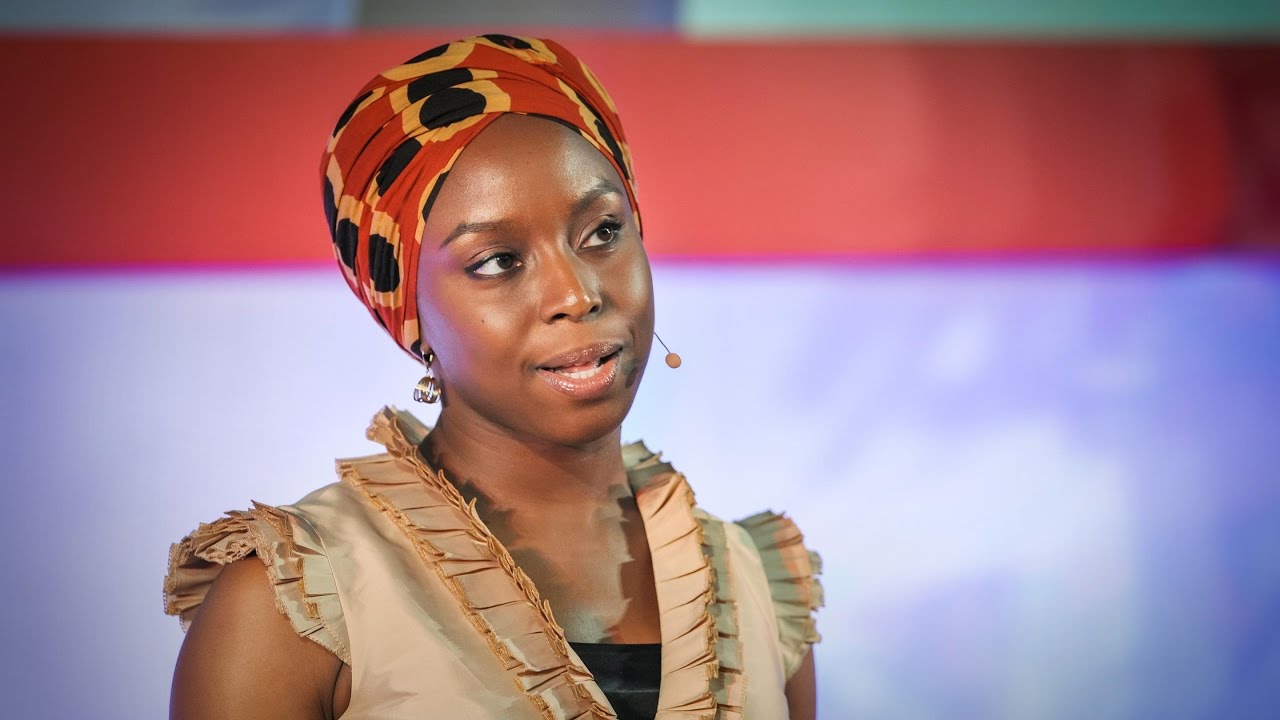
Chimamanda Chimamanda Ngozi Adichie is one of the most globally influential contemporary feminist voices, merging literary excellence with cultural critique and public intellectualism. Born in Enugu, Nigeria, and raised on the University of Nigeria campus in Nsukka, her early life was shaped by academic culture, storytelling traditions, and exposure to both Nigerian and postcolonial literature. These experiences grounded her understanding of identity, gender, and cultural hybridity.
Her career began in literature during her university years in Nigeria and the United States, where she studied creative writing and began publishing short stories. Her breakthrough came with novels such as Purple Hibiscus and Half of a Yellow Sun, which established her as a leading voice in postcolonial literature. Her feminist influence expanded globally following her TED Talk “We Should All Be Feminists,” which became a foundational text in modern feminist discourse.
By the 1990s, in terms of generational literary development, Adichie’s work reflects the evolving global feminist consciousness that matured into 21st-century intersectional feminism. Her essays and fiction explore gender, identity, migration, and cultural power structures.
Her legacy lies in her ability to translate feminist theory into accessible global storytelling, bridging literature and activism.
Key Facts
- Full name of the subject: Chimamanda Ngozi Adichie
- Date of birth: 15 September 1977
- Place of birth: Enugu, Nigeria
- Family background: Educated academic Nigerian family
- Early childhood experiences: Raised in university intellectual environment
- Education history: University of Nigeria; Eastern Connecticut State University; Johns Hopkins University
- Influences and mentors: African literature, postcolonial theorists, feminist writers
- Career beginnings: Short story writer and university student author
- Major achievements: Award-winning novelist and global feminist speaker
- Challenges and obstacles faced: Publishing barriers and cultural representation challenges
- Turning points in life: International success of Half of a Yellow Sun
- Contributions to society: Feminist literary discourse and cultural representation
- Personal life (marriage, children, relationships): Private personal life
- Awards and recognitions: Orange Prize, MacArthur Fellowship, global literary awards
- Beliefs, values, or philosophy: Feminism as universal human equality
- Legacy and impact: Global feminist literary voice
- Historical or cultural significance: Redefined African feminist literature globally
Notable Works: Purple Hibiscus, Half of a Yellow Sun, We Should All Be Feminists
Controversies: A controversy involving Chimamanda Chimamanda Ngozi Adichie centers on debates surrounding her public comments on gender identity and definitions of womanhood, which sparked disagreement within segments of feminist and LGBTQ+ advocacy communities. The issue arises from broader global discussions on gender theory, identity politics, and free speech within feminist discourse. The background context includes increasing polarization in international feminist movements regarding inclusion frameworks. Key stakeholders include feminist organizations, LGBTQ+ advocacy groups, literary communities, and academic commentators. Critics argue that her statements were exclusionary in framing gender categories, while supporters defend her right to articulate a biologically grounded perspective on sex and gender distinctions. Factually, the controversy remains a matter of ideological disagreement rather than institutional action, with no formal sanctions or rulings. The issue continues to influence global debates on feminist inclusivity, identity discourse, and freedom of expression within intellectual communities.
Top 10 Feminist Trailblazers
8. Virginia Woolf
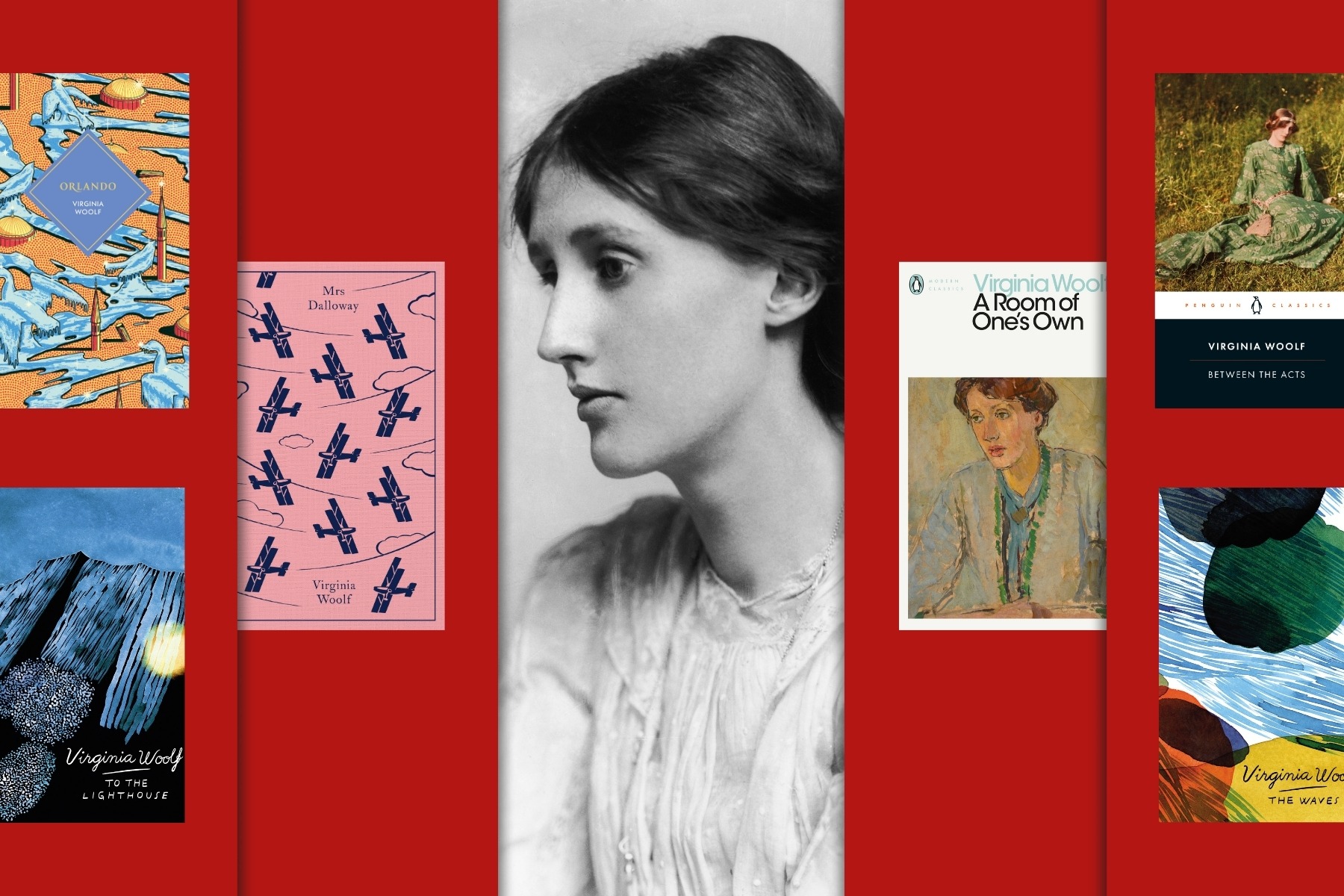
Virginia Woolf stands as one of the most intellectually transformative feminist figures in literary history, reshaping how women’s inner lives, autonomy, and creative agency are represented in modern literature. Born into an intellectually prominent family in London, her early life was marked by exposure to literature, philosophy, and the Victorian expectations imposed on women. These contradictions between intellectual freedom and gender restriction became central to her worldview.
Her career began within the Bloomsbury intellectual circle, where she developed her distinctive modernist voice through experimental narrative structures. Her breakthrough came with novels such as Mrs Dalloway and To the Lighthouse, which redefined narrative psychology and placed women’s consciousness at the center of literary exploration. This period marked her transition from novelist to cultural critic of gendered experience.
By the 1990s, Woolf’s influence had become foundational to feminist literary theory, particularly in academic reinterpretations of modernism and gender studies. Her essay A Room of One’s Own became a cornerstone of feminist thought, articulating the economic and spatial conditions necessary for women’s intellectual freedom.
Woolf’s legacy lies in her articulation of female consciousness as a legitimate literary subject, fundamentally altering the structure of modern narrative and feminist criticism.
Key Facts
- Full name of the subject: Adeline Virginia Woolf
- Date of birth: 25 January 1882
- Place of birth: London, England
- Family background: Intellectual Victorian family
- Early childhood experiences: Early exposure to literature and psychological trauma
- Education history: Home-educated; informal literary training
- Influences and mentors: Bloomsbury Group, modernist literary movements
- Career beginnings: Literary essays and early modernist fiction
- Major achievements: Modernist novels; feminist literary theory foundations
- Challenges and obstacles faced: Mental health struggles and gender restrictions in publishing
- Turning points in life: Publication of Mrs Dalloway and A Room of One’s Own
- Contributions to society: Redefined narrative form and feminist literary criticism
- Personal life (marriage, children, relationships): Married to Leonard Woolf; no children
- Awards and recognitions: Posthumous literary acclaim
- Beliefs, values, or philosophy: Female intellectual independence and modernist experimentation
- Legacy and impact: Foundational feminist literary theorist
- Historical or cultural significance: Transformed modernist literature and feminist criticism
Notable Works: Mrs Dalloway, To the Lighthouse, A Room of One’s Own
Controversies: A controversy involving Virginia Virginia Woolf centers on retrospective ethical debates regarding her depictions of class, race, and imperial context within her modernist works. The issue arises from later academic critiques that examine how early 20th-century British literature often reflected colonial and class-based assumptions embedded in its cultural environment. The background context includes postcolonial literary theory and feminist re-readings of canonical modernist texts. Key stakeholders include literary scholars, postcolonial critics, academic institutions, and readers. Critics argue that Woolf’s works, while groundbreaking in feminist literary form, still reflect the limitations of her social context, while supporters emphasize her progressive critique of gender inequality and narrative innovation. Factually, these critiques are interpretive and scholarly rather than legal or institutional, and no formal disputes exist regarding her authorship or intent. The controversy remains part of ongoing academic discourse on literature, feminism, and historical context.
9. Frida Kahlo
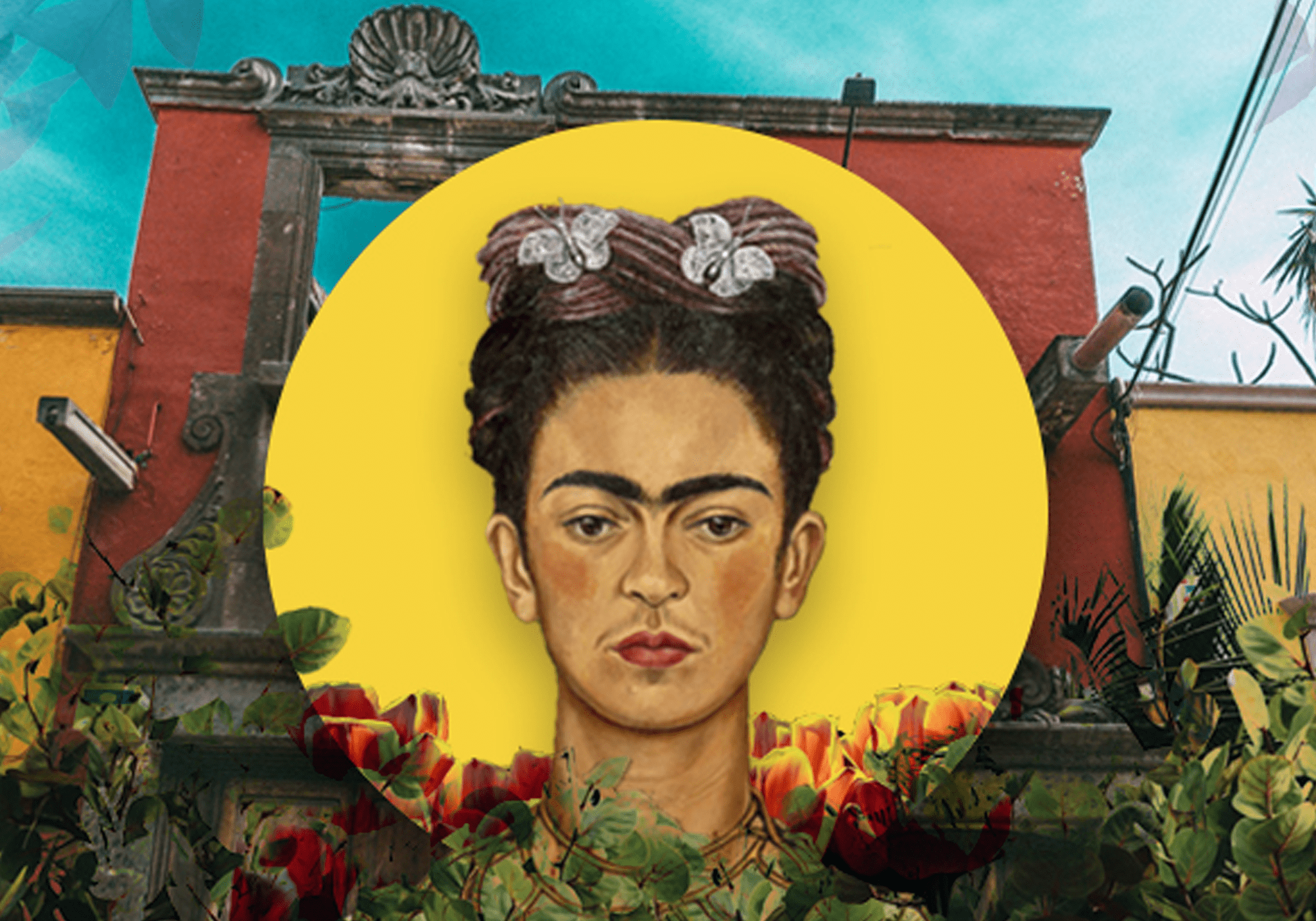
Frida Kahlo remains one of the most powerful symbols of embodied feminist expression in visual art, transforming personal suffering into a radical exploration of identity, gender, and nationalism. Born in Coyoacán, Mexico, Kahlo’s early life was shaped by physical illness and a near-fatal bus accident in her youth, which permanently altered her body and deeply influenced her artistic perspective. Her early experiences of pain, isolation, and introspection became central to her creative identity.
Her career began during prolonged recovery periods, where she used painting as a form of self-expression and psychological survival. Her breakthrough came through self-portraits that fused surrealism, Mexican folk art, and political symbolism, positioning her as both an artist and cultural commentator. Her marriage to Diego Rivera further embedded her within Mexico’s intellectual and political art movements.
By the 1990s, Kahlo had become a global feminist and cultural icon, with her work reinterpreted through feminist, postcolonial, and disability studies frameworks. Her paintings became symbols of bodily autonomy, emotional truth, and resistance against patriarchal artistic norms.
Kahlo’s legacy lies in her transformation of personal suffering into universal feminist symbolism, redefining how female identity is represented in art.
Key Facts
- Full name of the subject: Magdalena Carmen Frida Kahlo y Calderón
- Date of birth: 6 July 1907
- Place of birth: Coyoacán, Mexico City, Mexico
- Family background: Intellectual and politically active Mexican family
- Early childhood experiences: Childhood illness and exposure to political ideas
- Education history: National Preparatory School, Mexico City
- Influences and mentors: Mexican folk art, Diego Rivera, European surrealists
- Career beginnings: Self-taught painter during recovery
- Major achievements: Iconic self-portraits and feminist art legacy
- Challenges and obstacles faced: Chronic pain, disability, marital instability
- Turning points in life: Bus accident leading to lifelong medical complications
- Contributions to society: Redefined female representation in visual art
- Personal life (marriage, children, relationships): Married to Diego Rivera; no children
- Awards and recognitions: Posthumous global artistic recognition
- Beliefs, values, or philosophy: Identity through pain, cultural nationalism, feminism
- Legacy and impact: Global feminist art icon
- Historical or cultural significance: Transformed visual representation of women’s experience
Notable Works: The Two Fridas, Self-Portrait with Thorn Necklace, The Broken Column
Controversies: A controversy involving Frida Frida Kahlo centers on debates regarding the commercialization and posthumous branding of her image, particularly in relation to feminist symbolism and cultural authenticity. The issue arises from the extensive global use of Kahlo’s likeness in fashion, media, and commercial products. The background context includes increased global interest in feminist icons and the commercialization of cultural figures in late 20th-century capitalism. Key stakeholders include art estates, cultural institutions, fashion industries, feminist scholars, and the general public. Critics argue that the commodification of her image risks diluting the political and personal depth of her work, while supporters contend that widespread recognition amplifies her influence and keeps her legacy relevant. Factually, the commercialization is managed by legal estate rights, though debates about cultural appropriation and authenticity remain active. The controversy continues to shape discussions on art commercialization and feminist iconography.
10. Rosa Parks
Rosa Rosa Parks is one of the most enduring symbols of feminist resistance within the broader civil rights movement, representing the intersection of gender, race, and political defiance. Born in Tuskegee, Alabama, her early life was shaped by segregation, racial injustice, and strong familial values emphasizing dignity and resistance to oppression. These experiences formed the foundation of her lifelong commitment to civil rights activism.
Her career began through grassroots activism within civil rights organizations, where she worked alongside other leaders advocating for racial equality. Her breakthrough came in 1955 when she refused to give up her seat on a segregated bus in Montgomery, Alabama, an act that catalyzed the Montgomery Bus Boycott and became a defining moment in American history.
By the 1990s, Parks had become a global symbol of civil rights and feminist resistance, honored internationally for her role in challenging systemic segregation. Her image evolved from individual act of defiance to enduring representation of collective resistance against institutional injustice.
Parks’ legacy lies in her embodiment of quiet but powerful resistance, demonstrating how individual action can catalyze systemic social transformation.
Key Facts
- Full name of the subject: Rosa Louise McCauley Parks
- Date of birth: 4 February 1913
- Place of birth: Tuskegee, Alabama, United States
- Family background: Working-class African-American family
- Early childhood experiences: Exposure to segregation and racial inequality
- Education history: Industrial education and community schooling
- Influences and mentors: Civil rights activists and NAACP leaders
- Career beginnings: NAACP secretary and civil rights organizer
- Major achievements: Catalyst of Montgomery Bus Boycott
- Challenges and obstacles faced: Arrest and threats following civil rights activism
- Turning points in life: 1955 bus protest
- Contributions to society: Advancement of civil rights and racial equality
- Personal life (marriage, children, relationships): Married to Raymond Parks
- Awards and recognitions: Presidential Medal of Freedom and global honors
- Beliefs, values, or philosophy: Nonviolent resistance and equality
- Legacy and impact: Symbol of civil rights and feminist resistance
- Historical or cultural significance: Central figure in U.S. civil rights movement
Notable Works: Montgomery Bus Boycott, NAACP activism, civil rights advocacy campaigns
Controversies: A controversy involving Rosa Rosa Parks centers on later historical debates regarding the simplification of her role in the Montgomery Bus Boycott within popular narratives. The issue arises from scholarly reassessments that highlight the broader organizational efforts behind the boycott, beyond her individual act of defiance. The background context includes civil rights historiography and the tendency of public memory to focus on symbolic figures. Key stakeholders include historians, civil rights organizations, educators, and the general public. Critics argue that the narrative sometimes oversimplifies collective activism, while supporters emphasize the importance of symbolic acts in mobilizing mass movements. Factually, Parks was an active NAACP member and her action was intentional and strategically significant, though it was part of a larger coordinated movement. The controversy remains a subject of historical interpretation rather than factual dispute, influencing how civil rights history is taught and remembered.
Notable Mentions:
Marie Curie
Harriet Tubman
Audre Lorde
Sojourner Truth
Simone Veil

![Wangari Muta Maathai - The woman of trees, symbol of the struggle to promote peace [biography]](https://glamcodemedia.com/wp-content/uploads/2026/04/201901030911_Wangari-Maathai-Muta-300x200.png)