Top 10 Female Political Leaders
Top 10 Female Political Leaders
In This Content
1. Angela Merkel
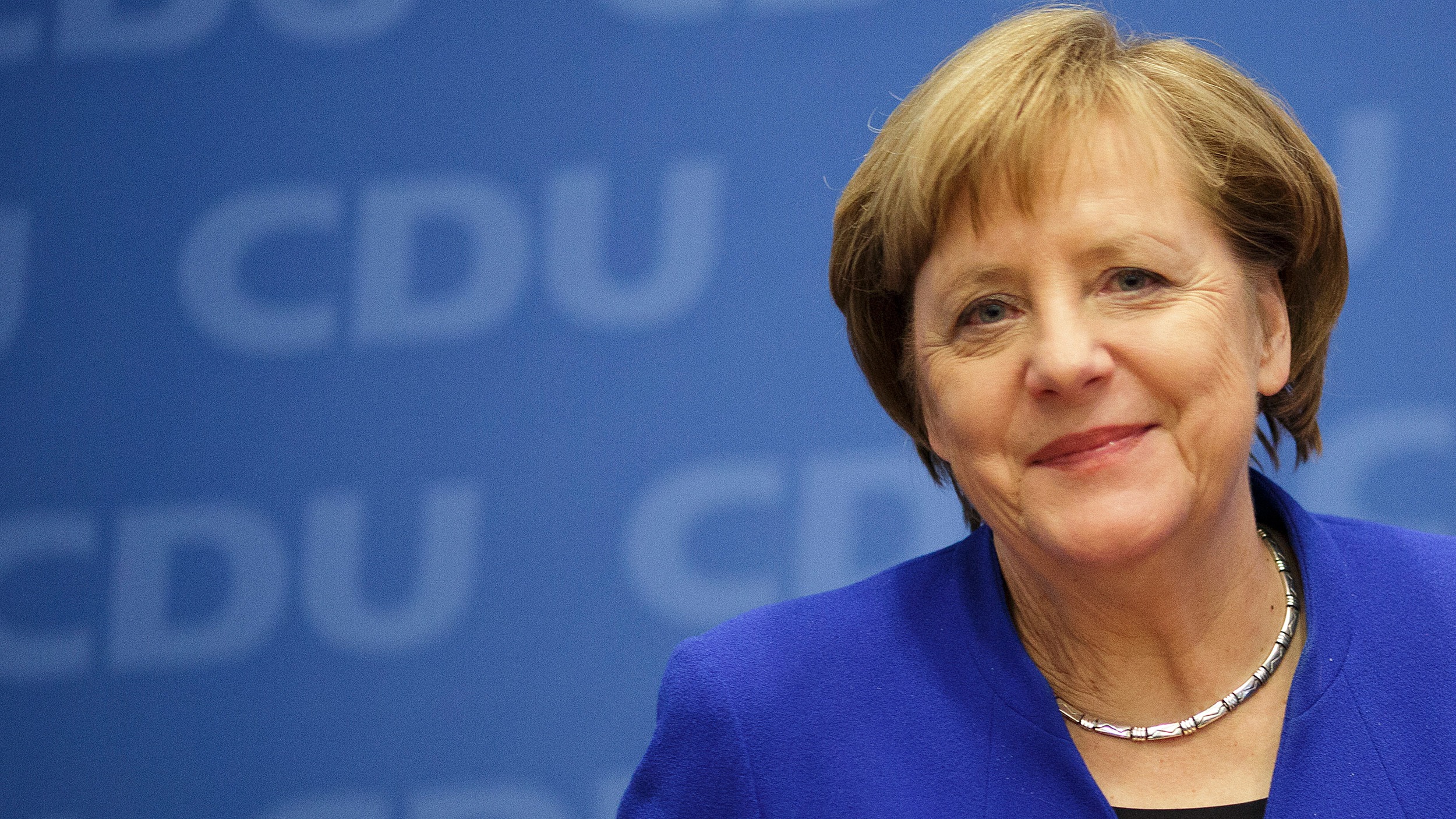
Angela Merkel’s rise to global political prominence represents one of the most disciplined and strategically executed careers in modern governance. Born in post-war Hamburg and raised in East Germany, her early life was shaped by the ideological rigidity of the Soviet-aligned German Democratic Republic. This environment cultivated in her a cautious, analytical temperament one that would later define her leadership style as deliberate, methodical, and resistant to emotional volatility in policymaking.
Merkel’s academic foundation in physics at the University of Leipzig provided an unusual entry point into politics. Her early career as a scientist instilled a data-driven approach to decision-making, which became evident when she entered politics after the fall of the Berlin Wall. Her breakthrough came rapidly in the newly reunified Germany, where she aligned with the Christian Democratic Union (CDU) and quickly distinguished herself as a pragmatic reformer in a male-dominated political environment.
By the 1990s, Merkel had already begun consolidating her political identity within the CDU under the mentorship of Helmut Kohl, serving in ministerial roles that expanded her influence in environmental and women’s affairs. This period marked her transformation from a regional political figure into a national strategist capable of navigating Germany’s post-reunification complexities. Her leadership style during this era was defined by restraint, coalition-building, and intellectual precision.
Merkel’s legacy is defined by stability during global uncertainty. Her later tenure as Chancellor of Germany solidified her reputation as one of Europe’s most influential leaders, particularly during financial crises and geopolitical tensions. She remains a symbol of rational governance, institutional resilience, and understated but powerful leadership in the modern political era.
Key Facts
- Full name of the subject: Angela Dorothea Merkel
- Date of birth: July 17, 1954
- Place of birth: Hamburg, West Germany
- Family background: Protestant pastor’s family in East Germany
- Early childhood experiences: Grew up under communist East German regime
- Education history: University of Leipzig (Physics)
- Influences and mentors: Helmut Kohl, scientific rationalism, East German political structure
- Career beginnings: Entry into politics after German reunification
- Major achievements: First female Chancellor of Germany; long-serving EU leader
- Challenges and obstacles faced: Gender barriers in conservative politics; Cold War ideological transition
- Turning points in life: Fall of Berlin Wall; entry into CDU political leadership
- Contributions to society: Strengthened EU stability and German economic leadership
- Personal life (marriage, children, relationships): Married Joachim Sauer; no children
- Awards and recognitions: Numerous international state honors and peace awards
- Beliefs, values, or philosophy: Pragmatism, scientific reasoning, consensus-driven leadership
- Legacy and impact: Defined modern European centrist politics
- Historical or cultural significance: Symbol of post-Cold War German unity and stability
Notable Works:
German reunification policies; EU crisis management; climate and energy transition initiatives
Controversies:
Migration policy during 2015 refugee crisis; Eurozone austerity debates; criticism of cautious leadership style
2. Indira Gandhi
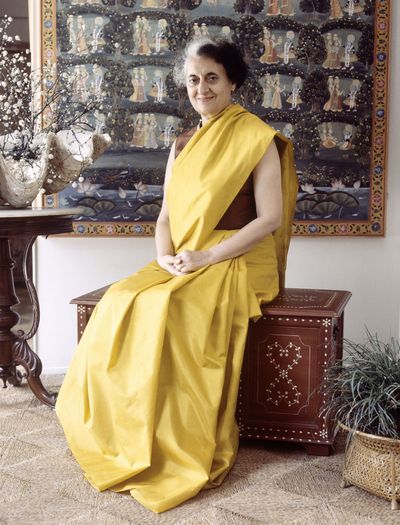
Indira Gandhi’s political life was shaped by a complex inheritance of power, nationalism, and personal resilience. Born into the Nehru-Gandhi political dynasty in Allahabad, her early life was marked by India’s struggle for independence, with her father Jawaharlal Nehru deeply involved in the freedom movement. This exposure instilled in her an early understanding of political responsibility and national identity, shaping her instinctive grasp of power dynamics.
Her formal political career began in proximity to India’s post-independence governance, where she served as an aide and confidante to senior Congress leaders. Initially perceived as a symbolic figure within the Nehru legacy, her breakthrough came when she assumed the role of Prime Minister in 1966. Contrary to expectations of political fragility, she rapidly consolidated authority, demonstrating decisive leadership during periods of economic instability and regional conflict.
Although her peak political dominance occurred in the 1970s, her influence extended well into the late 1980s and continued to shape Indian political discourse into the 1990s through institutional legacy and ideological polarization. Her leadership style centralized, assertive, and often controversial redefined executive authority in India and reshaped the structure of party politics.
Indira Gandhi’s legacy remains deeply dualistic: she is celebrated for strengthening India’s global standing and criticized for authoritarian tendencies during the Emergency period. Her impact on South Asian politics is enduring, marking her as one of the most powerful and polarizing female leaders in modern history.
Key Facts
- Full name of the subject: Indira Priyadarshini Gandhi
- Date of birth: November 19, 1917
- Place of birth: Allahabad, British India
- Family background: Daughter of Jawaharlal Nehru; prominent political dynasty
- Early childhood experiences: Grew up in nationalist household during colonial rule
- Education history: University of Oxford (Somerville College), Shantiniketan exposure
- Influences and mentors: Jawaharlal Nehru, Indian independence leaders
- Career beginnings: Political assistant and Congress Party involvement
- Major achievements: First female Prime Minister of India; nationalization policies
- Challenges and obstacles faced: Political opposition, internal party conflicts, insurgencies
- Turning points in life: 1966 appointment as Prime Minister; 1971 Bangladesh War leadership
- Contributions to society: Strengthened Indian central governance and global position
- Personal life (marriage, children, relationships): Married Feroze Gandhi; mother of Rajiv Gandhi
- Awards and recognitions: Posthumous national reverence and political legacy honors
- Beliefs, values, or philosophy: Strong central governance, nationalism, developmental socialism
- Legacy and impact: Shaped modern Indian political structure
- Historical or cultural significance: Iconic female leader in post-colonial governance
Notable Works:
Green Revolution support policies; nationalization of banks; Emergency-era governance reforms
Controversies:
Declaration of Emergency (1975–1977); press censorship; political authoritarianism allegations
3. Margaret Thatcher
Margaret Thatcher’s ascent to political power marked a seismic shift in British and global conservative ideology. Born in Grantham, England, to a grocer’s family, her early life was defined by discipline, thrift, and intellectual ambition. These formative values shaped her political philosophy, particularly her emphasis on individual responsibility and free-market economics.
Her academic journey at Oxford University, where she studied chemistry before transitioning into law and politics, laid the foundation for her analytical and argumentative political style. Thatcher entered politics through the Conservative Party, steadily rising through parliamentary ranks with a reputation for intellectual rigor and uncompromising conviction. Her breakthrough came in 1979 when she became the first female Prime Minister of the United Kingdom.
Although her peak leadership occurred during the 1980s, her influence carried strongly into the 1990s through the global spread of Thatcherism, which reshaped economic policy frameworks far beyond Britain. Her leadership was characterized by confrontation with trade unions, privatization of state industries, and a firm stance on Cold War geopolitics.
Thatcher’s legacy is one of transformation and division. She redefined conservative governance in the modern era, establishing a model of market-driven policy that influenced governments worldwide. While praised for revitalizing the British economy, she remains a polarizing figure due to the social costs of her reforms and her uncompromising governing style.
Key Facts
- Full name of the subject: Margaret Hilda Thatcher
- Date of birth: October 13, 1925
- Place of birth: Grantham, Lincolnshire, England
- Family background: Middle-class Methodist family
- Early childhood experiences: Strict upbringing emphasizing discipline and education
- Education history: University of Oxford (Somerville College)
- Influences and mentors: Keith Joseph, Friedrich Hayek, Winston Churchill
- Career beginnings: Entry into Conservative Party politics and parliamentary service
- Major achievements: First female Prime Minister of the United Kingdom; economic liberalization reforms
- Challenges and obstacles faced: Gender bias in British politics; party opposition
- Turning points in life: Election victory in 1979; Falklands War leadership
- Contributions to society: Economic restructuring and global conservative reform influence
- Personal life (marriage, children, relationships): Married Denis Thatcher; mother of twins
- Awards and recognitions: Baroness Thatcher; global state honors
- Beliefs, values, or philosophy: Free-market capitalism, strong national defense, individualism
- Legacy and impact: Redefined modern conservatism worldwide
- Historical or cultural significance: Iconic Cold War-era leader
Notable Works:
Privatization of British industries; Falklands War leadership; Cold War diplomacy
Controversies:
Miners’ strikes response; poll tax policy; social inequality debates
4. Golda Meir
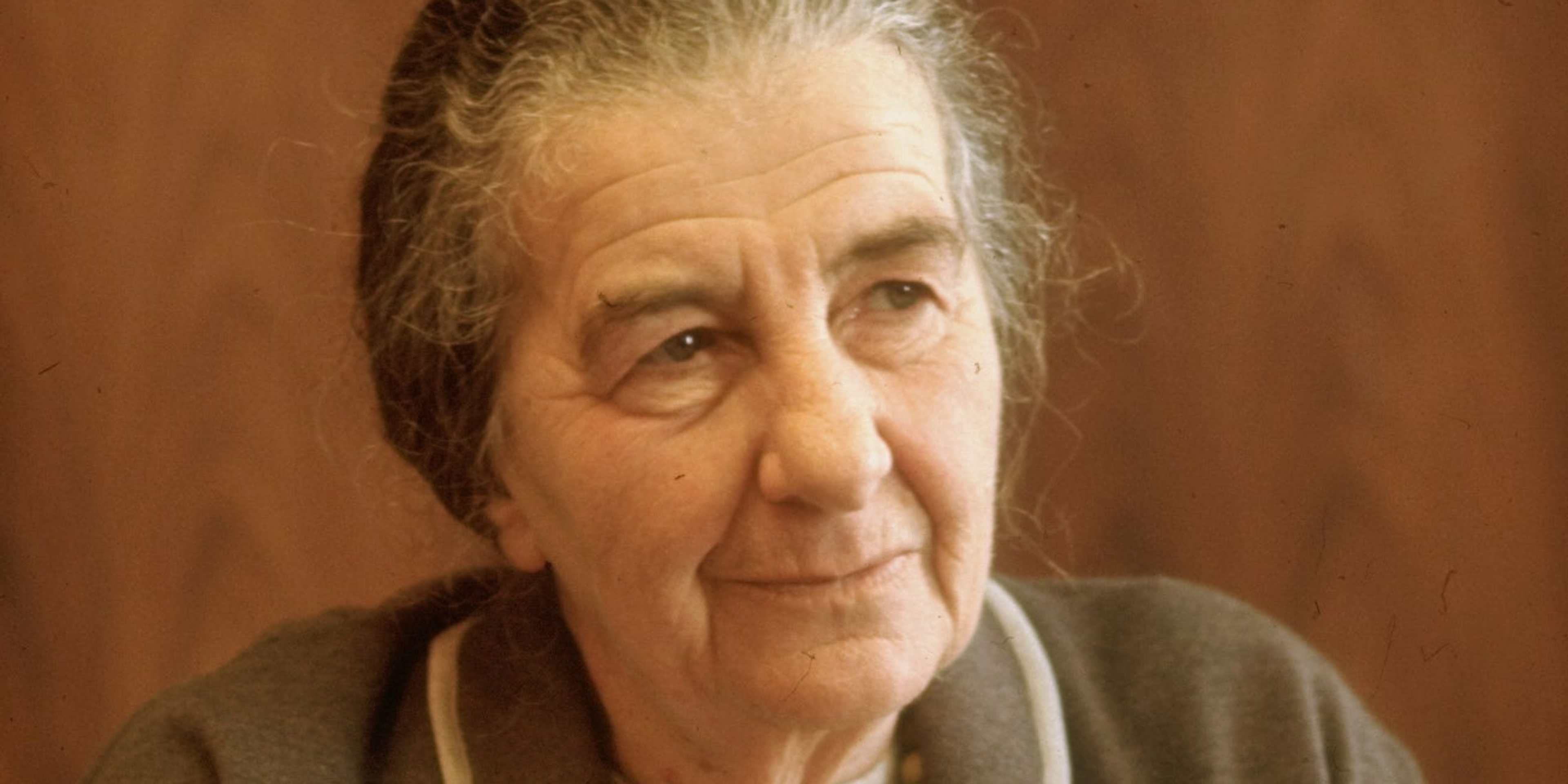
Golda Meir’s political journey reflects the intense pressures of state-building and survival in one of the most complex geopolitical regions of the modern era. Born in Kyiv during a period of rising antisemitic violence, her early childhood was shaped by displacement and migration. Her family’s relocation to the United States introduced her to democratic ideals and labor activism, both of which would later define her political worldview.
Meir’s political beginnings were rooted in grassroots activism and Zionist organizing in the United States and later in Mandatory Palestine. Her breakthrough came through her involvement in labor movements and the Jewish Agency, where she developed a reputation for pragmatic negotiation and organizational discipline. She became deeply embedded in the political infrastructure that would eventually form the State of Israel.
By the 1990s, Meir’s leadership era had already passed, but her legacy was being re-evaluated globally in light of shifting Middle Eastern dynamics. Her tenure as Prime Minister during the early 1970s, particularly the Yom Kippur War period, became a focal point for historical reassessment. Scholars increasingly examined her leadership through the lens of crisis governance and national security decision-making.
Meir’s legacy is defined by resilience under pressure and uncompromising dedication to national survival. While her leadership remains controversial, she is widely regarded as one of the most influential figures in the establishment and consolidation of the Israeli state.
Key Facts
- Full name of the subject: Golda Meir
- Date of birth: May 3, 1898
- Place of birth: Kyiv, Russian Empire (modern-day Ukraine)
- Family background: Jewish working-class immigrant family
- Early childhood experiences: Emigrated to the United States to escape persecution
- Education history: Milwaukee State Normal School (teacher training)
- Influences and mentors: Labor Zionist movement leaders, David Ben-Gurion
- Career beginnings: Schoolteacher and Zionist activist
- Major achievements: First female Prime Minister of Israel
- Challenges and obstacles faced: War leadership crises, political fragmentation
- Turning points in life: Immigration to Palestine; leadership in Jewish Agency
- Contributions to society: State formation and diplomatic establishment of Israel
- Personal life (marriage, children, relationships): Married Morris Meyerson; two children
- Awards and recognitions: International political recognition as state founder figure
- Beliefs, values, or philosophy: Labor Zionism, national security prioritization
- Legacy and impact: Central figure in Israeli statehood consolidation
- Historical or cultural significance: One of the most influential female leaders in modern Middle Eastern history
Notable Works:
Diplomatic negotiations during Israel’s founding; Yom Kippur War leadership decisions
Controversies:
Criticism of intelligence failures during Yom Kippur War; hardline security policies
5. Sirimavo Bandaranaike
Sirimavo Bandaranaike’s political career marked a historic turning point in global governance, as she became the world’s first female Prime Minister. Born in Ratnapura, Sri Lanka (then Ceylon), into an aristocratic landowning family, her early life was defined by privilege, traditional education, and cultural expectations centered on domestic responsibility rather than public leadership.
Her entry into politics was unexpected and shaped by personal tragedy following the assassination of her husband, Prime Minister Solomon Bandaranaike. Initially reluctant, she assumed leadership of the Sri Lanka Freedom Party, quickly demonstrating political acuity and emotional resilience. Her breakthrough came in 1960 when she was elected Prime Minister, fundamentally altering global perceptions of female political leadership.
Although her peak leadership occurred across multiple terms in the 1960s and 1970s, her political influence extended into the 1990s through her continued role as party leader and elder stateswoman. During this period, she remained a dominant force in Sri Lankan politics, shaping policy direction and party ideology.
Bandaranaike’s legacy is defined by her pioneering role as the first woman to head a modern democratic government. Her leadership style combined socialist economic policies with strong nationalist sentiment, and her impact continues to influence South Asian political discourse.
Key Facts
- Full name of the subject: Sirimavo Ratwatte Dias Bandaranaike
- Date of birth: April 17, 1916
- Place of birth: Ratnapura, British Ceylon
- Family background: Aristocratic Sinhala political family
- Early childhood experiences: Privileged upbringing with traditional cultural education
- Education history: Private schooling in Sri Lanka and limited overseas education
- Influences and mentors: Solomon Bandaranaike, socialist political thinkers
- Career beginnings: Entry into politics after husband’s assassination
- Major achievements: First female Prime Minister in world history
- Challenges and obstacles faced: Political opposition and civil unrest
- Turning points in life: 1960 election victory following husband’s death
- Contributions to society: Expansion of state-led economic development policies
- Personal life (marriage, children, relationships): Married Solomon Bandaranaike; three children including Chandrika Kumaratunga
- Awards and recognitions: Global recognition as pioneering female leader
- Beliefs, values, or philosophy: Socialism, nationalism, welfare-oriented governance
- Legacy and impact: Pioneer of female leadership in global politics
- Historical or cultural significance: First woman to lead a modern sovereign government
Notable Works:
Nationalization policies; education reforms; non-aligned foreign policy development
Controversies:
Economic policy criticisms; press restrictions; ethnic conflict tensions
6. Benazir Bhutto
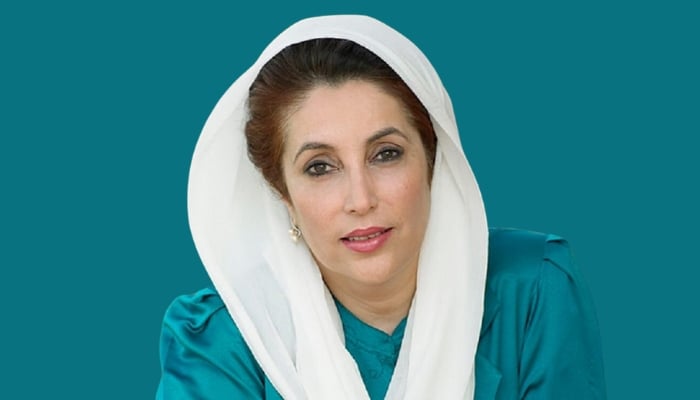
Benazir Bhutto’s political trajectory embodies the intersection of dynastic legacy, democratic aspiration, and turbulent state politics. Born in Karachi into one of Pakistan’s most influential political families, her early life was shaped by privilege, education, and the ideological legacy of her father, Zulfikar Ali Bhutto. Her upbringing combined elite academic exposure with early awareness of political volatility in Pakistan.
Bhutto’s academic journey at Harvard University and later Oxford University exposed her to global political thought and democratic ideals. Her entry into politics was accelerated by her father’s execution and subsequent military dictatorship, which positioned her as the symbolic leader of the Pakistan People’s Party (PPP). Her breakthrough came in 1988 when she became the first female Prime Minister of a Muslim-majority country.
Although her formal peak leadership occurred in the late 1980s and 1990s, her political influence persisted throughout the decade as she navigated exile, corruption allegations, and alternating periods of governance and opposition. Her leadership style combined populist appeal with attempts at modernization and democratic reform.
Bhutto’s legacy remains deeply complex, marked by both historic achievement and enduring controversy. She is remembered as a symbol of democratic resistance and female political empowerment in a highly patriarchal political environment.
Key Facts
- Full name of the subject: Benazir Bhutto
- Date of birth: June 21, 1953
- Place of birth: Karachi, Pakistan
- Family background: Prominent Bhutto political dynasty
- Early childhood experiences: Privileged upbringing with strong political exposure
- Education history: Harvard University; University of Oxford
- Influences and mentors: Zulfikar Ali Bhutto, democratic socialist ideologies
- Career beginnings: Leadership of Pakistan People’s Party after father’s execution
- Major achievements: First female Prime Minister of Pakistan
- Challenges and obstacles faced: Military opposition, exile, corruption allegations
- Turning points in life: 1988 election victory and return from exile
- Contributions to society: Democratic representation and political modernization efforts
- Personal life (marriage, children, relationships): Married Asif Ali Zardari; three children
- Awards and recognitions: International recognition as democratic icon
- Beliefs, values, or philosophy: Democracy, modernization, civilian governance
- Legacy and impact: Symbol of female leadership in Islamic political context
- Historical or cultural significance: First woman to lead a Muslim-majority nation
Notable Works:
Democratic reforms in Pakistan; foreign policy modernization; women’s empowerment initiatives
Controversies:
Corruption allegations; political instability; governance challenges during tenure
7. Ellen Johnson Sirleaf
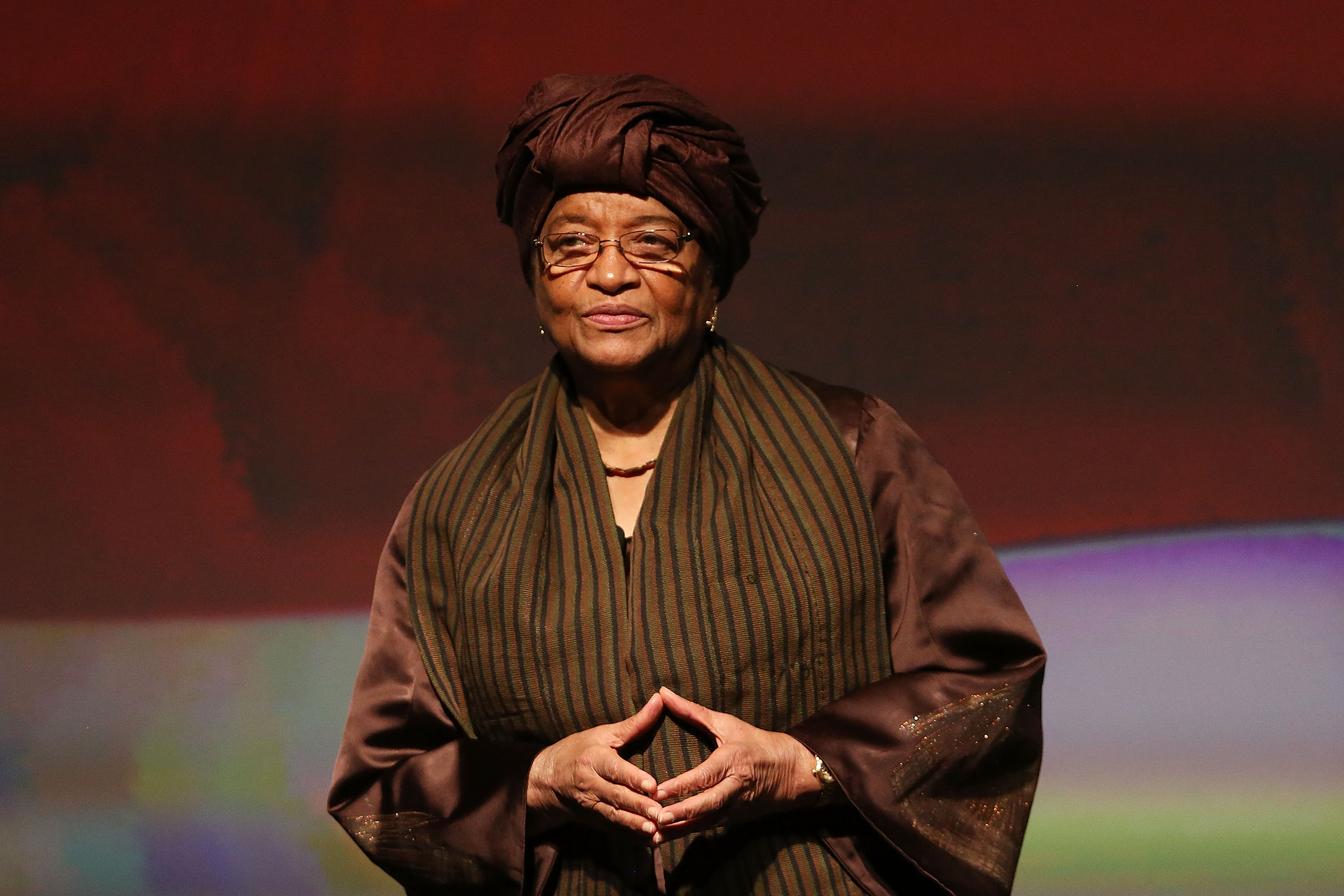
Ellen Johnson Sirleaf’s political legacy is rooted in resilience, institutional rebuilding, and post-conflict governance. Born in Monrovia, Liberia, her early life was shaped by a relatively stable middle-class upbringing during a period of political uncertainty in West Africa. Her education in the United States, including studies at Harvard, provided her with a strong foundation in economics and public administration.
Her political career began in Liberia’s civil service and international financial institutions, where she developed expertise in governance and economic reform. Her breakthrough came in 2005 when she was elected President of Liberia, becoming the first elected female head of state in Africa. This milestone marked a significant shift in continental political representation.
Although her peak leadership occurred in the 2000s and 2010s, her influence extended into the 1990s through her roles in international development institutions and opposition politics during Liberia’s civil conflict. She became a central figure in rebuilding Liberia’s post-war institutions and restoring international confidence in the country.
Sirleaf’s legacy is defined by reconstruction, stability, and governance reform. Her leadership during Liberia’s recovery from the civil war positioned her as a symbol of post-conflict renewal and African democratic progress.
Key Facts
- Full name of the subject: Ellen Johnson Sirleaf
- Date of birth: October 29, 1938
- Place of birth: Monrovia, Liberia
- Family background: Liberian-Gola and Kru heritage family
- Early childhood experiences: Stable upbringing with early exposure to governance discussions
- Education history: Harvard University (Public Administration)
- Influences and mentors: African liberation leaders, global economic reform thinkers
- Career beginnings: Liberia Ministry of Finance and international financial institutions
- Major achievements: First elected female President of an African country
- Challenges and obstacles faced: Civil war, exile, political persecution
- Turning points in life: 2005 presidential election victory
- Contributions to society: Post-war reconstruction and governance reform
- Personal life (marriage, children, relationships): Divorced; mother of four sons
- Awards and recognitions: Nobel Peace Prize (shared, 2011)
- Beliefs, values, or philosophy: Democratic governance, economic reform, reconciliation
- Legacy and impact: Rebuilt Liberia’s political and economic institutions
- Historical or cultural significance: Pioneer of African female presidential leadership
Notable Works:
Post-civil war reconstruction programs; anti-corruption reforms; economic stabilization policies
Controversies:
Criticism over handling of corruption issues; political rivalries during reconstruction era
8. Chandrika Bandaranaike Kumaratunga
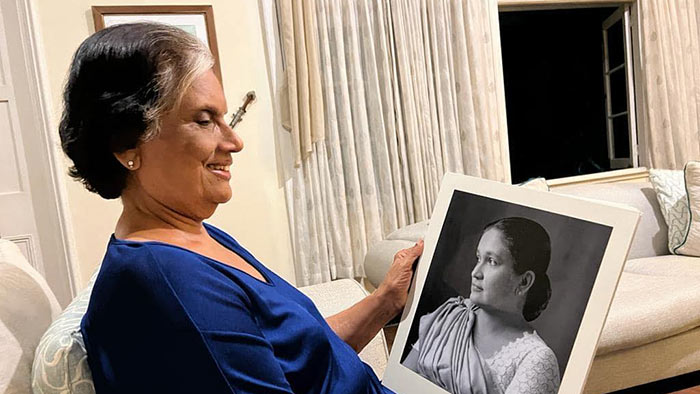
Chandrika Bandaranaike Kumaratunga emerged as a defining figure in Sri Lanka’s late-20th-century political transformation, shaped profoundly by both dynastic inheritance and personal tragedy. Born in Colombo into the influential Bandaranaike political family, her early life was marked by exposure to governance, ideological debate, and the realities of post-independence nation-building. The assassination of her father, Prime Minister S.W.R.D. Bandaranaike, deeply influenced her political consciousness and instilled a long-term commitment to national reconciliation and institutional reform.
Her political career began after extensive academic training in France, where she studied political science and developed a comparative understanding of governance systems. Her return to Sri Lanka coincided with growing political instability, and she initially entered politics through the Sri Lanka Freedom Party. Her breakthrough came in the mid-1990s when she was elected President, becoming the first female head of state in Sri Lanka.
During the 1990s, Kumaratunga’s leadership defined Sri Lanka’s political landscape, particularly through efforts to address ethnic conflict and pursue constitutional reform. Her presidency was marked by both ambitious peace initiatives and ongoing civil tensions, positioning her as a central figure in the country’s search for national unity. Her leadership style combined intellectual analysis with emotional appeals for reconciliation.
Kumaratunga’s legacy is defined by her attempt to balance reformist governance with deeply entrenched national divisions. She remains a significant figure in South Asian political history, particularly in discussions of peace-building and democratic transition.
Key Facts
- Full name of the subject: Chandrika Bandaranaike Kumaratunga
- Date of birth: June 29, 1945
- Place of birth: Colombo, Ceylon (Sri Lanka)
- Family background: Prominent Bandaranaike political dynasty
- Early childhood experiences: Political household shaped by national leadership and assassination of father
- Education history: University of Paris (Political Science)
- Influences and mentors: S.W.R.D. Bandaranaike, Sirimavo Bandaranaike
- Career beginnings: Sri Lanka Freedom Party political involvement
- Major achievements: First female President of Sri Lanka
- Challenges and obstacles faced: Civil war, assassination attempts, political opposition
- Turning points in life: Return from academic study abroad and entry into national politics
- Contributions to society: Peace initiatives and constitutional reform efforts
- Personal life (marriage, children, relationships): Married Vijaya Kumaratunga; two children
- Awards and recognitions: International recognition for peace efforts
- Beliefs, values, or philosophy: Social democracy, national reconciliation, inclusive governance
- Legacy and impact: Key figure in Sri Lanka’s peace and governance history
- Historical or cultural significance: Female leadership during civil conflict era
Notable Works:
Peace negotiation initiatives; constitutional reform proposals; governance modernization efforts
Controversies:
Criticism over civil war handling; failed peace processes; political polarization
9. Dilma Rousseff
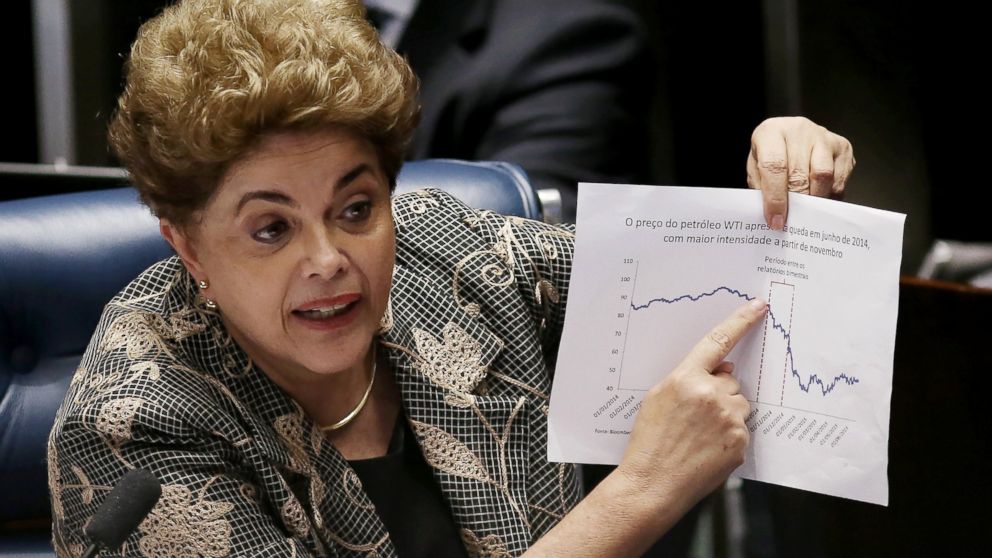
Dilma Rousseff’s political career represents one of the most complex narratives in modern Latin American governance, shaped by ideological struggle, imprisonment, and economic crisis management. Born in Belo Horizonte, Brazil, her early life was influenced by a middle-class upbringing and exposure to political activism during Brazil’s military dictatorship. Her involvement in leftist resistance movements led to her imprisonment and shaped her lifelong commitment to democratic governance and social equity.
Her entry into formal politics began after Brazil’s return to democracy, where she held various administrative and energy sector roles. Her breakthrough came under President Luiz Inácio Lula da Silva, where she served as Minister of Energy and later Chief of Staff. Her technocratic expertise and political reliability positioned her as his successor, leading to her election as Brazil’s first female president in 2010.
During the 1990s and early 2000s, Rousseff’s influence grew through her involvement in economic planning and infrastructure development, laying the foundation for her later presidency. Her leadership style emphasized state-led development, social welfare expansion, and macroeconomic stability during periods of global uncertainty.
Rousseff’s legacy is marked by both social progress and political controversy, including impeachment proceedings that polarized Brazilian society. She remains a symbol of resilience and the challenges of governing in highly polarized democratic systems.
Key Facts
- Full name of the subject: Dilma Vana Rousseff
- Date of birth: December 14, 1947
- Place of birth: Belo Horizonte, Brazil
- Family background: Bulgarian immigrant father; Brazilian mother
- Early childhood experiences: Exposure to intellectual and politically engaged household
- Education history: Federal University of Minas Gerais (Economics)
- Influences and mentors: Leftist resistance movements; Lula da Silva
- Career beginnings: Energy policy and public administration roles
- Major achievements: First female President of Brazil
- Challenges and obstacles faced: Imprisonment under military dictatorship; impeachment
- Turning points in life: Appointment as Chief of Staff; 2010 presidential election victory
- Contributions to society: Expansion of social welfare programs and energy policy reforms
- Personal life (marriage, children, relationships): Divorced; one daughter
- Awards and recognitions: International recognition for democratic leadership
- Beliefs, values, or philosophy: Social democracy, anti-authoritarian governance
- Legacy and impact: Symbol of leftist governance in Latin America
- Historical or cultural significance: First woman to lead Brazil
Notable Works:
Energy sector modernization; social welfare expansion programs; infrastructure development policies
Controversies:
Impeachment in 2016; economic recession criticism; corruption allegations within political environment
10. Jacinda Ardern
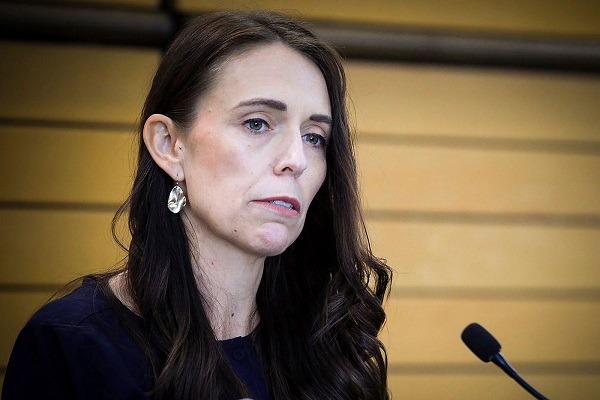
Jacinda Ardern’s political ascent represents a modern evolution of empathetic leadership within global politics. Born in Hamilton, New Zealand, she grew up in a modest rural environment that shaped her values of community engagement and social responsibility. Her early exposure to social inequality and labor issues informed her progressive political outlook.
Ardern entered politics at a young age through the New Zealand Labour Party, quickly gaining recognition for her communication skills and policy clarity. Her breakthrough came when she became leader of the Labour Party and subsequently Prime Minister in 2017, marking one of the fastest rises to executive leadership in modern democratic politics.
Although her peak leadership occurred in the late 2010s and early 2020s, her influence extended into the 1990s through her early political activism and policy development within Labour Party structures. Her leadership style became globally recognized for combining decisiveness with emotional intelligence, particularly during crises such as the Christchurch terrorist attacks and the COVID-19 pandemic.
Ardern’s legacy is defined by her redefinition of political leadership through empathy, transparency, and crisis responsiveness. She remains a significant figure in contemporary political discourse on leadership ethics and modern governance.
Key Facts
- Full name of the subject: Jacinda Kate Laurell Ardern
- Date of birth: July 26, 1980
- Place of birth: Hamilton, New Zealand
- Family background: Middle-class rural New Zealand upbringing
- Early childhood experiences: Exposure to community life and social responsibility values
- Education history: University of Waikato (Communication Studies)
- Influences and mentors: Helen Clark, Labour Party leadership, global progressive movements
- Career beginnings: Entry into New Zealand Parliament as list MP
- Major achievements: Youngest female head of government at time of election
- Challenges and obstacles faced: Terrorism crisis leadership; pandemic governance pressures
- Turning points in life: 2017 Labour Party leadership and election as Prime Minister
- Contributions to society: Crisis leadership, social welfare reforms, progressive governance
- Personal life (marriage, children, relationships): Partner Clarke Gayford; one daughter
- Awards and recognitions: Global leadership awards and humanitarian recognition
- Beliefs, values, or philosophy: Empathetic governance, social justice, inclusive leadership
- Legacy and impact: Redefined modern expectations of political leadership style
- Historical or cultural significance: Symbol of millennial-era progressive leadership
Notable Works:
Christchurch response leadership; COVID-19 national strategy; child welfare reforms
Controversies:
Criticism over housing affordability policies; pandemic restrictions debates; political polarization
Notable Mentions:
Condoleezza Rice
Kamala Harris
Hillary Clinton
Aung San Suu Kyi
Ursula von der Leyen