Top 10 Education Reformers
Top 10 Education Reformers
In This Content
1. Horace Mann
Horace Mann emerged in early 19th-century America as a transformative figure who redefined education as a public good rather than a private privilege. Born into a modest farming family in Massachusetts, Mann’s early life was shaped by scarcity, discipline, and an intense self-driven pursuit of knowledge. These formative conditions cultivated in him a belief that education was the most powerful tool for social mobility and democratic stability. Unlike many of his contemporaries, Mann did not view schooling as an elite institution reserved for the wealthy; instead, he envisioned it as a unifying civic force capable of strengthening an emerging American republic.
Mann’s career began in law and politics, where his eloquence and moral conviction quickly distinguished him. His appointment as Secretary of the Massachusetts Board of Education in 1837 marked the true beginning of his reformist journey. From this position, he launched an ambitious campaign to standardize schooling, improve teacher training, and expand public funding for education. His “Common School Movement” became the blueprint for the modern public school system in the United States. Mann’s breakthrough was not a single moment but a sustained institutional transformation he reframed education as a state responsibility, not a private luxury.
During his peak influence in the mid-19th century, Mann traveled extensively to study European education systems, particularly those in Prussia, bringing back ideas that reshaped American schooling structures. He advocated for non-sectarian education, believing that schools should remain neutral spaces free from religious domination. This position generated significant resistance from religious groups, but it also cemented his reputation as a forward-thinking reformer. His legacy lies in the structural DNA of public education systems across the United States, many of which still reflect his foundational principles of universal access, standardized curriculum, and professionalized teaching.
Mann’s influence extends far beyond his lifetime, positioning him as one of the principal architects of modern public education. His philosophy continues to inform debates on equity, access, and state responsibility in schooling systems worldwide.
Key Facts
- Full name of the subject: Horace Mann
- Date of birth: May 4, 1796
- Place of birth: Franklin, Massachusetts, USA
- Family background: Born into a working-class farming family
- Early childhood experiences: Limited formal schooling; heavy self-study
- Education history: Brown University; later studied law
- Influences and mentors: European education models, Enlightenment thinkers
- Career beginnings: Lawyer and Massachusetts legislator
- Major achievements: First Secretary of Massachusetts Board of Education; Common School Movement leader
- Challenges and obstacles faced: Religious opposition, political resistance, funding constraints
- Turning points in life: Appointment as education secretary in 1837
- Contributions to society: Expansion of public education, teacher training reform, standardized schooling
- Personal life (marriage, children, relationships): Married to Charlotte Messer Mann (later Harriet T. Messer)
- Awards and recognitions: Widely honored posthumously as “Father of American Public Education”
- Beliefs, values, or philosophy: Education as a democratic right and civic necessity
- Legacy and impact: Foundation of modern public school systems in the United States
- Historical or cultural significance: Pioneer of compulsory public education reform
Notable Works:
Common School Journal; Annual Education Reports; Massachusetts Education Reforms
Controversies:
The introduction of non-sectarian public schooling was a major policy dispute that positioned Horace Mann at the center of a national cultural debate. The issue arose from Mann’s insistence that public schools should exclude direct religious instruction to ensure inclusivity in an increasingly diverse society. The background to this controversy lay in 19th-century America, where education was often tied to Protestant teachings, and Catholic immigrant communities began to challenge Protestant dominance in public institutions.
Key stakeholders included Protestant religious leaders, Catholic immigrant populations, state education boards, and Mann himself as the chief architect of the reform. Critics argued that removing religious instruction weakened moral development, while supporters believed it protected freedom of belief and ensured equal access for students of all backgrounds. Mann defended his position by emphasizing civic unity and constitutional neutrality.
Factually, Mann did not eliminate moral instruction but restructured it into non-denominational ethical teachings, a distinction often blurred in public perception. While some states resisted his reforms, Massachusetts implemented many of his policies successfully. The controversy remains historically unresolved in ideological terms, as debates over religion in public education continue in various forms today. Its impact significantly shaped the secular framework of modern public schooling systems.
2. Maria Montessori
Maria Montessori’s work revolutionized early childhood education by shifting the focus from rigid instruction to child-centered learning driven by observation and independence. Born in Italy in 1870, Montessori grew up in a progressive household that encouraged intellectual ambition at a time when educational opportunities for women were limited. Her early fascination with science and human development led her to become one of Italy’s first female physicians, a milestone that profoundly influenced her educational philosophy.
Montessori’s career began in medicine, particularly in psychiatry and pediatrics, where she worked with children labeled as “uneducable.” Rather than accepting prevailing assumptions, she observed that structured, sensory-based environments significantly improved learning outcomes. This insight became the foundation of her educational method. Her breakthrough came with the establishment of the “Casa dei Bambini” in 1907, where she applied her child-led learning model to remarkable effect, producing measurable improvements in behavior and academic development.
During her international peak in the early to mid-20th century, Montessori’s methods spread across Europe, India, and the United States. Her philosophy emphasized independence, tactile learning materials, and self-directed exploration. While widely praised, it also faced skepticism from traditional educators who viewed her methods as unstructured. Nevertheless, her system proved resilient, influencing early childhood education models globally and remaining highly relevant in modern pedagogy.
Montessori’s legacy is embedded in thousands of schools worldwide that continue to use her method. Her approach fundamentally reshaped how educators understand child development, positioning the learner as an active participant rather than a passive recipient of knowledge.
Key Facts
- Full name of the subject: Maria Tecla Artemisia Montessori
- Date of birth: August 31, 1870
- Place of birth: Chiaravalle, Italy
- Family background: Middle-class, progressive Italian family
- Early childhood experiences: Strong encouragement in academics; early interest in science
- Education history: University of Rome; medical degree (first female physician in Italy)
- Influences and mentors: Jean Itard, Édouard Séguin
- Career beginnings: Psychiatry and work with children with developmental challenges
- Major achievements: Montessori Method; Casa dei Bambini establishment
- Challenges and obstacles faced: Gender discrimination, academic resistance
- Turning points in life: Work with institutionalized children in Rome
- Contributions to society: Child-centered education system, global early education reform
- Personal life (marriage, children, relationships): Had one son, Mario Montessori
- Awards and recognitions: Multiple international honors and Nobel Peace Prize nominations (three times)
- Beliefs, values, or philosophy: Independence, self-directed learning, respect for child development
- Legacy and impact: Global Montessori school system
- Historical or cultural significance: Pioneer of modern early childhood education
Notable Works:
The Montessori Method; The Absorbent Mind; Education for a New World
Controversies:
The Montessori educational system faced criticism regarding its lack of standardized structure, sparking debate over its academic rigor. The controversy emerged as traditional educators questioned whether children educated under Montessori methods met comparable benchmarks in literacy and numeracy. The background of this debate was rooted in early 20th-century educational systems that prioritized uniform testing and rigid curricula.
Stakeholders included government education authorities, traditional school administrators, Montessori advocates, and parents. Critics argued that the system overly prioritized freedom, potentially delaying structured academic discipline, while supporters pointed to empirical evidence of improved cognitive and social development in Montessori students. Montessori herself defended her approach through observational studies and case-based results rather than standardized metrics.
While no definitive institutional ruling discredited her system, debates over its scalability and consistency persist. The controversy has had a lasting impact by pushing educational researchers to reconsider the balance between structure and autonomy in learning environments.
3. John Dewey
John Dewey stands as one of the most influential American philosophers of education, reshaping schooling into an experiential and democratic process. Born in 1859 in Vermont, Dewey’s intellectual development was shaped by post-Civil War America, where industrialization and social change demanded new approaches to education. His early academic path in philosophy led him to question traditional authoritarian models of learning, which he believed failed to prepare individuals for active civic participation.
Dewey’s career began in academia, where his work in philosophy and psychology gradually merged into educational theory. His establishment of the University of Chicago Laboratory School became a pivotal experiment in progressive education. Here, he tested the idea that learning should be rooted in experience, collaboration, and problem-solving rather than rote memorization. His breakthrough came with the publication of influential works such as Democracy and Education, which articulated education as a living process tied directly to democratic society.
At his peak in the early 20th century, Dewey’s ideas spread across the United States and beyond, influencing curriculum reforms and teacher training programs. His philosophy emphasized that schools should function as miniature democracies, preparing students not only for employment but for active citizenship. While critics accused his system of lacking academic rigor, supporters argued that it created more adaptable, critical thinkers suited for modern society.
Dewey’s legacy remains deeply embedded in contemporary educational theory, particularly in constructivist learning models and project-based education systems. His ideas continue to influence global debates on the purpose of schooling in democratic societies.
Key Facts
- Full name of the subject: John Dewey
- Date of birth: October 20, 1859
- Place of birth: Burlington, Vermont, USA
- Family background: Middle-class family with intellectual encouragement
- Early childhood experiences: Exposure to literature and civic ideas
- Education history: University of Vermont; Johns Hopkins University (PhD)
- Influences and mentors: Charles Sanders Peirce, William James
- Career beginnings: University professor in philosophy and psychology
- Major achievements: Progressive education theory; Laboratory School establishment
- Challenges and obstacles faced: Academic criticism from traditionalists
- Turning points in life: Creation of University of Chicago Laboratory School
- Contributions to society: Experiential learning model; democratic education theory
- Personal life (marriage, children, relationships): Married Alice Chipman Dewey
- Awards and recognitions: Widely recognized as father of progressive education
- Beliefs, values, or philosophy: Learning through experience; education as democracy
- Legacy and impact: Foundation of modern progressive education systems
- Historical or cultural significance: Architect of experiential learning theory
Notable Works:
Democracy and Education; Experience and Education; The School and Society
Controversies:
John Dewey’s progressive education model sparked controversy over concerns that experiential learning undermined academic rigor. The issue emerged as schools adopting his methods reduced emphasis on standardized instruction in favor of project-based learning. Critics argued that this shift risked weakening foundational literacy and numeracy skills among students.
Key stakeholders included traditional educators, progressive reformers, school districts, and policy makers. Critics viewed Dewey’s model as overly philosophical and impractical for large-scale implementation, while supporters emphasized its effectiveness in developing critical thinking and civic engagement. Dewey responded by clarifying that structured learning and experience were not mutually exclusive but mutually reinforcing.
While his theories were never formally rejected, their application varied widely, leading to inconsistent outcomes that fueled ongoing debate. The controversy ultimately contributed to a long-standing tension in education systems between standardized testing models and progressive, student-centered learning approaches.
4. Booker T. Washington
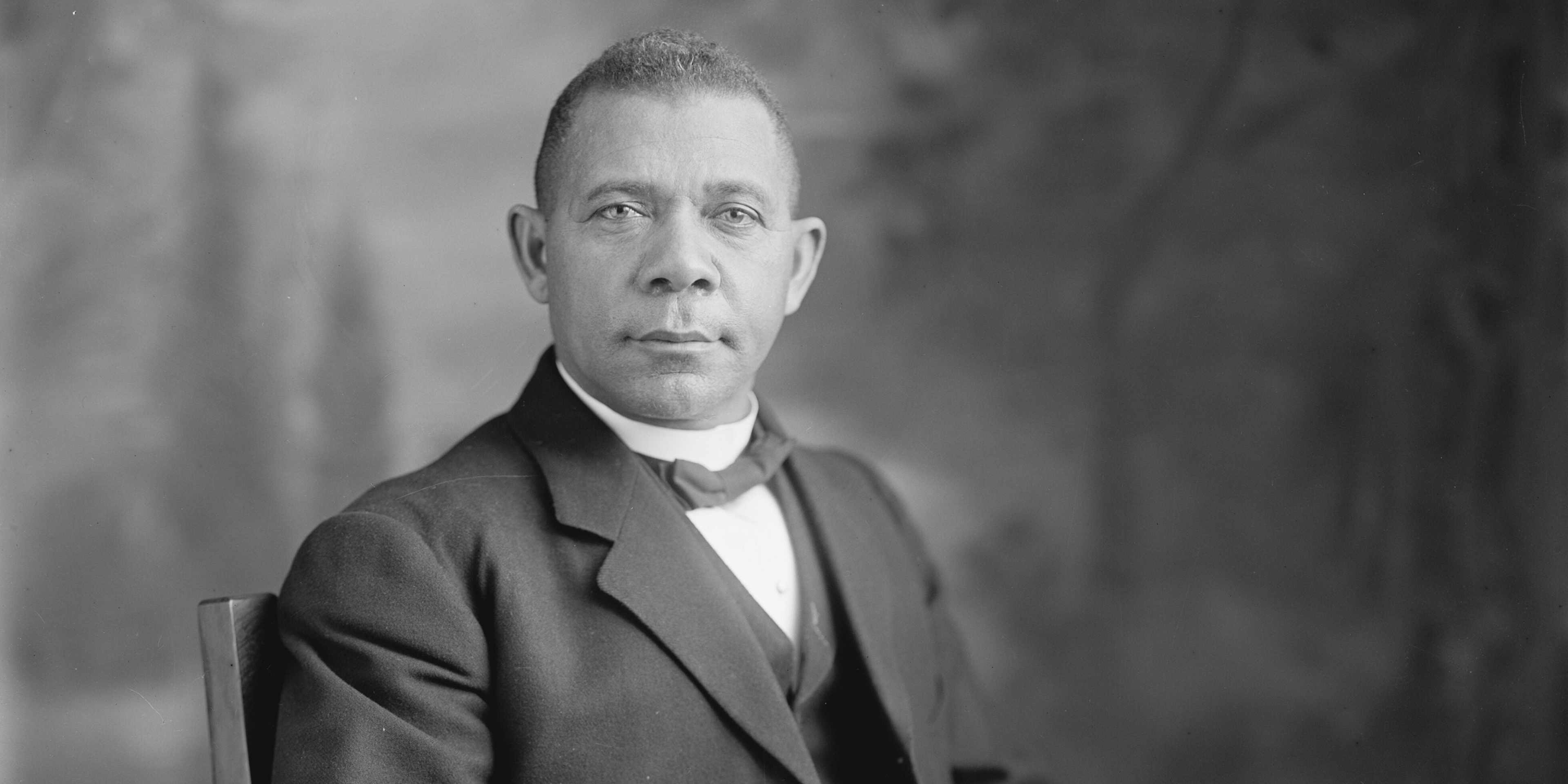
Booker T. Washington emerged from the ruins of post-slavery America as a defining voice in the reconstruction of Black education and economic empowerment. Born into enslavement in rural Virginia in the mid-19th century, his early life was shaped by deprivation, manual labor, and an intense hunger for literacy. Washington’s formative years were marked by a relentless pursuit of education under conditions of extreme inequality, walking long distances to attend school while working to support his family. This lived experience became the foundation of his philosophy: that education must be practical, accessible, and directly tied to economic independence.
Washington’s career began at the Hampton Institute, where his talent for leadership and discipline quickly distinguished him. His breakthrough came with the founding of the Tuskegee Normal and Industrial Institute in 1881, an institution designed to equip Black Americans with vocational and industrial skills. Rather than focusing solely on classical education, Washington emphasized trades, agriculture, and self-sufficiency as immediate tools for survival and dignity in a segregated society. His rise to national prominence was cemented by his 1895 Atlanta Exposition Address, which positioned him as a leading spokesperson for Black advancement through economic development.
At his peak in the late 19th and early 20th centuries, Washington became one of the most influential African American leaders in the United States. He built extensive networks with industrialists, politicians, and philanthropists, securing funding for Black education and institutional development. However, his philosophy of gradualism and accommodation toward segregation sparked intense debate within the Black intellectual community. Despite criticism, his practical approach created tangible educational infrastructure that reshaped opportunities for generations.
Washington’s legacy remains deeply embedded in vocational education and historically Black institutions across the United States. His emphasis on self-reliance and economic empowerment continues to influence discussions on education and social mobility.
Key Facts
- Full name of the subject: Booker Taliaferro Washington
- Date of birth: April 5, 1856
- Place of birth: Hale’s Ford, Virginia, USA
- Family background: Born into slavery; later emancipated
- Early childhood experiences: Enslavement, labor-intensive childhood, self-taught literacy
- Education history: Hampton Institute; Wayland Seminary
- Influences and mentors: Samuel Armstrong, Hampton Institute philosophy
- Career beginnings: Teacher and administrator at Hampton Institute
- Major achievements: Founder of Tuskegee Institute
- Challenges and obstacles faced: Racism, funding shortages, ideological opposition
- Turning points in life: Founding Tuskegee Institute in 1881
- Contributions to society: Vocational education system for African Americans
- Personal life (marriage, children, relationships): Married Fannie N. Smith and later Olivia A. Davidson
- Awards and recognitions: National recognition as leading Black educator and advisor to U.S. presidents
- Beliefs, values, or philosophy: Economic self-reliance, industrial education, gradual social progress
- Legacy and impact: Expansion of Black educational institutions in America
- Historical or cultural significance: Central figure in post-slavery educational reform
Notable Works:
Up From Slavery; The Future of the American Negro; The Story of the Negro
Controversies:
Booker T. Washington’s advocacy of vocational education and gradual racial integration generated one of the most significant ideological debates in African American history. The controversy centered on his Atlanta Compromise speech, where he encouraged Black Americans to focus on economic advancement rather than immediate civil rights demands. The background of this position reflected the harsh realities of Jim Crow segregation and limited political power for Black citizens in the American South.
Key stakeholders included Black intellectual leaders such as W.E.B. Du Bois, civil rights activists, Southern white industrialists, and Black working-class communities. Critics argued that Washington’s stance accommodated segregation and delayed the pursuit of political equality, while supporters believed his approach provided practical pathways to economic stability in an oppressive system. Washington defended his philosophy as strategic pragmatism rather than surrender.
While historical evaluation remains divided, it is factually established that Washington’s influence secured substantial funding and institutional development for Black education. The controversy continues to shape scholarly debate on reform strategies, balancing immediate rights advocacy with long-term structural empowerment.
5. W.E.B. Du Bois
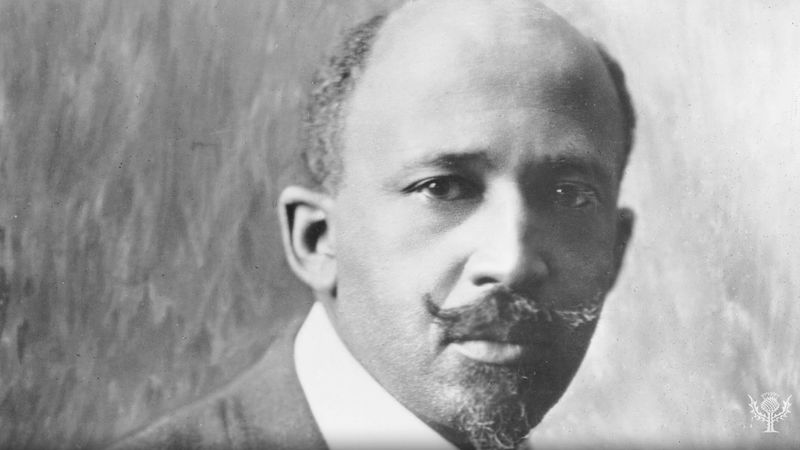
W.E.B. Du Bois emerged as one of the most intellectually formidable education reformers and civil rights scholars of the early 20th century. Born in Massachusetts to a relatively free Black family, Du Bois experienced minimal exposure to overt Southern segregation but became deeply aware of global racial hierarchies during his advanced studies at Harvard and in Europe. His academic brilliance and sociological rigor positioned him as a leading voice in redefining the purpose of education for oppressed communities.
Du Bois began his career in academia and research, conducting groundbreaking sociological studies on African American communities, most notably in The Philadelphia Negro. His educational philosophy sharply contrasted with Booker T. Washington’s vocational emphasis. Du Bois advocated for the “Talented Tenth,” arguing that higher education for the most gifted Black individuals would create leadership capable of advancing racial equality. His breakthrough came through his role in founding the Niagara Movement and later the NAACP, where education and activism merged into a unified civil rights strategy.
At his peak, Du Bois became a global intellectual figure, shaping debates on race, education, and colonialism. His work extended beyond the United States, influencing anti-colonial movements and educational reforms in Africa and the Caribbean. He insisted that education must cultivate critical consciousness rather than simply economic utility. This ideological stance placed him in direct opposition to more conservative educational models of his time.
Du Bois’s legacy endures in higher education access, Black studies programs, and global human rights education. His belief in intellectual empowerment as a path to liberation remains foundational in modern critical pedagogy.
Key Facts
- Full name of the subject: William Edward Burghardt Du Bois
- Date of birth: February 23, 1868
- Place of birth: Great Barrington, Massachusetts, USA
- Family background: Free Black middle-class family
- Early childhood experiences: Integrated schooling, academic excellence
- Education history: Fisk University; Harvard University; University of Berlin
- Influences and mentors: Max Weber, William James
- Career beginnings: University professor and sociological researcher
- Major achievements: Co-founder of NAACP; pioneering sociological studies
- Challenges and obstacles faced: Institutional racism, academic exclusion
- Turning points in life: Publication of The Souls of Black Folk
- Contributions to society: Black intellectual leadership, civil rights education advocacy
- Personal life (marriage, children, relationships): Married Nina Gomer Du Bois
- Awards and recognitions: Global recognition as leading Pan-African intellectual
- Beliefs, values, or philosophy: Higher education as a tool for racial advancement
- Legacy and impact: Foundation of Black studies and critical race scholarship
- Historical or cultural significance: Global civil rights intellectual leader
Notable Works:
The Souls of Black Folk; Black Reconstruction in America; The Philadelphia Negro
Controversies:
W.E.B. Du Bois’s “Talented Tenth” theory generated sustained controversy regarding elitism in education reform. The debate emerged from his assertion that a highly educated minority of Black Americans should lead broader racial advancement. The background of this position reflected early 20th-century struggles over limited educational access and systemic racial exclusion.
Key stakeholders included Black working-class communities, Black intellectual elites, civil rights organizations, and critics such as Booker T. Washington. Critics argued that the model risked neglecting mass education in favor of an intellectual elite, while supporters believed it was a necessary strategy for rapid societal advancement. Du Bois maintained that higher education leadership was essential for challenging systemic inequality.
While the theory influenced elite academic pathways, it remains contested in its representativeness. The controversy contributed to broader debates on equity versus excellence in educational access and continues to inform discussions in modern educational policy.
6. Paulo Freire

Paulo Freire stands as one of the most influential education philosophers of the 20th century, redefining education as a practice of freedom rather than mere knowledge transfer. Born in Recife, Brazil, during a period of economic hardship, Freire’s early experiences with poverty profoundly shaped his understanding of inequality and learning. Hunger and social exclusion during his childhood led him to view education not as an abstract institution but as a tool for liberation.
Freire’s professional journey began in law and later shifted toward education, where he developed literacy programs for impoverished communities in Brazil. His breakthrough came with the publication of Pedagogy of the Oppressed, a foundational text in critical pedagogy. In it, he criticized traditional “banking models” of education, where students are treated as passive recipients of information. Instead, he advocated for dialogical learning, where teachers and students engage as co-creators of knowledge.
At his peak influence in the 1960s and beyond, Freire’s methods were adopted across Latin America, Africa, and later North America. His work in adult literacy campaigns demonstrated that education could be a political act of empowerment. However, his association with leftist political movements led to exile during Brazil’s military dictatorship, further amplifying his global intellectual influence.
Freire’s legacy continues in critical pedagogy, community education, and participatory learning models worldwide. His ideas remain central to debates on education, power, and social justice.
Key Facts
- Full name of the subject: Paulo Reglus Neves Freire
- Date of birth: September 19, 1921
- Place of birth: Recife, Pernambuco, Brazil
- Family background: Middle-class family affected by economic depression
- Early childhood experiences: Poverty, hunger, early awareness of inequality
- Education history: University of Recife (law and philosophy)
- Influences and mentors: Existentialism, Marxist theory, Dewey’s pragmatism
- Career beginnings: Literacy educator and social reform advocate
- Major achievements: Development of critical pedagogy; literacy revolution programs
- Challenges and obstacles faced: Political exile, censorship
- Turning points in life: Publication of Pedagogy of the Oppressed
- Contributions to society: Adult literacy reform, participatory education models
- Personal life (marriage, children, relationships): Married Elza Maia Costa de Oliveira
- Awards and recognitions: UNESCO literacy awards and global academic honors
- Beliefs, values, or philosophy: Education as liberation and dialogue
- Legacy and impact: Foundation of critical pedagogy movement
- Historical or cultural significance: Global advocate for emancipatory education
Notable Works:
Pedagogy of the Oppressed; Education for Critical Consciousness; Pedagogy of Hope
Controversies:
Paulo Freire’s critical pedagogy approach generated controversy due to its association with political ideology and perceived departure from traditional educational neutrality. The issue arose from claims that his literacy programs incorporated Marxist frameworks that critics argued blurred the line between education and political activism.
Key stakeholders included conservative political groups, educational institutions in Latin America, UNESCO affiliates, and Freire’s academic supporters. Critics contended that his methods risked ideological indoctrination, while supporters argued that his approach simply acknowledged the political nature of education in unequal societies. Freire consistently defended his model as a humanistic and dialogical process rather than partisan instruction.
While his exile was politically motivated, his educational methods were widely implemented internationally. The controversy remains active in academic discourse, particularly in debates over critical pedagogy versus standardized educational neutrality, shaping curriculum design debates globally.
7. Savitribai Phule

Savitribai Phule stands as one of the earliest pioneers of women’s education reform in India, challenging entrenched caste and gender barriers in the 19th century. Born in colonial India into a marginalized community, her early life was defined by systemic exclusion from formal learning. Despite these constraints, her intellectual curiosity was nurtured by her husband, Jyotirao Phule, who recognized her potential and educated her at a time when female literacy was severely restricted.
Phule’s career in education began with the establishment of the first girls’ school in Pune in 1848, an act that directly confronted social orthodoxy. She became India’s first female teacher and later a school administrator, enduring social ostracism, public hostility, and physical harassment. Her breakthrough was not merely institutional but symbolic: she represented the possibility of education for women and lower-caste communities in a rigidly stratified society.
At her peak influence, Savitribai expanded school networks for girls and marginalized communities, advocating for inclusive education long before it became a global priority. Her work extended beyond classrooms into social reform, including efforts in women’s rights, anti-infanticide advocacy, and community welfare during famine and epidemics. Her educational mission was inseparable from her broader humanitarian activism.
Savitribai Phule’s legacy is foundational in Indian education reform history. She is widely regarded as a trailblazer whose courage reshaped the boundaries of gender and caste in education, influencing generations of reformers.
Key Facts
- Full name of the subject: Savitribai Jyotirao Phule
- Date of birth: January 3, 1831
- Place of birth: Naigaon, Maharashtra, India
- Family background: Lower-caste farming family
- Early childhood experiences: Social exclusion due to caste and gender
- Education history: Home-educated by Jyotirao Phule and associates
- Influences and mentors: Jyotirao Phule
- Career beginnings: Teacher and co-founder of girls’ schools in Pune
- Major achievements: First female teacher in India; pioneer of girls’ education
- Challenges and obstacles faced: Caste discrimination, social harassment
- Turning points in life: Opening of first girls’ school in 1848
- Contributions to society: Women’s education, caste reform advocacy
- Personal life (marriage, children, relationships): Married Jyotirao Phule
- Awards and recognitions: Posthumous national recognition in India
- Beliefs, values, or philosophy: Equality, anti-caste reform, universal education
- Legacy and impact: Foundation of women’s education movement in India
- Historical or cultural significance: First Indian female education reformer
Notable Works:
Establishment of Girls’ Schools in Pune; Social reform writings and activism
Controversies:
Savitribai Phule’s educational reforms faced intense social backlash due to her challenge against caste and gender hierarchies in colonial India. The controversy centered on her decision to educate girls and lower-caste children, which was viewed by conservative समाज groups as a violation of traditional social order.
Key stakeholders included upper-caste orthodox groups, colonial administrators, reformist movements, and marginalized communities. Critics engaged in social harassment and ostracism, while supporters viewed her actions as necessary for social justice and modernization. Savitribai Phule and her husband defended their mission as morally and socially imperative.
While no formal institutional ruling addressed her reforms, the opposition she faced was primarily societal rather than legal. The controversy ultimately reinforced her legacy as a pioneer of resistance-based education reform, highlighting the deep resistance faced by early advocates of inclusive schooling.
8. Anne Sullivan
Anne Sullivan stands as one of the most remarkable figures in the history of special education, redefining what was thought possible in human learning and communication. Born in Massachusetts in the late 19th century to Irish immigrant parents, Sullivan’s early life was marked by poverty, illness, and partial blindness caused by trachoma. Her childhood was spent in institutions where neglect was common, and survival itself became her earliest education. These harsh beginnings shaped her lifelong belief that no mind is unreachable if instruction is adapted with patience, empathy, and precision.
Sullivan’s career began after her graduation from the Perkins School for the Blind, where she herself had received education and rehabilitation. Her breakthrough came when she was assigned to teach Helen Keller, a young deaf-blind girl considered “incurable” by prevailing medical and educational standards. Through innovative tactile teaching methods, Sullivan unlocked Keller’s ability to communicate, beginning with the famous moment of understanding at the water pump. This breakthrough became a landmark in educational history, proving that cognitive potential could be accessed even in extreme sensory limitations.
At her peak influence, Sullivan became globally recognized as a pioneer of individualized instruction. Her teaching methods emphasized sensory substitution, repetition, and emotional connection, long before these concepts became formalized in special education theory. While she worked primarily with Keller, the implications of her methods extended far beyond a single student, influencing institutions for the blind and deaf across the United States and Europe. Critics at the time underestimated her methods, but later validation came through modern pedagogical psychology.
Anne Sullivan’s legacy is inseparable from the transformation of special education. She redefined disability not as inability but as a challenge of communication, fundamentally altering educational philosophy for learners with disabilities worldwide.
Key Facts
- Full name of the subject: Anne Sullivan Macy
- Date of birth: April 14, 1866
- Place of birth: Feeding Hills, Massachusetts, USA
- Family background: Poor Irish immigrant family
- Early childhood experiences: Poverty, orphanhood, visual impairment
- Education history: Perkins School for the Blind
- Influences and mentors: Michael Anagnos, Perkins educators
- Career beginnings: Teaching at Perkins School for the Blind
- Major achievements: Educator and lifelong teacher of Helen Keller
- Challenges and obstacles faced: Blindness, poverty, institutional neglect
- Turning points in life: Assignment as Helen Keller’s teacher
- Contributions to society: Special education methods for deaf-blind learners
- Personal life (marriage, children, relationships): Married John Macy (later separated)
- Awards and recognitions: International recognition for educational innovation
- Beliefs, values, or philosophy: Every learner has potential with proper guidance
- Legacy and impact: Foundation of modern special education practices
- Historical or cultural significance: Pioneer of disability education reform
Notable Works:
Teaching system for Helen Keller; Perkins instructional innovations
Controversies:
Anne Sullivan’s teaching methods with Helen Keller generated debate over the intensity and control involved in her instructional approach. The controversy centered on whether her highly structured, immersive teaching style limited Keller’s autonomy during formative learning stages. The background of this debate emerged from early special education practices, which lacked standardized ethical frameworks.
Key stakeholders included educators at Perkins School for the Blind, disability advocates, psychologists, and the public who closely followed Keller’s development. Critics questioned whether Sullivan’s methods were overly directive, while supporters emphasized the extraordinary communicative breakthrough achieved with Keller. Sullivan defended her approach as necessary for establishing foundational language comprehension.
Historically, there is no evidence of institutional disciplinary action against Sullivan’s methods, but modern scholars continue to reassess early special education ethics through contemporary standards. The controversy has influenced ongoing discussions about autonomy, consent, and instructional intensity in disability education.
9. Malala Yousafzai
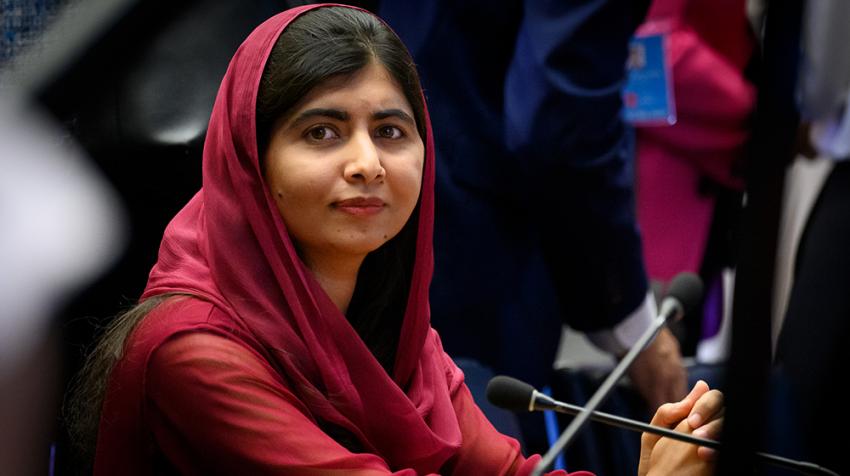
Malala Yousafzai emerged in the 21st century as a global symbol of girls’ education advocacy under conditions of extreme political repression. Born in the Swat Valley of Pakistan, Malala’s early life was shaped by her father’s role as an educator and school founder, which exposed her to progressive ideas about learning in a region increasingly affected by militant control. From a young age, she demonstrated intellectual curiosity and public confidence, speaking openly about the importance of education for girls despite rising threats.
Her career began as a blogger for international media, documenting life under restrictive Taliban rule. Her advocacy gained global attention after she survived an assassination attempt in 2012, an event that transformed her into an international education rights icon. Rather than silencing her, the attack amplified her voice, leading to global platforms where she championed universal education access. Her breakthrough came with the establishment of the Malala Fund, which institutionalized her advocacy into actionable education initiatives worldwide.
At her peak influence, Malala became the youngest Nobel Peace Prize laureate in history. Her advocacy spans global summits, United Nations addresses, and partnerships with governments and NGOs. Her message centers on the belief that education is not only a right but a powerful tool against extremism and poverty. While widely celebrated, she has also faced criticism in some regions for her alignment with Western institutions, reflecting broader geopolitical tensions.
Malala’s legacy continues to expand through global education funding and advocacy programs. She remains a central figure in contemporary discussions on girls’ education, human rights, and global equity.
Key Facts
- Full name of the subject: Malala Yousafzai
- Date of birth: July 12, 1997
- Place of birth: Mingora, Swat Valley, Pakistan
- Family background: Educated family; father was a school founder
- Early childhood experiences: Early exposure to education activism
- Education history: Edgbaston High School; University of Oxford
- Influences and mentors: Ziauddin Yousafzai (father), global human rights activists
- Career beginnings: BBC blog under pseudonym about life under Taliban
- Major achievements: Nobel Peace Prize laureate; Malala Fund founder
- Challenges and obstacles faced: Assassination attempt, political repression
- Turning points in life: 2012 attack and subsequent global advocacy rise
- Contributions to society: Global girls’ education advocacy
- Personal life (marriage, children, relationships): Married Asser Malik
- Awards and recognitions: Nobel Peace Prize (2014), global humanitarian awards
- Beliefs, values, or philosophy: Education as a universal human right
- Legacy and impact: Global girls’ education movement leader
- Historical or cultural significance: Symbol of resistance against educational oppression
Notable Works:
I Am Malala; Malala Fund initiatives; UN education advocacy speeches
Controversies:
Malala Yousafzai’s global advocacy has generated debate in certain regions regarding perceived Western alignment in her education activism. The controversy centers on claims that her international platform reflects external geopolitical influence rather than purely local grassroots advocacy. The background of this debate stems from the politicization of education in conflict zones, particularly in South Asia and the Middle East.
Key stakeholders include Pakistani political commentators, international NGOs, Western governments, education activists, and local community groups. Critics argue that her prominence overshadows local activists, while supporters emphasize her personal experience and legitimate advocacy for girls’ education rights. Malala and her foundation have consistently framed their work as globally inclusive and locally driven.
Factually, her advocacy is supported by documented educational initiatives funded across multiple developing regions. The controversy remains largely perception-based and politically interpreted, with no formal institutional dispute. Its impact highlights the complex intersection between global advocacy and national identity in education reform movements.
10. Sir Ken Robinson
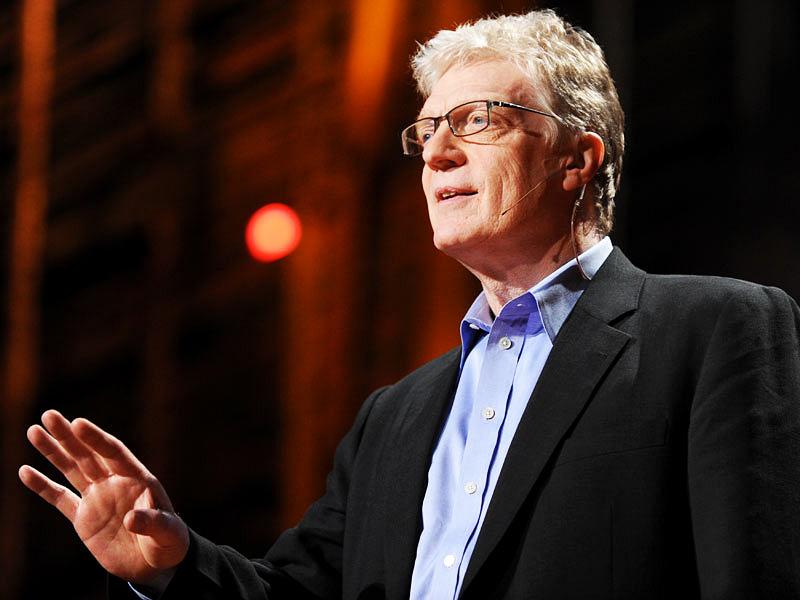
Sir Ken Robinson became one of the most influential modern voices in education reform through his critique of standardized schooling and advocacy for creativity in learning. Born in Liverpool, England, Robinson grew up in a working-class family affected by industrial hardship and health challenges, including childhood illness that temporarily limited his mobility. These experiences shaped his sensitivity to individual learning differences and the importance of nurturing diverse talents within education systems.
Robinson’s career began in academia, where he specialized in arts education and creativity theory. His breakthrough came with his influential talks and publications arguing that modern education systems were designed for industrial economies rather than creative societies. His landmark TED Talk on creativity in education became one of the most viewed educational lectures globally, positioning him as a leading critic of standardized testing cultures.
At his peak influence in the early 21st century, Robinson advised governments and educational institutions worldwide. He argued that education systems often suppress creativity by prioritizing conformity and academic hierarchy. His philosophy emphasized that intelligence is diverse and that educational systems must evolve to support artistic, emotional, and innovative intelligence alongside traditional academics. While widely celebrated, his ideas were also criticized by some policymakers who viewed them as impractical for large-scale standardized systems.
Sir Ken Robinson’s legacy lies in shifting global discourse on education toward creativity, innovation, and personalized learning. His influence continues to shape curriculum reform debates and educational policy discussions worldwide.
Key Facts
- Full name of the subject: Sir Kenneth Robinson
- Date of birth: March 4, 1950
- Place of birth: Liverpool, England
- Family background: Working-class British family
- Early childhood experiences: Childhood illness; exposure to arts and culture
- Education history: University of Leeds; University of London
- Influences and mentors: Arts educators, educational theorists
- Career beginnings: University lecturer in drama and education
- Major achievements: Global education reform advocate; creativity researcher
- Challenges and obstacles faced: Institutional resistance to arts-centered education
- Turning points in life: Global recognition after TED Talks
- Contributions to society: Creativity-based education reform advocacy
- Personal life (marriage, children, relationships): Married to Terry Crozier
- Awards and recognitions: Knighted for services to arts and education
- Beliefs, values, or philosophy: Education should nurture creativity and individuality
- Legacy and impact: Global shift toward creativity-focused education discourse
- Historical or cultural significance: Leading voice in modern education reform
Notable Works:
Do Schools Kill Creativity?; Out of Our Minds; Creative Schools
Controversies:
Sir Ken Robinson’s critique of standardized education systems sparked debate over the practicality of large-scale implementation of creativity-centered reform. The controversy centers on whether his proposed transformation of education systems could realistically function within existing governmental and economic constraints. The background of this debate stems from increasing global reliance on standardized testing and measurable educational outcomes.
Key stakeholders include policymakers, educators, curriculum developers, and advocates of progressive education. Critics argued that Robinson’s vision lacked actionable frameworks for systemic change, while supporters emphasized the urgency of addressing creativity deficits in modern education systems. Robinson defended his position by highlighting examples of successful alternative education models.
While his ideas were widely influential, they were not formally adopted at full systemic levels in most countries. The controversy remains part of ongoing discussions about balancing creativity with accountability in global education reform.
Notable Mentions:
Jean Piaget
Ruth Bader Ginsburg
Nelson Mandela
Amina J. Mohammed
Michael Apple