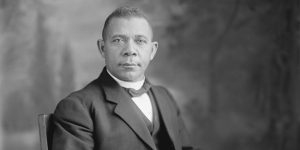
Top 10 Education Innovators
Top 10 Education Innovators
In This Content
1. Maria Montessori
Maria Montessori’s intellectual legacy is rooted in a radical rethinking of childhood learning, shaped by her background in medicine and her clinical observations of children in institutional care. Born in Italy during a period of rapid social transformation, Montessori initially pursued medicine at a time when few women entered the field. Her early exposure to scientific methodology and neurological research informed her belief that education should be grounded in observation rather than rigid instruction.
Montessori’s career began in psychiatric clinics and special education environments, where she worked with children labeled as “uneducable.” Her breakthrough came when she developed an educational method that emphasized self-directed activity, sensory-based learning, and structured freedom within the classroom. The early 20th century marked her peak influence, as the Montessori Method gained international recognition and was implemented across Europe and later globally, reshaping early childhood education systems.
Her legacy is defined by child-centered pedagogy that treats learners as active participants in their cognitive development. Montessori restructured education from a teacher-dominated system into an environment designed for exploration, independence, and developmental psychology.
Key Facts
- Full name of the subject: Maria Tecla Artemisia Montessori
- Date of birth: August 31, 1870
- Place of birth: Chiaravalle, Italy
- Family background: Educated middle-class Italian family
- Early childhood experiences: Strong emphasis on academic discipline and scientific curiosity
- Education history: University of Rome (Medicine – one of Italy’s first female physicians)
- Influences and mentors: Jean Itard, Édouard Séguin, medical neuroscience research
- Career beginnings: Medical practice and work with children with developmental disabilities
- Major achievements: Montessori Method development; global Montessori school system
- Challenges and obstacles faced: Gender discrimination in academia; resistance from traditional educators
- Turning points in life: Work in psychiatric institutions; establishment of Casa dei Bambini
- Contributions to society: Revolutionized early childhood education systems worldwide
- Personal life (marriage, children, relationships): Had one son, Mario Montessori
- Awards and recognitions: International recognition in education reform circles
- Beliefs, values, or philosophy: Child-led learning, independence, structured freedom
- Legacy and impact: Redefined global early childhood education philosophy
- Historical or cultural significance: Foundational figure in modern progressive education
Notable Works: Montessori Method, Casa dei Bambini system, educational psychology frameworks
Controversies: A notable controversy surrounding Maria Montessori involves debates over the scalability and academic rigor of the Montessori Method within standardized education systems. The issue emerged within the broader context of early 20th-century education reform movements, where progressive teaching models challenged traditional state curriculum structures. Key stakeholders included Montessori institutions, national education ministries, academic researchers, and public school systems.
Critics argue that Montessori education, while effective in early childhood development, can face inconsistencies in implementation quality and may not always align with standardized testing frameworks. Montessori institutions and advocates maintain that the method prioritizes holistic development over exam-based metrics, emphasizing long-term cognitive and social growth. Educational research bodies continue to evaluate outcomes, with findings showing mixed but generally positive developmental results depending on execution fidelity.
The impact of this debate has influenced global education policy discussions on alternative learning systems and the balance between standardization and individualized instruction.
2. John Dewey
John Dewey’s educational philosophy emerged from a deeply analytical engagement with democracy, psychology, and the evolving needs of industrial society. Born in Vermont in the United States, Dewey was shaped by a rapidly modernizing world in which traditional rote learning methods were increasingly misaligned with societal complexity. His academic grounding in philosophy and psychology positioned him as a bridge between theoretical thought and applied educational reform.
Dewey’s career began in university teaching and philosophical research, where he developed ideas around experiential learning and “learning by doing.” His breakthrough came through the establishment of the University of Chicago Laboratory School, which served as a testing ground for progressive education models. The early to mid-20th century marked his peak influence, as his theories became foundational to modern American education policy and teacher training systems.
Dewey’s legacy is defined by the integration of democratic principles into education. He redefined schools as social environments where critical thinking, collaboration, and experiential learning replace memorization-driven instruction.
Key Facts
- Full name of the subject: John Dewey
- Date of birth: October 20, 1859
- Place of birth: Burlington, Vermont, United States
- Family background: Middle-class American family
- Early childhood experiences: Early intellectual curiosity and reading culture
- Education history: University of Vermont; Johns Hopkins University
- Influences and mentors: Charles Sanders Peirce, William James, pragmatist philosophy
- Career beginnings: University professor and philosophical researcher
- Major achievements: Progressive education theory; Laboratory School founding
- Challenges and obstacles faced: Resistance from traditional education institutions
- Turning points in life: Development of pragmatism; Chicago Laboratory School establishment
- Contributions to society: Modern progressive education framework
- Personal life (marriage, children, relationships): Married Alice Chipman; children
- Awards and recognitions: Widely recognized as leading education philosopher
- Beliefs, values, or philosophy: Learning by experience, democracy in education
- Legacy and impact: Transformed global education philosophy and pedagogy
- Historical or cultural significance: Founder of modern progressive education movement
Notable Works: Democracy and Education, experiential learning frameworks, Chicago Laboratory School
Controversies: A notable controversy surrounding John Dewey involves criticism of progressive education methods for reducing academic rigor in certain school systems. The issue developed within the broader context of early 20th-century debates between traditional rote learning advocates and progressive education reformers. Key stakeholders included education policymakers, teachers’ unions, academic researchers, and public school systems.
Critics argue that overly flexible curriculum structures inspired by Dewey’s philosophy may, in some implementations, lead to inconsistent academic outcomes. Dewey and his supporters maintained that experiential learning fosters deeper critical thinking skills that cannot be measured solely through standardized testing. Educational studies have since produced mixed findings depending on implementation quality and institutional context.
The impact of this debate continues to shape modern curriculum design, particularly in balancing standardized assessment with experiential learning approaches.
3. Paulo Freire
Paulo Freire’s educational philosophy was shaped by lived experience in poverty and a deep commitment to social justice, making his approach fundamentally different from traditional academic models. Born in Brazil during a period of economic instability, Freire experienced firsthand the limitations of education systems that reinforced social inequality rather than alleviating it. His early intellectual development was deeply influenced by philosophy, language, and political theory.
Freire’s career began in adult literacy programs, where he worked with marginalized populations excluded from formal education systems. His breakthrough came with the development of critical pedagogy, articulated in his seminal work Pedagogy of the Oppressed. The mid-to-late 20th century marked his peak influence, as his ideas spread globally across literacy programs, political education initiatives, and liberation movements.
Freire’s legacy is defined by education as a tool for emancipation. He reframed learning as a dialogue between teacher and student, emphasizing consciousness, empowerment, and social transformation.
Key Facts
- Full name of the subject: Paulo Reglus Neves Freire
- Date of birth: September 19, 1921
- Place of birth: Recife, Brazil
- Family background: Middle-class family affected by economic hardship
- Early childhood experiences: Poverty during the Great Depression in Brazil
- Education history: University of Recife (Law and Philosophy)
- Influences and mentors: Marxist theory, existential philosophy, literacy education models
- Career beginnings: Adult literacy teaching programs in Brazil
- Major achievements: Critical pedagogy theory; global literacy reform influence
- Challenges and obstacles faced: Political exile; censorship; institutional resistance
- Turning points in life: Development of Pedagogy of the Oppressed; international recognition
- Contributions to society: Adult literacy expansion; education for marginalized communities
- Personal life (marriage, children, relationships): Married Elza Maia Costa de Oliveira; children
- Awards and recognitions: International recognition in education and human rights fields
- Beliefs, values, or philosophy: Education as liberation, dialogue-based learning
- Legacy and impact: Revolutionized critical education theory worldwide
- Historical or cultural significance: Foundational figure in critical pedagogy
Notable Works: Pedagogy of the Oppressed, literacy campaigns, critical pedagogy frameworks
Controversies: A notable controversy surrounding Paulo Freire involves criticism of his critical pedagogy approach as being politically ideological in classroom settings. The issue emerged within broader debates on the role of politics in education, particularly during Cold War-era ideological divisions. Key stakeholders included governments, education ministries, academic institutions, and political advocacy groups.
Critics argue that Freire’s emphasis on political consciousness in education may blur the line between teaching and ideological influence. Freire and his supporters maintained that his approach aims to empower marginalized learners to critically analyze social structures rather than impose political beliefs. Academic interpretations vary, with some systems adopting his methods selectively within literacy and adult education programs.
The impact of this debate continues to influence global discussions on curriculum neutrality and socially engaged education.
4. Sir Ken Robinson
Sir Ken Robinson’s intellectual identity was shaped by a deep sensitivity to creativity, human potential, and the structural limitations of standardized education systems. Born in Liverpool, England, he grew up in a working-class environment where resourcefulness and adaptability were essential. A childhood illness that left him temporarily immobilized intensified his reliance on imagination and storytelling, shaping his lifelong belief that creativity is central to human development rather than secondary to academic achievement.
Robinson’s career began in education policy and arts education advocacy, where he worked on curriculum reform in the United Kingdom. His breakthrough came with his widely influential lecture arguing that modern education systems systematically suppress creativity. The late 20th century marked his peak influence, as his ideas were adopted globally in discussions on curriculum redesign, workforce preparation, and innovation-driven economies.
His legacy is defined by reframing education as a creativity-centered system rather than an industrial-era compliance model. Robinson fundamentally shifted global discourse on how schools measure intelligence, talent, and human capability.
Key Facts
- Full name of the subject: Sir Kenneth Robinson
- Date of birth: March 4, 1950
- Place of birth: Liverpool, England
- Family background: Working-class British family
- Early childhood experiences: Childhood illness and early exposure to arts and storytelling
- Education history: University of Leeds; University of London
- Influences and mentors: Arts education theorists, creativity research, progressive pedagogy
- Career beginnings: Drama and education teacher; curriculum advisor
- Major achievements: Global education reform advocate; creativity in education framework
- Challenges and obstacles faced: Institutional resistance to curriculum reform ideas
- Turning points in life: Publication of creativity research; global viral lectures
- Contributions to society: Reframed global understanding of creativity in education
- Personal life (marriage, children, relationships): Married; children
- Awards and recognitions: Knighted for services to education
- Beliefs, values, or philosophy: Creativity as core intelligence; individualized learning pathways
- Legacy and impact: Transformed global dialogue on education reform
- Historical or cultural significance: Global voice for creativity-centered education
Notable Works: “Do Schools Kill Creativity?” lecture, creativity education reports, curriculum advisory frameworks
Controversies: A notable controversy surrounding Sir Ken Robinson involves criticism that creativity-centered education models may undervalue core academic standards in certain interpretations of his work. The issue arose within broader debates on balancing standardized testing with holistic education approaches. Key stakeholders included education policymakers, curriculum developers, teachers’ unions, and academic researchers.
Critics argue that overemphasis on creativity could lead to reduced focus on foundational literacy and numeracy skills if not properly integrated into structured curricula. Robinson and his supporters maintained that creativity is not a replacement for academic rigor but a complementary skill essential for modern economies. Educational studies generally support a balanced approach, though implementation varies widely across school systems.
The impact of this debate continues to influence global curriculum reform discussions and the integration of arts and innovation in education systems.
5. Salman Khan
Salman Khan’s educational philosophy emerged from a blend of engineering precision, self-learning culture, and a deep frustration with traditional classroom limitations. Born in the United States to immigrant parents, Khan demonstrated early aptitude in mathematics and computer science, eventually pursuing degrees in engineering and business. His exposure to tutoring family members revealed inefficiencies in traditional teaching methods, shaping his belief in scalable, personalized learning systems.
Khan’s career began informally when he started creating online tutoring videos for relatives, which unexpectedly gained global traction. His breakthrough came with the founding of Khan Academy, a digital platform that democratized access to high-quality educational content worldwide. The early 21st century marked his peak influence as the platform expanded into schools and became integrated into formal education systems globally.
His legacy is defined by digital learning accessibility. Khan transformed education from a location-based system into a globally accessible, on-demand learning infrastructure.
Key Facts
- Full name of the subject: Salman Amin Khan
- Date of birth: October 11, 1976
- Place of birth: Metairie, Louisiana, United States
- Family background: Immigrant family from South Asia
- Early childhood experiences: Strong academic performance in mathematics and sciences
- Education history: MIT; Harvard Business School
- Influences and mentors: Digital learning pioneers, engineering education models
- Career beginnings: Online tutoring videos for family members
- Major achievements: Founder of Khan Academy; global education platform development
- Challenges and obstacles faced: Scaling early platform; skepticism from traditional educators
- Turning points in life: Viral adoption of tutoring videos; institutional partnerships
- Contributions to society: Free global access to structured educational content
- Personal life (marriage, children, relationships): Married Umaima Marvi; children
- Awards and recognitions: Recognized globally for educational innovation
- Beliefs, values, or philosophy: Education accessibility, mastery-based learning, digital equity
- Legacy and impact: Revolutionized global online learning systems
- Historical or cultural significance: Pioneer of modern digital education platforms
Notable Works: Khan Academy platform, adaptive learning systems, global digital curriculum expansion
Controversies: A notable controversy surrounding Salman Khan involves debates about the effectiveness of online learning compared to traditional classroom instruction. The issue emerged within broader discussions on digital education adoption, especially during global shifts toward remote learning. Key stakeholders included educators, school systems, students, education policymakers, and academic researchers.
Critics argue that online platforms may lack the interpersonal and developmental dynamics of in-person instruction, particularly for younger learners. Khan Academy and its supporters maintain that digital tools are designed to supplement, not fully replace, traditional education systems. Research findings generally support blended learning models, though outcomes vary based on infrastructure and access.
The impact of this debate continues to shape global education policy on digital learning integration and hybrid classroom models.
6. Seymour Papert

Seymour Papert’s intellectual foundation was built at the intersection of mathematics, cognitive science, and artificial intelligence, shaping one of the earliest visions of computer-based learning. Born in South Africa, Papert developed a strong early interest in mathematics and abstract reasoning, later studying at the University of the Witwatersrand before continuing his academic journey in Europe. His exposure to constructivist psychology, particularly through collaboration with Jean Piaget, deeply influenced his educational philosophy.
Papert’s career began in academic research focused on how children learn complex mathematical ideas. His breakthrough came with the development of constructionism and the creation of the LOGO programming language, which introduced children to computational thinking through interactive learning environments. The late 20th century marked his peak influence as computers entered classrooms and his ideas became foundational to educational technology.
His legacy is defined by integrating computation into learning environments. Papert transformed computers from administrative tools into cognitive development instruments for students.
Key Facts
- Full name of the subject: Seymour Aubrey Papert
- Date of birth: February 29, 1928
- Place of birth: Pretoria, South Africa
- Family background: Educated middle-class South African family
- Early childhood experiences: Early mathematical curiosity and analytical thinking
- Education history: University of the Witwatersrand; University of Cambridge
- Influences and mentors: Jean Piaget, constructivist learning theory
- Career beginnings: Mathematics researcher and AI laboratory collaborator
- Major achievements: LOGO programming language; constructionism theory
- Challenges and obstacles faced: Institutional resistance to computer-based learning models
- Turning points in life: Collaboration with MIT AI Lab; educational technology research expansion
- Contributions to society: Introduced computational thinking in education
- Personal life (marriage, children, relationships): Married Diane Papert; children
- Awards and recognitions: Recognized pioneer in educational computing
- Beliefs, values, or philosophy: Learning through making, constructionist education
- Legacy and impact: Foundational figure in educational technology
- Historical or cultural significance: Early architect of computer-based learning systems
Notable Works: LOGO programming language, constructionism theory, MIT educational computing research
Controversies: A notable controversy surrounding Seymour Papert involves criticism that early computer-based learning systems were over-optimistic about technology’s ability to replace traditional instruction. The issue emerged during early implementation phases of educational computing in schools, where infrastructure and teacher training were still limited. Key stakeholders included educators, school administrators, technology developers, and policy institutions.
Critics argued that constructionist approaches required resources and training that many education systems lacked at the time, leading to uneven results in early deployments. Papert and his collaborators maintained that the issue was not with the theory but with incomplete implementation and limited technological access. Subsequent research supported blended models combining traditional instruction with digital tools.
The impact of this debate continues to influence modern edtech development and classroom technology integration strategies.
7. Anant Agarwal

Anant Agarwal’s educational vision is rooted in systems engineering, scalability, and the democratization of elite academic content through digital infrastructure. Born in India and educated at the Indian Institute of Technology Madras before completing his PhD at Stanford University, Agarwal developed a strong foundation in electrical engineering and computer architecture. His early academic work focused on high-performance computing systems, which later informed his approach to scalable education platforms.
Agarwal’s career began as a professor at MIT, where he explored advanced computing systems and parallel architecture. His breakthrough came with the founding of edX, a massive open online course (MOOC) platform developed in collaboration with Harvard University. The early 2010s marked his peak influence as edX expanded access to world-class education for learners across the globe.
His legacy is defined by the globalization of elite education. Agarwal transformed higher learning into a distributed digital ecosystem accessible beyond institutional boundaries.
Key Facts
- Full name of the subject: Anant Agarwal
- Date of birth: June 15, 1962
- Place of birth: Bangalore, India
- Family background: Academic and engineering-oriented family
- Early childhood experiences: Strong aptitude for mathematics and problem-solving
- Education history: Indian Institute of Technology Madras; Stanford University
- Influences and mentors: MIT academic culture, computer architecture research
- Career beginnings: MIT professor and computer engineering researcher
- Major achievements: Founder of edX; pioneer of MOOC systems
- Challenges and obstacles faced: Scaling credibility of online higher education
- Turning points in life: MOOC movement emergence; Harvard-MIT edX launch
- Contributions to society: Global access to university-level education
- Personal life (marriage, children, relationships): Private family life
- Awards and recognitions: Recognized global leader in education technology
- Beliefs, values, or philosophy: Open education, accessibility, scalability of learning
- Legacy and impact: Transformed access to elite higher education
- Historical or cultural significance: Key figure in global MOOC revolution
Notable Works: edX platform, MIT OpenCourseWare expansion, MOOC development leadership
Controversies: A notable controversy surrounding Anant Agarwal involves debates about the effectiveness and completion rates of MOOCs in delivering structured higher education outcomes. The issue arose within broader discussions about digital credentialing and the legitimacy of online degrees compared to traditional university programs. Key stakeholders included universities, accreditation bodies, students, and education policymakers.
Critics argue that MOOC platforms often experience low completion rates and may not fully replicate the depth of in-person academic engagement. Supporters, including Agarwal, emphasize that MOOCs are designed to expand access rather than replace traditional systems entirely. Academic research indicates mixed outcomes, with strong adoption in professional development contexts but varied results in full degree equivalency models.
The impact of this debate continues to shape global policy on online accreditation and the future structure of higher education.
8. Sugata Mitra
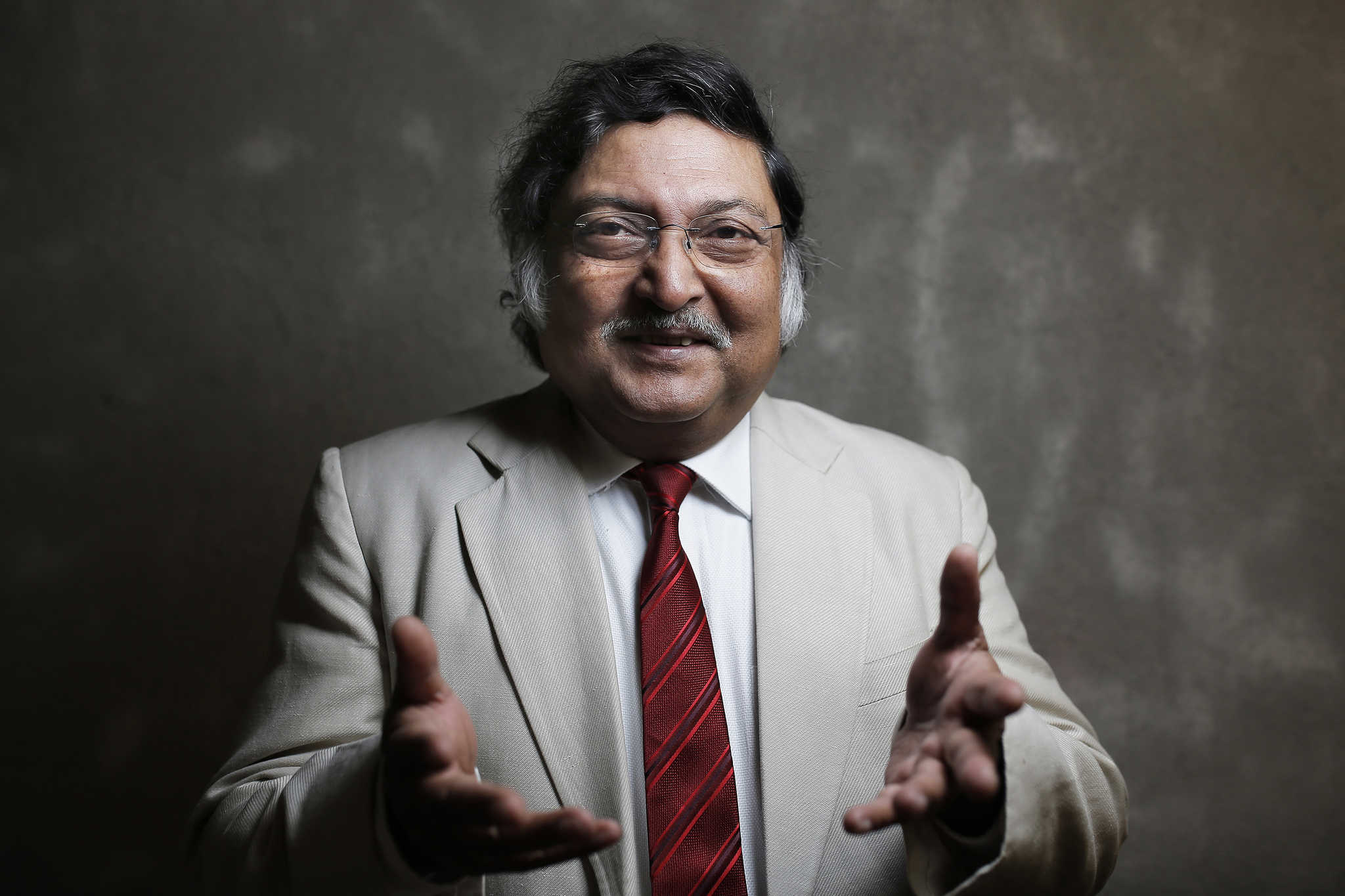
Sugata Mitra’s educational philosophy emerged from a deeply experimental understanding of how children learn when traditional instructional structures are removed. Born in India, Mitra developed an early interest in physics and computer science, eventually earning a PhD in solid-state physics. His transition from corporate research to education reform was driven by curiosity about how technology could reshape learning in underserved communities.
Mitra’s career began in telecommunications research and educational technology experimentation. His breakthrough came with the “Hole in the Wall” experiment, where he installed publicly accessible computers in rural areas and observed children learning independently without formal instruction. The late 20th and early 21st centuries marked his peak influence as his findings challenged long-held assumptions about teacher-centered education.
His legacy is defined by the concept of minimally invasive education. Mitra demonstrated that curiosity, collaboration, and access to information can drive self-directed learning even in the absence of formal teaching structures.
Key Facts
- Full name of the subject: Sugata Mitra
- Date of birth: February 12, 1952
- Place of birth: Calcutta (Kolkata), India
- Family background: Middle-class Indian family
- Early childhood experiences: Strong interest in science and independent exploration
- Education history: Indian Institute of Technology; PhD in Solid State Physics
- Influences and mentors: Computer science research culture, educational psychology studies
- Career beginnings: Physics researcher and educational technology engineer
- Major achievements: Hole in the Wall experiment; Self-Organized Learning Environment (SOLE)
- Challenges and obstacles faced: Academic skepticism; implementation scalability concerns
- Turning points in life: Rural computing experiments; global TED recognition
- Contributions to society: Reframed self-directed learning models in education
- Personal life (marriage, children, relationships): Private personal life
- Awards and recognitions: Global TED Prize recipient
- Beliefs, values, or philosophy: Self-learning, curiosity-driven education, minimal instruction
- Legacy and impact: Challenged traditional teacher-centered education models
- Historical or cultural significance: Influential figure in experimental education reform
Notable Works: Hole in the Wall project, SOLE learning model, TED Prize initiatives
Controversies: A notable controversy surrounding Sugata Mitra involves criticism regarding the scalability and academic rigor of self-organized learning environments in formal education systems. The issue emerged within broader debates on whether unsupervised digital learning can consistently produce measurable educational outcomes. Key stakeholders included education researchers, school systems, policymakers, and development organizations.
Critics argue that while self-directed learning demonstrates strong results in informal settings, it may lack structure required for curriculum alignment, assessment consistency, and foundational skill development in formal schooling contexts. Mitra and his supporters maintain that his model is intended to complement rather than replace traditional education systems. Research findings show mixed results depending on implementation design and learner demographics.
The impact of this debate continues to influence discussions on autonomous learning models and the role of technology in classroom independence.
9. Daphne Koller
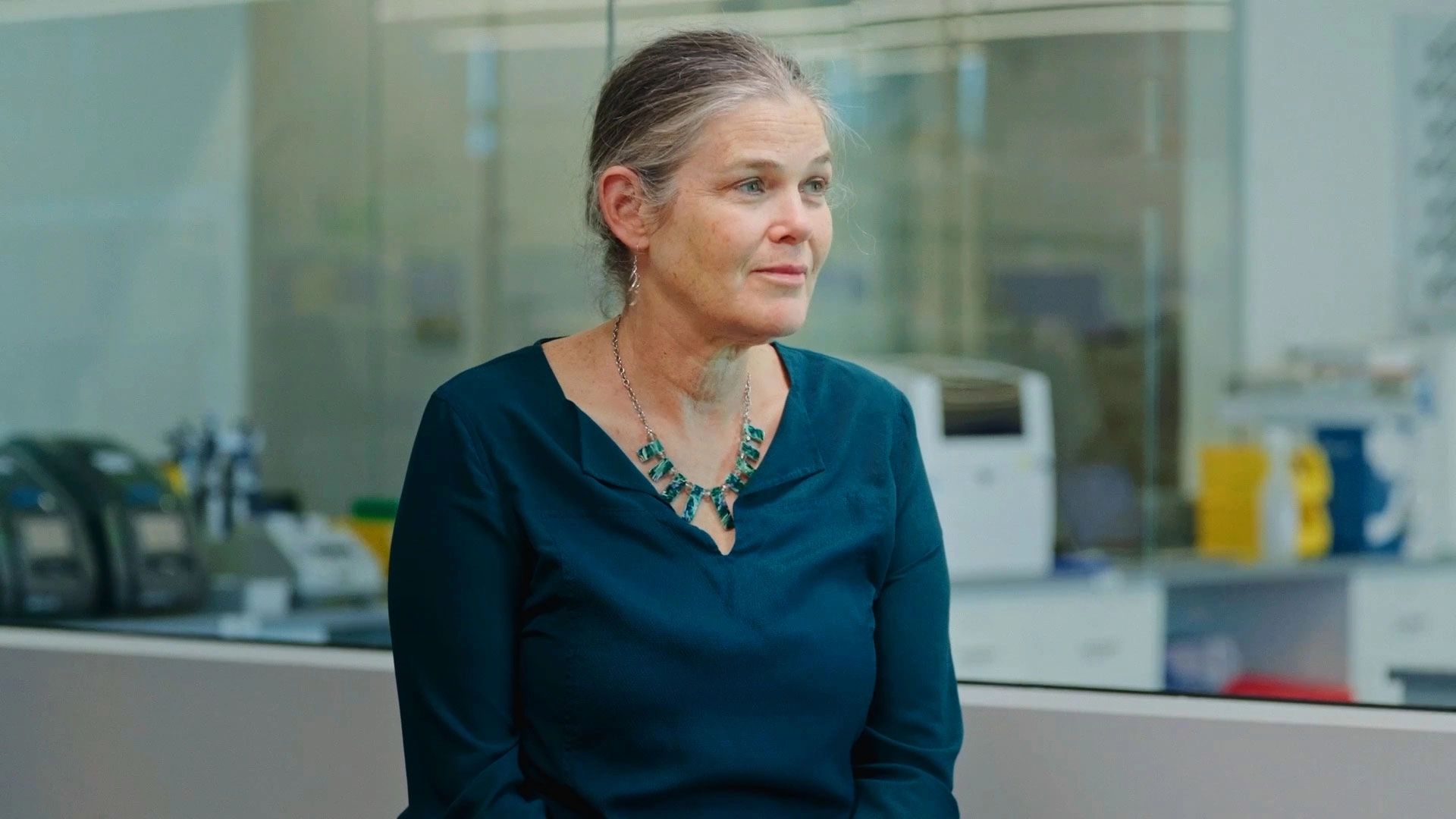
Daphne Koller’s contribution to education innovation is rooted in computational science, probabilistic modeling, and a vision for scalable knowledge delivery through digital platforms. Born in Israel and trained in mathematics and computer science, Koller developed a strong foundation in artificial intelligence and statistical learning. Her academic career at Stanford University positioned her at the forefront of machine learning research before she transitioned into education technology.
Koller’s career began in academic research and teaching at Stanford, where she co-developed foundational AI and probabilistic reasoning systems. Her breakthrough came with the co-founding of Coursera, a global online learning platform that partnered with leading universities to deliver structured courses to millions of learners. The early 2010s marked her peak influence as MOOCs reshaped global access to higher education.
Her legacy is defined by scalable, data-driven education systems. Koller transformed elite academic content into globally accessible digital learning experiences supported by structured evaluation and certification.
Key Facts
- Full name of the subject: Daphne Koller
- Date of birth: August 27, 1968
- Place of birth: Jerusalem, Israel
- Family background: Academic family with strong scientific orientation
- Early childhood experiences: Early exposure to mathematics and analytical thinking
- Education history: Hebrew University of Jerusalem; Stanford University (PhD)
- Influences and mentors: Artificial intelligence pioneers, probabilistic modeling theory
- Career beginnings: Stanford professor in computer science and AI research
- Major achievements: Co-founder of Coursera; advancements in machine learning
- Challenges and obstacles faced: Skepticism about online credential validity
- Turning points in life: Transition from AI research to education technology entrepreneurship
- Contributions to society: Global access to structured university-level education
- Personal life (marriage, children, relationships): Married to Michael Koller; children
- Awards and recognitions: MacArthur Fellowship; international recognition in AI and education
- Beliefs, values, or philosophy: Data-driven learning, accessibility, scalable education
- Legacy and impact: Revolutionized global online education platforms
- Historical or cultural significance: Key figure in modern MOOC and edtech movement
Notable Works: Coursera platform, AI probabilistic modeling systems, Stanford AI research
Controversies: A notable controversy surrounding Daphne Koller involves debates over the long-term effectiveness and academic equivalence of MOOC-based education compared to traditional university degrees. The issue arose within broader discussions about credentialing, employability outcomes, and the commercialization of higher education content online. Key stakeholders included universities, employers, accreditation bodies, students, and education technology firms.
Critics argue that while MOOCs increase access, they may not always replicate the depth, mentorship, and networking benefits of traditional academic environments. Koller and Coursera have maintained that MOOCs are designed to complement, not replace, formal education, particularly in professional upskilling contexts. Research findings indicate strong adoption in continuing education markets but varied acceptance in formal degree equivalency frameworks.
The impact of this debate continues to shape global policies on online education accreditation and hybrid learning systems.
10. Anil K. Gupta
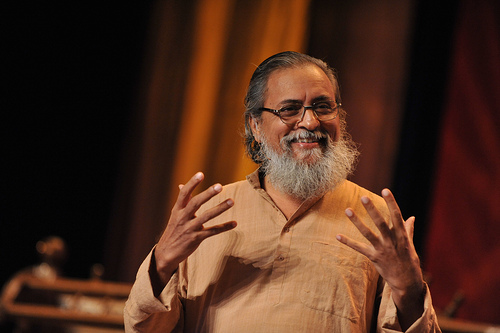
Anil K. Gupta’s educational innovation is grounded in organizational learning theory, innovation ecosystems, and the democratization of knowledge across emerging economies. Born in India, Gupta pursued advanced studies in management and economics, developing a strong academic foundation in innovation systems and global entrepreneurship. His work bridges the gap between academic theory and practical applications in business education and institutional development.
Gupta’s career began as a professor and researcher in management sciences, focusing on innovation networks and knowledge diffusion. His breakthrough came through his advocacy for grassroots innovation systems and his work with institutions that connect academic research with real-world entrepreneurial ecosystems. The late 20th and early 21st centuries marked his peak influence as his frameworks were adopted in global policy discussions on innovation and education reform.
His legacy is defined by democratized innovation systems. Gupta reshaped how institutions think about knowledge creation, emphasizing inclusion, local innovation, and global knowledge exchange.
Key Facts
- Full name of the subject: Anil K. Gupta
- Date of birth: 1956
- Place of birth: India
- Family background: Academic and professional middle-class background
- Early childhood experiences: Early interest in economics and systems thinking
- Education history: Indian Institute of Management Ahmedabad; doctoral studies in management
- Influences and mentors: Innovation theory scholars, organizational learning frameworks
- Career beginnings: Academic researcher in management and innovation systems
- Major achievements: Grassroots innovation frameworks; global knowledge network development
- Challenges and obstacles faced: Institutional resistance to non-traditional innovation models
- Turning points in life: Development of innovation network theory; global policy engagement
- Contributions to society: Promotion of inclusive innovation systems in education and business
- Personal life (marriage, children, relationships): Private personal life
- Awards and recognitions: Global recognition in management and innovation studies
- Beliefs, values, or philosophy: Inclusive innovation, knowledge democratization, collaborative learning
- Legacy and impact: Influenced global education and innovation policy frameworks
- Historical or cultural significance: Key figure in democratizing innovation systems
Notable Works: Honey Bee Network, innovation diffusion research, global policy advisory roles
Controversies: A notable controversy surrounding Anil K. Gupta involves academic debates over the scalability and institutional adoption of grassroots innovation models in formal education and policy systems. The issue emerged within broader discussions on whether localized innovation frameworks can be standardized across diverse economic and educational contexts. Key stakeholders included academic institutions, policy organizations, development agencies, and innovation networks.
Critics argue that grassroots innovation models may face challenges in scalability and integration within formal institutional structures due to variability in local contexts. Gupta and his collaborators maintain that the strength of the model lies in adaptability rather than uniform standardization. Policy research has shown mixed implementation outcomes depending on regional governance structures and institutional support systems.
The impact of this debate continues to influence global discussions on inclusive innovation policy and decentralized knowledge systems.
Notable Mentions:
Sugata Mitra
Daphne Koller
Ken Robinson
Salman Khan
John Dewey