Top 10 Documentary Filmmakers
Top 10 Documentary Filmmakers
In This Content
1. Ken Burns
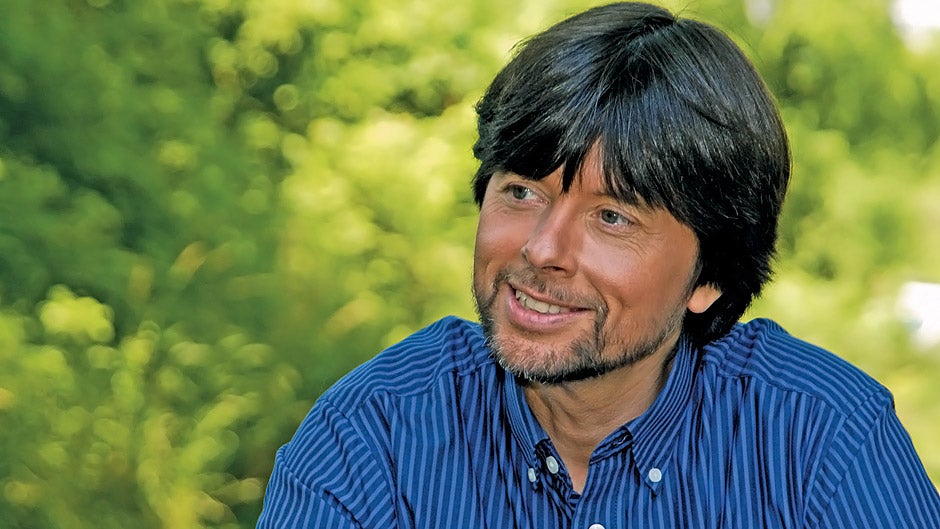
Ken Burns was born in Brooklyn, New York, but his formative years unfolded in Ann Arbor, Michigan, where an academic environment and exposure to history shaped his intellectual identity. His childhood was marked by personal tragedy, including the early death of his mother, an experience that deepened his emotional sensitivity and later influenced the reflective tone of his documentaries. Growing up surrounded by books, music, and historical narratives, Burns developed a fascination with American identity and collective memory.
His career began after graduating from Hampshire College, where he co-founded Florentine Films. Early projects such as “Brooklyn Bridge” demonstrated his emerging signature style archival photographs, slow camera movements, and layered narration. Burns’ commitment to historical storytelling distinguished him from traditional documentarians who relied heavily on contemporary interviews. Instead, he constructed emotional narratives rooted in the past, giving voice to historical figures through letters and diaries.
His breakthrough arrived with “The Civil War,” a landmark television series that transformed documentary filmmaking in the early 1990s. The series captivated millions and demonstrated that historical documentaries could achieve mainstream popularity. During this period, Burns refined his technique often called the “Ken Burns effect” which used subtle motion across still images to create cinematic immersion. His 1990s output, including “Baseball,” cemented his reputation as a cultural historian through film.
Burns’ legacy lies in his ability to humanize history. His work reshaped public television, influenced educational programming, and elevated documentary filmmaking into a widely consumed cultural form. Through meticulous research and emotional storytelling, he redefined how audiences engage with national history and collective identity.
Key Facts
- Full name of the subject: Kenneth Lauren Burns
- Date of birth: 29 July 1953
- Place of birth: Brooklyn, New York, USA
- Family background: Academic household with educator parents
- Early childhood experiences: Loss of mother and immersion in books
- Education history: Hampshire College, Massachusetts
- Influences and mentors: Jerome Liebling and documentary pioneers
- Career beginnings: Co-founded Florentine Films
- Major achievements: The Civil War documentary series
- Challenges and obstacles faced: Funding struggles for early projects
- Turning points in life: Success of The Civil War in 1990
- Contributions to society: Popularized historical documentary storytelling
- Personal life (marriage, children, relationships): Married twice, children
- Awards and recognitions: Emmy Awards, Peabody Awards
- Beliefs, values, or philosophy: History as emotional storytelling
- Legacy and impact: Redefined television documentary format
- Historical or cultural significance: Popularized American historical narratives
Notable Works: The Civil War, Baseball, Jazz, The Vietnam War, The National Parks
Controversies: Criticism for romanticizing American history Debate over narrative bias in historical interpretation Scholarly disagreements on selective storytelling Concerns about lack of diverse perspectives in early works Public debate over interpretive tone versus strict academic history
2. Michael Moore

Michael Moore was born in Flint, Michigan, a working-class industrial town whose economic struggles profoundly shaped his worldview. Raised in a family connected to the auto industry, Moore witnessed firsthand the effects of corporate downsizing and labor instability. These early experiences fostered a populist perspective that later became central to his filmmaking voice. His personality, direct, confrontational, and often humorous emerged from this social environment.
His career began in journalism, where he founded an alternative newspaper that focused on labor issues and local politics. Moore transitioned into filmmaking with “Roger & Me,” a documentary examining General Motors’ impact on Flint. The film blended satire, investigative reporting, and personal narration, introducing a new documentary style that combined activism with entertainment. Moore’s on-screen presence became central to his storytelling approach.
His breakthrough occurred in the late 1980s and continued into the 1990s, when his provocative style gained widespread attention. During this decade, he expanded into television with “TV Nation,” further refining his investigative persona. Moore’s documentaries challenged political and corporate power structures, positioning him as a polarizing yet influential voice in nonfiction cinema.
Moore’s legacy is defined by advocacy-driven documentary filmmaking. He demonstrated that documentaries could be commercially successful while addressing controversial issues. His work influenced a generation of filmmakers who adopted participatory storytelling and political commentary as central tools.
Key Facts
- Full name of the subject: Michael Francis Moore
- Date of birth: 23 April 1954 Place of birth: Flint, Michigan, USA
- Family background: Working-class family tied to auto industry
- Early childhood experiences: Exposure to labor struggles
- Education history: University of Michigan–Flint (did not graduate)
- Influences and mentors: Investigative journalists and activists
- Career beginnings: Alternative newspaper journalism
- Major achievements: Roger & Me success
- Challenges and obstacles faced: Political criticism and backlash
- Turning points in life: Release of Roger & Me
- Contributions to society: Political awareness through documentaries
- Personal life (marriage, children, relationships): Married, later divorced
- Awards and recognitions: Academy Award for Documentary Feature
- Beliefs, values, or philosophy: Advocacy journalism through film
- Legacy and impact: Popularized activist documentary filmmaking
- Historical or cultural significance: Voice of working-class concerns
Notable Works: Roger & Me, Bowling for Columbine, Fahrenheit 9/11, Sicko, Capitalism: A Love Story
Controversies: Accusations of selective editing Criticism for blending satire with journalism Political backlash from conservative audiences Debates over factual accuracy in documentaries Legal challenges regarding interview representations
3. Werner Herzog
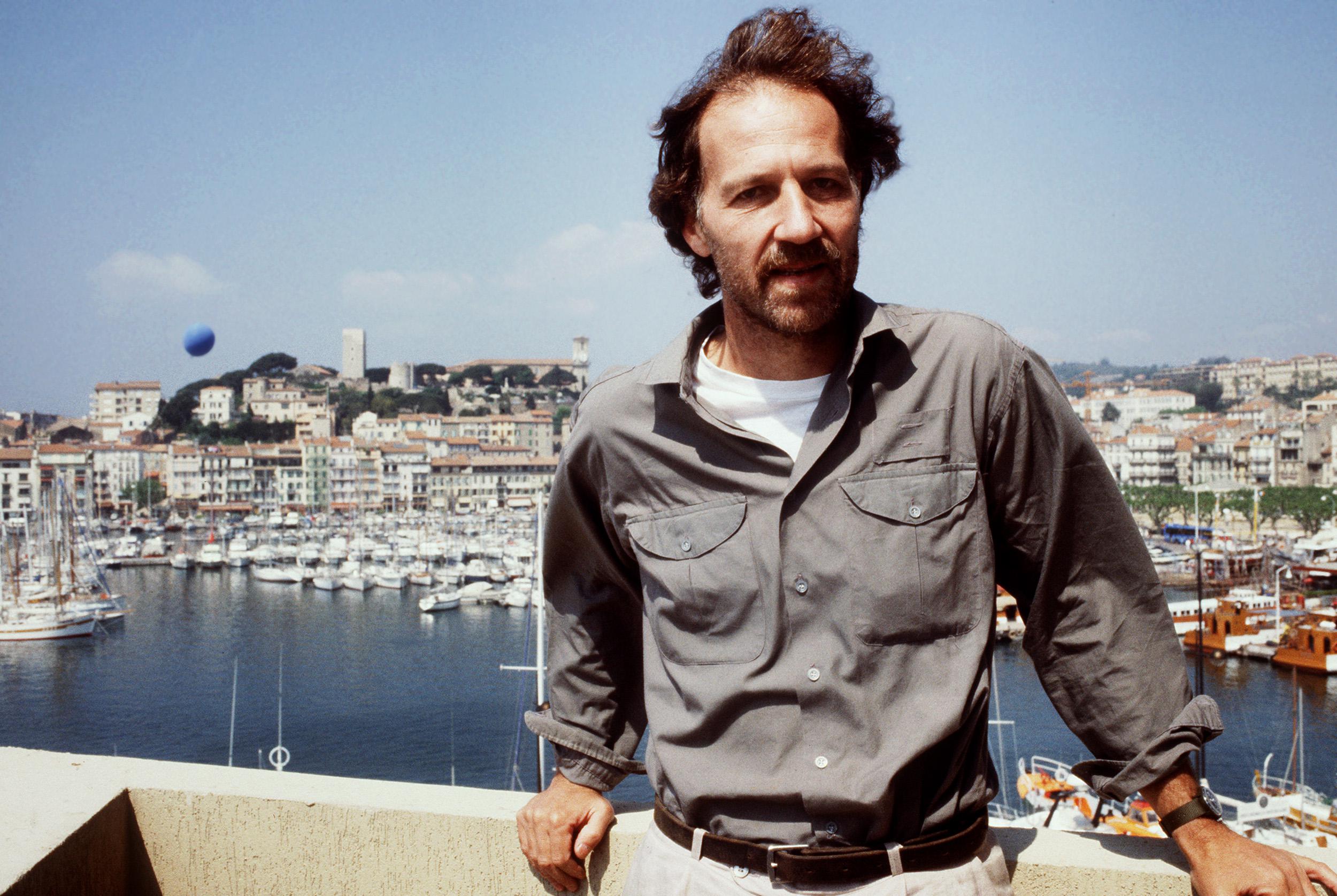
Werner Herzog was born in Munich, Germany, but grew up in a remote Bavarian village without modern conveniences. This isolated upbringing nurtured his fascination with human endurance and the natural world. Herzog’s early life was marked by independence; he reportedly stole his first camera to begin filming, reflecting his uncompromising commitment to storytelling. His intellectual curiosity extended beyond cinema into philosophy and anthropology.
His career began with experimental films in the 1960s, blending documentary and narrative forms. Herzog resisted conventional boundaries, creating works that blurred reality and interpretation. His early documentaries explored extreme environments and unusual personalities, establishing a distinctive voice grounded in existential themes. His narration style calm, reflective, and philosophical ecame an integral part of his screen presence.
His breakthrough as a documentarian evolved gradually, but his influence peaked during the late 1980s and 1990s when his nonfiction films gained global recognition. Works like “Lessons of Darkness” demonstrated his ability to transform real-world events into poetic cinematic experiences. During this period, Herzog’s documentaries expanded the artistic possibilities of nonfiction storytelling.
Herzog’s legacy lies in redefining documentary as an art form. He emphasized emotional truth over literal accuracy, encouraging filmmakers to explore subjective interpretation. His impact spans generations, inspiring directors to push beyond conventional journalistic frameworks.
Key Facts
- Full name of the subject: Werner Herzog
- Date of birth: 5 September 1942
- Place of birth: Munich, Germany
- Family background: Modest post-war German household
- Early childhood experiences: Rural isolation and self-education
- Education history: Self-taught filmmaker
- Influences and mentors: German New Wave filmmakers
- Career beginnings: Experimental films in the 1960s
- Major achievements: Philosophical documentary filmmaking
- Challenges and obstacles faced: Limited funding early in career
- Turning points in life: International recognition in the 1970s–1990s
- Contributions to society: Expanded artistic documentary form
- APersonal life (marriage, children, relationships): Married with children
- Awards and recognitions: Cannes and international film honors
- Beliefs, values, or philosophy: “Ecstatic truth” in storytelling
- Legacy and impact: Redefined documentary aesthetics
- Historical or cultural significance: Bridge between fiction and nonfiction cinema
Notable Works: Grizzly Man, Lessons of Darkness, Into the Abyss, Cave of Forgotten Dreams, Encounters at the End of the World
Controversies: Criticism for staged documentary elements Debates about authenticity versus artistic interpretation Accusations of manipulating narrative context Ethical discussions regarding subjects and environments Scholarly debate over definition of documentary truth
4. Errol Morris

Errol Morris was born in Hewlett, New York, and raised in a family that valued intellectual exploration. His early life was shaped by an interest in philosophy and science, fields he pursued academically before transitioning into filmmaking. Morris’s unconventional path studying philosophy at Princeton and later working in various jobs contributed to his analytical approach to storytelling. His fascination with truth, perception, and memory became defining elements of his documentary style.
His career began with modest independent productions, including “Gates of Heaven,” a documentary that examined pet cemetery owners with a tone that balanced humor and existential reflection. Morris’s early works demonstrated a departure from traditional journalistic documentaries, focusing instead on character-driven narratives and psychological depth. He experimented with interview techniques, eventually developing the Interrotron, a device that allowed subjects to speak directly into the camera, creating intimacy and authenticity.
His breakthrough emerged with “The Thin Blue Line,” which challenged a murder conviction and contributed to the exoneration of Randall Adams. The film’s reconstruction scenes and stylized visuals expanded documentary grammar. During the 1990s, Morris’s influence deepened through films and television work that explored politics, history, and human belief systems. His analytical storytelling resonated with audiences seeking intellectual engagement.
Morris’s legacy rests on redefining documentary interviews and narrative structure. He transformed nonfiction cinema into an investigative art form that blends philosophy, psychology, and cinematic craft. His techniques continue to shape contemporary documentary filmmaking.
Key Facts
- Full name of the subject: Errol Mark Morris
- Date of birth: 5 February 1948
- Place of birth: Hewlett, New York, USA Family background: Intellectual Jewish-American family
- Early childhood experiences: Interest in science and philosophy
- Education history: University of Wisconsin–Madison, Princeton University
- Influences and mentors: Philosophical thinkers and investigative journalism
- Career beginnings: Independent documentaries
- Major achievements: The Thin Blue Line impact
- Challenges and obstacles faced: Financial struggles in early filmmaking
- Turning points in life: Exoneration resulting from The Thin Blue Line
- Contributions to society: Investigative documentary storytelling
- Personal life (marriage, children, relationships): Married, family life
- Awards and recognitions: Academy Award (later career)
- Beliefs, values, or philosophy: Exploration of truth and perception
- Legacy and impact: Reinvented documentary interview style
- Historical or cultural significance: Influenced legal and investigative filmmaking
Notable Works: The Thin Blue Line, Gates of Heaven, Fog of War, Fast, Cheap & Out of Control, Standard Operating Procedure
Controversies: Criticism for reenactment use in documentaries Debate over blending stylization with factual reporting Accusations of narrative manipulation Scholarly disputes on objectivity Ethical concerns regarding interview framing
5. Barbara Kopple
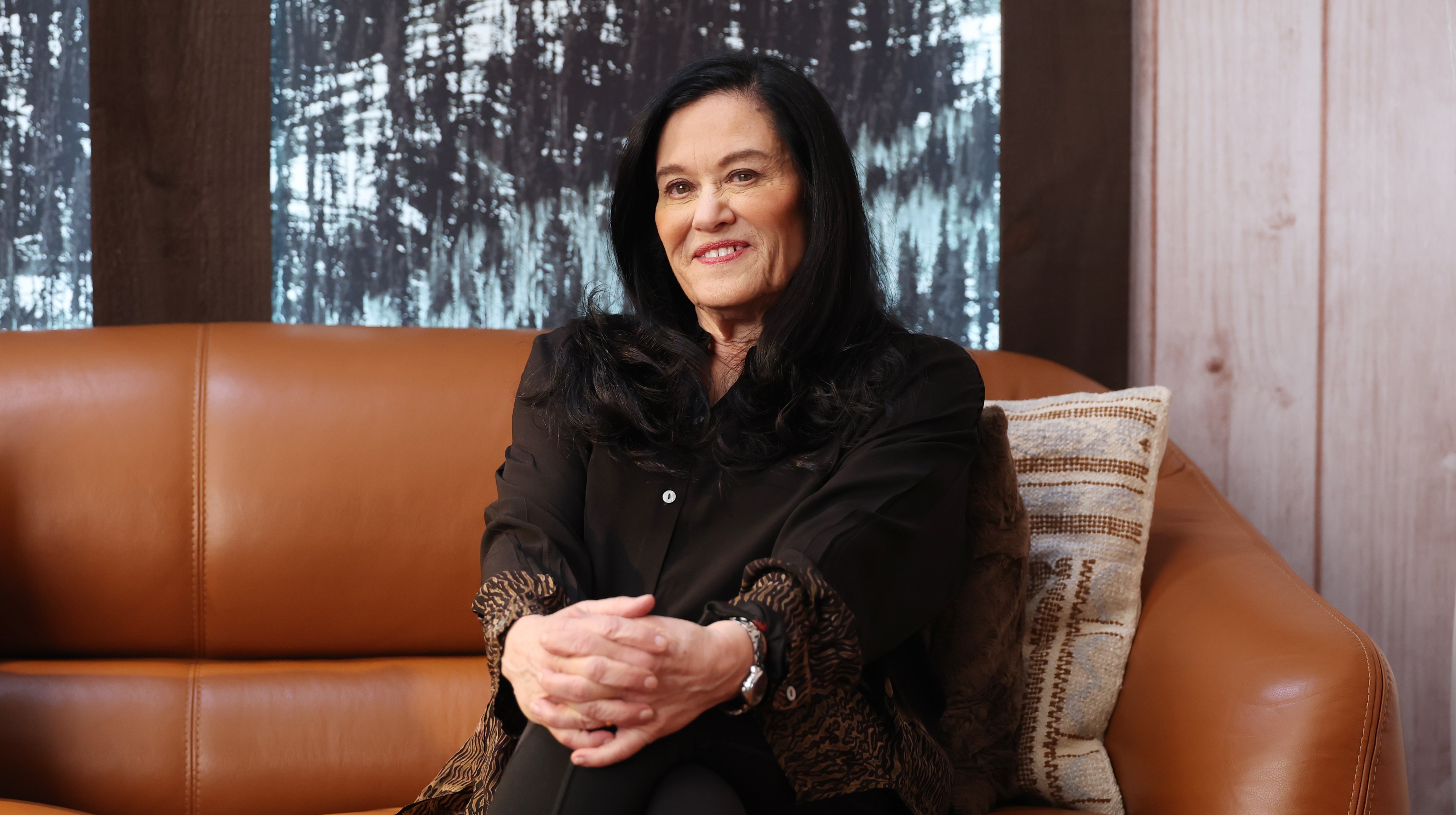
Barbara Kopple was born in New York City and raised in a politically conscious environment that shaped her interest in social justice. Her early exposure to labor activism and grassroots movements informed her filmmaking philosophy. Kopple studied psychology, but her passion for storytelling led her to documentary filmmaking, where she sought to amplify marginalized voices.
Her career began with work as a camera operator and production assistant on independent projects. She immersed herself in labor disputes and community struggles, often living alongside her subjects. Her observational style emphasized authenticity and empathy, avoiding narration in favor of direct experience. Kopple’s dedication to immersive filmmaking distinguished her from contemporaries.
Her breakthrough came with “Harlan County, USA,” a powerful portrayal of coal miners’ strikes. The film’s success established her as a leading voice in social documentary filmmaking. During the 1990s, Kopple continued to produce influential documentaries addressing labor, politics, and cultural issues, reinforcing her reputation for socially engaged storytelling.
Kopple’s legacy lies in her commitment to advocacy through cinema. She demonstrated that documentaries could serve as instruments for social change while maintaining artistic integrity. Her work inspired generations of filmmakers focused on human rights and labor issues.
Key Facts
- Full name of the subject: Barbara Kopple Date of birth: 30 July 1946
- Place of birth: New York City, USA
- Family background: Politically aware middle-class family
- Early childhood experiences: Exposure to activism
- Education history: Northeastern University
- Influences and mentors: Documentary cinema verité pioneers
- Career beginnings: Camera operator and assistant roles
- Major achievements: Harlan County, USA
- Challenges and obstacles faced: Dangerous filming conditions
- Turning points in life: Academy Award for Harlan County, USA
- Contributions to society: Advocacy for labor rights
- Personal life (marriage, children, relationships): Private personal life
- Awards and recognitions: Two Academy Awards
- Beliefs, values, or philosophy: Documentary as social justice tool
- Legacy and impact: Pioneer of activist filmmaking
- Historical or cultural significance: Documented labor struggles
Notable Works: Harlan County, USA, American Dream, Shut Up & Sing, Running from Crazy, Desert One
Controversies: Criticism of activist bias Debate over filmmaker involvement in subjects’ lives Ethical concerns about observational filmmaking Political backlash from portrayed groups Accusations of one-sided narratives
6. D. A. Pennebaker
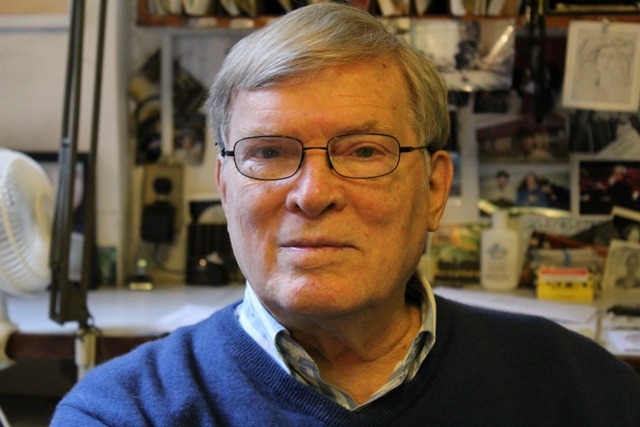
D. A. Pennebaker was born in Evanston, Illinois, and developed an early fascination with technology and storytelling. His interest in engineering led him to experiment with filmmaking equipment, shaping his later contributions to cinema verité. Pennebaker’s early life combined technical curiosity with artistic ambition, creating a foundation for innovation.
His career began in the 1950s when he worked on documentaries that embraced lightweight cameras and synchronized sound. Pennebaker became a pioneer of cinema verité, capturing real-life events without narration or staging. His early works documented political campaigns and cultural movements, reflecting a commitment to immediacy and authenticity.
His breakthrough arrived with “Dont Look Back,” a portrait of Bob Dylan during a British tour. The film’s candid style influenced documentary aesthetics. During the 1990s, Pennebaker’s earlier works experienced renewed appreciation as filmmakers revisited direct cinema techniques. His influence extended across music, politics, and cultural documentaries.
Pennebaker’s legacy rests on technological and stylistic innovation. He helped redefine documentary filmmaking as observational and spontaneous. His contributions shaped modern nonfiction cinema.
Key Facts
- Full name of the subject: Donn Alan Pennebaker
- Date of birth: 15 July 1925
- Place of birth: Evanston, Illinois, USA Family background: Middle-class American household
- Early childhood experiences: Interest in engineering
- Education history: Yale University (engineering)
- Influences and mentors: Direct cinema pioneers
- Career beginnings: Technical experimentation in filmmaking
- Major achievements: Dont Look Back documentary
- Challenges and obstacles faced: Technical limitations of early equipment
- Turning points in life: Adoption of cinema verité style
- Contributions to society: Development of direct cinema
- Personal life (marriage, children, relationships): Married filmmaker Chris Hegedus
- Awards and recognitions: Lifetime achievement awards
- Beliefs, values, or philosophy: Capture reality without interference
- Legacy and impact: Pioneer of cinema verité
- Historical or cultural significance: Documented cultural movements
Notable Works: Dont Look Back, Monterey Pop, Primary, Ziggy Stardust, The War Room
Controversies: Debate over observational neutrality Criticism of minimal context in films Ethical concerns about filming without intervention Scholarly debate on cinéma vérité objectivity Questions about editorial influence
7. Agnès Varda
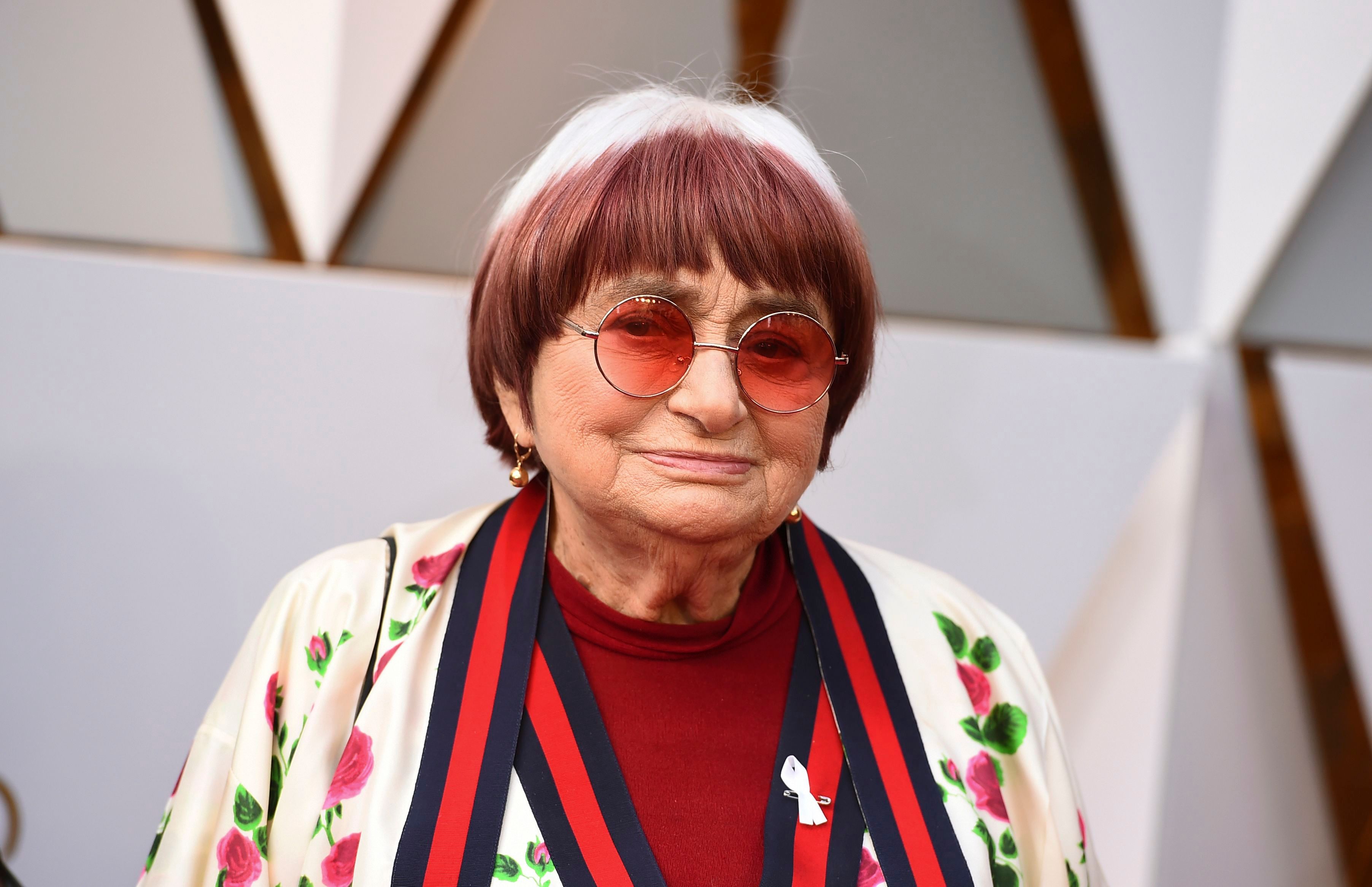
Agnès Varda was born in Brussels, Belgium, and raised in France, where she developed a deep appreciation for photography and visual storytelling. Her early experiences during World War II influenced her humanistic perspective. Initially trained as a photographer, Varda approached filmmaking with a visual sensitivity that emphasized composition and emotional nuance.
Her career began with experimental films that blended documentary and fiction. Varda became associated with the French New Wave, though her work maintained a distinct documentary sensibility. Her early films explored everyday lives and social realities, often focusing on marginalized communities. Her artistic identity centered on empathy and observational storytelling.
Her breakthrough as a documentarian expanded through works that combined personal reflection with social commentary. During the 1990s, Varda’s documentaries gained renewed recognition for their innovative narrative style and autobiographical elements. She embraced digital technology and continued experimenting late into her career.
Varda’s legacy is defined by poetic documentary storytelling. She broadened the boundaries between personal essay and social observation. Her influence continues to shape feminist and autobiographical documentary filmmaking.
Key Facts
- Full name of the subject: Agnès Varda
- Date of birth: 30 May 1928
- Place of birth: Brussels, Belgium
- Family background: Greek-French family
- Early childhood experiences: Wartime displacement
- Education history: École du Louvre Influences and mentors: Photography and French New Wave
- Career beginnings: Photography and experimental films
- Major achievements: Documentary innovation
- Challenges and obstacles faced: Gender barriers in filmmaking
- Turning points in life: Recognition in French New Wave
- Contributions to society: Feminist documentary perspective
- Personal life (marriage, children, relationships): Married filmmaker Jacques Demy
- Awards and recognitions: Honorary Academy Award
- Beliefs, values, or philosophy: Personal storytelling and empathy
- Legacy and impact: Pioneer of poetic documentary
- Historical or cultural significance: Feminist voice in documentary cinema
Notable Works: The Gleaners and I, Faces Places, Cléo from 5 to 7, Vagabond, The Beaches of Agnès
Controversies: Debate over blending fiction and documentary Criticism from traditional documentary purists Discussions on subjective narrative voice Questions about autobiographical authenticity Artistic debates within French New Wave
8. Frederick Wiseman
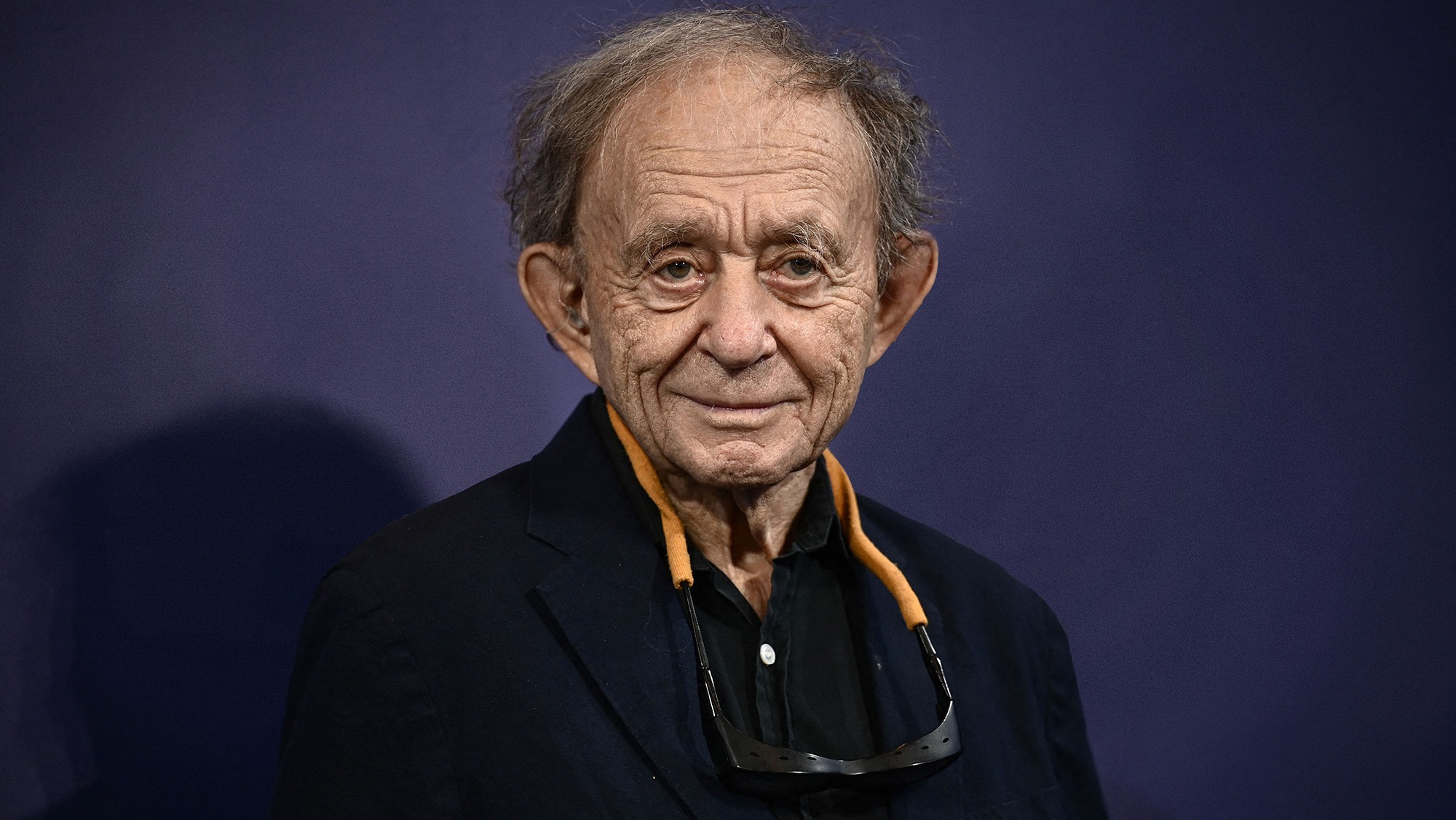
Frederick Wiseman was born in Boston, Massachusetts, into an academically inclined family that emphasized education and civic engagement. His early life was shaped by intellectual curiosity and exposure to institutional structures, which later became the central focus of his filmmaking. Wiseman studied law before turning to cinema, a background that sharpened his analytical perspective and interest in systems of authority.
His career began with “Titicut Follies,” a controversial documentary examining conditions inside a state hospital for the criminally insane. The film’s observational style, absence of narration, and unflinching portrayal of institutional life marked a radical departure from traditional documentary forms. Wiseman developed a method that involved extended shooting periods and meticulous editing, allowing narratives to emerge organically from real-life interactions.
His breakthrough expanded across the 1970s and into the late 20th century, as he documented schools, hospitals, and public institutions. By the 1990s, Wiseman’s body of work had achieved canonical status in documentary cinema. Films from this era reflected his deepening exploration of bureaucracy, power, and human behavior within structured environments.
Wiseman’s legacy lies in his commitment to observational rigor. He redefined documentary filmmaking as a patient examination of institutions and societal frameworks. His work continues to influence filmmakers interested in long-form observational storytelling and sociological analysis.
Key Facts
- Full name of the subject: Frederick Wiseman
- Date of birth: 1 January 1930
- Place of birth: Boston, Massachusetts, USA
- Family background: Educated Jewish-American family
- Early childhood experiences: Exposure to academic environment
- Education history: Williams College, Yale Law School
- Influences and mentors: Cinema verité movement
- Career beginnings: Titicut Follies documentary
- Major achievements: Institutional observational filmmaking
- Challenges and obstacles faced: Censorship of early films
- Turning points in life: Release controversy of Titicut Follies
- Contributions to society: Institutional transparency through film
- Personal life (marriage, children, relationships): Private personal life
- Awards and recognitions: Academy Honorary Award
- Beliefs, values, or philosophy: Observational neutrality
- Legacy and impact: Pioneer of institutional documentary
- Historical or cultural significance: Documented public systems
Notable Works: Titicut Follies, High School, Hospital, Public Housing, At Berkeley
Controversies: Legal battles over Titicut Follies release Criticism for lack of narration or context Ethical debates about filming vulnerable subjects Accusations of editorial bias Institutional resistance to filming access
9. Morgan Spurlock
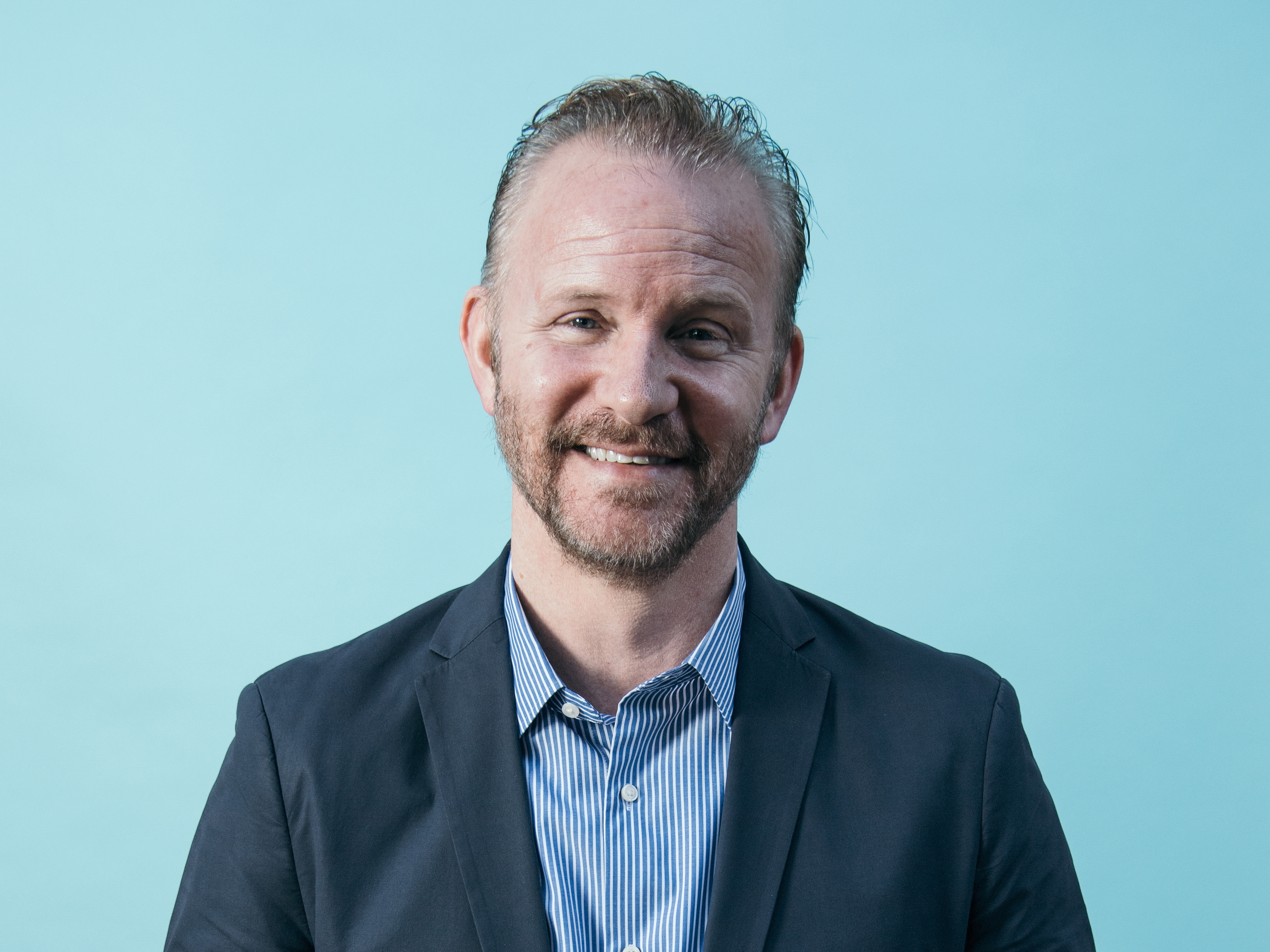
Morgan Spurlock was born in Parkersburg, West Virginia, and raised in a working-class environment where curiosity and humor shaped his personality. His upbringing encouraged independent thinking, and he pursued film studies at New York University. Spurlock’s early experiences in television production influenced his energetic, on-screen presence, which later became central to his documentary style.
His career began with television production and independent projects that explored social themes with humor and satire. Spurlock’s filmmaking persona playful yet investigative emerged as he placed himself within the narrative. This participatory style differed from traditional observational documentaries and appealed to younger audiences.
His breakthrough came with “Super Size Me,” a film examining fast-food culture and health. The documentary’s success in the early 2000s extended the momentum built in the 1990s toward personality-driven nonfiction storytelling. Spurlock’s work demonstrated that documentaries could be entertaining while addressing societal issues.
Spurlock’s legacy lies in popularizing participatory documentaries for mainstream audiences. His approach influenced filmmakers who blended personal experimentation with social commentary, expanding documentary accessibility.
Key Facts
- Full name of the subject: Morgan Valentine Spurlock
- Date of birth: 7 November 1970
- Place of birth: Parkersburg, West Virginia, USA
- Family background: Working-class American family
- Early childhood experiences: Exposure to television culture
- Education history: New York University, Tisch School of the Arts
- Influences and mentors: Television journalism and satire
- Career beginnings: Television production Major achievements: Super Size Me success
- Challenges and obstacles faced: Industry skepticism Turning points in life: Release of Super Size Me
- Contributions to society: Health awareness through documentaries
- Personal life (marriage, children, relationships): Married, children
- Awards and recognitions: Academy Award nomination
- Beliefs, values, or philosophy: Participatory storytelling
- Legacy and impact: Popularized personality-driven documentaries Historical or cultural significance: Influenced health documentaries
Notable Works: Super Size Me, Where in the World Is Osama bin Laden?, Comic-Con Episode IV, The Greatest Movie Ever Sold, Inside Man
Controversies: Criticism over methodology in Super Size Me Debate about scientific validity Public admission of personal misconduct affecting reputation Questions about self-experimentation ethics Media scrutiny of production funding
10. Alex Gibney
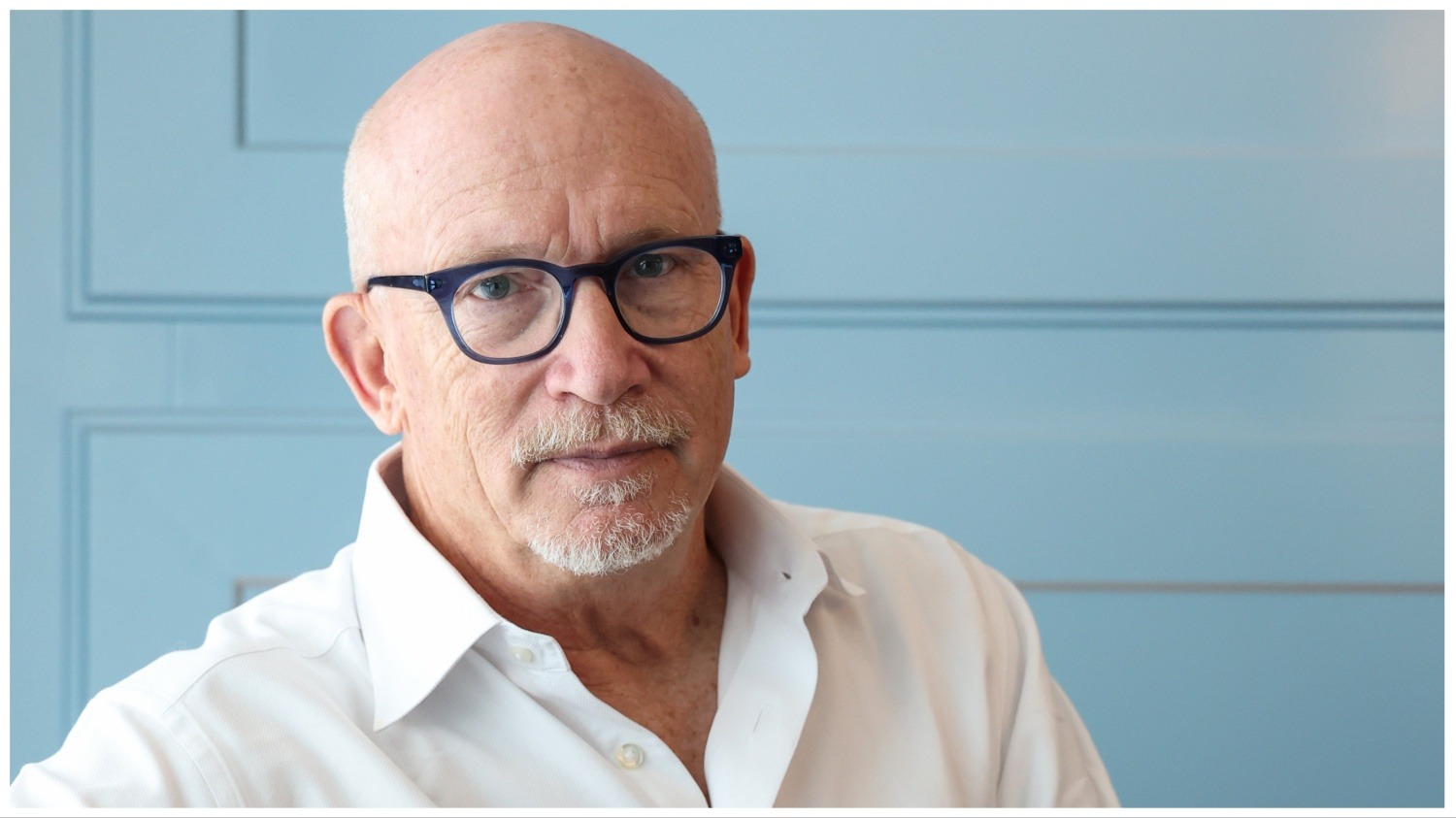
Alex Gibney was born in New York City into a family connected to journalism and media. His father, a respected journalist, influenced his interest in investigative storytelling. Growing up in an intellectually engaged household, Gibney developed a curiosity about power structures and institutional accountability. His academic background in cultural studies further shaped his analytical perspective.
His career began with writing and producing documentaries that examined political and social issues. Gibney’s early work demonstrated a meticulous research approach combined with cinematic storytelling. He gradually established himself as a filmmaker capable of tackling complex subjects with clarity and narrative tension.
His breakthrough came with “Enron: The Smartest Guys in the Room,” which exposed corporate misconduct. By the 1990s and beyond, Gibney’s investigative style gained recognition for uncovering hidden systems of influence. His documentaries combined interviews, archival footage, and narrative structure to create compelling investigative cinema.
Gibney’s legacy lies in investigative documentary filmmaking. He demonstrated that documentaries could function as tools for accountability, influencing public discourse and policy debates. His work continues to shape the investigative documentary genre.
Key Facts
- Full name of the subject: Philip Alexander Gibney
- Date of birth: 23 October 1953
- Place of birth: New York City, USA
- Family background: Son of journalist Frank Gibney
- Early childhood experiences: Exposure to journalism culture
- Education history: Yale University Influences and mentors: Investigative journalists
- Career beginnings: Writing and producing documentaries
- Major achievements: Enron documentary impact
- Challenges and obstacles faced: Legal risks in investigative work
- Turning points in life: Success of Enron film
- Contributions to society: Corporate accountability awareness Personal life (marriage, children, relationships): Married, family
- Awards and recognitions: Academy Award for Taxi to the Dark Side
- Beliefs, values, or philosophy: Documentary as investigative tool
- Legacy and impact: Leader in investigative nonfiction cinema
- Historical or cultural significance: Exposed corporate and political issues
Notable Works: Enron: The Smartest Guys in the Room, Taxi to the Dark Side, Going Clear, The Inventor, Citizen K
Controversies: Criticism from subjects of investigations Legal challenges over documentary claims Debates about narrative framing Accusations of editorial bias Public disputes with featured organizations
Notable Mentions:
Joshua Oppenheimer
Les Blank
Jehane Noujaim
Patricio Guzmán
Laura Poitras