Top 10 Lollywood Movie (Pakistan, India) Legends of the 90s
Top 10 Lollywood Movie (Pakistan, India) Legends of the 90s
In This Content
Quick List
Shaan Shahid
Reema Khan
Nadeem Baig
Babra Sharif
Javed Sheikh
Sultan Rahi
Anjuman
Saima Noor
Moammar Rana
Meera
1. Shaan Shahid
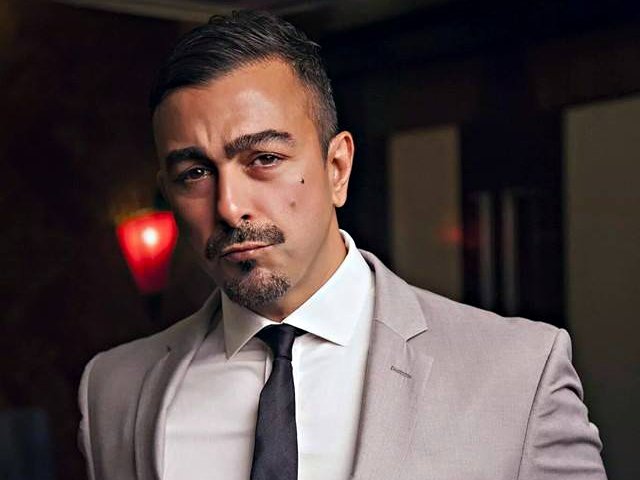
Shaan Shahid emerged in the 1990s as one of Lollywood’s most defining screen presences, blending traditional heroism with contemporary performance sensibilities. Born into a cinematic family, his early exposure to filmmaking shaped a natural comfort with the medium. His father, director Riaz Shahid, provided a creative environment that encouraged artistic exploration, while his mother Neelo’s acting legacy added further influence. These early foundations contributed to Shaan’s measured performance style, marked by controlled intensity and understated emotional delivery.
His career began with the 1990 film “Bulandi,” which introduced him as a refined alternative to the prevailing action-heavy archetype. During a period when Lollywood relied heavily on formulaic storytelling, Shaan brought a polished aesthetic influenced by international cinema. His performances balanced physical charisma with emotional vulnerability, helping redefine romantic and action heroes simultaneously. This duality enabled him to appeal to both urban audiences and traditional cinema-goers.
The breakthrough came with films such as “Sangam” and “Mujhe Chand Chahiye,” which showcased his ability to navigate complex emotional arcs. His acting depth reflected careful character construction rather than exaggerated theatrics. By the mid-1990s, Shaan became synonymous with a transitional phase in Pakistani cinema, bridging classic melodrama with modern storytelling techniques. His screen presence combined composure, intelligence, and dramatic restraint.
By the end of the decade, Shaan’s influence extended beyond acting into creative leadership. He championed improved production values, narrative experimentation, and professional discipline. His legacy lies in redefining the Pakistani leading man and sustaining Lollywood during a turbulent period. He remains widely regarded as one of the architects of 1990s cinematic revival.
Key Facts
- Full name of the subject: Armaghan Shahid
- Date of birth: April 27, 1971
- Place of birth: Lahore, Pakistan
- Family background: Son of director Riaz Shahid and actress Neelo
- Early childhood experiences: Raised within film studios and artistic environments
- Education history: Attended Aitchison College; later studied abroad briefly
- Influences and mentors: Riaz Shahid, classical Pakistani cinema, international films
- Career beginnings: Debuted in film “Bulandi” (1990)
- Major achievements: Leading actor of multiple 1990s hits; revitalized romantic hero archetype
- Challenges and obstacles faced: Industry decline and shrinking cinema infrastructure
- Turning points in life: Success of mid-1990s romantic dramas
- Contributions to society: Advocacy for revival of Pakistani cinema
- Personal life (marriage, children, relationships): Married to Amina Shaan
- Awards and recognitions: Nigar Awards and multiple acting honors
- Beliefs, values, or philosophy: Emphasis on discipline and cinematic authenticity
- Legacy and impact: Modernized leading-man image in Lollywood
- Historical or cultural significance: Symbol of 1990s film industry transition
Notable Works: Bulandi, Sangam, Mujhe Chand Chahiye, Ghunghat, Nikah
Controversies: Shaan Shahid faced industry debate over his strong stance on protecting local cinema against foreign film imports. The issue emerged during discussions on allowing unrestricted Bollywood releases in Pakistan. Critics argued that his position appeared protectionist and potentially limited audience choice, while supporters viewed it as essential for preserving domestic film infrastructure. Media commentators, cinema owners, and policymakers became stakeholders in the debate. Shaan publicly maintained that the Pakistani industry required structural strengthening before open competition. Verified facts indicated he advocated phased policies rather than total bans, though public perception sometimes portrayed his stance as rigid. The debate influenced policy conversations and reinforced his reputation as a vocal industry guardian.
Top 10 Documentary Filmmakers
2. Reema Khan
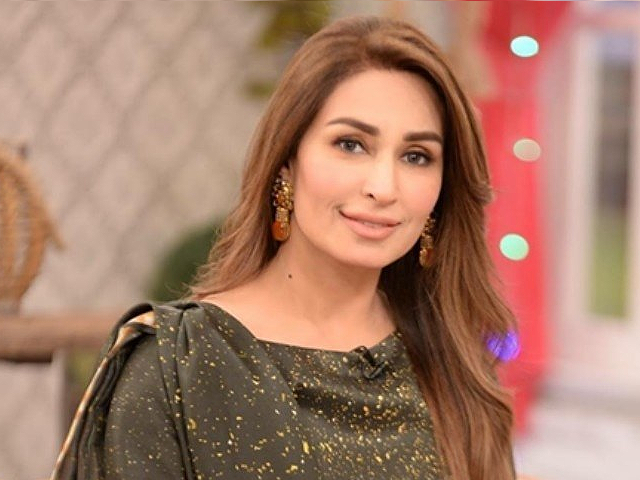
Reema Khan represented elegance and resilience during Lollywood’s 1990s transformation. Born in Lahore, she entered the industry from a modest background and quickly rose through determination and adaptability. Her early life emphasized discipline and self-improvement, which translated into her composed on-screen demeanor. She projected sophistication while maintaining accessibility, making her one of the most relatable female stars of the decade.
Her career began with modeling before transitioning to films. The breakthrough arrived with “Bulandi,” where her screen presence complemented emerging stars. Throughout the early 1990s, she developed a performance style that balanced emotional sincerity with glamorous appeal. Unlike exaggerated melodramatic acting common at the time, Reema delivered nuanced portrayals that emphasized authenticity.
Her defining moment came with films like “Jo Darr Gaya Woh Marr Gaya” and “Nikah,” where she displayed strong character-driven performances. She evolved from romantic heroine to mature dramatic actress, reflecting the changing portrayal of women in Pakistani cinema. Her artistic identity blended grace with emotional depth, enabling longevity beyond typical industry cycles.
By the late 1990s, Reema’s influence extended beyond acting into production and direction. She symbolized professionalism and adaptability, inspiring a new generation of actresses. Her legacy rests on redefining female stardom as both glamorous and substantive.
Key Facts
- Full name of the subject: Sameena Khan
- Date of birth: October 27, 1971
- Place of birth: Lahore, Pakistan
- Family background: Middle-class family supportive of artistic pursuits
- Early childhood experiences: Exposure to performing arts through school activities
- Education history: Completed schooling in Lahore
- Influences and mentors: Senior Lollywood actresses and filmmakers
- Career beginnings: Entered entertainment through modeling
- Major achievements: Leading female star of 1990s Pakistani cinema
- Challenges and obstacles faced: Navigating male-dominated industry
- Turning points in life: Success of early blockbuster films
- Contributions to society: Promoted women empowerment through film roles
- Personal life (marriage, children, relationships): Married to Dr. Tariq Shahab
- Awards and recognitions: Nigar Awards and Lux Style recognition
- Beliefs, values, or philosophy: Hard work and perseverance
- Legacy and impact: Redefined female lead roles in Lollywood
- Historical or cultural significance: Icon of 1990s Pakistani cinema
Notable Works: Bulandi, Nikah, Jo Darr Gaya Woh Marr Gaya, Ghunghat
Controversies: Reema Khan faced media scrutiny over her transition from acting to directing and producing, which sparked debate about celebrity-driven filmmaking. Critics questioned whether her directorial ventures relied more on star power than technical expertise. Industry insiders, filmmakers, and audiences formed key stakeholders in the discussion. Reema responded by emphasizing formal preparation and collaborative filmmaking. Verified outcomes showed her projects achieved commercial attention, though critical reception remained mixed. The debate influenced perceptions of celebrity directors and highlighted evolving industry dynamics, ultimately reinforcing her image as a risk-taking professional.
3. Nadeem Baig
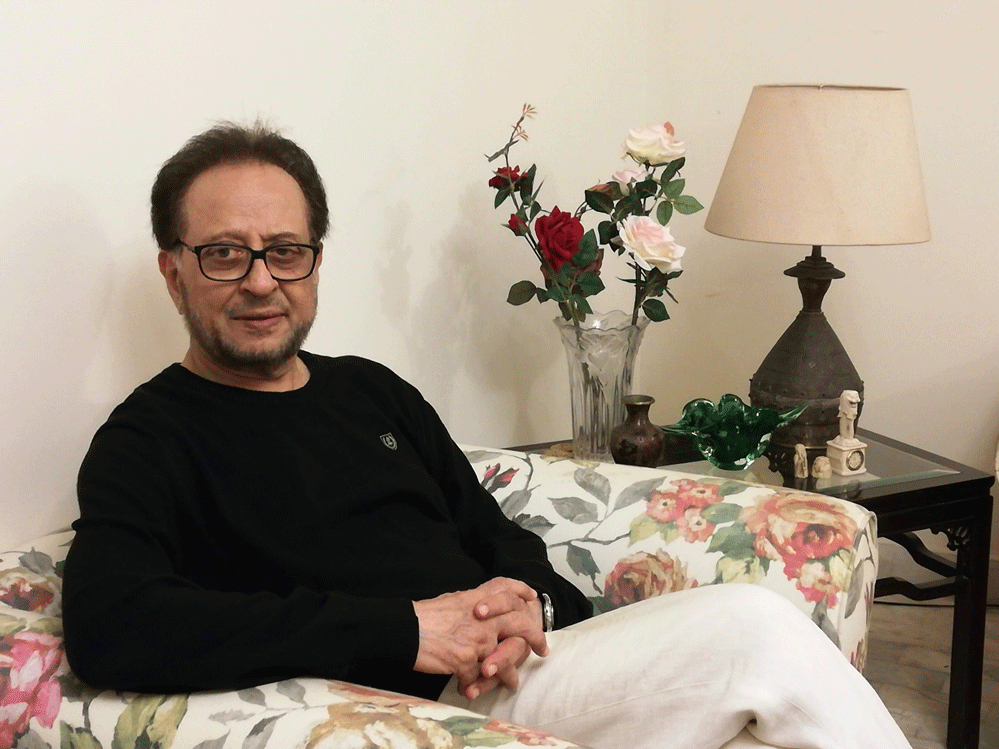
Nadeem Baig carried forward the legacy of classic Lollywood into the 1990s with unmatched screen authority. Born in Vijayawada before moving to Pakistan, his multicultural upbringing shaped his artistic sensibilities. By the 1990s, he had already established himself, yet he successfully reinvented his persona to remain relevant among younger stars.
His career began in the late 1960s, but the 1990s saw him transition into mature roles. His acting style emphasized restraint, dignity, and emotional gravitas. Unlike flamboyant contemporaries, Nadeem projected calm authority, often portraying patriarchal or morally grounded characters. His performances reflected a deep understanding of character psychology.
During the decade, he delivered strong performances in films such as “Aina” re-releases and later dramatic projects. He balanced senior roles with meaningful screen time, demonstrating versatility. His presence provided continuity in an industry undergoing generational change.
By the end of the decade, Nadeem’s influence extended to mentorship and industry leadership. He symbolized professionalism and longevity. His legacy lies in bridging golden-era Lollywood with modern cinematic transitions.
Key Facts
- Full name of the subject: Nadeem Baig
- Date of birth: July 19, 1941
- Place of birth: Vijayawada, British India
- Family background: Migrated family settled in Pakistan
- Early childhood experiences: Exposure to music and arts
- Education history: Completed schooling in Karachi
- Influences and mentors: Classical Pakistani cinema figures
- Career beginnings: Debuted in film “Chakori” (1967)
- Major achievements: Longest-running leading man in Lollywood
- Challenges and obstacles faced: Adapting to changing film trends
- Turning points in life: Transition to mature roles in 1990s
- Contributions to society: Mentorship within film industry
- Personal life (marriage, children, relationships): Married with children
- Awards and recognitions: Pride of Performance and Nigar Awards
- Beliefs, values, or philosophy: Dedication to craft
- Legacy and impact: Symbol of continuity in Pakistani cinema
- Historical or cultural significance: Bridge between generations
Notable Works: Chakori, Aina, Qurbani, Jeeva
Controversies: Nadeem Baig encountered criticism regarding prolonged dominance of senior actors in leading roles during the 1990s. Observers argued that established stars limited opportunities for emerging talent. Industry commentators, younger actors, and producers participated in the debate. Nadeem maintained that casting decisions were driven by audience demand and commercial viability. Verified evidence indicated that producers prioritized bankable names during a financially fragile period. The discussion influenced casting trends and underscored structural challenges in Lollywood, but did not significantly diminish his reputation.
Top 10 Female Political Leaders
4. Babra Sharif
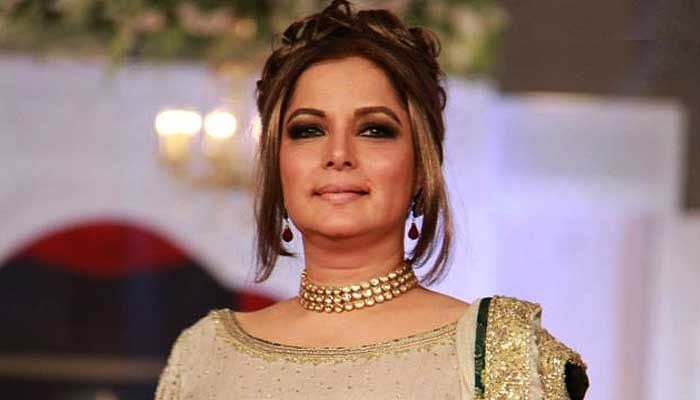
Babra Sharif entered the 1990s as an already established icon, yet her enduring relevance during the decade demonstrated remarkable adaptability. Born in Lahore, she was drawn to performing arts from an early age, developing a sophisticated screen persona rooted in grace and emotional nuance. Her early modeling work shaped her visual presence, while her transition into film refined her expressive capabilities.
Her career began in the 1970s, but the 1990s represented a mature phase where she transitioned into layered roles. Unlike youthful heroines, Babra embraced characters reflecting emotional complexity and societal depth. Her performance style emphasized subtle gestures and vocal restraint, distinguishing her from the melodramatic tendencies prevalent in the industry. This refined approach allowed her to portray maternal, dramatic, and aristocratic characters with authenticity.
Her breakthrough in this era came through supporting yet pivotal roles that anchored narratives. Babra’s ability to elevate ensemble casts strengthened films during a period of industry instability. She represented continuity, bridging classic storytelling with evolving cinematic sensibilities. Her presence lent credibility and gravitas to productions.
By the end of the decade, Babra Sharif’s legacy rested on longevity and professionalism. She influenced younger actresses by demonstrating career sustainability beyond conventional stardom. Her cultural impact lies in redefining female roles for experienced actresses within Lollywood.
Key Facts
- Full name of the subject: Babra Sharif
- Date of birth: September 9, 1954
- Place of birth: Lahore, Pakistan
- Family background: Belonged to a conservative family
- Early childhood experiences: Participated in school drama and modeling
- Education history: Completed education in Lahore
- Influences and mentors: Senior actresses of classical Pakistani cinema
- Career beginnings: Modeling followed by film debut in early 1970s
- Major achievements: Leading actress across multiple decades
- Challenges and obstacles faced: Industry decline and reduced film output
- Turning points in life: Transition to mature roles in the 1990s
- Contributions to society: Promoted strong female representation
- Personal life (marriage, children, relationships): Maintained private personal life
- Awards and recognitions: Nigar Awards and lifetime recognition
- Beliefs, values, or philosophy: Professional discipline and resilience
- Legacy and impact: Long-standing female icon in Lollywood
- Historical or cultural significance: Representation of evolving female roles
Notable Works: Mera Naam Hai Mohabbat, Aina, Deewar, Ghunghat
Controversies: Babra Sharif was involved in a publicized rivalry narrative with other leading actresses during the late 1980s and early 1990s. The issue emerged from media-driven comparisons that framed competition among female stars as personal conflict. Journalists, producers, and fan communities amplified speculation, often attributing casting decisions to interpersonal disputes. Babra consistently dismissed such claims, emphasizing professional respect and collaborative work environments. Verified evidence suggested the rivalry was largely media constructed, though public perception occasionally framed it as factual. The episode highlighted gendered narratives in entertainment journalism and had limited long-term impact on her professional reputation.
5. Javed Sheikh
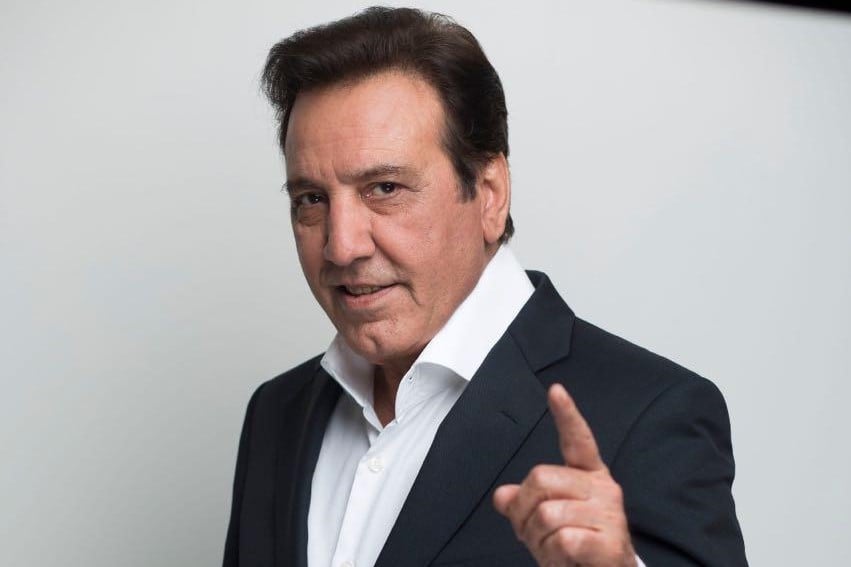
Javed Sheikh embodied versatility during Lollywood’s 1990s transition, balancing acting, directing, and production. Born in Rawalpindi, he developed an early interest in performance and storytelling. His exposure to diverse cultural environments shaped his adaptable acting style, allowing him to shift between comedy, drama, and romance with ease.
His career began in television before moving to cinema, where he cultivated a charismatic yet grounded persona. In the 1990s, he diversified his roles, portraying both leading men and complex supporting characters. His performances emphasized natural dialogue delivery and controlled humor, setting him apart from exaggerated acting conventions. This flexibility helped him maintain relevance amid changing audience tastes.
His breakthrough as a director further strengthened his industry influence. By combining commercial appeal with narrative experimentation, he contributed to Lollywood’s modernization. His acting depth was complemented by a keen understanding of filmmaking, allowing him to shape projects holistically.
By the end of the decade, Javed Sheikh’s legacy was defined by adaptability and leadership. He played a crucial role in sustaining film production during challenging economic conditions. His global collaborations later extended his impact beyond Pakistan.
Key Facts
- Full name of the subject: Javed Sheikh
- Date of birth: October 8, 1954
- Place of birth: Rawalpindi, Pakistan
- Family background: Artistic inclination within family
- Early childhood experiences: Interest in performing arts
- Education history: Completed schooling in Pakistan
- Influences and mentors: Television pioneers and film directors
- Career beginnings: Started in television dramas
- Major achievements: Actor, director, and producer
- Challenges and obstacles faced: Transition between mediums
- Turning points in life: Directorial ventures in 1990s
- Contributions to society: Promoted professional filmmaking standards
- Personal life (marriage, children, relationships): Father of actor Shehroz Sabzwari
- Awards and recognitions: Pride of Performance
- Beliefs, values, or philosophy: Adaptability in evolving industries
- Legacy and impact: Multi-faceted contributor to Lollywood
- Historical or cultural significance: Bridge between TV and film
Notable Works: Chief Saab, Yeh Dil Aap Ka Huwa, Mushkil
Controversies: Javed Sheikh faced debate over his decision to pursue international collaborations, which some critics argued diverted focus from local industry growth. The discussion emerged when he participated in cross-border productions. Industry stakeholders, including filmmakers and cultural commentators, expressed differing views. Sheikh emphasized that international exposure could elevate Pakistani cinema’s standards. Verified outcomes showed his involvement increased visibility for Pakistani talent, though critics maintained concerns about domestic investment. The controversy underscored broader conversations about globalization and national cinema development.
Top 10 Feminist Trailblazers
6. Sultan Rahi
Sultan Rahi dominated the action genre and remained a towering presence into the early 1990s. Born in Saharanpur, he migrated to Pakistan and gradually built his career through persistence. His early life struggles shaped his rugged screen persona, which resonated with mass audiences.
His career began with minor roles, but he rose to prominence through action films. By the 1990s, he represented the archetypal folk hero, embodying justice and rural resilience. His performance style emphasized physicality, intense dialogue delivery, and moral clarity. He became synonymous with the Punjabi action genre, sustaining cinema attendance during industry decline.
His breakthrough had occurred earlier with “Maula Jatt,” yet its influence extended into the 1990s. Sultan Rahi’s presence anchored numerous productions. He represented continuity for audiences seeking traditional narratives amid changing tastes.
His legacy remains monumental, though tragically cut short. He is remembered as one of Lollywood’s most prolific stars and a cultural symbol of populist cinema.
Key Facts
- Full name of the subject: Muhammad Sultan Rahi
- Date of birth: June 24, 1938
- Place of birth: Saharanpur, British India
- Family background: Migrated family
- Early childhood experiences: Economic hardship
- Education history: Limited formal education
- Influences and mentors: Punjabi folk storytelling
- Career beginnings: Minor film roles
- Major achievements: Icon of Punjabi action cinema
- Challenges and obstacles faced: Typecasting in action roles
- Turning points in life: Success of Maula Jatt
- Contributions to society: Popularized regional cinema
- Personal life (marriage, children, relationships): Married with children
- Awards and recognitions: Multiple film awards
- Beliefs, values, or philosophy: Justice and heroism themes
- Legacy and impact: Defining action star of Lollywood
- Historical or cultural significance: Folk hero representation
Notable Works: Maula Jatt, Sher Khan, Chan Varyam
Controversies: Sultan Rahi’s career generated debate about the dominance of formula-driven Punjabi action films. Critics argued that repetitive storytelling limited artistic diversity. Producers, critics, and audiences formed key stakeholders. Supporters highlighted the films’ economic importance in sustaining cinemas. Verified evidence indicated that these productions generated consistent box office revenue. The debate influenced industry perceptions but ultimately reinforced his status as a commercially indispensable star.
7. Anjuman

Anjuman became one of the most recognizable female faces of Punjabi cinema during the late 1980s and early 1990s. Born in Multan, she entered the entertainment industry at a young age, quickly developing a vibrant and energetic screen presence. Her expressive acting style aligned with the musical and dramatic tone of Punjabi films.
Her career began with supporting roles before she transitioned to leading characters. In the 1990s, she portrayed strong rural women, often balancing emotional vulnerability with resilience. Her performance style relied on expressive dialogue delivery and musical performances, which enhanced her popularity among mass audiences.
Her breakthrough came through collaborations with major action stars, where she provided emotional grounding to high-intensity narratives. She evolved into a dependable leading actress capable of carrying films. Her artistic identity centered on authenticity and cultural relatability.
By the mid-1990s, Anjuman’s influence extended across regional cinema. She represented female strength within male-dominated action storytelling. Her legacy rests on her contribution to sustaining Punjabi-language Lollywood productions.
Key Facts
- Full name of the subject: Anjuman Shaheen
- Date of birth: July 24, 1955
- Place of birth: Multan, Pakistan
- Family background: Artistic inclination
- Early childhood experiences: Interest in dance and performance
- Education history: Completed schooling in Pakistan
- Influences and mentors: Punjabi film industry veterans
- Career beginnings: Supporting film roles
- Major achievements: Leading Punjabi cinema actress
- Challenges and obstacles faced: Typecasting in regional roles
- Turning points in life: Rise in Punjabi film popularity
- Contributions to society: Promoted regional culture
- Personal life (marriage, children, relationships): Private personal life
- Awards and recognitions: Film awards for Punjabi cinema
- Beliefs, values, or philosophy: Cultural authenticity
- Legacy and impact: Female icon of Punjabi films
- Historical or cultural significance: Representation of rural narratives
Notable Works: Sher Khan, Chan Varyam, Qurbani
Controversies: Anjuman faced criticism regarding typecasting within Punjabi action cinema, where she was frequently cast in similar roles. The debate emerged from critics who argued that repetitive characterization limited her artistic range. Producers, directors, and audiences participated in the discussion. Anjuman maintained that such roles reflected audience demand and cultural storytelling traditions. Verified evidence indicated she occasionally pursued varied roles, though public perception remained tied to her dominant screen persona. The issue highlighted broader industry constraints rather than personal limitations and had minimal effect on her popularity.
8. Saima Noor
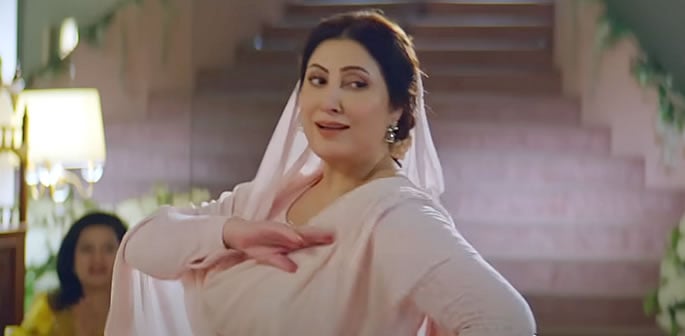
Saima Noor emerged in the 1990s as one of the defining faces of Punjabi and Urdu cinema, embodying both glamour and emotional resilience. Born in Multan, she entered the entertainment industry with a natural screen presence that quickly distinguished her from her peers. Her early life reflected modest beginnings, and this grounded upbringing shaped her ability to portray relatable, working-class heroines with authenticity.
Her career began with supporting roles, but she rapidly transitioned into leading lady status through her expressive acting style and strong screen confidence. During the 1990s, Saima became closely associated with action-romance films, where she often played emotionally driven characters navigating love, loyalty, and survival. Her performances were marked by a balance of softness and strength, allowing her to thrive in male-dominated narratives.
Her breakthrough came through collaborations with leading action stars and directors who recognized her ability to elevate commercial cinema. Saima’s artistic identity was defined by adaptability; she moved seamlessly between emotional drama and high-energy action sequences. This versatility made her one of the most commercially reliable actresses of her time.
By the end of the decade, Saima Noor had established herself as a central figure in Lollywood’s mainstream cinema. Her legacy lies in sustaining female-driven storytelling within action-heavy Punjabi films and maintaining consistent box office appeal during an unstable industry era.
Key Facts
- Full name of the subject: Saima Noor
- Date of birth: May 5, 1967
- Place of birth: Multan, Pakistan
- Family background: Middle-class Punjabi family
- Early childhood experiences: Interest in performing arts and dance
- Education history: Completed schooling in Multan
- Influences and mentors: Punjabi film directors and senior actresses
- Career beginnings: Started with supporting film roles
- Major achievements: Leading actress in Punjabi and Urdu cinema
- Challenges and obstacles faced: Industry instability and typecasting
- Turning points in life: Rise in action-romance genre films
- Contributions to society: Strengthened regional cinema representation
- Personal life (marriage, children, relationships): Married to director Syed Noor
- Awards and recognitions: Multiple film awards
- Beliefs, values, or philosophy: Dedication to craft and persistence
- Legacy and impact: One of the most bankable actresses of 1990s Lollywood
- Historical or cultural significance: Key figure in Punjabi cinema evolution
Notable Works: Choorian, Jeeva, Majajan, Sangam
Controversies: Saima Noor’s career was occasionally subject to public debate regarding her strong association with commercial Punjabi action-romance films, which some critics argued limited artistic diversity in her roles. The discussion involved filmmakers, critics, and audiences who differed on whether commercial cinema should prioritize artistic experimentation or mass appeal. Saima maintained that her role choices reflected audience demand and industry realities of the time. Verified outcomes showed her films consistently achieved commercial success, reinforcing her position as a leading box office performer despite critical divides.
9. Moammar Rana

Moammar Rana represented the youthful wave of Lollywood’s 1990s evolution, bringing a modern romantic hero image to the industry. Born in Lahore, he grew up in a film-connected family environment that influenced his entry into acting. His early exposure to cinema allowed him to develop a confident and stylish screen persona.
He began his career in modeling before transitioning into films, where his charm and contemporary appeal quickly gained attention. During the 1990s, Moammar Rana became known for romantic lead roles that emphasized emotional expression, physical elegance, and urban sophistication. His acting style contrasted with the rugged action heroes of earlier generations, signaling a generational shift.
His breakthrough came through successful romantic dramas that positioned him as a heartthrob for younger audiences. He brought a refined aesthetic to Lollywood, incorporating modern fashion, dialogue delivery, and emotional subtlety. His performances often centered on love, heartbreak, and interpersonal conflict.
By the end of the decade, Moammar Rana had become a symbol of urbanized Pakistani cinema. His legacy lies in redefining the romantic male lead and contributing to the modernization of Lollywood’s image during a transitional period.
Key Facts
- Full name of the subject: Moammar Rana
- Date of birth: February 26, 1974
- Place of birth: Lahore, Pakistan
- Family background: Film-influenced family environment
- Early childhood experiences: Exposure to cinema culture
- Education history: Completed schooling in Lahore
- Influences and mentors: Senior actors and film directors
- Career beginnings: Started as a model
- Major achievements: Leading romantic hero of 1990s Lollywood
- Challenges and obstacles faced: Competition with established stars
- Turning points in life: Breakthrough romantic film roles
- Contributions to society: Popularized modern romantic cinema style
- Personal life (marriage, children, relationships): Married with children
- Awards and recognitions: Film awards and nominations
- Beliefs, values, or philosophy: Professional reinvention and adaptability
- Legacy and impact: Modern romantic lead archetype in Pakistani cinema
- Historical or cultural significance: Symbol of 1990s cinematic modernization
Notable Works: Choorian, Mehndi, Pal Do Pal, Koi Tujh Sa Kahan
Controversies: Moammar Rana faced public and industry discussion regarding his rapid rise as a romantic lead, with critics questioning whether industry casting favored appearance and commercial appeal over acting depth. Filmmakers, critics, and audiences formed the central stakeholders in the debate. Rana maintained that his work ethic and audience reception justified his roles. Verified evidence showed strong box office performance during his peak years, though critical opinion remained divided on his acting range. The controversy highlighted broader tensions between commercial stardom and artistic evaluation in Lollywood.
10. Meera

Meera entered the late 1990s as one of Lollywood’s most talked-about rising stars, known for her expressive screen presence and bold personality. Born in Lahore, she developed an early interest in performance and dance, which later translated into a confident on-screen identity. Her entry into films coincided with a period of stylistic transition in Pakistani cinema.
Her career began in modeling and supporting roles before she gained recognition for her distinctive emotional expressiveness. In the late 1990s, Meera became known for roles that emphasized romantic tension, emotional conflict, and dramatic intensity. Her acting style was characterized by strong facial expression and heightened emotional delivery, which resonated with mainstream audiences.
Her breakthrough came as she transitioned into lead roles, where she quickly became a recognizable figure in Urdu cinema. Meera’s artistic identity combined glamour with dramatic boldness, making her one of the most discussed actresses of her generation. She represented a shift toward more expressive and personality-driven female roles.
By the end of the decade, Meera had established herself as a rising star with significant media attention. Her legacy lies in bridging traditional Lollywood acting styles with a more contemporary celebrity culture that would define the 2000s.
Key Facts
- Full name of the subject: Irtiza Rubab
- Date of birth: July 12, 1977
- Place of birth: Lahore, Pakistan
- Family background: Middle-class family
- Early childhood experiences: Interest in performing arts and stage
- Education history: Completed education in Lahore
- Influences and mentors: Pakistani film and theater performers
- Career beginnings: Modeling and supporting film roles
- Major achievements: Rising star of late 1990s Lollywood
- Challenges and obstacles faced: Media scrutiny and industry competition
- Turning points in life: Lead roles in Urdu cinema
- Contributions to society: Increased visibility of female-led cinema
- Personal life (marriage, children, relationships): Publicly discussed relationships
- Awards and recognitions: Film nominations and entertainment awards
- Beliefs, values, or philosophy: Self-expression and artistic boldness
- Legacy and impact: Transition figure into modern Lollywood celebrity culture
- Historical or cultural significance: Early bridge to 2000s film industry style
Notable Works: Inteha, Kanta, Baaji, Khilona
Controversies: Meera’s career attracted widespread media attention regarding her outspoken public statements and reported disputes with filmmakers over professional conduct and film releases. The controversy involved media outlets, producers, and industry observers. Meera often addressed these issues directly, framing them as misunderstandings or contractual disagreements. Verified facts confirmed several production delays and disputes, though interpretations of responsibility varied. The public perception of these incidents significantly amplified her celebrity profile, making her one of the most discussed figures in late 1990s and early 2000s Pakistani cinema.
Notable Mentions
Syed Noor
Sangeeta
Nusrat Fateh Ali Khan
Humaira Channa
Warid Baig
Izhar Qazi
Madiha Shah
Saud
Neeli