Top 10 Medical Saviors of the Decade
Top 10 Medical Saviors of the Decade
In This Content
1. Katalin Karikó
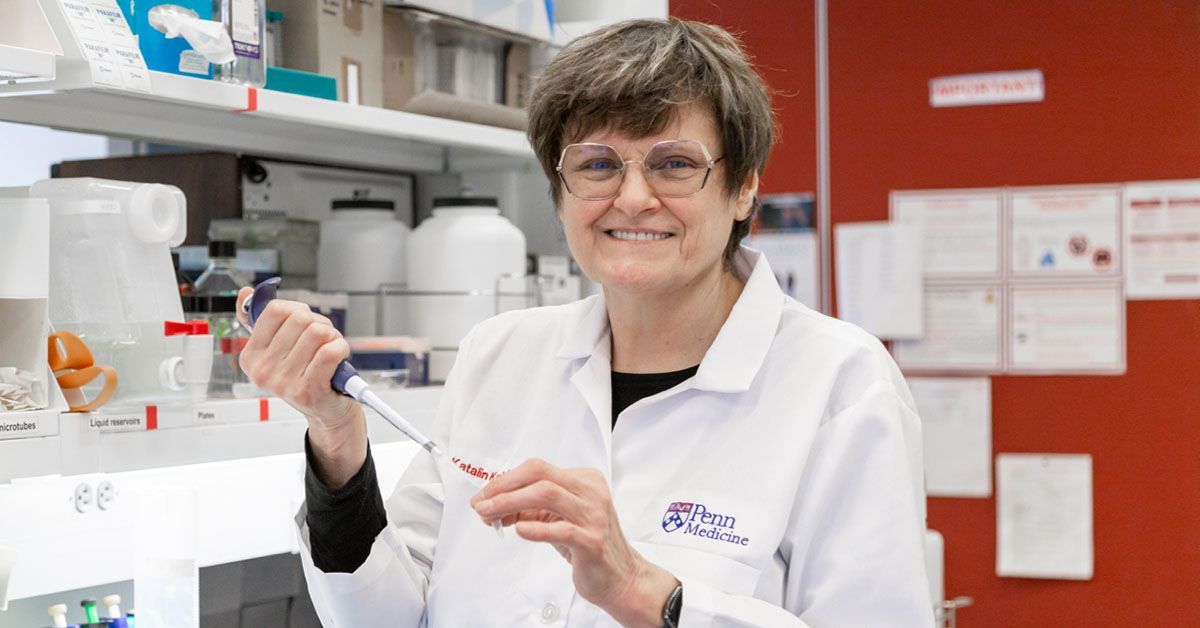
Katalin Karikó is widely regarded as one of the foundational scientific minds behind modern mRNA vaccine technology, a breakthrough that reshaped global public health response systems during the COVID-19 era. Born in Hungary, Karikó grew up in a modest household where academic curiosity was encouraged despite limited material resources. Her early academic journey was marked by persistent struggles for institutional recognition, particularly within rigid research funding structures that initially undervalued her work on messenger RNA.
Her career began in Hungarian academic laboratories before transitioning to international research environments, where she continued exploring the therapeutic potential of mRNA. Karikó’s breakthrough came through decades of persistence that culminated in the stabilization of mRNA technology, a discovery that allowed safe and effective vaccine development at unprecedented speed. This work became the scientific backbone of global pandemic response strategies.
During the late 1990s, Karikó’s research was largely considered fringe within mainstream molecular biology, yet this period formed the intellectual groundwork for her later breakthroughs. Her persistence through institutional rejection became a defining feature of her scientific identity, demonstrating how long-term research vision can precede global necessity.
Karikó’s legacy lies in transforming molecular medicine, proving that sustained scientific inquiry outside mainstream validation can ultimately redefine global health outcomes.
Key Facts
- Full name of the subject: Katalin Karikó
- Date of birth: January 17, 1955
- Place of birth: Szolnok, Hungary
- Family background: Working-class Hungarian family
- Early childhood experiences: Early interest in biological sciences despite limited resources
- Education history: University of Szeged (PhD in biochemistry)
- Influences and mentors: Hungarian biochemistry research community
- Career beginnings: Academic research in RNA biology
- Major achievements: Foundation of mRNA therapeutic technology
- Challenges and obstacles faced: Long-term funding rejections and institutional skepticism
- Turning points in life: Collaboration leading to mRNA stabilization techniques
- Contributions to society: Enabled rapid COVID-19 vaccine development
- Personal life (marriage, children, relationships): Married; one daughter
- Awards and recognitions: Nobel Prize in Physiology or Medicine (2023)
- Beliefs, values, or philosophy: Persistence in long-term scientific inquiry
- Legacy and impact: Pioneer of modern mRNA medicine
- Historical or cultural significance: Transformed global vaccine development systems
Notable Works: mRNA stabilization research
COVID-19 vaccine foundational technology
RNA modification studies
Collaborations with translational medicine teams
Controversies:
Katalin Karikó’s career has not been associated with personal misconduct or disciplinary controversy; however, her early scientific work was subject to prolonged institutional skepticism within academic funding structures. The issue centered on repeated grant rejections and professional marginalization of mRNA research during the 1980s–2000s.
The background involved prevailing scientific uncertainty regarding the stability and therapeutic viability of mRNA technology. Key stakeholders included academic institutions, research funding bodies, and molecular biology peers. Critics at the time questioned the practicality of mRNA applications, while Karikó and collaborators maintained its long-term biomedical potential.
No formal allegations or institutional sanctions were ever recorded. The matter is now understood as a case of delayed scientific recognition rather than controversy involving wrongdoing.
2. Drew Weissman
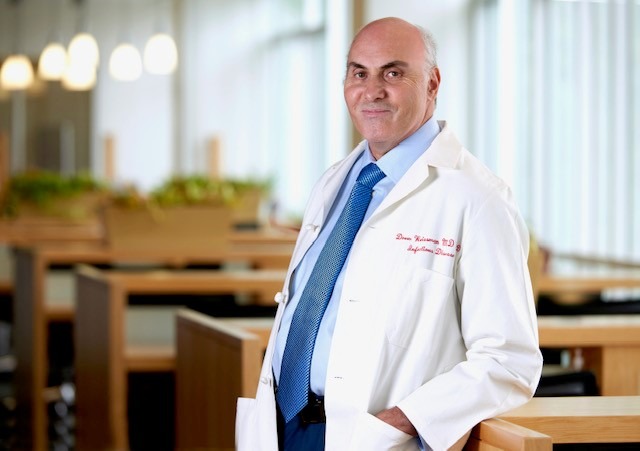
Drew Weissman is an American immunologist whose collaborative work in nucleoside-modified mRNA technology became central to the development of life-saving vaccines during the global COVID-19 pandemic. Born in the United States, Weissman developed an early interest in immunology and infectious disease mechanisms, focusing his academic trajectory on understanding how the immune system interacts with synthetic genetic material.
His career began in academic medical research institutions where he investigated immune responses to RNA-based therapies. Weissman’s breakthrough came through his partnership with Katalin Karikó, where they identified chemical modifications that prevented harmful immune reactions to mRNA. This discovery enabled the development of scalable, safe vaccine platforms.
During the 1990s developmental phase of immunology, Weissman’s work aligned with emerging genetic medicine research, though mRNA applications were not yet considered mainstream. His persistence through years of experimental refinement positioned him at the forefront of one of the most significant biomedical breakthroughs of the 21st century.
Weissman’s legacy lies in his contribution to translational immunology, bridging theoretical molecular science with real-world global health interventions.
Key Facts
- Full name of the subject: Drew Weissman
- Date of birth: September 7, 1959
- Place of birth: Lexington, Massachusetts, United States
- Family background: Academic and professional American family
- Early childhood experiences: Early interest in biological systems and medicine
- Education history: Boston University; MD and PhD training
- Influences and mentors: Immunology research pioneers
- Career beginnings: Academic immunology research
- Major achievements: Co-development of nucleoside-modified mRNA technology
- Challenges and obstacles faced: Early skepticism toward RNA-based therapeutics
- Turning points in life: Collaboration with Karikó
- Contributions to society: Enabled modern mRNA vaccine platforms
- Personal life (marriage, children, relationships): Private family life
- Awards and recognitions: Nobel Prize in Physiology or Medicine (2023)
- Beliefs, values, or philosophy: Scientific persistence and translational medicine
- Legacy and impact: Key architect of mRNA vaccine success
- Historical or cultural significance: Transformed global infectious disease response
Notable Works: mRNA vaccine technology development
Innate immune response research
RNA modification discovery
COVID-19 vaccine foundational studies
Controversies:
Drew Weissman’s career has not involved personal misconduct controversies or disciplinary action; however, aspects of mRNA vaccine development have been subject to broader public debate regarding vaccine safety, distribution equity, and pharmaceutical governance.
The issue emerged during global COVID-19 vaccine rollout, where discussions centered on access disparities and emergency authorization processes. Key stakeholders included regulatory agencies, pharmaceutical companies, public health organizations, and global populations. Critics raised concerns about equitable distribution, while Weissman and the broader scientific community emphasized rigorous clinical validation and urgent public health necessity.
No formal scientific misconduct findings have been issued against Weissman. The matter remains part of broader policy and public health discourse rather than individual controversy.
3. Ugur Sahin
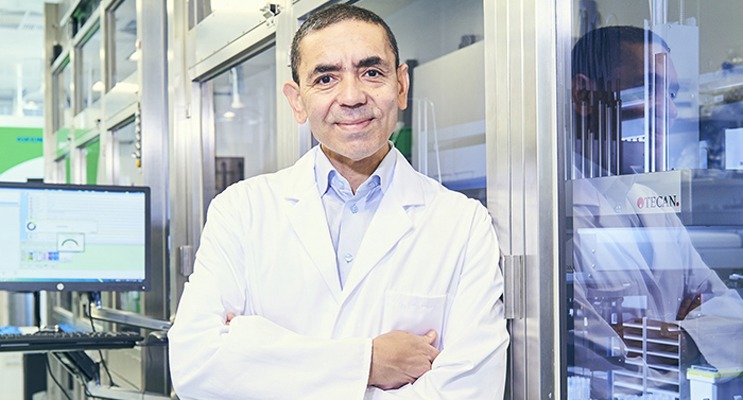
Uğur Şahin is a physician-scientist and co-founder of BioNTech, whose leadership in mRNA vaccine development played a critical role in global pandemic containment efforts. Born in Turkey and raised in Germany, Şahin’s early life was shaped by immigrant experiences that emphasized academic excellence as a pathway to professional advancement. His early interest in medicine and immunology was driven by a fascination with cancer biology and immune system engineering.
His career began in academic oncology research, where he focused on immunotherapy and tumor biology. Şahin’s breakthrough came with the founding of BioNTech, a biotechnology company dedicated to personalized medicine and mRNA-based therapies. Under his leadership, the company rapidly pivoted toward COVID-19 vaccine development, resulting in one of the first widely approved mRNA vaccines.
During the 1990s, Şahin’s formative academic years were spent advancing molecular oncology research, which later informed his approach to vaccine design. His ability to translate cancer research methodologies into infectious disease solutions became a defining feature of his scientific leadership.
Şahin’s legacy lies in demonstrating how precision medicine and rapid biotechnology adaptation can reshape global health emergency response systems.
Key Facts
- Full name of the subject: Uğur Şahin
- Date of birth: September 19, 1965
- Place of birth: İskenderun, Turkey
- Family background: Immigrant working-class family in Germany
- Early childhood experiences: Academic adaptation within immigrant education systems
- Education history: University of Cologne (medicine and immunology)
- Influences and mentors: Cancer immunotherapy researchers
- Career beginnings: Academic oncology and immunology research
- Major achievements: Co-development of Pfizer-BioNTech COVID-19 vaccine
- Challenges and obstacles faced: Establishing biotech credibility in early stages
- Turning points in life: Founding of BioNTech
- Contributions to society: Advancement of mRNA vaccine technology
- Personal life (marriage, children, relationships): Married; family life private
- Awards and recognitions: Numerous scientific and innovation awards
- Beliefs, values, or philosophy: Precision medicine and rapid scientific translation
- Legacy and impact: Pioneer of biotech-driven pandemic response
- Historical or cultural significance: Redefined global vaccine development speed
Notable Works: BioNTech mRNA vaccine platform
Cancer immunotherapy research
COVID-19 vaccine development
Personalized medicine innovations
Controversies:
Uğur Şahin’s professional record does not include personal misconduct or disciplinary controversies; however, BioNTech’s rapid vaccine development and distribution have been part of broader public debates on pharmaceutical acceleration and emergency approval pathways.
The issue centers on the unprecedented speed of vaccine development during the COVID-19 pandemic. Key stakeholders included global regulatory agencies, pharmaceutical companies, governments, and public health organizations. Critics questioned whether accelerated timelines could compromise long-term data transparency, while scientific consensus emphasized rigorous multi-phase clinical trials conducted under emergency conditions.
No formal findings of wrongdoing or regulatory violations have been issued. The matter remains within broader discussions on emergency biomedical innovation rather than individual controversy.
4. Anthony Fauci
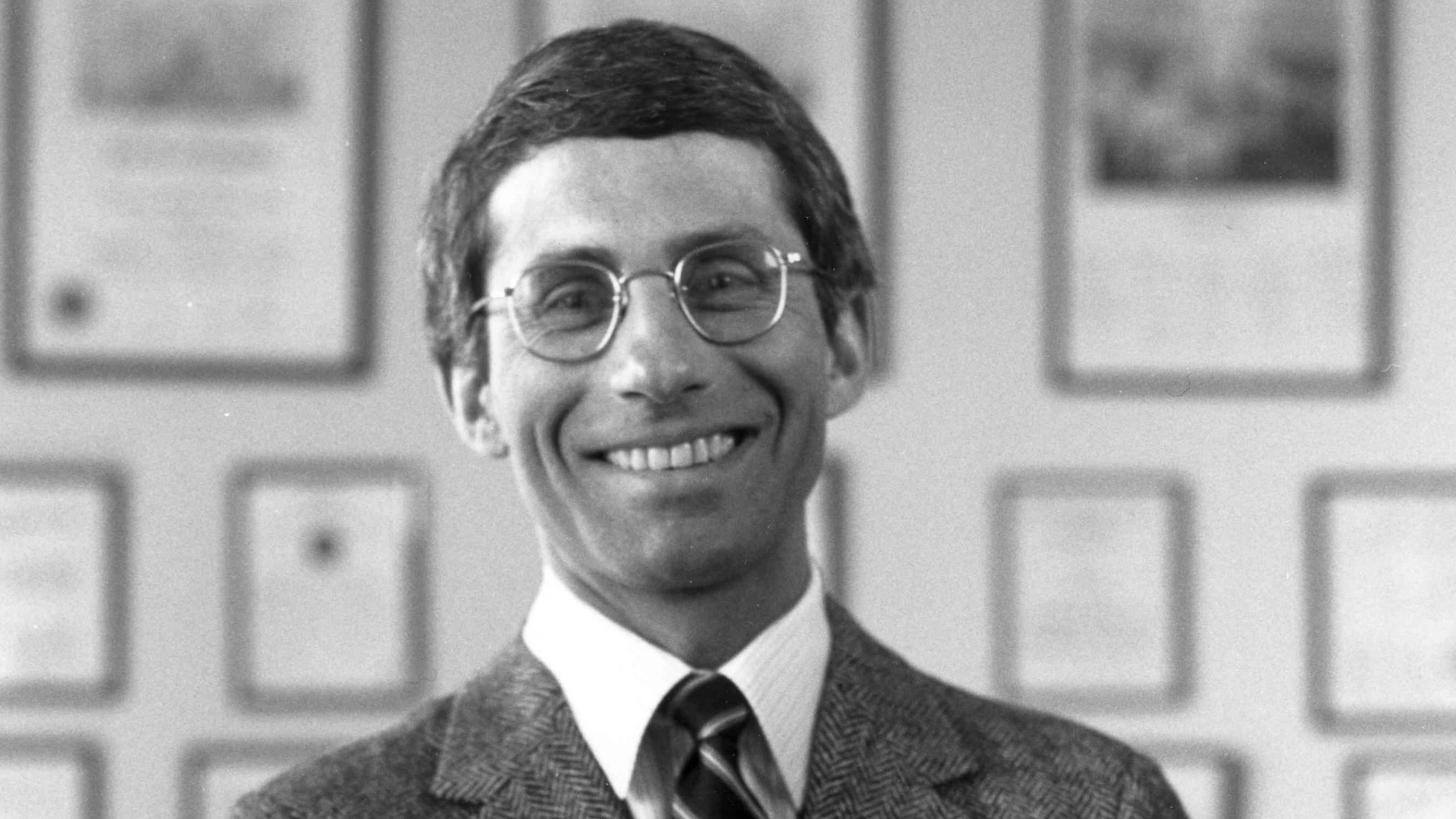
Anthony Fauci is one of the most influential public health figures of the modern era, whose decades-long leadership in infectious disease research positioned him at the center of multiple global health crises. Born in Brooklyn, New York, Fauci grew up in a working-class Italian-American family where discipline and civic responsibility were strongly emphasized. His early academic performance reflected a strong aptitude for science and analytical reasoning, particularly in biological systems.
His career began at the National Institutes of Health, where he focused on immunology and infectious diseases at a time when HIV/AIDS was emerging as a global crisis. Fauci’s breakthrough came during the 1980s when his leadership in AIDS research helped shape national response frameworks and therapeutic development strategies. His role evolved into that of a central advisor to multiple U.S. administrations.
During the 1990s, Fauci reached a significant professional peak through his leadership in HIV/AIDS research expansion and global infectious disease preparedness. His influence extended across scientific, political, and public health institutions, shaping modern epidemiological response systems.
Fauci’s legacy lies in institutionalizing scientific advisory roles in government, bridging clinical research with national and global health policy.
Key Facts
- Full name of the subject: Anthony Stephen Fauci
- Date of birth: December 24, 1940
- Place of birth: Brooklyn, New York, United States
- Family background: Italian-American working-class family
- Early childhood experiences: Strong academic performance in science
- Education history: Cornell University; Cornell Medical College
- Influences and mentors: Infectious disease researchers and NIH leadership
- Career beginnings: National Institutes of Health physician-scientist
- Major achievements: Leadership in HIV/AIDS research and COVID-19 response
- Challenges and obstacles faced: Political scrutiny and public health crises
- Turning points in life: Leadership during AIDS epidemic
- Contributions to society: Advancement of global infectious disease response systems
- Personal life (marriage, children, relationships): Married to Christine Grady; children
- Awards and recognitions: Presidential Medal of Freedom
- Beliefs, values, or philosophy: Evidence-based medicine and public health advocacy
- Legacy and impact: Central architect of modern U.S. infectious disease policy
- Historical or cultural significance: Defined public health leadership in modern crises
Notable Works: HIV/AIDS research leadership
COVID-19 pandemic advisory role
NIH infectious disease programs
Global health policy contributions
Controversies:
Anthony Fauci’s career includes sustained public and political controversy related to his role in managing national responses to infectious disease outbreaks, particularly during the COVID-19 pandemic. The issue centers on differing interpretations of public health guidance, policy recommendations, and communication strategies issued during rapidly evolving scientific conditions.
Key stakeholders included U.S. federal health agencies, political institutions, scientific advisory boards, and the general public. Critics raised concerns about shifting public health guidance and transparency, while Fauci and associated institutions emphasized that recommendations evolved based on emerging scientific evidence. Independent reviews of pandemic-era decision-making generally highlighted the uncertainty inherent in real-time crisis management.
No formal findings of scientific misconduct have been issued against Fauci. The matter remains a subject of political and public policy debate rather than adjudicated professional wrongdoing.
5. Paul Farmer
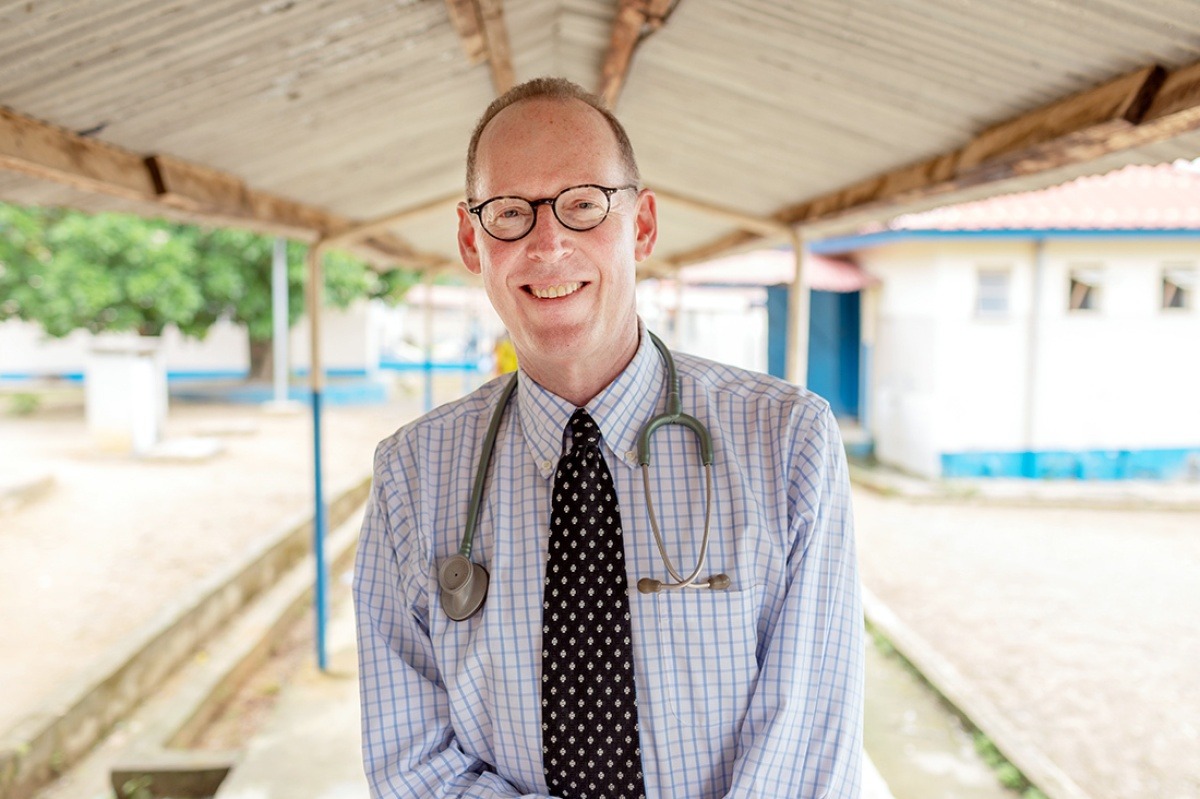
Paul Farmer was a pioneering physician and medical anthropologist whose work fundamentally transformed global health delivery in impoverished regions. Born in Massachusetts, Farmer grew up in a modest family environment that emphasized education and humanitarian values. His early academic interests combined medicine with social justice, shaping his lifelong commitment to healthcare equity.
His career began in Haiti, where he co-founded Partners In Health and developed community-based healthcare models that challenged conventional assumptions about medical infrastructure in low-resource settings. Farmer’s breakthrough came through demonstrating that high-quality medical treatment could be successfully delivered in some of the world’s poorest regions when supported by structured community systems.
During the 1990s, Farmer reached a critical phase of global recognition as his model of community-based healthcare expanded internationally. His work reshaped global health policy, influencing organizations such as the World Health Organization and various international aid agencies.
Farmer’s legacy lies in redefining healthcare as a human right, fundamentally shifting global medical ethics toward equity-based care delivery.
Key Facts
- Full name of the subject: Paul Edward Farmer
- Date of birth: October 26, 1959
- Place of birth: North Adams, Massachusetts, United States
- Family background: Educated middle-class family
- Early childhood experiences: Early exposure to social inequality issues
- Education history: Duke University; Harvard Medical School; PhD in anthropology
- Influences and mentors: Liberation theology and global health pioneers
- Career beginnings: Medical work in Haiti
- Major achievements: Co-founder of Partners In Health
- Challenges and obstacles faced: Resource limitations in global health systems
- Turning points in life: Establishment of community healthcare model in Haiti
- Contributions to society: Expansion of equitable global healthcare access
- Personal life (marriage, children, relationships): Married; children
- Awards and recognitions: Multiple humanitarian and medical awards
- Beliefs, values, or philosophy: Healthcare as a fundamental human right
- Legacy and impact: Revolutionized global health delivery models
- Historical or cultural significance: Transformed humanitarian medicine practices
Notable Works: Partners In Health founding and expansion
Haiti healthcare system development
Global health equity advocacy
Tuberculosis and HIV treatment programs
Controversies:
Paul Farmer’s work has occasionally been discussed in relation to debates over the sustainability and scalability of high-resource healthcare models in low-income regions. The issue centers on whether intensive, externally supported healthcare systems can be maintained long-term without dependency on international funding.
Key stakeholders included global health organizations, donor agencies, local governments, and public health scholars. Critics argued that some models may be difficult to replicate at scale, while Farmer and his colleagues emphasized the importance of investing in systemic infrastructure rather than minimal intervention approaches. Evaluations of his work generally acknowledge strong patient outcomes despite funding challenges.
No formal allegations or professional misconduct findings exist. The matter remains a policy and implementation debate within global health systems rather than an individual controversy.
6. Atul Gawande
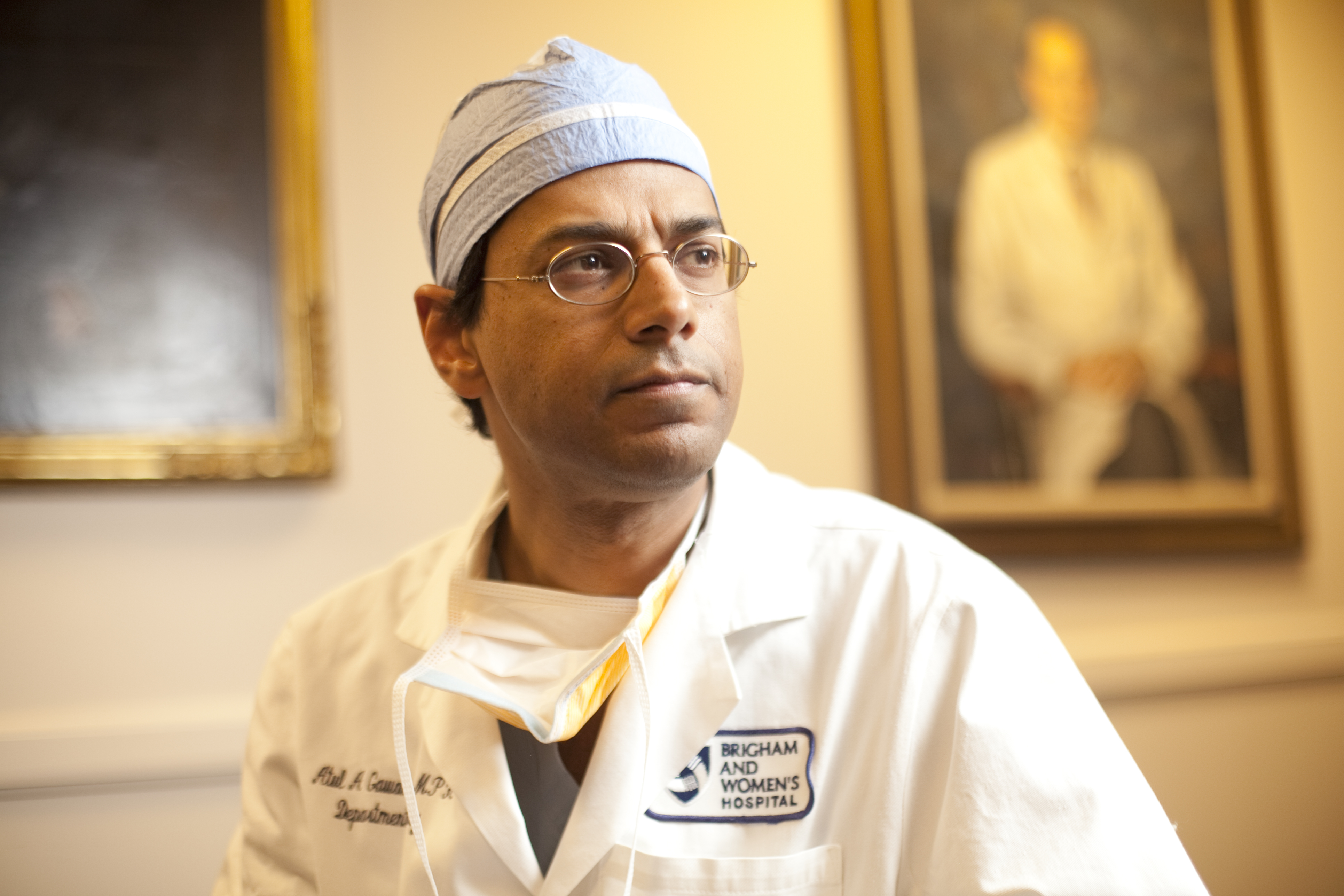
Atul Gawande is a surgeon, writer, and public health thinker whose work has reshaped modern understanding of medical systems, surgical safety, and healthcare efficiency. Born in Brooklyn, New York, and raised in a medical family, Gawande developed an early awareness of clinical practice and systemic healthcare challenges. His academic path combined medicine with writing, allowing him to bridge clinical precision and narrative analysis.
His career began as a practicing surgeon and staff writer, where he explored medical inefficiencies and patient safety concerns. Gawande’s breakthrough came through influential essays and books such as “Complications” and “The Checklist Manifesto,” which introduced systemic safety frameworks into global surgical practice.
During the 1990s, Gawande emerged within academic medicine as part of a broader movement toward evidence-based healthcare reform. His work contributed to redefining how hospitals approach procedural safety, error reduction, and operational design.
Gawande’s legacy lies in transforming healthcare systems thinking, emphasizing that medical outcomes are deeply influenced by organizational structure as well as clinical expertise.
Key Facts
- Full name of the subject: Atul Atmaram Gawande
- Date of birth: November 5, 1965
- Place of birth: Brooklyn, New York, United States
- Family background: Medical family background
- Early childhood experiences: Exposure to clinical environments
- Education history: Harvard University; Harvard Medical School; Oxford University
- Influences and mentors: Evidence-based medicine pioneers
- Career beginnings: Surgeon and medical writer
- Major achievements: Checklist Manifesto and global surgical safety reform
- Challenges and obstacles faced: Resistance to systemic healthcare reform ideas
- Turning points in life: Publication of “The Checklist Manifesto”
- Contributions to society: Improvement of global surgical safety standards
- Personal life (marriage, children, relationships): Married; children
- Awards and recognitions: MacArthur Fellowship
- Beliefs, values, or philosophy: Systems-based healthcare improvement
- Legacy and impact: Transformed patient safety protocols worldwide
- Historical or cultural significance: Redefined modern medical systems thinking
Notable Works: Complications
The Checklist Manifesto
Being Mortal
Global surgical safety initiatives
Controversies:
Atul Gawande’s career includes professional debate surrounding healthcare policy recommendations and implementation strategies, particularly in relation to large-scale health system reforms. The issue centers on whether standardized safety tools and systemic interventions can be universally applied across diverse healthcare infrastructures.
Key stakeholders included hospitals, policy institutions, global health organizations, and medical practitioners. Critics argued that system-wide checklists and reforms may face limitations in under-resourced environments, while Gawande and supporters emphasized strong empirical evidence supporting improved outcomes in structured settings. Peer-reviewed studies generally support the effectiveness of many proposed interventions.
No formal disciplinary actions or misconduct findings exist. The matter remains an ongoing academic and policy discussion within global health systems.
7. Paul Offit
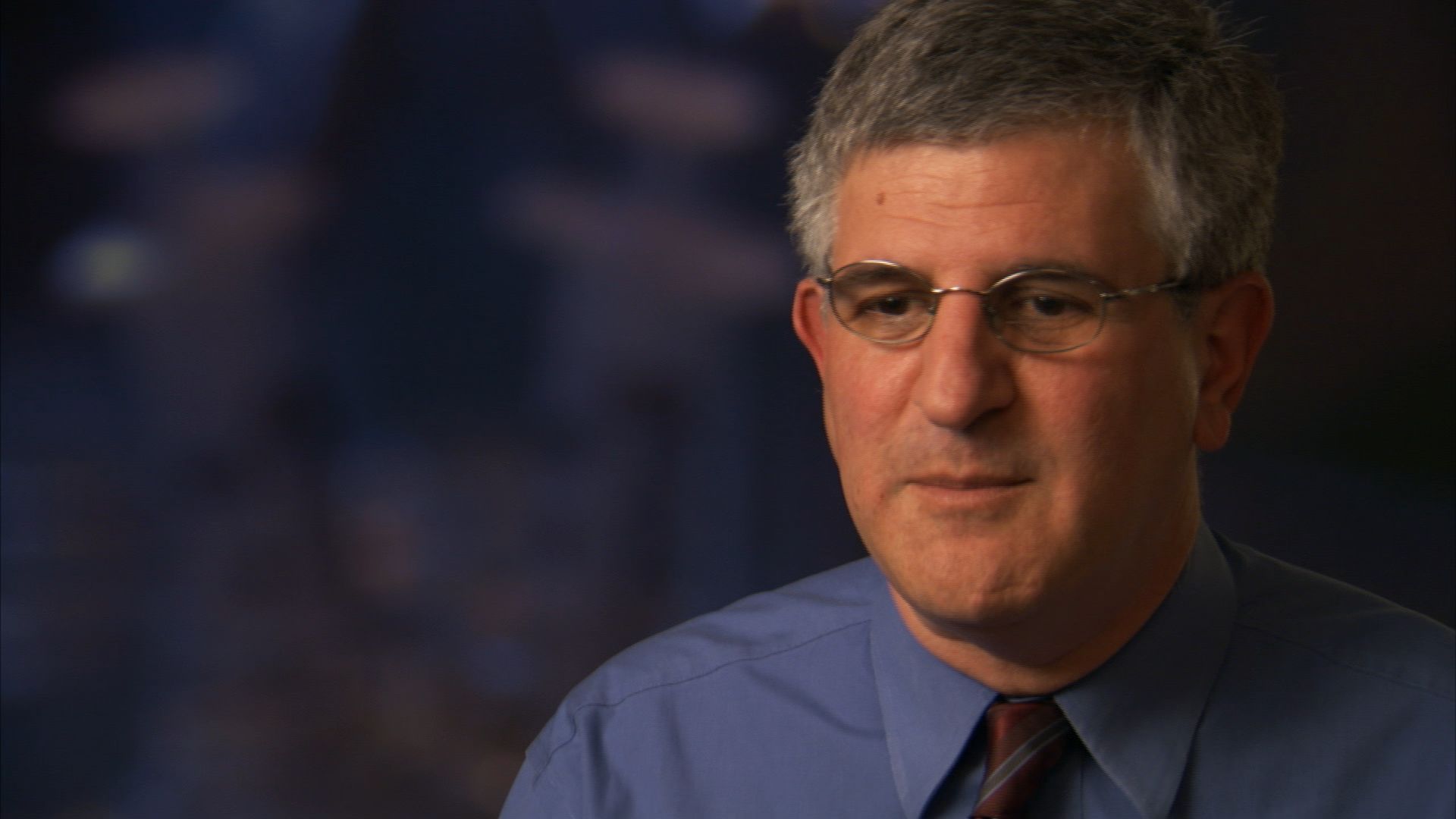
Paul Offit is a leading pediatrician and vaccine researcher whose work has significantly influenced immunization policy and vaccine safety communication. Born in the United States, Offit developed an early interest in infectious diseases and pediatric medicine, eventually focusing his career on vaccine development and public health advocacy.
His career began in clinical pediatrics and academic medicine, where he co-developed the rotavirus vaccine, a major advancement in preventing severe gastrointestinal disease in children. Offit’s breakthrough came through both his scientific contributions and his role as a public educator on vaccine safety, particularly during periods of vaccine hesitancy.
During the 1990s, Offit’s research aligned with growing global immunization programs, where vaccine development and public health policy became increasingly interconnected. His contributions helped expand childhood vaccination coverage and improve disease prevention strategies worldwide.
Offit’s legacy lies in advancing vaccine science while actively engaging in public communication to counter misinformation in immunology.
Key Facts
- Full name of the subject: Paul A. Offit
- Date of birth: April 27, 1951
- Place of birth: Baltimore, Maryland, United States
- Family background: Middle-class American family
- Early childhood experiences: Early interest in biology and medicine
- Education history: Tufts University School of Medicine
- Influences and mentors: Pediatric infectious disease specialists
- Career beginnings: Pediatrician and academic researcher
- Major achievements: Co-inventor of rotavirus vaccine
- Challenges and obstacles faced: Public controversy over vaccine communication
- Turning points in life: Development of rotavirus vaccine
- Contributions to society: Expansion of global vaccination programs
- Personal life (marriage, children, relationships): Married; children
- Awards and recognitions: Medical research and public health awards
- Beliefs, values, or philosophy: Strong advocacy for evidence-based medicine
- Legacy and impact: Major contributor to pediatric vaccine advancement
- Historical or cultural significance: Influential voice in modern vaccine discourse
Notable Works: Rotavirus vaccine development
Vaccine safety education initiatives
Public health advocacy publications
Immunology research contributions
Controversies:
Paul Offit’s career includes public controversy primarily related to vaccine safety communication and his public stance during periods of vaccine hesitancy. The issue centers on debates surrounding vaccine safety messaging and public trust in immunization programs.
Key stakeholders included public health agencies, advocacy groups, medical institutions, and media organizations. Critics have questioned aspects of vaccine risk communication strategies, while Offit and scientific institutions have emphasized evidence-based safety data supporting vaccination programs. Regulatory bodies such as the CDC and WHO continue to endorse vaccination safety based on extensive clinical evidence.
No formal findings of scientific misconduct exist. The matter remains part of broader public health communication debates rather than individual wrongdoing.
8. Tedros Adhanom Ghebreyesus
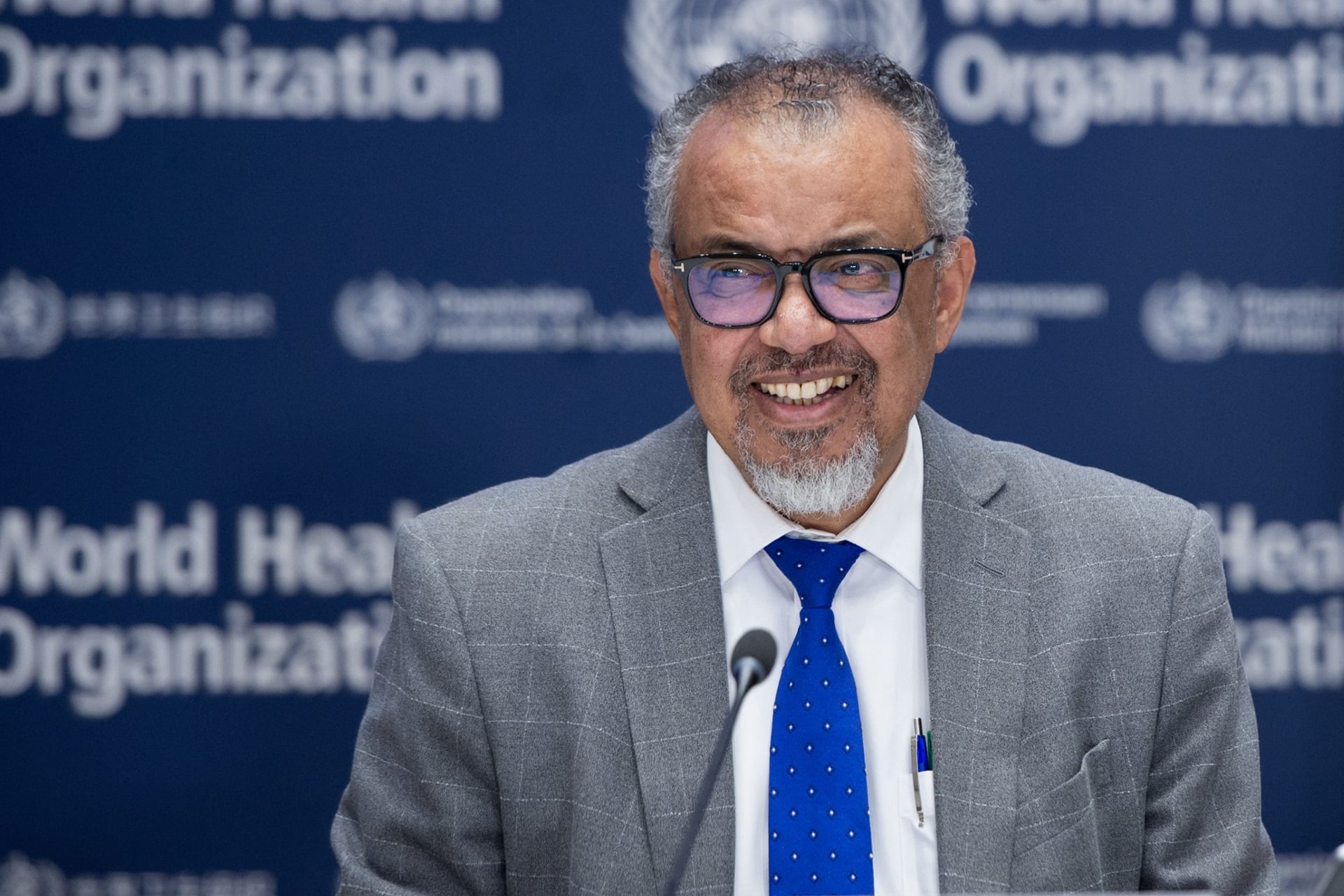
Tedros Adhanom Ghebreyesus is a global public health leader whose tenure as Director-General of the World Health Organization positioned him at the center of some of the most consequential health crises of the modern era. Born in Asmara (then Ethiopia), Tedros grew up during periods of political instability that shaped his understanding of public health as both a medical and governance challenge. His early academic journey in biology and immunology laid the foundation for a career that merged science with international policy.
His career began in Ethiopia’s public health system, where he served in malaria control and later as Minister of Health. Tedros’ breakthrough came through large-scale national health reforms that significantly expanded access to primary healthcare and reduced mortality rates in underserved regions. These achievements elevated him to global prominence within international health governance circles.
During the 1990s, his early professional trajectory was shaped by Ethiopia’s health system restructuring efforts, which emphasized community-based care and infectious disease control. These formative experiences later influenced his approach to global pandemic coordination.
Tedros’ legacy lies in redefining global health leadership through coordinated international response systems, particularly during pandemic-era governance.
Key Facts
- Full name of the subject: Tedros Adhanom Ghebreyesus
- Date of birth: March 3, 1965
- Place of birth: Asmara, Ethiopia
- Family background: Working-class Ethiopian family
- Early childhood experiences: Exposure to regional instability and public health challenges
- Education history: University of Asmara; University of London; PhD in community health
- Influences and mentors: Public health reformers and epidemiologists
- Career beginnings: Ethiopian Ministry of Health programs
- Major achievements: WHO Director-General; national malaria reduction initiatives
- Challenges and obstacles faced: Global political scrutiny during pandemic leadership
- Turning points in life: Appointment as WHO Director-General
- Contributions to society: Global pandemic coordination and health system strengthening
- Personal life (marriage, children, relationships): Married; children
- Awards and recognitions: Global health leadership awards
- Beliefs, values, or philosophy: Universal healthcare access and equity
- Legacy and impact: Central figure in global health governance
- Historical or cultural significance: Shaped modern pandemic response coordination
Notable Works: Ethiopian health system reforms
WHO COVID-19 pandemic response coordination
Global immunization initiatives
Infectious disease eradication programs
Controversies:
Tedros Adhanom Ghebreyesus’ leadership at the World Health Organization has been the subject of sustained international debate, particularly regarding the timing and framing of the WHO’s response during the early stages of the COVID-19 pandemic. The issue centers on whether the organization acted with sufficient speed and transparency in declaring global health emergencies.
Key stakeholders include the World Health Organization, member states, national governments, scientific advisory panels, and global health institutions. Critics argued that early communication delays may have impacted initial response strategies, while Tedros and the WHO maintained that decisions were based on evolving scientific data and required verification from multiple sources. Independent reviews of global pandemic response continue to analyze these timelines.
No formal findings of misconduct have been issued against Tedros. The matter remains an ongoing subject of geopolitical and institutional policy evaluation rather than individual wrongdoing.
9. Anthony Fauci
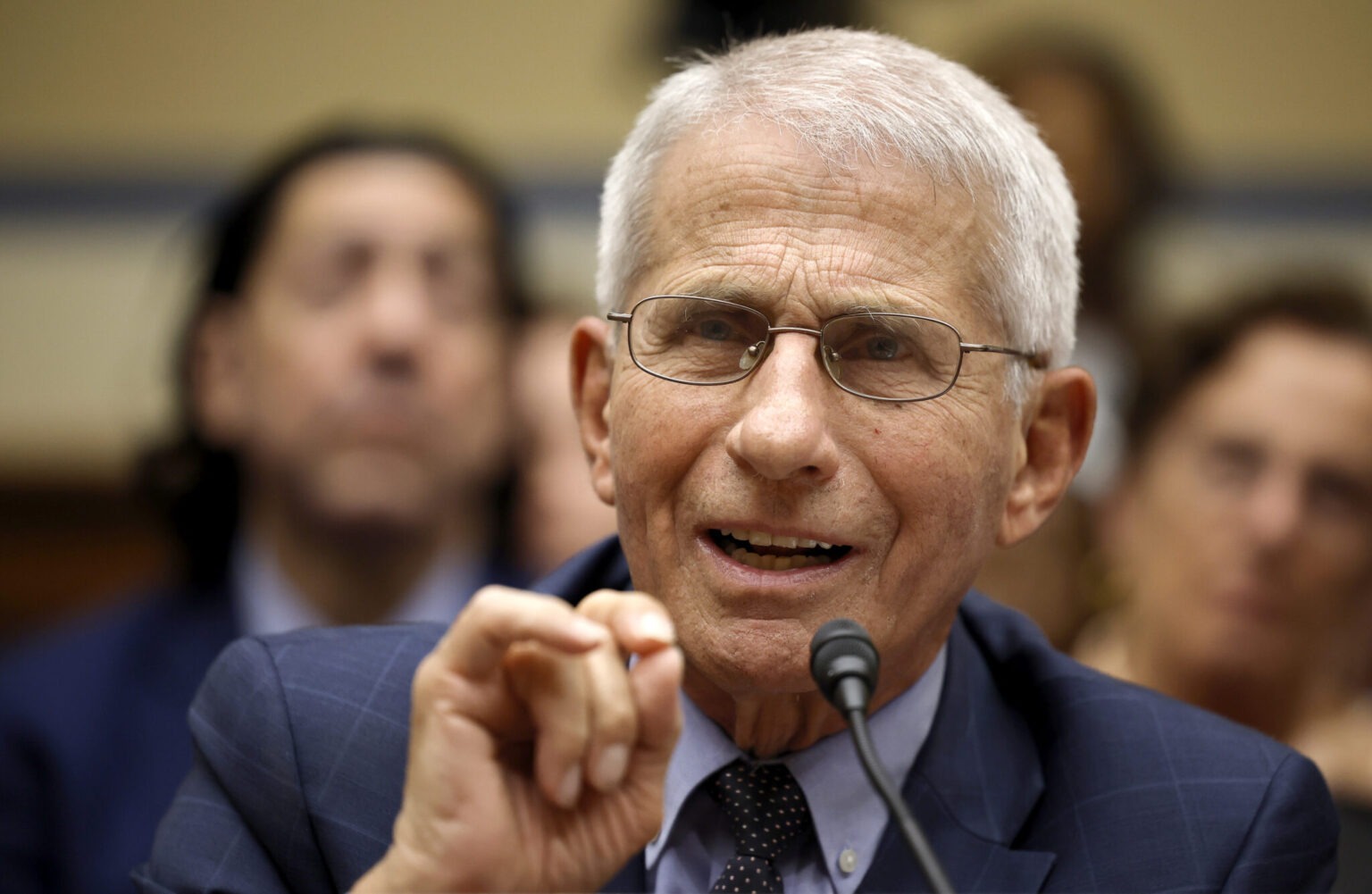
Anthony Fauci remains one of the most influential figures in infectious disease medicine, with a career spanning multiple decades of scientific leadership and public health crisis management. Born in Brooklyn, New York, Fauci developed an early academic interest in medicine, excelling in biological sciences before entering elite medical training institutions. His formative years were marked by a strong orientation toward clinical research and immunology.
His career began at the National Institutes of Health, where he quickly became a leading voice in infectious disease research. Fauci’s breakthrough came during the HIV/AIDS crisis of the 1980s, where his leadership helped shape national treatment frameworks and accelerated therapeutic development at a critical historical moment.
During the 1990s, Fauci reached a major professional peak through expanded NIH leadership and global infectious disease initiatives, contributing to preparedness frameworks that would later be applied in subsequent pandemics.
Fauci’s legacy lies in establishing a model of science-driven public health leadership that integrates research, policy, and emergency response.
Key Facts
- Full name of the subject: Anthony Stephen Fauci
- Date of birth: December 24, 1940
- Place of birth: Brooklyn, New York, United States
- Family background: Italian-American working-class family
- Early childhood experiences: Strong academic aptitude in science
- Education history: Cornell University; Cornell Medical College
- Influences and mentors: Infectious disease researchers
- Career beginnings: NIH infectious disease research
- Major achievements: HIV/AIDS research leadership; COVID-19 advisory role
- Challenges and obstacles faced: Political scrutiny during public health crises
- Turning points in life: Leadership during the AIDS epidemic
- Contributions to society: Global infectious disease response systems
- Personal life (marriage, children, relationships): Married to Christine Grady; children
- Awards and recognitions: Presidential Medal of Freedom
- Beliefs, values, or philosophy: Evidence-based medicine and public health advocacy
- Legacy and impact: Architect of modern U.S. infectious disease policy
- Historical or cultural significance: Defined modern epidemic response leadership
Notable Works: HIV/AIDS research programs
COVID-19 pandemic advisory leadership
NIH infectious disease initiatives
Global public health frameworks
Controversies:
Anthony Fauci’s career includes extensive public and political scrutiny related to his role in guiding national responses to infectious disease outbreaks, particularly during the COVID-19 pandemic. The issue centers on disagreements over evolving public health guidance, communication strategies, and policy recommendations issued under rapidly changing scientific conditions.
Key stakeholders include federal health agencies, political institutions, scientific advisory bodies, and the general public. Critics have raised concerns about shifting messaging and transparency, while Fauci and supporting institutions have emphasized that recommendations were updated in response to emerging scientific evidence. Independent reviews generally acknowledge the complexity of decision-making during evolving crises.
No formal misconduct findings have been established. The matter remains a subject of political and policy debate rather than adjudicated professional wrongdoing.
10. William Kaelin Jr.
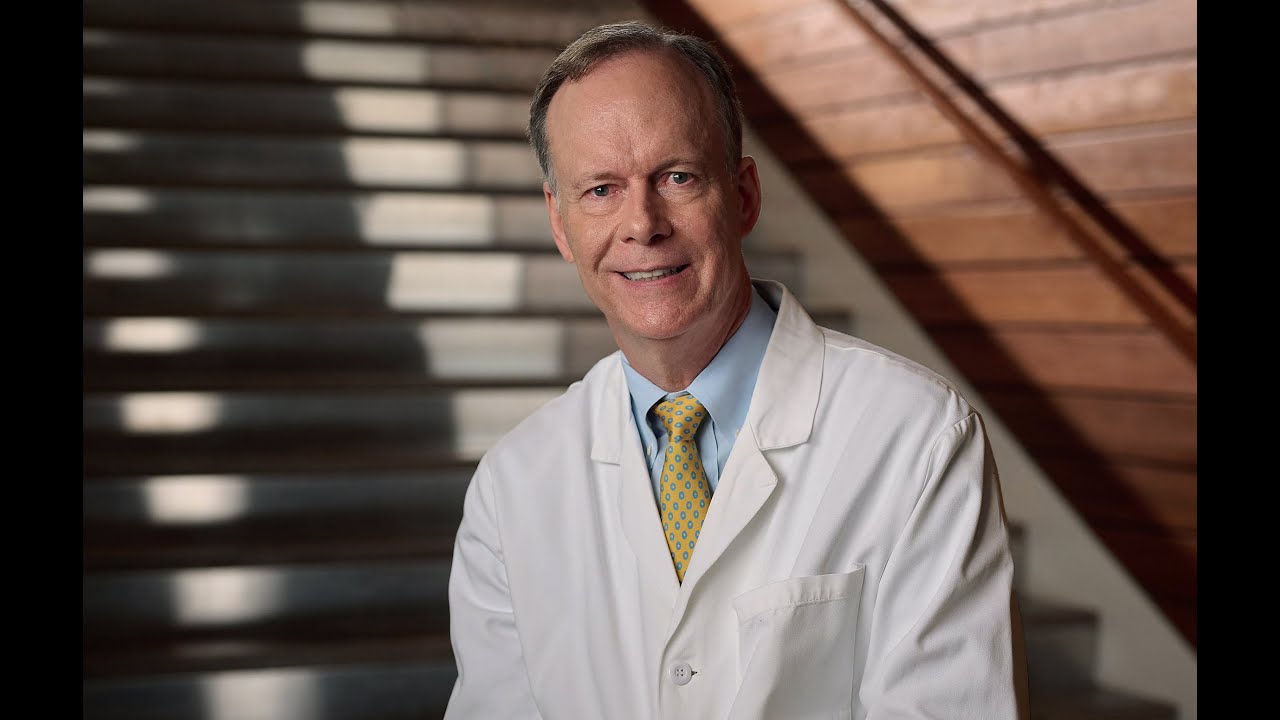
William Kaelin Jr. is a Nobel Prize-winning physician-scientist whose research fundamentally advanced the understanding of how cells sense and adapt to oxygen availability, a discovery with profound implications for cancer treatment and anemia therapies. Born in New York City, Kaelin grew up in an academically oriented environment that encouraged scientific curiosity and analytical thinking. His early education reflected strong performance in mathematics and biology.
His career began in internal medicine and oncology research, where he focused on tumor suppressor genes and cancer biology. Kaelin’s breakthrough came through his work on the von Hippel–Lindau (VHL) tumor suppressor pathway, which helped explain how cells respond to oxygen levels and regulate growth under stress conditions.
During the 1990s, Kaelin’s research contributed to foundational discoveries in cancer genetics, establishing key principles that would later transform therapeutic strategies for kidney cancer and other diseases. His work became central to modern molecular oncology.
Kaelin’s legacy lies in bridging fundamental cellular biology with clinical applications, reshaping cancer research and treatment development worldwide.
Key Facts
- Full name of the subject: William G. Kaelin Jr.
- Date of birth: November 23, 1957
- Place of birth: New York City, United States
- Family background: Educated American family
- Early childhood experiences: Strong interest in science and mathematics
- Education history: Duke University; Johns Hopkins School of Medicine
- Influences and mentors: Oncology and molecular biology researchers
- Career beginnings: Academic oncology and internal medicine practice
- Major achievements: Nobel Prize in Physiology or Medicine (2019)
- Challenges and obstacles faced: Complexity of cancer pathway research
- Turning points in life: Discovery of VHL pathway mechanisms
- Contributions to society: Advancements in cancer therapy and oxygen-sensing biology
- Personal life (marriage, children, relationships): Married; children
- Awards and recognitions: Nobel Prize in Medicine
- Beliefs, values, or philosophy: Evidence-based biomedical research
- Legacy and impact: Transformed understanding of cellular oxygen regulation
- Historical or cultural significance: Key figure in modern cancer biology
Notable Works: VHL tumor suppressor research
Oxygen sensing pathway discovery
Cancer biology advancements
Kidney cancer therapeutic frameworks
Controversies:
William Kaelin Jr.’s scientific career has not been associated with misconduct or disciplinary controversy; however, as with many high-impact biomedical discoveries, his research exists within broader academic debates regarding translational timelines from basic science to clinical application. The issue centers on how long it takes for molecular discoveries to become widely accessible treatments.
Key stakeholders include academic institutions, pharmaceutical developers, regulatory agencies, and oncology researchers. Critics of biomedical research systems often highlight delays in translating laboratory findings into therapies, while Kaelin and the scientific community emphasize the complexity and rigor required for safe clinical development. Peer-reviewed evaluations strongly support the validity of his findings.
No formal allegations or ethical violations have been recorded. The matter remains a systemic discussion about biomedical innovation pipelines rather than individual controversy.
Notable Mentions:
Tu Youyou
Jonas Salk
Gro Harlem Brundtland
Peter Hotez
Denis Mukwege