Top 10 Martial Arts Icons
Top 10 Martial Arts Icons
In This Content
1. Bruce Lee
Bruce Lee emerged from a complex cultural and familial environment that shaped both his physical discipline and philosophical outlook on martial arts. Born in San Francisco and raised in Hong Kong, Lee’s early exposure to both Eastern and Western cultures gave him a unique perspective on movement, identity, and personal expression. As a child actor in Hong Kong cinema, he developed early screen presence, but it was his exposure to street fighting and traditional Chinese martial arts that sparked his deeper fascination with combat efficiency and physical mastery. These early experiences created a foundation that would later redefine global martial arts philosophy.
Lee’s career began not as a martial arts instructor, but as an actor navigating Hong Kong’s film industry before moving to the United States. There, he initially gained attention through television roles, most notably in The Green Hornet, where his portrayal of Kato introduced American audiences to a new level of on-screen martial arts realism. However, his breakthrough came when he rejected rigid traditional styles and developed Jeet Kune Do, a philosophy emphasizing adaptability, efficiency, and personal expression. This approach challenged centuries of martial tradition and positioned him as both a practitioner and revolutionary thinker.
During his peak in the early 1970s, Lee’s films The Big Boss, Fist of Fury, and Enter the Dragon redefined martial arts cinema. His screen presence combined explosive physicality with philosophical depth, making his performances feel both visceral and intellectually charged. Unlike conventional action stars, Lee infused his choreography with rhythm, authenticity, and emotional intent, elevating fight sequences into narrative expressions of identity and resistance. His global impact transformed martial arts from a niche discipline into a worldwide cultural phenomenon.
Lee’s legacy is defined not only by his films but by his philosophical restructuring of martial arts as a personal journey rather than a rigid system. He remains a symbol of discipline, self-expression, and cross-cultural integration, influencing generations of athletes, actors, and fighters worldwide.
Key Facts
- Full name of the subject: Bruce Jun Fan Lee
- Date of birth: November 27, 1940
- Place of birth: San Francisco, California, USA
- Family background: Son of Chinese opera performer Lee Hoi-chuen
- Early childhood experiences: Raised in Hong Kong; child actor in cinema
- Education history: University of Washington (philosophy studies)
- Influences and mentors: Yip Man, Taoist philosophy, Western boxing
- Career beginnings: Hong Kong child actor; later U.S. television actor
- Major achievements: Founder of Jeet Kune Do; global martial arts icon
- Challenges and obstacles faced: Racism in Hollywood, industry skepticism
- Turning points in life: Development of Jeet Kune Do philosophy
- Contributions to society: Globalization of martial arts culture
- Personal life (marriage, children, relationships): Married Linda Lee Cadwell; two children
- Awards and recognitions: Posthumous global cinematic and cultural honors
- Beliefs, values, or philosophy: “Absorb what is useful”; adaptability in combat and life
- Legacy and impact: Revolutionized martial arts philosophy and cinema
- Historical or cultural significance: Bridged Eastern and Western martial arts traditions
Notable Works:
The Big Boss; Fist of Fury; The Way of the Dragon; Enter the Dragon
Controversies:
Bruce Lee’s rapid rejection of traditional martial arts systems generated debate within martial arts communities regarding authenticity and lineage. The issue centered on his criticism of rigid styles, which some traditional practitioners viewed as disrespectful to centuries-old disciplines. This controversy emerged during the 1960s and early 1970s, a period when martial arts were deeply tied to cultural identity and lineage preservation.
Key stakeholders included traditional martial arts schools, Lee’s students, contemporary fighters, and film industry observers. Critics argued that Jeet Kune Do diluted formal martial traditions, while supporters viewed it as a necessary evolution toward practical combat efficiency. Lee himself framed his philosophy as liberation from limitation rather than rejection of tradition.
While no formal institutional ruling addressed his methods, the debate remains active in martial arts philosophy today. The controversy ultimately contributed to a broader redefinition of martial arts as adaptive systems rather than fixed doctrines.
2. Jackie Chan
Jackie Chan’s rise in martial arts cinema is rooted in a childhood defined by intense discipline, rigorous physical training, and immersion in traditional Chinese opera performance. Born in Hong Kong to working-class parents, Chan was enrolled at the China Drama Academy, where he underwent years of strict training in acrobatics, martial arts, and performance under the demanding guidance of Master Yu Jim-Yuen. This environment forged his extraordinary physical adaptability and comedic timing, both of which would later define his cinematic identity.
Chan’s career began as a stuntman in Hong Kong cinema, where he struggled initially to escape the shadow of Bruce Lee’s towering legacy. Early attempts to position him as a traditional martial arts hero failed, prompting a radical reinvention of his screen persona. His breakthrough came when he fused martial arts with slapstick comedy, creating a distinct cinematic language characterized by improvisational stunts, physical humor, and high-risk choreography. Films like Snake in the Eagle’s Shadow and Drunken Master marked the beginning of his ascent.
At his peak in the 1990s, Jackie Chan became a global superstar through films such as Police Story, Armour of God, and later Hollywood crossover hits like Rush Hour. His screen presence was defined by an unparalleled commitment to practical stunt work, often performing dangerous sequences without doubles. This authenticity created a visceral connection with audiences and distinguished him from digitally enhanced action stars. His style expanded the definition of martial arts cinema into a hybrid of action, comedy, and human vulnerability.
Chan’s legacy lies in redefining action choreography as both entertainment and physical storytelling. He influenced global stunt coordination standards and inspired generations of performers to prioritize authenticity and innovation in action cinema.
Key Facts
- Full name of the subject: Chan Kong-sang (Jackie Chan)
- Date of birth: April 7, 1954
- Place of birth: Victoria Peak, Hong Kong
- Family background: Working-class Chinese family
- Early childhood experiences: Enrolled in strict Chinese opera school
- Education history: China Drama Academy training
- Influences and mentors: Yu Jim-Yuen, Bruce Lee
- Career beginnings: Stuntman in Hong Kong cinema
- Major achievements: Global action film superstar; stunt choreography pioneer
- Challenges and obstacles faced: Early career rejection, physical injuries
- Turning points in life: Breakthrough in Drunken Master
- Contributions to society: Innovation in stunt safety and action choreography
- Personal life (marriage, children, relationships): Married Joan Lin; father of Jaycee Chan
- Awards and recognitions: Honorary Academy Award; global cinematic honors
- Beliefs, values, or philosophy: Discipline, perseverance, practical creativity
- Legacy and impact: Redefined martial arts action-comedy genre
- Historical or cultural significance: Global ambassador of Hong Kong cinema
Notable Works:
Drunken Master; Police Story; Armour of God; Rush Hour series
Controversies:
Jackie Chan’s public statements regarding discipline and personal conduct, as well as certain political remarks, have generated debate across different regions. The controversy centers on perceptions that his comments reflect conservative views on family and governance that have been interpreted differently across cultural contexts. This issue arose primarily during his international rise in the 1990s and 2000s when his public profile expanded beyond cinema into global celebrity status.
Key stakeholders include international media, film audiences, cultural commentators, and political analysts. Critics have occasionally argued that some of Chan’s remarks appear aligned with state perspectives, while supporters emphasize his focus on unity and cultural stability rather than political endorsement. Chan has clarified in various interviews that his statements were intended as personal opinions rather than political directives.
Factually, no formal institutional sanctions or professional consequences have been recorded in relation to these controversies. The impact has largely been reputational and interpretive, varying significantly by region. The controversy highlights the complexity of global celebrity status in politically sensitive environments.
3. Jet Li
Jet Li’s emergence as a martial arts icon is deeply rooted in his disciplined upbringing within China’s state-sponsored wushu training system. Born in Beijing, Li was identified early as a martial arts prodigy and enrolled in rigorous athletic programs designed to cultivate elite national champions. His childhood was defined by structured training, competitive discipline, and early exposure to performance-based martial arts exhibitions that showcased precision, speed, and control.
Li’s career began as a national wushu champion before transitioning into film, where his athletic prowess translated seamlessly into cinematic storytelling. His breakthrough came with Shaolin Temple, a film that introduced him to international audiences and established him as a new generation martial arts star. Unlike many of his predecessors, Li’s style emphasized fluidity, technical precision, and choreographed elegance rooted in traditional wushu principles.
At his peak during the 1990s, Jet Li dominated both Chinese and international cinema with films such as Once Upon a Time in China and later Hollywood productions like Lethal Weapon 4. His screen presence combined calm intensity with explosive speed, creating a unique aesthetic that contrasted with more theatrical martial arts styles. His performances conveyed discipline and restraint, reflecting his deep training background and philosophical approach to combat.
Jet Li’s legacy is defined by his ability to bridge traditional Chinese martial arts with global cinematic expression. He remains a symbol of technical mastery, discipline, and the globalization of wushu culture.
Key Facts
- Full name of the subject: Li Lianjie (Jet Li)
- Date of birth: April 26, 1963
- Place of birth: Beijing, China
- Family background: Working-class Chinese family
- Early childhood experiences: Enrolled in national wushu training at a young age
- Education history: Beijing Shichahai Sports School
- Influences and mentors: Wu Bin, Chinese martial arts masters
- Career beginnings: National wushu champion
- Major achievements: International martial arts film star; wushu champion
- Challenges and obstacles faced: Physical injuries, transition from sport to film
- Turning points in life: Success of Shaolin Temple
- Contributions to society: Global promotion of wushu martial arts
- Personal life (marriage, children, relationships): Married Nina Li Chi
- Awards and recognitions: International film and sports honors
- Beliefs, values, or philosophy: Discipline, humility, inner balance
- Legacy and impact: Global recognition of wushu cinema
- Historical or cultural significance: Cultural ambassador of Chinese martial arts
Notable Works:
Shaolin Temple; Once Upon a Time in China series; Hero; Fearless; Lethal Weapon 4
Controversies:
Jet Li’s participation in both Chinese state-supported cinema and Hollywood productions has generated debate regarding cultural representation and artistic alignment. The controversy centers on perceptions that his career navigated between national cultural promotion and global commercial entertainment. This issue became more prominent during the 1990s as Chinese cinema expanded internationally.
Key stakeholders include Chinese film authorities, Hollywood studios, cultural critics, and international audiences. Critics have occasionally questioned whether his roles reinforced state narratives, while supporters emphasize his role in elevating Chinese martial arts on the global stage. Li has maintained that his focus remained on cultural storytelling rather than political messaging.
No formal disputes or institutional actions have been recorded against Jet Li. The controversy remains interpretive and cultural rather than procedural, reflecting broader tensions in global film industries.
4. Chuck Norris
Chuck Norris rose from a modest Midwestern upbringing to become one of the most recognizable martial arts figures in global popular culture. Born in rural Oklahoma and raised in a working-class household shaped by instability and financial hardship, Norris experienced a childhood marked by shyness and insecurity. These early struggles pushed him toward discipline and structure, which he eventually found in martial arts during his military service in South Korea. There, he trained in Tang Soo Do, a Korean striking art that would form the foundation of his combat identity.
Norris’s career began upon his return to the United States, where he initially struggled to establish himself as a martial artist in a country still largely unfamiliar with Asian combat disciplines. Early competition success in karate tournaments helped him build credibility, but his true breakthrough came through his victories in professional martial arts championships, including becoming a world karate champion. His transition into acting was initially secondary, but his physical presence and disciplined demeanor soon attracted Hollywood attention.
By the 1990s, Norris had become a major action film and television star, particularly through Walker, Texas Ranger. His screen persona emphasized moral certainty, controlled aggression, and unwavering justice. Unlike more flamboyant martial arts performers, Norris cultivated a restrained, stoic performance style that aligned with American law-and-order narratives of the era. His influence extended beyond film into fitness culture, military training programs, and martial arts schools globally.
Norris’s legacy is rooted in the mainstreaming of martial arts within Western action cinema and his transformation into a cultural symbol of discipline and resilience.
Key Facts
- Full name of the subject: Carlos Ray Norris
- Date of birth: March 10, 1940
- Place of birth: Ryan, Oklahoma, USA
- Family background: Working-class family
- Early childhood experiences: Shy, introverted upbringing; limited resources
- Education history: U.S. Air Force service training; martial arts study in Korea
- Influences and mentors: Korean Tang Soo Do masters
- Career beginnings: Air Force serviceman and martial arts student
- Major achievements: World karate champion; action film and TV star
- Challenges and obstacles faced: Early career obscurity, industry skepticism
- Turning points in life: Martial arts championship victories
- Contributions to society: Popularization of karate in the West
- Personal life (marriage, children, relationships): Married Gena O’Kelley
- Awards and recognitions: Martial arts hall of fame inductions
- Beliefs, values, or philosophy: Discipline, faith, personal responsibility
- Legacy and impact: Icon of American martial arts cinema
- Historical or cultural significance: Bridge between Eastern martial arts and Western entertainment
Notable Works:
Way of the Dragon; Missing in Action series; Delta Force; Walker, Texas Ranger
Controversies:
Chuck Norris has faced public debate regarding political commentary associated with his public persona and endorsements of ideological positions. The controversy centers on his alignment with conservative political messaging during his later career, particularly in relation to public statements and campaign support. This issue emerged during the expansion of celebrity political engagement in the 2000s.
Key stakeholders include political commentators, entertainment media, audiences, and advocacy groups. Critics argued that his public endorsements blurred the boundary between entertainment and political influence, while supporters viewed his positions as expressions of personal belief. Norris has consistently framed his statements as aligned with personal values rather than professional obligations.
No formal professional sanctions or institutional actions have been recorded. The controversy primarily influenced public perception and media framing rather than his martial arts or acting career.
5. Donnie Yen
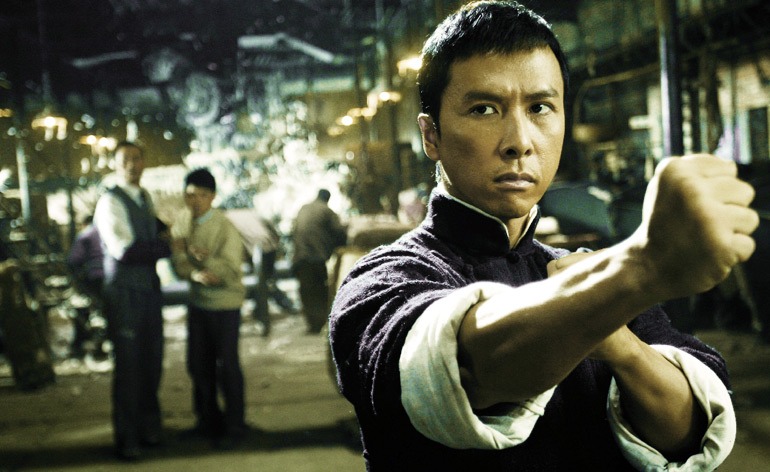
Donnie Yen’s rise as a martial arts icon is rooted in a uniquely global upbringing shaped by exposure to both Chinese martial traditions and Western training methodologies. Born in Guangzhou and raised in Hong Kong and later Boston, Yen’s mother was a martial arts master, which profoundly influenced his early exposure to combat disciplines. His childhood combined formal martial arts training with Western education, giving him a hybrid identity that later defined his cinematic versatility.
Yen’s career began in Hong Kong action cinema during the 1980s, where he initially struggled to distinguish himself in a highly competitive industry dominated by established stars. His early roles showcased strong technical ability but lacked the signature identity that would later define him. His breakthrough came with films such as Iron Monkey and later Once Upon a Time in China II, where his portrayal of complex antagonists revealed his capacity for both physical precision and emotional depth.
By the 1990s, Donnie Yen had evolved into a leading figure in action choreography and performance. His screen style was characterized by speed, realism, and grounded combat systems influenced by mixed martial arts principles. Unlike highly stylized choreography of earlier decades, Yen emphasized authenticity and kinetic realism, often integrating multiple fighting disciplines into seamless sequences. His work significantly influenced the modernization of martial arts cinema in Asia.
Donnie Yen’s legacy lies in bridging traditional Hong Kong action cinema with contemporary MMA-influenced choreography, shaping the visual language of modern martial arts films worldwide.
Key Facts
- Full name of the subject: Donnie Yen Chi-tan
- Date of birth: July 27, 1963
- Place of birth: Guangzhou, China
- Family background: Martial arts family; mother was a Tai Chi master
- Early childhood experiences: Raised between China, Hong Kong, and the United States
- Education history: Boston martial arts and Western education exposure
- Influences and mentors: Mother (Bow-sim Mark), Bruce Lee, Jackie Chan
- Career beginnings: Hong Kong action film actor
- Major achievements: International martial arts film star; action choreographer
- Challenges and obstacles faced: Early career typecasting, industry competition
- Turning points in life: Success of Iron Monkey
- Contributions to society: Modernization of martial arts choreography
- Personal life (marriage, children, relationships): Married Cissy Wang
- Awards and recognitions: Multiple Hong Kong Film Awards
- Beliefs, values, or philosophy: Realism, discipline, technical innovation
- Legacy and impact: Pioneer of modern MMA-style cinema
- Historical or cultural significance: Key figure in evolution of contemporary action film
Notable Works:
Iron Monkey; Ip Man series; Once Upon a Time in China II; Rogue One: A Star Wars Story
Controversies:
Donnie Yen has faced periodic public debate regarding his political statements and participation in films with politically sensitive themes. The controversy centers on interpretations of his public support for government positions in relation to Hong Kong’s entertainment industry dynamics. This issue became more visible during periods of heightened political tension in the region.
Key stakeholders include film industry professionals, political commentators, international audiences, and media outlets. Critics argue that his statements reflect alignment with official narratives, while supporters emphasize his focus on national unity and career professionalism. Yen has stated that his remarks are intended to reflect personal viewpoints rather than political advocacy.
No formal legal or professional disciplinary actions have been recorded. The controversy remains largely reputational and interpretive, reflecting broader tensions between entertainment figures and political discourse in global cinema.
6. Tony Jaa
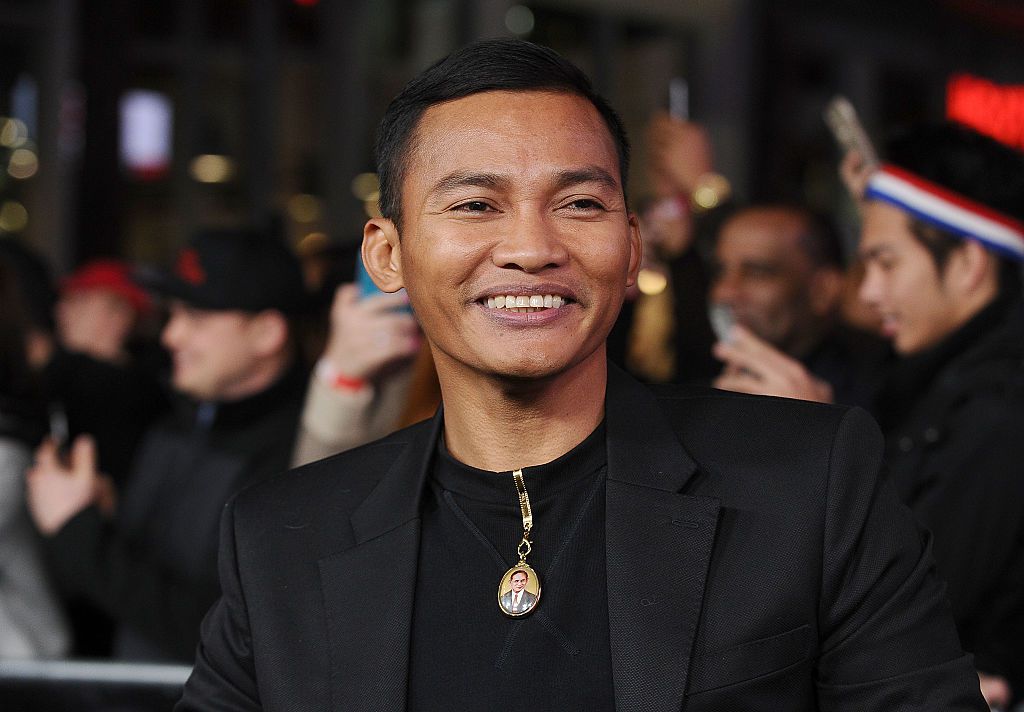
Tony Jaa emerged from rural Thailand as a groundbreaking martial arts performer who redefined global awareness of Muay Thai in cinema. Born into a farming family in Surin Province, Jaa grew up observing elephants and traditional Thai culture, both of which deeply influenced his physical discipline and movement style. His early fascination with martial arts films inspired him to pursue formal training in Muay Thai, gymnastics, and stunt performance despite limited resources.
Jaa’s career began in Thai stunt work and local productions, where he trained under veteran action choreographer Panna Rittikrai. His breakthrough came with Ong-Bak: Muay Thai Warrior, a film that showcased his raw athleticism and uncompromising commitment to practical stunts. Unlike many contemporaries, Jaa performed highly dangerous sequences without safety equipment, establishing a new benchmark for realism in action cinema.
During his peak in the early 2000s, Tony Jaa became an international sensation. His screen presence was defined by explosive physicality, minimal reliance on special effects, and deeply cultural choreography rooted in Muay Boran traditions. His films introduced global audiences to authentic Thai martial arts, elevating Muay Thai to international cinematic recognition.
Tony Jaa’s legacy lies in expanding the global martial arts landscape beyond East Asian dominance, positioning Southeast Asian martial traditions at the center of action cinema innovation.
Key Facts
- Full name of the subject: Panom Yeerum (Tony Jaa)
- Date of birth: February 5, 1976
- Place of birth: Surin Province, Thailand
- Family background: Rural farming family
- Early childhood experiences: Grew up among elephants and rural traditions
- Education history: Mahamakut Buddhist University (physical education)
- Influences and mentors: Panna Rittikrai, Bruce Lee
- Career beginnings: Stunt performer in Thai action films
- Major achievements: Global Muay Thai cinema icon
- Challenges and obstacles faced: Financial hardship, dangerous stunt injuries
- Turning points in life: Breakthrough role in Ong-Bak
- Contributions to society: Global recognition of Muay Thai martial arts
- Personal life (marriage, children, relationships): Married Piyarat Chotiwattananont
- Awards and recognitions: International martial arts film awards
- Beliefs, values, or philosophy: Discipline, authenticity, cultural pride
- Legacy and impact: Redefined realism in martial arts cinema
- Historical or cultural significance: Global ambassador of Muay Thai
Notable Works:
Ong-Bak; Tom-Yum-Goong (The Protector); Furious 7; Triple Threat
Controversies:
Tony Jaa’s early career included controversy surrounding the extreme physical risk involved in his stunt work. The issue centered on whether the production practices in his early films exposed performers to unnecessary danger without adequate safety measures. This debate arose during the production of Ong-Bak, where many stunts were performed without modern safety equipment.
Key stakeholders included film production crews, stunt coordinators, international distributors, and action cinema audiences. Critics expressed concern over the normalization of unsafe stunt practices, while supporters emphasized the authenticity and cultural significance of his performance style. Jaa has acknowledged the physical risks but framed them as part of his commitment to realism.
No formal regulatory action was taken against his productions, but the controversy contributed to ongoing discussions about stunt safety standards in action filmmaking.
7. Hélio Gracie
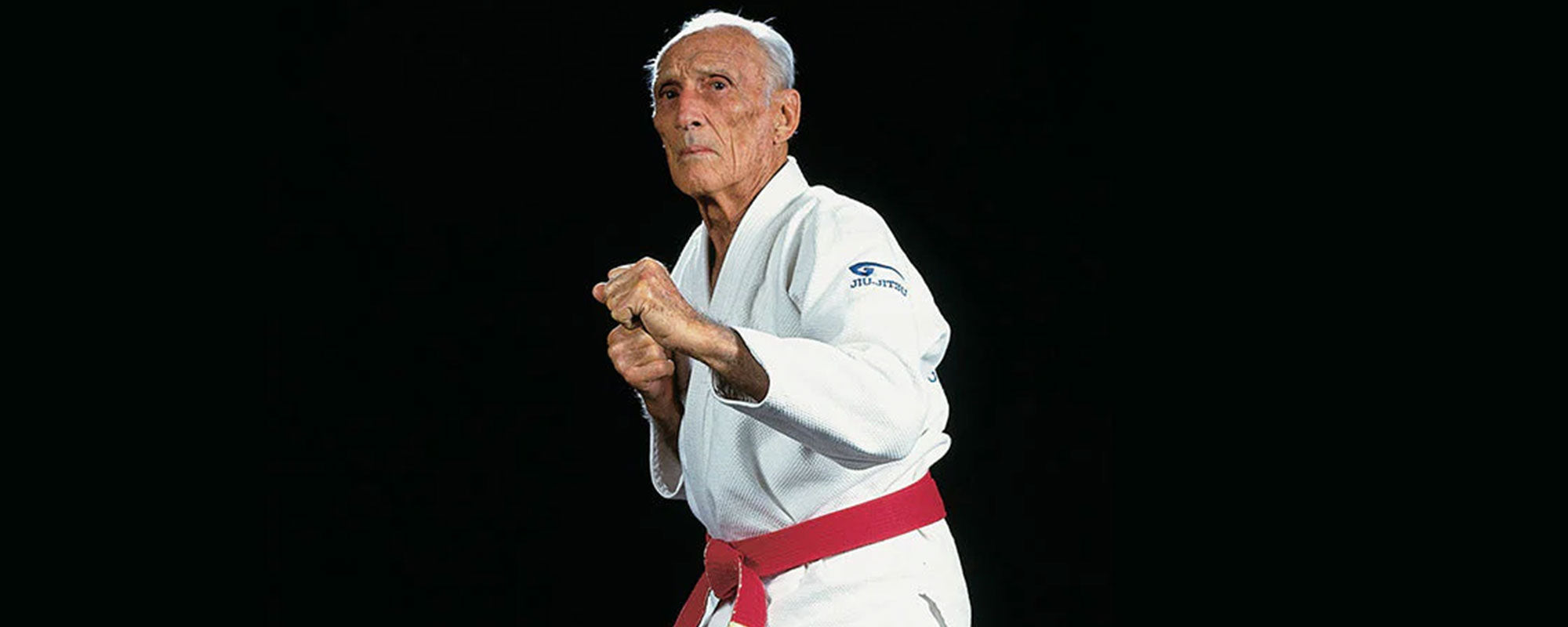
Hélio Gracie is widely regarded as one of the principal architects of Brazilian Jiu-Jitsu, a martial art that fundamentally transformed global grappling systems. Born in Brazil into the influential Gracie family, Hélio’s early life was marked by frailty and health limitations that prevented him from engaging in physically demanding activity. This condition became the catalyst for his lifelong focus on leverage, technique, and efficiency over brute strength, shaping the philosophical foundation of Brazilian Jiu-Jitsu.
Gracie’s career began under the tutelage of his brother Carlos Gracie, who introduced him to adapted Japanese jiu-jitsu techniques brought to Brazil by Mitsuyo Maeda. Hélio’s breakthrough came when he modified these techniques to suit smaller, weaker practitioners, emphasizing ground fighting, positional control, and submission holds. His early challenge matches against larger opponents became legendary demonstrations of technique overcoming size disparity.
By the late 20th century, particularly in the 1990s through the rise of mixed martial arts, Gracie’s influence became globally visible. The Gracie family’s participation in early UFC events showcased the effectiveness of Brazilian Jiu-Jitsu against diverse martial arts styles. This period cemented Hélio’s legacy as a revolutionary figure whose system reshaped modern combat sports.
Hélio Gracie’s legacy endures as the foundation of modern grappling, fundamentally influencing MMA, self-defense systems, and martial arts training worldwide.
Key Facts
- Full name of the subject: Hélio Gracie
- Date of birth: October 1, 1913
- Place of birth: Belém, Pará, Brazil
- Family background: Prominent Gracie martial arts family
- Early childhood experiences: Physically weak and medically restricted childhood
- Education history: Informal martial arts education within Gracie family
- Influences and mentors: Carlos Gracie, Mitsuyo Maeda techniques
- Career beginnings: Brazilian Jiu-Jitsu instructor and challenge fighter
- Major achievements: Founder of Gracie Jiu-Jitsu system adaptation
- Challenges and obstacles faced: Physical weakness, early skepticism
- Turning points in life: Development of leverage-based ground fighting system
- Contributions to society: Globalization of Brazilian Jiu-Jitsu
- Personal life (marriage, children, relationships): Father of multiple Gracie fighters
- Awards and recognitions: Global recognition in martial arts history
- Beliefs, values, or philosophy: Technique over strength; efficiency in combat
- Legacy and impact: Foundation of modern MMA grappling systems
- Historical or cultural significance: Key figure in global combat sports evolution
Notable Works:
Development of Gracie Jiu-Jitsu system; early challenge matches; UFC influence via Gracie family
Controversies:
Hélio Gracie’s open challenge matches and aggressive promotion of Brazilian Jiu-Jitsu generated debate regarding safety, sportsmanship, and legitimacy of early martial arts competitions. The controversy centers on whether these public challenges were genuine skill demonstrations or promotional events designed to elevate Gracie Jiu-Jitsu above competing styles. This issue emerged prominently during mid-20th-century martial arts development in Brazil.
Key stakeholders included competing martial artists, combat sports audiences, Gracie family members, and early MMA promoters. Critics argued that some matches lacked standardized rules or competitive balance, while supporters emphasized their role in proving the effectiveness of ground fighting systems. Hélio Gracie maintained that his challenge matches were legitimate tests of martial effectiveness.
No formal sporting authority at the time regulated these encounters, leaving outcomes largely interpreted through public perception. The controversy contributed to broader debates on martial arts authenticity and the evolution of regulated mixed martial arts competition.
8. Mas Oyama

Mas Oyama stands as one of the most formidable and mythologized figures in modern karate history, known for his extreme training methods and the creation of Kyokushin Karate. Born in Korea under Japanese occupation and later raised in Japan, Oyama’s early life was shaped by cultural displacement and a search for identity. His formative years were marked by rigorous physical training and a growing fascination with martial discipline as a path to self-mastery.
Oyama’s career began after intensive study of various martial arts, including Shotokan karate. His breakthrough came through his development of Kyokushin Karate, a full-contact style that emphasized realism, endurance, and psychological toughness. His mountain training retreats, where he reportedly isolated himself for extended periods, contributed to his legendary reputation as a martial artist who pushed human limits.
By the late 20th century, Kyokushin Karate had become a global movement, with dojos established worldwide. Oyama’s demonstrations of breaking techniques and endurance challenges captivated audiences and practitioners alike. His approach contrasted sharply with traditional point-based karate systems, emphasizing real combat effectiveness over ceremonial formality.
Mas Oyama’s legacy is defined by the global spread of full-contact karate and the redefinition of martial discipline as a test of physical and mental endurance.
Key Facts
- Full name of the subject: Choi Yeong-eui (Masutatsu Oyama)
- Date of birth: July 27, 1923
- Place of birth: Gimje, Korea (then under Japanese rule)
- Family background: Korean-Japanese cultural background
- Early childhood experiences: Displacement and identity struggles
- Education history: Martial arts training in Japan
- Influences and mentors: Shotokan karate masters
- Career beginnings: Martial arts instructor and founder of Kyokushin Karate
- Major achievements: Founder of Kyokushin Karate system
- Challenges and obstacles faced: Cultural identity conflict, physical extremity training risks
- Turning points in life: Establishment of Kyokushin organization
- Contributions to society: Global full-contact karate system
- Personal life (marriage, children, relationships): Married and fathered children
- Awards and recognitions: International recognition in karate world
- Beliefs, values, or philosophy: Discipline, endurance, self-mastery
- Legacy and impact: Founder of modern full-contact karate movement
- Historical or cultural significance: Pioneer of realistic karate training systems
Notable Works:
Kyokushin Karate system; public demonstrations; martial arts training philosophy
Controversies:
Mas Oyama’s extreme training methods, including publicized claims of mountain isolation and fighting bulls, generated controversy regarding the authenticity and safety of his martial arts demonstrations. The issue centers on whether these accounts were literal achievements or partially exaggerated to enhance Kyokushin Karate’s reputation. This debate emerged during the global expansion of Kyokushin in the mid-to-late 20th century.
Key stakeholders include Kyokushin practitioners, martial arts historians, international karate federations, and media outlets. Critics questioned the verifiability of certain feats attributed to Oyama, while supporters argued that his documented training innovations and fighting records speak for themselves. Oyama rarely engaged in public disputes over these claims.
No formal institutional body has definitively verified or disproven many of the legendary accounts. The controversy remains a mix of documented history and martial arts folklore, contributing to his mythic status.
9. Anderson Silva
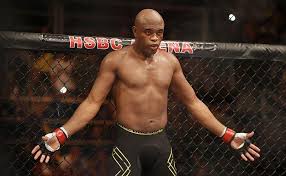
Anderson Silva is widely regarded as one of the most technically gifted mixed martial artists in modern combat sports history. Born in São Paulo, Brazil, Silva’s early life was marked by financial hardship and exposure to urban violence, which influenced his decision to pursue martial arts as a path toward discipline and stability. He began training in Taekwondo, Judo, and later Muay Thai, developing a fluid and adaptive fighting style that would define his professional career.
Silva’s career began in regional Brazilian promotions before moving to international circuits in Japan’s PRIDE and Rumble on the Rock organizations. His breakthrough came in the Ultimate Fighting Championship (UFC), where he quickly established dominance in the middleweight division. His precision striking, elusive movement, and psychological control inside the cage set him apart from his peers, earning him one of the longest championship reigns in UFC history.
During his peak in the 1990s and early 2000s transition period into modern MMA prominence, Silva became a global superstar. His performances were characterized by minimal effort, counter-striking brilliance, and an almost artistic interpretation of combat timing. He defeated numerous top contenders with apparent ease, reshaping expectations of striking mastery in mixed martial arts.
Anderson Silva’s legacy lies in his transformation of MMA striking into a highly technical and cerebral discipline, influencing generations of fighters worldwide.
Key Facts
- Full name of the subject: Anderson da Silva
- Date of birth: April 14, 1975
- Place of birth: São Paulo, Brazil
- Family background: Working-class Brazilian family
- Early childhood experiences: Exposure to urban hardship
- Education history: Martial arts training in Taekwondo, Judo, Muay Thai
- Influences and mentors: Brazilian striking coaches, Muay Thai practitioners
- Career beginnings: Brazilian regional MMA competitions
- Major achievements: UFC Middleweight Champion; record title defenses
- Challenges and obstacles faced: Early career instability, injuries
- Turning points in life: UFC championship victory
- Contributions to society: Global MMA evolution and striking innovation
- Personal life (marriage, children, relationships): Married Dayane Silva
- Awards and recognitions: UFC records and global martial arts honors
- Beliefs, values, or philosophy: Precision, patience, mental control
- Legacy and impact: One of the greatest MMA strikers in history
- Historical or cultural significance: Redefined modern mixed martial arts striking
Notable Works:
UFC championship reign; legendary bouts vs Forrest Griffin, Rich Franklin, Vitor Belfort
Controversies:
Anderson Silva’s career includes controversy surrounding a failed drug test for banned substances following a high-profile UFC bout. The issue centered on whether performance-enhancing substances influenced his athletic performance or recovery. This controversy emerged during increased global scrutiny of anti-doping enforcement in mixed martial arts.
Key stakeholders included the UFC organization, anti-doping agencies, Silva’s team, and the athletic commission overseeing the bout. Critics argued that the violation affected competitive integrity, while supporters pointed to medical explanations and inconsistencies in testing protocols. Silva acknowledged the findings but maintained varying explanations regarding context.
The case resulted in disciplinary action, including suspension and overturning of a fight result. The controversy significantly impacted his competitive legacy, although he remains widely regarded as one of the sport’s most skilled fighters.
Notable Mentions:
Gichin Funakoshi
Wong Fei-hung
Masahiko Kimura
Royce Gracie
Steven Seagal