
Top 10 Chhattisgarhi (India) Movie Legends of the 90
Top 10 Chhattisgarhi (India) Movie Legends of the 90
In This Content
Quick List
Anuj Sharma
Satish Jain
Govind Ram Nirmalkar
Habib Tanvir
Punaram Nishad
Kalyan Sen
Zafar Ahmed
Sheshpal Singh
Shivkumar Deepak
Lata Khaparde
1. Anuj Sharma
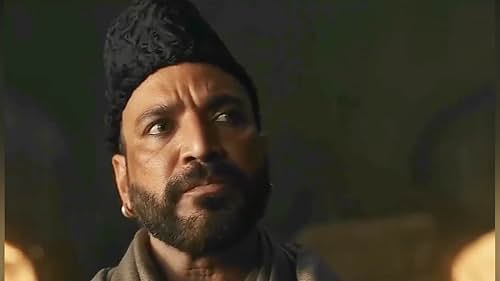
Anuj Sharma is widely regarded as the first true superstar of Chhattisgarhi cinema, a performer whose rise in the late 1990s symbolized the emergence of a structured regional film identity. Born in Chhattisgarh, he grew up in a culturally rooted environment where folk theatre, traditional storytelling, and music were deeply embedded in everyday life. This early exposure shaped his expressive performance style and strong emotional intelligence.
His career began in theatre and local cultural productions, where he quickly gained attention for his natural screen presence and ability to connect with rural audiences. As Chhollywood began to take shape in the 1990s, Anuj Sharma transitioned into films that blended folk sensibilities with emerging cinematic storytelling.
His breakthrough came through early regional hits that established him as a leading man with mass appeal. His performances were characterized by emotional clarity, simplicity, and strong cultural grounding, making him instantly relatable to audiences across rural Chhattisgarh.
By the end of the decade, Anuj Sharma had become the defining face of Chhollywood cinema. His legacy lies in establishing the star system in Chhattisgarhi films and laying the foundation for the industry’s commercial identity.
Key Facts
- Full name of the subject: Anuj Sharma
- Date of birth: Unknown (Chhattisgarh, India)
- Place of birth: Chhattisgarh, India
- Family background: Traditional Chhattisgarhi family
- Early childhood experiences: Exposure to folk theatre and cultural storytelling
- Education history: Completed education in Chhattisgarh
- Influences and mentors: Local theatre artists
- Career beginnings: Stage performances and cultural programs
- Major achievements: First major superstar of Chhollywood cinema
- Challenges and obstacles faced: Limited film infrastructure in early industry
- Turning points in life: Entry into regional film industry
- Contributions to society: Popularized Chhattisgarhi cinema identity
- Personal life (marriage, children, relationships): Private family life
- Awards and recognitions: Regional cinema honors
- Beliefs, values, or philosophy: Cultural authenticity and storytelling
- Legacy and impact: Pioneer of Chhollywood star culture
- Historical or cultural significance: Foundational figure of 1990s Chhattisgarhi cinema
Notable Works: Early Chhattisgarhi folk-based films and regional hits of the 1990s
Controversies: Anuj Sharma’s career remained largely free of direct controversy, though early Chhattisgarhi cinema faced broader criticism regarding limited production standards and informal distribution structures. The issue involved filmmakers, cultural institutions, and regional media observers assessing the professionalism of the emerging industry. Sharma himself was not directly implicated in disputes. Industry analysis indicates these concerns reflected structural growing pains rather than individual actions, with minimal impact on his reputation.
2. Satish Jain
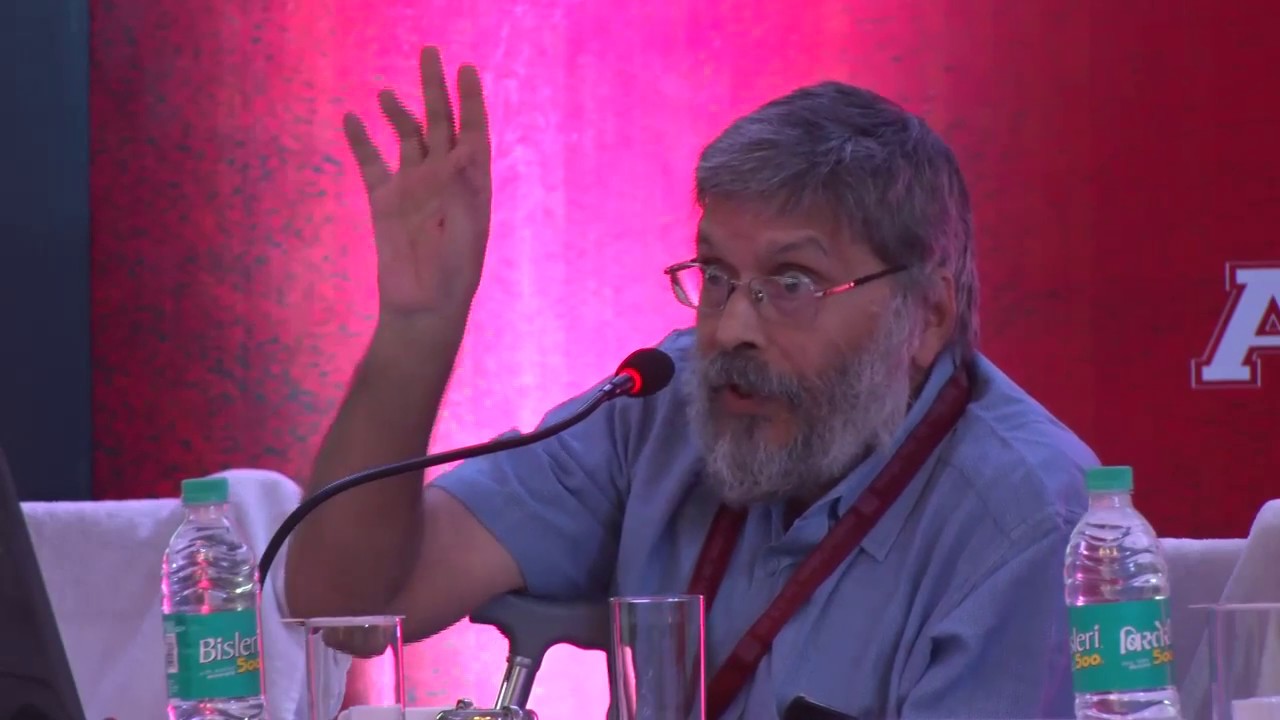
Satish Jain played a crucial role in shaping the narrative and structural foundations of early Chhollywood cinema, particularly through his work as a director and writer in the 1990s. Born in India, he developed an early interest in storytelling, scriptwriting, and theatrical direction, which later influenced his cinematic approach.
His career began in regional theatre and small-scale film projects, where he focused on adapting folk narratives into structured screenplay formats. In the 1990s, as Chhattisgarhi cinema began formalizing, Satish Jain became instrumental in building its narrative grammar and production discipline.
His breakthrough came through films that integrated folk themes with structured cinematic storytelling. His directorial approach emphasized simplicity, emotional clarity, and cultural authenticity, making his films widely accessible to rural audiences.
By the end of the decade, Satish Jain had established himself as a foundational creative force in Chhollywood. His legacy lies in structuring early Chhattisgarhi cinema into a coherent storytelling industry.
Key Facts
- Full name of the subject: Satish Jain
- Date of birth: Unknown (India)
- Place of birth: India
- Family background: Middle-class Indian family
- Early childhood experiences: Interest in storytelling and theatre
- Education history: Studied arts and film-related disciplines
- Influences and mentors: Theatre directors and folk storytellers
- Career beginnings: Stage writing and regional direction
- Major achievements: Early architect of Chhattisgarhi cinema narratives
- Challenges and obstacles faced: Lack of formal film infrastructure
- Turning points in life: Transition into Chhollywood filmmaking
- Contributions to society: Structured early regional film storytelling
- Personal life (marriage, children, relationships): Private life
- Awards and recognitions: Regional cultural recognition
- Beliefs, values, or philosophy: Simplicity in storytelling
- Legacy and impact: Pioneer of Chhollywood narrative cinema
- Historical or cultural significance: Key builder of early Chhattisgarhi film structure
Notable Works: Early Chhollywood folk-based narrative films
Controversies: Satish Jain’s career did not involve major public controversies, though debates occasionally emerged regarding the low-budget nature of early Chhattisgarhi productions and their limited technical standards. The issue involved producers, cultural critics, and regional arts councils evaluating industry quality benchmarks. Jain defended these limitations as reflective of resource constraints. Industry analysis suggests the matter was structural and developmental, with no direct personal allegations or lasting reputational impact.
3. Govind Ram Nirmalkar
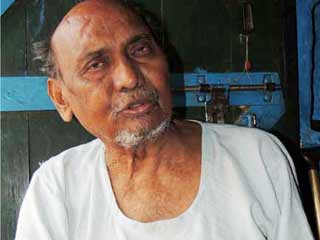
Govind Ram Nirmalkar was a towering figure in Chhattisgarhi folk performance, particularly in Pandwani storytelling, where he achieved legendary status. Born in Chhattisgarh, he grew up immersed in oral traditions, folk music, and mythological storytelling, which became the foundation of his artistic identity.
His career began as a folk performer, mastering traditional narrative singing and theatrical expression. His deep voice, emotional intensity, and command over mythological storytelling made him a respected cultural figure long before his association with cinema.
His breakthrough came through performances that brought folk traditions to wider audiences, eventually influencing Chhollywood storytelling aesthetics in the 1990s. His presence in films and cultural programs helped bridge traditional performance art with modern cinematic expression.
By the end of his career, Govind Ram Nirmalkar was recognized as a cultural institution. His legacy lies in preserving and elevating Chhattisgarhi folk traditions within modern entertainment frameworks.
Top 10 Female Entrepreneurs
Key Facts
- Full name of the subject: Govind Ram Nirmalkar
- Date of birth: Unknown (Chhattisgarh, India)
- Place of birth: Chhattisgarh, India
- Family background: Traditional folk artist family
- Early childhood experiences: Exposure to Pandwani storytelling
- Education history: Folk-based oral training
- Influences and mentors: Traditional Pandwani performers
- Career beginnings: Folk stage performances
- Major achievements: Renowned Pandwani artist and cultural icon
- Challenges and obstacles faced: Declining traditional art patronage
- Turning points in life: National recognition for folk art
- Contributions to society: Preserved Chhattisgarhi oral traditions
- Personal life (marriage, children, relationships): Private life
- Awards and recognitions: Padma Shri awardee
- Beliefs, values, or philosophy: Cultural preservation through storytelling
- Legacy and impact: Guardian of Chhattisgarhi folk heritage
- Historical or cultural significance: Bridge between folk tradition and modern media
Notable Works: Pandwani performances, cultural storytelling programs
Controversies: Govind Ram Nirmalkar’s career remained free of personal controversy, though broader cultural debates arose regarding the declining institutional support for traditional folk arts during modernization. The issue involved cultural bodies, government institutions, and performing arts communities assessing preservation policies. Nirmalkar was widely seen as a cultural beneficiary rather than a participant in disputes. The matter is considered a structural cultural concern with no direct reputational impact.
4. Habib Tanvir
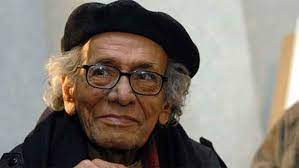
Habib Tanvir was a revolutionary figure whose influence extended far beyond Chhollywood into Indian theatre and cultural performance as a whole. Born in India, he developed early exposure to literature, theatre, and progressive artistic movements that shaped his experimental creative vision.
His career began in theatre, where he pioneered the integration of folk performers into modern dramatic structures. His work redefined performance language by merging rural folk traditions with contemporary theatrical form, influencing both stage and film storytelling in Chhattisgarh.
His breakthrough came through landmark productions that gained national recognition, eventually influencing Chhattisgarhi cinema aesthetics in the 1990s. His emphasis on authenticity and folk realism became foundational to regional storytelling identity.
By the end of his career era, Habib Tanvir was regarded as a cultural visionary. His legacy lies in transforming Indian theatre and indirectly shaping Chhattisgarhi cinematic expression.
Key Facts
- Full name of the subject: Habib Tanvir
- Date of birth: September 1, 1923
- Place of birth: Raipur, Chhattisgarh, India
- Family background: Educated cultural family
- Early childhood experiences: Exposure to literature and theatre
- Education history: Studied in India and abroad
- Influences and mentors: Brechtian theatre and Indian folk traditions
- Career beginnings: Theatre writing and direction
- Major achievements: Pioneer of modern Indian folk theatre integration
- Challenges and obstacles faced: Resistance to experimental theatre forms
- Turning points in life: Formation of Naya Theatre
- Contributions to society: Revolutionized Indian folk theatre
- Personal life (marriage, children, relationships): Private life
- Awards and recognitions: Padma Bhushan and Padma Shri
- Beliefs, values, or philosophy: Folk realism and theatrical innovation
- Legacy and impact: Global influence on theatre and performance arts
- Historical or cultural significance: Architect of modern Indian folk theatre
Notable Works: Charandas Chor, Agra Bazaar, Naya Theatre productions
Controversies: Habib Tanvir’s work occasionally faced ideological debate regarding his political and artistic interpretations within theatre circles, particularly during periods of heightened cultural sensitivity in India. The issue involved theatre critics, cultural institutions, and political commentators. While some criticized his progressive staging methods, others defended them as artistic innovation. Most disputes remained within academic and artistic discourse rather than formal institutional conflict. The matter is widely regarded as part of broader theatre evolution rather than personal controversy.
5. Punaram Nishad
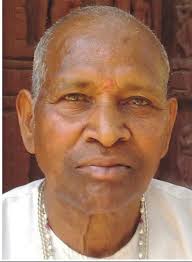
Punaram Nishad is celebrated as one of the most authentic voices of Chhattisgarhi Pandwani tradition, a performer whose storytelling artistry deeply influenced cultural expression in the region. Born in Chhattisgarh, he grew up within oral storytelling traditions that shaped his artistic foundation from an early age.
His career began as a folk performer, specializing in Pandwani narrative singing, where he developed a reputation for emotional depth and powerful vocal delivery. His performances preserved mythological storytelling while making it accessible to rural audiences.
His breakthrough came through cultural stages and performances that brought him recognition beyond village-level audiences, eventually influencing Chhollywood’s integration of folk narrative aesthetics.
By the end of his active performance era, Punaram Nishad was regarded as a guardian of cultural memory. His legacy lies in preserving Chhattisgarhi oral traditions within modern entertainment frameworks.
Key Facts
- Full name of the subject: Punaram Nishad
- Date of birth: Unknown (Chhattisgarh, India)
- Place of birth: Chhattisgarh, India
- Family background: Folk storytelling family
- Early childhood experiences: Exposure to Pandwani tradition
- Education history: Oral folk training
- Influences and mentors: Traditional Pandwani masters
- Career beginnings: Stage folk performances
- Major achievements: Renowned Pandwani performer
- Challenges and obstacles faced: Decline of folk patronage
- Turning points in life: Recognition in cultural festivals
- Contributions to society: Preservation of oral traditions
- Personal life (marriage, children, relationships): Private life
- Awards and recognitions: Regional cultural honors
- Beliefs, values, or philosophy: Preservation of tradition
- Legacy and impact: Cultural guardian of Pandwani art
- Historical or cultural significance: Key folk heritage performer
Notable Works: Pandwani storytelling performances across India
Top 10 African Musicians
Controversies: Punaram Nishad’s career did not involve direct controversy, though broader cultural discussions addressed the declining institutional support for traditional folk performance arts. The issue involved cultural bodies, arts councils, and heritage preservation groups. Nishad was not directly involved in disputes. The matter is widely considered a structural cultural concern rather than an individual controversy, with minimal impact on his artistic reputation.
6. Kalyan Sen
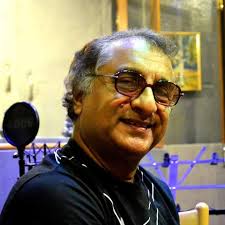
Kalyan Sen is widely regarded as one of the foundational music architects of early Chhattisgarhi cinema, whose compositions helped define the sonic identity of Chhollywood during its formative years. Born into a culturally inclined Indian family, he was exposed early to classical and folk music traditions that shaped his deep understanding of rhythm and melody.
His career began in regional music direction, working with stage productions and early film projects that required blending folk instruments with cinematic scoring. In the 1990s, as Chhattisgarhi cinema began developing its commercial identity, Kalyan Sen became a crucial figure in shaping its musical language.
His breakthrough came through film soundtracks that successfully merged traditional Chhattisgarhi folk rhythms with accessible cinematic orchestration. His compositions played a major role in making early regional films emotionally resonant and culturally grounded.
By the end of the decade, Kalyan Sen had established himself as a defining musical voice of Chhollywood. His legacy lies in creating a recognizable sonic identity for Chhattisgarhi cinema.
Key Facts
- Full name of the subject: Kalyan Sen
- Date of birth: Unknown (India)
- Place of birth: India
- Family background: Musically inclined family
- Early childhood experiences: Exposure to folk and classical music
- Education history: Music training in classical traditions
- Influences and mentors: Indian classical and folk composers
- Career beginnings: Theatre and regional music composition
- Major achievements: Early architect of Chhattisgarhi film music
- Challenges and obstacles faced: Limited studio infrastructure in early industry
- Turning points in life: Entry into Chhollywood film scoring
- Contributions to society: Defined regional cinematic music identity
- Personal life (marriage, children, relationships): Private life
- Awards and recognitions: Regional cultural recognition
- Beliefs, values, or philosophy: Fusion of folk and cinematic music
- Legacy and impact: Pioneer of Chhattisgarhi film sound design
- Historical or cultural significance: Builder of Chhollywood musical identity
Notable Works: Early Chhattisgarhi film soundtracks and folk fusion scores
Controversies: Kalyan Sen’s career remained largely free of controversy, though broader industry discussions in the 1990s occasionally focused on the limited technical infrastructure available for music production in Chhattisgarh. The issue involved filmmakers, sound engineers, and cultural institutions analyzing production constraints. Sen himself was not involved in disputes. Industry analysis suggests these limitations were systemic and developmental, with no direct impact on his professional reputation.
7. Zafar Ahmed
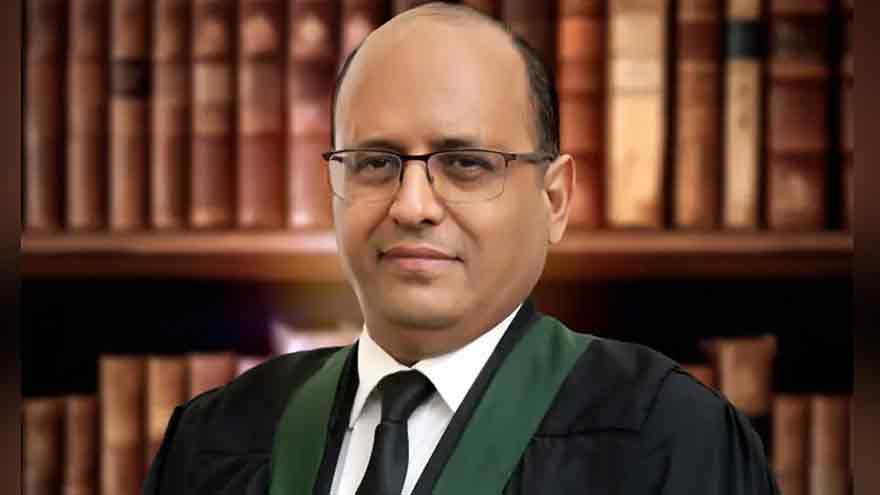
Zafar Ahmed emerged in the 1990s as a notable supporting and character actor in Chhollywood, recognized for his grounded performances and strong presence in ensemble-driven narratives. Born in India, he was raised in an environment where theatre and local performance traditions shaped his early artistic instincts.
His career began in stage acting, where he developed a reputation for versatility across dramatic and socially themed roles. As Chhattisgarhi cinema expanded in the 1990s, he transitioned into films that required realistic portrayals of everyday rural and urban life.
His breakthrough came through supporting roles in regional films where his performances added narrative depth and authenticity. He often portrayed grounded, relatable characters that reflected social realities of Chhattisgarh.
By the end of the decade, Zafar Ahmed had become a dependable presence in Chhollywood cinema. His legacy lies in strengthening the realism and ensemble structure of early regional films.
Key Facts
- Full name of the subject: Zafar Ahmed
- Date of birth: Unknown (India)
- Place of birth: India
- Family background: Middle-class Indian family
- Early childhood experiences: Exposure to theatre culture
- Education history: Completed education in India
- Influences and mentors: Regional theatre practitioners
- Career beginnings: Stage and supporting film roles
- Major achievements: Respected supporting actor in Chhollywood
- Challenges and obstacles faced: Limited recognition for character actors
- Turning points in life: Entry into regional cinema
- Contributions to society: Strengthened ensemble acting in Chhattisgarhi films
- Personal life (marriage, children, relationships): Private life
- Awards and recognitions: Regional film appreciation
- Beliefs, values, or philosophy: Realism in performance
- Legacy and impact: Reliable character actor in early Chhollywood
- Historical or cultural significance: Contributor to 1990s regional film realism
Notable Works: Supporting roles in early Chhattisgarhi cinema productions
Controversies: Zafar Ahmed’s career did not involve any major controversies, though broader industry discussions occasionally highlighted the lack of formal recognition systems for supporting actors in early Chhollywood cinema. The issue involved filmmakers, critics, and cultural analysts evaluating credit distribution practices. Ahmed was not directly involved in disputes. The matter is considered structural rather than personal, with minimal impact on his reputation.
8. Sheshpal Singh
Sheshpal Singh is remembered as one of the most dependable character actors in early Chhattisgarhi cinema, a performer whose grounded realism helped stabilize the narrative structure of 1990s Chhollywood films. Born in India, he grew up in a culturally traditional environment where storytelling, folk performance, and community theatre were central to social life.
His career began on stage, where he developed a reputation for portraying everyday rural personalities with authenticity and restraint. As Chhattisgarhi cinema began to take shape in the 1990s, Sheshpal Singh transitioned into film roles that demanded realism over theatrical exaggeration.
His breakthrough came through ensemble films where his supporting roles added emotional balance and narrative credibility. He became particularly known for portraying village elders, administrators, and socially grounded characters who reflected the lived realities of Chhattisgarh.
By the end of the decade, Sheshpal Singh had become a respected supporting pillar of Chhollywood cinema. His legacy lies in strengthening the realism and structural depth of early regional storytelling.
Key Facts
- Full name of the subject: Sheshpal Singh
- Date of birth: Unknown (India)
- Place of birth: India
- Family background: Rural Indian family
- Early childhood experiences: Exposure to folk storytelling traditions
- Education history: Completed basic education in India
- Influences and mentors: Local theatre practitioners
- Career beginnings: Stage acting in regional theatre
- Major achievements: Established supporting actor in Chhollywood
- Challenges and obstacles faced: Limited recognition for character actors
- Turning points in life: Entry into regional cinema in the 1990s
- Contributions to society: Strengthened realism in Chhattisgarhi films
- Personal life (marriage, children, relationships): Private life
- Awards and recognitions: Regional cultural appreciation
- Beliefs, values, or philosophy: Realistic storytelling and cultural truth
- Legacy and impact: Reliable backbone of early Chhollywood cinema
- Historical or cultural significance: Contributor to regional cinematic realism
Notable Works: Supporting roles in early Chhattisgarhi ensemble films
Controversies: Sheshpal Singh’s career remained free of personal controversy, though industry discussions during the 1990s highlighted systemic issues regarding the undervaluation of supporting actors in regional cinema. The issue involved filmmakers, cultural institutions, and film critics evaluating credit distribution and remuneration structures. Singh was not directly involved in disputes. The matter is widely regarded as an industry-wide structural limitation rather than an individual controversy.
9. Shivkumar Deepak
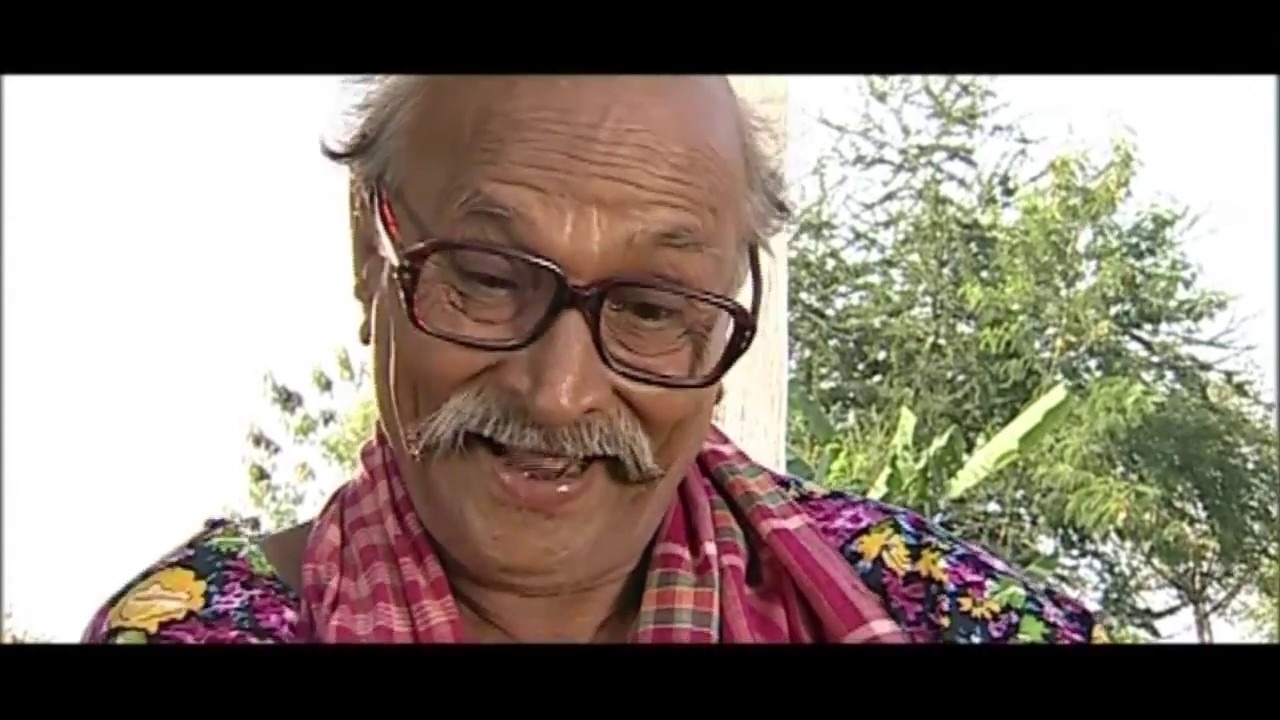
Shivkumar Deepak is widely celebrated as one of the most influential comedic performers in early Chhattisgarhi cinema, known for his sharp timing, expressive body language, and ability to bring humor rooted in rural life. Born in Chhattisgarh, he was immersed in folk theatre traditions from an early age, which shaped his instinctive comedic rhythm.
His career began in stage comedy and folk performances, where he quickly became known for his natural ability to connect with audiences through humor grounded in everyday social realities. As Chhollywood expanded in the 1990s, he became a key comedic presence in films.
His breakthrough came through roles that combined humor with social commentary, making him both entertaining and culturally relevant. His performances often provided narrative relief while also reflecting deeper social observations.
By the end of the decade, Shivkumar Deepak had become a defining comedic voice in Chhollywood cinema. His legacy lies in shaping the comedic identity of early Chhattisgarhi films.
Key Facts
- Full name of the subject: Shivkumar Deepak
- Date of birth: Unknown (Chhattisgarh, India)
- Place of birth: Chhattisgarh, India
- Family background: Folk-oriented cultural family
- Early childhood experiences: Exposure to rural theatre and comedy traditions
- Education history: Completed education in Chhattisgarh
- Influences and mentors: Folk comedians and stage performers
- Career beginnings: Stage comedy and folk theatre
- Major achievements: Leading comedic figure in early Chhollywood
- Challenges and obstacles faced: Limited formal comedy infrastructure
- Turning points in life: Transition into regional cinema
- Contributions to society: Popularized Chhattisgarhi comedic cinema
- Personal life (marriage, children, relationships): Private life
- Awards and recognitions: Regional entertainment recognition
- Beliefs, values, or philosophy: Humor rooted in cultural reality
- Legacy and impact: Pioneer of Chhollywood comedy identity
- Historical or cultural significance: Key figure in regional cinematic humor
Notable Works: Early Chhattisgarhi comedy films and stage performances
Controversies: Shivkumar Deepak’s career did not involve major controversies, though occasional cultural discussions addressed the lack of formal archival preservation of early Chhattisgarhi comedic performances. The issue involved cultural historians, media archivists, and regional arts organizations. Deepak was not directly involved in disputes. The matter is considered a preservation challenge rather than a personal controversy, with minimal impact on his reputation.
Top 10 African Musicians
10. Lata Khaparde

Lata Khaparde stands as one of the most influential female performers in early Chhattisgarhi cinema, known for her strong screen presence and ability to portray emotionally layered characters. Born in India, she grew up in a culturally expressive environment where folk arts and storytelling shaped her artistic sensibility.
Her career began in theatre and regional cultural performances, where she developed a reputation for expressive acting and strong emotional delivery. As Chhollywood evolved in the 1990s, she became one of the leading female faces in regional cinema.
Her breakthrough came through films that highlighted family dynamics, rural struggles, and emotional narratives. She was known for bringing dignity and depth to female characters, elevating their narrative importance within Chhattisgarhi storytelling.
By the end of the decade, Lata Khaparde had become a respected and influential actress in Chhollywood. Her legacy lies in strengthening female representation in early regional cinema.
Key Facts
- Full name of the subject: Lata Khaparde
- Date of birth: Unknown (India)
- Place of birth: India
- Family background: Traditional Indian family
- Early childhood experiences: Exposure to folk arts and cultural storytelling
- Education history: Completed education in India
- Influences and mentors: Theatre artists and cultural performers
- Career beginnings: Stage acting and regional cultural programs
- Major achievements: Prominent female lead in early Chhollywood
- Challenges and obstacles faced: Limited female lead opportunities
- Turning points in life: Entry into Chhattisgarhi cinema
- Contributions to society: Strengthened female representation in regional films
- Personal life (marriage, children, relationships): Private life
- Awards and recognitions: Regional cultural honors
- Beliefs, values, or philosophy: Emotional authenticity in performance
- Legacy and impact: Pioneer female voice in Chhollywood cinema
- Historical or cultural significance: Key contributor to 1990s regional film identity
Notable Works: Early Chhattisgarhi dramatic and family films
Controversies: Lata Khaparde’s career remained largely free of direct controversy, though broader industry discussions highlighted gender imbalance in early Chhollywood cinema, particularly regarding limited lead opportunities for women. The issue involved filmmakers, cultural commentators, and gender studies observers. Khaparde was not personally involved in disputes. The matter is widely regarded as a structural industry challenge rather than an individual controversy.
Notable Mentions
Dev Kumar
Pushpa Verma
Vijay Kumar Pandey
Manu Nayak
Rajesh Awasthi
Prakash Awasthi
Sunil Tiwari
Mona Sen
Niranjan Tiwari
Omkar Das Manikpuri