
Top 10 Chollywood (Peru) Movie Legends of the 90s
Top 10 Chollywood (Peru) Movie Legends of the 90s
In This Content
Quick List
Francisco Lombardi
Diego Bertie
Christian Meier
Aristóteles Picho
Gianfranco Brero
Santiago Magill
Salvador del Solar
Mónica Sánchez
Tatiana Astengo
Sergio Galliani
1. Francisco Lombardi
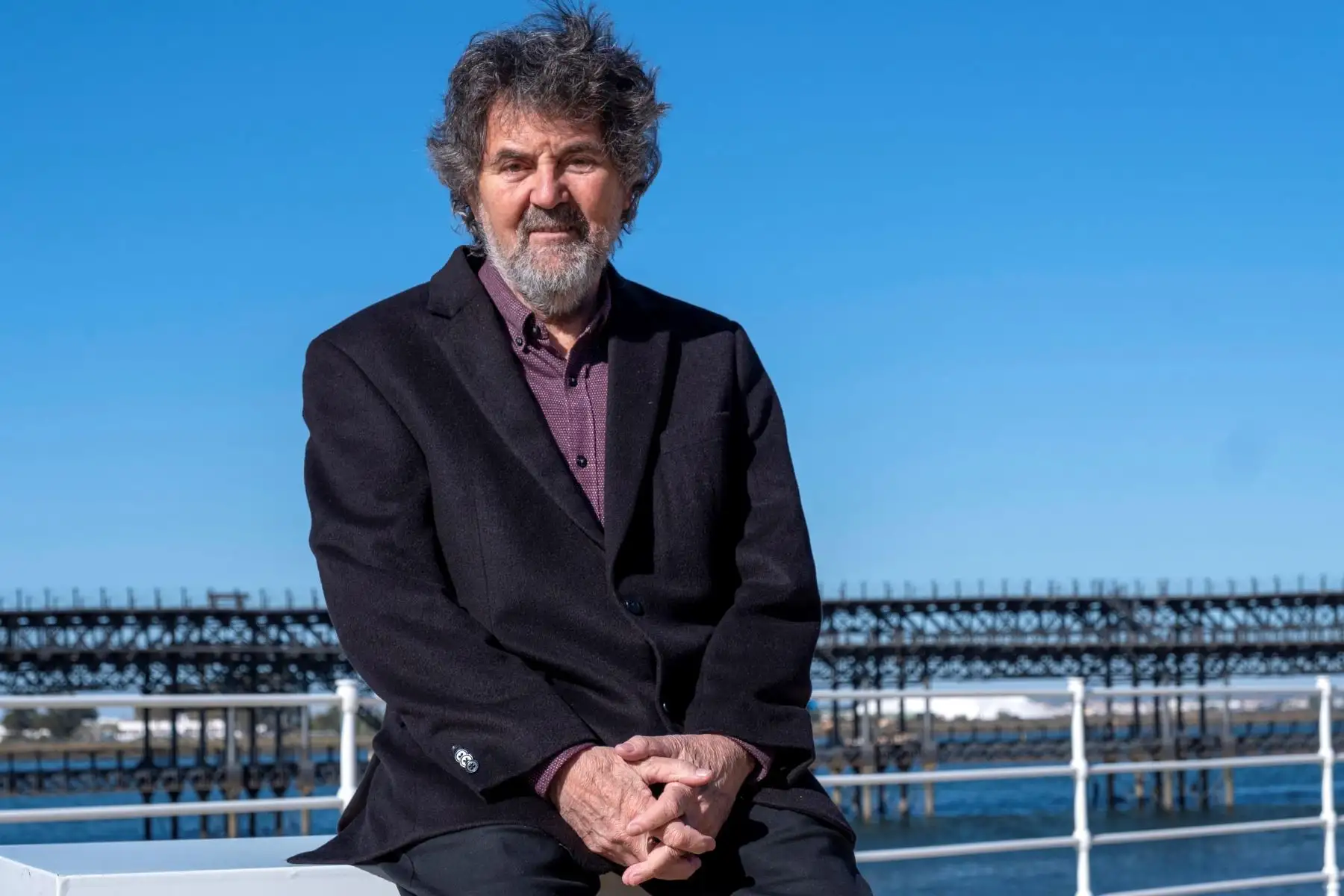
Francisco Lombardi stands as one of the most influential cinematic architects of Peru’s modern film identity, shaping the visual and narrative language of “Chollywood” during its most formative decade. Born into a culturally rich environment in Peru, Lombardi’s early exposure to literature and political discourse would later inform the socially conscious tone of his filmmaking. He studied communications and cinema, developing a deep appreciation for realism and adaptation, which became hallmarks of his directorial style.
His career began in television and documentary work before transitioning into feature films, where his precision in storytelling quickly set him apart. Lombardi’s breakthrough in the 1990s came through powerful adaptations of Peruvian literary works that examined corruption, class struggle, and institutional decay. His films from this era reflected a nation wrestling with identity and instability, positioning him as both an artist and social commentator.
By the mid-90s, Lombardi had established himself as the defining cinematic voice of Peruvian realism. His directing style combined restrained emotional storytelling with stark political undertones, often portraying moral ambiguity rather than clear heroism. This artistic identity not only elevated Peruvian cinema domestically but also earned international recognition in Latin American and European film circuits.
His legacy lies in his ability to merge literature, politics, and cinema into a cohesive artistic expression that documented Peru’s societal tensions during a critical decade. Lombardi’s influence continues to shape new generations of filmmakers who view his work as a blueprint for socially engaged cinema.
Key Facts
- Full name of the subject: Francisco José Lombardi
- Date of birth: 3 August 1949
- Place of birth: Tacna, Peru
- Family background: Middle-class Peruvian family with cultural interests
- Early childhood experiences: Grew up during political transitions in Peru
- Education history: Studied Communications and Film in Peru and abroad
- Influences and mentors: Latin American literary realists and European cinema auteurs
- Career beginnings: Started in television directing and documentary filmmaking
- Major achievements: Acclaimed film adaptations of Peruvian literature in the 1990s
- Challenges and obstacles faced: Limited film funding infrastructure in Peru during early career
- Turning points in life: Transition from television to feature film directing
- Contributions to society: Elevated Peruvian social issues through cinema
- Personal life (marriage, children, relationships): Kept largely private
- Awards and recognitions: Multiple international film festival recognitions
- Beliefs, values, or philosophy: Social realism and narrative authenticity
- Legacy and impact: Considered a foundational figure in modern Peruvian cinema
- Historical or cultural significance: Defined the political cinema movement in 1990s Peru
Notable Works: “La Ciudad y los Perros,” “Caídos del Cielo,” “Pantaleón y las Visitadoras,” “No Se Lo Digas a Nadie”
Controversies:
One of the most discussed debates surrounding Francisco Lombardi’s career centers on his adaptation of politically sensitive literary works, which some critics argued softened or altered the original ideological intent of the source material. The issue emerged during the 1990s when Peru’s cultural institutions were closely scrutinized for their portrayal of political and military themes. Critics, particularly literary purists and academic commentators, argued that cinematic adaptations risked diluting the sharpness of the original narratives. Lombardi, however, maintained that film required a distinct narrative structure separate from literature, emphasizing accessibility and visual storytelling over textual fidelity. While no formal institutional censure occurred, the debate highlighted the tension between artistic interpretation and literary preservation, ultimately reinforcing Lombardi’s position as a filmmaker willing to reinterpret rather than replicate. The long-term impact of this discourse contributed to broader acceptance of adaptive freedom in Peruvian cinema.
2. Diego Bertie
Diego Bertie emerged in the 1990s as one of Peru’s most charismatic screen presences, blending theatrical discipline with cinematic sensitivity. Born into a culturally supportive family in Lima, Bertie’s early life was marked by exposure to music, language, and performance arts, which shaped his expressive range. He pursued formal education in acting and later refined his craft through theater, where his emotional precision became immediately noticeable.
His entry into the entertainment industry began on stage and television, where his natural charm and emotional depth quickly earned him attention. By the early 1990s, Bertie transitioned into film, becoming part of a new wave of Peruvian actors who bridged television fame with cinematic credibility. His breakthrough roles showcased a unique balance of vulnerability and intensity, allowing him to embody complex romantic and dramatic characters.
Throughout the decade, Bertie became a defining figure of “Chollywood” celebrity culture, representing a shift toward more modern, emotionally expressive male leads in Peruvian cinema. His performances often explored themes of identity, love, and internal conflict, resonating strongly with urban audiences experiencing cultural transition.
His legacy is tied not only to his film work but also to his role in reshaping male representation in Peruvian media. Bertie helped normalize emotional openness in leading men, influencing casting trends and performance styles well beyond the 1990s.
Key Facts
- Full name of the subject: Diego Felipe Bertie Brignardello
- Date of birth: 2 November 1967
- Place of birth: Lima, Peru
- Family background: Upper-middle-class family with artistic exposure
- Early childhood experiences: Developed early interest in music and performance
- Education history: Studied acting and performing arts in Peru and abroad
- Influences and mentors: Theater directors and Latin American actors
- Career beginnings: Started in theater and television dramas
- Major achievements: Breakthrough film and television roles in the 1990s
- Challenges and obstacles faced: Transitioning between theater and screen acting
- Turning points in life: First major leading film roles in early 1990s
- Contributions to society: Influenced modern Peruvian acting styles
- Personal life (marriage, children, relationships): Kept private from media scrutiny
- Awards and recognitions: National acting accolades and television awards
- Beliefs, values, or philosophy: Emotional authenticity in performance
- Legacy and impact: Redefined male lead roles in Peruvian entertainment
- Historical or cultural significance: Key figure in 1990s Peruvian pop culture
Notable Works: “No Se Lo Digas a Nadie,” “Sin Compasión,” “Asu Mare”-era influence (early cinematic transition roles), multiple acclaimed telenovelas
Controversies:
A recurring public discussion around Diego Bertie’s career involved the intense media scrutiny of his private life, particularly during the height of his fame in the 1990s when entertainment journalism in Peru was rapidly expanding. The controversy stemmed not from a specific incident but from the broader tension between celebrity privacy and public consumption. Media outlets frequently speculated about his personal relationships, creating narratives that Bertie and his representatives occasionally pushed back against, citing misrepresentation. The debate highlighted the evolving boundaries of celebrity culture in Peru, where actors transitioning from theater to mainstream fame faced unprecedented levels of exposure. While no legal disputes or formal complaints were recorded, the sustained media attention influenced public perception and contributed to discussions on ethical journalism and privacy rights within the entertainment industry.
3. Christian Meier
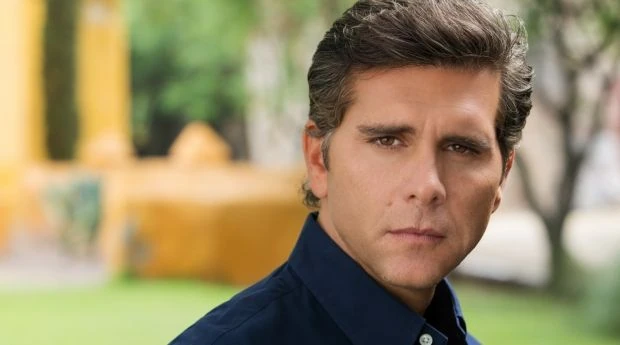
Christian Meier rose to prominence in the 1990s as a multifaceted entertainer whose presence extended beyond acting into music and modeling, making him one of the most commercially visible figures of the Chollywood era. Born in Lima into a family with political and social prominence, Meier’s early life exposed him to both discipline and public visibility, shaping his comfort with media attention. He initially pursued creative interests in music before transitioning into acting.
His career began in television, where his striking screen presence and polished charisma quickly distinguished him from his contemporaries. By the early 1990s, Meier had become a recognizable face in Peruvian entertainment, moving fluidly between acting roles and musical ventures. His breakthrough came through television dramas that capitalized on his romantic lead appeal and refined aesthetic.
During the mid-to-late 1990s, Meier’s influence expanded significantly as he became a symbol of modern Peruvian pop culture. His performances often centered on romantic intensity and emotional conflict, appealing to younger urban audiences and contributing to the commercialization of Peruvian television drama aesthetics. His transition into music further reinforced his cross-industry appeal, making him one of the earliest true multimedia stars in Peru.
Meier’s legacy lies in his role as a cultural bridge between traditional acting and modern celebrity branding in Peru. He helped redefine what it meant to be a Peruvian screen icon in the 1990s, blending image, performance, and media strategy into a unified public identity that continues to influence Latin American entertainment marketing.
Key Facts
- Full name of the subject: Christian Dietrich Meier Zender
- Date of birth: 23 June 1970
- Place of birth: Lima, Peru
- Family background: Politically and socially prominent family
- Early childhood experiences: Exposure to public life and structured upbringing
- Education history: Studied performing arts and communication-related fields
- Influences and mentors: Latin pop culture artists and television directors
- Career beginnings: Started in music and television acting
- Major achievements: Leading roles in Peruvian telenovelas and films
- Challenges and obstacles faced: Balancing music and acting careers
- Turning points in life: Breakthrough television roles in early 1990s
- Contributions to society: Shaped modern Peruvian celebrity culture
- Personal life (marriage, children, relationships): Publicly documented relationships with media attention
- Awards and recognitions: Entertainment industry awards in Peru and Latin America
- Beliefs, values, or philosophy: Professional versatility and artistic expansion
- Legacy and impact: Pioneer of multimedia celebrity identity in Peru
- Historical or cultural significance: Key figure in Latin American 1990s pop entertainment
Notable Works: “Doña Bárbara,” “La Tayson, corazón rebelde,” early Peruvian telenovelas, music albums in Spanish pop genre
Controversies:
A notable discussion surrounding Christian Meier’s early career involved criticism from segments of the Peruvian entertainment press regarding his transition from music into acting, with some commentators questioning whether his rapid rise in television was driven more by image than formal acting training. The controversy emerged within a competitive media landscape that often debated the legitimacy of crossover artists. Supporters argued that Meier’s success reflected evolving audience preferences and the increasing importance of screen presence in television storytelling. Over time, as Meier demonstrated sustained performance capability across multiple roles and international projects, the initial skepticism diminished. The episode is now largely viewed as part of a broader industry debate about celebrity branding versus traditional acting pathways during the 1990s expansion of Peruvian television drama.
4. Aristóteles Picho
Aristóteles Picho emerged in the Peruvian film and theater landscape as one of the most grounded and socially resonant actors of the 1990s, known for his ability to embody everyday Peruvian life with striking authenticity. Born in Peru during a period of cultural and political transition, Picho’s early environment was shaped by economic realities and community-centered living, which later informed his deeply humanistic acting style. His early interest in performance was less about glamour and more about storytelling rooted in lived experience.
He began his career in theater, where his commanding stage presence and emotional subtlety quickly distinguished him. Transitioning into television and film in the late 1980s and early 1990s, Picho brought a naturalistic style that contrasted with the more polished, commercial acting trends of the time. His breakthrough came through roles that highlighted social inequality and urban struggle, positioning him as a voice of realism in Peruvian cinema.
Throughout the 1990s, Picho’s screen presence became synonymous with authenticity. He rarely relied on exaggerated performance techniques, instead favoring restraint, silence, and emotional precision. This artistic identity made him a frequent collaborator in socially conscious projects, particularly those that examined marginalization and institutional neglect in Peru.
His legacy is defined by his contribution to realism in Peruvian acting. Picho helped shift the industry toward more grounded portrayals of working-class life, influencing both theatrical and cinematic performance standards long after his rise in the 1990s.
Key Facts
- Full name of the subject: Aristóteles Picho Flores
- Date of birth: 25 May 1957
- Place of birth: Huancayo, Peru
- Family background: Humble working-class Peruvian family
- Early childhood experiences: Grew up in socially and economically modest conditions
- Education history: Trained in theater and performing arts in Peru
- Influences and mentors: Peruvian stage directors and Latin American realist actors
- Career beginnings: Began in theater before transitioning to television and film
- Major achievements: Acclaimed performances in socially conscious Peruvian cinema
- Challenges and obstacles faced: Limited industry infrastructure for theater actors
- Turning points in life: Entry into film roles addressing social inequality
- Contributions to society: Highlighted working-class narratives through performance
- Personal life (marriage, children, relationships): Maintained private personal life
- Awards and recognitions: Theater and national film performance recognitions
- Beliefs, values, or philosophy: Commitment to realism and social truth in acting
- Legacy and impact: Influenced naturalistic acting in Peruvian cinema
- Historical or cultural significance: Key figure in socially conscious 1990s Peruvian film movement
Notable Works: “La Boca del Lobo,” “Alias La Gringa,” stage theater classics, supporting roles in politically themed Peruvian films
Controversies:
A discussion surrounding Aristóteles Picho’s career emerged in relation to the limited institutional recognition of theater actors transitioning into mainstream Peruvian cinema during the 1990s. The controversy centered on broader industry criticism that performers with strong theatrical backgrounds were often underutilized in commercially driven film productions. Picho himself was frequently cited in commentary about the gap between artistic credibility and market-driven casting decisions. While no personal allegation or dispute was directed specifically at him, his career became symbolic of a systemic issue within the industry. Critics argued that Peruvian cinema of the era prioritized commercial appeal over theatrical depth, while supporters of industry practices emphasized audience demand and production constraints. The debate ultimately highlighted structural inequalities in casting systems rather than individual misconduct, reinforcing calls for greater integration between theater and film sectors in Peru.
5. Gianfranco Brero
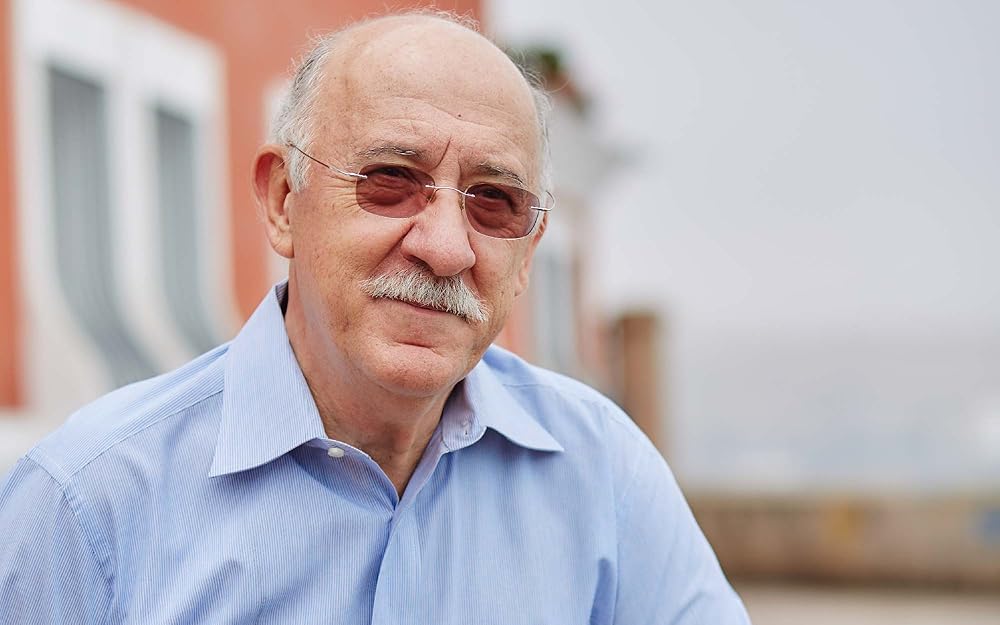
Gianfranco Brero became one of the defining intellectual actors of Peruvian cinema in the 1990s, known for his refined performance style and ability to portray psychologically complex characters. Born in Lima into an academically inclined family, Brero’s early life was shaped by exposure to literature, philosophy, and cultural discourse. These influences later became central to his analytical and deliberate acting approach.
He began his career in theater, where his intellectual interpretation of characters set him apart from more instinct-driven performers. His transition into film and television during the late 1980s allowed him to bring a rare cerebral intensity to Peruvian screen acting. By the 1990s, Brero had established himself as a leading figure in character-driven storytelling.
His breakthrough came through roles that demanded emotional restraint and moral ambiguity, often portraying professionals, intellectuals, or conflicted authority figures. His screen presence was marked by precision, controlled expression, and psychological depth, making him a preferred actor for directors seeking narrative complexity.
Brero’s legacy lies in his elevation of intellectual acting within Peruvian cinema. He contributed to a shift toward more character-driven storytelling, influencing both performance standards and scriptwriting approaches in the national film industry.
Key Facts
- Full name of the subject: Gianfranco Brero Manini
- Date of birth: 1 November 1953
- Place of birth: Lima, Peru
- Family background: Educated middle-class family with academic orientation
- Early childhood experiences: Strong exposure to literature and intellectual discussions
- Education history: Studied theater and humanities-related disciplines
- Influences and mentors: European theater traditions and Latin American literary cinema
- Career beginnings: Began in theater before entering film and television
- Major achievements: Leading roles in critically acclaimed Peruvian films
- Challenges and obstacles faced: Limited commercial recognition compared to mainstream actors
- Turning points in life: Breakthrough in psychologically complex film roles
- Contributions to society: Advanced intellectual storytelling in Peruvian cinema
- Personal life (marriage, children, relationships): Largely private personal life
- Awards and recognitions: Film festival and theater performance recognitions
- Beliefs, values, or philosophy: Emphasis on intellectual rigor in performance
- Legacy and impact: Elevated psychological realism in Peruvian acting
- Historical or cultural significance: Key figure in Peru’s 1990s art-house cinema movement
Notable Works: “No Se Lo Digas a Nadie,” “Pantaleón y las Visitadoras,” “La Ciudad y los Perros,” stage theatrical productions
Controversies:
A recurring discussion in Gianfranco Brero’s career involved critical debate over the accessibility of intellectual acting styles in mainstream Peruvian cinema during the 1990s. The controversy was rooted in differing perspectives on whether his performance approach, often described as cerebral and restrained, limited mass audience engagement. Critics in commercial media argued that such styles catered more to elite or festival audiences, while defenders maintained that Brero’s work elevated the artistic standards of national cinema. The debate was not tied to a specific incident but reflected broader industry tensions between commercial viability and artistic sophistication. Over time, as Peruvian cinema diversified, Brero’s approach gained wider appreciation, and the earlier criticisms were reframed as part of the evolving discourse on cinematic language and audience expectation.
6. Santiago Magill
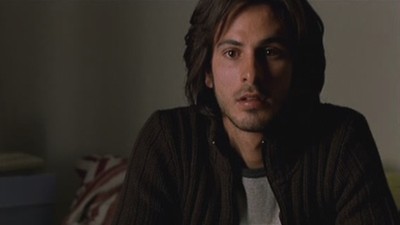
Santiago Magill rose to prominence in the 1990s as one of the most recognizable young actors of Peruvian television and film, embodying a new generation of emotionally expressive screen talent. Born in Lima, Magill grew up in a culturally active environment that encouraged artistic exploration, particularly in performance and communication. His early interest in acting led him to formal training and participation in theater productions.
He entered the entertainment industry through television, where his youthful energy and natural charisma quickly made him a standout performer. By the early 1990s, Magill had transitioned into film roles, becoming a representative face of youth-oriented storytelling in Peru. His breakthrough came through romantic and dramatic roles that resonated with younger audiences navigating cultural change.
Magill’s screen presence was characterized by emotional openness and relatability, which helped redefine youthful masculinity in Peruvian cinema. His roles often explored identity, relationships, and social transition, making him a cultural reference point for 1990s urban youth narratives.
His legacy lies in his contribution to youth-centered storytelling in Peruvian film and television, helping establish a new emotional language for young male characters in Latin American media.
Key Facts
- Full name of the subject: Santiago Magill
- Date of birth: 17 December 1977
- Place of birth: Lima, Peru
- Family background: Middle-class Peruvian family with cultural interests
- Early childhood experiences: Early involvement in creative and artistic activities
- Education history: Studied acting and performing arts
- Influences and mentors: Peruvian television directors and theater instructors
- Career beginnings: Started in television dramas
- Major achievements: Breakthrough roles in 1990s Peruvian youth cinema
- Challenges and obstacles faced: Transitioning from television to film credibility
- Turning points in life: Lead roles in youth-oriented films and dramas
- Contributions to society: Influenced youth representation in Peruvian media
- Personal life (marriage, children, relationships): Kept relatively private
- Awards and recognitions: Television and film acting recognitions
- Beliefs, values, or philosophy: Emotional authenticity and youth expression
- Legacy and impact: Defined youth-centered acting style in Peru
- Historical or cultural significance: Iconic figure in 1990s Peruvian youth culture
Notable Works: “No Se Lo Digas a Nadie,” television dramas, youth-focused Peruvian films of the 1990s
Controversies:
A notable discussion surrounding Santiago Magill’s early career involved critical comparisons between television fame and cinematic credibility during the 1990s in Peru. The controversy centered on whether actors transitioning from television dramas to film were adequately prepared for the differing demands of cinematic performance. Critics argued that rapid casting of television actors into film roles risked prioritizing popularity over craft depth. Supporters countered that Magill’s performances demonstrated adaptability and reflected the evolving media landscape where television and cinema were increasingly interconnected. No formal disputes or institutional actions were recorded, but the debate highlighted a transitional period in Peruvian entertainment where traditional distinctions between television and film acting were actively being redefined.
7. Salvador del Solar
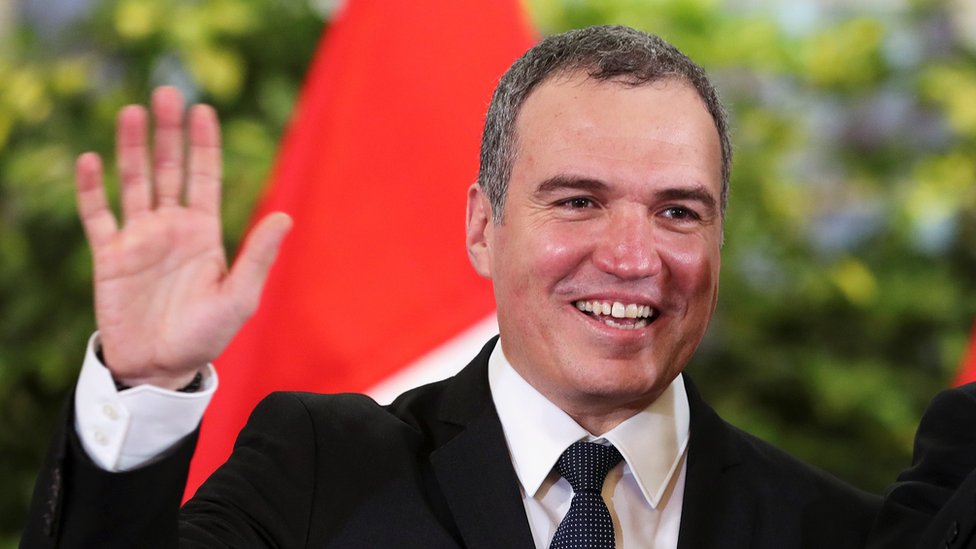
Salvador del Solar emerged in the 1990s as a refined and intellectually grounded actor whose presence brought sophistication and narrative depth to Peruvian cinema. Born in Lima, he was raised in an environment that valued education, civic awareness, and cultural engagement, shaping his analytical approach to performance. His early academic path initially leaned toward law and public discourse before he pursued acting professionally.
He began his career in theater and quickly transitioned into film, where his articulate screen presence and emotional restraint distinguished him from more instinct-driven performers. By the mid-1990s, del Solar had become associated with roles that required psychological complexity and moral nuance, marking him as a key figure in character-driven storytelling.
His breakthrough came through performances in films that explored social conflict, institutional ethics, and human psychology. His acting style emphasized internal conflict rather than external dramatization, contributing to a more mature narrative tone in Peruvian cinema.
Del Solar’s legacy extends beyond acting into cultural and intellectual influence, as he helped bridge artistic performance with civic discourse. His 1990s work positioned him as a symbol of thoughtful, issue-driven cinema in Peru.
Key Facts
- Full name of the subject: Salvador Alejandro Jorge del Solar Labarthe
- Date of birth: 1 May 1970
- Place of birth: Lima, Peru
- Family background: Educated middle-class family with civic and cultural engagement
- Early childhood experiences: Strong exposure to academic and political discussions
- Education history: Studied law and performing arts
- Influences and mentors: Legal scholars and Latin American filmmakers
- Career beginnings: Began in theater before entering film
- Major achievements: Acclaimed roles in Peruvian cinema and later public service
- Challenges and obstacles faced: Transitioning between law, acting, and public life
- Turning points in life: Breakthrough in critically acclaimed films of the 1990s
- Contributions to society: Elevated civic and ethical themes in cinema
- Personal life (marriage, children, relationships): Maintained private family life
- Awards and recognitions: National and international film recognitions
- Beliefs, values, or philosophy: Ethical reflection and social responsibility in art
- Legacy and impact: Bridged intellectual discourse and cinematic storytelling
- Historical or cultural significance: Key figure in Peru’s socially conscious film movement
Notable Works: “Pantaleón y las Visitadoras,” “No Se Lo Digas a Nadie,” political and socially driven Peruvian films
Controversies:
A discussion in Salvador del Solar’s career emerged around the broader intersection of artists participating in politically and socially charged cinema during the 1990s, particularly regarding the perceived influence of such films on public discourse. The controversy was not centered on a specific personal incident but rather on the role of actors in shaping political interpretation through cinematic storytelling. Critics questioned whether socially engaged films risked blurring the line between artistic expression and political messaging, while supporters argued that cinema inherently reflects societal realities and contributes to democratic dialogue. Del Solar’s involvement in such projects placed him within this broader debate. No formal accusations or institutional disputes were recorded, but the discourse highlighted the evolving role of actors as cultural commentators in Peruvian society during the decade.
8. Mónica Sánchez

Mónica Sánchez emerged in the 1990s as one of the most emotionally versatile and socially resonant actresses in Peruvian cinema and television, becoming a defining figure in the evolution of female screen representation during the Chollywood era. Born in Lima, she grew up in an environment that valued education and cultural awareness, which nurtured her early interest in literature, performance, and human psychology. Her formative years were shaped by an acute sensitivity to social dynamics, later reflected in her acting choices.
She began her career in theater, where her ability to portray layered emotional states quickly distinguished her from her peers. Transitioning into television and film in the early 1990s, Sánchez brought a grounded realism to her performances, often portraying women navigating complex social and emotional landscapes. Her breakthrough roles placed her at the center of narratives exploring family structure, gender roles, and societal expectation.
Throughout the decade, Sánchez became known for her emotional authenticity and disciplined performance style. She avoided exaggerated dramatization, instead favoring subtle expressions of internal conflict, which resonated strongly with audiences experiencing rapid cultural change in Peru. Her work contributed significantly to the normalization of strong, multidimensional female leads in Peruvian media.
Her legacy is deeply tied to the evolution of women’s representation in Peruvian storytelling. Sánchez helped shift the industry toward more realistic and empowered female characters, influencing casting, writing, and performance approaches well beyond the 1990s.
Key Facts
- Full name of the subject: Mónica Rocío Sánchez Cuadros
- Date of birth: 26 February 1970
- Place of birth: Lima, Peru
- Family background: Middle-class Peruvian family with cultural interests
- Early childhood experiences: Early exposure to literature and performing arts
- Education history: Trained in theater and dramatic arts in Peru
- Influences and mentors: Peruvian theater directors and Latin American actresses
- Career beginnings: Started in theater before moving to television and film
- Major achievements: Acclaimed performances in Peruvian television dramas and cinema
- Challenges and obstacles faced: Gender stereotypes in early acting industry roles
- Turning points in life: Breakthrough roles in socially themed 1990s productions
- Contributions to society: Strengthened female representation in Peruvian media
- Personal life (marriage, children, relationships): Maintained a private personal life
- Awards and recognitions: National television and theater awards
- Beliefs, values, or philosophy: Emotional truth and social realism in acting
- Legacy and impact: Redefined female acting standards in Peru
- Historical or cultural significance: Key female figure in 1990s Peruvian screen evolution
Notable Works: “La Perricholi,” “Los de Arriba y los de Abajo,” “Epitafios,” major Peruvian television dramas of the 1990s
Controversies:
A recurring industry discussion surrounding Mónica Sánchez’s career involved the broader portrayal of women in Peruvian television dramas during the 1990s, particularly the limited scope of roles available to female actors at the time. The controversy was rooted in structural criticism of the industry rather than a personal allegation, with commentators arguing that female characters were often written within restrictive archetypes such as the sacrificial mother, the romantic dependent, or the moral supporter. Sánchez, through her selection of roles and performances, was frequently referenced in academic and media discussions about whether actresses could meaningfully reshape such narratives from within the system. Supporters argued that her portrayals introduced nuance and emotional depth that challenged these limitations, while critics maintained that systemic change required stronger shifts in writing and production leadership. The debate contributed to ongoing conversations about gender representation in Peruvian media.
9. Tatiana Astengo

Tatiana Astengo rose to prominence in the 1990s as one of the most dynamic and expressive actresses in Peruvian cinema, known for her intensity, emotional range, and willingness to engage with socially charged narratives. Born in Lima, she was raised in a culturally aware household that encouraged artistic exploration and critical thinking. Her early exposure to performance arts led her to pursue formal training in acting.
She began her career in theater, where her powerful stage presence and emotional conviction quickly set her apart. Transitioning into television and film, Astengo became known for her ability to portray emotionally complex and often rebellious characters. Her breakthrough came through roles that challenged traditional portrayals of women in Peruvian media, particularly in socially conscious dramas.
During the 1990s, Astengo’s screen presence was marked by boldness and emotional authenticity. She often portrayed characters navigating systemic injustice, personal trauma, or social resistance, contributing to a more confrontational and realistic narrative tone in Peruvian cinema. Her performances were widely noted for their intensity and psychological depth.
Her legacy lies in her contribution to socially engaged performance art in Peru. Astengo helped expand the emotional and narrative range of female characters, particularly in stories addressing inequality and institutional critique.
Key Facts
- Full name of the subject: Tatiana Astengo
- Date of birth: 7 June 1967
- Place of birth: Lima, Peru
- Family background: Middle-class Peruvian family
- Early childhood experiences: Early interest in performance and storytelling
- Education history: Studied acting and theater performance
- Influences and mentors: Latin American theater practitioners and directors
- Career beginnings: Began in theater before entering television and film
- Major achievements: Breakthrough roles in socially conscious Peruvian cinema
- Challenges and obstacles faced: Typecasting in emotionally intense roles
- Turning points in life: Recognition through 1990s film and television dramas
- Contributions to society: Expanded representation of strong female characters
- Personal life (marriage, children, relationships): Maintained privacy in personal matters
- Awards and recognitions: National acting awards and festival recognition
- Beliefs, values, or philosophy: Artistic courage and emotional truth
- Legacy and impact: Influenced modern Peruvian dramatic performance style
- Historical or cultural significance: Key figure in socially driven Peruvian cinema
Notable Works: “La Teta Asustada,” “Django: La Otra Cara,” Peruvian television dramas, socially themed 1990s films
Controversies:
A notable discussion in Tatiana Astengo’s career involved debates around the intensity and realism of her performances in socially charged roles, particularly during the 1990s when Peruvian cinema was increasingly focused on raw depictions of inequality and violence. The controversy centered on whether such portrayals risked overwhelming audiences or crossing into emotionally distressing realism. Critics in conservative media circles argued that the graphic emotional intensity of certain productions could alienate viewers, while supporters emphasized the importance of confronting social realities through art. Astengo’s involvement in these projects placed her at the center of this broader artistic debate. No formal complaints or institutional sanctions were recorded, but the discourse highlighted tensions between artistic realism and audience sensitivity in Peruvian media.
10. Sergio Galliani
![Sergio Galliani niega acusaciones de maltrato en obra de teatro [VIDEO]](https://glamcodemedia.com/wp-content/uploads/2026/04/304030_1832905.jpg)
Sergio Galliani became one of the most recognizable and enduring figures in Peruvian entertainment during the 1990s, known for his versatility across theater, television, and film. Born in Lima, he grew up in a culturally engaged environment that encouraged performance and artistic expression. His early interest in acting was shaped by exposure to theater and music, leading him to pursue formal training in performance arts.
He began his career in theater, where his strong stage presence and adaptability quickly gained attention. Transitioning into television and film in the early 1990s, Galliani became known for his dynamic range, capable of portraying both comedic and dramatic roles. His breakthrough came through television productions that highlighted his ability to balance emotional depth with accessible charisma.
Throughout the decade, Galliani established himself as a reliable and multifaceted performer. His screen presence combined intensity with relatability, making him a popular figure in both mainstream entertainment and more serious dramatic productions. His adaptability allowed him to navigate different genres effectively.
His legacy is defined by his contribution to the professionalization and versatility of Peruvian acting in the 1990s. Galliani helped demonstrate that actors could successfully move across genres and formats, strengthening the foundation of modern Peruvian television and film performance.
Key Facts
- Full name of the subject: Sergio Galliani
- Date of birth: 5 February 1967
- Place of birth: Lima, Peru
- Family background: Middle-class Peruvian family
- Early childhood experiences: Exposure to performing arts and cultural activities
- Education history: Studied acting and theater performance
- Influences and mentors: Peruvian theater directors and television producers
- Career beginnings: Started in theater before transitioning to television
- Major achievements: Successful career in television, film, and theater
- Challenges and obstacles faced: Maintaining versatility across multiple genres
- Turning points in life: Breakthrough television roles in the 1990s
- Contributions to society: Strengthened professional acting standards in Peru
- Personal life (marriage, children, relationships): Kept largely private
- Awards and recognitions: Television and theater industry recognitions
- Beliefs, values, or philosophy: Professional adaptability and artistic discipline
- Legacy and impact: Established versatility as a core actor skill in Peru
- Historical or cultural significance: Key contributor to 1990s Peruvian entertainment evolution
Notable Works: “Mil Oficios,” “Así es la Vida,” Peruvian television dramas, theater productions across Lima
Controversies:
A discussion surrounding Sergio Galliani’s career in the 1990s and early 2000s involved broader industry criticism regarding the commercialization of television acting in Peru, particularly in long-running series that prioritized audience ratings over artistic experimentation. The controversy was not centered on a personal scandal but on the perception that actors involved in highly popular television formats were sometimes constrained by repetitive character archetypes. Critics argued that such structures limited artistic growth, while supporters emphasized the importance of audience-driven entertainment and economic sustainability in the industry. Galliani’s participation in widely viewed productions placed him within this debate, though no direct allegations or formal disputes were associated with his professional conduct. The issue ultimately reflected broader tensions between commercial television production and artistic ambition in Peruvian media.
Notable Mentions
Giovanni Ciccia
Lucía Jiménez
Vanessa Robbiano
Norma Martínez
Carlos Alcántara
Gustavo Bueno
Hernán Romero
Yvonne Frayssinet
Alberto Isola
Augusto Tamayo San Román