
Top 10 Coastalwood (Tulu – India) Movie Legends of the 90s
Top 10 Coastalwood (Tulu – India) Movie Legends of the 90s
In This Content
Quick List
Richard Castelino
Vaman Nandavar
K. N. Taylor
Devadas Kapikad
Naveen D. Padil
Aravind Bolar
Vijaykumar Kodialbail
Sundeep Malani
T. Sudhakar Bhojari
Sarojini Shetty
1. Richard Castelino

Richard Castelino stands as one of the defining creative forces behind the early identity of Coastalwood cinema, particularly through his landmark directorial work in Bangar Patler. Born in the coastal region of Karnataka, he grew up in a culturally rich Tulu-speaking environment where folk theatre, ritual performance, and storytelling traditions shaped his artistic worldview. This grounding became central to his cinematic vision.
His career began in theatre and regional storytelling, where he developed a reputation for disciplined narrative construction and strong visual sensibility. Transitioning into filmmaking in the 1990s, Castelino became part of the pioneering wave that sought to transform Tulu cinema from sporadic productions into a structured regional industry.
His breakthrough came with Bangar Patler, a film that not only achieved critical recognition but also established a new standard for Coastalwood storytelling. The film’s emotional depth, cultural authenticity, and narrative clarity positioned him as a visionary director capable of balancing tradition with cinematic form.
By the end of the decade, Richard Castelino had become a foundational figure in Tulu cinema. His legacy lies in elevating Coastalwood into a culturally respected film industry with artistic and narrative coherence.
Key Facts
- Full name of the subject: Richard Castelino
- Date of birth: Unknown (Karnataka, India)
- Place of birth: Coastal Karnataka, India
- Family background: Tulu-speaking coastal family
- Early childhood experiences: Exposure to folk theatre and coastal rituals
- Education history: Completed education in Karnataka
- Influences and mentors: Regional theatre practitioners
- Career beginnings: Theatre direction and cultural storytelling
- Major achievements: Directed Bangar Patler, landmark Tulu film
- Challenges and obstacles faced: Limited infrastructure in early Coastalwood
- Turning points in life: Success of Bangar Patler
- Contributions to society: Strengthened Tulu cinematic identity
- Personal life (marriage, children, relationships): Private family life
- Awards and recognitions: Regional cinema honors
- Beliefs, values, or philosophy: Cultural authenticity in storytelling
- Legacy and impact: Pioneer of structured Tulu cinema
- Historical or cultural significance: Foundational architect of Coastalwood film identity
Notable Works: Bangar Patler and early Tulu narrative cinema
Controversies: Richard Castelino’s career remained largely free from direct controversy, though early Coastalwood cinema occasionally faced criticism regarding limited production budgets and inconsistent distribution networks. The issue involved filmmakers, regional exhibitors, and cultural commentators analyzing the viability of Tulu cinema in the 1990s. Castelino himself was not implicated in disputes. The matter is widely regarded as a structural industry challenge rather than a personal controversy, with minimal impact on his reputation.
2. Vaman Nandavar
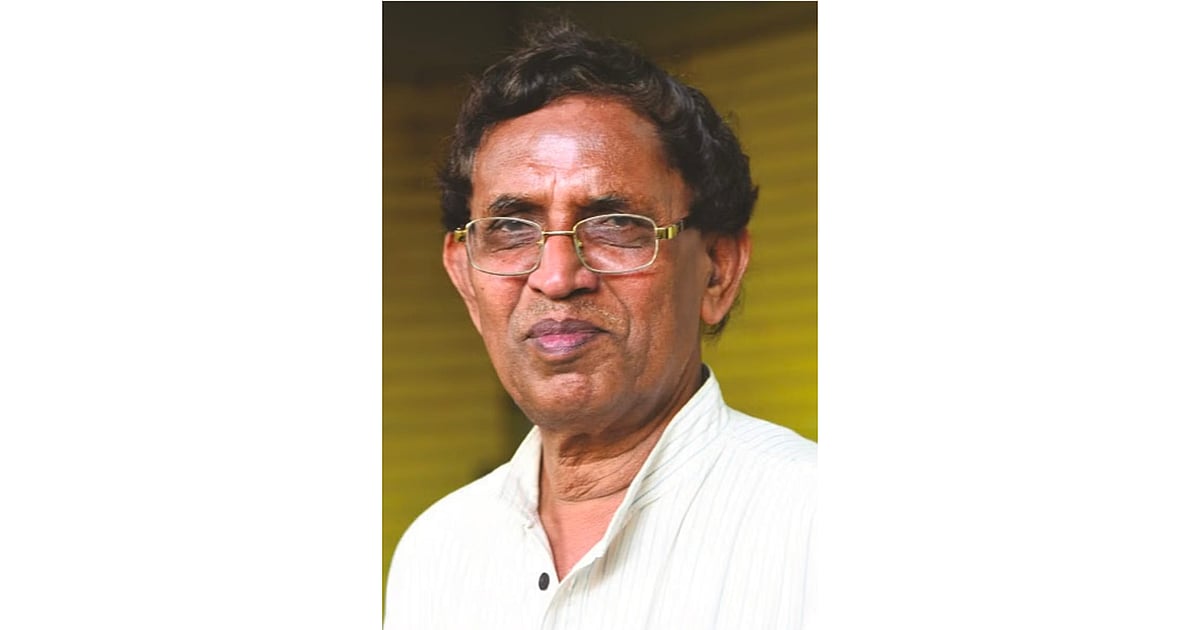
Vaman Nandavar was recognized as one of the key literary architects of Coastalwood cinema, whose contributions as a playwright and screenwriter helped shape the narrative depth of early Tulu films in the 1990s. Born in coastal Karnataka, he grew up immersed in oral traditions, Yakshagana influences, and folk literature that defined his storytelling sensibility.
His career began in theatre writing, where he gained recognition for crafting dialogues that reflected everyday coastal life with authenticity and emotional precision. As Coastalwood cinema began to develop, his transition into screenwriting provided the industry with structured narrative frameworks.
His breakthrough came through scripts that successfully merged theatrical depth with cinematic storytelling, enabling Tulu films to achieve stronger emotional resonance and cultural grounding.
By the end of the decade, Vaman Nandavar had become a foundational writer in Coastalwood. His legacy lies in strengthening the literary and narrative backbone of Tulu cinema.
Key Facts
- Full name of the subject: Vaman Nandavar
- Date of birth: Unknown (Karnataka, India)
- Place of birth: Coastal Karnataka, India
- Family background: Literary coastal family
- Early childhood experiences: Exposure to folk theatre and storytelling
- Education history: Studied literature and arts
- Influences and mentors: Theatre writers and folk narrators
- Career beginnings: Theatre writing and play scripting
- Major achievements: Early narrative architect of Coastalwood cinema
- Challenges and obstacles faced: Lack of formal film writing systems
- Turning points in life: Entry into Tulu film scripting
- Contributions to society: Strengthened Tulu narrative literature
- Personal life (marriage, children, relationships): Private life
- Awards and recognitions: Regional literary recognition
- Beliefs, values, or philosophy: Authentic storytelling rooted in culture
- Legacy and impact: Foundational screenwriting influence in Coastalwood
- Historical or cultural significance: Pioneer of Tulu cinematic writing structure
Notable Works: Early Tulu film scripts and theatrical productions
Controversies: Vaman Nandavar’s career remained free of personal controversy, though broader literary discussions in the region sometimes debated the transition of folk narratives into commercial cinema formats. The issue involved writers, theatre historians, and cultural institutions. Nandavar defended adaptation as necessary cultural evolution. The matter is widely considered an academic and artistic debate rather than a personal controversy.
3. K. N. Taylor

K. N. Taylor is regarded as one of the most respected veteran figures in Coastalwood, often referred to as the “Bhishma” of Tulu cinema for his enduring presence and commanding performances. Born in coastal Karnataka, he was raised in a traditional environment where theatre, rituals, and oral storytelling were deeply embedded in daily life.
His career began in theatre and early performance arts, where he established himself as a disciplined actor with strong command over dialogue delivery and stage presence. As Tulu cinema expanded in the 1990s, he transitioned into film roles that required gravitas and emotional authority.
His breakthrough came through character-driven roles that positioned him as a moral and narrative anchor in Coastalwood films. He often portrayed elder statesmen, village leaders, and authoritative figures, contributing stability to ensemble storytelling.
By the end of the decade, K. N. Taylor was widely respected as a patriarchal figure in Tulu cinema. His legacy lies in defining dignity-driven performance standards in Coastalwood.
Key Facts
- Full name of the subject: K. N. Taylor
- Date of birth: Unknown (Karnataka, India)
- Place of birth: Coastal Karnataka, India
- Family background: Traditional coastal family
- Early childhood experiences: Exposure to ritual theatre and Yakshagana
- Education history: Completed education in Karnataka
- Influences and mentors: Theatre elders and folk performers
- Career beginnings: Stage acting in regional theatre
- Major achievements: Veteran actor in early Coastalwood cinema
- Challenges and obstacles faced: Limited early film infrastructure
- Turning points in life: Entry into Tulu cinema
- Contributions to society: Strengthened character-driven storytelling
- Personal life (marriage, children, relationships): Private life
- Awards and recognitions: Regional cultural honors
- Beliefs, values, or philosophy: Discipline and artistic dignity
- Legacy and impact: Patriarch of Coastalwood acting tradition
- Historical or cultural significance: Foundational figure in Tulu cinematic performance
Notable Works: Early Coastalwood ensemble and drama films
Controversies: K. N. Taylor’s career remained largely free of controversy, though occasional discussions in regional cinema circles addressed generational shifts in acting styles, with traditional theatre-based methods being contrasted against modern cinematic realism. The issue involved film critics, theatre practitioners, and directors. Taylor himself was not part of any dispute. The debate is widely considered artistic evolution rather than personal controversy.
4. Devadas Kapikad

Devadas Kapikad is one of the most influential comedic voices in Tulu theatre and cinema, widely celebrated for his character “Telikeda Bolli” and his unmatched ability to blend humor with social commentary. Born in coastal Karnataka, he grew up in a culturally vibrant environment where folk theatre shaped his artistic instincts.
His career began in stage comedy, where he quickly gained popularity for his expressive timing, improvisational strength, and ability to connect with audiences through relatable humor. His transition into Coastalwood cinema in the 1990s marked a turning point for comedic storytelling in Tulu films.
His breakthrough came through performances that combined satire with emotional undertones, making comedy a vehicle for cultural reflection rather than mere entertainment.
By the end of the decade, Devadas Kapikad had become a defining comedic figure in Coastalwood. His legacy lies in transforming Tulu comedy into a structured cinematic art form.
Key Facts
- Full name of the subject: Devadas Kapikad
- Date of birth: Unknown (Karnataka, India)
- Place of birth: Coastal Karnataka, India
- Family background: Folk theatre-oriented family
- Early childhood experiences: Exposure to stage performance traditions
- Education history: Completed education in Karnataka
- Influences and mentors: Yakshagana and folk theatre artists
- Career beginnings: Stage comedy and theatre performances
- Major achievements: Iconic comedic actor in Coastalwood
- Challenges and obstacles faced: Transition from stage to film comedy
- Turning points in life: Success of “Telikeda Bolli” persona
- Contributions to society: Popularized Tulu comedic cinema
- Personal life (marriage, children, relationships): Private life
- Awards and recognitions: Regional theatre and film awards
- Beliefs, values, or philosophy: Humor rooted in social truth
- Legacy and impact: Pioneer of modern Tulu comedy cinema
- Historical or cultural significance: Cultural icon of Coastalwood humor
Notable Works: Tulu stage plays and comedic films of the 1990s
Controversies: Devadas Kapikad’s career has remained largely free from controversy, though occasional debates in cultural forums discussed the commercialization of stage comedy into cinema formats. The issue involved theatre groups, filmmakers, and cultural critics. Kapikad maintained that adaptation was necessary for wider audience reach. The matter is widely regarded as an artistic transition debate rather than a personal controversy.
5. Naveen D. Padil

Naveen D. Padil stands as one of the most recognisable and influential comedic actors in Coastalwood cinema, whose sharp dialogue delivery and expressive performance style helped redefine Tulu screen comedy in the 1990s. Born in coastal Karnataka, he was raised in a culturally rich environment where theatre, folk performance, and everyday coastal humour shaped his artistic instincts from an early age.
His career began in theatre, where he quickly developed a reputation for timing, improvisation, and a unique ability to embody socially relatable characters. As Coastalwood cinema expanded in the 1990s, Naveen D. Padil transitioned into films, bringing with him a stage-honed precision that elevated comedic storytelling on screen.
His breakthrough came through ensemble comedy roles where his characters often provided both humor and subtle social commentary. His performances were marked by rhythm, spontaneity, and a strong connection to local linguistic expression, making him deeply relatable to audiences.
By the end of the decade, Naveen D. Padil had become a central pillar of Tulu comedy cinema. His legacy lies in professionalizing comedic acting in Coastalwood and shaping its modern humorous identity.
Key Facts
- Full name of the subject: Naveen D. Padil
- Date of birth: Unknown (Karnataka, India)
- Place of birth: Coastal Karnataka, India
- Family background: Middle-class Tulu-speaking family
- Early childhood experiences: Exposure to folk theatre and local performance arts
- Education history: Completed education in Karnataka
- Influences and mentors: Yakshagana and theatre practitioners
- Career beginnings: Stage acting and theatre comedy
- Major achievements: Leading comedic actor in Coastalwood
- Challenges and obstacles faced: Transition from theatre to film industry
- Turning points in life: Breakthrough in 1990s Tulu cinema
- Contributions to society: Strengthened Tulu comedic performance tradition
- Personal life (marriage, children, relationships): Private life
- Awards and recognitions: Regional theatre and cinema recognition
- Beliefs, values, or philosophy: Authenticity in humor and language
- Legacy and impact: Pioneer of modern Coastalwood comedy acting
- Historical or cultural significance: Key architect of Tulu screen humor
Notable Works: Early Tulu comedy films and stage adaptations
Controversies: Naveen D. Padil’s career remained largely free of direct controversy, though broader industry discussions occasionally addressed the challenges of typecasting comedic actors in regional cinema. The issue involved filmmakers, theatre critics, and cultural analysts evaluating role diversity in Coastalwood. Padil himself was not directly involved in disputes. The matter is widely regarded as a structural industry pattern rather than a personal controversy.
6. Aravind Bolar
Aravind Bolar is widely recognized as one of the most prolific character and comedic actors in Coastalwood, known for his energetic screen presence and ability to bring spontaneity to ensemble-driven narratives. Born in coastal Karnataka, he grew up immersed in local theatre traditions that shaped his instinctive comedic rhythm and expressive style.
His career began in stage performances, where he developed versatility across comedic and supporting roles. As Tulu cinema gained momentum in the 1990s, Aravind Bolar transitioned into films and quickly became a dependable presence in both comic and character-driven roles.
His breakthrough came through performances in ensemble films where his characters added rhythm and humor to narrative progression. He became known for his expressive dialogue delivery and ability to adapt across different comedic tones.
By the end of the decade, Aravind Bolar had established himself as a consistent force in Coastalwood cinema. His legacy lies in expanding the scale and visibility of supporting comedic roles in Tulu films.
Key Facts
- Full name of the subject: Aravind Bolar
- Date of birth: Unknown (Karnataka, India)
- Place of birth: Coastal Karnataka, India
- Family background: Tulu-speaking cultural family
- Early childhood experiences: Exposure to theatre and folk comedy
- Education history: Completed education in Karnataka
- Influences and mentors: Regional theatre performers
- Career beginnings: Stage acting and cultural drama
- Major achievements: Prolific comedic actor in Coastalwood
- Challenges and obstacles faced: Limited early industry infrastructure
- Turning points in life: Entry into 1990s Tulu cinema
- Contributions to society: Strengthened ensemble comedy tradition
- Personal life (marriage, children, relationships): Private life
- Awards and recognitions: Regional film appreciation
- Beliefs, values, or philosophy: Humor as cultural storytelling
- Legacy and impact: Major supporting pillar of Coastalwood comedy
- Historical or cultural significance: Contributor to Tulu cinematic evolution
Notable Works: Tulu ensemble comedies and supporting character films
Controversies: Aravind Bolar’s career has remained free of direct controversy, though occasional discussions in Coastalwood cinema addressed the limited recognition of supporting comedic actors in regional awards systems. The issue involved filmmakers, cultural institutions, and critics analyzing credit distribution practices. Bolar was not personally involved in disputes. The matter is widely considered an industry structural issue rather than an individual controversy.
7. Vijaykumar Kodialbail

Vijaykumar Kodialbail is regarded as one of the important creative contributors to Coastalwood cinema during its formative years, known for his work as a director and playwright who helped shape narrative structure in Tulu films of the 1990s. Born in coastal Karnataka, he was exposed early to regional theatre and storytelling traditions that influenced his artistic direction.
His career began in theatre writing and direction, where he focused on socially grounded narratives rooted in coastal life. As Coastalwood developed in the 1990s, he transitioned into film direction, contributing to the formalization of Tulu cinematic storytelling.
His breakthrough came through films that combined cultural authenticity with structured screenplay development, helping elevate production quality and narrative coherence in regional cinema.
By the end of the decade, Vijaykumar Kodialbail had become a respected filmmaker in Coastalwood. His legacy lies in strengthening the narrative discipline of early Tulu cinema.
Key Facts
- Full name of the subject: Vijaykumar Kodialbail
- Date of birth: Unknown (Karnataka, India)
- Place of birth: Coastal Karnataka, India
- Family background: Cultural and theatre-oriented family
- Early childhood experiences: Exposure to drama and folk storytelling
- Education history: Studied arts and literature
- Influences and mentors: Theatre directors and writers
- Career beginnings: Stage direction and scriptwriting
- Major achievements: Early structural contributor to Coastalwood cinema
- Challenges and obstacles faced: Limited technical film resources
- Turning points in life: Entry into Tulu film direction
- Contributions to society: Strengthened narrative structure of regional films
- Personal life (marriage, children, relationships): Private life
- Awards and recognitions: Regional cultural honors
- Beliefs, values, or philosophy: Structured storytelling with cultural depth
- Legacy and impact: Architect of Coastalwood narrative discipline
- Historical or cultural significance: Early builder of Tulu film direction standards
Notable Works: Early Coastalwood narrative-driven films
Controversies: Vijaykumar Kodialbail’s career remained largely free of controversy, though industry discussions in the 1990s occasionally highlighted tensions between traditional theatre storytelling and emerging cinematic commercial formats. The issue involved filmmakers, theatre practitioners, and cultural critics debating artistic direction. Kodialbail defended structured adaptation as necessary for audience expansion. The matter is widely regarded as artistic evolution rather than personal controversy.
8. Sundeep Malani

Sundeep Malani emerged as one of the most forward-looking creative voices associated with Coastalwood cinema, known for his dual contribution as both filmmaker and cultural documentarian. Born in coastal Karnataka, he grew up in an environment shaped by multilingual storytelling traditions, theatre exposure, and early cinematic influences that shaped his narrative sensibility.
His career began in creative production and filmmaking experimentation, where he focused on blending traditional Tulu cultural narratives with more contemporary visual storytelling techniques. In the 1990s, he became part of a small but influential group of filmmakers who attempted to modernize Coastalwood’s production language.
His breakthrough came through projects that emphasized narrative experimentation, technical refinement, and stronger visual framing in regional cinema. His work contributed to expanding Coastalwood’s creative ambition beyond conventional storytelling structures.
By the end of the decade, Sundeep Malani had established himself as an important modernizing influence in Tulu cinema. His legacy lies in bridging traditional storytelling with evolving cinematic form.
Key Facts
- Full name of the subject: Sundeep Malani
- Date of birth: Unknown (Karnataka, India)
- Place of birth: Coastal Karnataka, India
- Family background: Cultural and educated family
- Early childhood experiences: Exposure to theatre and early cinema
- Education history: Studied arts and media-related fields
- Influences and mentors: Indian and regional filmmakers
- Career beginnings: Film production and experimental direction
- Major achievements: Modernized aspects of Coastalwood filmmaking
- Challenges and obstacles faced: Limited technical infrastructure in regional cinema
- Turning points in life: Entry into Tulu film direction
- Contributions to society: Advanced visual storytelling in Coastalwood
- Personal life (marriage, children, relationships): Private life
- Awards and recognitions: Regional film recognition
- Beliefs, values, or philosophy: Innovation in regional storytelling
- Legacy and impact: Bridge between traditional and modern Tulu cinema
- Historical or cultural significance: Contributor to modernization of Coastalwood
Notable Works: Early experimental and narrative Tulu film projects
Controversies: Sundeep Malani’s career remained largely free of direct controversy, though broader debates in Coastalwood during the 1990s occasionally addressed the tension between experimental filmmaking and traditional audience expectations. The issue involved filmmakers, critics, and theatre-based cultural groups evaluating modernization trends. Malani was not directly involved in disputes. The matter is generally viewed as a natural artistic evolution rather than a personal controversy.
9. T. Sudhakar Bhojari

T. Sudhakar Bhojari is remembered as a veteran character actor whose steady performances contributed significantly to the emotional grounding of early Coastalwood cinema. Born in Karnataka, he was raised in a culturally traditional environment where folk theatre and community storytelling played a central role in shaping his early artistic exposure.
His career began in stage acting, where he developed a reputation for disciplined performance and emotional authenticity. As Tulu cinema expanded in the 1990s, he transitioned into films, taking on supporting roles that required realism and narrative depth.
His breakthrough came through ensemble films where his characters often represented everyday individuals, adding credibility and emotional texture to the storylines. His performances were marked by restraint, clarity, and cultural realism.
By the end of the decade, T. Sudhakar Bhojari had become a respected supporting actor in Coastalwood. His legacy lies in strengthening the realism and emotional integrity of Tulu cinema narratives.
Key Facts
- Full name of the subject: T. Sudhakar Bhojari
- Date of birth: Unknown (Karnataka, India)
- Place of birth: Coastal Karnataka, India
- Family background: Traditional Tulu-speaking family
- Early childhood experiences: Exposure to folk theatre traditions
- Education history: Completed education in Karnataka
- Influences and mentors: Regional theatre artists
- Career beginnings: Stage acting in theatre productions
- Major achievements: Respected supporting actor in Coastalwood
- Challenges and obstacles faced: Limited recognition for character roles
- Turning points in life: Entry into Tulu cinema
- Contributions to society: Strengthened realism in regional films
- Personal life (marriage, children, relationships): Private life
- Awards and recognitions: Regional cultural appreciation
- Beliefs, values, or philosophy: Authenticity in performance
- Legacy and impact: Reliable character actor in Coastalwood cinema
- Historical or cultural significance: Contributor to early Tulu film realism
Notable Works: Supporting roles in 1990s Coastalwood ensemble films
Controversies: T. Sudhakar Bhojari’s career remained free of personal controversy, though industry-wide discussions in the 1990s highlighted the lack of structured recognition for supporting actors in regional cinema. The issue involved filmmakers, cultural organizations, and critics evaluating award distribution systems. Bhojari was not directly involved in disputes. The matter is considered a structural industry issue rather than an individual controversy.
10. Sarojini Shetty

Sarojini Shetty stands as one of the most respected female character actresses in early Coastalwood cinema, known for her dignified performances and ability to portray emotionally complex women in Tulu films of the 1990s. Born in coastal Karnataka, she grew up in a culturally rich environment where traditional arts and storytelling influenced her artistic development.
Her career began in theatre and cultural performances, where she developed strong emotional expression and stage presence. As Coastalwood cinema evolved, she transitioned into film roles that required nuanced portrayal of family-centered and socially grounded female characters.
Her breakthrough came through films that highlighted emotional depth and cultural realism, where her performances added strength and authenticity to the narrative. She became known for portraying maternal and socially influential roles with sensitivity and dignity.
By the end of the decade, Sarojini Shetty had become a respected female figure in Coastalwood cinema. Her legacy lies in strengthening female representation and emotional depth in early Tulu films.
Key Facts
- Full name of the subject: Sarojini Shetty
- Date of birth: Unknown (Karnataka, India)
- Place of birth: Coastal Karnataka, India
- Family background: Traditional coastal family
- Early childhood experiences: Exposure to folk arts and cultural rituals
- Education history: Completed education in Karnataka
- Influences and mentors: Theatre performers and cultural storytellers
- Career beginnings: Stage acting and cultural drama
- Major achievements: Prominent female character actress in Coastalwood
- Challenges and obstacles faced: Limited female-centric roles in early cinema
- Turning points in life: Entry into Tulu film industry
- Contributions to society: Strengthened female representation in regional films
- Personal life (marriage, children, relationships): Private life
- Awards and recognitions: Regional cultural recognition
- Beliefs, values, or philosophy: Emotional authenticity in acting
- Legacy and impact: Pioneer of female character depth in Coastalwood
- Historical or cultural significance: Contributor to 1990s Tulu cinematic identity
Notable Works: Early Coastalwood family and drama films
Controversies: Sarojini Shetty’s career remained largely free from controversy, though broader discussions in Coastalwood cinema occasionally highlighted gender imbalance in casting opportunities during the 1990s. The issue involved filmmakers, cultural analysts, and gender studies observers evaluating role distribution patterns. Shetty was not directly involved in disputes. The matter is widely regarded as a structural industry challenge rather than an individual controversy.
Notable Mentions
Anand Bolar
B. S. Rao
M. K. Seetharam Kulal
Sadananda Suvarna
Dinesh Attavar
Kushal S. Belpu
Suresh Mangalore
Rohidas Kadri
P. R. Ramadas Naidu
Sudha Bagila