
Top 10 Gollywood / Dhollywood (Gujarati – India) Legends of the 90s
Top 10 Gollywood / Dhollywood (Gujarati – India) Legends of the 90s
In This Content
Quick List
Naresh Kanodia
Upendra Trivedi
Hiten Kumar
Arvind Trivedi
Snehlata
Roma Manek
Hitu Kanodia
Arvind Rathod
Firoze Irani
Ramesh Mehta
1. Naresh Kanodia
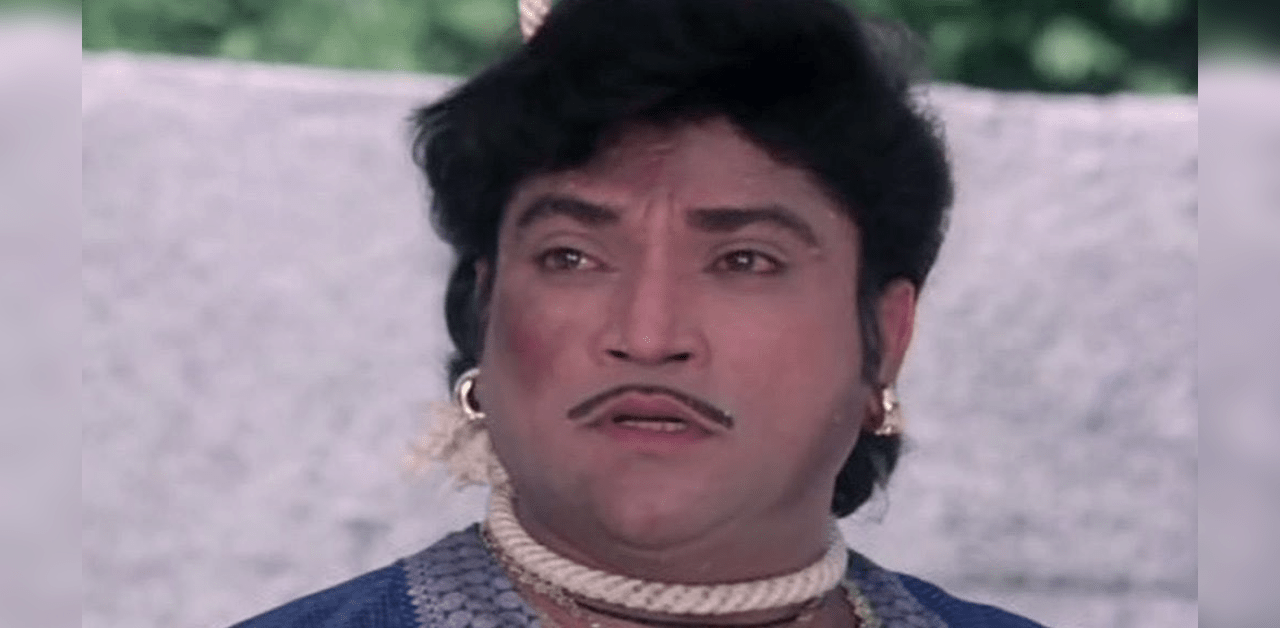
Naresh Kanodia stood as one of the most influential pillars of 1990s Gujarati cinema, embodying the archetype of the charismatic folk-inspired hero. Born in a rural Gujarati family, he was raised in an environment where music, storytelling, and local performance traditions were deeply embedded in daily life. This cultural foundation later shaped his expressive, music-infused acting style.
His career began as a stage performer and musician before transitioning into Gujarati films, where his natural charisma and rhythmic dialogue delivery quickly distinguished him. In the 1990s, Naresh Kanodia became a dominant leading man, particularly in musical dramas and rural action narratives. His screen presence was defined by energy, accessibility, and emotional directness, making him widely popular among rural audiences.
His breakthrough came through commercially successful films that blended folk music, drama, and romance. He often portrayed idealized rural heroes navigating social challenges, love, and justice. His performances resonated strongly with audiences seeking culturally rooted storytelling, reinforcing Gujarati cinema’s identity during a competitive entertainment era.
By the end of the decade, Naresh Kanodia had become a cultural icon in Dhollywood. His legacy lies in shaping the musical-rural hero archetype and sustaining Gujarati commercial cinema through a period of evolving audience expectations.
Key Facts
- Full name of the subject: Naresh Kanodia
- Date of birth: August 20, 1943
- Place of birth: Gujarat, India
- Family background: Rural Gujarati family
- Early childhood experiences: Exposure to folk music and theatre
- Education history: Basic education in Gujarat
- Influences and mentors: Gujarati folk performers
- Career beginnings: Stage performances and music
- Major achievements: Leading star of Gujarati commercial cinema
- Challenges and obstacles faced: Industry scale limitations of regional cinema
- Turning points in life: Entry into Gujarati film industry
- Contributions to society: Popularized Gujarati cultural cinema
- Personal life (marriage, children, relationships): Father of Hitu Kanodia
- Awards and recognitions: Regional film honors
- Beliefs, values, or philosophy: Cultural storytelling through music
- Legacy and impact: Icon of 1990s Gujarati cinema
- Historical or cultural significance: Defined modern Dhollywood commercial identity
Notable Works: Jog Sanjog, Dhola Maru, Jigar and Ami
Controversies: Naresh Kanodia’s career saw limited controversy, though industry discussions occasionally focused on the dominance of star-led commercial formulas in Gujarati cinema, which some critics argued restricted experimentation with alternative storytelling styles. The issue involved filmmakers, cultural critics, and industry observers analyzing market-driven production trends. Kanodia maintained that audience preferences shaped cinematic direction. Verified perspectives suggest this dominance reflected structural industry realities rather than individual decisions, and it had minimal impact on his reputation.
2. Upendra Trivedi
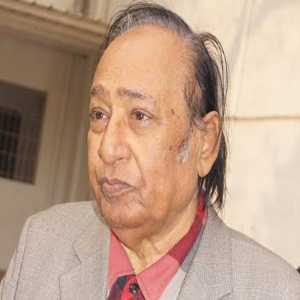
Upendra Trivedi was a defining intellectual and artistic force in Gujarati cinema, known for bringing emotional depth and theatrical discipline to 1990s Dhollywood. Born in Gujarat, he grew up in a culturally rich environment that emphasized literature, classical arts, and stage performance. His early exposure to theatre shaped his refined acting sensibility.
He began his career in theatre before transitioning into Gujarati films, where his command over dialogue and emotional nuance quickly set him apart. In the 1990s, Upendra Trivedi became known for portraying layered characters rooted in social realism and moral complexity. His performances emphasized internal emotion rather than external dramatics.
His breakthrough came through socially relevant films where he often played intellectual, moral, or patriarchal figures. His acting style combined philosophical depth with restrained emotional delivery, making him a respected figure among critics and audiences alike.
By the end of the decade, Upendra Trivedi had become one of the most respected cultural figures in Gujarati cinema. His legacy lies in elevating the artistic seriousness of Dhollywood and strengthening its literary foundation.
Key Facts
- Full name of the subject: Upendra Trivedi
- Date of birth: March 14, 1936
- Place of birth: Gujarat, India
- Family background: Educated Gujarati family
- Early childhood experiences: Strong exposure to literature and theatre
- Education history: Studied arts and performance
- Influences and mentors: Theatre directors and classical dramatists
- Career beginnings: Theatre actor before entering cinema
- Major achievements: Leading dramatic actor in Gujarati cinema
- Challenges and obstacles faced: Transition from stage to film medium
- Turning points in life: Success in socially conscious films
- Contributions to society: Strengthened cultural and literary cinema
- Personal life (marriage, children, relationships): Private family life
- Awards and recognitions: Gujarat State Film Awards
- Beliefs, values, or philosophy: Intellectual and moral storytelling
- Legacy and impact: Elevated artistic standards in Dhollywood
- Historical or cultural significance: Key figure in Gujarati theatrical cinema tradition
Notable Works: Narsaiyo Bhakta, Manvini Bhavai, Bhavni Bhavai
Controversies: Upendra Trivedi’s career faced occasional debate regarding the slow commercial adoption of his more literary and socially complex films, with critics arguing that such works struggled to achieve mass-market success. The issue involved filmmakers, distributors, and cultural analysts assessing the balance between art cinema and commercial viability. Trivedi defended these films as culturally essential. Industry commentary indicates that the challenge reflected audience segmentation rather than personal controversy. The matter had minimal effect on his professional standing.
3. Hiten Kumar
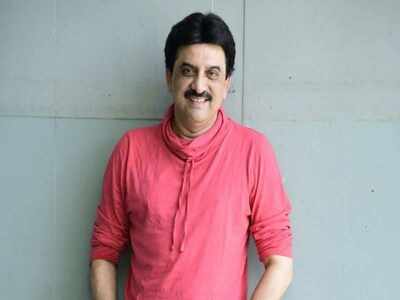
Hiten Kumar emerged in the 1990s as one of the most prominent action and romantic leads in Gujarati cinema, representing a modern shift in Dhollywood’s screen aesthetics. Born in Gujarat, he developed an early interest in performance and communication arts, which later contributed to his confident screen presence.
His career began in television and theatre before moving into Gujarati films, where his natural charisma and strong screen appeal quickly gained attention. In the 1990s, Hiten Kumar became known for his versatility, performing in romantic dramas, action films, and socially themed narratives. His acting style combined intensity with emotional accessibility.
His breakthrough came through commercial hits that established him as a bankable leading man. He often portrayed contemporary heroes navigating urban and rural challenges, reflecting the changing social landscape of Gujarat during the decade.
By the end of the 1990s, Hiten Kumar had become a leading figure in modern Dhollywood cinema. His legacy lies in bridging traditional storytelling with contemporary cinematic style.
Key Facts
- Full name of the subject: Hiten Kumar
- Date of birth: Unknown (Gujarat, India)
- Place of birth: Gujarat, India
- Family background: Middle-class Gujarati family
- Early childhood experiences: Interest in performance and media
- Education history: Completed education in Gujarat
- Influences and mentors: Theatre and television actors
- Career beginnings: Television and theatre roles
- Major achievements: Leading commercial actor in Gujarati cinema
- Challenges and obstacles faced: Industry scale limitations
- Turning points in life: Transition into Gujarati film stardom
- Contributions to society: Modernized Gujarati commercial cinema
- Personal life (marriage, children, relationships): Private family life
- Awards and recognitions: Regional film awards
- Beliefs, values, or philosophy: Adaptability and performance realism
- Legacy and impact: Modern face of 1990s Dhollywood
- Historical or cultural significance: Contributor to Gujarati cinema modernization
Notable Works: Desh Re Joya Dada Pardesh Joya, films of 1990s commercial era
Controversies: Hiten Kumar’s career faced limited controversy, though industry discussions sometimes focused on rapid commercialization of Gujarati cinema in the 1990s, where critics debated whether formula-driven storytelling limited artistic experimentation. The issue involved producers, cultural commentators, and audience reception analysts. Kumar maintained that his roles reflected audience demand and industry realities. Verified perspectives suggest this was a broader industry trend rather than an individual issue, with negligible long-term reputational impact.
4. Arvind Trivedi
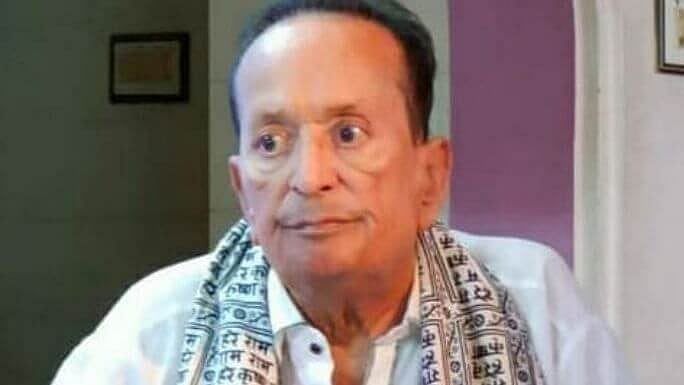
Arvind Trivedi was a towering figure in Gujarati cinema and television, known for his commanding voice, authoritative screen presence, and deep theatrical discipline. Born in Gujarat, he developed a strong foundation in stage acting and classical performance traditions. His early exposure to dramatic arts shaped his intense and structured acting style.
His career began in theatre before transitioning into films and later television, where he achieved nationwide recognition. In the 1990s, Arvind Trivedi remained a respected presence in Gujarati cinema, often portraying authoritative, mythological, or socially significant roles. His acting emphasized gravitas and emotional control.
His breakthrough recognition came earlier through iconic mythological portrayals, but the 1990s reinforced his stature as a cultural icon. He frequently appeared in roles that required moral authority and narrative weight, contributing significantly to character-driven storytelling.
By the end of the decade, Arvind Trivedi had become one of the most respected figures in Indian regional entertainment. His legacy lies in shaping mythological and dramatic performance standards across mediums.
Key Facts
- Full name of the subject: Arvind Trivedi
- Date of birth: November 8, 1938
- Place of birth: Gujarat, India
- Family background: Educated Gujarati family
- Early childhood experiences: Exposure to theatre and literature
- Education history: Studied arts and drama
- Influences and mentors: Theatre and mythological performers
- Career beginnings: Theatre and Gujarati cinema
- Major achievements: Iconic mythological and dramatic actor
- Challenges and obstacles faced: Transition across media formats
- Turning points in life: National recognition through television
- Contributions to society: Strengthened cultural mythological storytelling
- Personal life (marriage, children, relationships): Private family life
- Awards and recognitions: National television recognition
- Beliefs, values, or philosophy: Cultural tradition and discipline
- Legacy and impact: Iconic mythological performer
- Historical or cultural significance: Major influence on Indian mythological media
Notable Works: Ramayan (TV), Gujarati stage and film roles
Controversies: Arvind Trivedi’s career saw minimal controversy, though discussions occasionally emerged around typecasting in mythological roles, where critics argued that repeated portrayal of similar character archetypes limited diversity in his filmography. The issue involved casting trends in television and cinema industries. Trivedi embraced these roles as culturally significant. Industry analysis suggests typecasting was common in mythological genres. The matter had minimal impact on his reputation.
5. Snehlata
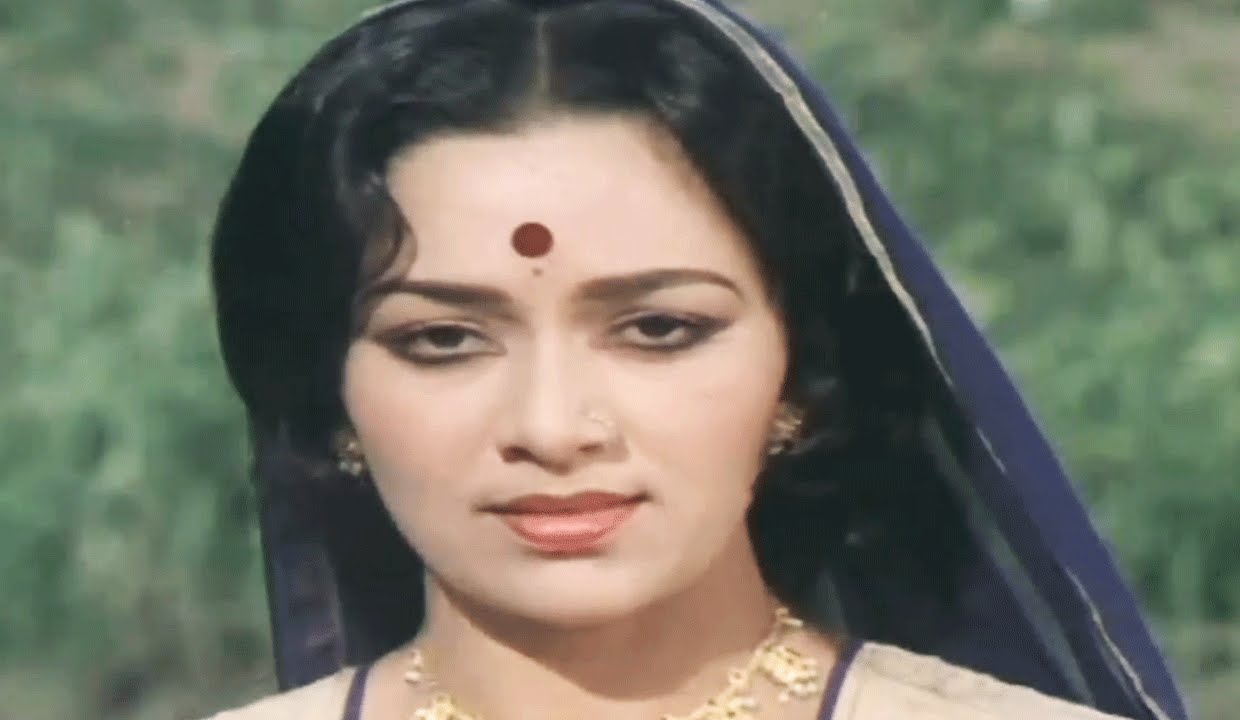
Snehlata was one of the most expressive and emotionally grounded actresses in 1990s Gujarati cinema, known for her refined screen presence and strong dramatic discipline. Born in Gujarat, she grew up in a culturally traditional environment where storytelling, devotional performance, and theatre shaped her early understanding of acting. This foundation later translated into her emotionally precise on-screen performances.
Her career began through theatre and early film roles, where she quickly distinguished herself with a natural ability to convey vulnerability and strength within the same character. In the 1990s, Snehlata became known for portraying emotionally complex women navigating family, sacrifice, and moral conflict. Her acting style leaned toward realism, avoiding exaggeration in favor of subtle emotional transitions.
Her breakthrough came through family dramas where she often played central maternal or resilient female roles. These characters became emotionally anchoring points in films, giving narrative depth and relatability to mainstream Gujarati cinema. She developed a reputation as an actress who could elevate even simple storylines through emotional authenticity.
By the end of the decade, Snehlata had become a respected figure in Dhollywood. Her legacy lies in strengthening the emotional language of Gujarati cinema and shaping dignified female representation during a commercially evolving era.
Key Facts
- Full name of the subject: Snehlata
- Date of birth: Unknown (Gujarat, India)
- Place of birth: Gujarat, India
- Family background: Traditional Gujarati family
- Early childhood experiences: Exposure to theatre and devotional arts
- Education history: Completed education in Gujarat
- Influences and mentors: Theatre performers and cultural storytellers
- Career beginnings: Stage acting and supporting film roles
- Major achievements: Prominent emotional lead actress in Gujarati cinema
- Challenges and obstacles faced: Limited lead roles for women in regional cinema
- Turning points in life: Recognition in 1990s family dramas
- Contributions to society: Strengthened female representation in Dhollywood
- Personal life (marriage, children, relationships): Private family life
- Awards and recognitions: Regional film appreciation
- Beliefs, values, or philosophy: Emotional authenticity and cultural grounding
- Legacy and impact: Influential female presence in Gujarati cinema
- Historical or cultural significance: Key contributor to 1990s emotional storytelling
Notable Works: Family dramas and rural Gujarati cinema films of the 1990s
Controversies: Snehlata’s career was largely free from direct controversy, though broader industry discussions occasionally highlighted the limited narrative space given to female characters in Gujarati cinema during the 1990s. The issue involved filmmakers, cultural critics, and gender representation analysts. Snehlata’s roles were often cited as examples of emotionally strong yet structurally constrained female writing. She did not publicly engage in disputes on the matter. Industry analysis suggests the issue reflected systemic storytelling limitations rather than individual involvement, with minimal impact on her reputation.
6. Roma Manek
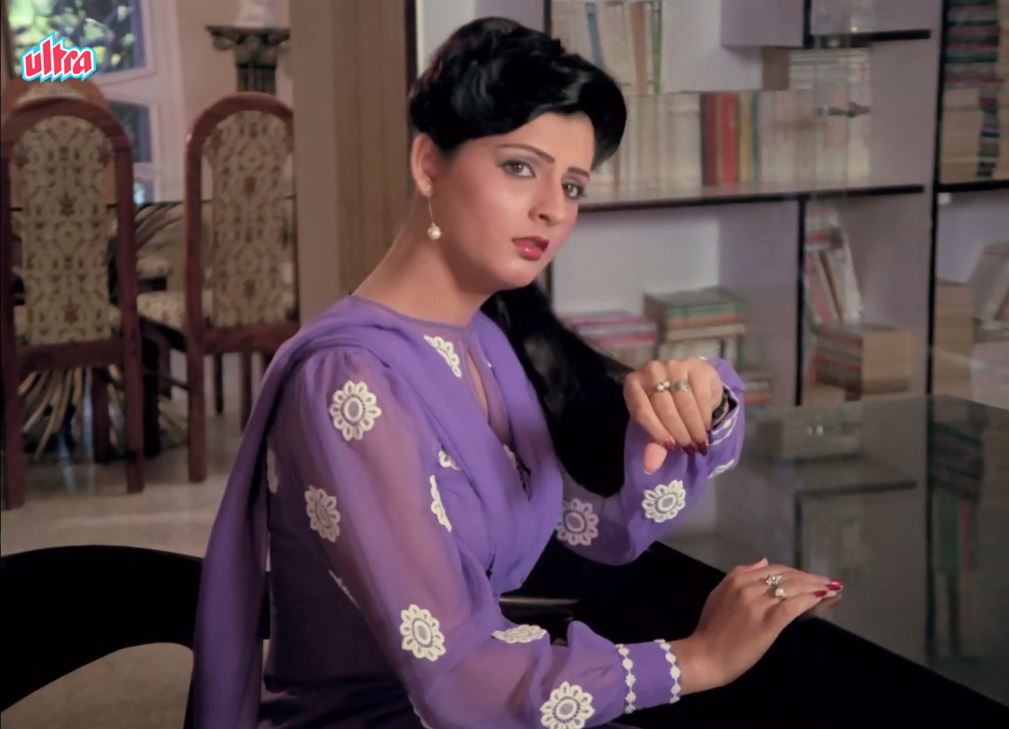
Roma Manek emerged in the 1990s as one of the most recognizable youthful faces in Gujarati cinema, known for her expressive charm and versatile performances. Born in Gujarat, she developed an early interest in performance arts, participating in cultural programs and stage performances during her formative years. Her upbringing nurtured confidence and expressive clarity.
Her career began in theatre and modeling before she transitioned into Gujarati films, where she quickly became associated with youthful romantic and dramatic roles. In the 1990s, Roma Manek gained popularity for portraying energetic, emotionally expressive female characters that resonated with younger audiences.
Her breakthrough came through romantic dramas where she became a key female lead opposite major Gujarati actors. Her screen presence was marked by freshness, emotional openness, and a strong connection with contemporary storytelling styles. She contributed to modernizing the image of female leads in Dhollywood.
By the end of the decade, Roma Manek had established herself as a prominent actress of her generation. Her legacy lies in bringing youthful energy and modern appeal to Gujarati cinema during a transitional phase.
Key Facts
- Full name of the subject: Roma Manek
- Date of birth: Unknown (Gujarat, India)
- Place of birth: Gujarat, India
- Family background: Middle-class Gujarati family
- Early childhood experiences: Participation in cultural and stage activities
- Education history: Completed education in Gujarat
- Influences and mentors: Theatre and film artists
- Career beginnings: Modeling and theatre performances
- Major achievements: Popular lead actress in 1990s Gujarati cinema
- Challenges and obstacles faced: Competition in commercial film industry
- Turning points in life: Entry into Gujarati romantic cinema
- Contributions to society: Modernized female screen representation
- Personal life (marriage, children, relationships): Private life
- Awards and recognitions: Regional film recognition
- Beliefs, values, or philosophy: Emotional expression and audience connection
- Legacy and impact: Youth icon of Dhollywood 1990s
- Historical or cultural significance: Contributor to modernization of Gujarati film heroines
Notable Works: Romantic Gujarati films of the 1990s, stage adaptations
Controversies: Roma Manek’s career faced minimal controversy, though industry commentary occasionally discussed the rapid commercialization of romantic roles in Gujarati cinema, which some critics argued led to formulaic character writing for young female leads. The issue involved producers, critics, and audience analysts. Manek maintained a focus on performance rather than public debate. Industry assessments suggest this was a structural trend within regional cinema rather than a personal controversy, with limited long-term impact on her career.
7. Hitu Kanodia

Hitu Kanodia emerged in the 1990s as part of a new generation of Gujarati film talent, carrying forward the cinematic legacy of his father while establishing his own identity. Born in Gujarat, he was exposed early to the entertainment industry through family involvement in folk performance and cinema.
His career began with small acting roles and stage performances before transitioning into Gujarati films. In the 1990s, Hitu Kanodia gained recognition for his natural acting style and ability to portray relatable rural and semi-urban characters. His performances emphasized sincerity and emotional clarity rather than theatrical exaggeration.
His breakthrough came through commercial films where he successfully balanced romantic, dramatic, and socially grounded roles. He became associated with characters reflecting evolving Gujarati society, particularly themes of generational transition and cultural identity.
By the end of the decade, Hitu Kanodia had established himself as a rising and reliable actor in Dhollywood. His legacy lies in continuing a cinematic lineage while adapting to modern storytelling expectations.
Key Facts
- Full name of the subject: Hitu Kanodia
- Date of birth: Unknown (Gujarat, India)
- Place of birth: Gujarat, India
- Family background: Film and performance-oriented family
- Early childhood experiences: Exposure to Gujarati folk and cinema culture
- Education history: Completed education in Gujarat
- Influences and mentors: Naresh Kanodia and Gujarati filmmakers
- Career beginnings: Supporting roles in Gujarati films
- Major achievements: Established actor in 1990s Gujarati cinema
- Challenges and obstacles faced: Living up to family legacy expectations
- Turning points in life: Entry into mainstream Dhollywood films
- Contributions to society: Continued Gujarati cinematic tradition
- Personal life (marriage, children, relationships): Private family life
- Awards and recognitions: Regional film recognition
- Beliefs, values, or philosophy: Cultural continuity and performance discipline
- Legacy and impact: Bridge between traditional and modern Gujarati cinema
- Historical or cultural significance: Part of Gujarati cinema legacy lineage
Notable Works: Gujarati commercial films of the 1990s
Controversies: Hitu Kanodia’s career was occasionally discussed in relation to legacy expectations, with critics debating whether familial connections influenced early casting opportunities. The issue involved film industry observers, cultural critics, and casting analysts. Kanodia maintained that his career progression depended on performance acceptance by audiences. Industry perspectives suggest that family-linked entry into cinema is a common structural feature in regional industries. The matter did not significantly affect his reputation or long-term career trajectory.
8. Arvind Rathod
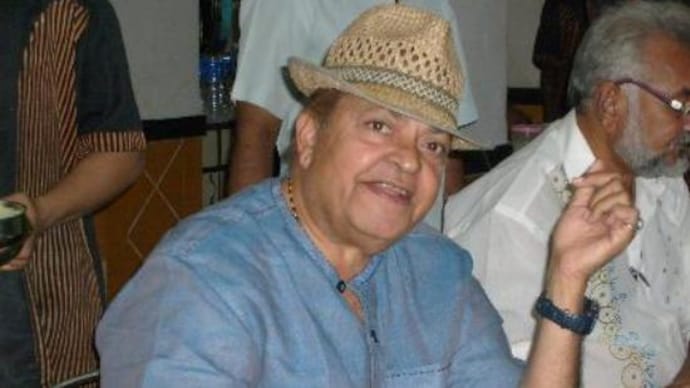
Arvind Rathod was one of the most respected character actors in 1990s Gujarati cinema, known for his grounded performances and strong theatrical discipline. Born in Gujarat, he grew up in an environment shaped by traditional storytelling, stage performance, and cultural expression. This early exposure to drama and literature formed the foundation of his restrained yet powerful acting style.
His career began in theatre, where he developed a reputation for delivering emotionally controlled and believable performances. As he transitioned into Gujarati films, he became a reliable supporting actor known for adding narrative weight to family dramas and socially themed stories. In the 1990s, Arvind Rathod frequently portrayed elder statesmen, fathers, and morally anchored characters.
His breakthrough came through ensemble-driven films where his presence elevated the emotional structure of storytelling. He became an actor directors relied upon to stabilize narrative tone, particularly in films centered around family conflict and rural morality.
By the end of the decade, Arvind Rathod had become a trusted figure in Dhollywood cinema. His legacy lies in strengthening the importance of supporting character roles and bringing theatrical realism into Gujarati film acting.
Key Facts
- Full name of the subject: Arvind Rathod
- Date of birth: Unknown (Gujarat, India)
- Place of birth: Gujarat, India
- Family background: Traditional Gujarati family
- Early childhood experiences: Exposure to theatre and literature
- Education history: Studied in Gujarat
- Influences and mentors: Theatre directors and stage actors
- Career beginnings: Stage acting in Gujarati theatre
- Major achievements: Respected supporting actor in Gujarati cinema
- Challenges and obstacles faced: Limited visibility compared to lead actors
- Turning points in life: Transition from theatre to film roles
- Contributions to society: Strengthened ensemble acting culture
- Personal life (marriage, children, relationships): Private family life
- Awards and recognitions: Regional theatre and film recognition
- Beliefs, values, or philosophy: Discipline and realism in performance
- Legacy and impact: Strong foundation actor in Gujarati cinema
- Historical or cultural significance: Contributor to 1990s Dhollywood character acting tradition
Notable Works: Family dramas and rural Gujarati cinema films of the 1990s
Controversies: Arvind Rathod’s career saw minimal controversy, though broader industry discussions occasionally highlighted the limited recognition given to supporting actors in Gujarati cinema, with critics arguing that lead-focused promotion often overshadowed character performers. The issue involved filmmakers, cultural analysts, and industry observers. Rathod was widely respected and not directly involved in disputes. Industry perspectives indicate this was a systemic pattern in regional cinema rather than an individual controversy, with negligible impact on his reputation.
9. Firoze Irani
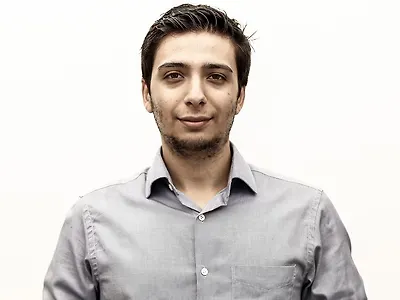
Firoze Irani emerged in the 1990s as a distinctive supporting and character actor in Gujarati cinema, known for his versatility and strong screen adaptability. Born in Gujarat, he developed early exposure to performance arts through local theatre and cultural programs, which shaped his expressive yet disciplined acting approach.
His career began in theatre before moving into films, where he quickly became known for playing a wide range of roles including comedic, dramatic, and supporting characters. In the 1990s, Firoze Irani became a familiar presence in ensemble casts, contributing significantly to narrative depth through strong character interpretations.
His breakthrough came through films where his supporting roles added both emotional relief and structural balance to storytelling. He often portrayed relatable middle-class characters, bringing realism and everyday authenticity to Gujarati cinema narratives.
By the end of the decade, Firoze Irani had established himself as a dependable supporting actor in Dhollywood. His legacy lies in enhancing ensemble storytelling and strengthening the realism of Gujarati film narratives.
Key Facts
- Full name of the subject: Firoze Irani
- Date of birth: Unknown (Gujarat, India)
- Place of birth: Gujarat, India
- Family background: Middle-class Gujarati family
- Early childhood experiences: Participation in theatre and cultural activities
- Education history: Completed education in Gujarat
- Influences and mentors: Theatre practitioners
- Career beginnings: Stage acting before film roles
- Major achievements: Recognized supporting actor in Gujarati cinema
- Challenges and obstacles faced: Limited lead-role opportunities
- Turning points in life: Entry into Gujarati film industry
- Contributions to society: Strengthened supporting character acting
- Personal life (marriage, children, relationships): Private life
- Awards and recognitions: Regional industry recognition
- Beliefs, values, or philosophy: Realism and versatility in acting
- Legacy and impact: Reliable ensemble actor in Dhollywood
- Historical or cultural significance: Contributor to 1990s Gujarati supporting cinema
Notable Works: Ensemble roles in 1990s Gujarati family and social films
Controversies: Firoze Irani’s career was largely free of direct controversy, though industry discussions occasionally addressed the lack of visibility for supporting actors in Gujarati cinema during the 1990s. The issue involved filmmakers, critics, and cultural analysts evaluating credit distribution and recognition structures. Irani was widely regarded as a dependable performer. Industry analysis suggests the issue was structural and not individual in nature, with minimal impact on his career trajectory or public reputation.
10. Ramesh Mehta
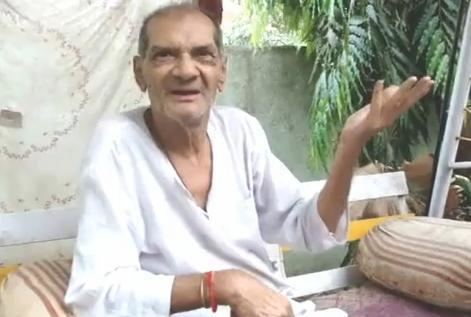
Ramesh Mehta was one of the most celebrated comedic forces in Gujarati cinema, known for his impeccable timing, expressive dialogue delivery, and ability to elevate comedic storytelling in the 1990s. Born in Gujarat, he was raised in a culturally vibrant environment where theatre and stage humor played an essential role in community entertainment.
His career began in theatre, where he developed a strong foundation in comedic timing and audience interaction. Transitioning into Gujarati cinema, he quickly became one of the most recognizable comedic actors. In the 1990s, Ramesh Mehta’s performances became essential in balancing dramatic narratives with humor-driven relief.
His breakthrough came through comedic supporting roles in family dramas and rural comedies, where his performances often became audience highlights. His style combined physical comedy with witty dialogue delivery, making him a standout performer in ensemble casts.
By the end of the decade, Ramesh Mehta had become a defining figure in Gujarati cinematic comedy. His legacy lies in shaping modern comedic performance in Dhollywood and strengthening humor as a core element of regional storytelling.
Key Facts
- Full name of the subject: Ramesh Mehta
- Date of birth: Unknown (Gujarat, India)
- Place of birth: Gujarat, India
- Family background: Traditional Gujarati family
- Early childhood experiences: Exposure to theatre and stage comedy
- Education history: Studied in Gujarat
- Influences and mentors: Theatre comedians and stage performers
- Career beginnings: Theatre comedy performances
- Major achievements: Leading comedic actor in Gujarati cinema
- Challenges and obstacles faced: Balancing comedy with narrative roles
- Turning points in life: Transition into film comedy roles
- Contributions to society: Strengthened Gujarati cinematic comedy tradition
- Personal life (marriage, children, relationships): Private life
- Awards and recognitions: Regional comedy performance recognition
- Beliefs, values, or philosophy: Humor as cultural storytelling
- Legacy and impact: Iconic comedic influence in Dhollywood
- Historical or cultural significance: Key figure in 1990s Gujarati film comedy
Notable Works: Comedy roles in 1990s Gujarati family and rural films
Controversies: Ramesh Mehta’s career faced minimal controversy, though broader discussions in Gujarati cinema occasionally highlighted how comedic actors were often typecast, limiting their opportunity to explore serious dramatic roles. The issue involved filmmakers, audience expectations, and cultural critics. Mehta himself embraced comedy as his primary craft. Industry commentary suggests typecasting was a common structural feature in regional cinema. The matter had little to no negative effect on his reputation or career stability.
Notable Mentions
Kiran Kumar
Padmarani
Maniraj Barot
Jeet Upendra
Pranjal Bhatt
Chandani Chopra
Mallika Sarabhai
Arvind Pandya
Jayendra Mehta
Narayan Rajgor