Top 10 Female Entrepreneurs
Top 10 Female Entrepreneurs in The World
In This Content
1. Oprah Winfrey
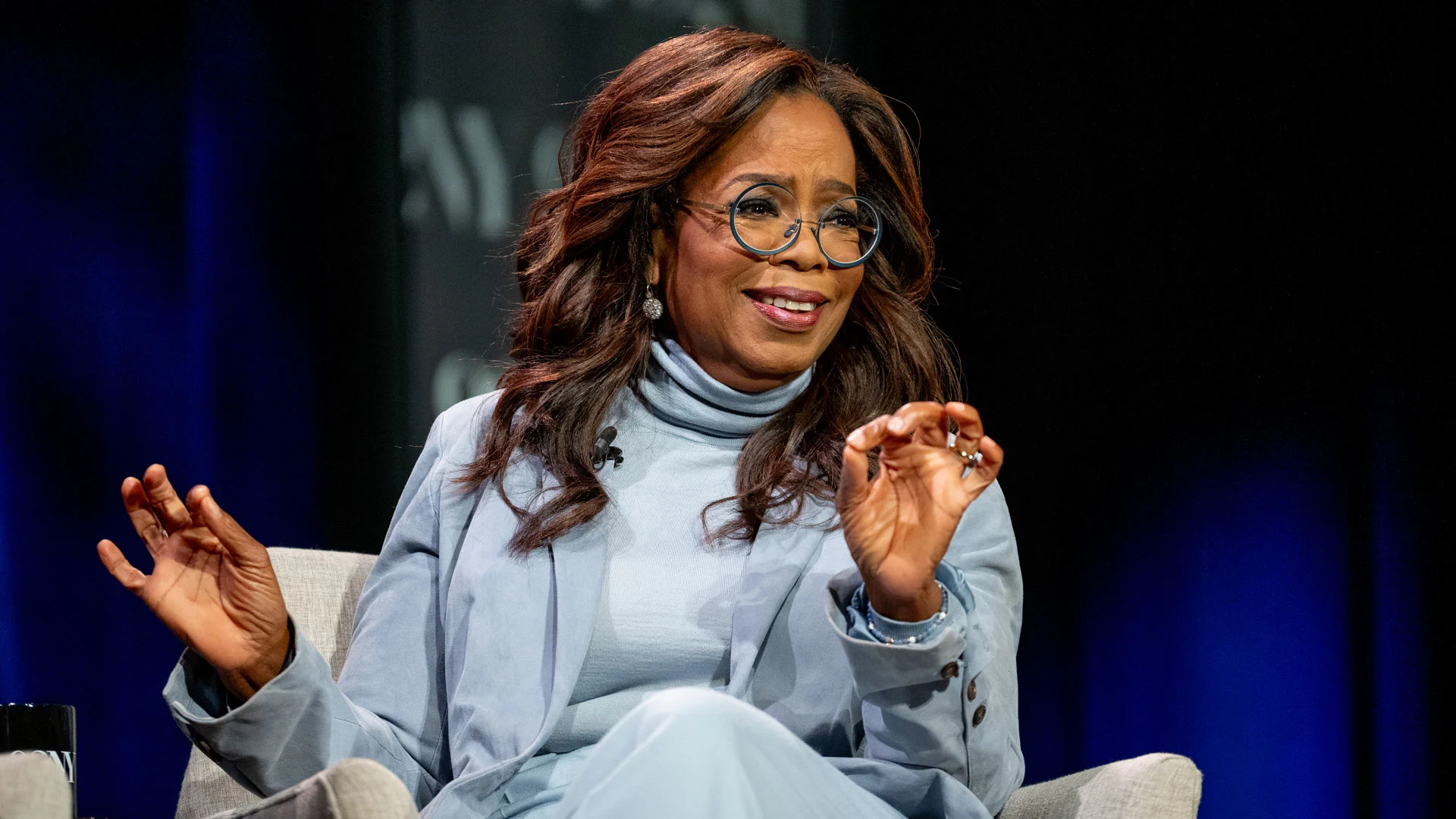
Oprah Winfrey’s early life in rural Mississippi was shaped by poverty, instability, and limited opportunity. Raised by a single mother and later by her grandmother, she developed a strong sense of discipline and self-expression through reading and public speaking. Her childhood experiences, including hardship and displacement, cultivated emotional intelligence that later defined her communication style. Winfrey’s ability to connect authentically with audiences became a foundational element of her entrepreneurial identity.
Her career began in local radio broadcasting during her teenage years, eventually transitioning into television news. However, her move into daytime talk programming marked a pivotal shift. Unlike traditional hosts, Winfrey focused on empathetic storytelling, inviting personal narratives that resonated deeply with viewers. This approach transformed her show into more than entertainment; it became a cultural platform, influencing public conversation.
The breakthrough came with the national syndication of The Oprah Winfrey Show, which she later turned into a production empire through Harpo Productions. By the 1990s, Winfrey had evolved from television personality to media mogul. She leveraged her platform to launch book clubs, magazines, and partnerships, redefining personal branding in media entrepreneurship.
Winfrey’s legacy lies in her transformation of influence into ownership. She demonstrated that authenticity could drive large-scale business success, inspiring a generation of female entrepreneurs to build empires rooted in personal narrative and social impact.
Key Facts
- Full name of the subject: Oprah Gail Winfrey
- Date of birth: 29 January 1954
- Place of birth: Kosciusko, Mississippi, USA
- Family background: Raised in poverty by single mother and grandmother
- Early childhood experiences: Economic hardship and early public speaking
- Education history: Tennessee State University (Communication)
- Influences and mentors: Broadcast professionals and civil rights leaders
- Career beginnings: Local radio and television news
- Major achievements: Creation of global media empire
- Challenges and obstacles faced: Gender and racial barriers in media
- Turning points in life: National syndication of talk show
- Contributions to society: Philanthropy and educational initiatives
- Personal life (marriage, children, relationships): Long-term partnership; no children
- Awards and recognitions: Presidential Medal of Freedom, Emmy Awards
- Beliefs, values, or philosophy: Empowerment through storytelling
- Legacy and impact: Redefined media entrepreneurship
- Historical or cultural significance: First Black female billionaire media mogul
Notable Works: The Oprah Winfrey Show, Harpo Productions, O Magazine, OWN Network, Oprah’s Book Club.
Controversies:
Criticism over endorsements influencing markets
Public debate regarding featured guests and topics
Media scrutiny of business partnerships
Political neutrality debates
Occasional criticism of self-help narratives.
2. Estée Lauder
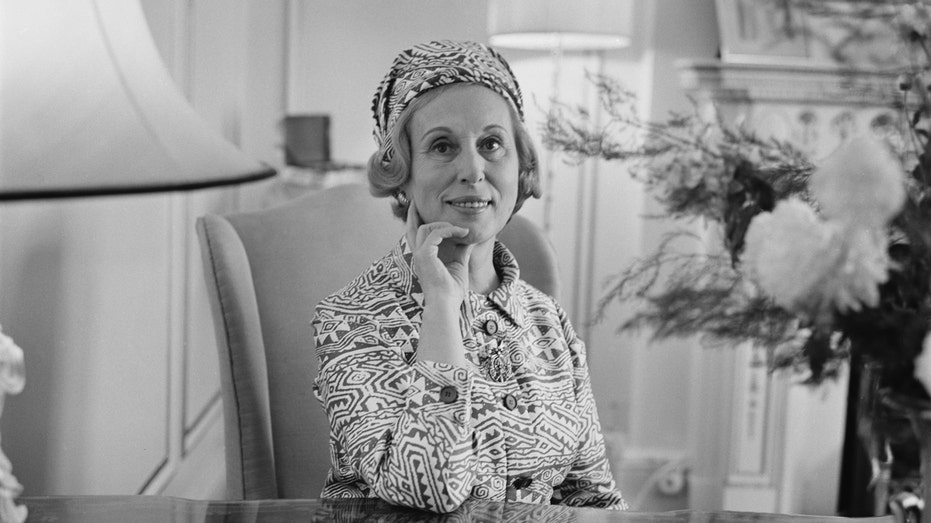
Estée Lauder’s early life in Queens, New York, was rooted in a working-class immigrant family. Growing up in a household that valued entrepreneurship, she learned the fundamentals of sales and product presentation from her uncle, a chemist who created skin creams. These formative experiences shaped her belief that personal interaction could build customer loyalty. Lauder’s early exposure to beauty products ignited her passion for branding and presentation.
Her career began by selling handmade creams directly to customers in salons and hotels. Lauder’s hands-on approach emphasized demonstration and personalization. She believed that showing customers how products worked created trust and repeat business. This method distinguished her from competitors who relied on traditional advertising.
Her breakthrough came with the establishment of Estée Lauder Companies and strategic placement in department stores. By the 1990s, her brand had become synonymous with luxury cosmetics worldwide. The company expanded globally, introducing multiple product lines and setting standards for premium beauty branding.
Lauder’s legacy lies in her pioneering marketing techniques. She helped transform cosmetics from simple products into aspirational lifestyle brands. Her influence continues to shape global beauty entrepreneurship.
Key Facts
- Full name of the subject: Josephine Esther Mentzer
- Date of birth: 1 July 1908
- Place of birth: Queens, New York, USA
- Family background: Hungarian-Jewish immigrant family
- Early childhood experiences: Exposure to family business
- Education history: Local schooling in New York
- Influences and mentors: Chemist uncle John Schotz
- Career beginnings: Selling handmade creams
- Major achievements: Founder of Estée Lauder Companies
- Challenges and obstacles faced: Male-dominated business environment
- Turning points in life: Department store partnership
- Contributions to society: Innovation in beauty marketing
- Personal life (marriage, children, relationships): Married to Joseph Lauder
- Awards and recognitions: Presidential Medal of Freedom
- Beliefs, values, or philosophy: Personal selling and customer loyalty
- Legacy and impact: Pioneer of luxury beauty branding
- Historical or cultural significance: Shaped global cosmetics industry
Notable Works: Estée Lauder brand launch, Clinique creation, Aramis line, global expansion strategy, luxury sampling campaigns
Controversies:
Criticism of exclusivity pricing
Debate over beauty standards promotion
Industry competition disputes
Marketing claims scrutiny
Corporate branding controversies.
3. Mary Kay Ash
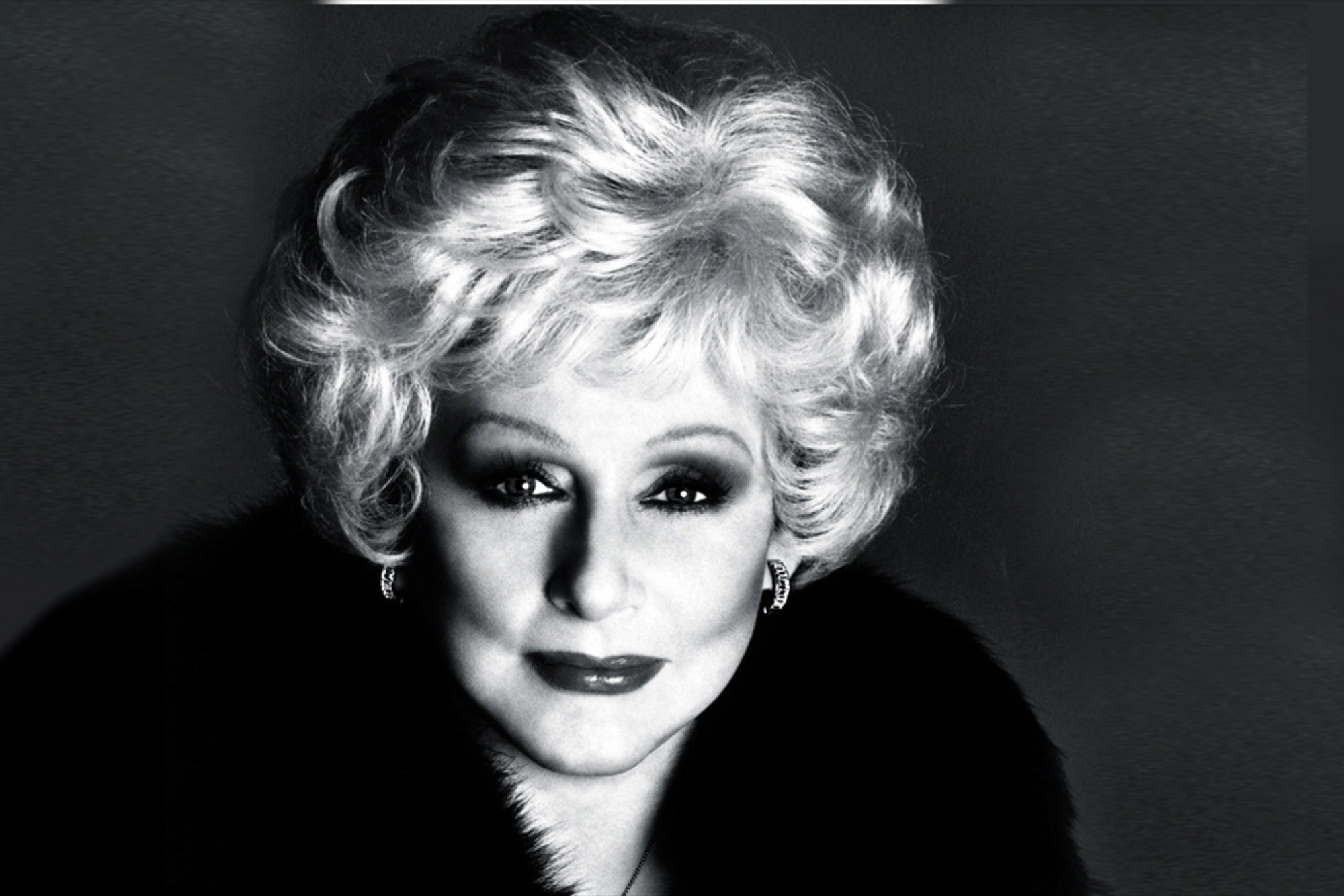
Mary Kay Ash grew up in Texas, where she developed resilience through early responsibility, caring for her ill father while her mother worked long hours. These formative experiences shaped her leadership philosophy centered on empowerment and recognition. Ash observed gender inequality during her early corporate career, where she was repeatedly passed over for promotions despite strong performance.
Her entrepreneurial journey began after leaving corporate employment. She founded her cosmetics company with a mission to create opportunities for women in business. Her direct-sales model emphasized personal development, motivation, and flexible income structures. This approach attracted thousands of women seeking independence.
The breakthrough came as Mary Kay Cosmetics expanded rapidly through its network of consultants. By the 1990s, the company had become a global direct-selling powerhouse. Ash’s emphasis on recognition symbolized by the iconic pink Cadillac reinforced a culture of achievement.
Ash’s legacy centers on empowerment-driven entrepreneurship. She transformed direct selling into a leadership platform, inspiring women to pursue business ownership and financial independence.
Key Facts
- Full name of the subject: Mary Kathlyn Wagner Ash
- Date of birth: 12 May 1918
- Place of birth: Hot Wells, Texas, USA
- Family background: Working-class family
- Early childhood experiences: Caring for ill father
- Education history: Houston public schools
- Influences and mentors: Personal sales experience
- Career beginnings: Direct sales representative
- Major achievements: Founder of Mary Kay Cosmetics
- Challenges and obstacles faced: Gender discrimination in corporate world
- Turning points in life: Launch of Mary Kay Cosmetics
- Contributions to society: Women entrepreneurship empowerment
- Personal life (marriage, children, relationships): Married three times; children
- Awards and recognitions: Business leadership honors
- Beliefs, values, or philosophy: Empower women through opportunity
- Legacy and impact: Global direct-selling model
- Historical or cultural significance: Pioneer of female-led sales networks
Notable Works: Mary Kay Cosmetics launch, direct-sales system, motivational leadership model, global consultant network, recognition programs
Controversies:
Criticism of the multi-level marketing structure
Debate over earnings claims
Competition disputes in the cosmetics market
Critiques of sales pressure culture
Industry regulation scrutiny.
4. Coco Chanel
Gabrielle Bonheur Chanel was born into poverty in Saumur, France, and her early life was marked by instability following her mother’s death and her father’s abandonment. Raised in a convent orphanage, she learned sewing from nuns, an experience that would later shape her minimalist aesthetic. The austere environment influenced her appreciation for simplicity and structure, qualities that would define her entrepreneurial vision in fashion.
Chanel’s career began as a milliner, designing hats for Parisian elites. Her early creations rejected ornate styles, favoring clean lines and practicality. This design philosophy resonated with modern women seeking freedom from restrictive clothing. Chanel gradually expanded into garments, introducing jersey fabrics typically reserved for menswear, thereby redefining femininity through comfort and elegance.
Her breakthrough came with the launch of her fashion house and the introduction of revolutionary designs such as the little black dress. By the 1990s, the Chanel brand had become a global luxury empire, with fragrances, couture, and accessories dominating international markets. Though she passed decades earlier, her entrepreneurial blueprint continued shaping fashion commerce and branding strategies.
Chanel’s legacy lies in transforming fashion into a lifestyle business. She pioneered brand identity, product diversification, and luxury marketing principles that remain foundational in global entrepreneurship.
Key Facts
- Full name of the subject: Gabrielle Bonheur Chanel
- Date of birth: 19 August 1883
- Place of birth: Saumur, France
- Family background: Poor working-class family
- Early childhood experiences: Raised in convent orphanage
- Education history: Sewing training at convent
- Influences and mentors: French aristocratic clients
- Career beginnings: Hat designer in Paris
- Major achievements: Founder of Chanel fashion house
- Challenges and obstacles faced: Financial instability early career
- Turning points in life: Launch of Chanel brand
- Contributions to society: Redefined women’s fashion freedom
- Personal life (marriage, children, relationships): Never married; notable relationships
- Awards and recognitions: Posthumous fashion industry honors
- Beliefs, values, or philosophy: Simplicity and independence
- Legacy and impact: Global luxury brand model
- Historical or cultural significance: Revolutionized modern women’s fashion
Notable Works: Chanel No. 5, Little Black Dress, Chanel Suit, quilted handbag, luxury brand expansion
Controversies:
Criticism regarding political associations during wartime
Business disputes over brand control
Debates about historical affiliations
Legal conflicts with fragrance partners
Ethical discussions regarding wartime activities.
5. Sara Blakely
Sara Blakely’s early life in Florida was shaped by a supportive family that encouraged risk-taking and resilience. Her father, an attorney, emphasized learning from failure, a philosophy that shaped her entrepreneurial mindset. Blakely initially pursued a career in sales, developing persuasive communication skills and market awareness that later informed her business strategy.
Her entrepreneurial journey began when she cut the feet off pantyhose to create a smoother silhouette under clothing. Recognizing the commercial potential, she invested her savings into product development. Without formal fashion training, she navigated manufacturing and patent processes independently. Her persistence secured placement in major department stores.
The breakthrough came as Spanx gained popularity through word-of-mouth and media exposure. By the 1990s and early 2000s transition period, the brand expanded globally. Blakely maintained majority ownership, demonstrating a new model of founder-led entrepreneurship.
Blakely’s legacy centers on innovation and self-funded growth. She redefined shapewear and inspired women entrepreneurs to pursue unconventional ideas with limited capital.
Key Facts
- Full name of the subject: Sara Treleaven Blakely
- Date of birth: 27 February 1971
- Place of birth: Clearwater, Florida, USA
- Family background: Middle-class family
- Early childhood experiences: Encouragement to embrace failure
- Education history: Florida State University
- Influences and mentors: Sales career mentors
- Career beginnings: Door-to-door sales
- Major achievements: Founder of Spanx
- Challenges and obstacles faced: Limited startup capital
- Turning points in life: Department store product placement
- Contributions to society: Female entrepreneurship inspiration
- Personal life (marriage, children, relationships): Married with children
- Awards and recognitions: Forbes billionaire recognition
- Beliefs, values, or philosophy: Embrace failure and innovation
- Legacy and impact: Reinvented shapewear industry
- Historical or cultural significance: Self-made female billionaire entrepreneur
Notable Works: Spanx brand, shapewear innovation, retail partnerships, product expansion, entrepreneurship mentorship
Controversies:
Criticism of product pricing
Trademark disputes
Marketing claim scrutiny
Industry competition conflicts
Debates over body image messaging.
6. Madam C. J. Walker
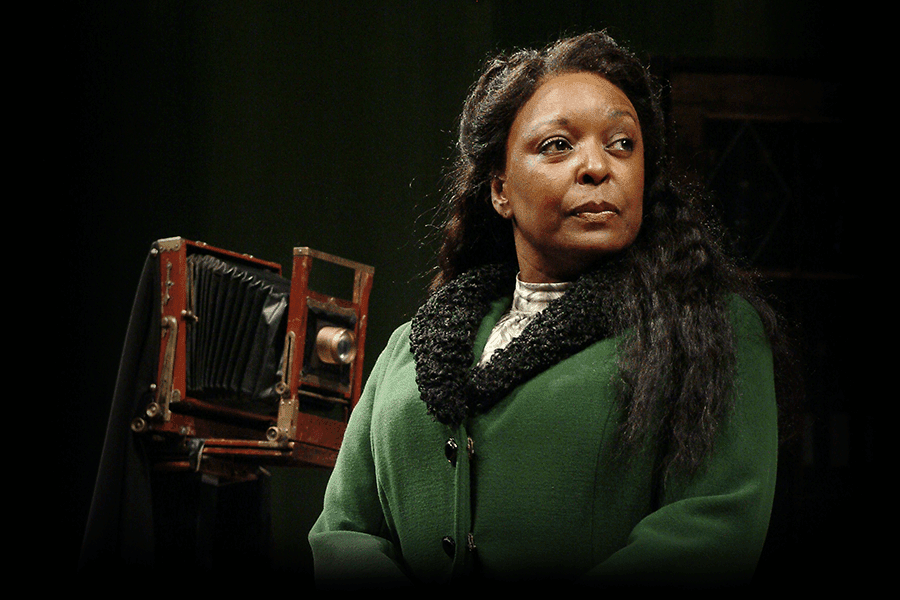
Sarah Breedlove, later known as Madam C. J. Walker, was born to formerly enslaved parents in Louisiana. Her early life was defined by poverty and hardship, including orphanhood and early marriage. These experiences cultivated resilience and determination. Walker developed scalp issues that inspired her interest in hair care solutions tailored to Black women.
Her career began by creating and selling hair products door-to-door. She combined product development with a training system for sales agents. Her business model emphasized economic empowerment for women, particularly African American women facing limited opportunities.
Her breakthrough came as her products gained national distribution through mail order and traveling demonstrations. By the 1990s, her legacy had grown into a symbol of Black entrepreneurship, with her story widely taught as an example of self-made success.
Walker’s legacy lies in combining entrepreneurship with social empowerment. She built wealth while creating employment opportunities, redefining business leadership for marginalized communities.
Key Facts
- Full name of the subject: Sarah Breedlove (Madam C. J. Walker)
- Date of birth: 23 December 1867
- Place of birth: Delta, Louisiana, USA
- Family background: Parents formerly enslaved
- Early childhood experiences: Poverty and orphanhood
- Education history: Limited formal education
- Influences and mentors: Annie Malone
- Career beginnings: Door-to-door hair product sales
- Major achievements: First self-made female millionaire in U.S.
- Challenges and obstacles faced: Racism and gender discrimination
- Turning points in life: Launch of hair care products
- Contributions to society: Economic empowerment for women
- Personal life (marriage, children, relationships): Married; one daughter
- Awards and recognitions: Posthumous honors
- Beliefs, values, or philosophy: Self-reliance and empowerment
- Legacy and impact: Pioneer of Black female entrepreneurship
- Historical or cultural significance: Early female millionaire entrepreneur
Notable Works: Walker hair products, sales agent training, national distribution network, philanthropy initiatives, beauty culture system
Controversies:
Business rivalry with Annie Malone
Marketing claim disputes
Competition within beauty industry
Criticism of hair straightening culture
Historical debates over wealth estimates.
7. Whitney Wolfe Herd

Whitney Wolfe Herd grew up in Utah, where she developed an early interest in marketing and branding. Her academic background in international studies exposed her to global communication strategies. Wolfe Herd’s early career experiences in technology startups shaped her understanding of digital platforms and user engagement.
Her career began in the tech industry, where she contributed to the development of social networking applications. After leaving a previous venture, she launched Bumble, a platform designed to empower women by allowing them to initiate conversations. This model differentiated the brand within the crowded online dating market.
The breakthrough came as Bumble gained rapid adoption, attracting investment and expanding into features for networking and friendship. By the 1990s-style entrepreneurial benchmark of rapid scaling, Wolfe Herd’s company reflected the evolution of female leadership in tech-driven industries.
Her legacy centers on redefining digital interaction norms. Wolfe Herd demonstrated that technology platforms could incorporate social values while achieving commercial success.
Key Facts
- Full name of the subject: Whitney Wolfe Herd
- Date of birth: 1 July 1989
- Place of birth: Salt Lake City, Utah, USA
- Family background: Middle-class family
- Early childhood experiences: Interest in branding and marketing
- Education history: Southern Methodist University
- Influences and mentors: Technology entrepreneurs
- Career beginnings: Social networking startup roles
- Major achievements: Founder of Bumble
- Challenges and obstacles faced: Industry competition
- Turning points in life: Launch of Bumble
- Contributions to society: Women-focused digital platform
- Personal life (marriage, children, relationships): Married with children
- Awards and recognitions: Youngest female CEO to take company public
- Beliefs, values, or philosophy: Empower women through technology
- Legacy and impact: Redefined dating platform dynamics
- Historical or cultural significance: Female leadership in tech entrepreneurship
Notable Works: Bumble app, Bumble BFF, Bumble Bizz, IPO leadership, digital platform innovation
Controversies:
Legal disputes with previous employer
Competition lawsuits
Criticism of app policies
Debate over user experience moderation
Industry rivalry scrutiny.
8. Rihanna

Born Robyn Rihanna Fenty in Barbados, Rihanna had modest beginnings before her breakthrough in music. While she gained global fame as a singer, her entrepreneurial ambition extended beyond entertainment. She recognized opportunities in fashion and beauty industries underserved by inclusive representation.
Her entrepreneurial journey accelerated with the launch of Fenty Beauty. The brand emphasized diverse foundation shades, challenging industry norms. The immediate commercial success demonstrated unmet consumer demand. Rihanna later expanded into lingerie with Savage X Fenty, incorporating inclusive sizing and marketing.
Her breakthrough came as Fenty Beauty generated massive first-year revenue, reshaping beauty standards. Rihanna’s business ventures diversified into fashion, skincare, and luxury collaborations.
Rihanna’s legacy lies in inclusive entrepreneurship. She demonstrated how celebrity influence can drive meaningful market innovation.
Key Facts
- Full name of the subject: Robyn Rihanna Fenty
- Date of birth: 20 February 1988
- Place of birth: Saint Michael, Barbados
- Family background: Working-class family
- Early childhood experiences: Interest in music and fashion
- Education history: Combermere School
- Influences and mentors: Music industry leaders
- Career beginnings: Recording artist
- Major achievements: Founder of Fenty Beauty
- Challenges and obstacles faced: Industry competition
- Turning points in life: Launch of Fenty Beauty
- Contributions to society: Inclusive beauty standards
- Personal life (marriage, children, relationships): Partner and children
- Awards and recognitions: Multiple music and business awards
- Beliefs, values, or philosophy: Representation and inclusivity
- Legacy and impact: Inclusive global beauty brand
- Historical or cultural significance: Celebrity-driven entrepreneurship model
Notable Works: Fenty Beauty, Savage X Fenty, Fenty Skin, fashion collaborations, luxury brand partnerships
Controversies:
Product launch criticisms
Marketing campaign debates
Business partnership disputes
Supply chain criticisms
Industry competition tensions.
9. Vera Wang
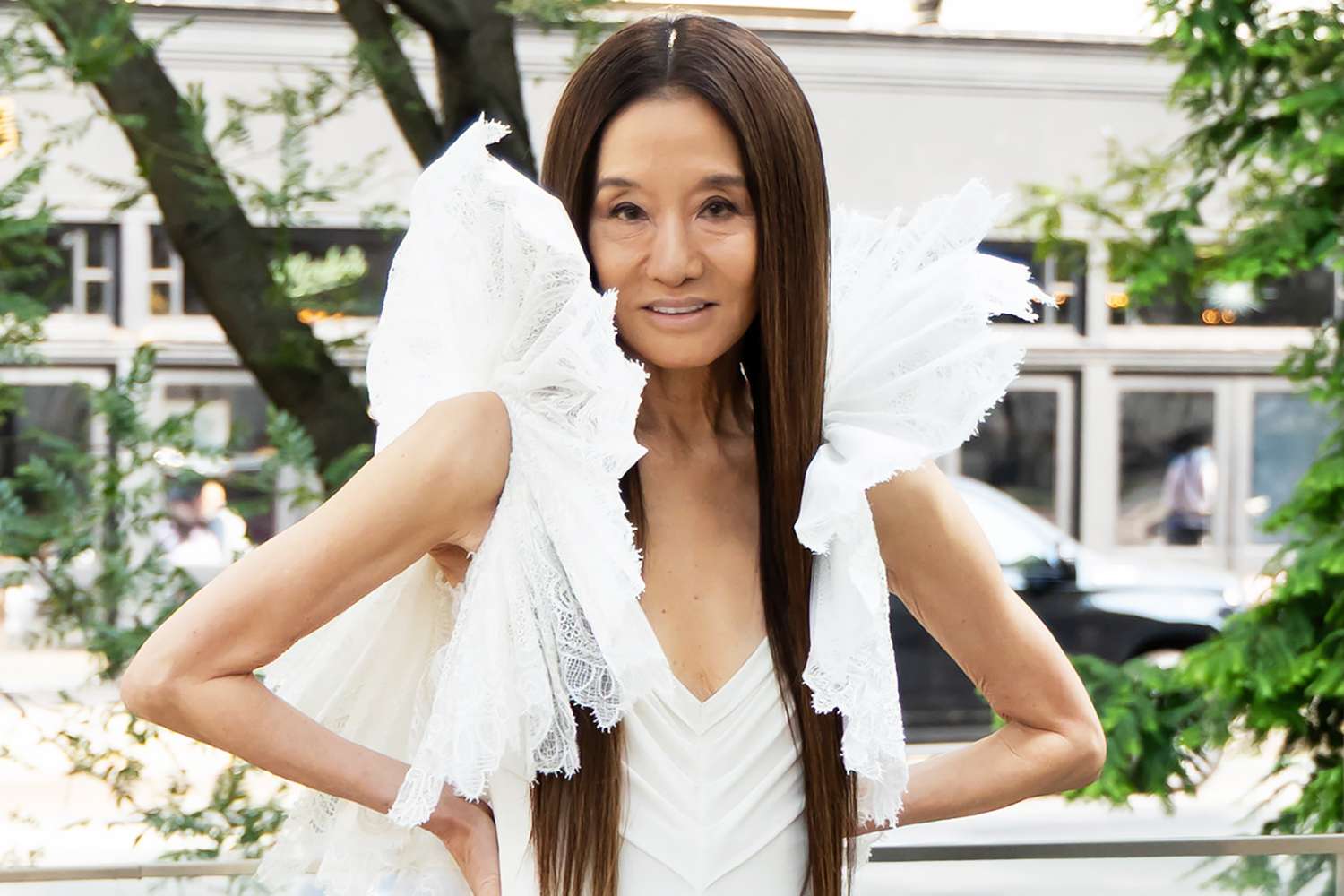
Vera Wang’s life reads like a story of reinvention—one in which discipline, disappointment, and determination quietly converge into global influence.
Born on June 27, 1949, in New York City, Vera Wang was raised in an affluent Chinese-American family that valued education, culture, and achievement. Her parents, immigrants from China, ensured she was exposed early to both classical refinement and modern ambition.
Before fashion ever entered her life, Wang’s first passion was figure skating. She trained rigorously and competed at a high level, aiming for a place in the Olympics. When she failed to make the U.S. Olympic team, it marked a pivotal turning point. Rather than retreat, she redirected her discipline into a new path.
She enrolled at Sarah Lawrence College, where she studied art history, and soon after began her career at Vogue. At just 23, she became one of the youngest editors in the magazine’s history. For nearly two decades, she immersed herself in the world of fashion publishing—developing a sharp editorial eye and a deep understanding of style, trends, and presentation.
Despite her success, she eventually left Vogue, later joining Ralph Lauren Corporation as a design director. This experience gave her direct exposure to the business and creative sides of fashion at the highest level.
Yet her defining breakthrough came later—at age 40.
While planning her own wedding, Wang struggled to find a bridal gown that matched her vision. Instead of settling, she designed one herself. That moment sparked the creation of her own brand, and in 1990 she opened her first bridal boutique in New York.
From there, Vera Wang transformed the bridal industry.
Before her, wedding dresses were often traditional and predictable. Wang introduced a new language—sleek silhouettes, modern cuts, subtle sensuality, and an emotional depth that spoke to contemporary brides. Her designs balanced elegance with individuality, making bridal fashion feel personal rather than ceremonial.
Her clientele quickly grew to include celebrities, socialites, and public figures. Over time, her brand expanded beyond bridal wear into evening gowns, ready-to-wear fashion, fragrances, accessories, and home goods.
What sets Vera Wang apart is not just design, but narrative. Each dress is crafted to reflect a moment—love, transition, identity. She treats fashion as an emotional experience, not just an aesthetic one.
Her influence also extended into popular culture. Her gowns have appeared on red carpets, in films, and in high-profile weddings, becoming symbols of luxury and refined taste.
Despite entering the industry later than many designers, Wang built a global empire. Her journey reflects persistence more than instant success—an accumulation of experience, taste, and timing.
In later years, she has also gained attention for her personal vitality and ageless presence, often becoming a cultural figure beyond fashion itself.
Vera Wang’s legacy lies in transformation.
She took one of the most traditional corners of fashion—bridal wear—and reimagined it for a modern world, proving that reinvention has no expiration date.
And in doing so, she didn’t just design dresses.
She redesigned expectations.
10. Sheryl Sandberg
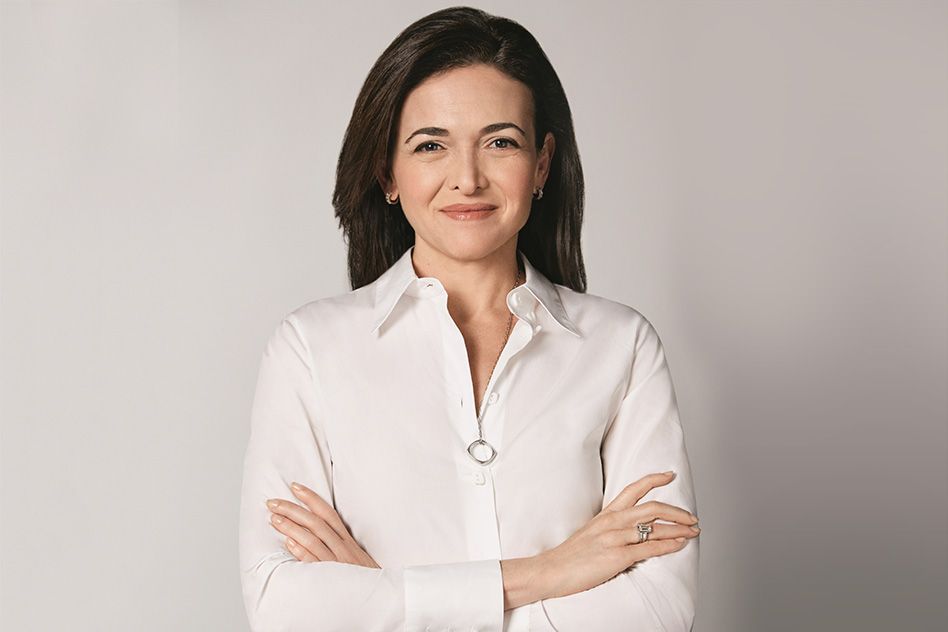
Sheryl Sandberg’s story is one of intellect meeting influence—a career that moved from the structured halls of government and economics into the fast-moving world of technology, where she became one of the most recognizable voices on leadership, ambition, and women in the workplace.
Born on August 28, 1969, in Washington, D.C., Sheryl Sandberg grew up in a family that placed a strong emphasis on education and public service. Her father was an ophthalmologist, and her mother later became involved in advocacy and education. From an early age, Sandberg displayed academic excellence and a disciplined approach to problem-solving.
She attended Harvard University, where she studied economics under the mentorship of Larry Summers, a relationship that would play a significant role in shaping her early career. After graduating with top honors, she worked with Summers at the U.S. Treasury Department during the Clinton administration, gaining firsthand experience in policy-making and global economic issues.
Following her time in government, Sandberg pursued an MBA at Harvard Business School, further refining her leadership and management skills. She then transitioned into the tech industry, joining Google in its early growth phase. At Google, she was instrumental in building the company’s online advertising and sales operations, helping transform it into a highly profitable business.
Her most defining professional chapter began in 2008, when she joined Facebook (now Meta) as Chief Operating Officer. At the time, the company was still evolving from a fast-growing startup into a sustainable global enterprise. Sandberg played a central role in building its business model—particularly its advertising infrastructure—which turned the platform into one of the most powerful and profitable tech companies in the world.
Beyond operations, she became a public figure in her own right.
In 2013, she published the bestselling book Lean In, which explored themes of leadership, gender inequality, and professional ambition. The book encouraged women to pursue leadership roles more assertively and sparked global conversations about workplace dynamics, feminism, and structural barriers.
She also co-founded the Lean In movement, which created communities and discussions aimed at supporting women’s growth in professional environments.
However, Sandberg’s career has not been without criticism and controversy. During her tenure at Facebook, the company faced intense scrutiny over issues such as data privacy, misinformation, election interference, and platform responsibility. Critics argued that the company’s leadership, including Sandberg, did not act quickly enough to address these challenges.
In addition to corporate controversies, some critics challenged aspects of her “Lean In” philosophy, arguing that it placed too much emphasis on individual action rather than systemic change.
On a personal level, Sandberg experienced profound loss when her husband, Dave Goldberg, died unexpectedly in 2015. She later co-authored the book Option B, which focused on resilience and coping with adversity, adding another dimension to her public voice—one rooted in vulnerability and recovery.
After more than a decade at Facebook, she stepped down from her role as COO in 2022, marking the end of a transformative era for both her and the company.
Sheryl Sandberg’s legacy is layered.
She helped build one of the most influential technology companies in history, reshaped conversations about women in leadership, and became both a symbol of corporate success and a figure of public debate.
Her story reflects the complexities of modern leadership—where influence, impact, and accountability are deeply intertwined.
Notable Mentions:
Arianna Huffington
Tory Burch