
Top 10 Hip-Hop Pioneers
Top 10 Hip-Hop Pioneers
In This Content
1. Clive Campbell (DJ Kool Herc)
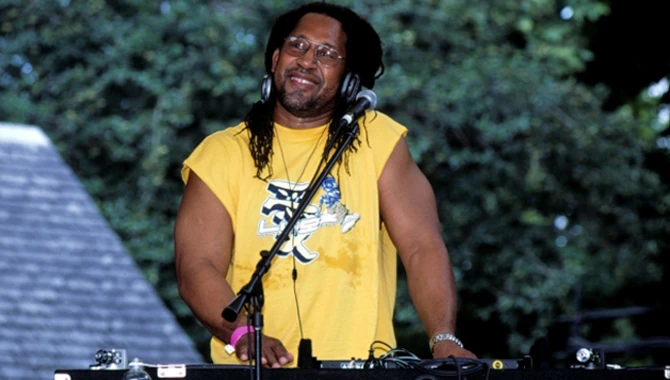
Born in Kingston, Jamaica, Clive Campbell’s early life was shaped by Caribbean sound system culture, a musical tradition centered on powerful speakers, DJ selectors, and rhythmic crowd engagement. When his family relocated to the Bronx in the late 1960s, he carried these influences into a neighbourhood grappling with economic decline, social fragmentation, and limited creative outlets for youth. The environment fostered improvisation, and Campbell’s fascination with sound equipment led him to experiment with turntables and amplification systems in local community gatherings.
Campbell’s career began with modest house parties, most notably the now-historic 1973 back-to-school jam at 1520 Sedgwick Avenue. It was here that he pioneered the technique of isolating instrumental breaks from funk and soul records, extending them by switching between two turntables. This innovation later known as the “breakbeat” created space for dancers, eventually known as breakdancers, to showcase athletic improvisation. Herc’s booming voice and commanding presence transformed DJing from background entertainment into the centerpiece of cultural expression.
His breakthrough came as word spread throughout the Bronx, attracting crowds to outdoor park jams where his massive sound system dominated the urban soundscape. Throughout the late 1970s, DJ Kool Herc’s gatherings became incubators for emerging MCs, dancers, and graffiti artists. By the 1980s and into the 1990s, his foundational techniques were widely adopted by commercial hip-hop artists, even as he himself remained more of a cultural architect than a chart-topping performer.
By the 1990s, hip-hop had evolved into a global industry, and Herc’s influence became widely acknowledged as foundational. His breakbeat innovation shaped sampling culture, DJ performance standards, and the rhythmic core of hip-hop production. Today, he is recognised not simply as a performer but as the originator of a movement that redefined urban youth culture worldwide.
Key Facts
- Full name of the subject: Clive Campbell
- Date of birth: 16 April 1955
- Place of birth: Kingston, Jamaica
- Family background: Jamaican immigrant family relocating to the Bronx
- Early childhood experiences: Exposure to Jamaican sound system culture
- Education history: Bronx public schools
- Influences and mentors: Caribbean DJs and sound system operators
- Career beginnings: Bronx house parties and community jams
- Major achievements: Creation of the breakbeat DJ technique
- Challenges and obstacles faced: Limited industry recognition and financial struggles
- Turning points in life: 1973 Sedgwick Avenue party
- Contributions to society: Foundational role in hip-hop culture formation
- Personal life (marriage, children, relationships): Private family life
- Awards and recognitions: Hip-hop pioneer honours and lifetime achievement awards
- Beliefs, values, or philosophy: Community empowerment through music
- Legacy and impact: Widely credited as the father of hip-hop DJing
- Historical or cultural significance: Catalyst for hip-hop’s emergence in the Bronx
Notable Works: Bronx block parties, Sedgwick Avenue jam, breakbeat technique, park jams, sound system innovations
Controversies:
Disputes over recognition among early hip-hop pioneers
Financial hardship despite foundational contributions
Criticism regarding the limited recorded output compared to peers
Debates over the authorship of specific DJ techniques
Underrepresentation in early commercial hip-hop documentation.
2. Joseph Saddler (Grandmaster Flash)
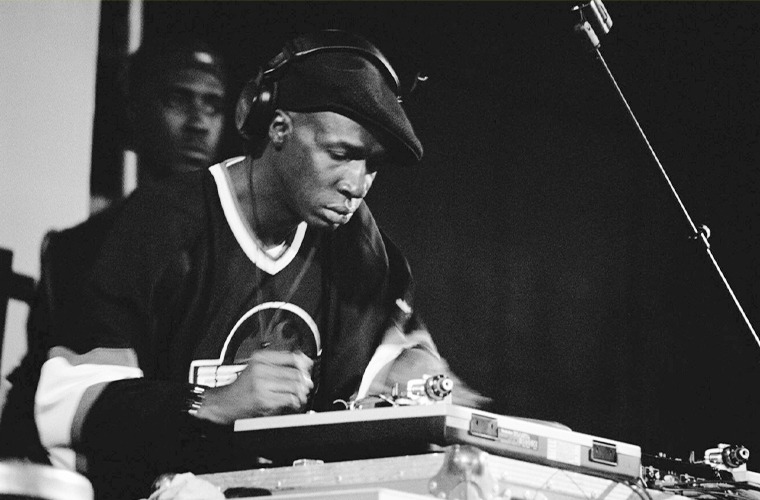
Joseph Saddler’s upbringing in the Bronx placed him at the center of a rapidly evolving cultural environment. His early fascination with electronics came from observing his father’s record collection and sound equipment. Saddler’s technical curiosity distinguished him from other DJs, as he focused on precision, experimentation, and mechanical innovation. This scientific approach to music would later redefine DJ performance as both art and engineering.
Flash’s career began in the mid-1970s, building on the groundwork laid by earlier DJs while refining techniques with meticulous control. He developed the “quick mix theory,” allowing seamless transitions between breakbeats without losing rhythmic momentum. His introduction of cueing headphones and precise record marking turned DJing into a technical craft. These innovations enhanced performance fluidity and influenced generations of DJs.
The breakthrough came when Grandmaster Flash and the Furious Five gained prominence through live performances and eventually recordings. Their track “The Message” marked a turning point in hip-hop, shifting lyrical focus from party themes to social commentary. The song’s stark depiction of urban hardship expanded the genre’s narrative possibilities and established hip-hop as a platform for social consciousness.
By the 1990s, Grandmaster Flash’s influence was firmly embedded in hip-hop’s technical and thematic evolution. DJs worldwide adopted his techniques, while socially conscious rap became a dominant subgenre. His legacy extends beyond performance, shaping the intellectual and technical foundation of modern DJ culture.
Key Facts
- Full name of the subject: Joseph Saddler
- Date of birth: 1 January 1958
- Place of birth: Bridgetown, Barbados (raised in Bronx, New York, USA)
- Family background: Caribbean immigrant family
- Early childhood experiences: Exposure to electronics and vinyl records
- Education history: Bronx public education
- Influences and mentors: Early Bronx DJs and sound engineers
- Career beginnings: Local Bronx DJ battles and parties
- Major achievements: Quick mix theory and DJ innovations
- Challenges and obstacles faced: Competition in emerging DJ culture
- Turning points in life: Release of “The Message”
- Contributions to society: Technical advancement of DJ performance
- Personal life (marriage, children, relationships): Private personal life
- Awards and recognitions: Rock and Roll Hall of Fame induction with Furious Five
- Beliefs, values, or philosophy: Precision and innovation in music
- Legacy and impact: Technical blueprint for modern DJing
- Historical or cultural significance: Pioneer of socially conscious rap influence
Notable Works: The Message, White Lines, Adventures on the Wheels of Steel, Freedom, Scorpio
Controversies:
Internal group disputes within Furious Five
Legal disagreements over royalties
Criticism regarding credit allocation for technical innovations
Industry conflicts during group separation periods
Debates over the authorship of “The Message” contributions.
3. Lance Taylor (Afrika Bambaataa)
Lance Taylor grew up in the Bronx during a period marked by gang activity and urban decline. Initially involved in street organisations, he lived through the social tensions shaping many young people in the neighbourhood. However, Taylor’s exposure to music, particularly funk and electronic sounds, redirected his path toward cultural leadership. His transformation from gang figure to community organizer became central to his artistic identity.
Bambaataa’s career began with DJ performances that blended diverse genres, including funk, soul, and electronic music. He founded the Universal Zulu Nation, an organization aimed at promoting peace, unity, and creativity through hip-hop culture. His events emphasised collective expression, integrating DJing, MCing, breakdancing, and graffiti into a unified cultural movement.
His breakthrough came with the release of “Planet Rock,” a groundbreaking track that fused hip-hop rhythms with electronic music inspired by European synth pioneers. The song expanded hip-hop’s sonic possibilities and influenced the development of electro, techno, and dance music. Through the 1980s and into the 1990s, Bambaataa’s global tours helped introduce hip-hop culture to international audiences.
By the 1990s, Afrika Bambaataa’s legacy was cemented as a cultural ambassador. His emphasis on unity and artistic collaboration shaped the philosophical foundation of hip-hop. His influence extended beyond music into community building, youth empowerment, and the globalization of hip-hop culture.
Key Facts
- Full name of the subject: Lance Taylor
- Date of birth: 17 April 1957
- Place of birth: Bronx, New York, USA
- Family background: Working-class urban upbringing
- Early childhood experiences: Exposure to gang culture and community struggles
- Education history: Bronx public schools
- Influences and mentors: Funk artists and community leaders
- Career beginnings: Bronx DJ parties and community events
- Major achievements: Founder of Universal Zulu Nation
- Challenges and obstacles faced: Transition from gang culture to leadership role
- Turning points in life: Release of “Planet Rock”
- Contributions to society: Promotion of peace and unity in hip-hop culture
- Personal life (marriage, children, relationships): Largely private
- Awards and recognitions: Hip-hop pioneer honors
- Beliefs, values, or philosophy: Peace, unity, love, and having fun
- Legacy and impact: Global ambassador of hip-hop culture
- Historical or cultural significance: Architect of hip-hop’s philosophical framework
Notable Works: Planet Rock, Looking for the Perfect Beat, Renegades of Funk, Zulu Nation events, international tours
Controversies:
Allegations of misconduct reported by multiple individuals
Public criticism and distancing by some hip-hop organizations
Debates about leadership within Zulu Nation
Legal and reputational disputes following allegations
Ongoing discussions regarding legacy versus controversy.
4. Joseph Simmons (Run)

Joseph Simmons grew up in Hollis, Queens, during a period when hip-hop was transitioning from local block party culture into a structured musical form. His early exposure to rhythm came through family influences and neighborhood gatherings where DJs and MCs experimented with call-and-response performance. Simmons developed a confident vocal cadence rooted in street storytelling, blending charisma with rhythmic precision. His background in a disciplined household helped shape his clean yet commanding performance style.
Simmons’ career began as part of the group Run-DMC, alongside Darryl McDaniels and Jason Mizell. The trio’s stripped-down sound, built on hard drum machine beats and minimal instrumentation, contrasted sharply with the disco-influenced rap that dominated early recordings. Run’s assertive delivery became central to the group’s identity, helping redefine the MC as both a rhythmic speaker and cultural spokesperson.
The breakthrough came with early releases that emphasized street authenticity, but it was their crossover success in the mid-1980s that propelled hip-hop into mainstream consciousness. By the 1990s, the group’s influence was deeply embedded in the genre’s DNA. Their fusion of rock elements, street fashion, and aggressive lyrical delivery shaped the sonic direction of hip-hop’s golden era.
Joseph Simmons’ legacy lies in transforming hip-hop from underground expression into a commercial force without sacrificing authenticity. His contribution helped establish the MC as a global cultural icon and laid the foundation for hip-hop’s expansion into fashion, branding, and mass media.
Key Facts
- Full name of the subject: Joseph Ward Simmons
- Date of birth: 14 November 1964
- Place of birth: Queens, New York, USA
- Family background: Working-class African American family
- Early childhood experiences: Exposure to neighborhood DJ culture
- Education history: Local Queens schooling
- Influences and mentors: Early Bronx DJs and street MCs
- Career beginnings: Member of Run-DMC
- Major achievements: Mainstream breakthrough of hip-hop
- Challenges and obstacles faced: Industry skepticism toward rap music
- Turning points in life: Success of Run-DMC’s early albums
- Contributions to society: Commercial expansion of hip-hop culture
- Personal life (marriage, children, relationships): Married, father of children
- Awards and recognitions: Rock and Roll Hall of Fame induction
- Beliefs, values, or philosophy: Authenticity and cultural pride
- Legacy and impact: Helped mainstream hip-hop globally
- Historical or cultural significance: Pioneer of rap-rock crossover
Notable Works: It’s Like That, Walk This Way, My Adidas, Run’s House, King of Rock
Controversies:
Creative disagreements within Run-DMC
Industry debates over commercialization of hip-hop
Criticism from purists regarding mainstream crossover
Media scrutiny of celebrity lifestyle
Internal group challenges during later years.
5. Darryl McDaniels (DMC)
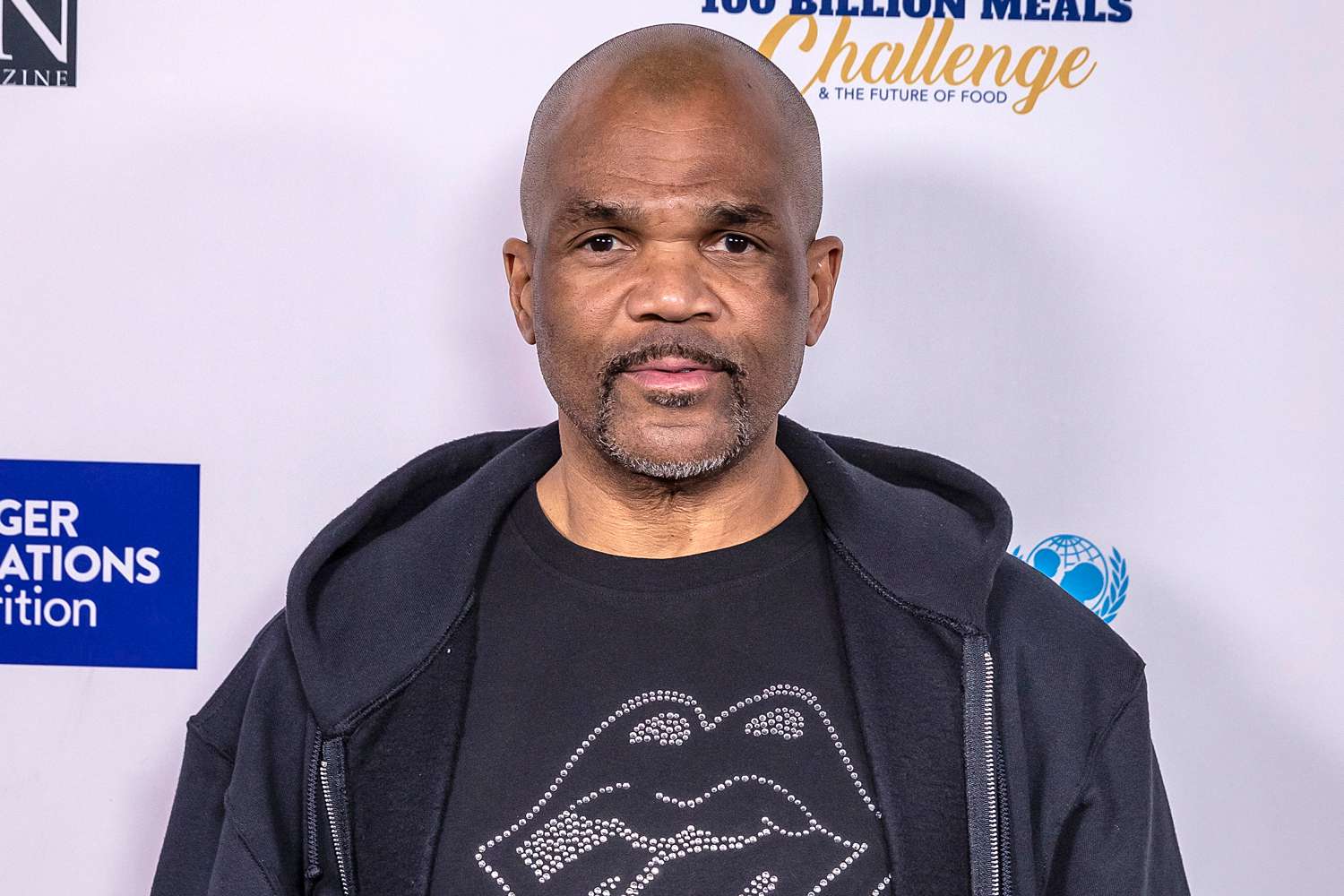
Darryl McDaniels emerged from the same Queens neighborhood that produced several foundational hip-hop figures. His early life was shaped by comic books, street culture, and emerging rap sounds, which he absorbed with analytical intensity. McDaniels developed a deep, resonant vocal tone that contrasted with faster-paced MCs, allowing him to deliver lyrics with clarity and authority. His artistic identity centered on storytelling grounded in everyday urban realities.
His career began alongside Joseph Simmons, forming Run-DMC and establishing a minimalist rap style. McDaniels’ commanding voice and rhythmic discipline helped shape the group’s distinctive sound. His lyrical themes focused on authenticity, rejecting exaggerated personas in favour of grounded narratives that reflected street life.
The group’s breakthrough in the mid-1980s redefined hip-hop’s commercial viability. By the 1990s, McDaniels’ influence was evident in the rise of harder-edged rap styles that prioritized lyrical strength and stripped-down production. His performance approach influenced a generation of MCs who emphasized vocal power over melodic complexity.
McDaniels’ legacy rests on his contribution to shaping the archetype of the authoritative MC. His voice, delivery, and artistic restraint helped define hip-hop’s early sonic identity and reinforced its cultural legitimacy.
Key Facts
- Full name of the subject: Darryl Matthews McDaniels
- Date of birth: 31 May 1964
- Place of birth: Harlem, New York, USA
- Family background: Adopted into working-class family
- Early childhood experiences: Interest in comics and street culture
- Education history: St. John’s University (brief attendance)
- Influences and mentors: Early rap pioneers
- Career beginnings: Co-founder of Run-DMC
- Major achievements: Globalizing hip-hop sound
- Challenges and obstacles faced: Personal struggles and identity discovery
- Turning points in life: Run-DMC’s commercial success
- Contributions to society: Authentic lyrical style
- Personal life (marriage, children, relationships): Private personal life
- Awards and recognitions: Rock and Roll Hall of Fame
- Beliefs, values, or philosophy: Honesty and authenticity
- Legacy and impact: Defined authoritative MC delivery
- Historical or cultural significance: Early rap vocal archetype
Notable Works: My Adidas, It’s Tricky, Walk This Way, King of Rock, Beats to the Rhyme
Controversies:
Adoption revelation later in life
Mental health struggles are publicly discussed
Industry criticism over mainstream partnerships
Group internal tensions
Debates over commercialization of hip-hop.
6. Melvin Glover (Grandmaster Melle Mel)

Melvin Glover grew up in the Bronx, immersed in the early hip-hop environment that blended music, dance, and street expression. His early exposure to DJ-led parties introduced him to rhythmic speech, and he quickly developed a powerful vocal projection suited for live performances. His commanding stage presence distinguished him from other MCs, positioning him as one of the first lyrical leaders in hip-hop.
Glover’s career began as part of Grandmaster Flash and the Furious Five. His articulate delivery and socially conscious lyrics marked a shift from party rhymes to commentary on urban conditions. His voice carried urgency, reflecting the social realities of inner-city life.
The breakthrough came with “The Message,” which brought socio-political storytelling into mainstream rap. By the 1990s, Melle Mel’s influence shaped the rise of conscious rap, inspiring artists to address systemic inequality, poverty, and social justice through music.
His legacy lies in transforming hip-hop into a narrative platform. Melle Mel demonstrated that rap could serve as social documentation, expanding its cultural relevance beyond entertainment.
Key Facts
- Full name of the subject: Melvin Glover
- Date of birth: 15 May 1961
- Place of birth: Bronx, New York, USA
- Family background: Working-class urban upbringing
- Early childhood experiences: Exposure to Bronx block parties
- Education history: Bronx schooling
- Influences and mentors: Grandmaster Flash
- Career beginnings: Furious Five MC
- Major achievements: Socially conscious rap pioneer
- Challenges and obstacles faced: Industry transitions
- Turning points in life: “The Message” success
- Contributions to society: Social commentary in rap
- Personal life (marriage, children, relationships): Private life
- Awards and recognitions: Rock and Roll Hall of Fame (group)
- Beliefs, values, or philosophy: Social awareness
- Legacy and impact: Conscious rap foundation
- Historical or cultural significance: First major social rap voice
Notable Works: The Message, White Lines, Survival, Beat Street, Scorpio
Controversies:
Disputes over songwriting credit
Group conflicts within Furious Five
Industry disagreements over royalties
Criticism regarding the later solo career direction
Debates over the authorship of early lyrics.
7. Shawn Carter
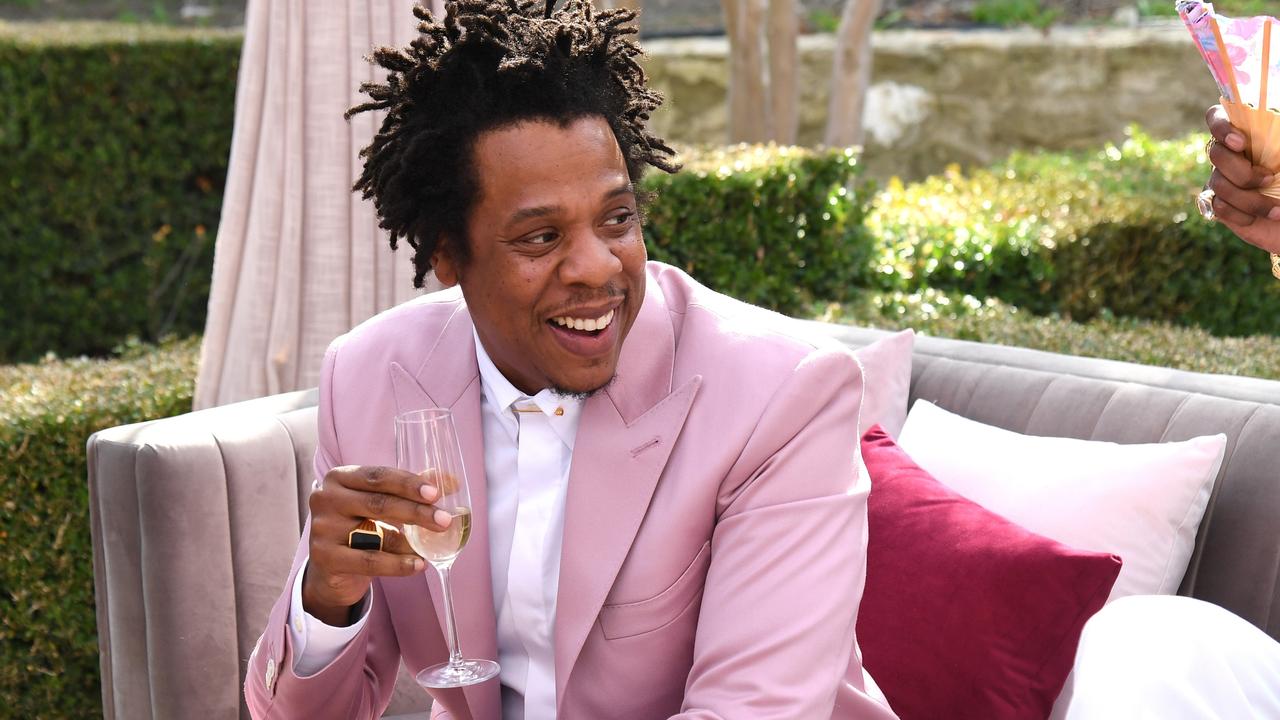
Shawn Carter’s early life in Brooklyn’s Marcy Projects exposed him to economic hardship and street survival. His childhood environment shaped a reflective storytelling style rooted in observation and resilience. Carter developed an interest in lyrical improvisation, honing his skills through neighborhood battles and informal performances.
His career began in the late 1980s, navigating an industry that offered limited opportunities for independent artists. Carter co-founded a record label to release his music, emphasizing entrepreneurial control. His early recordings reflected street narratives delivered with measured cadence and introspective depth.
His breakthrough came with commercially successful albums in the mid-to-late 1990s, positioning him as a bridge between pioneering hip-hop and modern commercialization. By the 1990s peak, Carter’s business acumen expanded hip-hop into corporate spaces, influencing branding and artist ownership.
Jay-Z’s legacy extends beyond music into entrepreneurship. He redefined the hip-hop artist as a business leader, shaping the genre’s economic framework.
Key Facts
- Full name of the subject: Shawn Corey Carter
- Date of birth: 4 December 1969
- Place of birth: Brooklyn, New York, USA
- Family background: Working-class urban upbringing
- Early childhood experiences: Marcy Projects environment
- Education history: High school education
- Influences and mentors: Early rap pioneers
- Career beginnings: Independent releases
- Major achievements: Commercial and entrepreneurial success
- Challenges and obstacles faced: Industry gatekeeping
- Turning points in life: Breakthrough debut album
- Contributions to society: Artist ownership model
- Personal life (marriage, children, relationships): Married with children
- Awards and recognitions: Multiple Grammy Awards
- Beliefs, values, or philosophy: Entrepreneurship and independence
- Legacy and impact: Business transformation of hip-hop
- Historical or cultural significance: Pioneer of hip-hop entrepreneurship
Notable Works: Reasonable Doubt, Hard Knock Life, Blueprint, Vol. 2, Empire State of Mind
Controversies:
Business disputes and contractual disagreements
Public criticism over lyrics
Industry rivalries
Media scrutiny of wealth and influence
Debates over commercialization versus authenticity.
8. Tupac Shakur
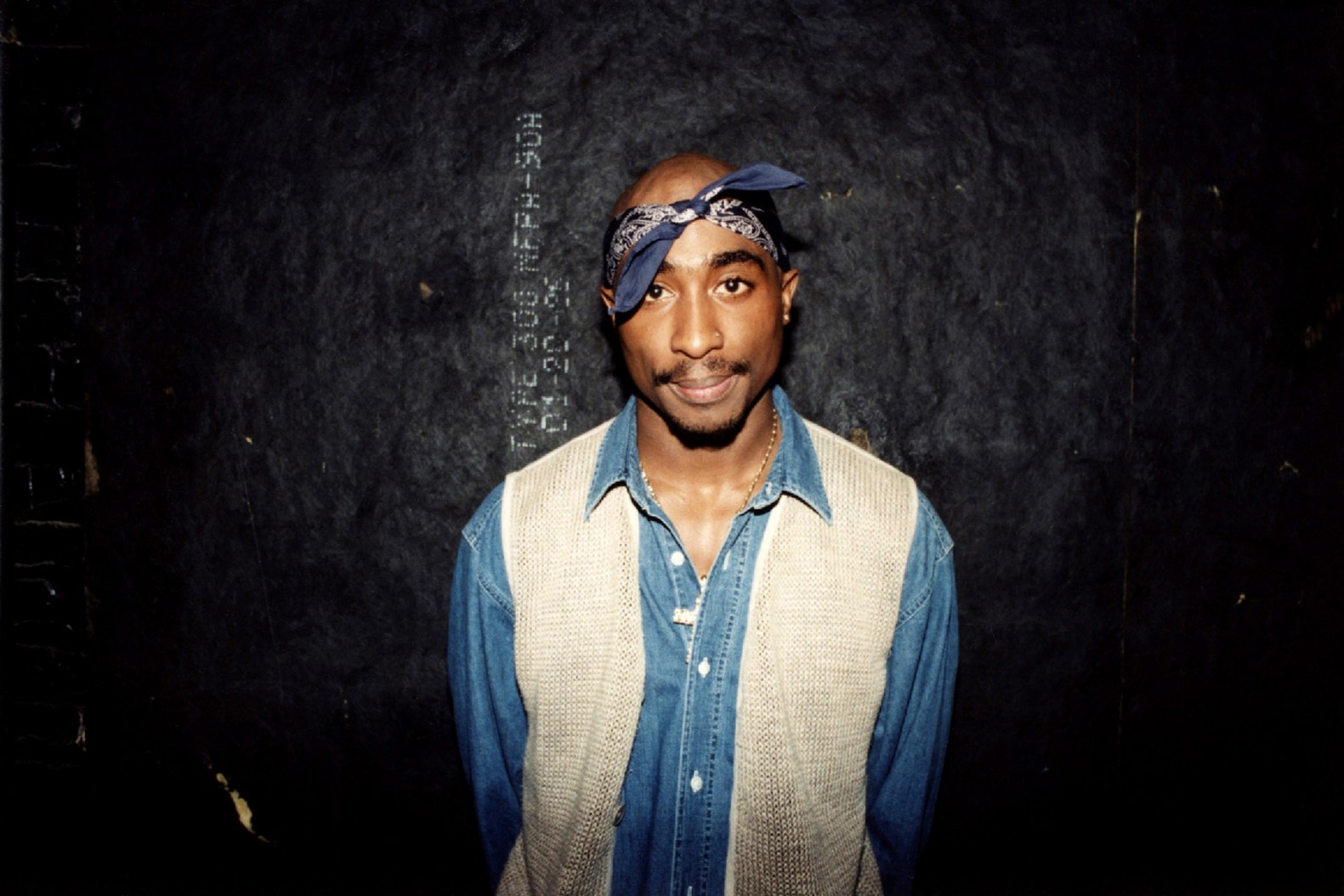
Born in Harlem to politically active parents associated with the Black Panther Party, Tupac Shakur’s early life was shaped by activism, instability, and constant relocation. His childhood moved between New York, Baltimore, and eventually California, exposing him to diverse urban realities. He attended the Baltimore School for the Arts, where he studied acting, poetry, and performance training that later influenced his emotionally expressive rap style. This formal artistic foundation distinguished Shakur from many of his contemporaries.
His career began as a backup dancer and MC with the group Digital Underground, where he gained exposure and developed his lyrical voice. Early solo releases combined social commentary with introspective vulnerability, addressing poverty, racism, and personal struggle. His breakthrough came with albums that balanced political messaging and street realism, creating a dual artistic identity that resonated with broad audiences.
By the 1990s, Tupac had become one of hip-hop’s most influential and controversial figures. His performances blended poetic sensitivity with confrontational energy, and his music reflected the tensions of the decade. Songs addressing inequality coexisted with aggressive narratives, reflecting the complexity of his persona. His acting roles further expanded his cultural reach, positioning him as a multimedia icon.
Tupac’s legacy remains profound. He helped redefine the emotional range of hip-hop, demonstrating that vulnerability, anger, and social awareness could coexist within the genre. His impact continues to shape lyrical storytelling, political expression, and the mythos of hip-hop artistry.
Key Facts
- Full name of the subject: Tupac Amaru Shakur
- Date of birth: 16 June 1971
- Place of birth: Harlem, New York, USA
- Family background: Parents involved in political activism
- Early childhood experiences: Frequent relocation and exposure to activism
- Education history: Baltimore School for the Arts
- Influences and mentors: Black Panther ideology, street culture, poetry
- Career beginnings: Member of Digital Underground
- Major achievements: Influential socially conscious rap albums
- Challenges and obstacles faced: Legal issues and industry conflicts
- Turning points in life: Breakthrough solo albums in early 1990s
- Contributions to society: Social commentary through hip-hop
- Personal life (marriage, children, relationships): Married briefly; relationships publicized
- Awards and recognitions: Multiple posthumous honors
- Beliefs, values, or philosophy: Social justice and self-expression
- Legacy and impact: Expanded emotional and political range of hip-hop
- Historical or cultural significance: Icon of 1990s hip-hop era
Notable Works: 2Pacalypse Now, Me Against the World, All Eyez on Me, Dear Mama, Changes
Controversies:
Legal troubles and court cases during career
Highly publicized East Coast–West Coast rivalry
Media scrutiny of lyrics and persona
Conflicts with record labels and peers
Ongoing conspiracy theories regarding death.
9. Christopher Wallace
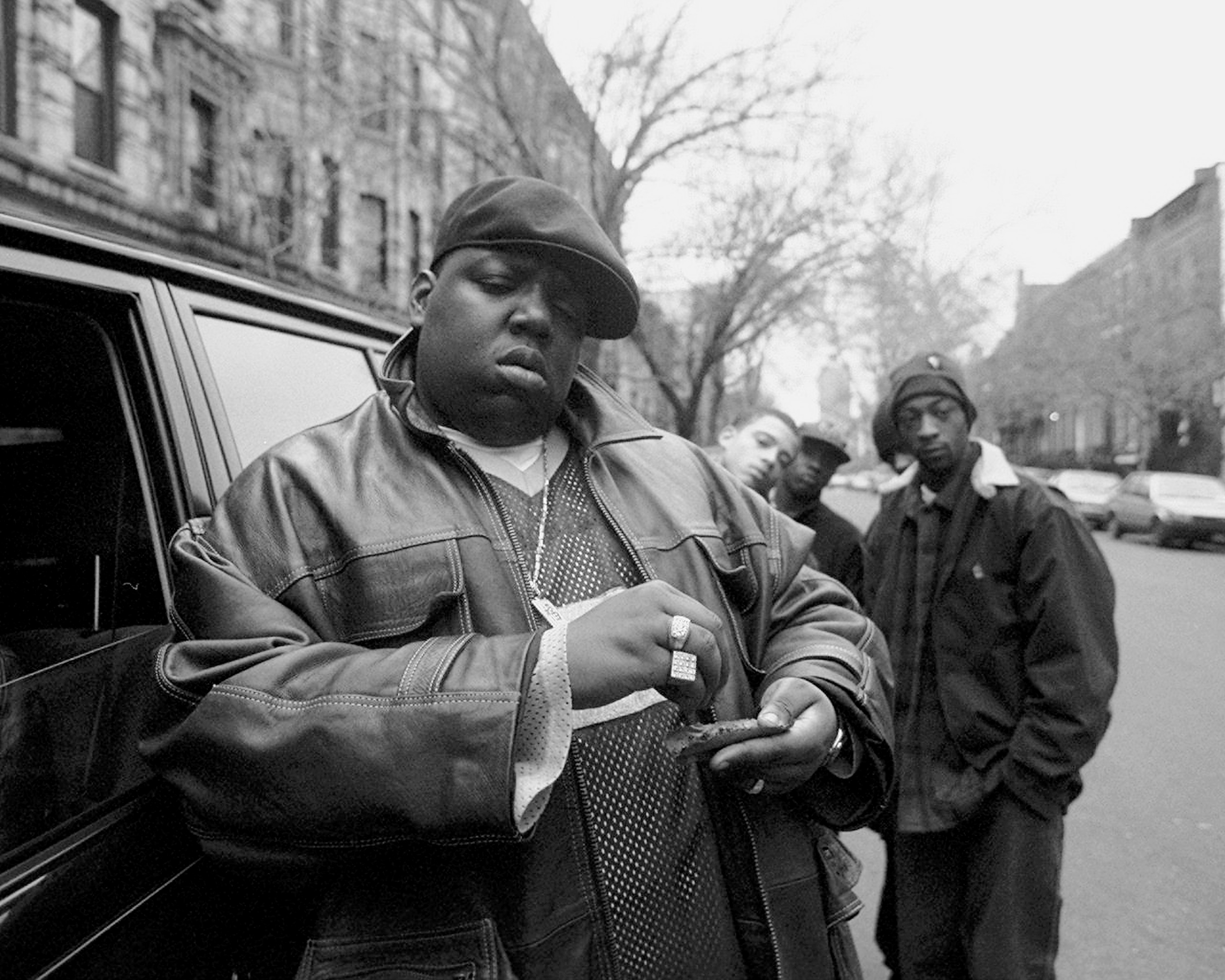
Christopher Wallace grew up in Brooklyn’s Bedford-Stuyvesant neighborhood, where economic hardship shaped his worldview. Raised by a single mother, he developed a storytelling style rooted in observation and realism. His early exposure to reggae, jazz, and street narratives influenced his rhythmic flow and lyrical detail. Wallace’s deep voice and effortless cadence quickly distinguished him in local rap circles.
His career began with underground demo recordings that attracted attention from industry figures. Signing to Bad Boy Records, he released music that blended vivid street storytelling with polished production. His breakthrough album established him as a dominant voice in East Coast hip-hop, revitalizing a scene that had lost commercial momentum.
By the mid-1990s, The Notorious B.I.G. had become synonymous with lyrical craftsmanship. His ability to construct detailed narratives and complex rhyme patterns elevated hip-hop’s storytelling tradition. His success also intensified the East Coast–West Coast rivalry, placing him at the center of a cultural conflict that defined the era.
Wallace’s legacy is rooted in lyrical excellence. He demonstrated that technical mastery and narrative depth could coexist with mainstream success. His influence continues to shape modern rap delivery, storytelling, and production aesthetics.
Key Facts
- Full name of the subject: Christopher George Latore Wallace
- Date of birth: 21 May 1972
- Place of birth: Brooklyn, New York, USA
- Family background: Jamaican immigrant mother, single-parent household
- Early childhood experiences: Urban street environment
- Education history: High school attendance in Brooklyn
- Influences and mentors: East Coast rap pioneers
- Career beginnings: Underground demo recordings
- Major achievements: Revitalizing East Coast hip-hop
- Challenges and obstacles faced: Rivalries and media pressure
- Turning points in life: Breakthrough debut album
- Contributions to society: Advancement of lyrical storytelling
- Personal life (marriage, children, relationships): Married with children
- Awards and recognitions: Posthumous music honors
- Beliefs, values, or philosophy: Authentic storytelling
- Legacy and impact: Iconic East Coast rap influence
- Historical or cultural significance: Central figure in 1990s rap rivalry
Notable Works: Ready to Die, Life After Death, Juicy, Big Poppa, Hypnotize
Controversies:
East Coast–West Coast feud involvement
Media portrayal of lifestyle
Industry rivalries
Lyrics criticized for content
Conspiracy theories surrounding death.
10. Andre Young

Andre Young grew up in Compton, California, during a period of rapid social change and rising West Coast cultural identity. His early interest in DJing led him to experiment with sound mixing in local clubs. Young’s fascination with production techniques distinguished him from lyric-focused artists, as he prioritized sonic innovation and studio craftsmanship.
His career began as a member of World Class Wreckin’ Cru before achieving prominence with N.W.A. Their music captured the realities of West Coast urban life, sparking both acclaim and controversy. Dre’s production style emphasized heavy basslines, layered samples, and cinematic structure.
His breakthrough came with solo work that introduced G-funk, a sound characterized by melodic synths and laid-back rhythms. By the 1990s, Dre had become one of hip-hop’s most influential producers, shaping the careers of multiple artists and redefining the West Coast sound. His production expanded hip-hop’s musical palette and commercial appeal.
Dr. Dre’s legacy extends beyond performance into production and mentorship. He helped transform hip-hop into a polished studio-driven genre, influencing global music production standards.
Key Facts
- Full name of the subject: Andre Romelle Young
- Date of birth: 18 February 1965
- Place of birth: Compton, California, USA
- Family background: Working-class family
- Early childhood experiences: Exposure to DJ culture
- Education history: Local schooling in California
- Influences and mentors: Funk and soul producers
- Career beginnings: World Class Wreckin’ Cru member
- Major achievements: Creation of G-funk sound
- Challenges and obstacles faced: Legal and industry disputes
- Turning points in life: Solo album breakthrough
- Contributions to society: Innovation in hip-hop production
- Personal life (marriage, children, relationships): Married with children
- Awards and recognitions: Grammy Awards and industry honors
- Beliefs, values, or philosophy: Sonic innovation and mentorship
- Legacy and impact: Architect of West Coast sound
- Historical or cultural significance: Producer-driven hip-hop evolution
Notable Works: The Chronic, N.W.A productions, 2001, Nuthin’ but a ‘G’ Thang, Still D.R.E.
Controversies:
Legal disputes with former group members
Criticism regarding explicit lyrical content
Business conflicts with record labels
Public scrutiny of personal life
Industry rivalries
Notable Mentions:
LL Cool J
Rakim
Ice-T
Kurtis Blow
Queen Latifah
Hey, We Got More
Top 10 Breakout Web Series Actors Dominating Streaming Platforms in South America
Top 10 Breakout Web Series Actors Dominating Streaming Platforms in South America Quick List Juana del Río Clemente Rodríguez Jhonny...
Top 10 Rising Streaming Platform Stars Making Major Impact in Web Series Today In South America
Top 10 Rising Streaming Platform Stars Making Major Impact in Web Series Today In South America Quick List Bruna Mascarenhas...
Top 10 Rising Streaming Platform Stars Making Major Impact in Web Series Today In Middle East
Top 10 Rising Streaming Platform Stars Making Major Impact in Web Series Today in the Middle East Quick List Andria...
Top 10 Skyscraper and Commercial Building Architects in South America
Top 10 Skyscraper and Commercial Building Architects in South America Quick List Carla Juaçaba (Brazil) Monica Rostrower (Brazil) Daniel Bonilla...
Top 10 Commercial and High-Rise Architects in North America
Top 10 Commercial and High-Rise Architects in North America Quick List Nicole Dosso (United States) Leo Alvarez (United States) Paul...
Top 10 Skyscraper and Commercial Building Architects in North America
Top 10 Skyscraper and Commercial Building Architects in North America Quick List Chris Cooper (United States) James von Klemperer (United...