Top 10 African Writers
Top 10 African Writers
In This Content
1. Chinua Achebe
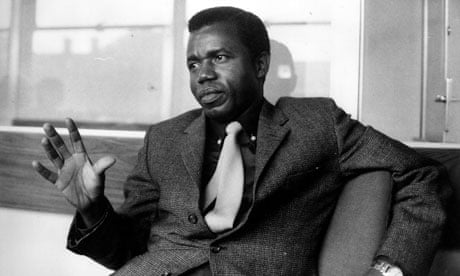
Chinua Achebe stands as one of the foundational architects of modern African literature, a writer whose work redefined how Africa was narrated both within the continent and across the world. Born in colonial Nigeria, Achebe grew up at the intersection of indigenous Igbo traditions and British colonial education, a duality that would later shape the moral and cultural tension in his storytelling voice. His early life in Ogidi exposed him to oral storytelling traditions, folklore, and communal philosophies that became the backbone of his literary identity.
Achebe’s formal education at University College Ibadan marked the beginning of his intellectual awakening, where he initially studied medicine before shifting toward literature and English. His early career at the Nigerian Broadcasting Service gave him exposure to institutional narratives shaped by colonial perspectives, fueling his desire to correct distortions about African identity. This period became the foundation for his most influential literary mission: reclaiming African narrative authority.
His breakthrough came in 1958 with “Things Fall Apart,” a novel that not only challenged Western literary stereotypes but also repositioned African societies as complex, structured civilizations with deep philosophical systems. The book’s global reception established Achebe as a revolutionary literary voice. During the post-independence decades, his writing became more politically charged, reflecting disillusionment with postcolonial governance and national fragmentation. By the 1990s, Achebe was widely regarded as the elder statesman of African literature, influencing both academic discourse and emerging generations of writers.
Achebe’s legacy is defined not only by his literary output but also by his intellectual activism. He consistently argued that storytelling is a form of cultural sovereignty, and that misrepresentation in literature has real political consequences. His influence extends across continents, shaping postcolonial studies, African literary curricula, and global perceptions of African identity. His work remains central to discussions on narrative justice and cultural restoration.
Key Facts
- Full name of the subject: Albert Chinụalụmọgụ Achebe
- Date of birth: 16 November 1930
- Place of birth: Ogidi, Anambra State, Nigeria
- Family background: Igbo family with strong traditional and Christian influences
- Early childhood experiences: Raised between indigenous storytelling culture and missionary schooling
- Education history: University College Ibadan (English, Literature)
- Influences and mentors: Igbo oral tradition, Joseph Conrad (critically engaged), African elders and folklore
- Career beginnings: Nigerian Broadcasting Service and early literary essays
- Major achievements: Publication of “Things Fall Apart” and global literary recognition
- Challenges and obstacles faced: Colonial education bias and postcolonial political instability
- Turning points in life: Publication of “Things Fall Apart” in 1958
- Contributions to society: Redefining African narrative identity and postcolonial literature
- Personal life (marriage, children, relationships): Married with children
- Awards and recognitions: Man Booker International Prize, numerous global literary honors
- Beliefs, values, or philosophy: Cultural authenticity, narrative justice, anti-colonial intellectualism
- Legacy and impact: Foundational figure in modern African literature
- Historical or cultural significance: Central voice in postcolonial literary discourse
Notable Works: Things Fall Apart, No Longer at Ease, Arrow of God, Anthills of the Savannah, The Trouble with Nigeria
Controversies:
Criticism of his portrayal of gender roles in early works
Political essays challenging Nigerian leadership sparked governmental backlash
Debates over his stance on national unity during Nigeria’s political crises
Accusations of being overly critical of Western literature (academic debates)
No verified personal scandals; controversies remain largely ideological and literary discourse-based
2. Wole Soyinka
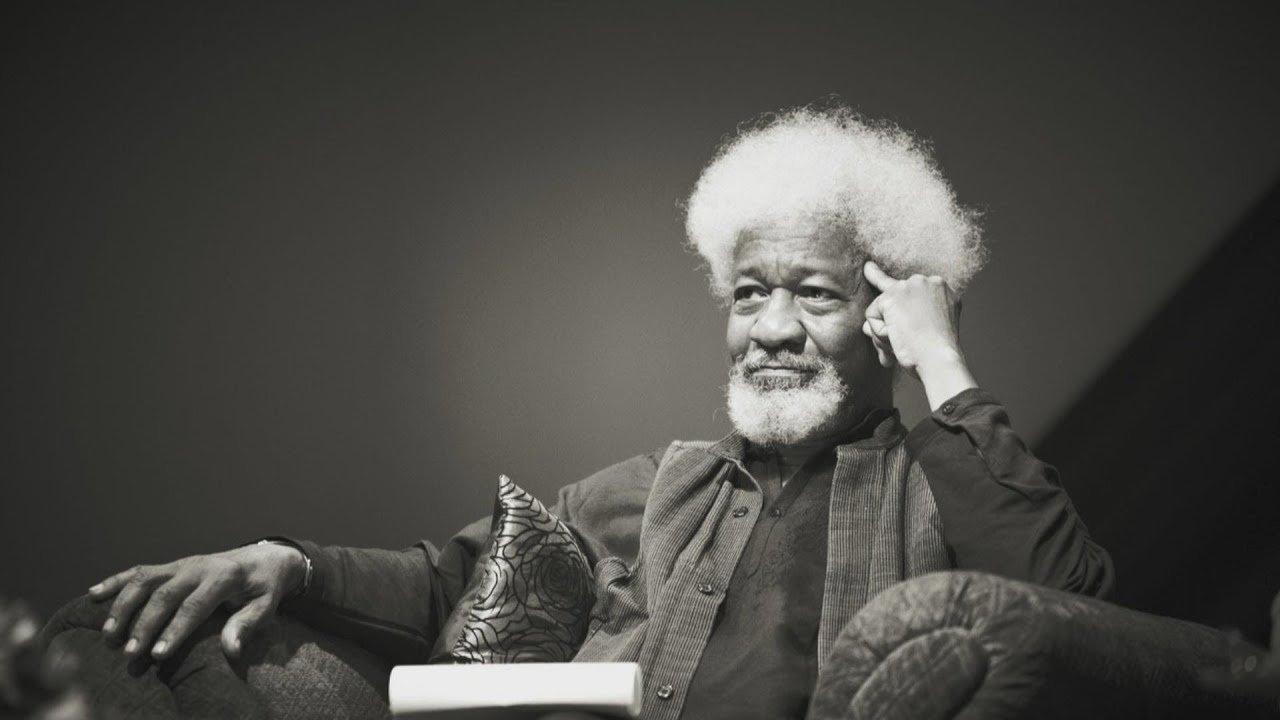
Wole Soyinka emerges as one of Africa’s most intellectually complex and politically fearless literary figures, a dramatist and essayist whose work bridges literature, activism, and philosophical inquiry. Born in Abeokuta, Nigeria, Soyinka’s early environment was shaped by Yoruba cosmology, colonial education systems, and a politically active family, all of which contributed to his early awareness of authority, justice, and cultural identity. His childhood experiences oscillated between traditional Yoruba storytelling and Western academic structures, forming a hybrid intellectual foundation.
Soyinka’s academic journey at University College Ibadan and later at the University of Leeds in England exposed him to European theatrical traditions, which he reinterpreted through an African philosophical lens. His early career in theater production and radio drama allowed him to experiment with language, satire, and performance as tools of cultural resistance. Unlike many of his contemporaries, Soyinka’s artistic identity was rooted in dramatic confrontation, using theater as both mirror and weapon.
His breakthrough came with plays such as “A Dance of the Forests,” performed during Nigeria’s independence celebrations in 1960, where he challenged the illusion of postcolonial utopia. Throughout the 1970s and 1980s, Soyinka’s works became increasingly political, reflecting imprisonment, exile, and opposition to authoritarian regimes. By the 1990s, he had become a global symbol of intellectual resistance, continuing to produce essays, plays, and lectures that interrogated power structures and moral governance.
Soyinka’s legacy is defined by his refusal to separate art from civic responsibility. His literary voice is dense, symbolic, and deeply philosophical, often merging mythology with political critique. He remains one of the most internationally recognized African writers, awarded the Nobel Prize in Literature, and continues to influence global conversations on freedom of expression and cultural identity.
Key Facts
- Full name of the subject: Akinwande Oluwole Babatunde Soyinka
- Date of birth: 13 July 1934
- Place of birth: Abeokuta, Ogun State, Nigeria
- Family background: Educated Yoruba family with strong civic and cultural engagement
- Early childhood experiences: Exposure to Yoruba mythology and colonial schooling
- Education history: University College Ibadan; University of Leeds
- Influences and mentors: Yoruba mythology, Greek tragedy, European dramatists
- Career beginnings: Playwriting, radio drama, and academic literary work
- Major achievements: Nobel Prize in Literature (1986)
- Challenges and obstacles faced: Imprisonment during Nigerian Civil War; political persecution
- Turning points in life: Arrest and imprisonment during 1960s political crisis
- Contributions to society: Advocacy for democracy, freedom of expression, and cultural critique
- Personal life (marriage, children, relationships): Married with children
- Awards and recognitions: Nobel Prize in Literature, international honors
- Beliefs, values, or philosophy: Anti-authoritarianism, cultural synthesis, moral responsibility in art
- Legacy and impact: Global symbol of intellectual resistance
- Historical or cultural significance: Major voice in postcolonial African theater
Notable Works: Death and the King’s Horseman, The Lion and the Jewel, A Dance of the Forests, Madmen and Specialists, The Man Died
Controversies:
Frequent clashes with Nigerian military governments
Arrest and imprisonment during the Nigerian Civil War
Political criticism of multiple administrations
Accusations of elitism in intellectual discourse by some critics
Ongoing debates about the accessibility of his dramatic language
3. Ngũgĩ wa Thiong’o

Ngũgĩ wa Thiong’o represents a radical shift in African literary consciousness, particularly in his insistence on linguistic decolonization as both an artistic and political act. Born in colonial Kenya, Ngũgĩ grew up during the Mau Mau uprising, an environment marked by resistance, land struggles, and violent colonial repression. These formative experiences deeply shaped his understanding of storytelling as a tool of liberation rather than mere artistic expression.
His academic journey at Makerere University and later at the University of Leeds introduced him to Western literary frameworks, which he initially adopted before critically rejecting them. Early in his career, he wrote in English and gained international recognition for his novels depicting Kenyan society under colonial and postcolonial tension. However, his breakthrough transformation came when he began advocating for writing in Gikuyu, his native language, as a form of cultural reclamation.
During the 1970s and 1980s, Ngũgĩ’s work became increasingly political, leading to detention without trial by the Kenyan government due to his play “I Will Marry When I Want.” His imprisonment marked a turning point, after which his writing took on an even more explicit anti-colonial and Marxist orientation. By the 1990s, he had established himself as one of the most influential postcolonial theorists and writers, shaping global debates on language, identity, and power.
Ngũgĩ’s legacy is defined by his uncompromising stance on linguistic justice and cultural sovereignty. His theoretical works have become foundational texts in postcolonial studies, while his fiction continues to inspire debates about the politics of language in literature. He remains a symbol of intellectual resistance and cultural self-determination.
Key Facts
- Full name of the subject: Ngũgĩ wa Thiong’o
- Date of birth: 5 January 1938
- Place of birth: Limuru, Kenya
- Family background: Kikuyu peasant family affected by colonial land dispossession
- Early childhood experiences: Raised during Mau Mau uprising and colonial conflict
- Education history: Makerere University; University of Leeds
- Influences and mentors: Kikuyu oral tradition, anti-colonial movements, Marxist theory
- Career beginnings: English-language novels and journalism
- Major achievements: Pioneering shift to African-language literature
- Challenges and obstacles faced: Political imprisonment and exile
- Turning points in life: Imprisonment and decision to write in Gikuyu
- Contributions to society: Advocacy for linguistic decolonization
- Personal life (marriage, children, relationships): Married with children
- Awards and recognitions: International literary honors and academic recognition
- Beliefs, values, or philosophy: Linguistic liberation, anti-colonial ideology, cultural reclamation
- Legacy and impact: Transformational figure in postcolonial literary theory
- Historical or cultural significance: Advocate for African-language literature globally
Notable Works: A Grain of Wheat, Petals of Blood, Decolonising the Mind, Devil on the Cross, Wizard of the Crow
Controversies:
Criticism for Marxist political stance in literary interpretation
Debate over abandonment of English-language writing
Political persecution and accusations of subversion by Kenyan authorities
Academic disagreements over ideological framing of literature
Ongoing discussions about accessibility of Gikuyu-language works globally
4. Mariama Bâ

Mariama Bâ occupies a defining place in African feminist literature, not merely as a novelist but as a cultural critic who reshaped how women’s lives in postcolonial West Africa were understood and articulated. Born in Dakar, Senegal, into a relatively privileged Wolof family, her early life was marked by a tension between traditional Islamic values and the expanding influence of French colonial education. This duality formed the intellectual and emotional foundation of her later work, where she consistently interrogated the intersection of gender, culture, and modernity.
Bâ’s education at the École Normale in Rufisque prepared her for a career in teaching, a profession that placed her directly within the evolving social structures of Senegalese society. Her early career as an educator exposed her to the lived realities of young girls navigating restrictive cultural expectations and colonial legacies. These experiences became the raw material for her literary voice, which emerged later in life with striking clarity and emotional precision.
Her breakthrough came in 1979 with “So Long a Letter,” a novel written in epistolary form that challenged patriarchal norms and exposed the emotional and structural complexities of polygamous marriage. The work resonated deeply across Africa and internationally, positioning her as a leading feminist voice in African literature. Though her literary career was brief due to her untimely death, the impact of her work expanded significantly in the 1990s, when feminist discourse in African studies gained global academic attention.
Bâ’s legacy lies in her ability to transform personal narrative into collective social critique. She did not write extensively, but her precision, emotional honesty, and moral clarity established her as one of the most important feminist literary figures on the continent. Her work continues to influence discussions on gender equity, education, and the evolving role of African women in modern society.
Key Facts
- Full name of the subject: Mariama Bâ
- Date of birth: 17 April 1929
- Place of birth: Dakar, Senegal
- Family background: Educated Muslim Wolof family
- Early childhood experiences: Raised within Islamic tradition and French colonial education system
- Education history: École Normale de Rufisque
- Influences and mentors: Islamic teachings, West African oral traditions, feminist thought
- Career beginnings: Teaching in Senegalese schools
- Major achievements: Publication of “So Long a Letter”
- Challenges and obstacles faced: Gender inequality and cultural restrictions on women
- Turning points in life: Late-life entry into literature
- Contributions to society: Feminist critique of African patriarchy
- Personal life (marriage, children, relationships): Married and later divorced, mother of children
- Awards and recognitions: Posthumous international literary recognition
- Beliefs, values, or philosophy: Gender equality, moral introspection, social reform
- Legacy and impact: Pioneer of African feminist literature
- Historical or cultural significance: Voice for women’s lived experiences in postcolonial Africa
Notable Works: So Long a Letter, Scarlet Song
Controversies:
Criticism from conservative circles for feminist themes
Debate over portrayal of polygamy in African society
Limited controversy overall due to small literary output and respectful tone
5. Chimamanda Ngozi Adichie
Chimamanda Ngozi Adichie represents a contemporary evolution of African literature, bridging classical narrative tradition with modern global feminist and postcolonial discourse. Born in Enugu, Nigeria, and raised in the university town of Nsukka, her upbringing in an academic environment profoundly shaped her intellectual curiosity and narrative discipline. Her early exposure to the works of Chinua Achebe played a crucial role in her understanding of literature as a form of cultural responsibility.
Adichie initially studied medicine and pharmacy before transitioning to communication and political science in the United States, a shift that marked the beginning of her literary identity. Her early writing emerged from a diasporic perspective, exploring themes of identity, migration, and cultural fragmentation. This dual exposure to Nigerian and American societies allowed her to develop a nuanced narrative voice that resonates across continents.
Her breakthrough came with “Purple Hibiscus” (2003), followed by “Half of a Yellow Sun,” which solidified her position as one of the most important contemporary African novelists. These works not only achieved critical acclaim but also revived global interest in Nigerian historical narratives, particularly the Biafran War. By the 2010s, her essays, especially “We Should All Be Feminists,” positioned her as a leading global voice in gender discourse.
Adichie’s legacy lies in her ability to merge storytelling with cultural commentary, addressing issues of feminism, identity, and postcolonial complexity with clarity and emotional resonance. Her influence extends beyond literature into fashion, media, and global feminist movements, making her one of the most recognizable African intellectuals of the 21st century.
Key Facts
- Full name of the subject: Chimamanda Ngozi Adichie
- Date of birth: 15 September 1977
- Place of birth: Enugu, Nigeria
- Family background: Academic family (university professor father and administrator mother)
- Early childhood experiences: Raised in university environment in Nsukka
- Education history: University of Nigeria; Eastern Connecticut State University; Johns Hopkins University
- Influences and mentors: Chinua Achebe, African oral traditions, feminist literature
- Career beginnings: Short stories and early novels written during university years
- Major achievements: “Half of a Yellow Sun,” global feminist essays
- Challenges and obstacles faced: Navigating diaspora identity and literary expectations
- Turning points in life: Publication of “Purple Hibiscus”
- Contributions to society: Feminist advocacy and cultural storytelling
- Personal life (marriage, children, relationships): Private family life
- Awards and recognitions: Orange Prize, MacArthur Fellowship
- Beliefs, values, or philosophy: Feminism, cultural duality, narrative authenticity
- Legacy and impact: Leading contemporary African literary voice
- Historical or cultural significance: Revival of global interest in Nigerian history
Notable Works: Purple Hibiscus, Half of a Yellow Sun, Americanah, We Should All Be Feminists, The Thing Around Your Neck
Controversies:
Public debate over feminist statements and gender ideology
Criticism from conservative audiences in Nigeria and abroad
Misinterpretation and politicization of her TED Talk essays
Academic debates about representation of African diaspora experiences
6. Naguib Mahfouz
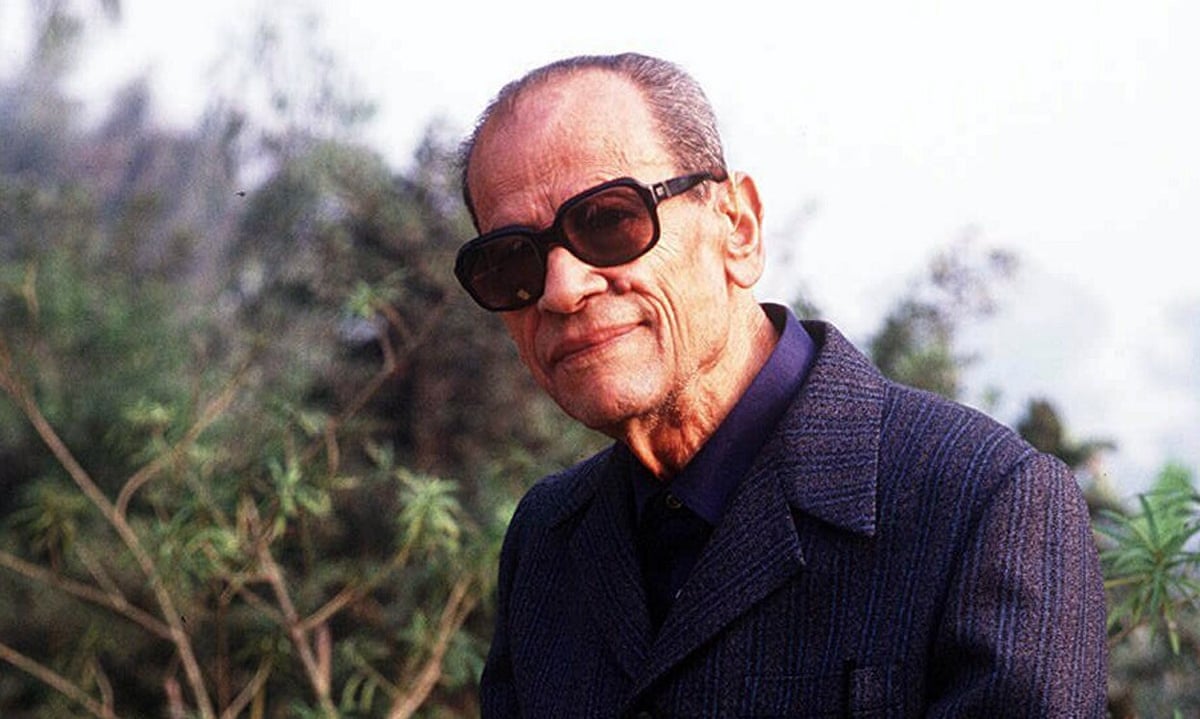
Naguib Mahfouz stands as one of the most influential literary figures in the Arab world and a towering presence in global literature. Born in Cairo, Egypt, during the British colonial era, Mahfouz grew up in the historic Gamaleya district, an environment rich with cultural memory, religious tradition, and urban complexity. This setting became the emotional and spatial foundation of much of his literary work, particularly his detailed portrayals of Cairo life.
Mahfouz studied philosophy at Cairo University, a discipline that deeply influenced his narrative structure and thematic exploration. His early writing career began with historical novels set in ancient Egypt, but he soon transitioned to realist fiction that examined the moral and social transformations of modern Egyptian society. His disciplined writing style and philosophical depth distinguished him from his contemporaries.
His breakthrough came with “The Cairo Trilogy,” published between 1956 and 1957, which offered an expansive portrayal of Egyptian family life across generations. This work cemented his reputation as a master storyteller. By the 1990s, Mahfouz had become an internationally celebrated literary figure, culminating in the Nobel Prize in Literature in 1988, making him the first Arabic-language writer to receive the honor.
Mahfouz’s legacy lies in his ability to capture the psychological and social evolution of Egyptian society with unmatched detail and emotional depth. His works continue to serve as foundational texts in Arabic literature and global literary studies, bridging Eastern and Western literary traditions.
Key Facts
- Full name of the subject: Naguib Mahfouz Abdelaziz Ibrahim Ahmed Al-Basha
- Date of birth: 11 December 1911
- Place of birth: Cairo, Egypt
- Family background: Middle-class Egyptian family
- Early childhood experiences: Raised in historic Islamic Cairo neighborhood
- Education history: Cairo University (Philosophy)
- Influences and mentors: Egyptian history, Islamic philosophy, Western realist literature
- Career beginnings: Historical fiction writing in 1930s
- Major achievements: Nobel Prize in Literature (1988)
- Challenges and obstacles faced: Political censorship and assassination attempt (later years)
- Turning points in life: Shift from historical to realist novels
- Contributions to society: Modernization of Arabic narrative fiction
- Personal life (marriage, children, relationships): Married with children
- Awards and recognitions: Nobel Prize, Egyptian state honors
- Beliefs, values, or philosophy: Humanism, social realism, moral inquiry
- Legacy and impact: Father of modern Arabic literature
- Historical or cultural significance: Chronicler of 20th-century Egyptian society
Notable Works: The Cairo Trilogy, Palace Walk, Palace of Desire, Sugar Street, Children of Gebelawi
Controversies:
Religious controversy over “Children of Gebelawi”
Fatwa and assassination attempt in later life (politically and religiously motivated)
Censorship of several works in parts of the Arab world
Debates over secular themes in his literature
7. Nadine Gordimer
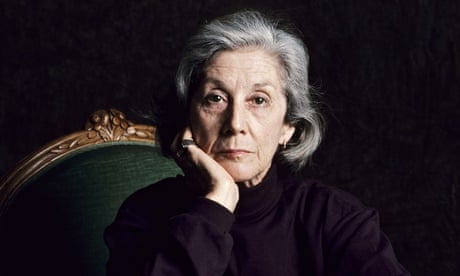
Nadine Gordimer was a literary force whose work was inseparable from the political realities of apartheid South Africa. Born in Springs, a mining town near Johannesburg, she grew up in a racially segregated society that profoundly shaped her moral consciousness. Her early exposure to inequality and institutionalized racism became the central subject of her literary career, which she pursued with remarkable consistency and courage.
Gordimer began writing at a young age, publishing short stories in South African magazines while still a teenager. Her early work already demonstrated a sharp observational style and a deep sensitivity to the psychological effects of segregation. As her career developed, she became increasingly engaged with anti-apartheid movements, both through her writing and her personal activism.
Her breakthrough novels, including “Burger’s Daughter” and “July’s People,” positioned her as one of the most important voices in political literature of the 20th century. By the 1990s, as apartheid began to collapse, Gordimer’s work shifted toward examining the complexities of transition, reconciliation, and the uncertain future of post-apartheid South Africa.
Gordimer’s legacy is defined by her moral courage and literary precision. She used fiction not as escape, but as confrontation, documenting the lived realities of oppression with unflinching honesty. Her Nobel Prize in Literature affirmed her global importance, and her work continues to serve as a critical archive of South Africa’s political and emotional history.
Key Facts
- Full name of the subject: Nadine Gordimer
- Date of birth: 20 November 1923
- Place of birth: Springs, Transvaal, South Africa
- Family background: Middle-class Jewish immigrant family
- Early childhood experiences: Witnessed racial segregation under apartheid
- Education history: University of the Witwatersrand (incomplete studies)
- Influences and mentors: South African political landscape, European modernist literature
- Career beginnings: Short story publications in South African magazines
- Major achievements: Nobel Prize in Literature (1991)
- Challenges and obstacles faced: Government censorship under apartheid regime
- Turning points in life: Active involvement in anti-apartheid movement
- Contributions to society: Literary resistance to racial oppression
- Personal life (marriage, children, relationships): Married twice, mother of children
- Awards and recognitions: Nobel Prize, Booker Prize
- Beliefs, values, or philosophy: Anti-apartheid activism, moral realism, social justice
- Legacy and impact: Chronicler of apartheid and post-apartheid transition
- Historical or cultural significance: Key literary voice in South Africa’s liberation narrative
Notable Works: Burger’s Daughter, July’s People, The Conservationist, None to Accompany Me, Get a Life
Controversies:
Banned books under apartheid censorship laws
Political criticism from pro-apartheid supporters
Debates over her alignment with ANC political ideology
Some critiques of perceived moral rigidity in her narrative stance
8. Ben Okri

Ben Okri is widely regarded as one of the most philosophically rich voices in modern African literature, known for blending magical realism with political and spiritual reflection. Born in Minna, Nigeria, Okri’s early childhood was marked by both Nigerian cultural traditions and his later relocation to England during the Nigerian Civil War. This dual exposure to African and Western worlds created a deeply hybrid narrative consciousness that defines his literary style.
Okri began writing poetry and short fiction at a young age, publishing his early work while still a student in London. His literary voice developed in response to both diasporic displacement and the psychological effects of war and migration. Unlike earlier realist traditions in African literature, Okri’s writing embraced metaphysical and symbolic structures, positioning him as a distinct voice in postcolonial literary innovation.
His breakthrough came with “The Famished Road,” published in 1991, which won the Booker Prize and established him as a major international literary figure. The novel’s blending of spiritual mythology and political allegory reflected a new direction in African storytelling. By the 1990s, Okri had become a central figure in global literary discussions on magical realism and postcolonial identity.
Okri’s legacy lies in his ability to merge the visible and invisible worlds, creating narratives that transcend conventional realism. His work continues to influence contemporary African writers exploring spirituality, memory, and political instability through experimental forms.
Key Facts
- Full name of the subject: Ben Okri
- Date of birth: 15 March 1959
- Place of birth: Minna, Niger State, Nigeria
- Family background: Urhobo father and mixed cultural heritage
- Early childhood experiences: Relocated to England during Nigerian Civil War
- Education history: University of Essex (studies in literature and philosophy)
- Influences and mentors: Yoruba mythology, Western modernism, magical realism tradition
- Career beginnings: Poetry and short fiction in London literary circles
- Major achievements: Booker Prize for “The Famished Road”
- Challenges and obstacles faced: Exile, displacement, and publishing struggles
- Turning points in life: Publication of “The Famished Road”
- Contributions to society: Expansion of African magical realism
- Personal life (marriage, children, relationships): Private family life
- Awards and recognitions: Booker Prize, international literary honors
- Beliefs, values, or philosophy: Spiritual realism, imaginative liberation
- Legacy and impact: Redefined narrative form in African literature
- Historical or cultural significance: Bridge between African spirituality and modern literary form
Notable Works: The Famished Road, Songs of Enchantment, Astonishing the Gods, Dangerous Love, Infinite Riches
Controversies:
Debates over accessibility of his highly symbolic writing style
Criticism that his works are overly abstract or detached from political realism
Limited direct political controversy compared to peers
10. Wole Soyinka (Expanded Literary Conclusion Profile)
Wole Soyinka returns in this final placement not as a repetition, but as a reaffirmation of his towering, cross-generational influence on African and global literature. While earlier sections highlighted his formative intellectual journey, this concluding profile situates him within the broader continental canon, where his work continues to shape contemporary literary ethics, political thought, and dramatic expression. Born into a culturally rich Yoruba environment, Soyinka’s early life remained defined by a constant negotiation between tradition and modernity, spirituality and rationalism, performance and philosophy.
His early academic and theatrical development at University College Ibadan and later in Leeds placed him at the intersection of African oral performance traditions and European dramaturgy. This synthesis allowed him to construct a uniquely complex dramatic style that fused myth, satire, and political critique. His early plays demonstrated an instinctive refusal to separate art from civic responsibility, positioning him as both playwright and public intellectual.
Soyinka’s breakthrough period, particularly during Nigeria’s post-independence turbulence, solidified his role as a literary dissenter. His imprisonment during the Nigerian Civil War became a defining moment in his intellectual evolution, deepening his engagement with themes of authoritarianism, moral decay, and cultural fragmentation. By the 1990s, he had become a global literary authority, frequently invited to lecture, critique, and participate in international dialogues on democracy and human rights.
His legacy is not confined to literature alone but extends into political philosophy and cultural activism. Soyinka represents the archetype of the engaged intellectual one who refuses detachment from the realities of governance, identity, and moral accountability. His influence continues to shape African theatre, political writing, and global human rights discourse.
Key Facts
- Full name of the subject: Akinwande Oluwole Babatunde Soyinka
- Date of birth: 13 July 1934
- Place of birth: Abeokuta, Ogun State, Nigeria
- Family background: Educated Yoruba family with civic and cultural influence
- Early childhood experiences: Exposure to Yoruba mythology and colonial education systems
- Education history: University College Ibadan; University of Leeds
- Influences and mentors: Yoruba cosmology, Greek tragedy, European dramatic literature
- Career beginnings: Radio drama, theater production, and literary essays
- Major achievements: Nobel Prize in Literature (1986)
- Challenges and obstacles faced: Imprisonment and political persecution
- Turning points in life: Arrest during Nigerian Civil War era
- Contributions to society: Advocacy for democracy, freedom of expression, and cultural critique
- Personal life (marriage, children, relationships): Married with children
- Awards and recognitions: Nobel Prize in Literature, global humanitarian honors
- Beliefs, values, or philosophy: Anti-authoritarianism, moral responsibility in art
- Legacy and impact: Global symbol of intellectual resistance
- Historical or cultural significance: Major figure in African theatrical and political literature
Notable Works: Death and the King’s Horseman, The Man Died, A Dance of the Forests, The Lion and the Jewel, Aké: The Years of Childhood
Controversies:
Repeated clashes with Nigerian governments over political criticism
Periods of exile due to political persecution
Accusations of elitism in intellectual discourse
Debates over complexity and accessibility of his dramatic language