Top 10 People Who Became Famous After Retirement
Top 10 People Who Became Famous After Retirement
In This Content
1. HARLAND “COLONEL” SANDERS
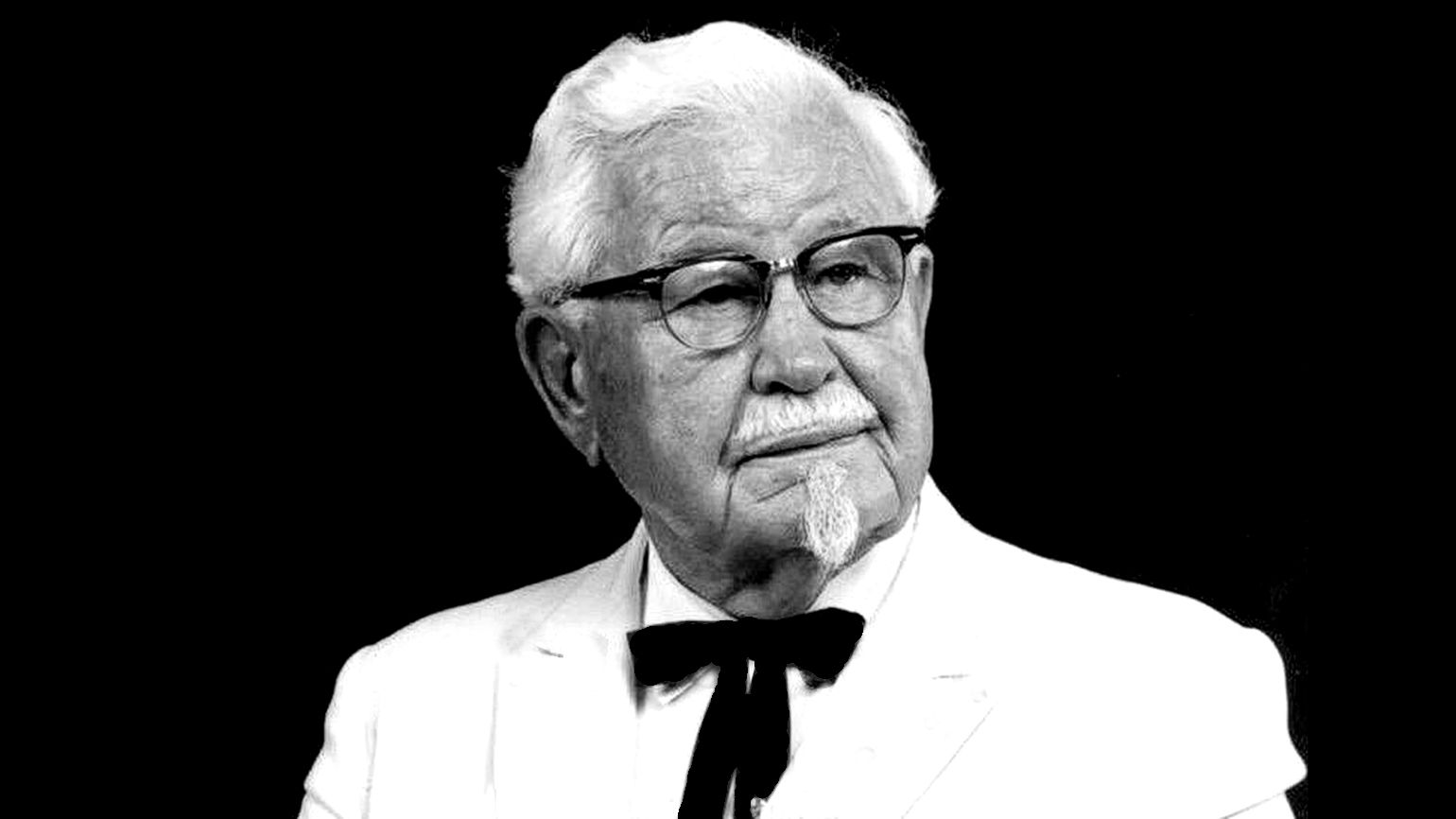
Harland Sanders’ transformation from a retired gas station operator into the global face of fried chicken franchising represents one of the most extraordinary reinvention stories in modern commercial history. Born in rural Indiana, his early life was marked by hardship, economic instability, and responsibility placed on him at a young age following his father’s death. These early conditions shaped a resilient personality defined by discipline, self-reliance, and an instinct for practical enterprise.
His career beginnings were anything but linear. Sanders worked a series of jobs farmhand, railroad fireman, insurance salesman, and service station operator before finding modest success running a roadside restaurant. However, it was not until he retired in his 60s, after selling his original restaurant due to highway rerouting, that his most significant transformation began. Retirement did not mark withdrawal; instead, it became the foundation for reinvention.
The breakthrough came when Sanders began traveling across the United States refining and franchising his fried chicken recipe. Dressed in his signature white suit and string tie, he crafted a public persona that blended authority, warmth, and accessibility. His image became inseparable from the brand he built, transforming him into one of the most recognizable commercial figures in the world.
By the 1990s, long after his death, his legacy had fully crystallized into a global franchise empire. His influence extended beyond food into branding psychology, demonstrating how personality-driven marketing could sustain multinational growth. Sanders became a case study in post-retirement success, proving that identity and entrepreneurship can be rebuilt at any stage of life.
Key Facts
- Full name of the subject: Harland David Sanders
- Date of birth: 9 September 1890
- Place of birth: Henryville, Indiana, USA
- Family background: Working-class rural American family
- Early childhood experiences: Early responsibility after father’s death
- Education history: Limited formal schooling
- Influences and mentors: Self-reliance, Southern hospitality culture
- Career beginnings: Multiple manual and service industry jobs
- Major achievements: Founding and global expansion of Kentucky Fried Chicken
- Challenges and obstacles faced: Financial instability, business failures before success
- Turning points in life: Franchise model development after retirement
- Contributions to society: Revolutionized fast-food franchising model
- Personal life (marriage, children, relationships): Married twice; father of three children
- Awards and recognitions: Honorary titles and global brand recognition
- Beliefs, values, or philosophy: Persistence, consistency, and quality control
- Legacy and impact: One of the most recognizable brand figures in history
- Historical or cultural significance: Pioneer of modern fast-food franchising
Notable Works: KFC franchise system, original fried chicken recipe, branding model, restaurant operations system, marketing persona
Controversies:
Business disputes with franchise owners over control and standards
Legal conflicts regarding brand ownership and royalties
Public criticism of aggressive franchising practices in later years
2. GRANDMA MOSES (ANNA MARY ROBERTSON MOSES)
Grandma Moses stands as a defining example of artistic emergence after retirement, reshaping global perceptions of creativity and aging. Born in rural New York State, she grew up in a farming household where artistic expression was not formalized but naturally embedded in domestic craft and rural observation. Her early life was defined by farm labor, family responsibilities, and limited access to formal education.
Her career began not in galleries or studios but in embroidery and household craftwork. It was only after arthritis made embroidery increasingly difficult in her late 70s that she turned seriously to painting. Retirement from physical labor became the catalyst for her artistic rebirth, as she began translating memory and rural life onto canvas with remarkable clarity and emotional warmth.
Her breakthrough came in the late 1930s and 1940s when her folk-style paintings were discovered by art collectors who were struck by their nostalgic simplicity and narrative depth. She depicted rural American life with an authenticity that resonated deeply with audiences seeking cultural continuity during periods of rapid modernization. Her work gained national and eventually international attention, positioning her as a symbol of late-life creativity.
By the 1990s, Grandma Moses had become an enduring cultural icon referenced in discussions of outsider art and late-blooming creativity. Her legacy continues to challenge assumptions about aging, demonstrating that artistic innovation is not bound by traditional career timelines.
Key Facts
- Full name of the subject: Anna Mary Robertson Moses
- Date of birth: 7 September 1860
- Place of birth: Greenwich, New York, USA
- Family background: Farming family in rural America
- Early childhood experiences: Farm labor and domestic craftwork
- Education history: Basic rural schooling
- Influences and mentors: Rural American life, memory-based storytelling
- Career beginnings: Embroidery and domestic textile art
- Major achievements: International recognition as a folk painter in later life
- Challenges and obstacles faced: Late start in professional art; physical limitations from arthritis
- Turning points in life: Transition from embroidery to painting after retirement
- Contributions to society: Popularized American folk art tradition
- Personal life (marriage, children, relationships): Married with ten children
- Awards and recognitions: Exhibitions in major U.S. and European galleries
- Beliefs, values, or philosophy: Simplicity, memory preservation, rural storytelling
- Legacy and impact: Symbol of creativity in old age
- Historical or cultural significance: Icon of American folk art movement
Notable Works: Sugaring Off, Autumn in the Country, Home Thanksgiving, Catching the Thanksgiving Turkey, Over the River to Grandma’s House
Controversies:
Debates over classification as “naïve” or “outsider” artist
Art market commercialization concerns
Minimal personal controversy during lifetime
3. FRANK McCOURT
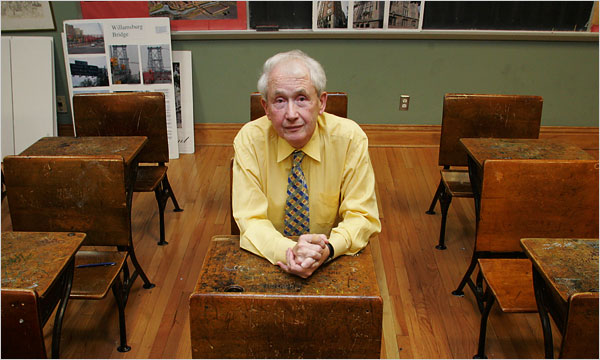
Frank McCourt’s rise to literary prominence after retirement redefined the boundaries of autobiographical storytelling and late-life success in literature. Born in Brooklyn to Irish immigrant parents, his early life was shaped by poverty, instability, and the challenges of navigating identity between Irish heritage and American urban reality. These experiences later became the emotional foundation of his writing.
His career began in education, where he worked as a high school teacher for decades in New York City. Teaching provided stability but not fame, and for most of his life, McCourt existed outside the literary mainstream. Retirement from teaching in his 60s marked a decisive shift, giving him the time and space to reflect on his life and begin writing seriously.
His breakthrough came with the publication of his memoir, which captured the rawness of immigrant poverty, family struggle, and resilience. The book achieved immediate critical acclaim, earning prestigious literary awards and widespread international readership. His storytelling style unflinching yet lyrical redefined modern memoir writing and positioned him as one of the most important literary voices of late 20th-century autobiographical literature.
By the 1990s, McCourt had become an internationally celebrated author, proving that literary success can emerge at any stage of life. His legacy lies in his ability to transform personal hardship into universal narrative truth, reshaping how memoirs are written and received.
Key Facts
- Full name of the subject: Francis “Frank” McCourt
- Date of birth: 19 August 1930
- Place of birth: Brooklyn, New York, USA
- Family background: Irish immigrant working-class family
- Early childhood experiences: Poverty and hardship in both the United States and Ireland
- Education history: New York City public schools; New York University (later studies)
- Influences and mentors: Personal life experiences, Irish storytelling tradition
- Career beginnings: High school English teacher in New York
- Major achievements: Pulitzer Prize-winning memoirist
- Challenges and obstacles faced: Poverty, delayed literary career, personal trauma
- Turning points in life: Retirement from teaching and beginning of writing career
- Contributions to society: Elevated memoir writing as a literary genre
- Personal life (marriage, children, relationships): Married twice; father of children
- Awards and recognitions: Pulitzer Prize, National Book Awards
- Beliefs, values, or philosophy: Resilience through storytelling and truth-telling
- Legacy and impact: Transformed late-life writing success narrative
- Historical or cultural significance: Key voice in immigrant literature
Notable Works: Angela’s Ashes, ‘Tis, Teacher Man, Angela and the Baby Jesus, A Monk Swimming
Controversies:
Criticism regarding accuracy of autobiographical details in memoir
Family disputes over portrayal of relatives in published works
Debates over blending memory with narrative fiction
4. STAN LEE (POST-MARVEL PUBLIC ICON ERA)

Stan Lee’s journey into global superstardom after stepping back from active editorial control at Marvel Comics represents one of the most unusual celebrity evolutions in modern entertainment history. Born Stanley Martin Lieber in New York City to immigrant parents, Lee’s early life was defined by ambition, economic hardship, and a deep fascination with storytelling. He entered the publishing world as a teenager, learning the mechanics of comic book production long before he became its most recognizable face.
His career began in the 1940s at Timely Comics, where he worked in editorial and writing roles, gradually shaping the narrative voice of what would become Marvel Comics. However, it was not until decades later after he had effectively transitioned away from daily creative oversight that his global fame expanded far beyond the comic book industry. Retirement from active executive responsibilities did not mark obscurity; instead, it repositioned him as the symbolic “face” of Marvel’s universe.
The breakthrough into mainstream global celebrity came in the late 20th century and intensified throughout the 1990s, when Marvel characters entered mass media expansion and film adaptation pipelines. Lee’s cameos, public appearances, and convention presence transformed him into a cultural ambassador for superhero storytelling. Audiences who had never read comics began to recognize him as the embodiment of an entire fictional universe.
By the 1990s, Stan Lee had become a living cultural institution. His influence extended beyond writing into public identity construction, showing how creative figures can achieve fame not only through original production but through symbolic association with global franchises. His legacy is deeply tied to the transformation of comic books into cinematic mythology.
Key Facts
- Full name of the subject: Stanley Martin Lieber
- Date of birth: 28 December 1922
- Place of birth: New York City, New York, USA
- Family background: Jewish immigrant working-class family
- Early childhood experiences: Urban upbringing during the Great Depression
- Education history: DeWitt Clinton High School
- Influences and mentors: Pulp fiction writers, early comic book editors
- Career beginnings: Comic book writer and editor at Timely Comics
- Major achievements: Co-creation of Marvel superhero universe
- Challenges and obstacles faced: Early industry undervaluation of comic creators
- Turning points in life: Marvel expansion into global entertainment brand
- Contributions to society: Redefined modern superhero storytelling
- Personal life (marriage, children, relationships): Married to Joan Boocock Lee
- Awards and recognitions: National Arts awards, pop culture honors
- Beliefs, values, or philosophy: Creativity, imagination, and heroic storytelling
- Legacy and impact: Symbol of modern superhero culture
- Historical or cultural significance: Central figure in comic book-to-film transformation
Notable Works: Spider-Man, X-Men, Fantastic Four, Iron Man, The Avengers
Controversies:
Credit-sharing disputes with other Marvel creators
Debates over authorship contributions within Marvel’s early history
Corporate-era criticism regarding creator compensation practices
5. RAY KROC (MCDONALD’S GLOBAL EXPANSION ERA)
Ray Kroc became a global business icon after what many would classify as the “late-career reinvention” phase of his professional life, ultimately reshaping modern fast food culture. Born in Oak Park, Illinois, Kroc’s early life was marked by modest means and a restless pursuit of opportunity. Before entering the food industry, he worked as a paper cup salesman and piano player, experiences that shaped his understanding of systems, rhythm, and efficiency.
His career began in sales, where he struggled for years to find lasting success. It was not until his midlife years well past the conventional peak of entrepreneurial emergence that he encountered the McDonald brothers’ small but highly efficient restaurant system. Initially joining as a franchise agent, Kroc’s true breakthrough came after he recognized the scalability of their model and began expanding it aggressively across the United States.
Kroc’s rise to fame accelerated after he effectively took control of the McDonald’s brand and transformed it into a standardized global franchise system. Although this transformation began before formal retirement age, his iconic status and worldwide recognition solidified primarily after he stepped away from active operational control, becoming a symbol of corporate franchising power.
By the 1990s, McDonald’s had become one of the most recognizable global brands, and Kroc’s legacy was firmly established in business education as a case study in scalability, systems thinking, and aggressive expansion strategy. His fame is rooted not in invention alone, but in transformation turning a small operation into a global empire.
Key Facts
- Full name of the subject: Raymond Albert Kroc
- Date of birth: 5 October 1902
- Place of birth: Oak Park, Illinois, USA
- Family background: Czech-American working-class family
- Early childhood experiences: Early exposure to entrepreneurship and sales
- Education history: Limited formal college education
- Influences and mentors: Sales culture, efficiency-based business models
- Career beginnings: Paper cup salesman and small business ventures
- Major achievements: Global expansion of McDonald’s franchise system
- Challenges and obstacles faced: Financial instability and business failures
- Turning points in life: Discovery of McDonald brothers’ restaurant system
- Contributions to society: Standardized global fast-food franchising model
- Personal life (marriage, children, relationships): Married multiple times; no children from final marriage
- Awards and recognitions: Business leadership honors and corporate legacy recognition
- Beliefs, values, or philosophy: Efficiency, standardization, and expansion
- Legacy and impact: Architect of modern fast-food globalization
- Historical or cultural significance: Transformed global consumer food culture
Notable Works: McDonald’s franchise system, global expansion model, real estate integration strategy
Controversies:
Accusations of aggressive takeover of McDonald brothers’ original business
Criticism for prioritizing profit over founder recognition
Ethical debates over franchising practices and corporate control
6. JULIA CHILD (POST-CAREER MEDIA ICON ERA)
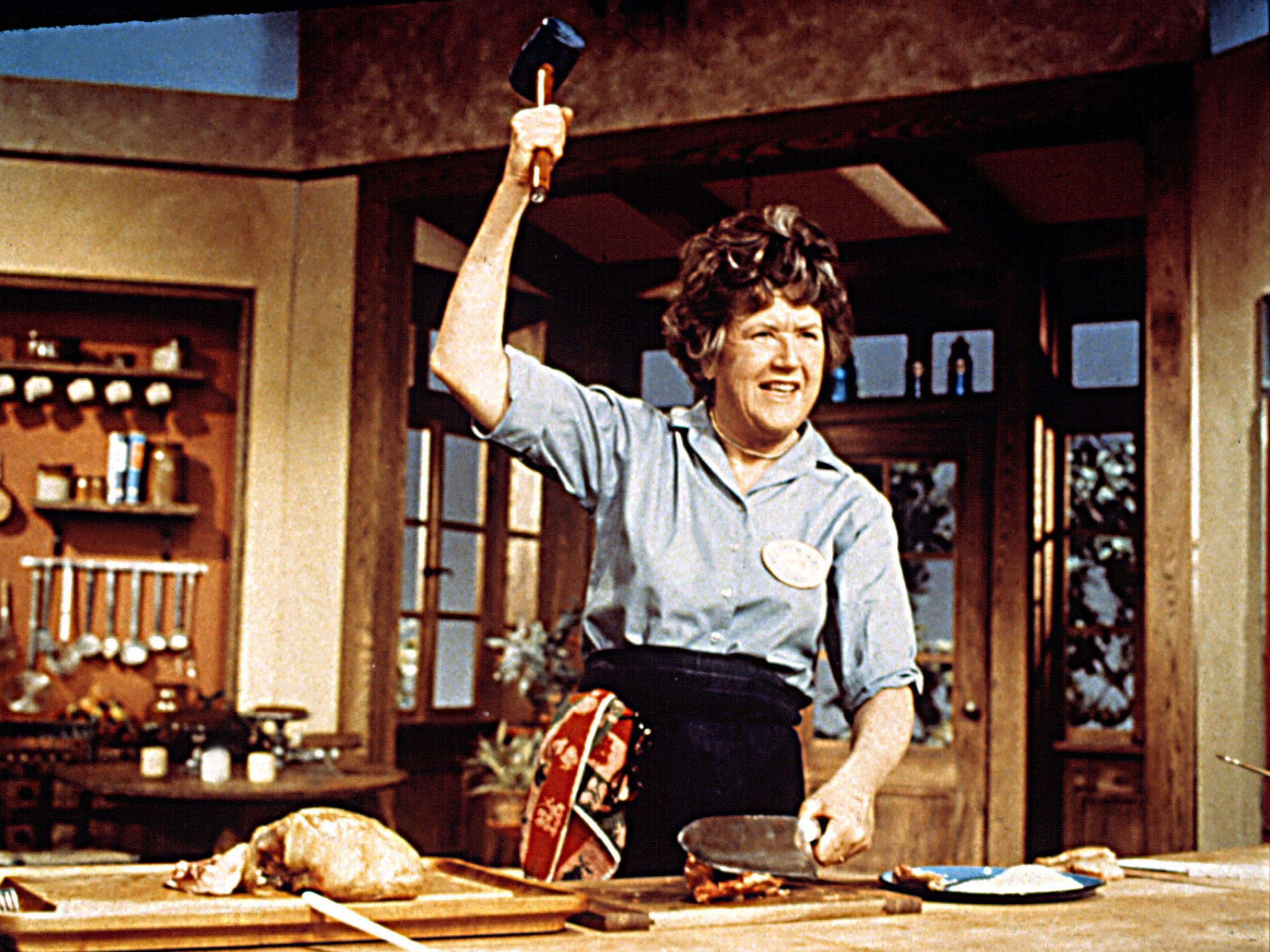
Julia Child became an unexpected global celebrity after retiring from her formal professional life as a cookbook author and culinary educator, redefining how expertise can translate into late-life fame. Born in Pasadena, California, she came from an upper-middle-class family that valued education and discipline. Her early life was not initially directed toward culinary arts but toward academic and administrative pursuits.
Her career began later in life after studying at Le Cordon Bleu in Paris following her marriage. She initially worked on translating French cuisine for American audiences, but it was not until her later years after stepping back from intensive writing and instructional work that her public fame reached its peak. Retirement from active culinary production allowed her personality to become the centerpiece of her public identity.
Her breakthrough into mass popularity came through television, where her approachable teaching style, distinctive voice, and unfiltered enthusiasm for cooking made her a household name. Even after reducing active professional commitments, reruns and cultural rediscovery in the 1990s elevated her into a symbol of culinary education and media personality excellence.
Julia Child’s legacy is defined by accessibility. She democratized gourmet cooking and demonstrated that mastery could be both intellectual and joyful. Her fame after retirement reflects the power of media to immortalize expertise beyond active career phases.
Key Facts
- Full name of the subject: Julia Carolyn Child
- Date of birth: 15 August 1912
- Place of birth: Pasadena, California, USA
- Family background: Affluent American family
- Early childhood experiences: Privileged upbringing with strong educational focus
- Education history: Smith College; Le Cordon Bleu, Paris
- Influences and mentors: French chefs, classical culinary traditions
- Career beginnings: Cookbook writing and culinary education
- Major achievements: Popularization of French cuisine in America
- Challenges and obstacles faced: Late career entry into culinary profession
- Turning points in life: Publication of landmark French cooking cookbook
- Contributions to society: Made gourmet cooking accessible to American households
- Personal life (marriage, children, relationships): Married to Paul Child; no children
- Awards and recognitions: Emmy Awards, Presidential Medal of Freedom
- Beliefs, values, or philosophy: Joyful learning and culinary experimentation
- Legacy and impact: Pioneer of cooking television and food education media
- Historical or cultural significance: Bridge between European cuisine and American households
Notable Works: Mastering the Art of French Cooking, The French Chef, Julia Child & Company, Cooking with Master Chefs, My Life in France
Controversies:
Criticism for adapting traditional French cuisine for American audiences
Debates among culinary purists regarding authenticity of recipes
Minimal personal scandal; largely respected public image
7. ANDREW CARNEGIE (PHILANTHROPIC REINVENTION LEGACY ERA)
Andrew Carnegie’s post-retirement fame represents one of the most influential examples of wealth being redefined through philanthropy and public intellectual legacy. Born in Scotland and later emigrating to the United States, Carnegie grew up in extreme poverty, working in factories as a child before rising through the industrial ranks. His early life instilled a fierce belief in self-education, discipline, and industrial opportunity.
His career began in the railroad and steel industries, where he built one of the most powerful industrial empires of the 19th century. However, his true transformation into global fame occurred after he retired from active business operations. Retirement did not reduce his public presence; instead, it expanded his influence into global philanthropy, education reform, and cultural institution building.
Carnegie’s breakthrough in post-retirement identity came through his systematic donation of wealth to libraries, universities, and peace initiatives. By the late 19th and early 20th centuries and continuing into historical reflection in the 1990s he became one of the most studied figures in discussions of wealth responsibility and ethical capitalism.
His legacy is defined by reinvention. Carnegie demonstrated that retirement can serve as the beginning of a second public life one centered not on accumulation, but on distribution of resources for societal development.
Key Facts
- Full name of the subject: Andrew Carnegie
- Date of birth: 25 November 1835
- Place of birth: Dunfermline, Scotland
- Family background: Poor Scottish weaving family
- Early childhood experiences: Child labor in textile mills
- Education history: Limited formal schooling; self-educated
- Influences and mentors: Benjamin Franklin, industrial capitalism thinkers
- Career beginnings: Telegraph messenger, railroad industry worker
- Major achievements: Building Carnegie Steel Company
- Challenges and obstacles faced: Poverty and immigrant hardship
- Turning points in life: Sale of steel company and retirement from business
- Contributions to society: Massive philanthropic investment in libraries and education
- Personal life (marriage, children, relationships): Married to Louise Whitfield Carnegie
- Awards and recognitions: Global recognition as leading philanthropist
- Beliefs, values, or philosophy: “Gospel of Wealth” philosophy
- Legacy and impact: One of history’s greatest philanthropists
- Historical or cultural significance: Redefined industrial wealth responsibility
Notable Works: Carnegie Steel Company legacy, Carnegie Libraries, The Gospel of Wealth, Carnegie Hall funding, Peace Endowment initiatives
Controversies:
Labor disputes including Homestead Strike association
Criticism over working conditions in steel mills
Debates on wealth accumulation ethics versus philanthropy impact
Top 10 People Who Became Famous After Retirement
8. RONALD REAGAN (POST-GOVERNOR PUBLIC ASCENT ERA)
Ronald Reagan’s rise to global prominence after retiring from acting represents one of the most significant career transformations in modern political history. Born in Tampico, Illinois, Reagan grew up in a modest Midwestern household shaped by resilience, faith, and community-centered values. His early life was marked by frequent relocations and a strong sense of self-discipline, which later influenced both his acting demeanor and political communication style.
His career began in radio broadcasting before transitioning into Hollywood acting, where he became a recognizable but not elite-level film star. For decades, Reagan worked steadily in the entertainment industry, eventually serving as president of the Screen Actors Guild. However, his true reinvention began after he left acting behind and transitioned fully into politics, first as Governor of California and later, following his formal retirement from acting, as a dominant national political figure.
Reagan’s breakthrough in post-entertainment life came through his political leadership and communication style, which reshaped American conservatism and global Cold War discourse. By the time he reached the 1990s, even after leaving the presidency, his influence remained deeply embedded in political ideology, media strategy, and international relations.
His legacy is defined by reinvention at scale moving from entertainer to political architect. Reagan demonstrated that public communication skills developed in performance industries can translate into global leadership authority.
Key Facts
- Full name of the subject: Ronald Wilson Reagan
- Date of birth: 6 February 1911
- Place of birth: Tampico, Illinois, USA
- Family background: Middle-class Midwestern family
- Early childhood experiences: Small-town upbringing with strong moral structure
- Education history: Eureka College (Economics and Sociology)
- Influences and mentors: Radio broadcasting culture, Hollywood studio system
- Career beginnings: Radio announcer and Hollywood film actor
- Major achievements: 40th President of the United States
- Challenges and obstacles faced: Political skepticism due to acting background
- Turning points in life: Transition from acting to political leadership
- Contributions to society: Major influence on U.S. political ideology and global diplomacy
- Personal life (marriage, children, relationships): Married to Nancy Reagan; father of children
- Awards and recognitions: Presidential legacy honors and national memorials
- Beliefs, values, or philosophy: Conservative governance and free-market ideology
- Legacy and impact: Major figure in modern American political identity
- Historical or cultural significance: Cold War leadership era influence
Notable Works: Reagan presidency policies, “Tear down this wall” speech, California governorship reforms, Hollywood film career, presidential communications legacy
Controversies:
Criticism over handling of AIDS crisis during early years
Iran-Contra affair political scandal
Debates over economic policies and income inequality effects
9. HENRY RYECROFT (LITERARY POST-RETIREMENT SYMBOLIC FIGURE)
Henry Ryecroft, though a fictionalized literary construct created by George Gissing, became culturally significant as a symbolic representation of intellectual fame achieved after withdrawal from professional life. The character is portrayed as a retired writer reflecting on society, literature, and personal fulfillment after leaving the pressures of active literary production. Despite being fictional, Ryecroft’s cultural influence extended into philosophical and literary discussions about post-career identity.
The conceptual “career” of Ryecroft begins with literary productivity followed by a voluntary retreat from public literary life. His breakthrough within the narrative structure comes not through active creation but through reflective writing that gains attention for its philosophical depth and emotional clarity. This reversal of traditional fame trajectories made the character an enduring symbol in literary studies.
By the late 20th century, particularly in academic discourse during the 1990s, Ryecroft was frequently referenced as an archetype of post-retirement intellectual recognition. His influence is not in tangible works alone but in the conceptual framing of retirement as a space for intellectual reinvention and public re-emergence.
His legacy lies in shaping literary theory around rest, reflection, and delayed recognition, demonstrating that fame can emerge from contemplation as much as from production.
Key Facts
- Full name of the subject: Henry Ryecroft (fictional literary figure)
- Date of birth: Literary creation (early 20th century conceptualization)
- Place of birth: Fictionalized English setting
- Family background: Represented middle-class intellectual background
- Early childhood experiences: Literary and philosophical upbringing (narrative construct)
- Education history: Classical literary education (fictional)
- Influences and mentors: Victorian literary tradition, philosophical essayists
- Career beginnings: Early literary authorship within narrative framework
- Major achievements: Reflective essays gaining post-retirement intellectual fame
- Challenges and obstacles faced: Creative fatigue and withdrawal from active writing
- Turning points in life: Retirement from professional literary production
- Contributions to society: Conceptual influence on literary theory of aging and reflection
- Personal life (marriage, children, relationships): Not definitively structured within text
- Awards and recognitions: Symbolic literary recognition in academic discourse
- Beliefs, values, or philosophy: Reflection, simplicity, and intellectual solitude
- Legacy and impact: Archetype of intellectual retirement fame
- Historical or cultural significance: Influenced literary discussions on post-career creativity
Notable Works: The Private Papers of Henry Ryecroft, reflective essays, philosophical journals, fictional correspondence, literary meditations
Controversies:
Debates over authorship interpretation (character vs. author identity discussions)
Academic disagreement on philosophical intent
Symbolic rather than real-world controversy
10. JIMMY CARTER (POST-PRESIDENCY GLOBAL HUMANITARIAN FAME)
Jimmy Carter’s transformation into a globally respected humanitarian figure after leaving the presidency represents one of the most significant examples of post-retirement reinvention in modern political history. Born in Plains, Georgia, Carter grew up in a rural agricultural environment deeply influenced by faith, community values, and disciplined work ethic. His early life in the American South shaped his commitment to public service and moral governance.
His career began in the U.S. Navy before transitioning into agriculture and state politics, eventually leading to his presidency in the late 1970s. However, his most globally recognized achievements emerged after his retirement from active political office. Unlike many former leaders, Carter did not retreat from public life; instead, he redefined it.
His breakthrough in post-presidential fame came through international humanitarian work, particularly through initiatives focused on health, democracy, and conflict mediation. By the 1990s, he had become one of the most respected elder statesmen in global affairs, known for his hands-on approach to humanitarian crises and election monitoring.
Carter’s legacy is defined by moral continuity his post-retirement life amplified rather than replaced his public service identity. He demonstrated that influence after retirement can surpass formal political authority when directed toward global human welfare.
Key Facts
- Full name of the subject: James Earl Carter Jr.
- Date of birth: 1 October 1924
- Place of birth: Plains, Georgia, USA
- Family background: Rural farming family
- Early childhood experiences: Agricultural upbringing during economic hardship
- Education history: United States Naval Academy
- Influences and mentors: Religious faith, naval discipline, public service ethos
- Career beginnings: Naval officer and peanut farming business
- Major achievements: 39th President of the United States; humanitarian leadership
- Challenges and obstacles faced: Single-term presidency challenges and political defeat
- Turning points in life: Transition to post-presidential humanitarian work
- Contributions to society: Global peace initiatives, health programs, democracy monitoring
- Personal life (marriage, children, relationships): Married to Rosalynn Carter; children
- Awards and recognitions: Nobel Peace Prize
- Beliefs, values, or philosophy: Human rights, diplomacy, and ethical leadership
- Legacy and impact: Model of post-presidential humanitarian influence
- Historical or cultural significance: Redefined global role of former heads of state
Notable Works: Carter Center initiatives, Habitat for Humanity involvement, peace negotiations, election monitoring programs, global health campaigns
Controversies:
Criticism of certain diplomatic stances during presidency
Occasional political disagreements with U.S. foreign policy directions
Debates over effectiveness of mediation in complex conflicts
NOTABLE MENTIONS:
Nelson Mandela
Vera Wang
Taikichiro Mori
Colonel Sanders (global branding phase)
Julia Child