Top 10 Boxing Legends of the Decade
Top 10 Boxing Legends of the Decade
In This Content
1. Canelo Álvarez
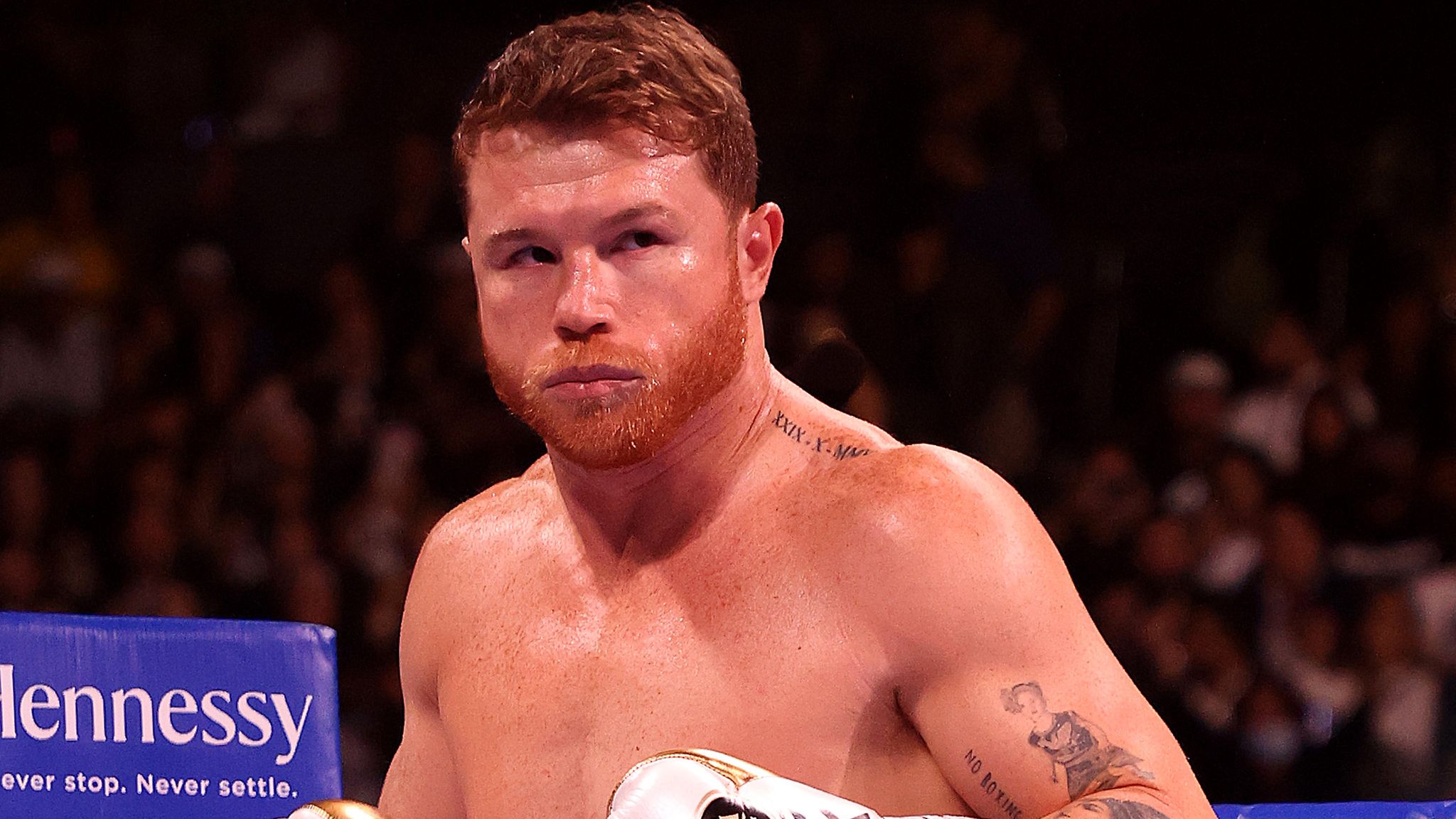
Saúl “Canelo” Álvarez emerged from the gritty boxing culture of Guadalajara, Mexico, where discipline and resilience were not optional traits but survival mechanisms. Raised in a large working-class family, he grew up watching his older brothers box, absorbing the rhythm of the sport long before he ever entered a professional ring. His early life was defined by sacrifice, long training hours, and an almost obsessive commitment to mastering timing and counterpunching, traits that would later define his boxing identity.
Canelo’s professional career began at an unusually young age, turning pro as a teenager and quickly building a reputation in Mexico’s competitive boxing circuits. His early fights showcased a fighter far more mature than his age suggested, with defensive discipline and an instinctive ability to read opponents. As he moved into international bouts, his calm under pressure and technical precision began to separate him from other rising prospects.
His breakthrough came in the early 2010s when he transitioned from promising contender to global headliner. Fights against elite opponents across multiple weight divisions revealed his adaptability and tactical evolution. He refined his counterpunching into an art form, blending defensive mastery with calculated aggression. During the 2010s and into the 2020s, Canelo’s peak years solidified him as a multi-division world champion, particularly dominant in the super middleweight division.
By the end of the decade, Canelo had become a global boxing institution, representing Mexican pride on the world stage. His legacy is defined not only by titles but by his strategic intelligence, longevity, and willingness to face elite competition across weight classes. He remains one of the most complete fighters of his generation.
Key Facts
- Full name of the subject: Santos Saúl Álvarez Barragán
- Date of birth: 18 July 1990
- Place of birth: Guadalajara, Jalisco, Mexico
- Family background: Large working-class Mexican family, boxing-influenced household
- Early childhood experiences: Grew up on a farm, trained alongside older boxing brothers
- Education history: Basic formal education, early focus on boxing training
- Influences and mentors: Mexican boxing tradition, Eddy Reynoso
- Career beginnings: Professional debut at age 15 in Mexico
- Major achievements: Multiple-division world champion, undisputed super middleweight champion
- Challenges and obstacles faced: Early skepticism due to age and size disadvantages
- Turning points in life: Victory over elite champions across multiple weight divisions
- Contributions to society: Philanthropy in Mexico, inspiration for young fighters
- Personal life (marriage, children, relationships): Private family life with children
- Awards and recognitions: Multiple Fighter of the Year awards
- Beliefs, values, or philosophy: Discipline, patience, technical mastery over aggression
- Legacy and impact: Modern face of Mexican boxing excellence
- Historical or cultural significance: Global ambassador of Mexican boxing pride
Notable Works: Gennady Golovkin fights, Sergey Kovalev bout, Caleb Plant fight, Miguel Cotto fight, Floyd Mayweather bout
Controversies:
Allegations of judging favoritism in some high-profile fights
Criticism over scoring in close decision victories
Public debate regarding failed drug test in 2018 (attributed to contaminated meat claim)
Ongoing rivalry disputes with various promoters and fighters
2. Tyson Fury
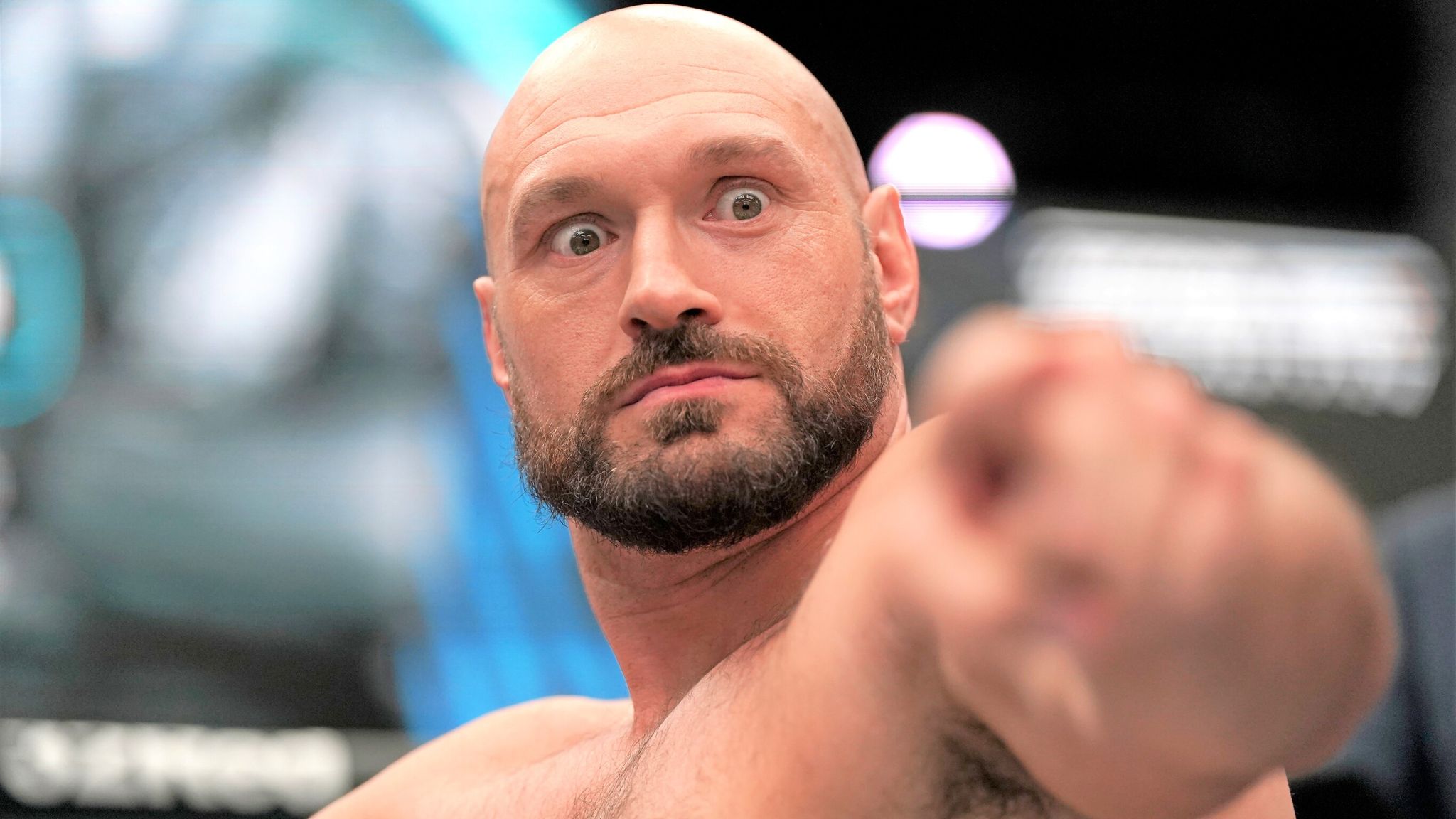
Tyson Fury was born into the traveling Irish Traveller community in England, a background that shaped his identity as both an outsider and a fighter in every sense of the word. His early life was steeped in boxing culture, with his father, a former fighter himself, training him from childhood. Born prematurely and weighing just over a pound, Fury’s survival story became a foundational narrative in his personal mythology.
Fury’s early career was marked by rapid ascension through the amateur and professional ranks, driven by his unusual combination of size, agility, and technical boxing intelligence. Unlike traditional heavyweight archetypes, he moved with surprising fluidity, using footwork and psychological warfare as weapons inside the ring. His early fights showcased not just physical dominance but an evolving mastery of distance control.
His breakthrough came in 2015 when he defeated Wladimir Klitschko, ending a decade-long reign and shocking the heavyweight division. This victory established him as the lineal heavyweight champion and redefined expectations of modern heavyweight boxing. However, his career soon faced turbulence due to mental health struggles, inactivity, and personal battles, which temporarily removed him from the sport.
Fury’s return in the late 2010s and early 2020s marked one of boxing’s most dramatic comebacks. His trilogy with Deontay Wilder and resurgence as a dominant heavyweight cemented his legacy. He is widely regarded as one of the most psychologically complex champions in boxing history, blending vulnerability with dominance in a way rarely seen in elite sport.
Key Facts
- Full name of the subject: Tyson Luke Fury
- Date of birth: 12 August 1988
- Place of birth: Manchester, England
- Family background: Irish Traveller boxing family
- Early childhood experiences: Born prematurely, trained in boxing from childhood
- Education history: Limited formal education, home-based athletic training
- Influences and mentors: John Fury (father), Irish Traveller boxing tradition
- Career beginnings: Amateur boxing and early professional heavyweight bouts
- Major achievements: Defeated Wladimir Klitschko, two-time heavyweight champion
- Challenges and obstacles faced: Mental health struggles, depression, addiction recovery
- Turning points in life: Comeback victory against Deontay Wilder
- Contributions to society: Mental health awareness advocacy
- Personal life (marriage, children, relationships): Married with children
- Awards and recognitions: Heavyweight championship titles, sports accolades
- Beliefs, values, or philosophy: Mental resilience, faith, self-belief
- Legacy and impact: Redefined modern heavyweight boxing psychology
- Historical or cultural significance: Symbol of comeback and mental health openness in sport
Notable Works: Klitschko fight, Wilder trilogy, Derek Chisora bouts, Dillian Whyte fight, Otto Wallin fight
Controversies:
Public struggles with mental health and substance use
Occasional inflammatory public statements
Criticism over inconsistent retirement announcements
Debates regarding scoring in close heavyweight bouts
3. Terence Crawford
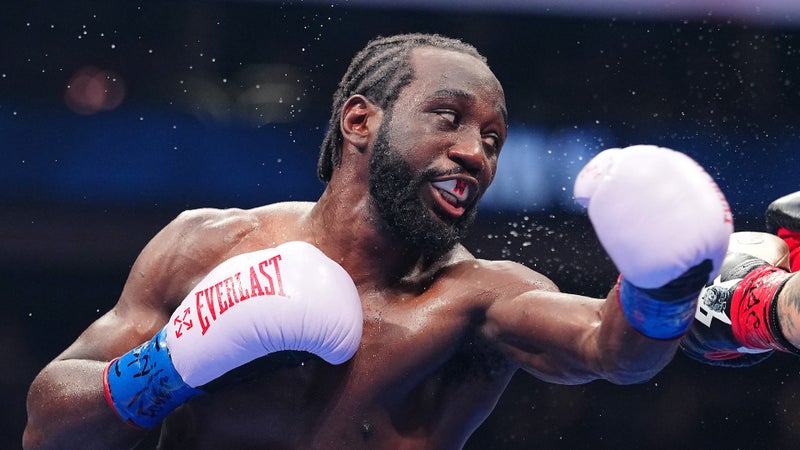
Terence “Bud” Crawford was born in Omaha, Nebraska, in a challenging neighborhood where discipline often determined survival. His early life was shaped by street conflicts and structured amateur boxing, which provided him an escape route and a disciplined framework for self-expression. From a young age, he demonstrated exceptional adaptability and ring intelligence.
Crawford’s amateur and early professional career revealed a fighter capable of switching stances seamlessly, an unusual trait that would become central to his dominance. He built his reputation gradually, climbing through the lightweight and super lightweight divisions with precision-based victories rather than explosive publicity. His calm demeanor masked a highly analytical fighting mind.
His breakthrough came when he unified the lightweight division and later moved up in weight classes, continuing his dominance against elite opposition. The 2010s and 2020s established him as one of the most technically complete fighters in boxing history, particularly noted for his ability to adjust mid-fight and dismantle opponents systematically.
By the peak of his career, Crawford had achieved undisputed status in multiple divisions, earning respect for both his skill and consistency. His legacy is defined by technical mastery, adaptability, and an almost scientific approach to boxing strategy.
Key Facts
- Full name of the subject: Terence Allan Crawford
- Date of birth: 28 September 1987
- Place of birth: Omaha, Nebraska, USA
- Family background: Working-class American family
- Early childhood experiences: Exposure to street violence and early boxing discipline
- Education history: High school education in Omaha
- Influences and mentors: Local Nebraska boxing trainers, amateur boxing system
- Career beginnings: Professional debut in lightweight division
- Major achievements: Undisputed champion in multiple weight divisions
- Challenges and obstacles faced: Limited early promotional visibility
- Turning points in life: Victory in unification bouts across divisions
- Contributions to society: Youth mentorship and community inspiration
- Personal life (marriage, children, relationships): Private family life
- Awards and recognitions: Multiple Fighter of the Year honors
- Beliefs, values, or philosophy: Precision, adaptability, discipline
- Legacy and impact: One of the most technically gifted boxers of his era
- Historical or cultural significance: Elite representation of American technical boxing tradition
Notable Works: Errol Spence Jr fight, Shawn Porter fight, Yuriorkis Gamboa fight, Kell Brook fight, Julius Indongo fight
Controversies:
Promotional disputes limiting early career exposure
Debates over quality of opposition in certain title runs
Criticism of inactivity periods between major fights
Ongoing discussions about legacy ranking among all-time greats
4. Oleksandr Usyk
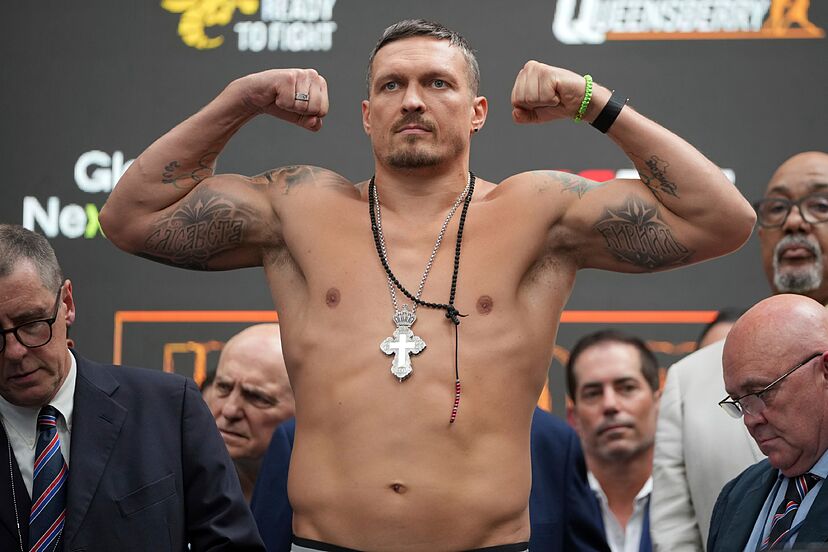
Oleksandr Usyk was born in Simferopol, Crimea, during a period when the region was still part of the Ukrainian SSR, and his early life unfolded in an environment defined by discipline, cultural identity, and athletic structure. Raised in a modest household, he initially gravitated toward football, showing strong promise as a midfielder before eventually transitioning into boxing. This dual-sport foundation shaped his exceptional footwork and spatial awareness inside the ring, distinguishing him from traditional heavyweight fighters.
Usyk’s amateur boxing career was built within Ukraine’s highly structured Olympic program, where he developed a reputation for technical precision and tactical intelligence. Unlike many heavyweights who rely on power, Usyk’s style was rooted in movement, rhythm control, and defensive anticipation. His early development reflected a cerebral approach to boxing, treating each bout as a problem to be solved rather than a contest of force.
His breakthrough came during the 2012 Olympics, where he won gold and solidified his status as one of the most promising technical fighters of his generation. Transitioning into professional boxing, Usyk dominated the cruiserweight division, eventually becoming undisputed champion. His movement into heavyweight boxing marked a rare shift, as he carried his cruiserweight finesse into a division dominated by size and power.
By the late 2010s and early 2020s, Usyk had established himself as one of the most technically refined heavyweights in boxing history. His victories over elite champions reinforced his legacy as a strategist inside the ring, capable of neutralizing power with intelligence, timing, and adaptability. He represents a modern evolution of boxing artistry.
Key Facts
- Full name of the subject: Oleksandr Oleksandrovych Usyk
- Date of birth: 17 January 1987
- Place of birth: Simferopol, Crimea (Ukraine)
- Family background: Working-class Ukrainian family
- Early childhood experiences: Early football training before switching to boxing
- Education history: Physical education and sports training institutions in Ukraine
- Influences and mentors: Ukrainian amateur boxing system, Anatoly Lomachenko training philosophy
- Career beginnings: Ukrainian amateur boxing circuit
- Major achievements: Olympic gold medalist, undisputed cruiserweight champion
- Challenges and obstacles faced: Transition from cruiserweight to heavyweight division
- Turning points in life: Olympic gold medal win in 2012
- Contributions to society: National sporting pride for Ukraine
- Personal life (marriage, children, relationships): Married with children
- Awards and recognitions: Olympic gold, undisputed world titles
- Beliefs, values, or philosophy: Discipline, precision, strategic intelligence
- Legacy and impact: Modern master of technical heavyweight boxing
- Historical or cultural significance: Symbol of Ukrainian sporting excellence
Notable Works: Anthony Joshua fights, Derek Chisora fight, Tony Bellew fight, Murat Gassiev fight, Daniel Dubois fight
Controversies:
Debates over judging in close heavyweight bouts
Political attention due to Ukraine–Russia conflict context
Criticism from opponents regarding “unorthodox” fighting style interpretations
Promotional disputes in heavyweight unification discussions
5. Deontay Wilder
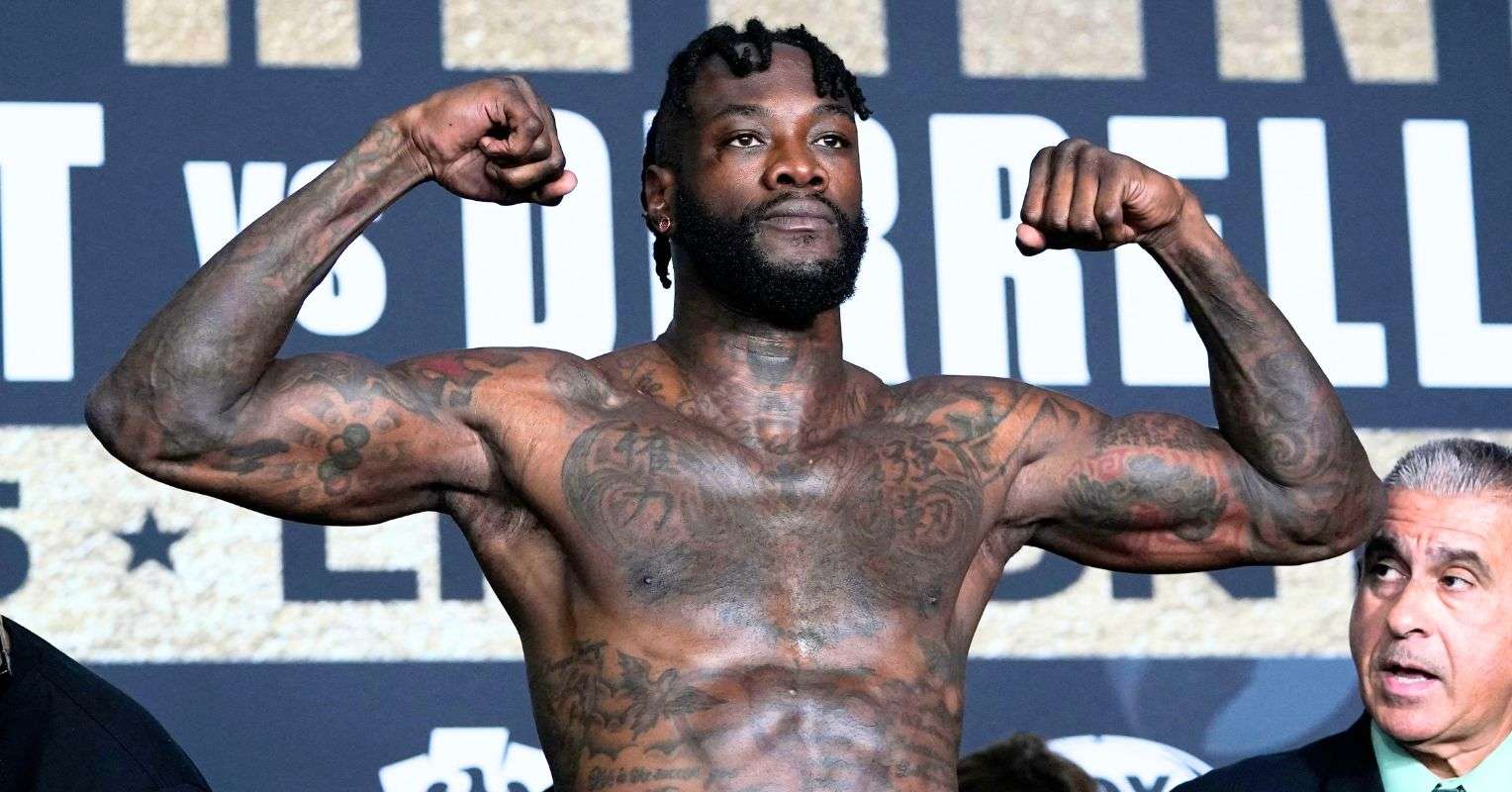
Deontay Wilder was born in Tuscaloosa, Alabama, and his early life was marked by economic struggle and responsibility at a young age. Before boxing, Wilder’s path was shaped by personal hardship, including becoming a father early and taking on multiple jobs to support his family. He entered boxing relatively late compared to most elite fighters, which makes his rise even more extraordinary within the sport’s competitive structure.
Wilder’s early boxing development was unconventional. He had limited amateur experience but possessed extraordinary natural athleticism and explosive punching power. His physical attributes quickly set him apart, but his technical development lagged behind more seasoned fighters. This contrast between raw power and technical inexperience defined his early professional identity.
His breakthrough came when he won the WBC heavyweight title in 2015, becoming the first American heavyweight champion in nearly a decade at the time. His reign was defined by dramatic knockouts and an aura of unpredictability, with his right hand becoming one of the most feared weapons in modern boxing. Wilder’s trilogy with Tyson Fury further elevated his global profile.
By the end of the decade, Wilder had become a polarizing yet iconic heavyweight figure. His legacy is built on extraordinary knockout power, resilience, and his role in reviving heavyweight boxing interest in the United States during a competitive international era.
Key Facts
- Full name of the subject: Deontay Leshun Wilder
- Date of birth: 22 October 1985
- Place of birth: Tuscaloosa, Alabama, USA
- Family background: Working-class American family
- Early childhood experiences: Athletic talent in multiple sports, early fatherhood responsibilities
- Education history: Central Alabama Community College (brief attendance)
- Influences and mentors: Late entry into boxing influenced by local trainers
- Career beginnings: Began boxing in mid-20s, rapid rise in amateur ranks
- Major achievements: WBC heavyweight champion, long title reign
- Challenges and obstacles faced: Late start in boxing career, technical development gaps
- Turning points in life: Winning first world heavyweight title
- Contributions to society: Community inspiration and youth motivation
- Personal life (marriage, children, relationships): Father, private family life
- Awards and recognitions: World heavyweight titleholder, knockout records
- Beliefs, values, or philosophy: Power, resilience, self-belief
- Legacy and impact: Revitalized American heavyweight boxing presence
- Historical or cultural significance: Symbol of late-blooming athletic success
Notable Works: Tyson Fury trilogy, Luis Ortiz fights, Dominic Breazeale fight, Bermane Stiverne fights, Robert Helenius fight
Controversies:
Criticism of limited technical boxing skill set
Disputes over referee stoppages in major fights
Public rivalry tensions with Tyson Fury
Debates over corner decisions in high-profile bouts
6. Naoya Inoue
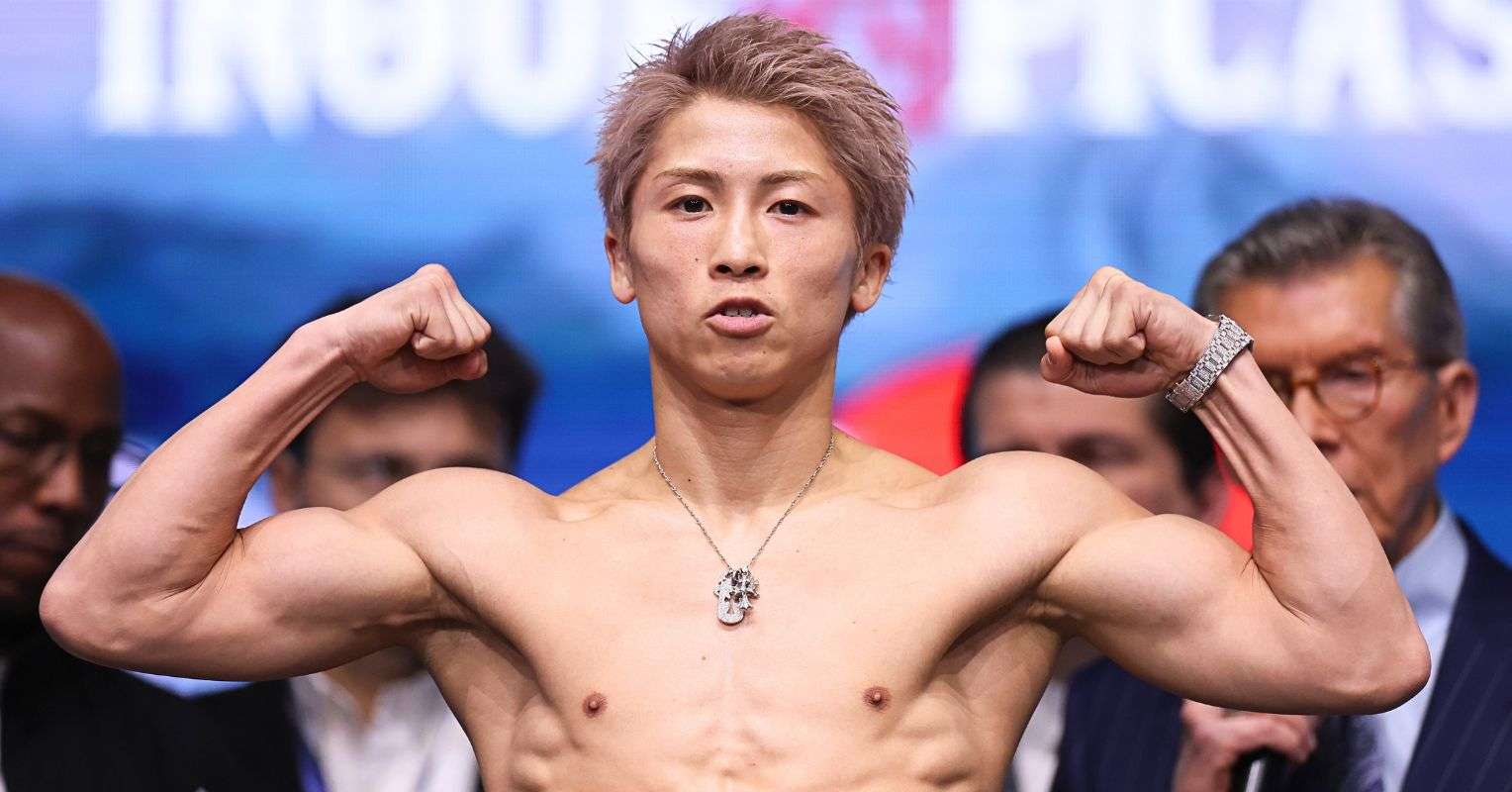
Naoya Inoue, known globally as “The Monster,” was born in Zama, Kanagawa, Japan, into a family deeply connected to boxing. His father and brother both played significant roles in his early development, creating a structured environment where discipline and repetition shaped his foundational skills. From childhood, Inoue demonstrated extraordinary punching precision and timing, which quickly separated him from his peers.
His amateur career was dominant, marked by technical superiority and exceptional finishing ability. Inoue’s transition into professional boxing was seamless, as he quickly captured world titles across multiple weight divisions. Unlike many fighters who gradually adapt to championship level, Inoue entered elite competition with a maturity beyond his years, displaying both offensive brilliance and defensive awareness.
His breakthrough on the global stage came with his early world title wins and explosive knockout performances, which earned him international recognition. As he moved through weight divisions, he maintained his knockout power, a rare trait in lower-weight classes. His fights became known for their precision, timing, and calculated aggression.
By the 2020s, Inoue had become one of the most feared and respected pound-for-pound fighters in the world. His legacy is defined by technical perfection, knockout efficiency, and a disciplined approach that reflects the highest level of Japanese boxing tradition.
Key Facts
- Full name of the subject: Naoya Inoue
- Date of birth: 10 April 1993
- Place of birth: Zama, Kanagawa, Japan
- Family background: Boxing-influenced family (father and brother involved in boxing)
- Early childhood experiences: Early structured boxing training
- Education history: High school education in Japan
- Influences and mentors: Inoue family training system, Japanese boxing discipline
- Career beginnings: Professional debut in light flyweight division
- Major achievements: Multi-division world champion, pound-for-pound elite status
- Challenges and obstacles faced: Moving up weight classes while maintaining power
- Turning points in life: First world title victory at a young age
- Contributions to society: Inspiration for Japanese boxing development
- Personal life (marriage, children, relationships): Married with children
- Awards and recognitions: Multiple Fighter of the Year honors
- Beliefs, values, or philosophy: Precision, discipline, controlled aggression
- Legacy and impact: Modern symbol of technical knockout excellence
- Historical or cultural significance: Elevated Japanese boxing on global stage
Notable Works: Nonito Donaire fights, Stephen Fulton fight, Paul Butler fight, Luis Nery fight, Emmanuel Rodríguez fight
Controversies:
Debates over competition depth in lower weight divisions
Injury-related fight postponements
Promotional disputes affecting international fight scheduling
Minor criticism of dominance over perceived weaker opponents
Top 10 Boxing Legends of the Decade
7. Gennady Golovkin
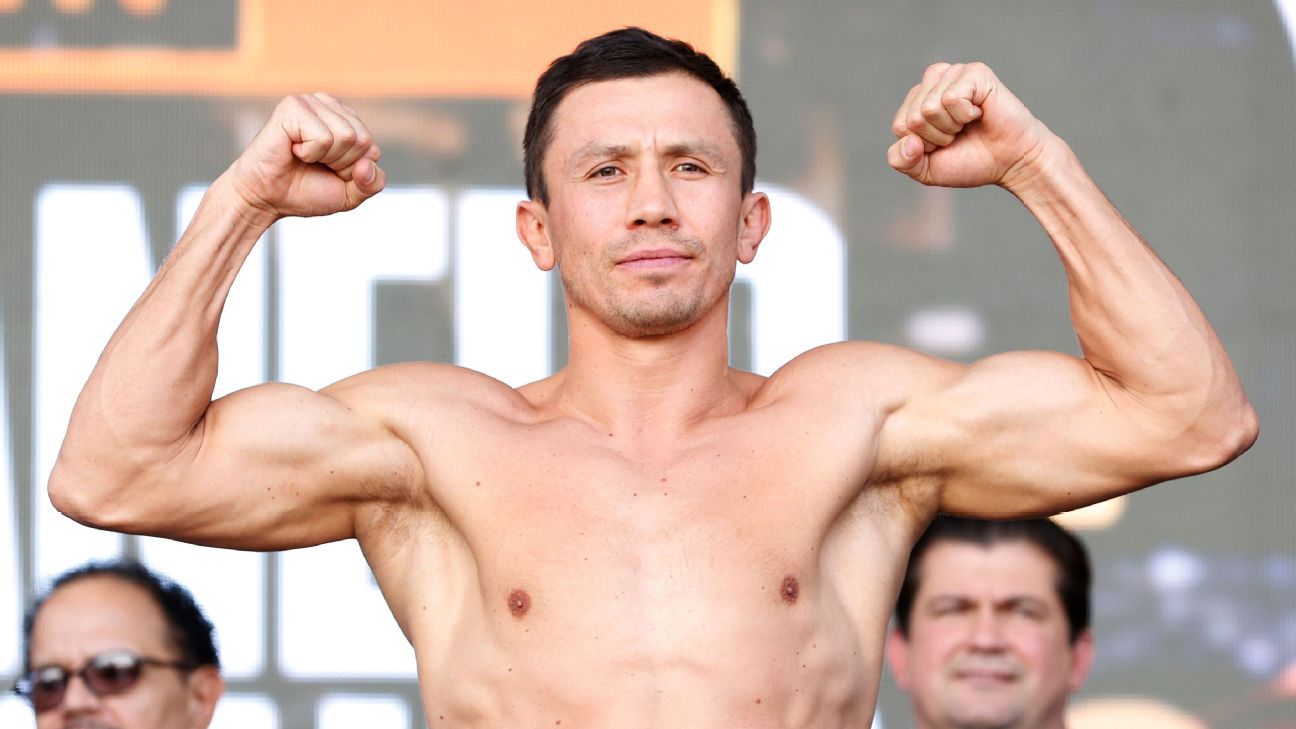
Gennady Golovkin, widely known as “GGG,” was born in Karaganda, Kazakhstan, during the final years of the Soviet Union, a period defined by strict athletic systems and disciplined state-sponsored sports development. His early life was shaped by hardship and structure, with boxing introduced as a disciplined path away from uncertainty. From childhood, Golovkin displayed an unusual calmness under pressure, paired with a destructive punching efficiency that would later define his professional identity.
His amateur career was exceptional, built within Kazakhstan’s rigorous boxing program, where he developed a reputation for relentless pressure and technical control. Transitioning into professional boxing, Golovkin maintained an undefeated aura for many years, dominating opponents with measured aggression and tactical intelligence. His style was not built on flamboyance but on systematic breakdowns of opponents over time.
His breakthrough on the global stage came in the 2010s, when he became middleweight champion and began a long reign of dominance. Known for his devastating jab and ability to cut off the ring, Golovkin became one of the most feared middleweights in the world. His fights against elite opposition cemented his reputation as a modern pressure-fighting master.
By the end of the decade, Golovkin had transitioned into a legacy-defining phase, where his experience, ring IQ, and resilience became as important as his power. He remains one of the most respected middleweights in modern boxing history.
Key Facts
- Full name of the subject: Gennady Gennadyevich Golovkin
- Date of birth: 8 April 1982
- Place of birth: Karaganda, Kazakh SSR (Kazakhstan)
- Family background: Working-class Kazakh family
- Early childhood experiences: Raised in Soviet-era sports discipline system
- Education history: Sports and physical training institutions in Kazakhstan
- Influences and mentors: Soviet boxing system, amateur boxing coaches
- Career beginnings: Professional debut in middleweight division
- Major achievements: Multiple middleweight world titles
- Challenges and obstacles faced: Late global recognition despite dominance
- Turning points in life: Arrival in major US boxing markets
- Contributions to society: National sporting icon for Kazakhstan
- Personal life (marriage, children, relationships): Private family life
- Awards and recognitions: Multiple middleweight championship titles
- Beliefs, values, or philosophy: Discipline, pressure fighting, consistency
- Legacy and impact: One of the greatest middleweights of modern era
- Historical or cultural significance: Elevated Kazakhstan in global boxing
Notable Works: Canelo Álvarez fights, Daniel Jacobs fight, Kell Brook fight, David Lemieux fight, Sergiy Derevyanchenko fight
Controversies:
Close decision losses in high-profile bouts
Debates over judging in Canelo rivalry fights
Criticism of late career activity levels
Ongoing discussion about prime-versus-era competition
8. Errol Spence Jr.
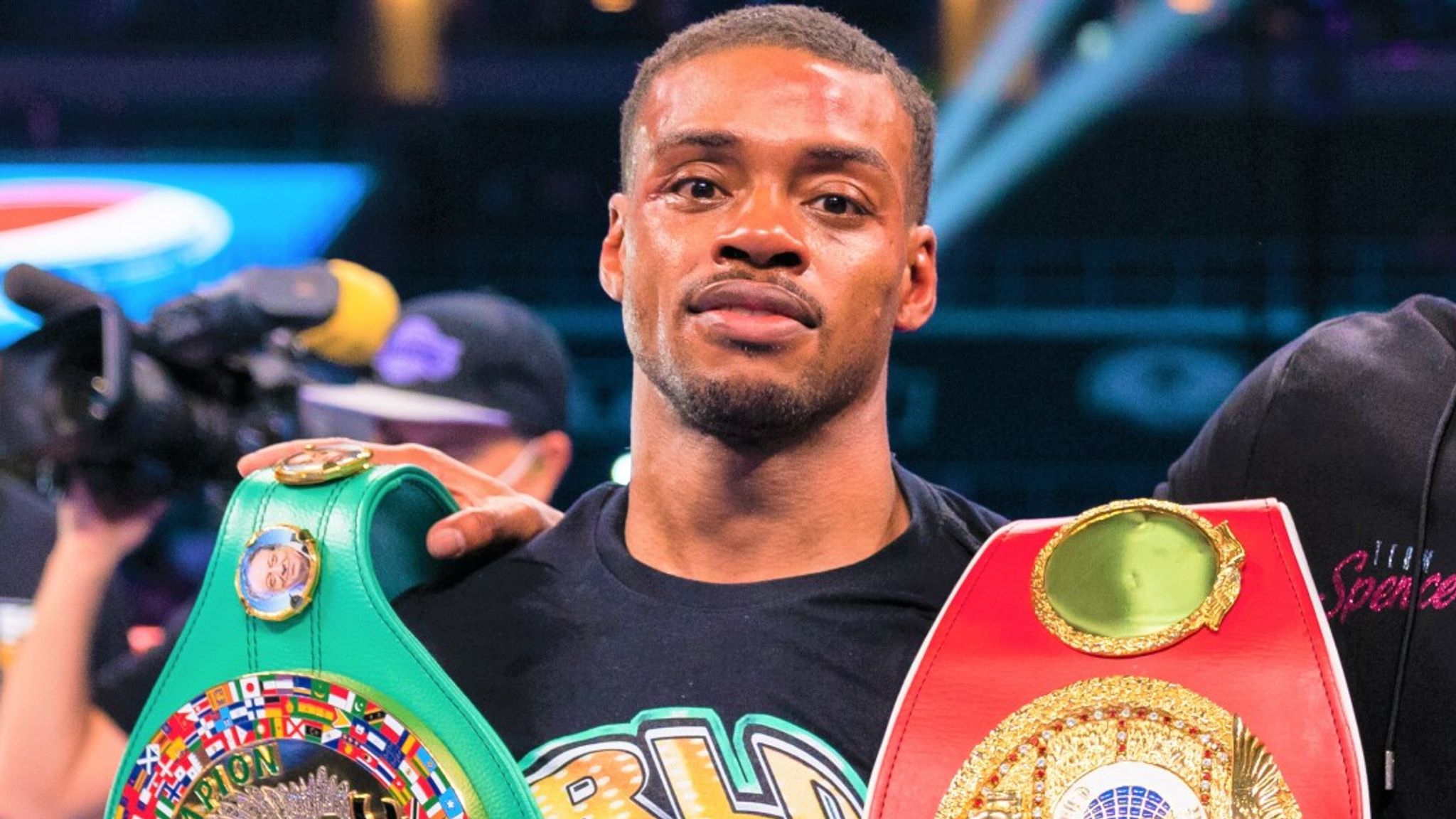
Errol Spence Jr. was born in Long Island, New York, and raised in Dallas, Texas, where his early life was shaped by discipline, structure, and a strong amateur boxing foundation. His upbringing emphasized work ethic and resilience, with his father playing a central role in his athletic development. From a young age, Spence demonstrated exceptional composure and technical control in the ring.
His amateur career was decorated, representing the United States in international competitions and refining a style based on pressure, body punching, and defensive awareness. Transitioning into professional boxing, Spence quickly rose through the welterweight ranks, earning a reputation for breaking down opponents with systematic precision.
His breakthrough came when he captured the IBF welterweight title and later unified multiple belts, becoming one of the dominant forces in the division. His rivalry with elite welterweights defined much of the decade, showcasing both his technical maturity and physical toughness.
By the end of the decade, Spence had established himself as one of the premier welterweights in boxing, known for his calculated aggression and ring control. His legacy is defined by discipline, consistency, and elite-level competition at the highest stage.
Key Facts
- Full name of the subject: Errol Spence Jr.
- Date of birth: 3 March 1990
- Place of birth: Long Island, New York, USA
- Family background: Working-class American family
- Early childhood experiences: Raised in Dallas with strong athletic discipline
- Education history: DeSoto High School (Texas)
- Influences and mentors: Amateur boxing system, US Olympic development program
- Career beginnings: Professional debut in welterweight division
- Major achievements: Unified welterweight world champion
- Challenges and obstacles faced: Serious car accident impacting career momentum
- Turning points in life: Winning first world championship title
- Contributions to society: Community inspiration and youth mentorship
- Personal life (marriage, children, relationships): Father, private family life
- Awards and recognitions: Welterweight world titles
- Beliefs, values, or philosophy: Discipline, pressure, technical control
- Legacy and impact: Elite welterweight of modern boxing era
- Historical or cultural significance: Major figure in American boxing resurgence
Notable Works: Kell Brook fight, Shawn Porter fight, Danny García fight, Mikey García fight, Yordenis Ugás fight
Controversies:
Car accident and subsequent return timeline debates
Weight management and training criticism
Rivalry tensions with Terence Crawford
Judging disputes in close welterweight bouts
9. Vasiliy Lomachenko
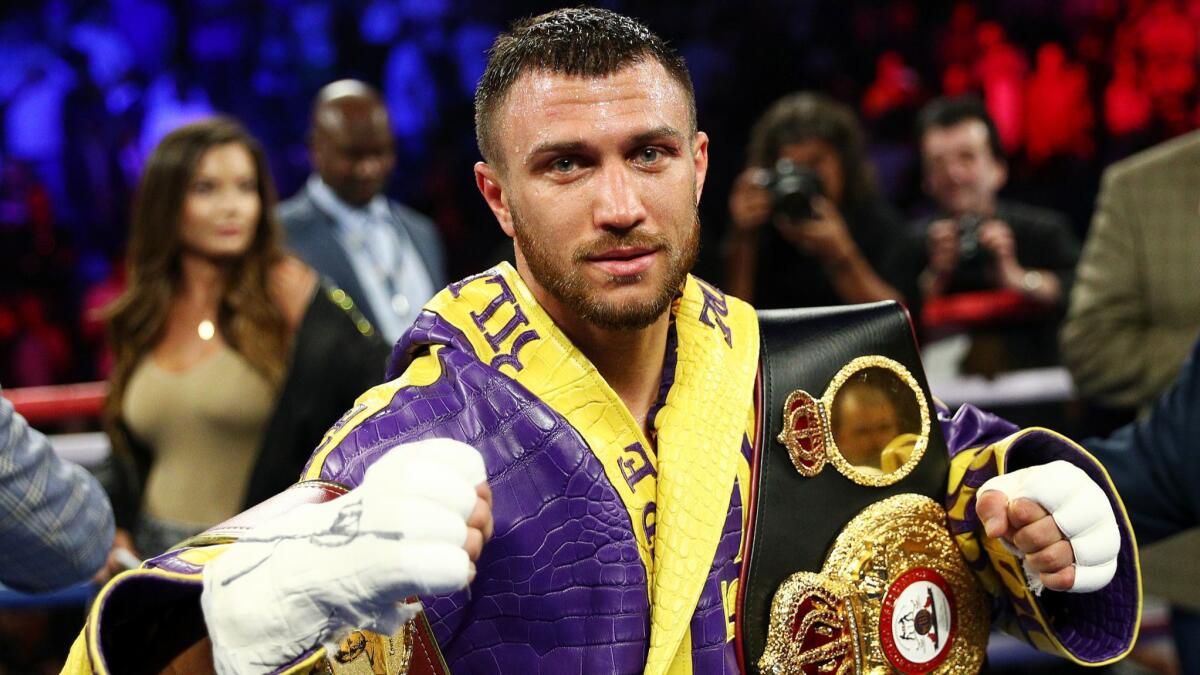
Vasiliy Lomachenko was born in Bilhorod-Dnistrovskyi, Ukraine, into a deeply athletic family where discipline and sport were central to daily life. His father, a boxing coach, introduced him early to structured training methods that emphasized coordination, movement, and technical precision. Lomachenko’s early childhood also included dance training, which significantly influenced his extraordinary footwork and balance.
His amateur career is regarded as one of the greatest in boxing history, with an extraordinary win record and two Olympic gold medals. This foundation established him as a uniquely skilled fighter before even entering the professional ranks. His style was built on angles, rhythm disruption, and constant positional control.
His professional breakthrough came rapidly, as he challenged elite opponents early in his career, a rare move for most fighters. Despite limited professional experience, he captured world titles in multiple weight divisions, showcasing an ability to adapt instantly to higher levels of competition.
By the late 2010s and into the 2020s, Lomachenko had become a symbol of technical perfection in boxing. His legacy is defined by artistry, footwork innovation, and a cerebral approach to dismantling opponents.
Key Facts
- Full name of the subject: Vasiliy Anatoliyovych Lomachenko
- Date of birth: 17 February 1988
- Place of birth: Bilhorod-Dnistrovskyi, Ukraine
- Family background: Athletic family with boxing coaching influence
- Early childhood experiences: Intensive training and dance-based coordination development
- Education history: Sports-focused athletic development system in Ukraine
- Influences and mentors: Father (Anatoly Lomachenko), Ukrainian amateur system
- Career beginnings: Elite amateur boxing with Olympic success
- Major achievements: Two-time Olympic gold medalist, multi-division world champion
- Challenges and obstacles faced: Early career losses during professional adaptation phase
- Turning points in life: Rapid transition to professional world title fights
- Contributions to society: Ukrainian sporting inspiration
- Personal life (marriage, children, relationships): Married with children
- Awards and recognitions: Olympic gold medals, world titles
- Beliefs, values, or philosophy: Precision, rhythm, technical perfection
- Legacy and impact: One of the most technically gifted fighters ever
- Historical or cultural significance: Ukrainian boxing excellence on global stage
Notable Works: Gary Russell Jr fight, Jorge Linares fight, Guillermo Rigondeaux fight, Luke Campbell fight, Teófimo López fight
Controversies:
Debates over early professional losses being strategic risk-taking
Criticism of cautious fighting style in high-stakes bouts
Promotional disagreements limiting fight opportunities
Judging controversies in close decision losses
10. Floyd Mayweather Jr.
Floyd Mayweather Jr., while already established before the decade, continued to cast an enormous influence over boxing throughout it, shaping business models, defensive strategy standards, and fighter promotion culture. Born into a boxing family in Grand Rapids, Michigan, Mayweather’s early life was defined by rigorous training under his father and uncle, both professional fighters. His defensive genius was cultivated from childhood, where survival in the gym was as important as winning.
Mayweather’s professional rise was characterized by technical perfection, defensive mastery, and an undefeated mindset. Even as he entered the later stages of his career, his influence remained dominant across boxing strategy and promotional economics. His approach to boxing emphasized efficiency, control, and risk minimization, redefining how elite fighters manage longevity.
His breakthrough as a global sports and entertainment figure came through high-profile bouts that transcended boxing audiences, blending sport with global spectacle. Even after stepping away from full-time competition, his exhibitions and business presence continued to shape the financial structure of modern boxing.
By the 2010s and beyond, Mayweather’s legacy had become institutional rather than active. Fighters studied his defensive system, promoters adapted his business model, and audiences measured defensive excellence through his standard. His impact remains foundational in modern boxing economics and technique.
Key Facts
- Full name of the subject: Floyd Joy Mayweather Jr.
- Date of birth: 24 February 1977
- Place of birth: Grand Rapids, Michigan, USA
- Family background: Boxing family (Floyd Mayweather Sr., Roger Mayweather)
- Early childhood experiences: Intensive boxing training from childhood
- Education history: High school education in Michigan
- Influences and mentors: Mayweather family boxing system
- Career beginnings: Olympic bronze medalist, early professional success
- Major achievements: Undefeated professional record, multiple division world champion
- Challenges and obstacles faced: Legal issues and public controversies outside the ring
- Turning points in life: Victory over elite champions across multiple divisions
- Contributions to society: Boxing promotion and financial model transformation
- Personal life (marriage, children, relationships): Father, private family life
- Awards and recognitions: Multiple Fighter of the Year awards
- Beliefs, values, or philosophy: Defensive mastery, financial independence, control
- Legacy and impact: Redefined modern boxing defense and business model
- Historical or cultural significance: Global boxing commercial transformation figure
Notable Works: Manny Pacquiao fight, Conor McGregor fight, Oscar De La Hoya fight, Canelo Álvarez fight, Ricky Hatton fight
Controversies:
Legal disputes and assault allegations in early career years
Criticism of defensive, low-action fighting style
Debates over matchmaking and undefeated record preservation strategy
Public scrutiny of exhibition fights in later career years
Notable Mentions:
Anthony Joshua
Teófimo López
Dmitry Bivol
Shakur Stevenson
Tevin Farmer