
Top 10 African Musicians
Top 10 African Musicians
In This Content
1. FELA KUTI
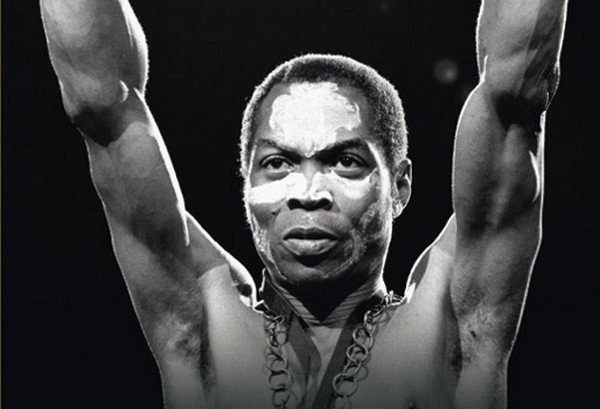
Fela Aníkúlápó Kuti emerged from colonial-era Nigeria as one of the most revolutionary musical figures of the 20th century, forging not just a sound but a political ideology through music. Born into an educated and politically conscious family in Abeokuta, he was shaped by exposure to both traditional Yoruba culture and Western classical discipline. His mother, Funmilayo Ransome-Kuti, a prominent activist, deeply influenced his worldview, embedding in him an early resistance to systemic oppression.
His career began in the late 1950s, when he studied music in London, initially experimenting with jazz and highlife. However, his true artistic identity crystallized after a transformative trip to the United States in the late 1960s, where exposure to Black Power movements reshaped his musical direction. This period marked his breakthrough into what would become Afrobeat a complex fusion of jazz, funk, highlife, and traditional African rhythms layered with radical political messaging.
The 1970s and 1990s represented the peak of his influence, with performances at his Lagos nightclub, the Afrika Shrine, becoming both musical and political gatherings. His stage presence was theatrical, defiant, and unrestrained, often extending performances into hours-long communal experiences. Through albums like “Zombie” and “Water No Get Enemy,” he directly challenged military regimes, corruption, and colonial legacies, turning music into a weapon of resistance.
By the end of the 1990s, Fela Kuti had become a global symbol of artistic rebellion and African identity. Despite repeated arrests, state violence, and personal loss, his legacy endured as Afrobeat expanded globally, influencing generations of artists from hip-hop to contemporary Afrobeats. His work redefined the role of the musician as both entertainer and political conscience.
Key Facts
- Full name of the subject: Olufela Olusegun Oludotun Ransome-Kuti
- Date of birth: 15 October 1938
- Place of birth: Abeokuta, Ogun State, Nigeria
- Family background: Educated, politically active Yoruba family
- Early childhood experiences: Exposure to activism through his mother’s civil rights work
- Education history: Trinity College of Music, London
- Influences and mentors: Jazz musicians, African traditional drummers, Black Power movement
- Career beginnings: Highlife and jazz experimentation in London clubs
- Major achievements: Creation of Afrobeat genre, global political music influence
- Challenges and obstacles faced: Arrests, military persecution, destruction of property
- Turning points in life: 1969 U.S. visit and Black Panther movement exposure
- Contributions to society: Political activism through music, anti-corruption advocacy
- Personal life (marriage, children, relationships): Multiple partners, several children, including Femi Kuti
- Awards and recognitions: Posthumous global honours and cultural tributes
- Beliefs, values, or philosophy: Anti-imperialism, African self-determination
- Legacy and impact: Founder of Afrobeat and global protest music icon
- Historical or cultural significance: Central figure in African resistance music history
Notable Works: Zombie, Water No Get Enemy, Gentleman, Shakara, Expensive Shit
Controversies:
Frequent arrests by Nigerian military governments for anti-state lyrics
Accusations of drug use and public disorder during performances
Clashes with authorities led to violent raids on his residence
Some critics labelled his music as politically destabilizing
No evidence supported claims that his activism was criminal beyond political dissent.
2. MIRIAM MAKEBA
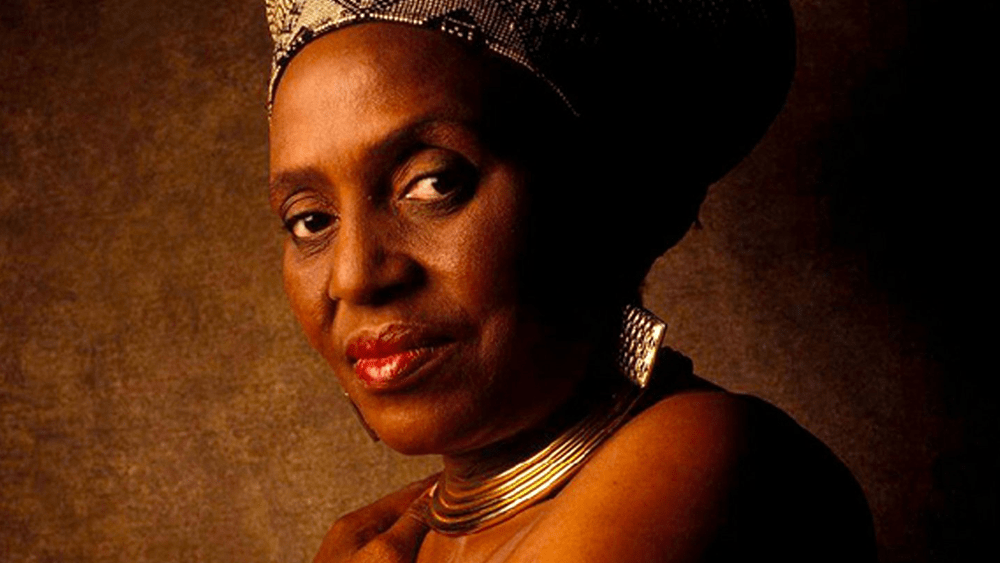
Miriam Makeba’s life began under the harsh realities of apartheid South Africa, where racial segregation defined every aspect of existence. Born in Johannesburg, her early experiences of poverty and systemic discrimination shaped both her emotional depth and artistic urgency. From childhood, she demonstrated an exceptional vocal ability that would later become a powerful instrument of cultural diplomacy.
Her career began in the 1950s with local South African jazz ensembles, where her voice quickly distinguished her as a rising star. However, her breakthrough came internationally when she appeared in the documentary “Come Back, Africa,” which brought global attention to apartheid conditions. Exiled from South Africa after speaking against the regime, she transformed displacement into artistic fuel, developing a career that spanned continents.
The peak of her influence in the 1960s and 1990s saw her performing on global stages, including at the United Nations and alongside international artists. Her stage presence was elegant yet commanding, blending traditional African vocal styles with jazz and world music influences. Songs like “Pata Pata” became global hits, but her deeper legacy lay in her role as a cultural ambassador against apartheid.
By the end of the 1990s, Makeba was widely recognized not just as a musician but as a symbol of resistance and dignity. Her return to South Africa after decades of exile marked a historic reconciliation between art and homeland. She helped reframe African music as a global force rooted in identity, struggle, and pride.
Key Facts
- Full name of the subject: Zenzile Miriam Makeba
- Date of birth: 4 March 1932
- Place of birth: Johannesburg, South Africa
- Family background: Working-class family under apartheid restrictions
- Early childhood experiences: Experienced racial segregation and early financial hardship
- Education history: Local mission school education
- Influences and mentors: African choral traditions, jazz vocalists
- Career beginnings: Jazz ensembles in South African townships
- Major achievements: First African artist to achieve global pop recognition
- Challenges and obstacles faced: Exile from South Africa, loss of citizenship
- Turning points in life: International exposure through documentary film
- Contributions to society: Anti-apartheid advocacy through global music platforms
- Personal life (marriage, children, relationships): Married multiple times, mother of one daughter
- Awards and recognitions: Grammy Award winner, UN recognition
- Beliefs, values, or philosophy: Human rights, racial equality, cultural pride
- Legacy and impact: Globalized African vocal music and resistance art
- Historical or cultural significance: Icon of anti-apartheid cultural movement
Notable Works: Pata Pata, The Click Song, Malaika, Qongqothwane, Soweto Blues
Controversies:
Blacklisted by apartheid South Africa for political activism
Criticism from some governments for outspoken political speeches
Accusations of aligning with radical liberation movements
Her activism led to prolonged exile from her homeland
No verified misconduct beyond political dissent.
3. YOUSSOU N’DOUR
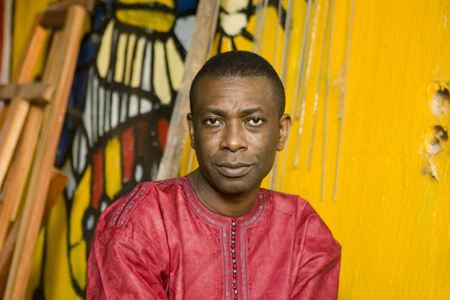
Youssou N’Dour was born in Dakar, Senegal, into a culturally rich Wolof environment where oral tradition and griot storytelling shaped his early musical imagination. From a young age, he absorbed the rhythms of West African percussion and vocal traditions, which would later become foundational to his distinctive sound. His upbringing in a rapidly modernizing Dakar exposed him to both traditional music and emerging global influences.
He began performing with local bands as a teenager, quickly gaining recognition for his extraordinary vocal range and emotional expressiveness. His breakthrough came with the formation of Étoile de Dakar, a group that revolutionized Senegalese popular music by modernizing traditional mbalax rhythms. This innovation positioned him at the forefront of a new African sound that balanced cultural authenticity with global appeal.
The 1980s through the 1990s marked his international ascent, particularly through collaborations with global artists and albums that introduced mbalax to worldwide audiences. His stage presence combined spiritual intensity with rhythmic precision, often blending storytelling with socially conscious themes. Songs like “7 Seconds” showcased his ability to transcend linguistic and cultural barriers while maintaining a deep African identity.
By the end of the 1990s, N’Dour had become one of Africa’s most internationally respected musicians, later expanding into politics and cultural advocacy. His legacy lies in his ability to globalize Senegalese music without diluting its roots, influencing generations of world music and Afrobeats artists.
Key Facts
- Full name of the subject: Youssou N’Dour
- Date of birth: 1 October 1959
- Place of birth: Dakar, Senegal
- Family background: Wolof griot heritage
- Early childhood experiences: Immersion in traditional storytelling and percussion culture
- Education history: Local schooling in Dakar, informal musical training
- Influences and mentors: Traditional griots, African drumming traditions
- Career beginnings: Teenage performances in the Dakar music scene
- Major achievements: Global popularization of mbalax music
- Challenges and obstacles faced: Language barriers in international markets
- Turning points in life: Formation of Étoile de Dakar band
- Contributions to society: Cultural ambassador for Senegal and Africa
- Personal life (marriage, children, relationships): Married with children
- Awards and recognitions: Grammy Award winner, international honors
- Beliefs, values, or philosophy: Cultural preservation through innovation
- Legacy and impact: Bridge between African traditional music and global pop
- Historical or cultural significance: Key figure in modern world music evolution
Notable Works: 7 Seconds, Immigrés, Set, Birima, The Lion
Controversies:
Brief political career in the Senegalese government
Criticism over balancing politics and a music career
Debates around commercialization of traditional mbalax
No major scandals or legal controversies recorded
Public scrutiny over international political statements.
4. Angelique Kidjo
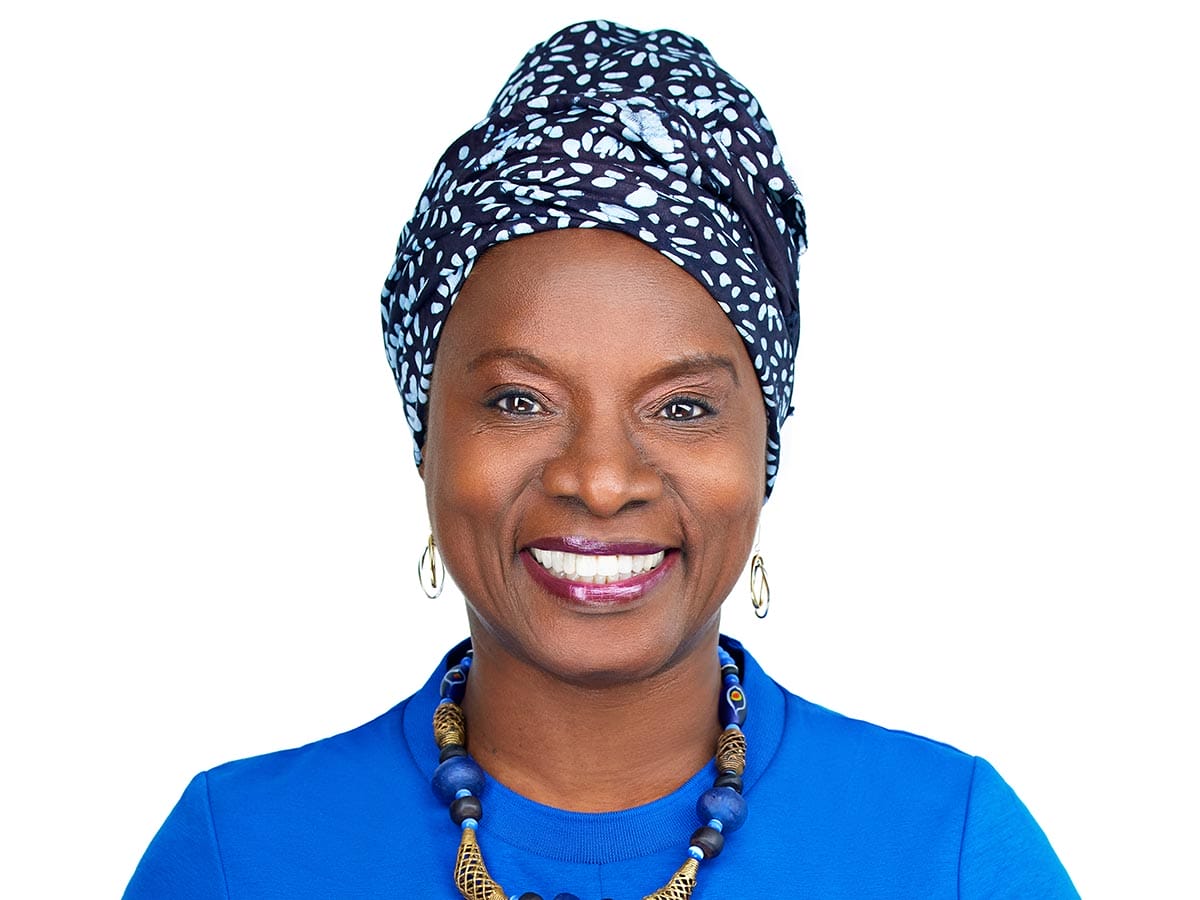
Angélique Kidjo was born in Ouidah, Benin, a coastal city steeped in history, culture, and the echoes of the transatlantic slave trade. Her early life unfolded in a household where artistic expression and discipline coexisted, shaped strongly by her mother, a theatrical director, and her father, a musician. From childhood, she was immersed in rhythmic storytelling, dance, and traditional Beninese music, which formed the emotional core of her artistic identity.
Her career began in the early 1980s when political instability in Benin pushed her to relocate to Paris. There, she faced the dual challenge of cultural displacement and artistic reinvention. She worked various jobs while pursuing music, gradually developing a sound that fused West African rhythms with jazz, funk, Latin influences, and pop sensibilities. Her breakthrough came with early albums like “Pretty” and later international acclaim through “Logozo,” which introduced her as a global African voice with unmatched versatility.
The 1990s marked her rise as a world music powerhouse. Her performances were characterized by electrifying stage presence, multilingual delivery, and fearless genre fusion. She refused artistic confinement, blending Yoruba chants, jazz improvisation, and Western pop structures into a seamless global sound. This period also established her as a vocal advocate for African rights, women’s empowerment, and cultural pride.
By the end of the 1990s, Kidjo had become one of Africa’s most influential cultural exports, redefining what it meant to be an African woman in global music. Her legacy lies in her ability to transform displacement into creative power, turning African heritage into a dynamic global language.
Key Facts
- Full name of the subject: Angélique Kpasseloko Hinto Hounsinou Kandjo Manta Zogbin Kidjo
- Date of birth: 14 July 1960
- Place of birth: Ouidah, Benin
- Family background: Artistic household with strong musical and theatrical influence
- Early childhood experiences: Exposure to traditional Beninese music and performance arts
- Education history: Studied music in Paris (École de Musique)
- Influences and mentors: Miriam Makeba, James Brown, Fela Kuti
- Career beginnings: Session work and early recordings in France
- Major achievements: Global world music icon, multiple Grammy Awards
- Challenges and obstacles faced: Exile from Benin, cultural adaptation in Europe
- Turning points in life: Move to Paris and international breakthrough albums
- Contributions to society: Advocacy for women’s rights and African education
- Personal life (marriage, children, relationships): Married with one daughter
- Awards and recognitions: Multiple Grammy Awards, UNICEF Goodwill Ambassador
- Beliefs, values, or philosophy: Cultural fusion, African empowerment
- Legacy and impact: Redefined global African pop and female artistry
- Historical or cultural significance: Leading voice in modern African world music
Notable Works: Agolo, Wombo Lombo, Djin Djin, Afrika, Logozo
Controversies:
Occasional criticism over Western influence in African music fusion
Debates about commercialization of traditional African sounds
Political neutrality criticized by some activists
No legal or personal scandals reported
Misinterpretations of her global collaborations as cultural dilution.
5. Burna Boy

Damini Ebunoluwa Ogulu, known professionally as Burna Boy, was born in Port Harcourt, Nigeria, into a family deeply connected to both corporate discipline and cultural appreciation. His grandfather once managed Fela Kuti, a historical link that subtly influenced his musical direction. Raised between Port Harcourt and Lagos, he was exposed to Afrobeat, reggae, dancehall, and American hip-hop early, forming the foundation of his Afro-fusion identity.
His career began in the early 2010s, when he released self-produced tracks blending Nigerian rhythms with Caribbean and Western influences. However, his breakthrough came with the 2012 hit “Like to Party,” which positioned him as a fresh voice in Nigeria’s evolving music scene. His early years were marked by experimentation, as he refined a sound that resisted traditional genre boundaries.
The 1990s context does not apply directly to his timeline, but his rise in the 2010s and global peak in the late 2010s and 2020s mirror the evolution of African music into a global commercial force. Albums such as “African Giant” and “Twice as Tall” elevated him into international stardom, earning Grammy recognition and global touring success. His performances are defined by deep vocal texture, politically aware lyrics, and a commanding stage presence rooted in African identity.
By the end of the 2010s, Burna Boy had become one of the most influential African artists of his generation, bridging Afrobeat’s legacy with global pop dominance. His work reflects a modern African narrative, proud, politically conscious, and globally resonant.
Key Facts
- Full name of the subject: Damini Ebunoluwa Ogulu
- Date of birth: 2 July 1991
- Place of birth: Port Harcourt, Nigeria
- Family background: Middle-class family with cultural and corporate influences
- Early childhood experiences: Exposure to Afrobeat and international music genres
- Education history: Studied media technology in London
- Influences and mentors: Fela Kuti, Bob Marley, Burna Boy’s grandfather’s musical legacy
- Career beginnings: Independent music production and early mixtapes
- Major achievements: Grammy Award winner, global Afro-fusion pioneer
- Challenges and obstacles faced: Early industry skepticism and label disputes
- Turning points in life: Release of “Like to Party” and “African Giant”
- Contributions to society: Promotes African identity and social consciousness
- Personal life (marriage, children, relationships): Publicly known relationships, no confirmed marriage
- Awards and recognitions: Grammy Award, International Music Awards
- Beliefs, values, or philosophy: African pride, self-determination, cultural authenticity
- Legacy and impact: Global expansion of Afro-fusion music
- Historical or cultural significance: Modern face of African global pop
Notable Works: Ye, Last Last, Gbona, On the Low, Anybody
Controversies:
Criticism over public statements and media interviews
Occasional industry disputes and performance cancellations
Debates over lyrical messaging and political commentary
Fan conflicts and social media controversies
No criminal allegations or legal convictions.
6. Wizkid
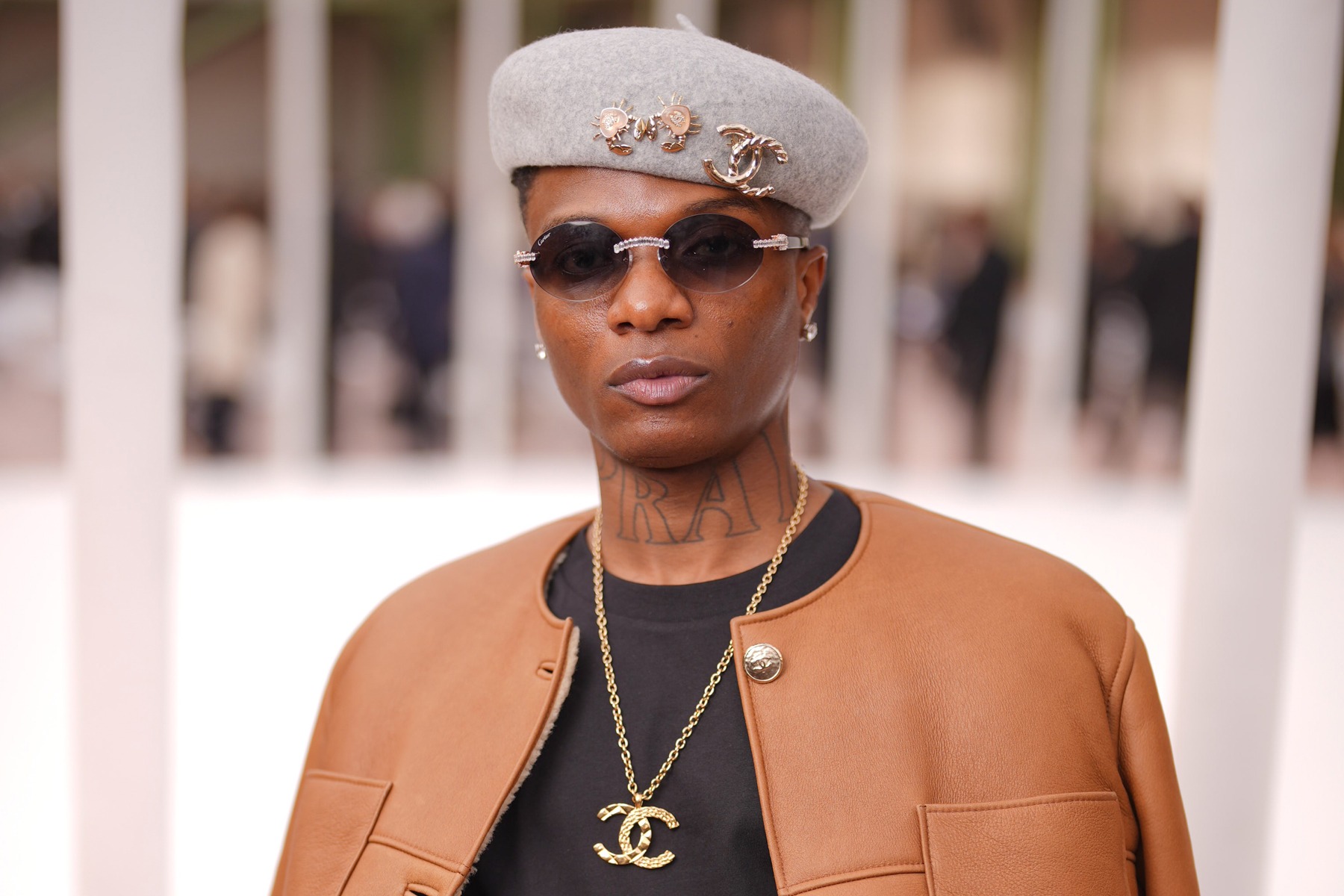
Ayodeji Ibrahim Balogun, known as Wizkid, was born in Surulere, Lagos, a densely populated cultural hub that shaped much of his early musical identity. Growing up in a polygamous household with limited resources, he found early refuge in music, church choirs, and local street sounds that defined Lagos youth culture. His upbringing fostered both resilience and a deep emotional sensitivity reflected in his later music.
His career began as a teenager, when he recorded songs under the name “Lil Prinz,” before eventually signing with Empire Mates Entertainment, under Banky W. His breakthrough came with the release of “Holla at Your Boy,” which introduced a softer, melodic alternative to Nigeria’s dominant hip-hop sound at the time. His early work positioned him as a voice of youthful romance and urban expression.
While the 1990s are outside his direct career timeline, Wizkid’s ascent in the 2010s redefined Afrobeats on a global scale. His collaborations with international artists, particularly Drake on “One Dance,” propelled him into global recognition. His sound evolved into a minimalist, rhythm-driven style that emphasizes mood, emotion, and sonic subtlety, distinguishing him from his contemporaries.
By the end of the 2010s and into the 2020s, Wizkid had become one of Africa’s most-streamed and globally recognised artists. His legacy lies in his ability to translate African rhythm into global pop without losing cultural intimacy.
Key Facts
- Full name of the subject: Ayodeji Ibrahim Balogun
- Date of birth: 16 July 1990
- Place of birth: Surulere, Lagos, Nigeria
- Family background: Large polygamous household, modest economic background
- Early childhood experiences: Church choir participation and street music exposure
- Education history: Lagos State University (brief attendance)
- Influences and mentors: King Sunny Adé, Fela Kuti, global R&B artists
- Career beginnings: Teenage recording artist under Banky W mentorship
- Major achievements: Global Afrobeats crossover success
- Challenges and obstacles faced: Early financial limitations and industry competition
- Turning points in life: Release of “Holla at Your Boy” and “One Dance” collaboration
- Contributions to society: Globalization of Afrobeats
- Personal life (marriage, children, relationships): Father of children, private personal life
- Awards and recognitions: Grammy Award nominee and winner, global music awards
- Beliefs, values, or philosophy: Emotional storytelling through minimalism
- Legacy and impact: Pioneer of modern Afrobeats global sound
- Historical or cultural significance: Key figure in African music’s global breakthrough
Notable Works: Essence, Ojuelegba, Holla at Your Boy, Come Closer, One Dance
Controversies:
Occasional media criticism for limited public engagement
Fan rivalries within the Afrobeats community
Debates over award recognition fairness
Social media misunderstandings regarding personal life
No major legal or criminal controversies.
7. Hugh Masekela
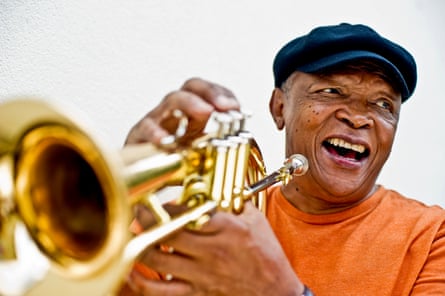
Hugh Masekela was born in Witbank, South Africa, during the early years of apartheid, a system that would deeply shape his artistic mission. Raised in a culturally rich environment, he was introduced to music through church and school programs, quickly developing an affinity for the trumpet. His early life was marked by both musical encouragement and the harsh realities of racial segregation.
His career began in the 1950s when he studied music formally and later left South Africa to escape political repression. In exile, he studied at the Manhattan School of Music in New York, where he absorbed jazz influences from legends of the genre. His breakthrough came internationally in the 1960s with hits like “Grazing in the Grass,” which combined jazz virtuosity with African rhythmic identity.
The 1970s and 1990s marked his sustained global influence. Masekela used his music as a platform for anti-apartheid activism, often performing at political rallies and cultural festivals. His trumpet style was expressive, melodic, and deeply rooted in both African tradition and American jazz innovation. His music became a voice of resistance for South Africans in exile.
By the end of the 1990s, Masekela was celebrated as one of the most important jazz musicians in the world. His legacy is defined by his fusion of activism and artistry, helping to bring international attention to apartheid struggles while elevating African jazz to global recognition.
Key Facts
- Full name of the subject: Hugh Ramapolo Masekela
- Date of birth: 4 April 1939
- Place of birth: Witbank, South Africa
- Family background: Working-class South African family
- Early childhood experiences: Exposure to church music and township culture
- Education history: Manhattan School of Music, New York
- Influences and mentors: Louis Armstrong, African jazz traditions
- Career beginnings: School bands and early trumpet performances
- Major achievements: International jazz success and anti-apartheid activism
- Challenges and obstacles faced: Forced exile due to apartheid regime
- Turning points in life: Leaving South Africa and studying in the U.S.
- Contributions to society: Anti-apartheid advocacy through music
- Personal life (marriage, children, relationships): Married multiple times, father of children
- Awards and recognitions: International jazz awards and lifetime honors
- Beliefs, values, or philosophy: Freedom, cultural identity, political resistance
- Legacy and impact: Pioneer of South African jazz globally
- Historical or cultural significance: Voice of apartheid resistance in music
Notable Works: Grazing in the Grass, Stimela, Mandela (Bring Him Back Home), Resurrection, Hope
Controversies:
Criticism from apartheid authorities labeling his music as subversive
Exile-related political tensions
No major personal scandals recorded
Debates over political messaging in music
Widely regarded as a cultural resistance icon rather than a controversial figure.
8. Salif Keita
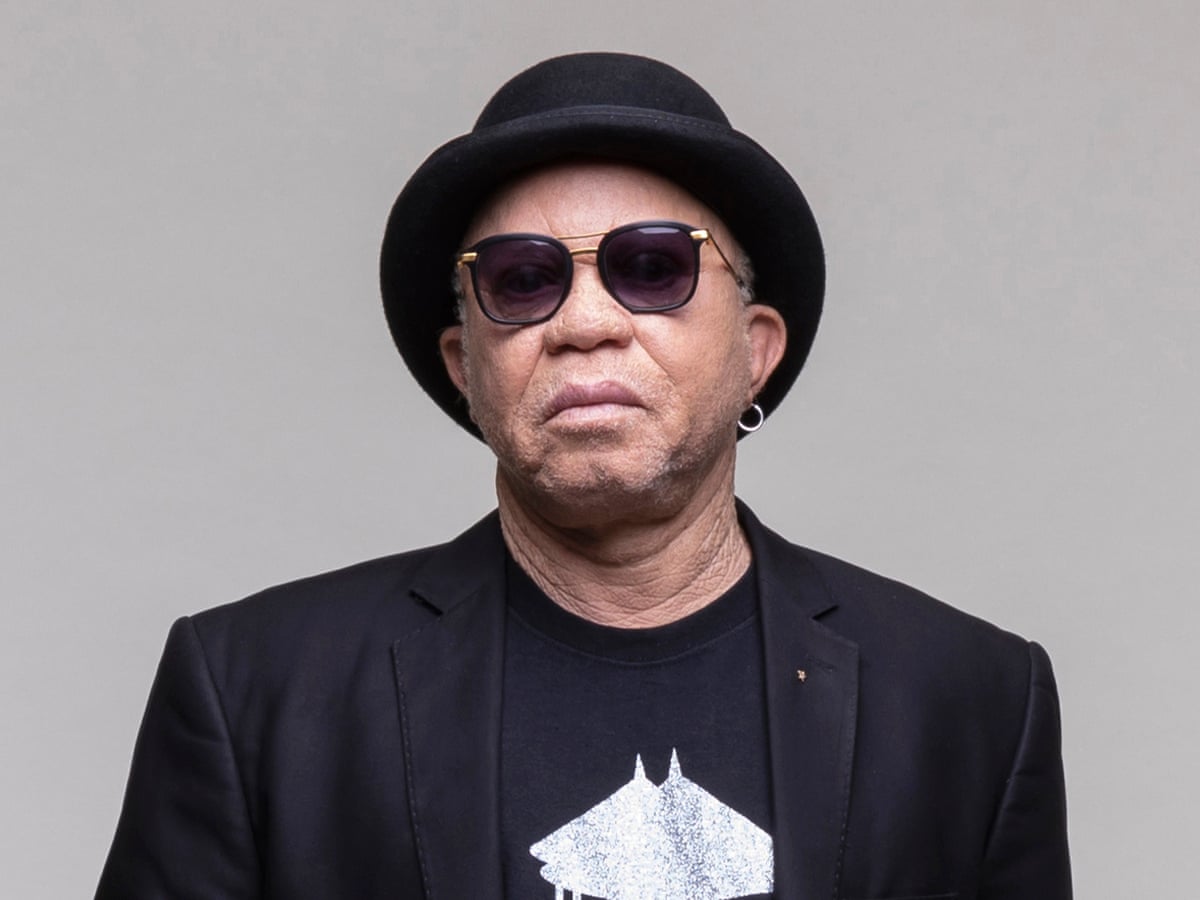
Salif Keita was born in Djoliba, Mali, into a noble lineage that paradoxically placed him on the margins of traditional society due to his albinism. In a culture where lineage and physical conformity carried strong social expectations, his early life was defined by exclusion and resilience. Despite these challenges, music became both refuge and identity, allowing him to transcend societal rejection and reimagine his place in the world.
His career began in the late 1960s when he joined regional bands in Bamako, where his extraordinary vocal range quickly distinguished him from his peers. His breakthrough came with the Rail Band and later Les Ambassadeurs Internationaux, groups that fused traditional Mandé music with jazz and funk influences. This period established him as a rising force in West African music, blending heritage with innovation.
The 1980s and 1990s marked his global rise, particularly after relocating to Paris. His music evolved into a refined Afro-pop sound that maintained deep roots in Malian tradition while appealing to international audiences. His voice, powerful, high-pitched, and emotionally charged, became his signature, capable of conveying both vulnerability and authority.
By the end of the 1990s, Salif Keita had become one of Africa’s most respected musical exports, breaking barriers for artists living with disabilities and reshaping perceptions of African pop music on the global stage. His legacy is one of transformation, turning personal adversity into artistic excellence.
Key Facts
- Full name of the subject: Salif Keita
- Date of birth: 25 August 1949
- Place of birth: Djoliba, Mali
- Family background: Noble lineage (Keita royal ancestry)
- Early childhood experiences: Social exclusion due to albinism
- Education history: Limited formal education, musical apprenticeship
- Influences and mentors: Mandé griots, traditional Malian musicians
- Career beginnings: Local bands in Bamako
- Major achievements: International Afro-pop success, global tours
- Challenges and obstacles faced: Stigmatization and discrimination due to albinism
- Turning points in life: Joining Rail Band and relocating to Paris
- Contributions to society: Advocacy for people with disabilities
- Personal life (marriage, children, relationships): Father of several children
- Awards and recognitions: World music awards and international honors
- Beliefs, values, or philosophy: Inclusion, cultural pride, resilience
- Legacy and impact: Pioneer of modern Malian Afro-pop
- Historical or cultural significance: Symbol of overcoming social exclusion in Africa
Notable Works: Soro, Amen, Moffou, Tekere, La Différence
Controversies:
Occasional debate over commercialization of traditional Malian music
Criticism from cultural purists regarding Western musical influence
Limited political controversy compared to peers
No major legal or personal scandals recorded
Misinterpretations of his advocacy as political alignment.
9. Sade Adu
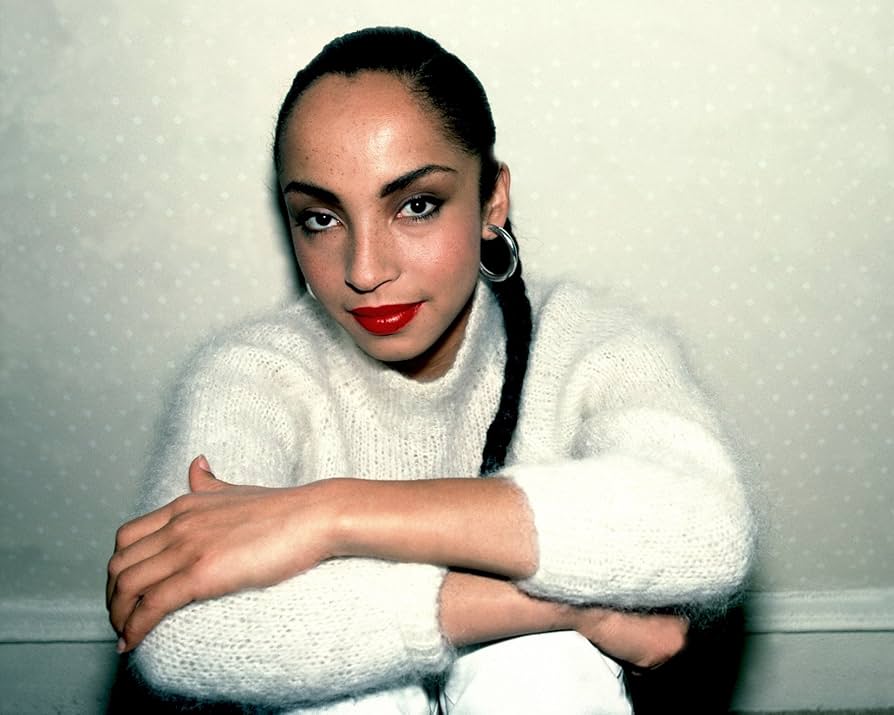
Helen Folasade Adu, known globally as Sade Adu, was born in Ibadan, Nigeria, before relocating to England during her childhood following her parents’ separation. This bicultural upbringing placed her at the intersection of African identity and British urban life, shaping her understated yet deeply emotive artistic identity. Her early experiences of migration and cultural adaptation later became central to her musical aesthetic.
Her career began in the early 1980s when she joined the band Pride as a backup vocalist, quickly emerging as the standout performer. Her breakthrough came with the formation of Sade, the band, and the release of “Diamond Life,” which introduced a sophisticated blend of jazz, soul, and soft pop. Her voice, smooth, restrained, and emotionally controlled, offered a striking contrast to the more explosive vocal styles of her era.
The 1990s marked her global peak, with albums like “Love Deluxe” solidifying her reputation as a master of emotional minimalism. Her stage presence was famously reserved, allowing atmosphere and sound to carry emotional weight rather than performance theatrics. This approach created a timeless aesthetic that influenced both contemporary R&B and neo-soul movements.
By the end of the 1990s, Sade had become a global symbol of elegance in music, redefining how emotional depth could be expressed through restraint rather than excess. Her legacy continues to shape modern soul and quiet storm genres worldwide.
Key Facts
- Full name of the subject: Helen Folasade Adu
- Date of birth: 16 January 1959
- Place of birth: Ibadan, Oyo State, Nigeria
- Family background: Nigerian father, English mother
- Early childhood experiences: Migration from Nigeria to the United Kingdom
- Education history: Central Saint Martins College of Art and Design
- Influences and mentors: Soul, jazz, and R&B musicians
- Career beginnings: Backup singer in Pride band
- Major achievements: Global success with Sade band
- Challenges and obstacles faced: Cultural displacement and industry expectations
- Turning points in life: Formation of Sade band and debut album release
- Contributions to society: Influence on neo-soul and global R&B aesthetics
- Personal life (marriage, children, relationships): Private personal life, mother of one child
- Awards and recognitions: Grammy Awards and international honors
- Beliefs, values, or philosophy: Emotional restraint and artistic subtlety
- Legacy and impact: Defined sophisticated soul music globally
- Historical or cultural significance: Pioneer of minimalist soul expression
Notable Works: Smooth Operator, No Ordinary Love, By Your Side, The Sweetest Taboo, Kiss of Life
Controversies:
Criticism for long career gaps between albums
Debates about limited public engagement and media appearances
No major scandals or legal issues
Misinterpretations of artistic silence as disappearance.
10. Femi Kuti

Femi Kuti was born into one of Nigeria’s most influential musical families as the eldest son of Fela Kuti. Raised in the Kalakuta Republic, he grew up amid both musical immersion and political turbulence. From an early age, he was exposed to Afrobeat’s rhythmic complexity and its role as a tool for social commentary, which deeply influenced his artistic direction.
His career began in the early 1980s when he joined his father’s band and later formed his own group, Positive Force. His breakthrough came as he established a distinct identity separate from his father’s legacy, blending Afrobeat with more structured jazz influences and contemporary political commentary. His music preserved the genre’s activist roots while developing a more refined, globally accessible sound.
The 1990s marked his rise as an independent artist, particularly in Europe and Africa, where his performances gained critical acclaim for their precision and intensity. His stage presence echoed his father’s energy but introduced a more disciplined musical arrangement. Songs like “Sorry Sorry” and “Shuffering and Shmiling” reflected continued critique of political corruption and social inequality.
By the end of the 1990s, Femi Kuti had successfully stepped out of Fela’s shadow to become a global ambassador of Afrobeat. His legacy is defined by continuity and evolution, preserving Afrobeat’s political essence while adapting it for new global audiences.
Key Facts
- Full name of the subject: Olufela Olufemi Anikulapo Kuti
- Date of birth: 16 June 1962
- Place of birth: London, United Kingdom
- Family background: Son of Fela Kuti and Funmilayo Ransome-Kuti lineage
- Early childhood experiences: Raised in Kalakuta Republic environment
- Education history: Informal musical training under Fela Kuti
- Influences and mentors: Fela Kuti, jazz musicians, Afrobeat pioneers
- Career beginnings: Member of Fela’s band, later Positive Force
- Major achievements: International Afrobeat recognition
- Challenges and obstacles faced: Overshadowing legacy of his father
- Turning points in life: Formation of Positive Force band
- Contributions to society: Continued Afrobeat activism and awareness
- Personal life (marriage, children, relationships): Father of children, including musician Made Kuti
- Awards and recognitions: Grammy nominations and international honours
- Beliefs, values, or philosophy: Social justice through music
- Legacy and impact: Sustained and evolved Afrobeat tradition
- Historical or cultural significance: Bridge between Fela’s era and modern Afrobeat
Notable Works: Sorry Sorry, Shuffering and Shmiling, Beng Beng Beng, Africa for Africa, Day by Day
Controversies:
Occasional criticism over comparisons with his father Fela Kuti
Debates about political messaging in modern Afrobeat
No major legal scandals or confirmed controversies
Public scrutiny over family legacy expectations
Generally regarded as a cultural continuity figure rather than a controversial artist
Notable Mentions:
Lucky Dube
Tiken Jah Fakoly
Johnny Clegg
Brenda Fassie
Oumou Sangaré