Top 10 Business Magnates of the 80s
Top 10 Business Magnates of the 80s
In This Content
1. BILL GATES

Bill Gates emerged in the 1980s as the defining architect of the personal computing revolution, transforming software from a niche technical tool into the backbone of global business infrastructure. Born into an upper-middle-class family in Seattle, Washington, Gates was raised in an environment that emphasized discipline, competition, and academic excellence. His early fascination with programming at Lakeside School revealed an unusually analytical mind, one that could see commercial possibilities hidden within lines of code.
He co-founded Microsoft in 1975, but the 1980s marked his true breakthrough. The pivotal deal with IBM in 1980, securing MS-DOS as the operating system for the IBM PC, positioned Microsoft at the centre of the emerging personal computer era. Gates demonstrated a rare combination of technical insight and aggressive business strategy, licensing software in ways that ensured Microsoft retained control over the rapidly expanding PC ecosystem.
Throughout the decade, Gates built Microsoft into a dominant force, outmaneuvering competitors through strategic licensing, rapid iteration, and an uncompromising focus on platform control. By the early 1990s, Microsoft Windows had become the global standard, but the foundation of that dominance was laid in the 1980s. His leadership style, intensely competitive, detail-driven, and relentlessly forward-looking, redefined how technology companies scaled.
By the end of the decade, Gates was no longer simply a software developer; he had become the symbol of the digital age’s corporate future. His influence reshaped global business structures, creating a new category of power: the technology magnate.
Key Facts
- Full name of the subject: William Henry Gates III
- Date of birth: October 28, 1955
- Place of birth: Seattle, Washington, USA
- Family background: Upper-middle-class professional family
- Early childhood experiences: Early exposure to computers and elite academic environments
- Education history: Harvard University (dropped out)
- Influences and mentors: Paul Allen, early computing pioneers
- Career beginnings: Co-founding Microsoft in 1975
- Major achievements: IBM MS-DOS deal, Microsoft expansion in the 1980s
- Challenges and obstacles faced: Early competition, legal scrutiny, market skepticism
- Turning points in life: IBM partnership in 1980
- Contributions to society: Later philanthropy through global health and education initiatives
- Personal life (marriage, children, relationships): Married Melinda French Gates (later divorced), three children
- Awards and recognitions: Time Person of the Year (multiple appearances), global business honors
- Beliefs, values, or philosophy: “Platform dominance” and scalable innovation
- Legacy and impact: Pioneer of the personal computing revolution
- Historical or cultural significance: Defined the software economy of the 1980s
Notable Works: MS-DOS, Microsoft Windows (early development), Microsoft Office, Excel, Word, BASIC interpreters
Controversies:
Antitrust scrutiny over Microsoft’s business practices in the 1990s originated
Criticism of aggressive market strategies against competitors
Debates over monopolistic influence in the software industry
Public concern over tech dominance and competition suppression narratives.
2. WARREN BUFFETT

Warren Buffett’s rise in the 1980s represents one of the most disciplined and intellectually grounded expansions of wealth in modern financial history. Born in Omaha, Nebraska, Buffett displayed an early fascination with numbers, markets, and business structures, selling small goods as a child and investing in stocks before most of his peers had even encountered financial literacy. His upbringing under the influence of his congressman father instilled a strong sense of independence and analytical thinking.
Buffett’s career began under the mentorship of Benjamin Graham, the father of value investing, whose principles of intrinsic value and long-term thinking became the foundation of Buffett’s investment philosophy. By the time he gained control of Berkshire Hathaway, originally a struggling textile company, Buffett had already begun transforming it into a holding company for long-term investments.
The 1980s marked Buffett’s extraordinary expansion phase. During this decade, he executed major acquisitions and investments in companies such as Coca-Cola and American Express, demonstrating his ability to identify undervalued global brands with long-term potential. His approach contrasted sharply with the speculative trading culture of the era, emphasizing patience, fundamentals, and emotional discipline.
By the end of the decade, Buffett was recognized as the “Oracle of Omaha,” a financial strategist whose conservative yet powerful investment philosophy stood in contrast to the rapid corporate excesses of the 1980s. His influence redefined modern investing and cemented Berkshire Hathaway as one of the world’s most powerful financial entities.
Key Facts
- Full name of the subject: Warren Edward Buffett
- Date of birth: August 30, 1930
- Place of birth: Omaha, Nebraska, USA
- Family background: Middle-class, politically active family
- Early childhood experiences: Early business ventures and stock market interest
- Education history: University of Nebraska; Columbia Business School
- Influences and mentors: Benjamin Graham
- Career beginnings: Investment partnerships in the 1950s
- Major achievements: Berkshire Hathaway expansion, major equity investments in global brands
- Challenges and obstacles faced: Early investment losses and market skepticism
- Turning points in life: Adoption of value investing principles
- Contributions to society: Large-scale philanthropic commitments later in life
- Personal life (marriage, children, relationships): Married Susan Thompson Buffett (separated), children
- Awards and recognitions: Global recognition as top investor
- Beliefs, values, or philosophy: Value investing, long-term compounding
- Legacy and impact: Redefined modern investment strategy
- Historical or cultural significance: Symbol of disciplined capitalism in the 1980s
Notable Works: Berkshire Hathaway transformation, Coca-Cola investment, American Express stake, GEICO expansion influence, Salomon Brothers involvement
Controversies:
Criticism over involvement in firms during financial scandals (e.g., the Salomon Brothers era)
Debates about wealth concentration and market influence
Scrutiny of investment decisions during corporate restructuring periods
Perception of passive investment dominance affecting market competition.
3. SAM WALTON

Sam Walton stands as one of the most transformative retail innovators of the 20th century, with the 1980s serving as the decade in which his vision reshaped global consumer culture. Born in Kingfisher, Oklahoma, and raised during the Great Depression, Walton developed an early understanding of scarcity, value, and customer behavior. His rural upbringing shaped his obsession with affordability and operational efficiency.
Walton began his retail journey in the mid-20th century, eventually founding Walmart in 1962. However, it was the 1980s that marked the explosive expansion of his retail empire. Through aggressive store expansion, logistical innovation, and relentless cost-cutting strategies, Walton turned Walmart into a dominant force in American retail. His philosophy centred on one principle: deliver lower prices to more people than anyone else.
During this decade, Walmart expanded rapidly across the United States, revolutionizing supply chain systems and introducing advanced inventory management techniques that would later become global retail standards. Walton’s leadership style was intensely hands-on, often visiting stores personally to ensure operational discipline and customer satisfaction.
By the end of the 1980s, Walmart had evolved from a regional chain into a national retail powerhouse. Walton’s legacy was not just in the scale of his company but in the transformation of global retail economics, ushering in an era of mass affordability and logistical precision.
Key Facts
- Full name of the subject: Samuel Moore Walton
- Date of birth: March 29, 1918
- Place of birth: Kingfisher, Oklahoma, USA
- Family background: Rural, working-class family
- Early childhood experiences: Grew up during the Great Depression
- Education history: University of Missouri (Economics)
- Influences and mentors: Retail pioneers and military logistics discipline
- Career beginnings: Small retail stores before founding Walmart in 1962
- Major achievements: Rapid expansion of Walmart in the 1980s
- Challenges and obstacles faced: Competition from established retail chains
- Turning points in life: Adoption of large-scale discount retail model
- Contributions to society: Job creation and consumer price reduction
- Personal life (marriage, children, relationships): Married Helen Walton, four children
- Awards and recognitions: Presidential Medal of Freedom (post-1980s recognition period)
- Beliefs, values, or philosophy: “Everyday low prices” and customer-first retailing
- Legacy and impact: Revolutionized global retail systems
- Historical or cultural significance: Redefined consumer capitalism in the 1980s
Notable Works: Walmart expansion strategy, supply chain innovation model, Sam’s Club creation, discount retail blueprint, logistics optimization system
Controversies:
Criticism of labour practices and wage structures
Concerns over the impact on small local businesses
Debates on market dominance and retail monopolization narratives
Environmental and corporate responsibility criticisms in later evaluations.
4. DONALD TRUMP

Donald Trump emerged in the 1980s as one of the most visible and controversial real estate magnates in the United States, transforming from a regional developer into a national symbol of luxury capitalism. Born into the disciplined, construction-driven household of Fred Trump in Queens, New York, he was shaped early by the aggressive pragmatism of real estate development and the importance of branding wealth as power. His education at the New York Military Academy reinforced structure, competitiveness, and public performance under pressure.
Trump entered the family business in the 1970s, but the 1980s marked his true ascent into high-profile Manhattan development. He repositioned himself from a suburban builder to an elite Manhattan developer, acquiring and branding iconic properties such as Trump Tower, which became both a commercial and cultural statement of excess and ambition. His approach fused real estate with media visibility, turning architecture into identity.
During the decade, Trump expanded into casinos, hotels, and luxury developments, leveraging debt financing to scale rapidly. His name became as valuable as his properties, symbolizing a new era where branding could amplify real estate value beyond physical assets. However, this expansion was also marked by financial volatility and dependence on leveraged capital structures.
By the end of the 1980s, Trump had become a public figure beyond real estate, representing both the glamour and risks of high-stakes capitalism. His influence would later extend into entertainment and politics, but the foundation of his public identity was firmly built during this decade.
Key Facts
- Full name of the subject: Donald John Trump
- Date of birth: June 14, 1946
- Place of birth: Queens, New York City, USA
- Family background: Wealthy real estate development family
- Early childhood experiences: Privileged upbringing with strict discipline
- Education history: Wharton School of the University of Pennsylvania
- Influences and mentors: Fred Trump (father), New York developers
- Career beginnings: Family real estate business in the 1970s
- Major achievements: Trump Tower development, major Manhattan projects
- Challenges and obstacles faced: High debt exposure and market volatility
- Turning points in life: Shift to Manhattan luxury branding
- Contributions to society: Urban development and infrastructure investment
- Personal life (marriage, children, relationships): Married Ivana Trump (1980s period), children
- Awards and recognitions: Public recognition as top real estate developer
- Beliefs, values, or philosophy: Branding-driven capitalism and aggressive expansion
- Legacy and impact: Redefined celebrity real estate development
- Historical or cultural significance: Symbol of 1980s excess and luxury capitalism
Notable Works: Trump Tower, Atlantic City casino developments, Trump Plaza Hotel, Trump Castle, Grand Hyatt renovation involvement
Controversies:
Heavy reliance on debt financing and financial restructuring concerns
Public scrutiny over casino financial performance
Media portrayal controversies regarding wealth and image inflation narratives
Criticism of aggressive business tactics in property acquisitions.
5. RUPERT MURDOCH

Rupert Murdoch rose in the 1980s as one of the most powerful media architects of the modern era, reshaping global journalism into a commercially driven, politically influential enterprise. Born in Melbourne, Australia, into a newspaper-owning family, Murdoch inherited both the tools and ambition for media expansion. His early exposure to editorial operations gave him a deep understanding of how information could be shaped, packaged, and monetized.
Murdoch began expanding his media holdings in Australia and the United Kingdom before entering the United States market. The 1980s marked his decisive global breakthrough, as he acquired and consolidated major newspapers and television networks across continents. His acquisition of influential British tabloids and expansion into American media markets demonstrated his ability to navigate regulatory systems and political environments with strategic precision.
During this decade, Murdoch transformed news media into a global entertainment-business hybrid. He emphasized sensationalism, accessibility, and mass-market appeal, shifting journalism toward a more commercially competitive model. His creation of Fox Broadcasting Company in 1986 marked a pivotal expansion into American television, challenging established networks.
By the end of the 1980s, Murdoch had established a transcontinental media empire that influenced public opinion, political discourse, and entertainment standards. His legacy would become deeply intertwined with debates about media ethics, influence, and the concentration of power.
Key Facts
- Full name of the subject: Keith Rupert Murdoch
- Date of birth: March 11, 1931
- Place of birth: Melbourne, Victoria, Australia
- Family background: Newspaper publishing family
- Early childhood experiences: Exposure to journalism through father’s media holdings
- Education history: Worcester College, Oxford University
- Influences and mentors: Sir Keith Murdoch (father), British press culture
- Career beginnings: Inherited and expanded Australian newspapers
- Major achievements: Global media expansion in the 1980s, Fox Broadcasting launch
- Challenges and obstacles faced: Regulatory barriers and media competition
- Turning points in life: Entry into UK and US media markets
- Contributions to society: Expansion of global news accessibility (commercially driven)
- Personal life (marriage, children, relationships): Multiple marriages, several children involved in media business
- Awards and recognitions: Media industry leadership recognition
- Beliefs, values, or philosophy: Mass-market journalism and influence-driven media strategy
- Legacy and impact: Redefined global media ownership structures
- Historical or cultural significance: Central figure in commercialization of news media
Notable Works: Fox Broadcasting Company, The Times acquisition, The Sun expansion, News Corp formation, global newspaper consolidation
Controversies:
Accusations of media bias and political influence
Phone hacking scandal associations (later decades, roots in expansion culture)
Criticism over sensationalism in journalism
Concerns about monopolization of media narratives.
6. CARLOS SLIM
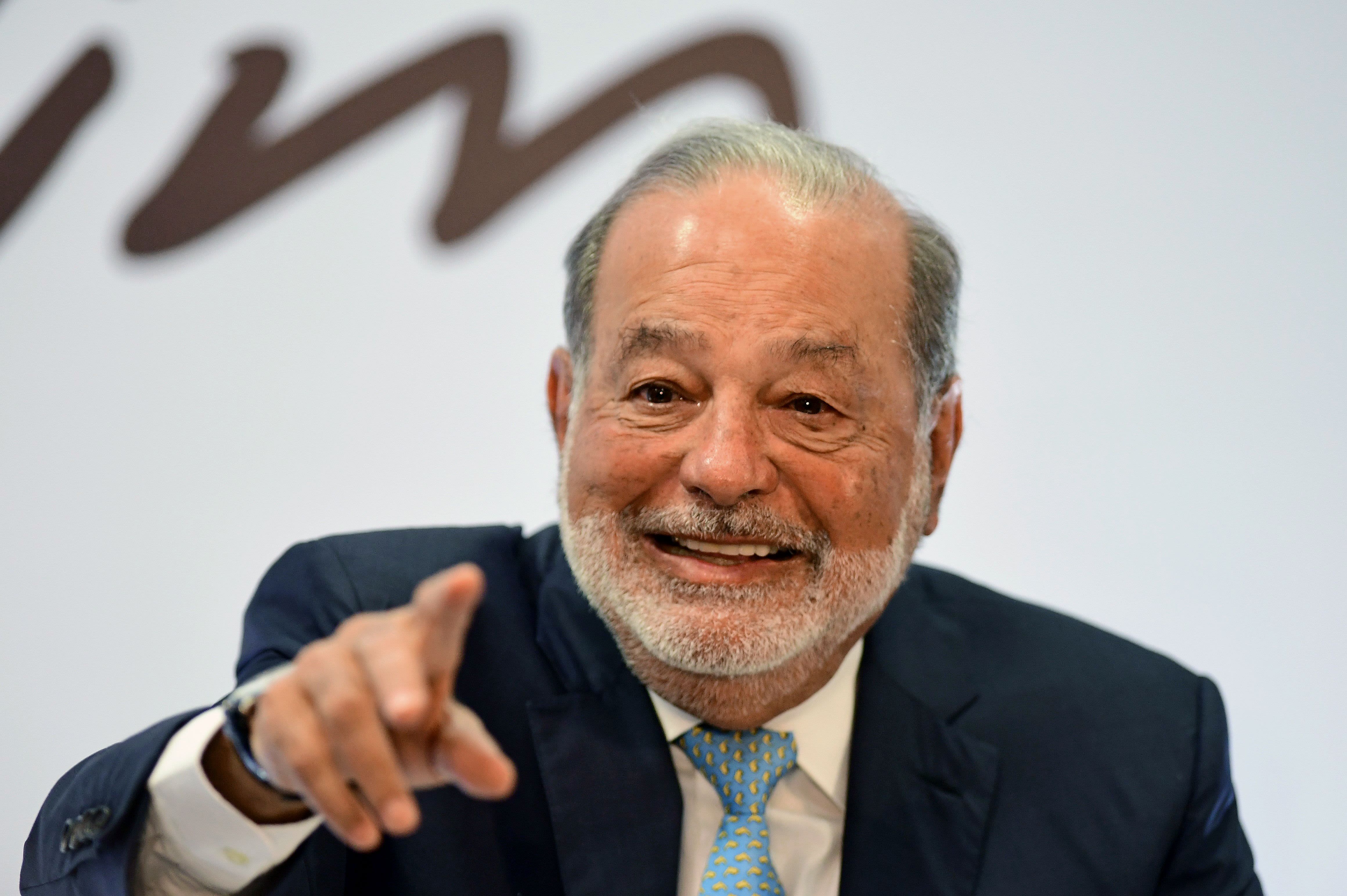
Carlos Slim emerged in the 1980s as Latin America’s most formidable business strategist, quietly building one of the world’s most powerful diversified conglomerates. Born in Mexico City to Lebanese immigrant parents, Slim was raised in a disciplined household that emphasized mathematics, frugality, and disciplined investment. His father introduced him to accounting principles and long-term financial thinking early.
Slim began investing in the 1960s and 1970s, acquiring undervalued companies across multiple sectors in Mexico. However, the 1980s financial crisis in Mexico became the defining moment of his ascent. While others retreated from the collapsing economy, Slim aggressively acquired distressed assets across telecommunications, construction, retail, and banking sectors.
His breakthrough came through strategic consolidation. By acquiring and restructuring companies during economic downturns, Slim positioned himself as a central figure in Mexico’s privatization wave. His approach emphasized long-term control over immediate profit, allowing him to build a deeply interconnected corporate empire.
By the end of the 1980s, Slim had laid the foundation for one of the largest wealth accumulations in modern history. His influence extended beyond business into national economic restructuring, making him a key figure in Latin America’s financial modernization.
Key Facts
- Full name of the subject: Carlos Slim Helú
- Date of birth: January 28, 1940
- Place of birth: Mexico City, Mexico
- Family background: Lebanese-Mexican entrepreneurial family
- Early childhood experiences: Early exposure to accounting and investment
- Education history: National Autonomous University of Mexico (Engineering)
- Influences and mentors: His father, Julian Slim
- Career beginnings: Early stock investments and company acquisitions
- Major achievements: Expansion during Mexico’s 1980s debt crisis
- Challenges and obstacles faced: Economic instability in Latin America
- Turning points in life: Strategic acquisitions during financial crisis
- Contributions to society: Infrastructure investment and economic development in Mexico
- Personal life (marriage, children, relationships): Married Soumaya Domit, several children
- Awards and recognitions: Global recognition as leading businessman
- Beliefs, values, or philosophy: Long-term value investing and acquisition strategy
- Legacy and impact: Transformed Latin American corporate structure
- Historical or cultural significance: Key figure in Mexico’s privatization era
Notable Works: Grupo Carso expansion, Telmex restructuring, retail and construction conglomerates, telecom consolidation strategy, banking sector investments
Controversies:
Concerns over monopolistic dominance in Mexican telecommunications
Debates on privatization benefits versus inequality impacts
Criticism of market concentration in essential services
Regulatory scrutiny over competitive practices.
7. STEVE JOBS

Steve Jobs emerged in the 1980s as the volatile yet visionary force behind Apple’s transformation of personal computing into a design-driven cultural movement. Born in San Francisco and adopted shortly after birth, Jobs was raised in Silicon Valley during its formative technological boom. His early fascination with electronics and calligraphy reflected a rare blend of technical curiosity and aesthetic sensitivity, shaping his belief that technology should be both functional and beautiful.
Jobs co-founded Apple in 1976 with Steve Wozniak, but the 1980s defined his dramatic rise and fall within the company. The launch of the Macintosh in 1984 marked a breakthrough in user-friendly computing, introducing graphical interfaces that would redefine human-computer interaction. His leadership style was intense, perfectionist, and often confrontational, pushing teams toward artistic and technical excellence.
However, internal conflicts within Apple escalated, and by 1985 Jobs was forced out of the company he helped build. Despite this setback, his influence continued through NeXT and Pixar, laying the groundwork for future revolutions in computing and animation. The decade ended with Jobs positioned as a displaced visionary whose ideas were ahead of their commercial execution.
By the late 1980s, Jobs had already established the foundation of a legacy defined by reinvention, innovation, and creative disruption that would later reshape global technology.
Key Facts
- Full name of the subject: Steven Paul Jobs
- Date of birth: February 24, 1955
- Place of birth: San Francisco, California, USA
- Family background: Adopted, middle-class upbringing
- Early childhood experiences: Exposure to electronics and Silicon Valley culture
- Education history: Reed College (dropped out)
- Influences and mentors: Robert Noyce, calligraphy teachers, early engineers
- Career beginnings: Co-founding Apple Computer in 1976
- Major achievements: Macintosh launch, Apple II expansion influence
- Challenges and obstacles faced: Forced exit from Apple in 1985
- Turning points in life: Development of Macintosh and subsequent departure from Apple
- Contributions to society: Advancement of personal computing accessibility
- Personal life (marriage, children, relationships): Long-term partner Laurene Powell Jobs, children
- Awards and recognitions: Posthumous global innovation recognition
- Beliefs, values, or philosophy: Design perfectionism and product minimalism
- Legacy and impact: Revolutionized personal computing and digital design culture
- Historical or cultural significance: Symbol of Silicon Valley innovation culture
Notable Works: Macintosh computer, Apple II development influence, NeXT computer systems, Pixar early development involvement, Apple interface design philosophy
Controversies:
Criticism of harsh leadership style and workplace pressure
Internal Apple power struggles led to his ousting
Debates over management ethics and employee relations
Claims of authoritarian product decision-making approach.
8. AKIO MORITA
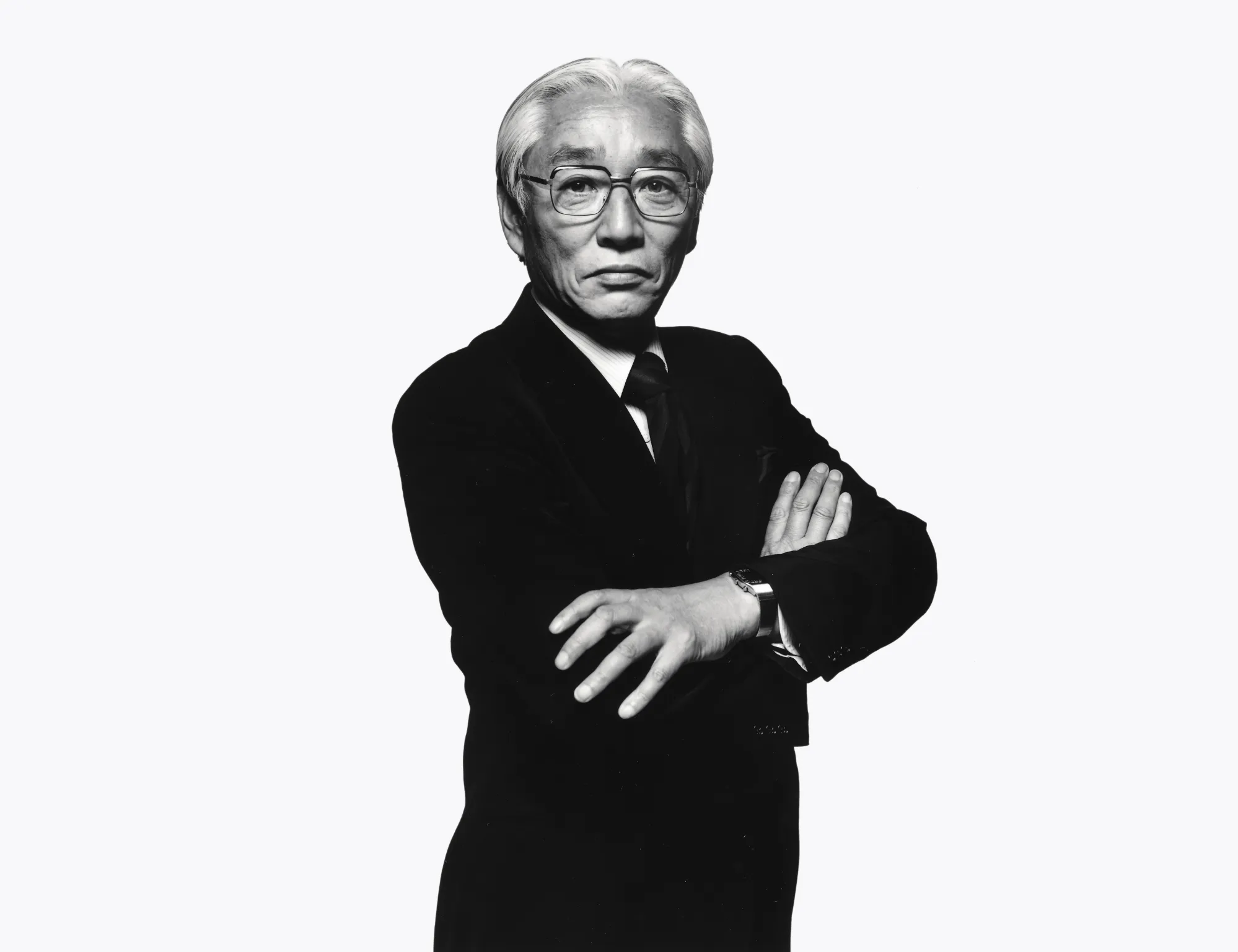
Akio Morita stands as one of Japan’s most influential industrialists of the 20th century, shaping Sony into a global symbol of innovation and cultural export during the 1980s. Born in Nagoya, Japan, into a sake brewing family, Morita was raised in an environment that balanced traditional business discipline with curiosity about emerging technology. His early interest in physics and electronics led him to pursue a career that bridged science and entrepreneurship.
In 1946, Morita co-founded Sony with Masaru Ibuka, initially focusing on electronics manufacturing in post-war Japan. By the 1980s, Sony had evolved into a global consumer electronics powerhouse. The introduction of the Walkman became one of the decade’s most transformative cultural products, redefining personal entertainment and mobility.
Throughout the 1980s, Morita expanded Sony’s global footprint, entering film, music, and entertainment industries. His strategic vision emphasized not only technological innovation but also cultural influence, positioning Sony as a global lifestyle brand rather than just a hardware manufacturer.
By the end of the decade, Morita had helped redefine Japan’s post-war identity as a leader in global innovation, blending engineering excellence with cultural export power.
Key Facts
- Full name of the subject: Akio Morita
- Date of birth: January 26, 1921
- Place of birth: Nagoya, Japan
- Family background: Wealthy sake brewing family
- Early childhood experiences: Early exposure to science and electronics
- Education history: Osaka Imperial University (Physics)
- Influences and mentors: Masaru Ibuka
- Career beginnings: Co-founding Sony in 1946
- Major achievements: Global expansion of Sony in the 1980s
- Challenges and obstacles faced: Post-war Japanese economic reconstruction
- Turning points in life: Development and global success of the Walkman
- Contributions to society: Advancement of portable consumer electronics
- Personal life (marriage, children, relationships): Married Yoshiko Morita, children
- Awards and recognitions: International business leadership honors
- Beliefs, values, or philosophy: Innovation through cultural and technological fusion
- Legacy and impact: Made Japan a global electronics leader
- Historical or cultural significance: Defined portable entertainment culture
Notable Works: Sony Walkman, Trinitron television development, Sony Corporation expansion, Betamax format development, global electronics branding strategy
Controversies:
Betamax vs VHS format war and commercial failure
Criticism of Sony’s corporate rigidity in certain markets
Debates over aggressive global expansion strategies.
9. LEE IACOCCA

Lee Iacocca became one of the most recognizable business figures of the 1980s through his dramatic rescue of Chrysler Corporation, embodying the era’s narrative of corporate turnaround and industrial resilience. Born to Italian immigrant parents in Pennsylvania, Iacocca was raised in a working-class household that valued discipline, ambition, and upward mobility. His academic excellence in engineering and business laid the foundation for his corporate rise.
Iacocca began his career at Ford Motor Company, where he played a key role in developing iconic vehicles such as the Ford Mustang. However, internal conflicts led to his dismissal in the late 1970s. This setback became a turning point that propelled him into Chrysler, which was on the brink of bankruptcy at the beginning of the 1980s.
His breakthrough came through securing a landmark government loan guarantee for Chrysler, a controversial but historic intervention in American industrial policy. He then led a sweeping restructuring of the company, introducing new models, cost-cutting measures, and aggressive marketing campaigns that restored public confidence.
By the end of the decade, Iacocca had become a symbol of American industrial revival, demonstrating how leadership and negotiation could resurrect even the most distressed corporations.
Key Facts
- Full name of the subject: Lido Anthony Iacocca
- Date of birth: October 15, 1924
- Place of birth: Allentown, Pennsylvania, USA
- Family background: Italian immigrant working-class family
- Early childhood experiences: Strong emphasis on education and discipline
- Education history: Lehigh University; Princeton University (engineering/business studies)
- Influences and mentors: Henry Ford II (professional influence)
- Career beginnings: Ford Motor Company engineering and marketing roles
- Major achievements: Chrysler corporate turnaround in the 1980s
- Challenges and obstacles faced: Near-bankruptcy of Chrysler
- Turning points in life: Government-backed Chrysler bailout approval
- Contributions to society: Preservation of major American manufacturing jobs
- Personal life (marriage, children, relationships): Married twice, children
- Awards and recognitions: National business leadership recognition
- Beliefs, values, or philosophy: Practical leadership and industrial resilience
- Legacy and impact: Corporate turnaround leadership model
- Historical or cultural significance: Symbol of 1980s American industrial recovery
Notable Works: Chrysler bailout restructuring, Lee Iacocca autobiography, Dodge Caravan development influence, Jeep brand revitalization, Ford Mustang legacy involvement
Controversies:
Debates over government bailout assistance
Executive compensation scrutiny during corporate recovery
Criticism of layoffs during restructuring
Public disagreements with Ford leadership narratives.
10. JACK WELCH
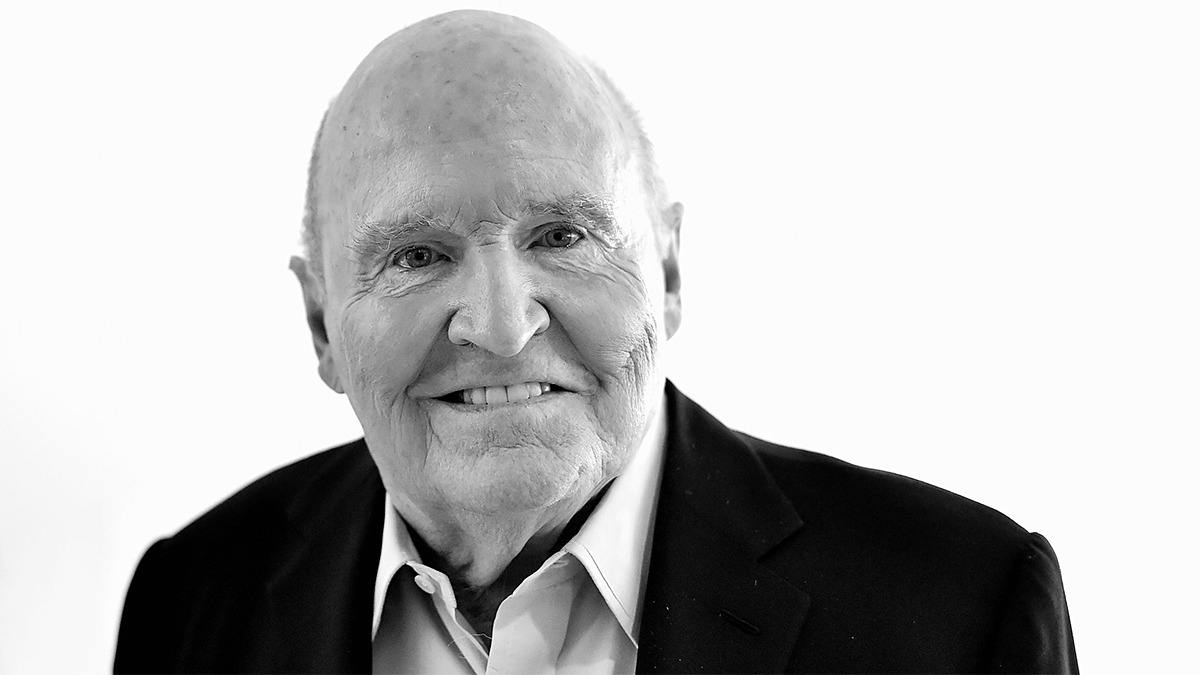
Jack Welch rose in the 1980s as the most influential corporate executive in America, transforming General Electric into a model of aggressive efficiency, productivity, and shareholder value maximization. Born in Peabody, Massachusetts, Welch was raised in a modest working-class family that emphasized discipline, education, and perseverance. His engineering background shaped his analytical approach to management and organizational structure.
Welch joined General Electric in 1960 and steadily rose through its ranks, but his appointment as CEO in 1981 defined his legacy. The 1980s became the decade in which he radically restructured GE, divesting underperforming divisions, streamlining operations, and enforcing a strict performance culture that prioritized competitiveness and profitability.
His management philosophy emphasized being “number one or number two” in every market GE operated in, leading to massive restructuring across industrial sectors. While highly successful financially, his methods were often criticized for workforce reductions and intense corporate pressure.
By the end of the 1980s, Welch had redefined American corporate leadership, establishing a management model that would dominate global business thinking for decades.
Key Facts
- Full name of the subject: John Francis Welch Jr.
- Date of birth: November 19, 1935
- Place of birth: Peabody, Massachusetts, USA
- Family background: Irish-American working-class family
- Early childhood experiences: Strong emphasis on discipline and education
- Education history: University of Massachusetts Amherst; University of Illinois (PhD in Chemical Engineering)
- Influences and mentors: GE corporate leadership culture
- Career beginnings: Chemical engineer at General Electric
- Major achievements: GE restructuring and global expansion
- Challenges and obstacles faced: Internal resistance to restructuring policies
- Turning points in life: Appointment as GE CEO in 1981
- Contributions to society: Corporate efficiency models and business education influence
- Personal life (marriage, children, relationships): Married Carolyn Welch, children
- Awards and recognitions: Global CEO recognition and business leadership awards
- Beliefs, values, or philosophy: Performance-driven capitalism and efficiency optimization
- Legacy and impact: Transformed modern corporate management practices
- Historical or cultural significance: Defined the 1980s corporate restructuring era
Notable Works: General Electric restructuring model, “Work-Out” management system, global GE expansion strategy, corporate downsizing frameworks, leadership development programs
Controversies:
Aggressive layoffs and workforce reductions
Criticism of shareholder-first management philosophy
Debates over the long-term impact of restructuring on industrial employment
Concerns about corporate culture pressure and employee burnout.
Notable Mentions:
Richard Branson
Ingvar Kamprad
Li Ka-shing
Ray Kroc
Estée Lauder