Top 10 Cantonwood (Hong Kong) Movie Legends of the 90s
Top 10 Cantonwood (Hong Kong) Movie Legends of the 90s
In This Content
Quick List
Stephen Chow
Chow Yun-fat
Tony Leung Chiu-wai
Andy Lau
Leslie Cheung
Jet Li
Jackie Chan
Maggie Cheung
Brigitte Lin
Anita Mui
1. Stephen Chow
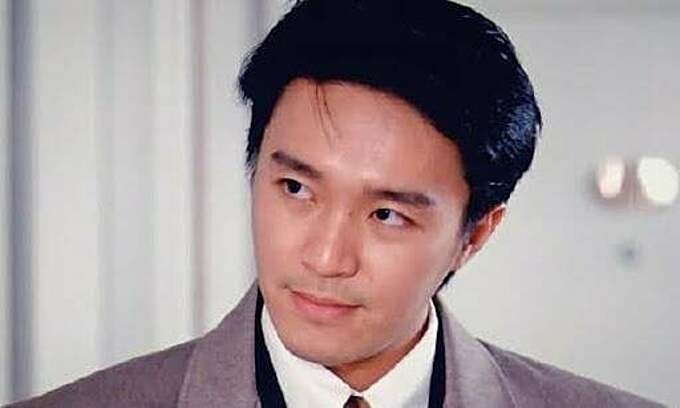
Stephen Chow’s ascent in 1990s Hong Kong cinema represented a transformative shift in comedic storytelling. Born into a working-class family in Hong Kong, Chow’s early life was shaped by modest circumstances and exposure to television entertainment. He grew up during a period when Hong Kong cinema was expanding rapidly, absorbing influences from slapstick comedy, martial arts films, and Cantonese television drama. These early experiences formed the foundation of his unique comedic voice one that blended absurdity with social commentary.
Chow’s career beginnings were far from glamorous. He started as a television extra and children’s program host, gradually learning the mechanics of performance and timing. His early roles were supporting characters, yet he demonstrated a natural ability to subvert comedic expectations. Unlike traditional comedians, Chow infused humor with satire and exaggerated realism. His evolving style, later known as “mo lei tau” (nonsensical comedy), relied on unpredictable dialogue, visual gags, and emotional sincerity.
His breakthrough came in the early 1990s with a string of box office hits that redefined Hong Kong comedy. Films such as Fight Back to School and All for the Winner showcased his energetic screen presence. Chow’s acting depth lay in his ability to combine comedic absurdity with relatable underdog narratives. Audiences connected with his characters often ordinary individuals navigating extraordinary situations. His career trajectory accelerated rapidly, making him one of the highest-grossing stars of the decade.
Stephen Chow’s legacy extends beyond acting. He influenced comedic timing, dialogue structure, and genre blending in Cantonwood cinema. His 1990s dominance reshaped the industry, inspiring filmmakers across Asia. By merging humor with emotional storytelling, Chow established himself as one of the defining legends of Hong Kong’s cinematic golden era.
Key Facts
- Full name of the subject: Stephen Chow Sing-chi
- Date of birth: June 22, 1962
- Place of birth: British Hong Kong
- Family background: Raised by single mother in working-class household
- Early childhood experiences: Inspired by Bruce Lee films and television comedy
- Education history: Secondary school education in Hong Kong
- Influences and mentors: Bruce Lee, Cantonese comedians
- Career beginnings: Television host and supporting roles
- Major achievements: Leading box office star in 1990s
- Challenges and obstacles faced: Early career typecasting
- Turning points in life: Breakthrough with All for the Winner
- Contributions to society: Popularized mo lei tau comedy
- Personal life (marriage, children, relationships): Private personal life
- Awards and recognitions: Hong Kong Film Awards recognition
- Beliefs, values, or philosophy: Humor rooted in resilience
- Legacy and impact: Redefined Hong Kong comedy
- Historical or cultural significance: Symbol of 1990s Cantonwood humor
Notable Works: All for the Winner, Fight Back to School, From Beijing with Love, King of Comedy
Controversies:
A notable controversy surrounding Stephen Chow involved professional disputes with collaborators over creative control. The issue emerged during the production of several films where reports suggested disagreements about script direction and editing decisions. Industry stakeholders including producers, co-actors, and directors expressed differing views on Chow’s strong involvement in creative processes. Critics argued that his hands-on approach limited collaborative input, while supporters maintained that it ensured consistency in comedic tone. Chow publicly emphasized his commitment to maintaining artistic vision. Verified accounts indicate that while disagreements occurred, projects continued successfully and achieved commercial success. The controversy highlighted tensions between auteur-driven comedy and collaborative filmmaking, ultimately reinforcing Chow’s reputation as a meticulous creative force.
2. Chow Yun-fat
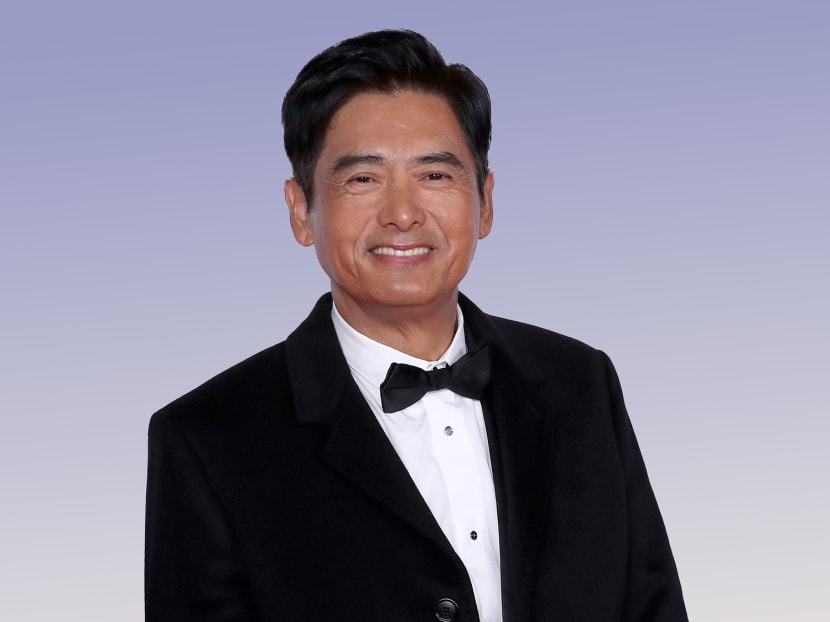
Chow Yun-fat emerged as one of the most charismatic actors of Hong Kong cinema, embodying cool sophistication and emotional depth. Born on Lamma Island, Hong Kong, he grew up in a modest fishing community. His early life was marked by hard work and exposure to traditional values, shaping his grounded personality. These experiences influenced his later portrayals of honorable heroes and complex antiheroes.
His career began in television drama during the 1970s. Chow Yun-fat gradually transitioned to film, where his natural charisma set him apart. Early roles showcased his ability to balance vulnerability with authority. His performance style emphasized subtle emotional shifts, making his characters relatable despite larger-than-life circumstances.
The breakthrough came in the late 1980s and continued into the 1990s with iconic action films. Collaborations with leading directors transformed him into an international star. Chow’s screen presence combined elegance, intensity, and emotional nuance. He became synonymous with heroic bloodshed films, portraying morally complex protagonists.
Chow Yun-fat’s legacy lies in globalizing Hong Kong action cinema. His performances influenced Hollywood and international filmmakers. During the 1990s, he became a cultural ambassador of Cantonwood, representing the sophistication and emotional range of Hong Kong actors.
Top 10 People Who Overcame Career-Ending Injuries
Key Facts
- Full name of the subject: Chow Yun-fat
- Date of birth: May 18, 1955
- Place of birth: Lamma Island, Hong Kong
- Family background: Fishing family
- Early childhood experiences: Rural upbringing
- Education history: Secondary education in Hong Kong
- Influences and mentors: TVB drama training
- Career beginnings: Television acting
- Major achievements: International action star
- Challenges and obstacles faced: Transition to Hollywood
- Turning points in life: A Better Tomorrow success
- Contributions to society: Philanthropy and cultural influence
- Personal life (marriage, children, relationships): Married Jasmine Tan
- Awards and recognitions: Hong Kong Film Awards
- Beliefs, values, or philosophy: Humility and professionalism
- Legacy and impact: Global action icon
- Historical or cultural significance: Popularized heroic bloodshed genre
Notable Works: A Better Tomorrow, The Killer, Hard Boiled, Crouching Tiger Hidden Dragon
Controversies:
One controversy involving Chow Yun-fat related to his transition to Hollywood productions. Critics debated whether his international move diluted his Cantonwood identity. The discussion intensified when early Hollywood projects received mixed reviews. Industry observers questioned casting decisions and language barriers. Chow Yun-fat stated that expanding globally was part of artistic growth. Verified outcomes showed continued respect in Asian cinema despite Hollywood challenges. The debate highlighted broader industry tensions regarding globalization. Ultimately, the controversy underscored his pioneering role in bringing Hong Kong action cinema to global audiences.
3. Tony Leung Chiu-wai
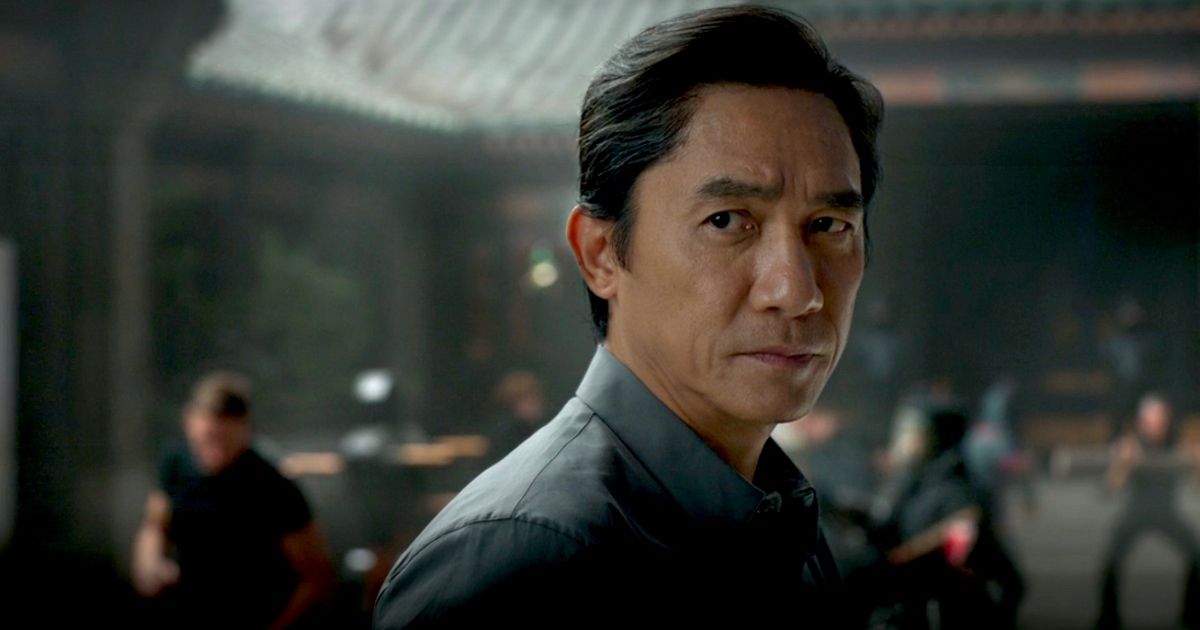
Tony Leung Chiu-wai’s rise in the 1990s marked a shift toward introspective acting within Hong Kong cinema. Born in Hong Kong, his early life involved financial hardship following his father’s departure. These experiences shaped his emotional depth and introspective personality. Leung often drew from personal experiences to craft nuanced performances.
His career began through television acting after training at TVB. Early roles showcased his versatility, transitioning from comedy to drama. Leung’s performance style emphasized internal emotion rather than overt theatrics. Directors recognized his ability to convey complex psychology through subtle expressions.
His breakthrough in the 1990s came through collaborations with visionary filmmakers. Leung’s screen presence combined vulnerability and charisma. He excelled in romantic dramas and art-house cinema, expanding the emotional range of Cantonwood performances. His characters often explored loneliness and identity.
Tony Leung Chiu-wai’s legacy lies in redefining acting depth within Hong Kong cinema. His performances influenced global perceptions of Cantonwood as artistically sophisticated. His work during the 1990s elevated acting standards across the industry.
Key Facts
- Full name of the subject: Tony Leung Chiu-wai
- Date of birth: June 27, 1962
- Place of birth: British Hong Kong
- Family background: Working-class family
- Early childhood experiences: Father left family
- Education history: TVB acting training
- Influences and mentors: Hong Kong New Wave directors
- Career beginnings: Television acting
- Major achievements: International film awards
- Challenges and obstacles faced: Emotional roles complexity
- Turning points in life: Art-house collaborations
- Contributions to society: Elevated acting standards
- Personal life (marriage, children, relationships): Married actress Carina Lau
- Awards and recognitions: Cannes Best Actor
- Beliefs, values, or philosophy: Emotional authenticity
- Legacy and impact: Master of introspective acting
- Historical or cultural significance: Artistic evolution of Cantonwood
Notable Works: In the Mood for Love, Chungking Express, Happy Together, Hard Boiled
Controversies:
A controversy involving Tony Leung Chiu-wai centered on discussions about his selective project choices. During the 1990s, he chose fewer mainstream action roles, prompting debates about commercial strategy. Producers expressed concern about reduced mass-market appeal, while critics praised his commitment to artistic projects. Leung explained that he prioritized scripts offering emotional complexity. Verified evidence showed his performances receiving critical acclaim and international recognition. The controversy reflected industry tensions between commercial success and artistic ambition, ultimately strengthening his reputation as a serious actor.
4. Andy Lau
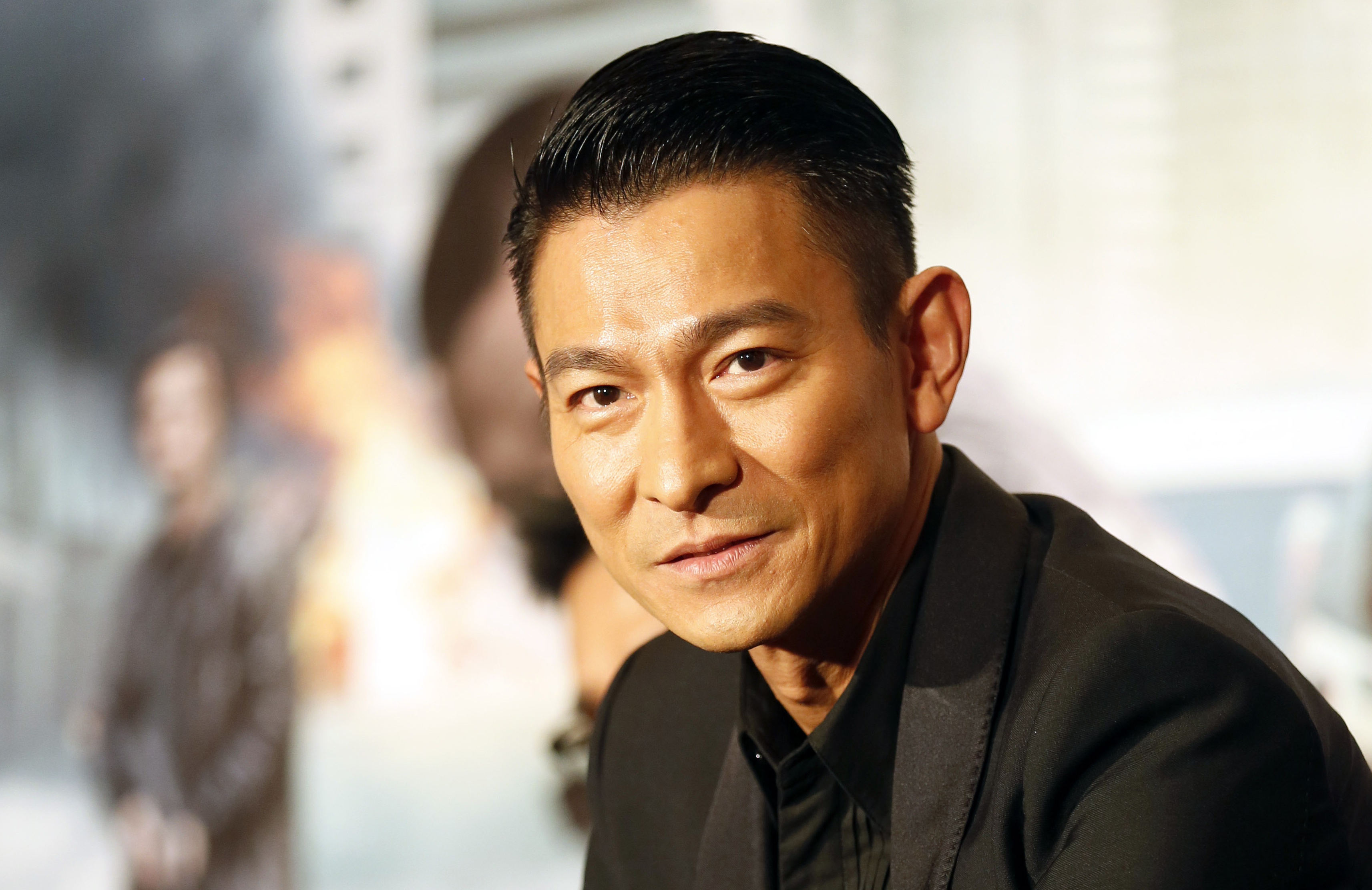
Andy Lau’s dominance in 1990s Hong Kong cinema reflected remarkable versatility, discipline, and sustained popularity. Born into a modest family in Hong Kong’s New Territories, Lau’s early life was shaped by financial constraints and strong family values. His upbringing instilled a work ethic that would later define his prolific career. Inspired by television drama and martial arts cinema, he pursued acting through formal training, joining TVB’s artist training program where he honed foundational performance skills.
Lau’s career beginnings emerged through television dramas in the early 1980s. His youthful charm and approachable demeanor quickly captured audience attention. Transitioning into film, Lau diversified his roles, moving from romantic leads to action-driven characters. Unlike many contemporaries, he balanced acting with a successful music career, building a cross-media presence that expanded his influence. His acting style combined emotional accessibility with charismatic confidence, making him adaptable across genres.
The 1990s marked Lau’s breakthrough as a bankable superstar. He appeared in numerous films spanning crime dramas, romantic narratives, and action thrillers. His screen presence was defined by reliability and emotional sincerity. Lau portrayed characters navigating loyalty, ambition, and moral dilemmas, resonating with audiences across Asia. His career trajectory demonstrated consistency, as he maintained high productivity without sacrificing performance quality.
Andy Lau’s legacy is rooted in longevity and professionalism. His influence during the 1990s helped stabilize the Hong Kong film industry during transitional periods. By bridging commercial appeal and acting credibility, Lau became a cornerstone of Cantonwood cinema and a symbol of dedication in entertainment.
Key Facts
- Full name of the subject: Andy Lau Tak-wah
- Date of birth: September 27, 1961
- Place of birth: British Hong Kong
- Family background: Working-class family in New Territories
- Early childhood experiences: Assisted family business
- Education history: TVB Artist Training Class
- Influences and mentors: TVB producers and directors
- Career beginnings: Television drama roles
- Major achievements: Multi-genre film success
- Challenges and obstacles faced: Overexposure criticism
- Turning points in life: Transition to film stardom
- Contributions to society: Philanthropy and mentoring
- Personal life (marriage, children, relationships): Married Carol Chu
- Awards and recognitions: Hong Kong Film Awards
- Beliefs, values, or philosophy: Discipline and consistency
- Legacy and impact: One of the “Four Heavenly Kings”
- Historical or cultural significance: Stabilized Hong Kong film industry
Notable Works: Infernal Affairs, God of Gamblers II, Days of Being Wild, Running Out of Time
Controversies:
A frequently discussed controversy surrounding Andy Lau involved criticism of overexposure due to his extremely high film output during the 1990s. Some critics argued that appearing in numerous projects annually risked diluting artistic quality. The debate intensified as industry observers questioned whether quantity compromised performance depth. Lau addressed the issue by emphasizing professionalism and commitment to each project. Producers supported his reliability, citing his consistent box office draw. Verified outcomes showed that despite high output, Lau maintained audience popularity and critical respect. The controversy reflected broader industry discussions about star workload, ultimately reinforcing his reputation for work ethic.
Top 10 Investigative Journalists
5. Leslie Cheung
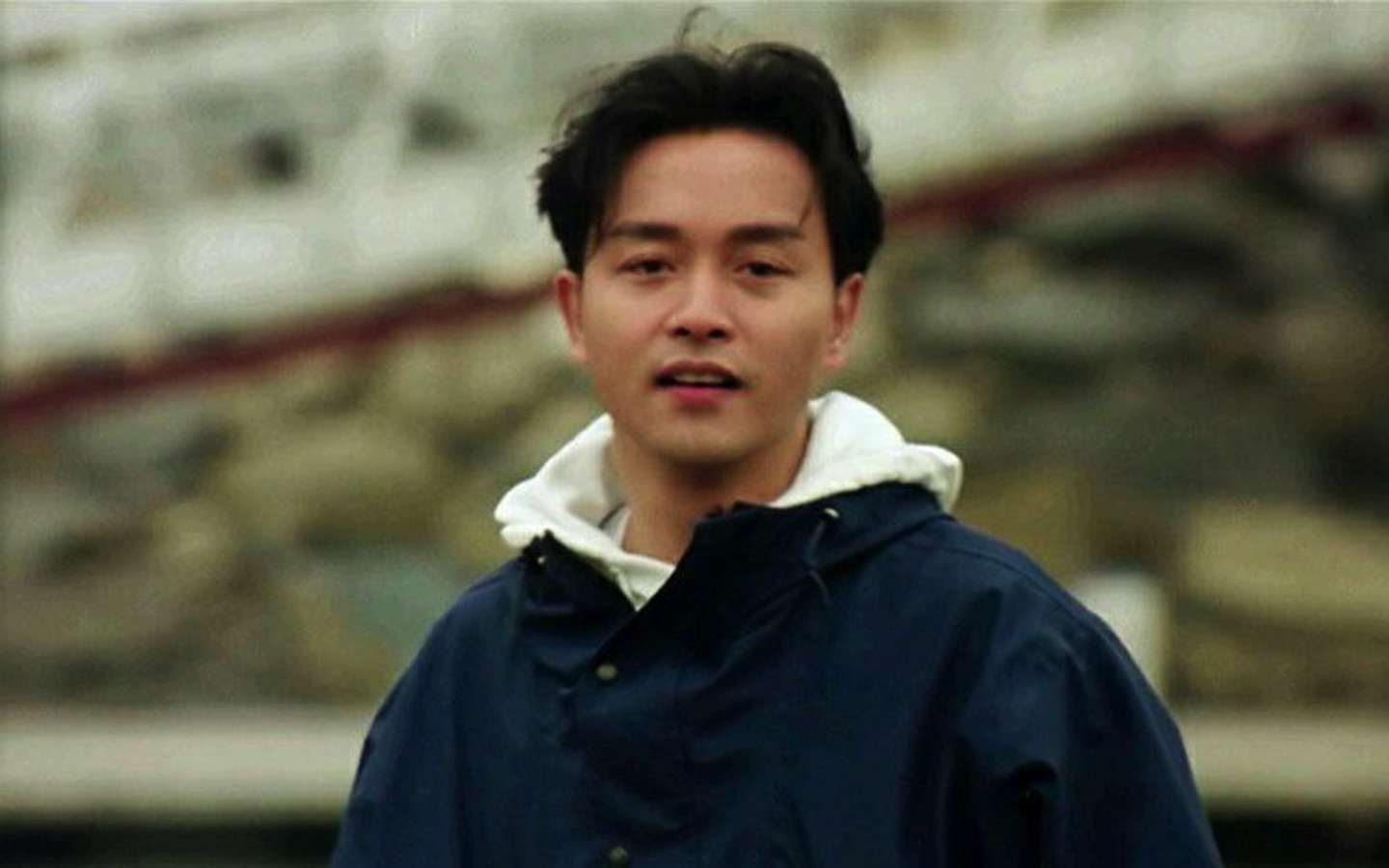
Leslie Cheung emerged in the 1990s as one of Hong Kong cinema’s most emotionally complex performers. Born in Hong Kong to a middle-class family, Cheung’s early life involved education abroad and exposure to Western culture. These experiences shaped his artistic sensibility, blending Eastern emotional restraint with Western performance nuance. Initially pursuing music, he later transitioned into acting, bringing a refined stage presence.
Cheung’s career beginnings in film were gradual. Early roles highlighted his charisma, but it was his willingness to embrace unconventional characters that set him apart. He explored themes of identity, love, and vulnerability, challenging traditional masculine portrayals. His performance style emphasized emotional transparency and introspection.
The 1990s marked Cheung’s breakthrough with critically acclaimed roles in art-house cinema. His screen presence conveyed melancholy and elegance. Directors relied on his ability to portray deeply internalized characters. His acting depth influenced narrative complexity in Cantonwood productions, particularly in films exploring psychological themes.
Leslie Cheung’s legacy extends beyond cinema. He became a cultural icon representing artistic courage and emotional authenticity. His 1990s work reshaped acting standards and broadened representation in Hong Kong entertainment, leaving an enduring global impact.
Key Facts
- Full name of the subject: Leslie Cheung Kwok-wing
- Date of birth: September 12, 1956
- Place of birth: British Hong Kong
- Family background: Middle-class family with tailoring business
- Early childhood experiences: Studied abroad in England
- Education history: University of Leeds (partial)
- Influences and mentors: Hong Kong New Wave directors
- Career beginnings: Music and television
- Major achievements: Critically acclaimed performances
- Challenges and obstacles faced: Media scrutiny
- Turning points in life: Art-house film success
- Contributions to society: Cultural representation
- Personal life (marriage, children, relationships): Private personal life
- Awards and recognitions: Hong Kong Film Awards
- Beliefs, values, or philosophy: Authentic artistic expression
- Legacy and impact: Cultural icon
- Historical or cultural significance: Expanded representation in cinema
Notable Works: Farewell My Concubine, Happy Together, Days of Being Wild, A Chinese Ghost Story
Controversies:
A significant controversy surrounding Leslie Cheung involved intense media scrutiny of his personal identity and public image. During the 1990s, speculation about his private life became widespread, sparking debates about privacy and representation in entertainment. Media outlets, fans, and industry observers participated in discussions regarding celebrity boundaries. Cheung responded by advocating for authenticity and dignity. Verified facts indicate he maintained professionalism and continued delivering acclaimed performances. The controversy highlighted societal attitudes toward personal identity and influenced broader conversations about representation in Asian entertainment. Its impact extended beyond Cheung’s career, contributing to evolving cultural discourse.
6. Jet Li
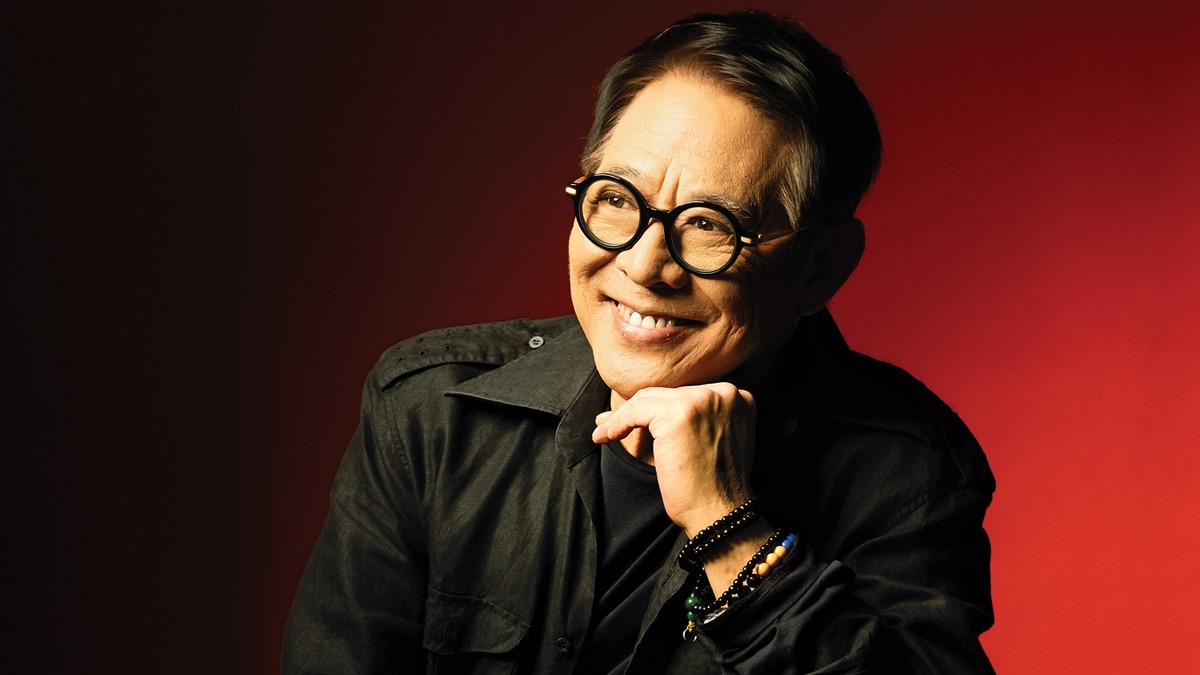
Jet Li’s rise in the 1990s transformed martial arts cinema within Hong Kong’s film industry. Born in Beijing, Li’s early life revolved around martial arts training. His discipline and competitive success established him as a national champion. Transitioning into film, he brought authentic athleticism and precision to screen combat.
His career beginnings in mainland Chinese cinema laid the foundation for his move to Hong Kong. Directors recognized his technical mastery and calm screen presence. Unlike comedic martial artists, Li projected quiet intensity. His acting style emphasized physical storytelling, with minimal dialogue and expressive movement.
The 1990s marked Li’s breakthrough in Cantonwood productions. He starred in period martial arts epics and modern action films. His performances combined speed, grace, and philosophical calm. Audiences responded to his dignified hero archetype. His career trajectory expanded internationally, influencing action cinema worldwide.
Jet Li’s legacy lies in redefining martial arts choreography. His contributions during the 1990s elevated Hong Kong action films to global prominence. He became one of the era’s most influential action legends.
Key Facts
- Full name of the subject: Li Lianjie (Jet Li)
- Date of birth: April 26, 1963
- Place of birth: Beijing, China
- Family background: Working-class family
- Early childhood experiences: Martial arts training
- Education history: Beijing Sports & Exercise School
- Influences and mentors: Wushu masters
- Career beginnings: Martial arts champion
- Major achievements: Hong Kong action films
- Challenges and obstacles faced: Transition to acting
- Turning points in life: Hong Kong film success
- Contributions to society: Promoted martial arts
- Personal life (marriage, children, relationships): Married Nina Li Chi
- Awards and recognitions: International action awards
- Beliefs, values, or philosophy: Discipline and balance
- Legacy and impact: Martial arts cinema icon
- Historical or cultural significance: Globalized wuxia action films
Notable Works: Once Upon a Time in China, Fist of Legend, Hero, The Legend
Controversies:
A controversy involving Jet Li centered on his shift toward international productions. Some critics argued that global roles reduced his involvement in Hong Kong cinema. Producers expressed concern about losing a major action star. Li clarified that international exposure would benefit Asian cinema overall. Verified outcomes showed continued collaboration with Hong Kong filmmakers. The debate reflected globalization pressures within the film industry. Ultimately, his international success reinforced Hong Kong cinema’s global influence.
Top 10 Fitness Icons
7. Jackie Chan
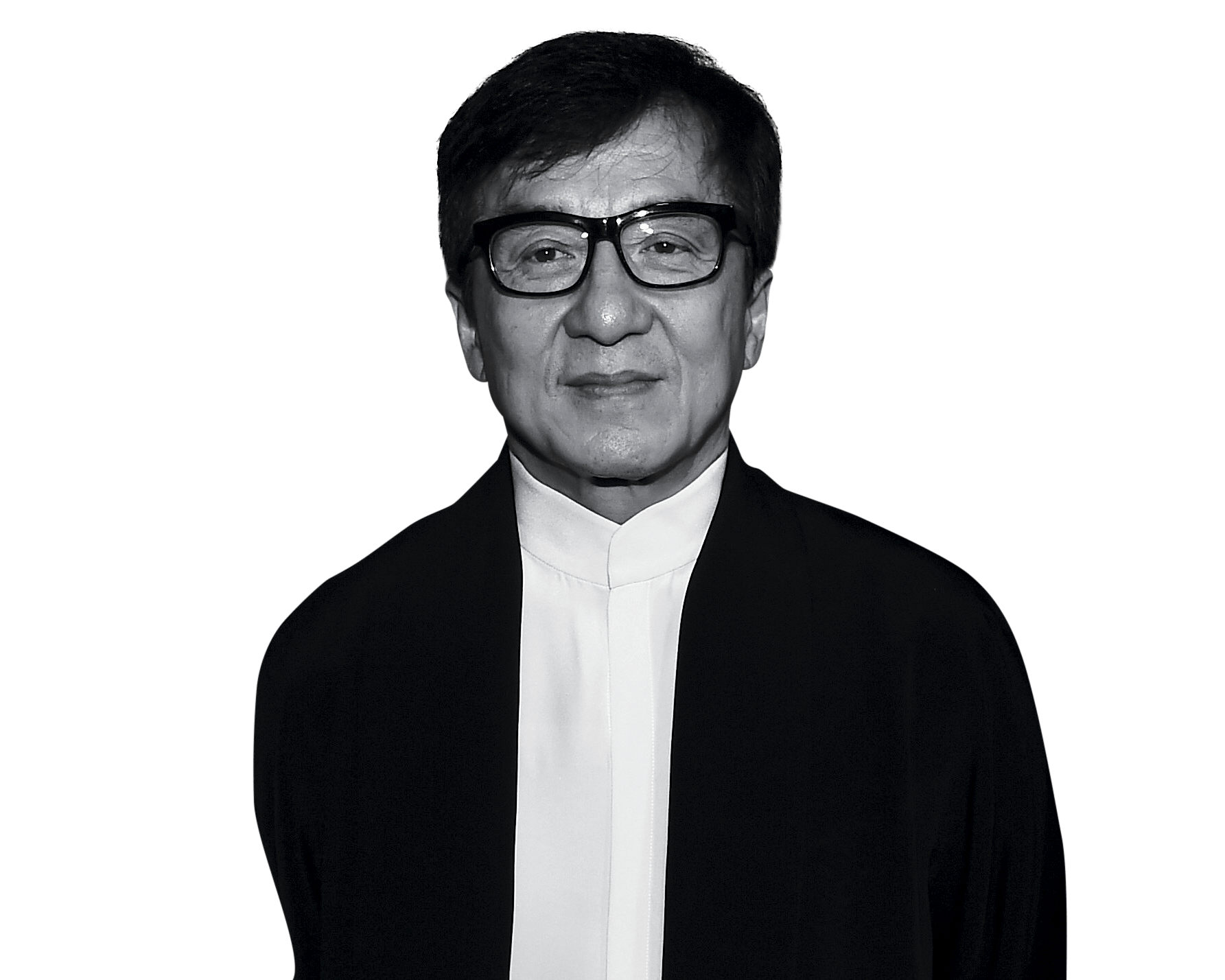
Jackie Chan’s influence in the 1990s solidified his status as one of the most recognizable figures in global action cinema. Born in Hong Kong, Chan’s early life involved training at the China Drama Academy. His rigorous education in martial arts and acrobatics shaped his unique performance style.
Chan’s career beginnings included stunt work and supporting roles. He gradually developed a comedic action persona blending physical humor with complex choreography. His acting depth relied on vulnerability and perseverance. Audiences connected with his underdog characters.
The 1990s marked Chan’s global breakthrough. His films combined elaborate stunts with comedic timing. He performed his own stunts, enhancing authenticity. His screen presence balanced humor and physical daring, influencing action filmmaking.
Jackie Chan’s legacy is unparalleled. His contributions transformed stunt choreography and action storytelling. During the 1990s, he became a global ambassador of Cantonwood cinema, inspiring filmmakers worldwide.
Key Facts
- Full name of the subject: Chan Kong-sang (Jackie Chan)
- Date of birth: April 7, 1954
- Place of birth: Hong Kong
- Family background: Working-class family
- Early childhood experiences: Opera school training
- Education history: China Drama Academy
- Influences and mentors: Peking Opera masters
- Career beginnings: Stuntman
- Major achievements: Global action star
- Challenges and obstacles faced: Injury risks
- Turning points in life: International success
- Contributions to society: Charity work
- Personal life (marriage, children, relationships): Married Joan Lin
- Awards and recognitions: Honorary Academy Award
- Beliefs, values, or philosophy: Dedication to craft
- Legacy and impact: Action cinema pioneer
- Historical or cultural significance: Redefined stunt performance
Notable Works: Police Story series, Drunken Master II, Rush Hour, Project A
Controversies:
A widely discussed controversy surrounding Jackie Chan involved concerns about stunt safety. Critics questioned the risks associated with performing dangerous stunts without doubles. Industry bodies debated safety standards. Chan defended his approach, emphasizing preparation and team coordination. Verified facts show numerous injuries documented during productions. The controversy influenced discussions about stunt safety regulations. Ultimately, it highlighted both the risks and innovations of his filmmaking approach.
8. Maggie Cheung
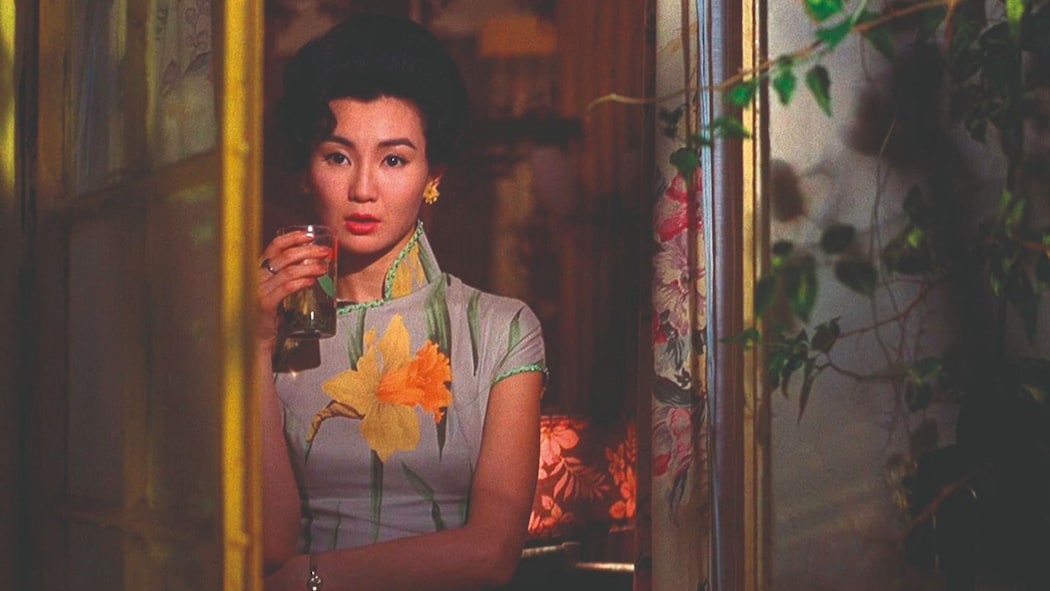
Maggie Cheung’s evolution during the 1990s marked one of the most compelling artistic transformations in Hong Kong cinema. Born in Hong Kong and raised partly in the United Kingdom, Cheung’s early life exposed her to both Eastern and Western cultures. This bicultural upbringing shaped her cosmopolitan screen presence and adaptability. Initially entering the entertainment industry through beauty pageants, she transitioned into acting with limited experience but significant determination.
Cheung’s career beginnings were rooted in commercial cinema, where she appeared in lighthearted comedies and supporting roles. Early in her career, critics questioned her acting depth, but she approached performance with discipline and self-improvement. Collaborations with prominent directors in the late 1980s and early 1990s allowed her to refine her craft. She began choosing roles that challenged her emotionally and artistically, gradually reshaping her public image.
Her breakthrough in the 1990s came through complex dramatic performances. Cheung’s screen presence evolved into one defined by subtlety and introspection. She excelled in portraying layered female characters navigating love, ambition, and identity. Directors valued her ability to convey emotional nuance through minimal dialogue. Her performances contributed to a shift in Cantonwood cinema toward more character-driven storytelling.
Maggie Cheung’s legacy lies in her artistic reinvention. She demonstrated that mainstream actresses could transition into serious dramatic performers. Her influence during the 1990s expanded opportunities for women in Hong Kong cinema and elevated acting standards across the industry.
Key Facts
- Full name of the subject: Maggie Cheung Man-yuk
- Date of birth: September 20, 1964
- Place of birth: British Hong Kong
- Family background: Middle-class family with international exposure
- Early childhood experiences: Raised partly in the United Kingdom
- Education history: Secondary education in UK and Hong Kong
- Influences and mentors: Hong Kong New Wave directors
- Career beginnings: Miss Hong Kong pageant finalist and film debut
- Major achievements: Critically acclaimed dramatic roles
- Challenges and obstacles faced: Early criticism of acting ability
- Turning points in life: Collaboration with auteur directors
- Contributions to society: Elevated female roles in cinema
- Personal life (marriage, children, relationships): Private personal life
- Awards and recognitions: Cannes Best Actress (later career)
- Beliefs, values, or philosophy: Artistic growth and reinvention
- Legacy and impact: Icon of dramatic acting
- Historical or cultural significance: Shift toward character-driven female roles
Notable Works: In the Mood for Love, Irma Vep, Heroic Trio, Comrades: Almost a Love Story
Controversies:
A notable controversy involving Maggie Cheung centered on her gradual departure from mainstream Hong Kong productions in favor of international and art-house cinema. Some industry commentators argued that her shift reduced her presence in commercial Cantonwood films. Producers expressed concern that the industry was losing one of its most bankable actresses. Cheung clarified that her decisions were driven by artistic growth and desire for diverse roles. Verified outcomes showed that her international projects enhanced her global reputation while maintaining respect in Hong Kong. The debate reflected broader tensions between commercial cinema and artistic exploration, ultimately reinforcing Cheung’s standing as a serious performer.
9. Brigitte Lin
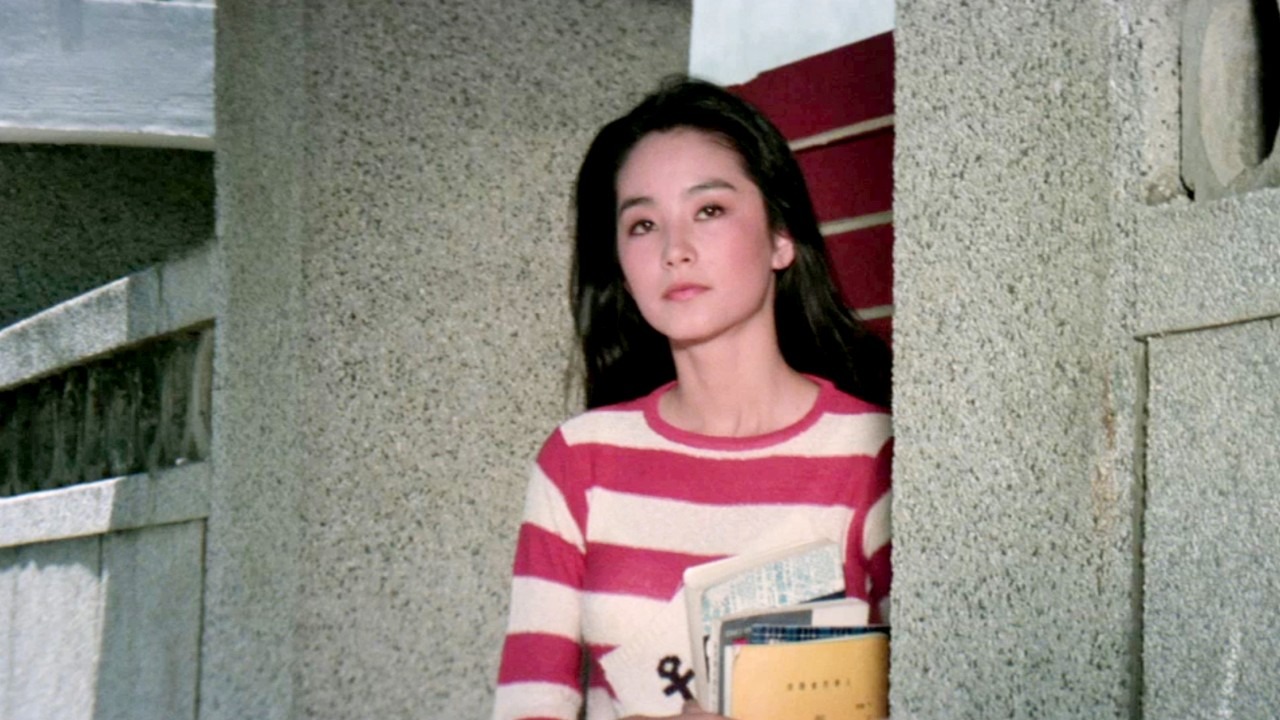
Brigitte Lin’s prominence in 1990s Hong Kong cinema represented a fusion of elegance and commanding screen authority. Born in Taiwan, Lin’s early life was shaped by a disciplined upbringing and early entry into acting. Discovered as a teenager, she quickly gained recognition in romantic dramas before transitioning into more dynamic roles. Her early experiences in Taiwanese cinema prepared her for the larger stage of Hong Kong filmmaking.
Her career beginnings in Cantonwood productions introduced her to action and wuxia genres. Lin’s performance style combined grace with intensity, allowing her to portray both heroic and villainous characters convincingly. She demonstrated remarkable versatility, shifting from romantic leads to powerful martial arts figures. Her expressive eyes and poised demeanor became hallmarks of her screen identity.
The 1990s marked her breakthrough in iconic fantasy and action roles. Lin’s portrayals often challenged gender norms, particularly in characters blending masculinity and femininity. Her screen presence commanded attention, contributing to visually stylized productions. She became one of the most recognizable actresses across Chinese-language cinema.
Brigitte Lin’s legacy lies in redefining female roles in action films. Her performances influenced costume design, character archetypes, and cinematic aesthetics. During the 1990s, she became a symbol of strength and elegance within Cantonwood cinema.
Key Facts
- Full name of the subject: Brigitte Lin Ching-hsia
- Date of birth: November 3, 1954
- Place of birth: Chiayi, Taiwan
- Family background: Traditional Taiwanese family
- Early childhood experiences: Discovered while in high school
- Education history: High school education
- Influences and mentors: Hong Kong action directors
- Career beginnings: Romantic dramas in Taiwan
- Major achievements: Iconic wuxia performances
- Challenges and obstacles faced: Transition between industries
- Turning points in life: Action roles in Hong Kong
- Contributions to society: Expanded female action roles
- Personal life (marriage, children, relationships): Married businessman Michael Ying
- Awards and recognitions: Lifetime achievement awards
- Beliefs, values, or philosophy: Artistic reinvention
- Legacy and impact: Iconic action heroine
- Historical or cultural significance: Redefined gender roles in wuxia cinema
Notable Works: Swordsman II, Ashes of Time, The East Is Red, Chungking Express
Controversies:
A frequently discussed controversy involving Brigitte Lin related to her decision to retire during peak popularity. Industry observers debated whether personal commitments influenced her departure from acting. Some commentators expressed concern about losing a major star, while others emphasized her autonomy in career decisions. Lin stated that her retirement reflected personal priorities. Verified facts indicate she stepped away voluntarily rather than due to contractual disputes. The controversy highlighted expectations placed on actresses regarding longevity. Ultimately, her retirement preserved her iconic status and cultural influence.
Top 10 Business Magnates of the 80s
10. Anita Mui
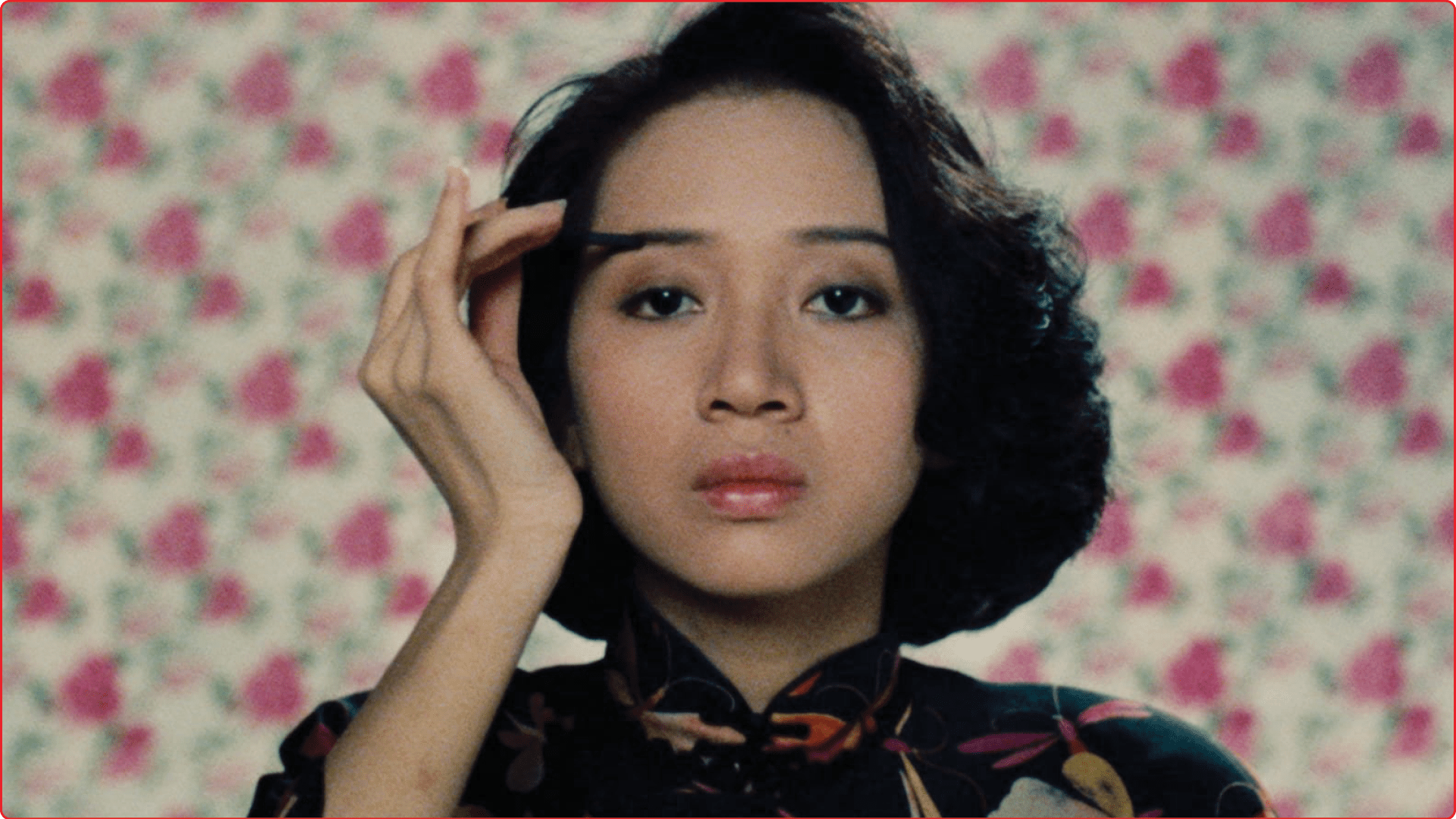
Anita Mui’s presence in 1990s Hong Kong cinema combined musical stardom with compelling acting ability. Born in Hong Kong, Mui’s early life involved financial hardship following her father’s death. She began performing in entertainment venues as a child, developing resilience and stage confidence. These formative experiences shaped her commanding presence.
Mui’s career beginnings were rooted in music, where she quickly gained popularity. Transitioning into film, she brought emotional intensity and theatrical flair. Her acting style blended dramatic expressiveness with subtle vulnerability. She portrayed diverse characters, from historical figures to contemporary heroines.
The 1990s marked Mui’s breakthrough as a respected actress. Her performances demonstrated depth and versatility. She balanced film roles with a successful music career, maintaining cultural influence across mediums. Her screen presence conveyed authority and emotional authenticity.
Anita Mui’s legacy extends beyond entertainment. She became a cultural icon representing Hong Kong’s artistic spirit. Her contributions during the 1990s strengthened Cantonwood cinema’s global reputation and inspired future performers.
Key Facts
- Full name of the subject: Anita Mui Yim-fong
- Date of birth: October 10, 1963
- Place of birth: Hong Kong
- Family background: Working-class family
- Early childhood experiences: Child performer in entertainment venues
- Education history: Limited formal education
- Influences and mentors: Cantopop industry pioneers
- Career beginnings: Singing competitions
- Major achievements: Film and music success
- Challenges and obstacles faced: Balancing dual careers
- Turning points in life: Transition to acting acclaim
- Contributions to society: Charity and activism
- Personal life (marriage, children, relationships): Private personal life
- Awards and recognitions: Hong Kong Film Awards
- Beliefs, values, or philosophy: Dedication to performance
- Legacy and impact: Cultural icon
- Historical or cultural significance: Bridge between music and cinema
Notable Works: Rouge, A Better Tomorrow III, The Heroic Trio, Drunken Master II
Controversies:
A notable controversy involving Anita Mui concerned debates surrounding her outspoken public advocacy on cultural and political matters. Some commentators argued that her visibility as a performer should remain separate from social commentary, while supporters praised her civic engagement. Stakeholders included media outlets, fan communities, and cultural organizations. Mui maintained that artists have a responsibility to contribute to society. Verified facts indicate her involvement in charity and public initiatives. The debate reflected broader questions about celebrity activism. Ultimately, the controversy reinforced her image as a socially conscious cultural figure.
Notable Mentions
Michelle Yeoh
Joey Wong
Rosamund Kwan
Wong Kar-wai
John Woo
Tsui Hark
Johnnie To
Anthony Wong
Ng Man-tat
Donnie Yen