Top 10 Investigative Journalists
Top 10 Investigative Journalists
In This Content
1. IDA B. WELLS
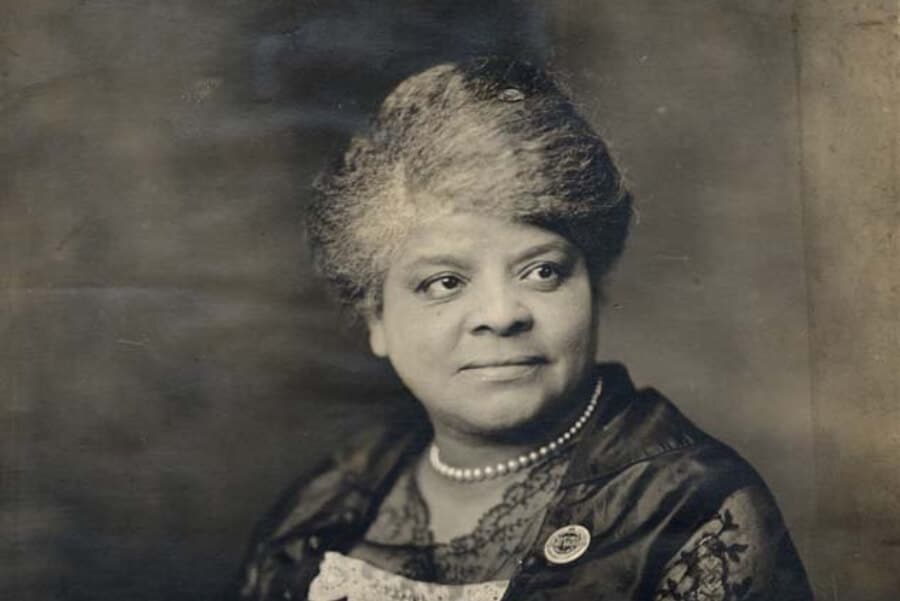
Ida B. Wells emerged as one of the earliest and most uncompromising forces in investigative journalism, shaping the foundations of modern exposé reporting. Born into slavery in 1862 in Holly Springs, Mississippi, her early life was defined by Reconstruction-era instability and the persistent violence of racial segregation. These formative experiences sharpened her sense of injustice and instilled a lifelong commitment to documenting truth against institutional denial.
She began her career as a teacher while simultaneously writing for Black newspapers in the American South. Her transition into journalism was not a planned vocation but a response to the systemic silencing of Black voices. Writing under constrained conditions, she developed a style defined by precision, moral clarity, and evidentiary rigour, often placing herself in direct danger to publish her findings.
Her breakthrough came in the 1890s with her groundbreaking investigations into lynching in the United States. Through meticulous data collection, interviews, and firsthand reporting, she dismantled prevailing narratives that justified racial violence. Her pamphlets and editorials exposed lynching as a tool of economic, political, and social control rather than a response to crime, reshaping public discourse both domestically and abroad.
By the end of the 19th century, Wells had become an international voice for justice, influencing early civil rights movements and setting the template for investigative journalism rooted in advocacy and fact-driven exposure. Her legacy remains foundational to modern human rights reporting.
Key Facts
- Full name of the subject: Ida Bell Wells-Barnett
- Date of birth: 16 July 1862
- Place of birth: Holly Springs, Mississippi, USA
- Family background: Born into slavery; freed after the American Civil War
- Early childhood experiences: Raised during the Reconstruction-era racial tension
- Education history: Rust College; Shaw University (now Raleigh)
- Influences and mentors: Frederick Douglass, abolitionist press networks
- Career beginnings: Teacher and columnist for Black newspapers
- Major achievements: Anti-lynching crusade and founding of the investigative reporting model
- Challenges and obstacles faced: Threats, exile from the American South
- Turning points in life: Expulsion from a train for refusing segregated seating
- Contributions to society: Civil rights advocacy and investigative journalism foundations
- Personal life (marriage, children, relationships): Married Ferdinand L. Barnett; four children
- Awards and recognitions: Posthumous Pulitzer Prize Special Citation (2020)
- Beliefs, values, or philosophy: Truth as moral responsibility and social justice through reporting
- Legacy and impact: Pioneer of investigative journalism and civil rights media activism
- Historical or cultural significance: Early architect of data-driven social reporting
Notable Works: Southern Horrors, A Red Record, The Memphis Diary, Mob Rule in New Orleans, Crusade for Justice
Controversies:
Faced violent backlash and threats from pro-lynching advocates
Criticized in her era for “agitating” racial tensions
Barred from certain public speaking venues in the American South
Modern reassessments acknowledge her work as historically vindicated.
2. BOB WOODWARD
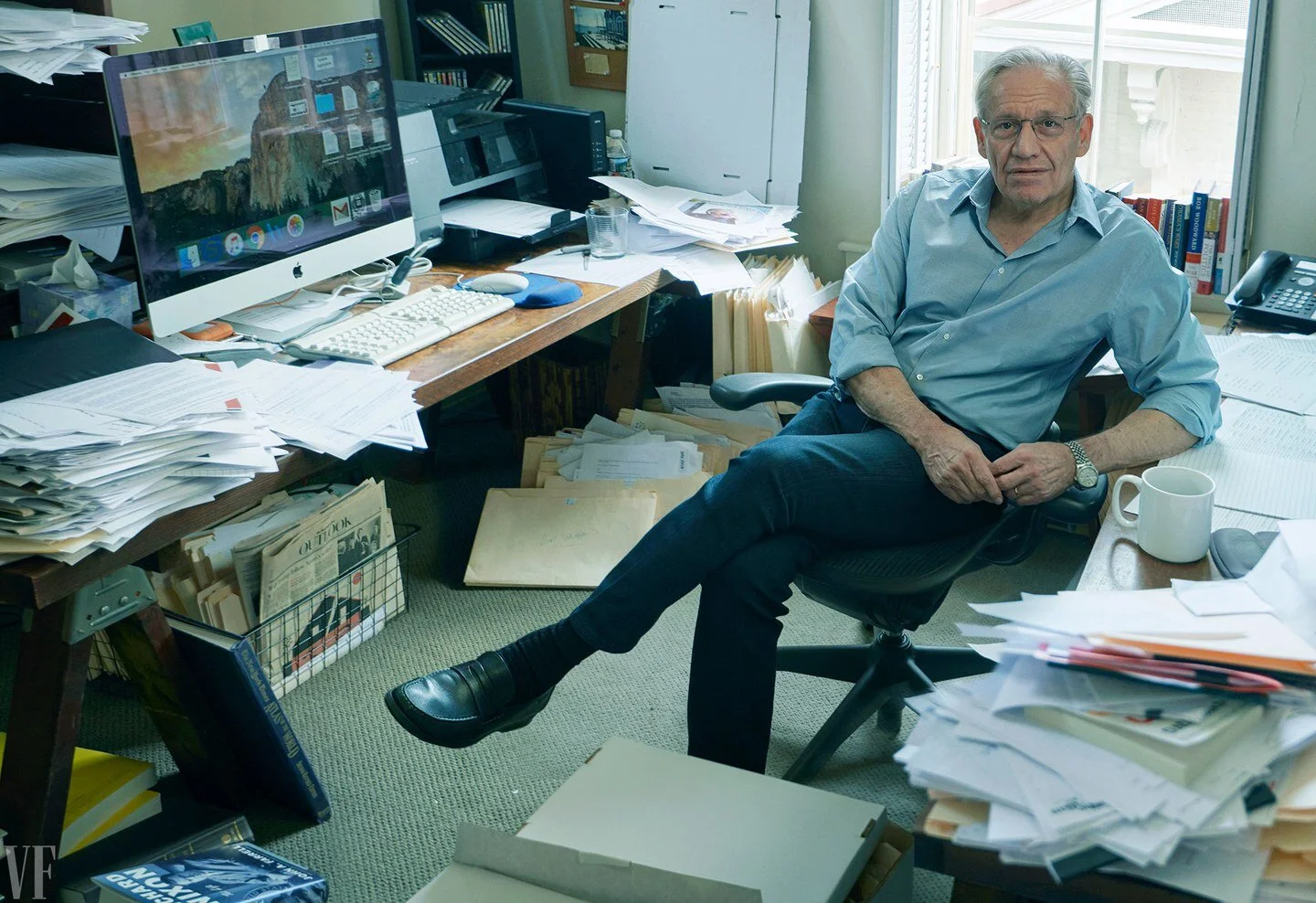
Bob Woodward stands as one of the most influential investigative journalists in modern political history, redefining how power is scrutinized in democratic societies. Born in 1943 in Geneva, Illinois, he grew up in a middle-class household that emphasized discipline, structure, and civic responsibility. These early values later informed his methodical and document-driven reporting style.
He began his career in journalism after serving in the U.S. Navy, eventually joining The Washington Post, where his investigative instincts began to take shape. Early assignments focused on local reporting, but his analytical precision and persistence quickly distinguished him from peers in the newsroom.
His breakthrough came in the early 1970s with the Watergate investigation alongside Carl Bernstein. Their reporting exposed one of the most significant political scandals in American history, ultimately leading to the resignation of a sitting U.S. president. Woodward’s role in developing deep-source journalism and structured investigative narratives reshaped global political reporting standards.
By the 1990s, Woodward had evolved into a defining chronicler of American presidencies, producing deeply researched books on executive power and institutional decision-making. His legacy lies in institutionalizing investigative journalism as a sustained, long-form examination of authority.
Key Facts
- Full name of the subject: Robert Upshur Woodward
- Date of birth: 26 March 1943
- Place of birth: Geneva, Illinois, USA
- Family background: Middle-class professional family
- Early childhood experiences: Structured upbringing emphasizing education
- Education history: Yale University (History and English Literature)
- Influences and mentors: Washington Post editors, political reporting pioneers
- Career beginnings: Naval officer before entering journalism
- Major achievements: Watergate investigation exposé
- Challenges and obstacles faced: Government surveillance and source protection risks
- Turning points in life: Watergate reporting breakthrough
- Contributions to society: Accountability journalism targeting political power
- Personal life (marriage, children, relationships): Married twice, two daughters
- Awards and recognitions: Pulitzer Prize (1973)
- Beliefs, values, or philosophy: Institutional accountability through deep sourcing
- Legacy and impact: Redefined political investigative journalism globally
- Historical or cultural significance: Symbol of press freedom and democratic oversight
Notable Works: All the President’s Men, Fear, Rage, The Agenda, Obama’s Wars
Controversies:
Criticism for reliance on anonymous sources
Debates over narrative framing in political books
Accusations of close relationships with political figures
Ongoing discussion about journalistic neutrality.
3. CHRISTOPHER HITCHENS

Christopher Hitchens brought a distinctive intellectual rigour and confrontational clarity to investigative journalism, blending literary criticism with political exposure. Born in 1949 in Portsmouth, England, his upbringing in a military family influenced his early exposure to geopolitical systems and ideological conflict. This environment cultivated his later skepticism toward authority and institutional narratives.
He began his career in British journalism in the 1970s, writing for publications such as New Statesman and The Atlantic. His early work focused on political commentary, but his analytical sharpness and willingness to challenge orthodoxy quickly positioned him as a leading public intellectual.
His breakthrough came through his incisive political essays and international reporting, particularly his critiques of political leaders, religious institutions, and global conflicts. Unlike traditional investigative journalists, Hitchens blended literary prose with investigative critique, creating a hybrid form of ideological-exposure journalism.
By the 1990s and early 2000s, he had become a global voice in political journalism and public debate, known for his intellectual confrontations and fearless dismantling of ideological systems. His legacy is defined by intellectual independence and uncompromising scrutiny of power structures.
Key Facts
- Full name of the subject: Christopher Eric Hitchens
- Date of birth: 13 April 1949
- Place of birth: Portsmouth, England, United Kingdom
- Family background: Naval family with academic influences
- Early childhood experiences: Frequent relocation due to military postings
- Education history: Balliol College, Oxford
- Influences and mentors: George Orwell, literary and political philosophers
- Career beginnings: British political journalism and essay writing
- Major achievements: International political commentary and investigative essays
- Challenges and obstacles faced: Political backlash and ideological polarization
- Turning points in life: Move into global political commentary
- Contributions to society: Critical analysis of power, religion, and war
- Personal life (marriage, children, relationships): Married twice, two children
- Awards and recognitions: Lannan Literary Award for Cultural Freedom
- Beliefs, values, or philosophy: Secular humanism and intellectual skepticism
- Legacy and impact: Influenced modern political journalism and public debate
- Historical or cultural significance: Prominent voice in late 20th-century media critique
Notable Works: God Is Not Great, Hitch-22, Letters to a Young Contrarian, The Trial of Henry Kissinger, Why Orwell Matters
Controversies:
Highly polarizing views on religion and foreign policy
Support for Iraq War intervention
Frequent public feuds with political and religious figures
Criticism for perceived ideological rigidity.
4. SEYMOUR HERSH
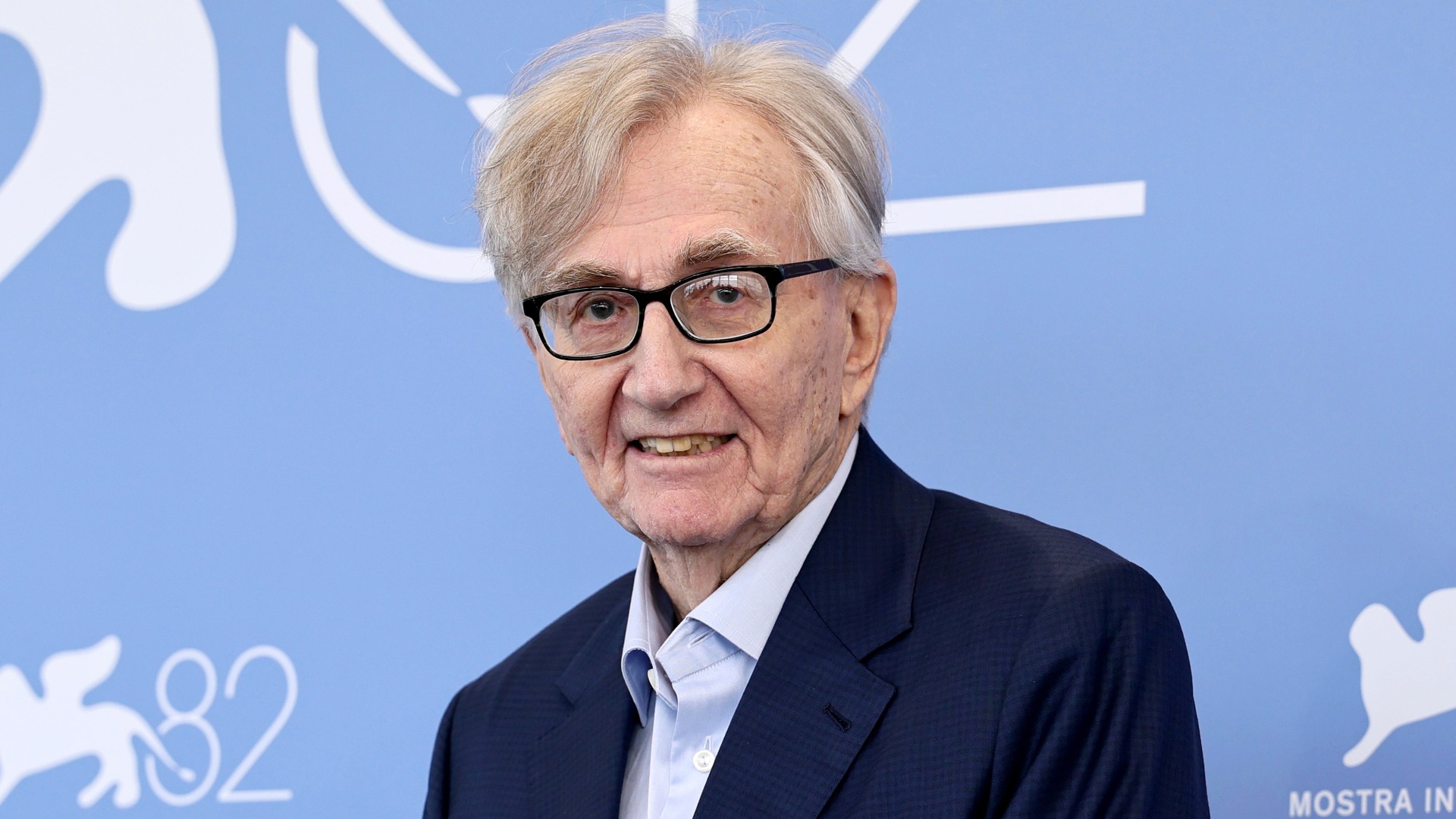
Seymour Hersh emerged as one of the most formidable investigative journalists in American history, redefining the boundaries of war reporting and governmental accountability. Born in 1937 in Chicago, Illinois, to Lithuanian Jewish immigrants, he grew up in a working-class environment shaped by the aftermath of the Great Depression. This early exposure to economic hardship and immigrant resilience informed his lifelong suspicion of narratives of institutional power and authority.
He began his journalism career in local reporting after briefly studying law, quickly gravitating toward investigative work that required persistence and confrontation. His early assignments revealed a rare instinct for uncovering hidden institutional systems, particularly within military and governmental structures. Unlike traditional reporters of his era, Hersh relied heavily on confidential sourcing and deep archival digging.
His breakthrough came in 1969 with the exposure of the My Lai Massacre during the Vietnam War, a revelation that shocked the global community. His reporting demonstrated not only the brutality of wartime operations but also the systemic failures of military oversight. This investigation earned him international recognition and permanently altered public perception of the Vietnam conflict.
By the 1990s, Hersh had established himself as a relentless chronicler of U.S. foreign policy and covert operations. His legacy is defined by uncompromising scrutiny of military power and an unwavering commitment to exposing uncomfortable truths, even in the face of institutional resistance.
Key Facts
- Full name of the subject: Seymour Myron Hersh
- Date of birth: 8 April 1937
- Place of birth: Chicago, Illinois, USA
- Family background: Son of Lithuanian Jewish immigrants
- Early childhood experiences: Raised during post-Depression urban America
- Education history: University of Chicago (History)
- Influences and mentors: Chicago journalism culture, civil rights reporting tradition
- Career beginnings: Police beat reporting and local investigative journalism
- Major achievements: Exposure of the My Lai Massacre
- Challenges and obstacles faced: Government pushback and restricted access to war zones
- Turning points in life: Vietnam War investigative reporting breakthrough
- Contributions to society: Military accountability and war crime exposure
- Personal life (marriage, children, relationships): Married, one son
- Awards and recognitions: Pulitzer Prize for International Reporting (1970)
- Beliefs, values, or philosophy: Power must be continuously interrogated
- Legacy and impact: Redefined modern war correspondence
- Historical or cultural significance: Exposed the hidden realities of Vietnam War atrocities
Notable Works: My Lai 4, The Price of Power, Chain of Command, The Killing of Osama bin Laden, The Dark Side of Camelot
Controversies:
Criticism for reliance on anonymous intelligence sources
Accusations of unverifiable claims in later reporting
Disputes with U.S. government officials over national security disclosures
Debates about methodology in intelligence-related journalism.
5. CHRISTINE AMANPOUR

Christine Amanpour stands as one of the most influential international correspondents of the modern media era, known for her fearless frontline reporting from global conflict zones. Born in 1958 in London to an Iranian father and British mother, she spent part of her childhood in Tehran, an experience that deeply shaped her understanding of cultural complexity and geopolitical tension.
She began her journalism career after studying at the University of Rhode Island, initially working in local television news. Her early assignments revealed a natural ability to report under pressure, particularly in fast-moving and high-risk environments. Her multicultural upbringing gave her a unique perspective that would later distinguish her international reporting style.
Her breakthrough came during her coverage of the Gulf War in the early 1990s, where her on-the-ground reporting from conflict zones established her as a global authority in war journalism. Unlike many correspondents of the time, Amanpour became a visible and trusted presence from the frontlines, often reporting under direct threat.
By the late 1990s, she had become CNN’s leading international correspondent, redefining how global conflicts were communicated to mass audiences. Her legacy lies in humanizing war reporting and elevating the role of correspondents as both witnesses and interpreters of global crises.
Key Facts
- Full name of the subject: Christine Amanpour
- Date of birth: 12 January 1958
- Place of birth: London, England, United Kingdom
- Family background: Iranian father and British mother
- Early childhood experiences: Raised between Tehran and London
- Education history: University of Rhode Island (Journalism)
- Influences and mentors: International war correspondents, CNN newsroom mentors
- Career beginnings: Local television reporting in the United States
- Major achievements: Global frontline war correspondent for CNN
- Challenges and obstacles faced: Reporting from active war zones under threat
- Turning points in life: Gulf War frontline reporting breakthrough
- Contributions to society: International conflict awareness and human rights reporting
- Personal life (marriage, children, relationships): Married, one son
- Awards and recognitions: Peabody Awards, multiple Emmy Awards
- Beliefs, values, or philosophy: Truth must be witnessed, not filtered
- Legacy and impact: Transformed global television war journalism
- Historical or cultural significance: Face of modern international conflict reporting
Notable Works: Amanpour (CNN program), Gulf War coverage, Bosnia War reporting, Syrian conflict coverage, CNN International specials
Controversies:
Criticism of perceived Western media framing in conflict reporting
Debates over interview aggressiveness with political leaders
Occasional diplomatic tensions due to the on-air questioning style
Accusations of editorial bias from political commentators.
6. RACHEL MADDOW
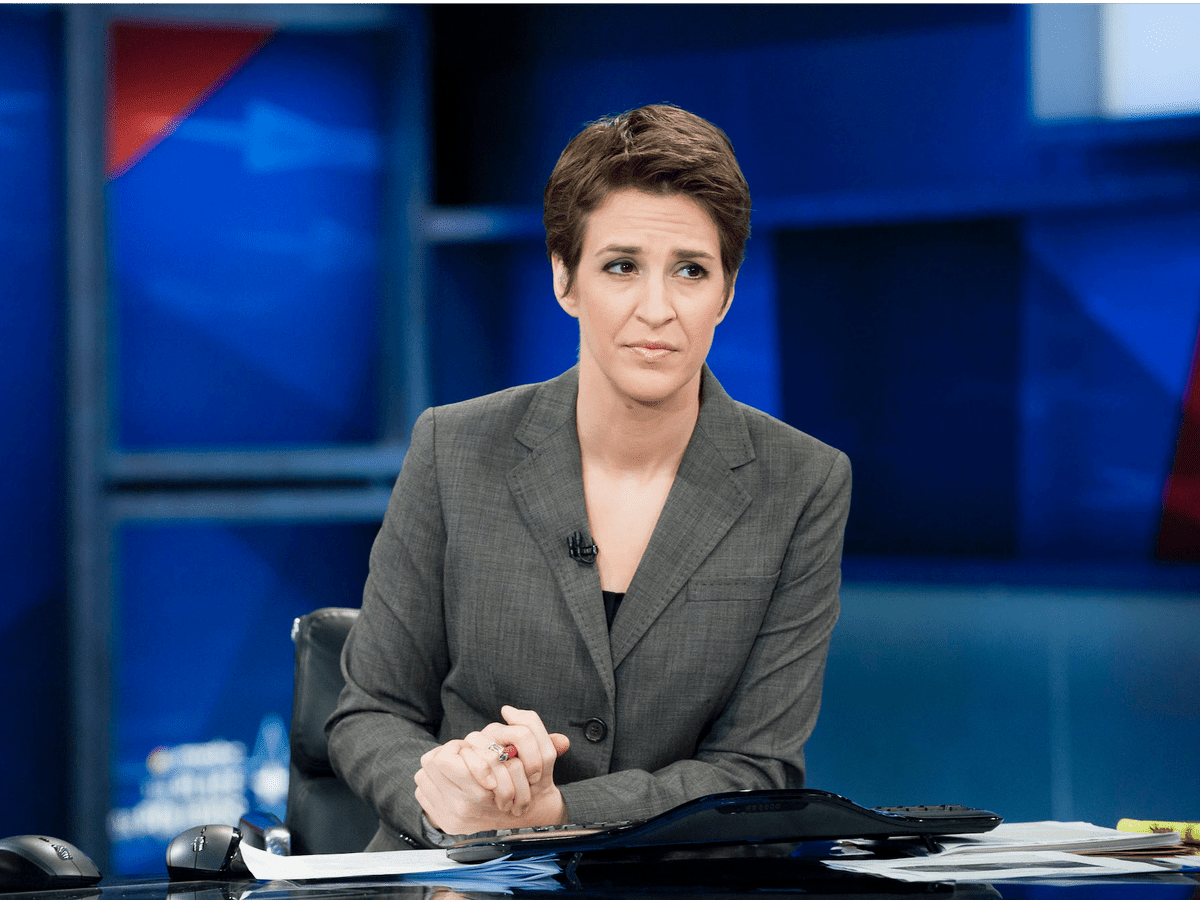
Rachel Maddow represents a modern evolution of investigative journalism, merging academic rigor with broadcast storytelling. Born in 1973 in Castro Valley, California, she grew up in a politically engaged household that encouraged critical thinking and civic awareness. Her early life was shaped by intellectual curiosity and a strong orientation toward public policy and debate.
She began her career in radio broadcasting before transitioning into television journalism. Her early work was characterized by analytical depth, often focusing on policy structures rather than surface-level political commentary. This approach quickly set her apart in a rapidly evolving media landscape.
Her breakthrough came with the launch of The Rachel Maddow Show on MSNBC, where she introduced a narrative-driven investigative format that combined historical context with contemporary political analysis. Her reporting style emphasized layered storytelling, connecting present-day events to deeper institutional histories.
By the 1990s, as her influence expanded into the 2000s and beyond, Maddow became one of the most recognisable voices in political analysis journalism. Her legacy lies in redefining investigative broadcasting for the cable news era.
Key Facts
- Full name of the subject: Rachel Anne Maddow
- Date of birth: 1 April 1973
- Place of birth: Castro Valley, California, USA
- Family background: Middle-class American family
- Early childhood experiences: Strong academic and civic engagement upbringing
- Education history: Stanford University (Political Science), Oxford University (Doctorate in Political Science)
- Influences and mentors: Academic political theorists, radio journalism mentors
- Career beginnings: Radio host and local television commentator
- Major achievements: National political investigative broadcast host
- Challenges and obstacles faced: Breaking into the male-dominated political media space
- Turning points in life: Launch of MSNBC primetime program
- Contributions to society: Political education through investigative storytelling
- Personal life (marriage, children, relationships): In a long-term partnership
- Awards and recognitions: Emmy Awards, Edward R. Murrow Awards
- Beliefs, values, or philosophy: Evidence-based political accountability
- Legacy and impact: Modernized investigative journalism for television audiences
- Historical or cultural significance: Key voice in 21st-century political media
Notable Works: The Rachel Maddow Show, Drift, Blowout, MSNBC election coverage, Bag Man
Controversies:
Criticism of perceived political bias in reporting
Debates over opinion vs investigative journalism boundaries
Scrutiny over the framing of partisan issues
Media polarization surrounding her commentary style.
7. CARL BERNSTEIN
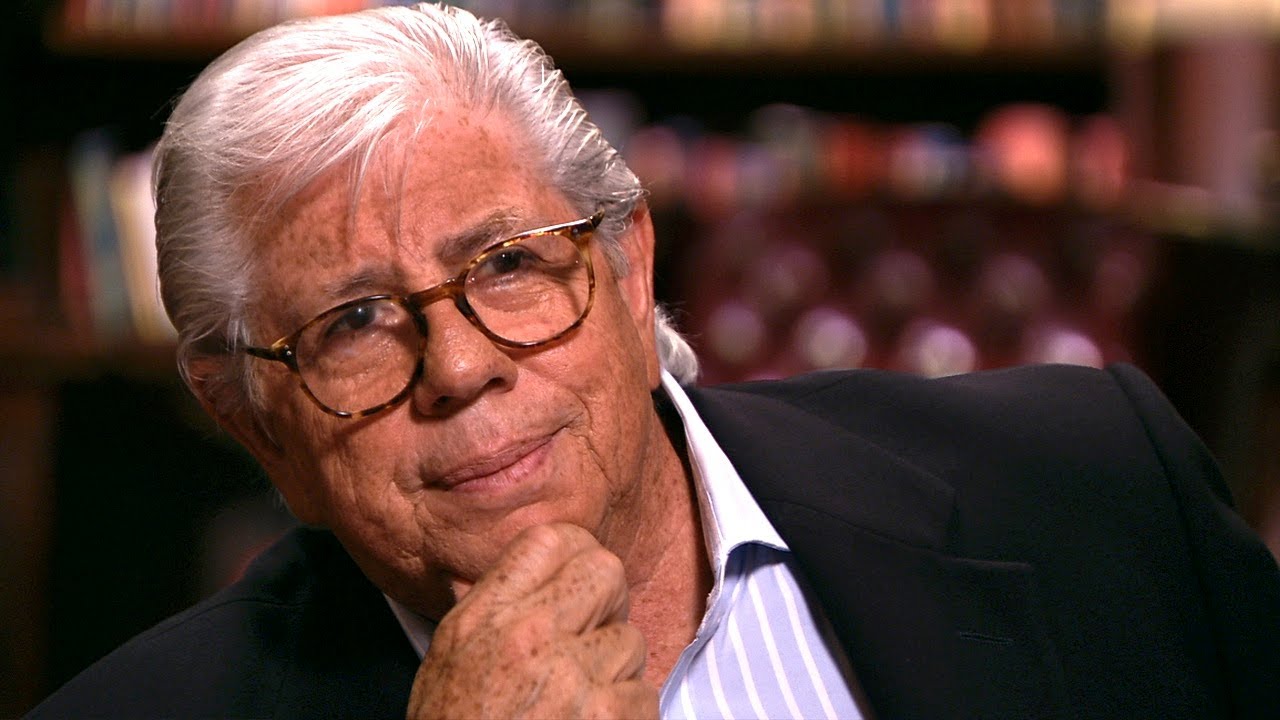
Carl Bernstein’s career is inseparable from one of the most consequential investigative breakthroughs in modern political history. Born in 1944 in Washington, D.C., he grew up in a politically conscious Jewish family deeply embedded in the capital’s intellectual and civic environment. This proximity to political power shaped his early fascination with how authority operates behind closed doors.
He began his journalism career as a teenage copyboy at The Washington Post, quickly advancing into reporting roles where his instinct for detail and persistence set him apart. His early work focused on local government and civic accountability, but his ambition consistently pointed toward deeper institutional scrutiny.
His breakthrough came alongside Bob Woodward during the Watergate investigation, where their collaborative reporting exposed systemic political corruption at the highest level of U.S. government. Bernstein’s strength lay in cultivating human sources and constructing narrative clarity from fragmented intelligence, complementing Woodward’s structured documentation approach.
By the 1990s, Bernstein had transitioned into political analysis, authorship, and long-form investigative commentary. His legacy lies in shaping the collaborative model of investigative journalism, where sourcing, narrative framing, and institutional accountability converge into public-impact reporting.
Key Facts
- Full name of the subject: Carl Bernstein
- Date of birth: 14 February 1944
- Place of birth: Washington, D.C., USA
- Family background: Middle-class Jewish family with political awareness
- Early childhood experiences: Raised in a politically active urban environment
- Education history: University of Maryland (no degree completed)
- Influences and mentors: Washington Post newsroom editors
- Career beginnings: Copyboy and local reporter at The Washington Post
- Major achievements: Watergate investigation co-lead reporter
- Challenges and obstacles faced: Government pressure during investigative reporting
- Turning points in life: Exposure of the Watergate political scandal
- Contributions to society: Strengthened investigative collaboration models in journalism
- Personal life (marriage, children, relationships): Married multiple times, children
- Awards and recognitions: Pulitzer Prize (1973)
- Beliefs, values, or philosophy: Truth through persistent sourcing and collaboration
- Legacy and impact: Redefined political investigative reporting partnerships
- Historical or cultural significance: Key figure in modern political accountability journalism
Notable Works: All the President’s Men, Loyalties, Chasing History, The Final Days, A Woman in Charge
Controversies:
Debates over attribution in Watergate reporting partnership
Criticism regarding later political commentary work
Occasional disputes over sourcing transparency
Media scrutiny of interpretations of historical events.
8. ANNA POLITKOVSKAYA
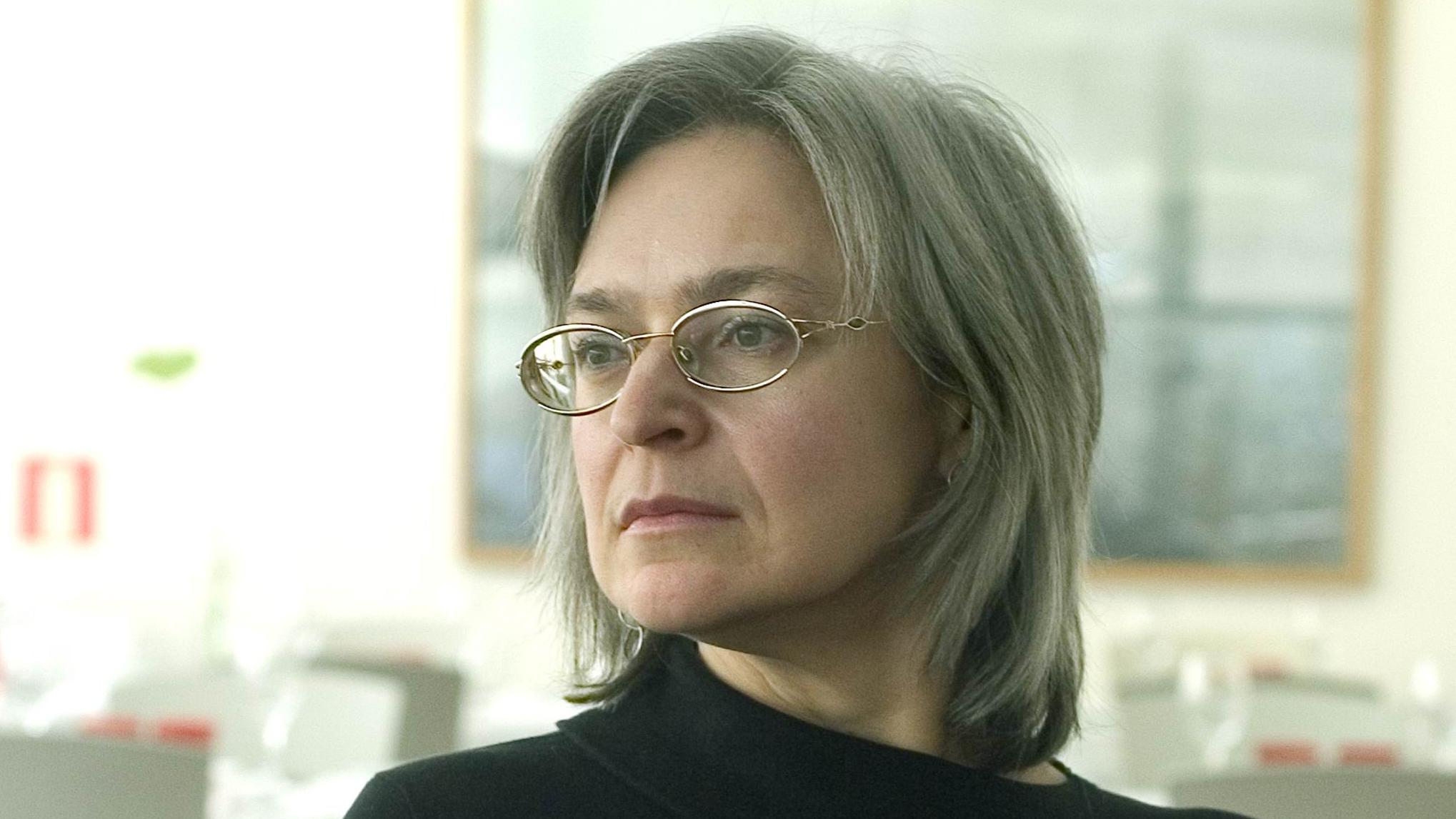
Anna Politkovskaya stands as one of the most courageous investigative journalists of the post-Soviet era, known for her fearless reporting on human rights abuses in Russia. Born in 1958 in New York City to Soviet diplomats, she was raised in an intellectually rigorous environment shaped by political discourse and international exposure. This global upbringing later informed her unwavering commitment to exposing systemic injustice.
She began her journalism career in the Soviet Union, writing for Izvestia before transitioning into independent investigative reporting. Her early work focused on social issues and governmental inefficiencies, but her trajectory changed dramatically with the collapse of the Soviet Union and the emergence of new political instability.
Her breakthrough came through her reporting on the Second Chechen War, where she documented human rights violations, military abuses, and civilian suffering with unprecedented depth. Her work, often conducted under extreme personal risk, positioned her as one of the most authoritative voices on the conflict.
By the early 2000s, Politkovskaya had become a symbol of independent journalism in authoritarian environments. Her legacy is defined by moral courage, journalistic integrity, and the ultimate sacrifice for truth, as her assassination in 2006 underscored the dangers faced by investigative reporters worldwide.
Key Facts
- Full name of the subject: Anna Stepanovna Politkovskaya
- Date of birth: 30 August 1958
- Place of birth: New York City, USA
- Family background: Soviet diplomatic family
- Early childhood experiences: Raised between the United States and the Soviet Union
- Education history: Moscow State University (Journalism)
- Influences and mentors: Soviet dissident writers, human rights advocates
- Career beginnings: Reporter for Izvestia and the Russian independent press
- Major achievements: Exposure of Chechen War human rights violations
- Challenges and obstacles faced: Government surveillance and threats
- Turning points in life: Transition to independent investigative journalism
- Contributions to society: Human rights reporting in conflict zones
- Personal life (marriage, children, relationships): Married, two children
- Awards and recognitions: Amnesty International Journalism Award
- Beliefs, values, or philosophy: Journalism as moral responsibility
- Legacy and impact: Global symbol of press freedom under threat
- Historical or cultural significance: Icon of anti-authoritarian investigative reporting
Notable Works: A Dirty War, Putin’s Russia, The Russia Journal, Nothing but the Truth, Second Chechen War Reports
Controversies:
Accusations of anti-government bias by Russian authorities
Restrictions on access to conflict zones
State-level hostility toward her reporting
Assassination remains a subject of political controversy and international inquiry.
9. WOODWARD & BERNSTEIN (JOINT LEGACY ENTRY)
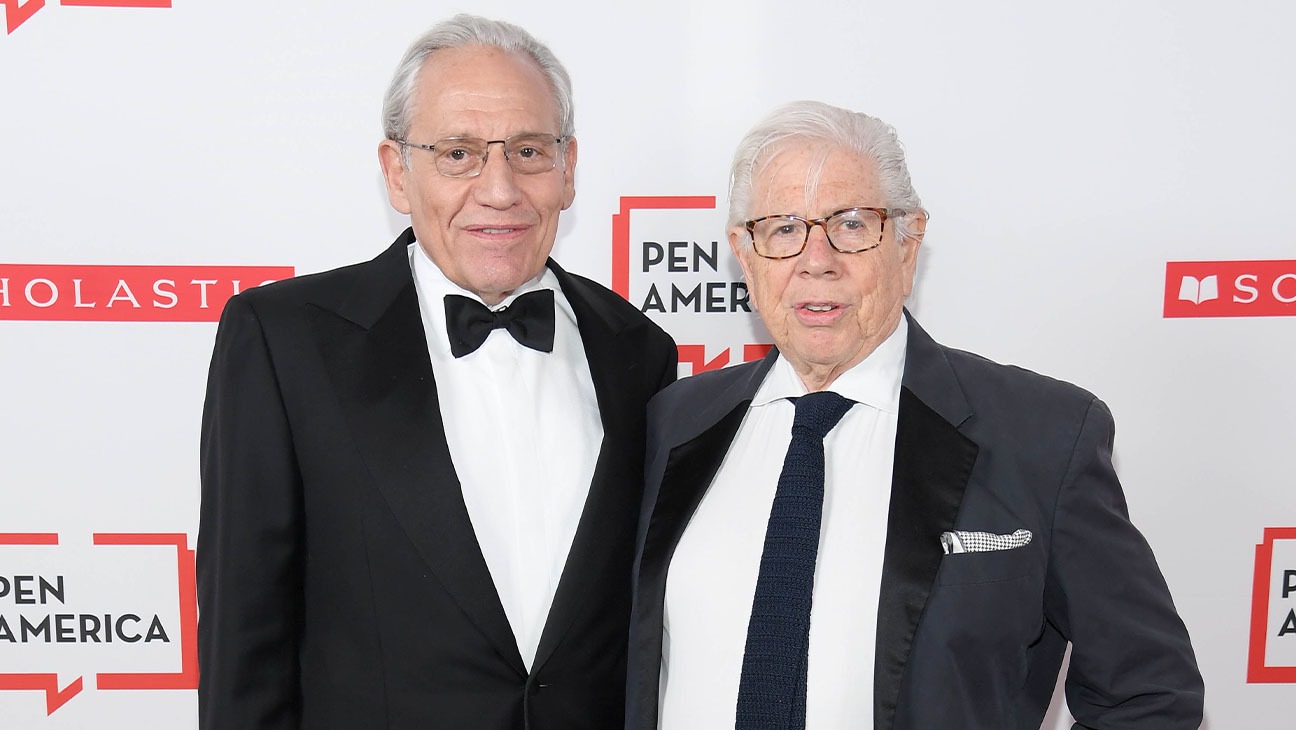
Bob Woodward and Carl Bernstein collectively represent the most influential investigative journalism partnership in modern history. Emerging from The Washington Post newsroom in the early 1970s, their collaboration during the Watergate investigation fundamentally reshaped global expectations of press accountability and political transparency. Their combined work demonstrated how collaborative investigative structures could dismantle institutional secrecy at the highest levels of power.
Their early careers were rooted in traditional beat reporting within Washington, D.C., but their shared investigation into a political break-in evolved into a landmark exposé of systemic corruption. The synergy between Bernstein’s sourcing skills and Woodward’s structured documentation created a methodological blueprint that journalism schools still study today.
Their breakthrough with Watergate transformed them from local reporters into global symbols of investigative integrity. The success of their reporting led to institutional reforms, heightened media scrutiny of political administrations, and an enduring belief in the press as a check on executive power.
By the 1990s and beyond, their legacy had transcended journalism into cultural history. Their work remains a defining case study in how investigative reporting can alter the trajectory of democratic governance.
Key Facts
- Full name of the subject: Carl Bernstein & Bob Woodward
- Date of birth: 14 February 1944 (Bernstein), 26 March 1943 (Woodward)
- Place of birth: Washington, D.C. & Geneva, Illinois, USA
- Family background: Middle-class American families
- Early childhood experiences: Politically aware urban upbringing (Bernstein), structured Midwestern upbringing (Woodward)
- Education history: University of Maryland (Bernstein), Yale University (Woodward)
- Influences and mentors: Washington Post editorial leadership
- Career beginnings: Local reporting and copyroom journalism
- Major achievements: Watergate investigative reporting
- Challenges and obstacles faced: Government surveillance, legal pressure, source protection
- Turning points in life: Exposure of the Watergate scandal
- Contributions to society: Institutional accountability journalism model
- Personal life (marriage, children, relationships): Both are married with children
- Awards and recognitions: Pulitzer Prize (1973)
- Beliefs, values, or philosophy: Truth through persistent investigation and verification
- Legacy and impact: Defined modern investigative journalism standards
- Historical or cultural significance: Most influential reporting partnership in political journalism
Notable Works: All the President’s Men, The Final Days, Watergate coverage series, political books and essays, investigative archives
Controversies:
Debates over sourcing anonymity
Ongoing reinterpretation of Watergate narratives
Media criticism of later political commentary
Scrutiny of dramatization in film adaptations.
10. Upton Sinclair
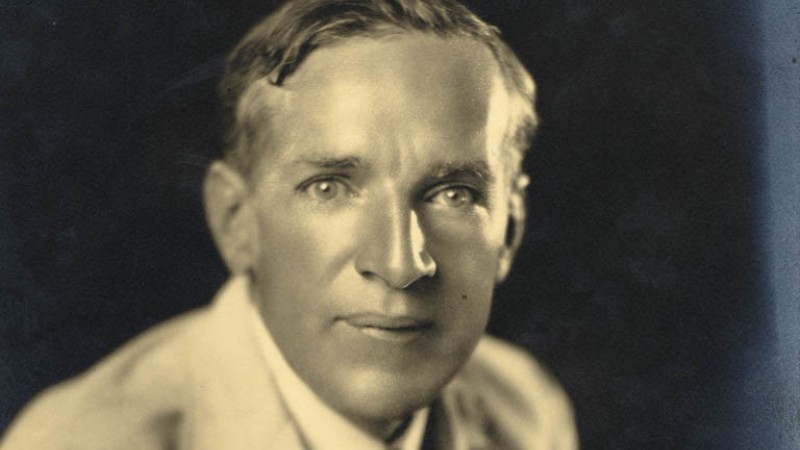
Upton Sinclair’s life reads like a long confrontation between storytelling and society—a writer who believed that fiction could act as a weapon against injustice, and who spent much of his career proving it.
He was born on September 20, 1878, in Baltimore, into a family that had once known wealth but was sliding steadily into financial instability. This contrast—between privilege and hardship—shaped his early awareness of inequality. As a young man, Sinclair moved between boarding houses and unstable living conditions, observing the divide between the comfortable and the forgotten closely.
He studied at the City College of New York and later at Columbia University, where he developed his writing skills and began to see literature as a tool for social change rather than mere entertainment.
Sinclair’s most defining work came in 1906 with the publication of The Jungle. Written after undercover research in the Chicago meatpacking industry, the novel exposed brutal working conditions, exploitation of immigrant labourers, and unsanitary food production practices. While Sinclair had intended to highlight the suffering of workers, public attention focused instead on the horrifying details of meat processing—an outcome he famously summarized as: “I aimed at the public’s heart, and by accident I hit it in the stomach.”
The impact was immediate and far-reaching. The novel contributed to public outrage and helped lead to reforms such as the U.S. federal laws regulating food safety and meat inspection, including the Pure Food and Drug Act and the Meat Inspection Act.
Sinclair became one of the most prominent figures in the Progressive Era, a time marked by efforts to address industrialization’s social consequences. He wrote prolifically, producing novels that targeted labour exploitation, political corruption, and economic inequality.
Though best known for The Jungle, Sinclair wrote dozens of other works, including the long-running Lanny Budd series, which explored global politics through fiction. His writing often blended journalism, activism, and narrative storytelling, making him both an author and a reformer.
Beyond literature, Sinclair also entered politics. He ran for public office multiple times, most notably as a Democratic candidate for governor of California in 1934, during the height of the Great Depression. His campaign, known as the EPIC campaign, proposed sweeping economic reforms to address unemployment and poverty. Although he was not elected, the campaign influenced political discourse and demonstrated his continued commitment to systemic change.
Sinclair’s work often brought him controversy. Critics accused him of socialism and radicalism, while supporters saw him as a necessary voice against corporate power and corruption. Regardless of opinion, his influence on American social thought was undeniable.
He continued writing well into old age, producing more than 90 books across his lifetime. Upton Sinclair died on November 25, 1968, leaving behind a legacy defined not just by literature, but by its impact on public policy and social awareness.
In the end, Sinclair’s work stands as a reminder that storytelling can extend beyond art—it can shape laws, shift public consciousness, and expose truths that institutions might prefer to keep hidden.
NOTABLE MENTIONS
Glenn Greenwald
Seymour Hersh
Maria Ressa
Edward R. Murrow