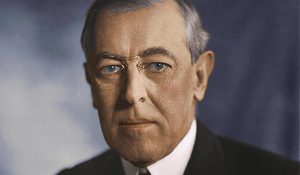
Top 10 Global Journalists
Top 10 Global Journalists
In This Content
1. Christiane Amanpour

Christiane Amanpour’s early life was shaped by a bicultural upbringing between Iran and the United Kingdom, an experience that gave her an early sensitivity to geopolitical complexity and cultural intersection. Growing up in a politically aware household, she developed a strong curiosity about global affairs and conflict dynamics. Her education in journalism in London refined her analytical instincts and prepared her for international reporting.
Amanpour’s career beginnings at CNN placed her at the center of emerging global 24-hour news coverage. She initially worked behind the scenes before transitioning into field reporting, where her willingness to enter conflict zones distinguished her from many contemporaries. Her early assignments during volatile political transitions established her reputation for frontline journalism.
The breakthrough came with her coverage of major international conflicts in the late 1980s and 1990s, where her reporting from war zones redefined television journalism standards. Her presence during conflicts in the Balkans and the Middle East established her as a defining voice in global news media. Her reporting style combined direct field immersion with analytical clarity, influencing global perceptions of war coverage.
Amanpour’s legacy lies in elevating international reporting to a moral and analytical discipline. Her persistence in high-risk journalism reshaped global expectations of war correspondence and ethical reporting standards.
Key Facts
- Full name of the subject: Christiane Maria Heideh Amanpour
- Date of birth: 12 January 1958
- Place of birth: London, England
- Family background: Iranian-British family
- Early childhood experiences: Multicultural upbringing across Iran and UK
- Education history: University of Rhode Island
- Influences and mentors: Foreign correspondents and broadcast journalists
- Career beginnings: CNN entry-level production roles
- Major achievements: Global war correspondence leadership
- Challenges and obstacles faced: Reporting in active conflict zones
- Turning points in life: Breakthrough war coverage assignments
- Contributions to society: Global conflict reporting and press freedom advocacy
- Personal life (marriage, children, relationships): Divorced; one child
- Awards and recognitions: Multiple Emmy Awards
- Beliefs, values, or philosophy: Truth-driven journalism and accountability
- Legacy and impact: Redefined war correspondence standards
- Historical or cultural significance: Icon of modern international journalism
Notable Works: CNN war coverage, PBS interviews, global conflict documentaries
Controversies:
Amanpour has faced occasional criticism regarding perceived editorial framing in conflict reporting. The issue centers on whether frontline journalism can remain fully neutral in highly polarized war environments. The background involves her coverage of conflicts in the Balkans and the Middle East during the 1990s and 2000s. Stakeholders included governments, media analysts, audiences, and advocacy groups. Critics argued that certain broadcasts emphasized humanitarian perspectives over geopolitical neutrality, while Amanpour and CNN maintained that reporting reflected verified conditions on the ground. No formal regulatory findings have challenged her reporting integrity. The impact reflects ongoing debate about objectivity versus human-centered journalism in war correspondence.
2. Bob Woodward
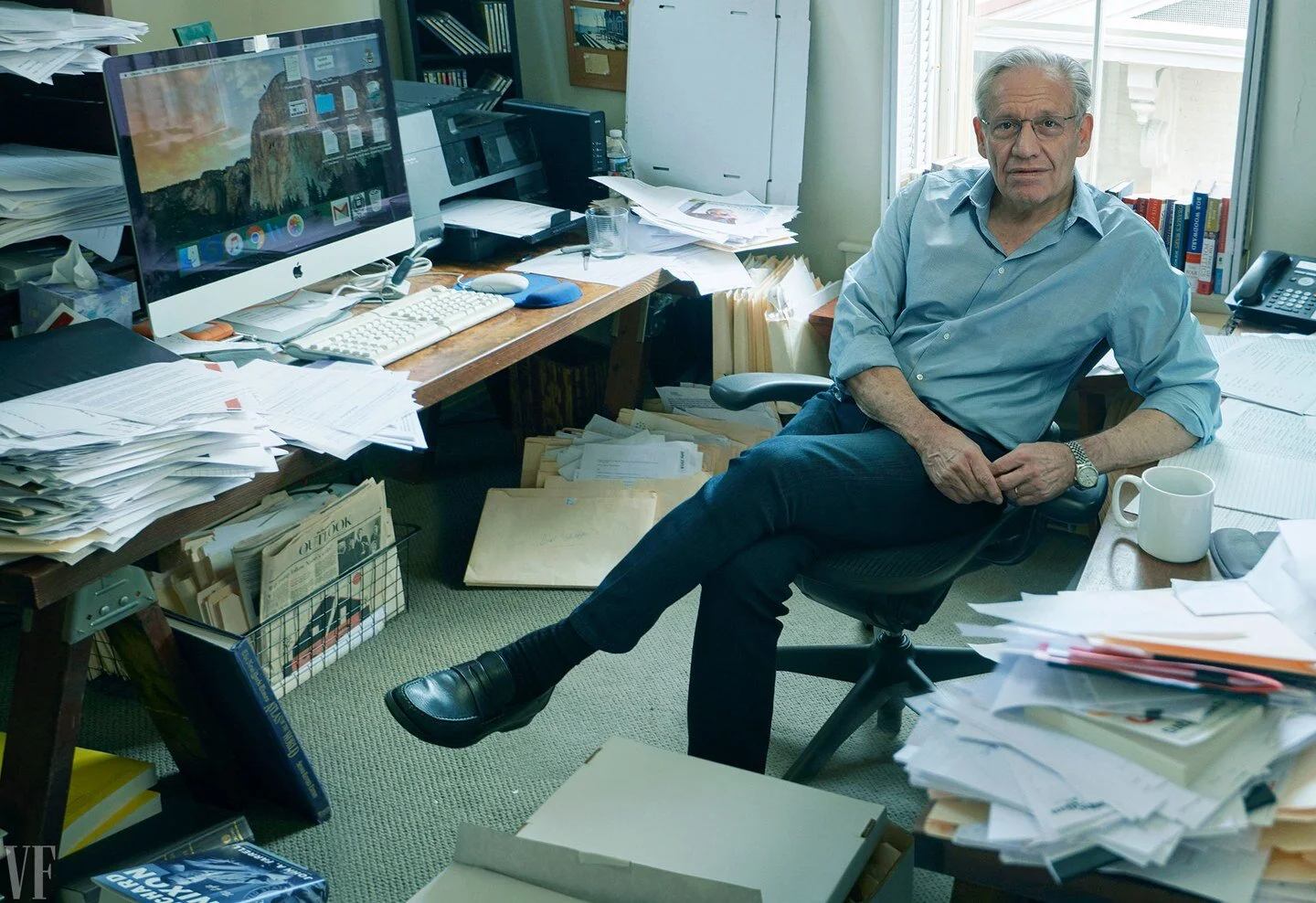
Bob Woodward’s early life in Geneva, Illinois, was shaped by a structured middle-class upbringing that emphasized discipline and academic achievement. He developed an early interest in writing and historical documentation, which later evolved into investigative journalism. His education at Yale University further sharpened his analytical and research capabilities.
Woodward’s career beginnings at The Washington Post were initially unremarkable, as he worked on local assignments and routine reporting. However, his persistence in pursuing deeper investigative angles soon distinguished him within the newsroom. His methodical approach to sourcing and documentation became a defining characteristic of his reporting style.
The breakthrough came with his investigative reporting into the Watergate scandal, which fundamentally altered American journalism. Working alongside Carl Bernstein, he uncovered systemic political misconduct at the highest levels of government. During the 1990s, Woodward continued producing in-depth political analyses and books that shaped public understanding of U.S. governance.
Woodward’s legacy lies in establishing investigative journalism as a pillar of democratic accountability. His persistence demonstrated how sustained reporting could influence political transparency and institutional reform.
Key Facts
- Full name of the subject: Robert Upshur Woodward
- Date of birth: 26 March 1943
- Place of birth: Geneva, Illinois, United States
- Family background: Middle-class American family
- Early childhood experiences: Academic discipline and reading culture
- Education history: Yale University
- Influences and mentors: Newspaper editors and investigative reporters
- Career beginnings: Local reporting at The Washington Post
- Major achievements: Watergate investigation reporting
- Challenges and obstacles faced: Government pressure and source protection risks
- Turning points in life: Watergate investigative breakthrough
- Contributions to society: Strengthening investigative journalism standards
- Personal life (marriage, children, relationships): Married; children
- Awards and recognitions: Pulitzer Prize
- Beliefs, values, or philosophy: Persistence in uncovering institutional truth
- Legacy and impact: Modern investigative journalism foundation
- Historical or cultural significance: Political accountability through press
Notable Works: All the President’s Men (reporting), political investigative books
Controversies:
Woodward has faced debate regarding reliance on anonymous sources in major political reporting. The issue centers on whether anonymity affects transparency and verifiability in investigative journalism. The background involves Watergate reporting practices and later political book publications. Stakeholders included government officials, media critics, publishers, and readers. Critics argued that anonymous sourcing can limit independent verification, while supporters emphasize its necessity for protecting whistleblowers. No formal findings have discredited his major investigations. The impact contributed to ongoing journalism ethics discussions on source protection versus transparency.
3. Walter Cronkite
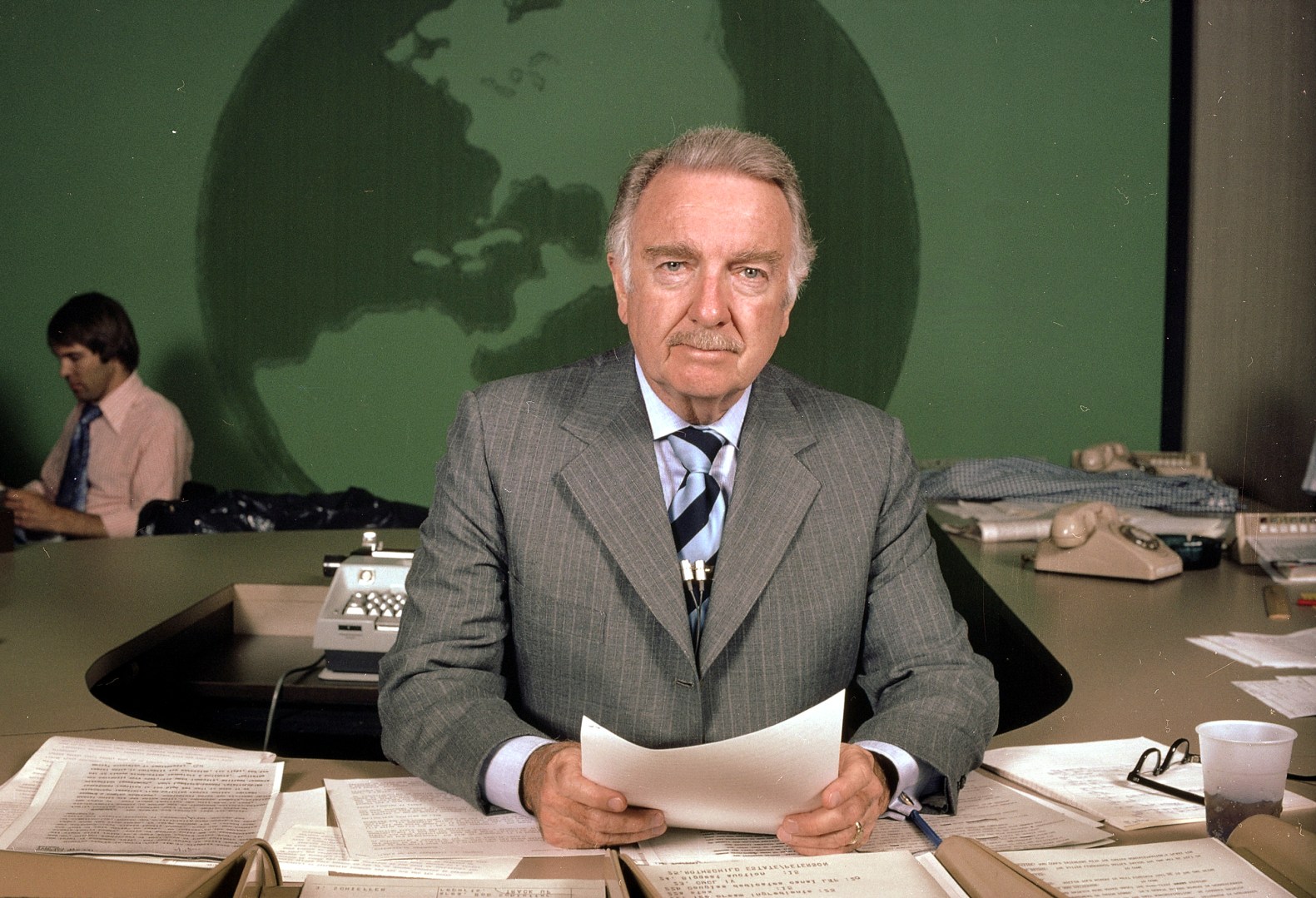
Walter Cronkite’s early life in St. Joseph, Missouri, was shaped by a stable family environment and early exposure to print journalism. He developed an interest in storytelling and current events through school newspapers and early writing experiences. His education at the University of Texas at Austin introduced him to journalism fundamentals and broadcast communication.
Cronkite’s career beginnings were rooted in radio broadcasting and wartime reporting, where he covered World War II events for United Press. His early reporting assignments required accuracy under pressure, shaping his reputation for reliability. These formative experiences established his disciplined approach to news delivery.
The breakthrough came when he became the anchor of CBS Evening News, where his calm authority and credibility earned him widespread trust. During the 1960s through the 1990s, he became one of the most influential broadcast journalists in the United States. His coverage of major events, including space exploration and political upheaval, defined televised news reporting.
Cronkite’s legacy lies in establishing broadcast journalism as a trusted national institution. His persistence in factual reporting set enduring standards for journalistic credibility.
Key Facts
- Full name of the subject: Walter Leland Cronkite Jr.
- Date of birth: 4 November 1916
- Place of birth: St. Joseph, Missouri, United States
- Family background: Middle-class American family
- Early childhood experiences: Early interest in news writing
- Education history: University of Texas at Austin
- Influences and mentors: Early radio broadcasters
- Career beginnings: United Press wartime correspondent
- Major achievements: CBS Evening News anchor tenure
- Challenges and obstacles faced: Wartime reporting dangers
- Turning points in life: CBS anchor appointment
- Contributions to society: Trusted broadcast journalism standard
- Personal life (marriage, children, relationships): Married; children
- Awards and recognitions: Presidential Medal of Freedom
- Beliefs, values, or philosophy: Journalism integrity and factual reporting
- Legacy and impact: “Most trusted man in America” legacy
- Historical or cultural significance: Defined modern broadcast news
Notable Works: CBS Evening News, Apollo 11 coverage, Vietnam War reporting
Controversies:
Cronkite faced limited but notable criticism for expressing editorial opinion during his Vietnam War coverage commentary. The issue centers on whether broadcast anchors should maintain strict neutrality when reporting or analyzing war outcomes. The background involves his influential 1968 broadcast commentary on the Vietnam conflict. Stakeholders included political leaders, viewers, military officials, and media institutions. Critics argued that his commentary blurred reporting with opinion, while supporters viewed it as responsible journalistic assessment based on field reporting. No formal broadcast violations were recorded. The impact highlighted evolving expectations of journalistic objectivity in televised news.
4. Maria Ressa
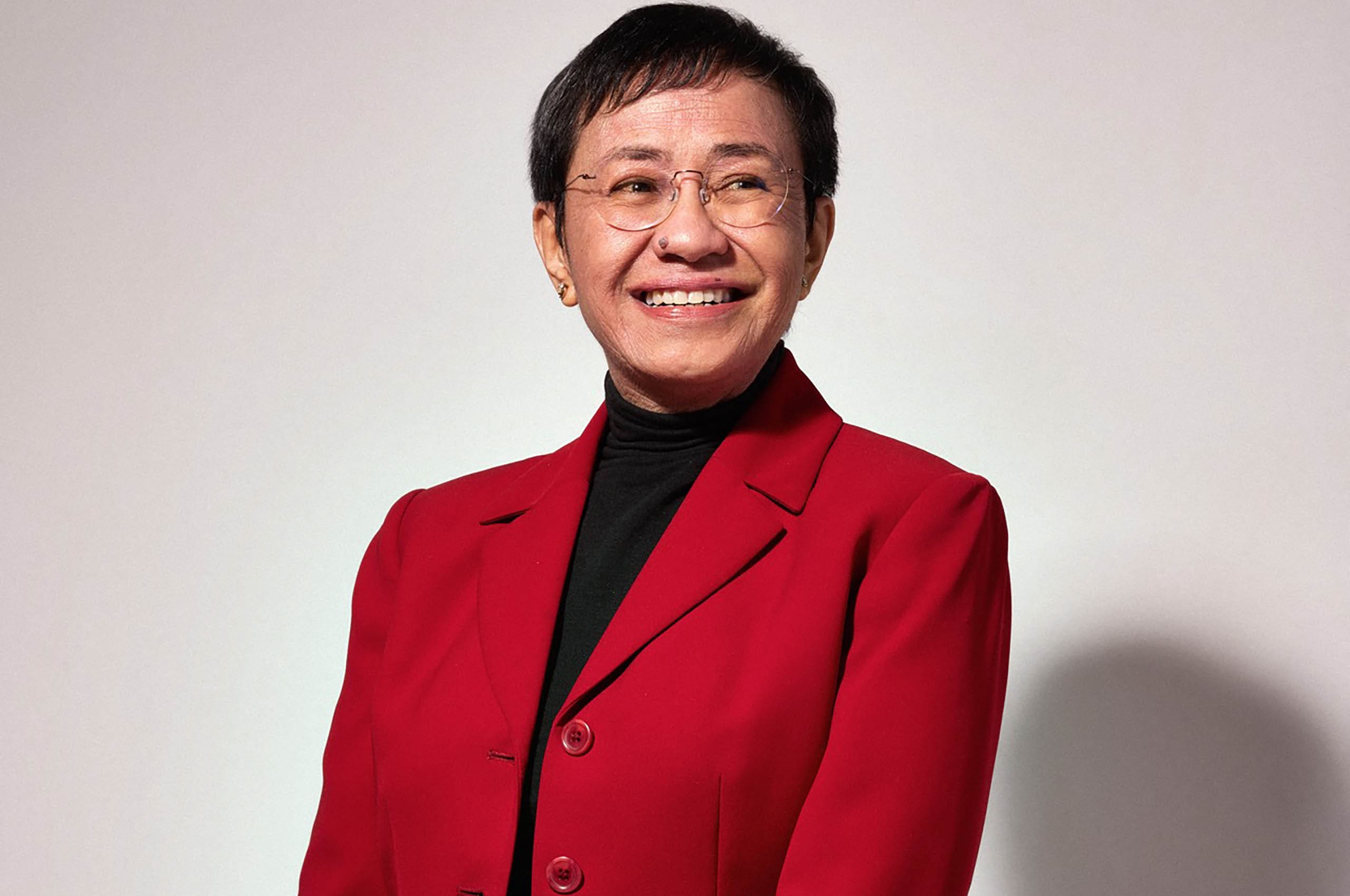
Maria Ressa’s early life was shaped by a transnational upbringing between the Philippines and the United States, giving her an early understanding of political systems and cultural contrast. Raised during a period of shifting media landscapes in Southeast Asia, she developed a strong interest in political accountability and communication ethics. Her education at Princeton University in molecular biology and later focus on journalism provided her with a rare analytical precision in reporting.
Ressa’s career beginnings were rooted in broadcast journalism at CNN, where she worked as a field reporter covering Southeast Asian political developments. Her early reporting was defined by high-risk assignments, particularly in conflict-prone regions, where she developed a reputation for investigative rigor and clarity under pressure. These experiences shaped her commitment to fact-based journalism in volatile political environments.
The breakthrough came with her leadership role in investigative journalism in the Philippines, where she co-founded a digital news platform focused on accountability reporting. During the 1990s and early 2000s media transition into digital ecosystems, she positioned herself at the forefront of data-driven journalism and misinformation analysis. Her work on political disinformation became globally recognized.
Ressa’s legacy lies in defending press freedom in the digital age. Her persistence in the face of political pressure redefined the role of journalism in combating misinformation and protecting democratic institutions.
Key Facts
- Full name of the subject: Maria Angelita Ressa
- Date of birth: 2 October 1963
- Place of birth: Manila, Philippines
- Family background: Filipino-American family
- Early childhood experiences: Relocation between Philippines and United States
- Education history: Princeton University
- Influences and mentors: Broadcast journalism professionals at CNN
- Career beginnings: CNN Southeast Asia correspondent
- Major achievements: Co-founding Rappler; investigative journalism leadership
- Challenges and obstacles faced: Political pressure and legal challenges
- Turning points in life: Establishment of digital investigative platform
- Contributions to society: Anti-disinformation journalism
- Personal life (marriage, children, relationships): Divorced; one child
- Awards and recognitions: Nobel Peace Prize
- Beliefs, values, or philosophy: Truth, accountability, and press freedom
- Legacy and impact: Global digital journalism reform influence
- Historical or cultural significance: Defense of democracy through media
Notable Works: Rappler investigations, disinformation research, Southeast Asia conflict reporting
Controversies:
Ressa has faced legal and political controversies in relation to her reporting on government actions and disinformation networks. The issue centers on whether her organization’s investigative reporting constituted legitimate journalism or defamation under local laws. The background involves heightened political tensions in the Philippines and the rise of online misinformation campaigns. Stakeholders included government agencies, digital platforms, journalists, and international watchdog organizations. Critics argued that her reporting was politically motivated, while supporters emphasized verified investigative findings and press freedom protections. Some legal rulings have been issued at various stages, though appeals and international scrutiny continued for years. The impact elevated global attention on press freedom challenges in digital authoritarian environments.
5. Anderson Cooper
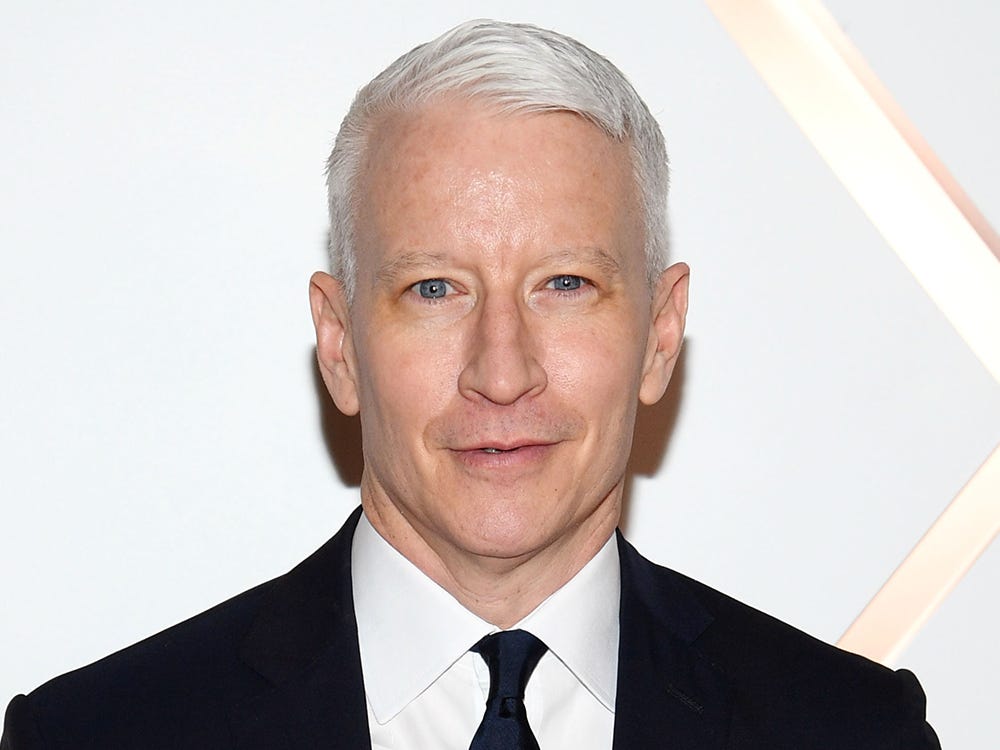
Anderson Cooper’s early life in New York City was shaped by a high-profile family background and early exposure to global media culture. Raised in an environment connected to journalism and public affairs, he developed an early awareness of storytelling and visual communication. His education at Yale University further refined his analytical thinking and global perspective.
Cooper’s career beginnings were unconventional, as he initially pursued independent reporting by traveling to conflict zones without formal newsroom backing. His early assignments included freelance reporting from war-torn regions, where he gained experience in field journalism under extreme conditions. This period established his reputation for on-the-ground authenticity.
The breakthrough came with his work covering major international disasters and conflicts for CNN, where his reporting style emphasized human-centered storytelling. During the 1990s and early 2000s expansion of global 24-hour news cycles, he became a prominent face of live crisis reporting. His calm presence in high-stress environments defined his journalistic identity.
Cooper’s legacy lies in combining empathetic storytelling with rigorous field reporting. His persistence in frontline journalism helped redefine modern broadcast news presentation.
Key Facts
- Full name of the subject: Anderson Hays Cooper
- Date of birth: 3 June 1967
- Place of birth: New York City, United States
- Family background: Prominent American family
- Early childhood experiences: Exposure to media and public affairs
- Education history: Yale University
- Influences and mentors: Field journalists and war correspondents
- Career beginnings: Freelance conflict zone reporting
- Major achievements: CNN global news anchoring
- Challenges and obstacles faced: High-risk field reporting assignments
- Turning points in life: CNN global correspondent role
- Contributions to society: Human-centered crisis journalism
- Personal life (marriage, children, relationships): Private personal life; children via surrogacy
- Awards and recognitions: Emmy Awards
- Beliefs, values, or philosophy: Empathy-driven journalism
- Legacy and impact: Modern live crisis reporting standards
- Historical or cultural significance: Human-focused global news coverage
Notable Works: CNN coverage of disasters and conflicts, Anderson Cooper 360°
Controversies:
Cooper has faced limited public controversy, primarily centered on debates about emotional tone in crisis reporting. The issue concerns whether emotionally framed storytelling affects journalistic neutrality. The background involves his coverage of humanitarian disasters and war zones. Stakeholders included media critics, audiences, and journalism ethics boards. Critics argued that emotionally expressive reporting could influence viewer perception, while supporters emphasized the importance of humanizing crisis coverage. No formal journalistic misconduct findings exist. The impact reflects broader discussions about empathy versus objectivity in broadcast journalism.
6. Fareed Zakaria
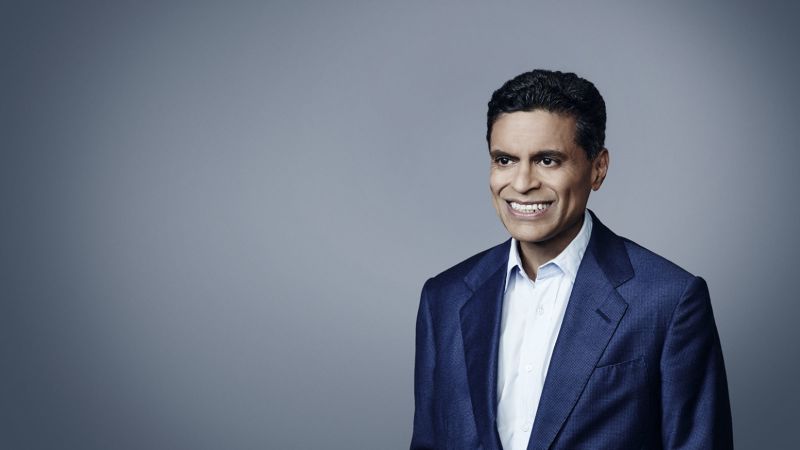
Fareed Zakaria’s early life in Mumbai was shaped by an academically oriented household that emphasized intellectual discipline and global awareness. Growing up in India during a period of economic and political transformation, he developed an early interest in international relations and political theory. His education at Yale University and Harvard University refined his analytical framework for global affairs.
Zakaria’s career beginnings involved academic research and editorial work, where he focused on international political systems and globalization trends. His early writing appeared in policy journals and magazines, establishing his voice as a global political analyst. This period positioned him between academia and mainstream journalism.
The breakthrough came with his transition into television journalism and global political commentary, where he became known for explaining complex geopolitical dynamics to broad audiences. During the 1990s globalization wave, his work gained prominence as international economic and political systems became increasingly interconnected. His communication style emphasized clarity and structural analysis.
Zakaria’s legacy lies in bridging academic political theory with mainstream journalism. His persistence in simplifying complex global systems influenced modern political commentary formats.
Key Facts
- Full name of the subject: Fareed Rafiq Zakaria
- Date of birth: 20 January 1964
- Place of birth: Mumbai, India
- Family background: Educated Indian intellectual family
- Early childhood experiences: Exposure to political discourse
- Education history: Yale University; Harvard University
- Influences and mentors: Political theorists and economists
- Career beginnings: Academic writing and editorial journalism
- Major achievements: Global political analysis platforms
- Challenges and obstacles faced: Transition from academia to media
- Turning points in life: Entry into television commentary
- Contributions to society: Global political education through media
- Personal life (marriage, children, relationships): Married; children
- Awards and recognitions: Journalism and academic honors
- Beliefs, values, or philosophy: Globalism and analytical reasoning
- Legacy and impact: Modern geopolitical journalism
- Historical or cultural significance: Global political communication bridge
Notable Works: Foreign Affairs editorials, CNN Global Public Square
Controversies:
Zakaria has faced allegations of plagiarism in written commentary, which led to public scrutiny of attribution standards in journalism. The issue centers on whether improperly attributed passages constituted ethical violations. The background involves academic-style writing in political commentary columns. Stakeholders included media organizations, readers, editors, and journalism ethics bodies. Critics argued that attribution standards were insufficient in some published work, while Zakaria issued corrections and apologies where appropriate. Some publications conducted internal reviews and reinstated his work after review. The impact contributed to broader journalism industry discussions on citation practices and editorial oversight.
7. Tina Brown
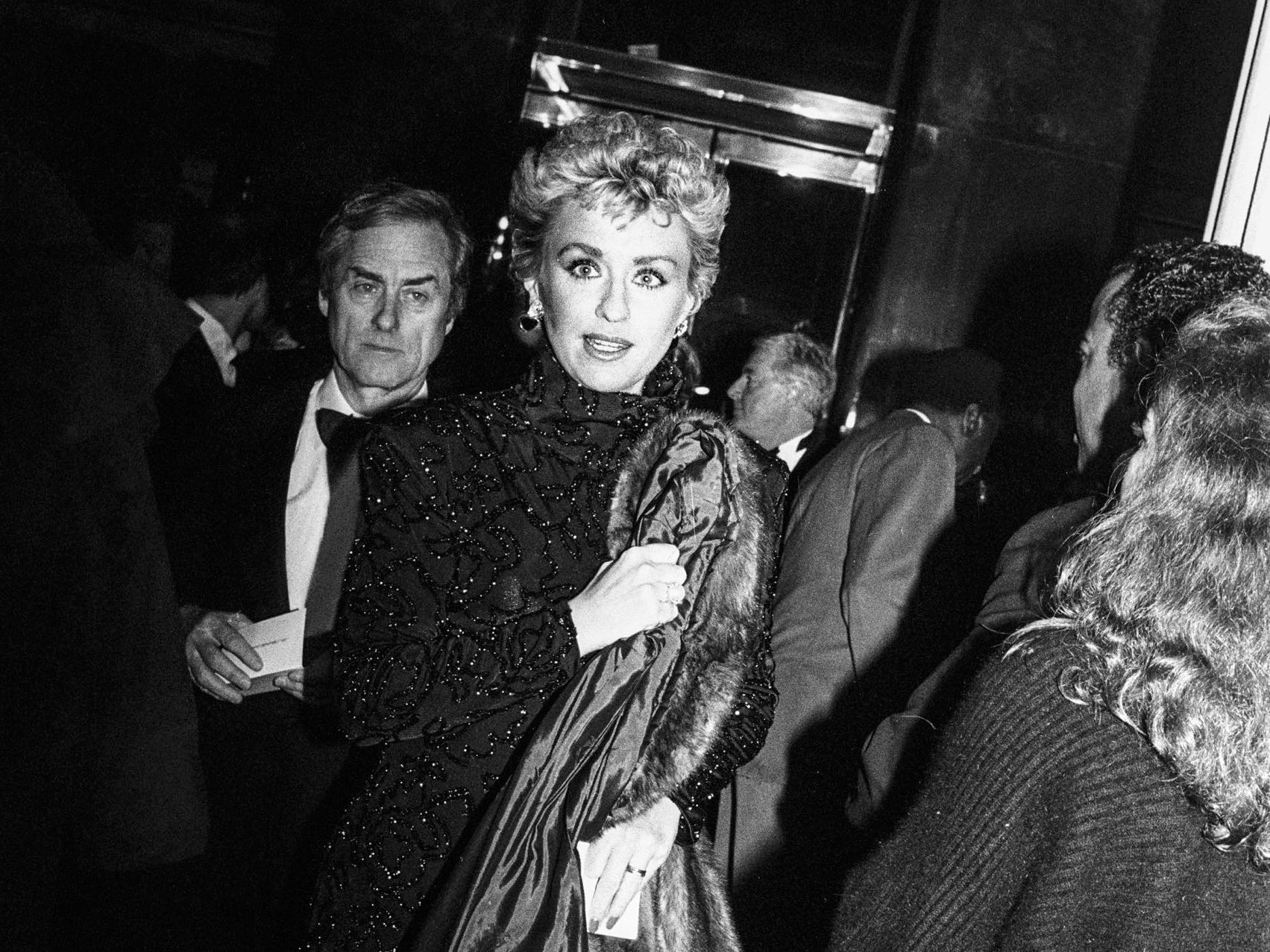
Tina Brown’s early life in England was shaped by exposure to literary culture and media publishing traditions. Raised in a family that valued writing and communication, she developed an early fascination with storytelling and editorial structure. Her education at Oxford University refined her literary analysis and editorial instincts.
Brown’s career beginnings were rooted in British magazine journalism, where she quickly distinguished herself through bold editorial decisions and cultural commentary. Her early work reflected a willingness to challenge traditional publishing norms and elevate narrative-driven journalism. This approach positioned her as an innovative editorial voice.
The breakthrough came with her leadership roles in major international magazines, where she transformed editorial direction and revitalized readership engagement. During the 1990s media expansion era, she became a defining figure in celebrity journalism and cultural reporting. Her editorial strategies emphasized narrative depth and cultural relevance.
Brown’s legacy lies in reshaping modern magazine journalism into a narrative-driven, globally influential industry. Her persistence redefined editorial leadership in both British and American media markets.
Key Facts
- Full name of the subject: Christina Hambley Brown
- Date of birth: 21 November 1953
- Place of birth: Maidenhead, England
- Family background: Middle-class British family
- Early childhood experiences: Literary and cultural exposure
- Education history: University of Oxford
- Influences and mentors: British magazine editors
- Career beginnings: Magazine journalism in the UK
- Major achievements: Editor-in-chief of major international magazines
- Challenges and obstacles faced: Gender barriers in media leadership
- Turning points in life: Transition to U.S. magazine leadership
- Contributions to society: Modern magazine journalism transformation
- Personal life (marriage, children, relationships): Married; children
- Awards and recognitions: Media leadership awards
- Beliefs, values, or philosophy: Narrative-driven journalism
- Legacy and impact: Modern celebrity and cultural journalism
- Historical or cultural significance: Reinvented magazine storytelling
Notable Works: Vanity Fair revival, The New Yorker editorial leadership
Controversies:
Brown has faced criticism for prioritizing celebrity-driven journalism over traditional investigative depth in magazine publishing. The issue centers on the balance between commercial media success and editorial seriousness. The background involves shifts in magazine economics during the 1990s and 2000s. Stakeholders included journalists, publishers, advertisers, and readers. Critics argued that celebrity-focused content diluted journalistic rigor, while supporters highlighted increased readership and financial sustainability. No formal ethical violations were recorded. The impact reflects ongoing debates about editorial direction in modern magazine publishing.
8. David Frost
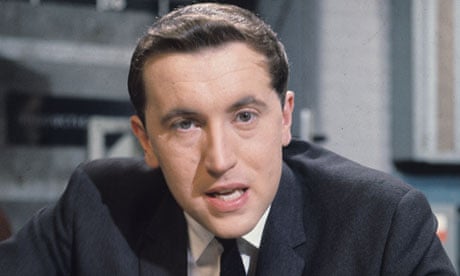
David Frost’s early life in Tenterden, Kent, was shaped by a Methodist upbringing and a strong academic environment that encouraged curiosity and disciplined communication. From an early age, he displayed a fascination with performance and public speaking, often blending humor with observation. His education at Cambridge University, particularly his involvement in theatrical societies, refined his instinct for structured questioning and conversational performance.
Frost’s career beginnings emerged in British television during the early expansion of broadcast media. He quickly distinguished himself through a unique interview style that blended wit, psychological probing, and conversational ease. His early work in satirical television demonstrated both his intelligence and his ability to engage public figures in unexpected ways, setting him apart from traditional journalists.
The breakthrough came with his high-profile interviews of political and cultural leaders, where his most defining moment arrived in his extensive televised conversations with former U.S. President Richard Nixon. During the 1990s and beyond, Frost became a global figure in broadcast journalism, bridging entertainment and political analysis in a format that redefined televised interviews. His style emphasized narrative tension within conversational journalism.
Frost’s legacy lies in transforming the interview format into a global journalistic art form. His persistence in blending entertainment with political inquiry reshaped how audiences engage with public figures.
Key Facts
- Full name of the subject: Sir David Paradine Frost
- Date of birth: 7 April 1939
- Place of birth: Tenterden, Kent, England
- Family background: Methodist working-class family
- Early childhood experiences: Strong academic and rhetorical training
- Education history: Gonville and Caius College, Cambridge
- Influences and mentors: British broadcasters and theatre directors
- Career beginnings: Satirical television and early broadcasting
- Major achievements: Nixon interviews; global interview journalism
- Challenges and obstacles faced: Establishing credibility in political journalism
- Turning points in life: Transition from satire to serious interviews
- Contributions to society: Redefined televised political interviews
- Personal life (marriage, children, relationships): Married; children
- Awards and recognitions: Knighthood; broadcasting awards
- Beliefs, values, or philosophy: Journalism as conversational inquiry
- Legacy and impact: Modern televised interview standard
- Historical or cultural significance: Political journalism innovation
Notable Works: The Frost Report, Nixon interviews, global political interviews
Controversies:
Frost faced debate over the journalistic framing of his Nixon interviews, particularly regarding whether financial arrangements influenced the access and structure of the broadcast. The issue centers on the intersection of journalism and commercial negotiation. The background involves the unprecedented nature of televised political accountability interviews in the 1970s. Stakeholders included broadcasters, political figures, journalists, and audiences. Critics argued that payment structures for access could compromise journalistic neutrality, while supporters emphasized that the interviews produced historically significant accountability. No formal ethical violations were upheld. The impact contributed to ongoing discussions about access journalism and editorial independence.
9. Anne Applebaum
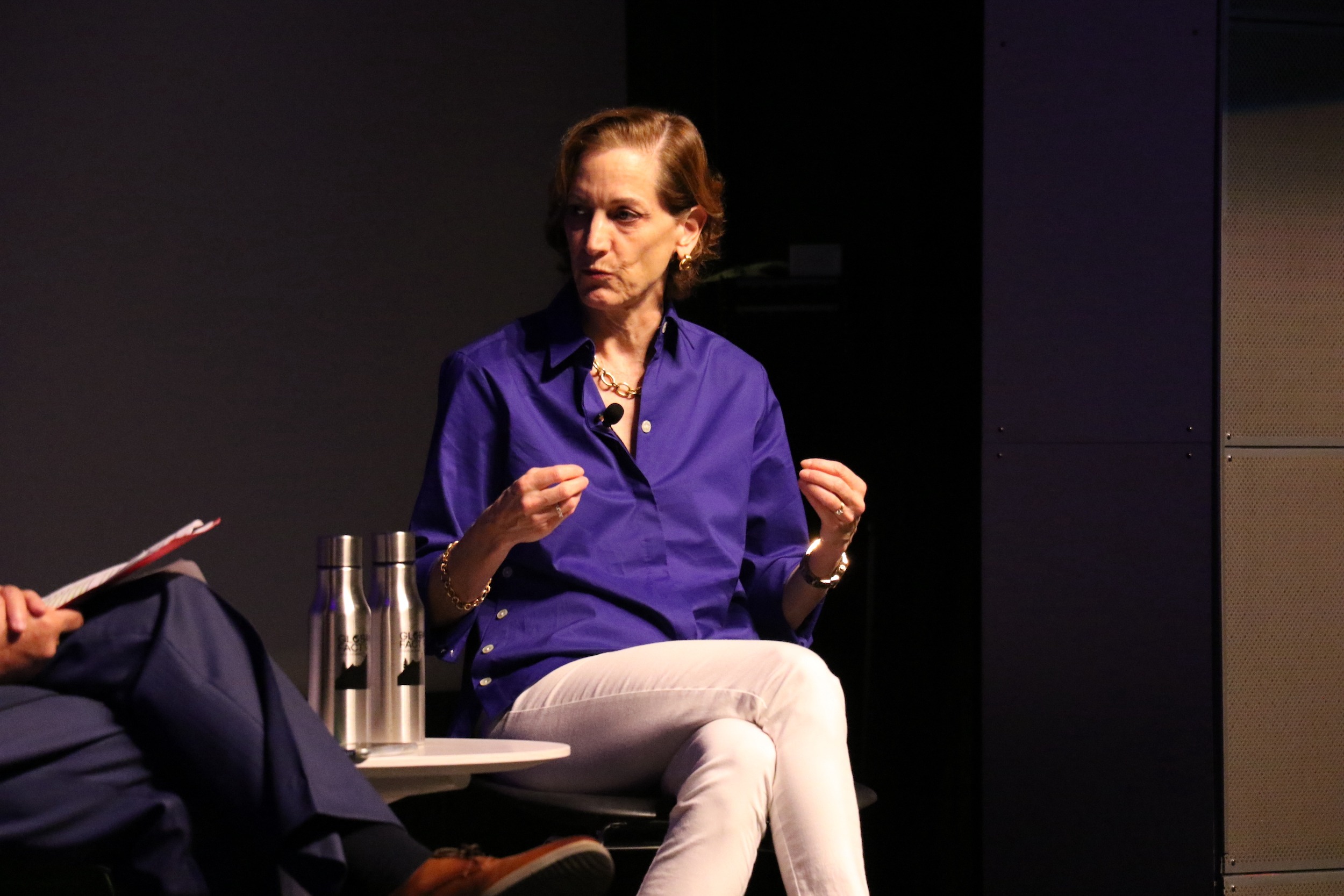
Anne Applebaum’s early life in Washington, D.C., was shaped by an intellectually driven household and early exposure to international politics and history. Her academic training at Yale University and later studies at the London School of Economics and Oxford University provided her with a strong foundation in political analysis and historical research.
Applebaum’s career beginnings were rooted in journalism focused on Eastern Europe and post-Soviet political transitions. She worked as a foreign correspondent, reporting on systemic political and social transformations during the collapse of communist regimes. Her early reporting emphasized archival research combined with field observation.
The breakthrough came with her in-depth historical and journalistic work on authoritarian systems and political repression in Eastern Europe. During the 1990s post-Cold War restructuring period, she became a leading voice interpreting the legacy of Soviet governance. Her writing combined investigative rigor with historical narrative structure.
Applebaum’s legacy lies in bridging journalism and historical scholarship to analyze authoritarianism. Her persistence in documenting political systems reshaped global understanding of post-communist transitions.
Key Facts
- Full name of the subject: Anne Elizabeth Applebaum
- Date of birth: 25 July 1964
- Place of birth: Washington, D.C., United States
- Family background: Educated American professional family
- Early childhood experiences: Exposure to international political discourse
- Education history: Yale University; London School of Economics; Oxford University
- Influences and mentors: Historians and political analysts
- Career beginnings: Foreign correspondence in Eastern Europe
- Major achievements: Authoritative works on authoritarianism
- Challenges and obstacles faced: Reporting in transitional political environments
- Turning points in life: Post-Soviet investigative reporting
- Contributions to society: Authoritarianism research and journalism
- Personal life (marriage, children, relationships): Married; children
- Awards and recognitions: Pulitzer Prize for Commentary
- Beliefs, values, or philosophy: Democratic accountability and historical truth
- Legacy and impact: Modern political history journalism
- Historical or cultural significance: Post-Cold War analysis authority
Notable Works: Gulag history research, authoritarianism analysis books, foreign correspondence
Controversies:
Applebaum has faced criticism for perceived political bias in her commentary on contemporary geopolitical issues, particularly regarding Eastern Europe and authoritarian regimes. The issue centers on whether her analytical framing reflects impartial scholarship or normative political positioning. The background involves increasing polarization in global political discourse. Stakeholders include academic institutions, media outlets, political analysts, and readers. Critics argue that her commentary sometimes reflects ideological positioning, while supporters emphasize evidence-based historical analysis. No formal findings of misconduct exist. The impact reflects broader tensions between academic interpretation and political journalism.
10. Hugh Hewitt
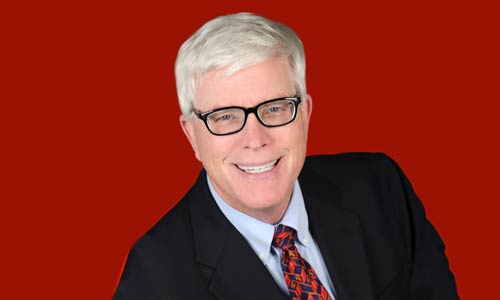
Hugh Hewitt’s early life in Warren, Ohio, was shaped by a structured academic environment and strong engagement with political and legal discourse. He pursued higher education at Harvard University and the University of Michigan Law School, developing expertise in constitutional law and political communication.
Hewitt’s career beginnings were rooted in legal practice and academic teaching, where he specialized in constitutional law before transitioning into media commentary. His early broadcasting work focused on political analysis, combining legal reasoning with accessible public communication. This dual background defined his journalistic identity.
The breakthrough came with his nationally syndicated radio program, where he became a prominent conservative commentator in American media. During the 1990s expansion of talk radio influence, he established a platform that blended legal analysis with political discourse. His presence grew across television and digital media platforms.
Hewitt’s legacy lies in shaping modern political talk media through legally informed commentary. His persistence in public discourse positioned him as a significant figure in ideological broadcasting.
Key Facts
- Full name of the subject: Hugh Hewitt
- Date of birth: 22 February 1956
- Place of birth: Warren, Ohio, United States
- Family background: Middle-class American family
- Early childhood experiences: Academic and civic engagement
- Education history: Harvard University; University of Michigan Law School
- Influences and mentors: Constitutional scholars and legal theorists
- Career beginnings: Law practice and academic teaching
- Major achievements: National radio syndication success
- Challenges and obstacles faced: Transition from law to media
- Turning points in life: Launch of national talk radio program
- Contributions to society: Political and legal public education
- Personal life (marriage, children, relationships): Married; children
- Awards and recognitions: Media influence recognitions
- Beliefs, values, or philosophy: Constitutional interpretation and public discourse
- Legacy and impact: Conservative talk media development
- Historical or cultural significance: Political broadcasting evolution
Notable Works: The Hugh Hewitt Show, political commentary publications
Controversies:
Hewitt has faced criticism regarding perceived political bias in his commentary and interview framing. The issue centers on whether partisan alignment affects journalistic neutrality in political broadcasting. The background involves the rise of ideological talk radio in the 1990s and 2000s. Stakeholders include media critics, political audiences, broadcasters, and guests. Critics argue that his commentary reflects partisan framing, while supporters emphasize transparency of perspective in opinion journalism. No formal regulatory violations exist. The impact highlights ongoing debates about objectivity versus opinion in political media.
Notable Mentions:
Bob Schieffer
Ted Koppel
Seymour Hersh
David Muir
![Wangari Muta Maathai - The woman of trees, symbol of the struggle to promote peace [biography]](https://glamcodemedia.com/wp-content/uploads/2026/04/201901030911_Wangari-Maathai-Muta-300x200.png)