Top 10 Influential Presidents
Top 10 Influential Presidents
In This Content
1. George Washington
George Washington’s leadership identity was forged in the crucible of revolution, where discipline, restraint, and symbolic authority mattered as much as battlefield success. Born into the Virginia planter aristocracy, his early life was shaped by land surveying, frontier exposure, and a rigid social order that instilled both ambition and duty. Unlike many revolutionary figures driven by ideology, Washington’s emergence as a leader was gradual, defined by competence rather than rhetoric. His early military experiences in the French and Indian War revealed both his limitations and his resilience, setting the stage for a career defined by adaptation and endurance.
His political breakthrough came during the American Revolution, where his appointment as Commander-in-Chief of the Continental Army positioned him as the unifying figure of a fragile independence movement. Washington’s leadership style was not marked by tactical brilliance alone but by emotional control, strategic patience, and an ability to sustain morale under extreme deprivation. His presidency later became a defining act of institutional design transforming revolutionary victory into stable governance. The 1790s marked his peak influence as he established precedents for executive authority, neutrality in foreign affairs, and voluntary retirement from power.
Washington’s legacy is not rooted in policy innovation alone but in the symbolic architecture of the presidency itself. He defined the role as one bound by constitutional limits rather than personal ambition, shaping democratic expectations for centuries. His decision to step down after two terms solidified the principle of peaceful transition, embedding restraint into the DNA of American leadership culture.
Key Facts
- Full name of the subject: George Washington
- Date of birth: February 22, 1732
- Place of birth: Westmoreland County, Virginia, British America
- Family background: Born into a wealthy plantation family of Anglo-Virginian descent
- Early childhood experiences: Raised in a colonial agrarian environment with early exposure to surveying and land management
- Education history: Privately tutored; practical training in surveying and military leadership
- Influences and mentors: British military officers, colonial landowners, Enlightenment political philosophy
- Career beginnings: Surveyor, militia officer in the French and Indian War
- Major achievements: Commander-in-Chief of the Continental Army; First President of the United States; constitutional precedent-setting leadership
- Challenges and obstacles faced: Supply shortages during the Revolution, political fragmentation, fragile national unity
- Turning points in life: Appointment as Continental Army commander; acceptance of the presidency
- Contributions to society: Established foundational norms of executive governance and democratic transition
- Personal life (marriage, children, relationships): Married Martha Custis; no biological children
- Awards and recognitions: Revered as “Father of His Country” (honorific title)
- Beliefs, values, or philosophy: Republican restraint, civic duty, institutional stability
- Legacy and impact: Defined the symbolic and functional framework of the U.S. presidency
- Historical or cultural significance: Central founding figure of American political identity
Notable Works: American Revolution leadership (1775–1783), Constitutional Convention influence, U.S. Presidency (1789–1797), Farewell Address
Controversies: One of the most enduring debates surrounding George Washington centers on his status as a slave-owning founding leader within a republic founded on liberty. The issue is framed as an ethical contradiction between the ideals of independence and his personal ownership of enslaved Africans. This contradiction is grounded in the historical context of 18th-century Virginia, where slavery was deeply embedded in the economic and social system of the plantation elite. Washington inherited and expanded Mount Vernon’s enslaved workforce, reflecting the norms of his class and era. Key stakeholders in this debate include historians, descendants of enslaved people, political scholars, and cultural institutions that interpret his legacy.
Critics argue that Washington’s participation in slavery undermines the moral authority of his democratic ideals, particularly given his role in shaping a nation founded on liberty. Others point to his evolving views later in life, including provisions in his will that arranged for the emancipation of enslaved people he directly owned upon Martha Washington’s death, as evidence of moral development. Institutional historical scholarship generally agrees that while Washington did not publicly champion abolition during his presidency, he exhibited incremental personal change that distinguished him from some contemporaries. The controversy remains unresolved in moral interpretation, though historically documented facts confirm his slaveholding status.
The impact of this debate continues to shape Washington’s public memory, influencing how institutions contextualize his monuments, portraits, and national symbolism. It has led to broader reassessments of founding-era leadership within American historical discourse.
2. Abraham Lincoln
Abraham Lincoln’s rise from frontier obscurity to the presidency represents one of the most studied trajectories in political history, defined by intellectual self-formation and moral clarity under national collapse. Born in a log cabin in Kentucky and raised in Indiana and Illinois, Lincoln’s early life was marked by poverty, limited formal education, and relentless self-teaching. His identity was shaped not by inherited privilege but by legal apprenticeship, storytelling, and a deep engagement with constitutional language and moral philosophy. These formative experiences cultivated a leadership style rooted in empathy, analytical reasoning, and rhetorical precision.
Lincoln’s political ascent in the 1850s coincided with the intensifying national crisis over slavery. His breakthrough came through the Lincoln-Douglas debates, where he articulated a coherent opposition to the expansion of slavery while maintaining constitutional restraint. His election to the presidency in 1860 triggered the secession crisis, thrusting him into the defining leadership role of the American Civil War. The 1860s marked his peak influence, where his issuance of the Emancipation Proclamation and strategic wartime leadership redefined both the presidency and the meaning of the Union itself.
Lincoln’s legacy is anchored in his ability to merge moral vision with political pragmatism. His leadership during national fragmentation redefined federal authority and expanded the ethical scope of executive power. His assassination in 1865 transformed him into a symbolic figure of unity, sacrifice, and constitutional preservation.
Key Facts
- Full name of the subject: Abraham Lincoln
- Date of birth: February 12, 1809
- Place of birth: Hardin County (now LaRue County), Kentucky, United States
- Family background: Born into a poor frontier farming family
- Early childhood experiences: Raised in rural hardship with limited schooling and early manual labor
- Education history: Largely self-educated through reading law, literature, and political philosophy
- Influences and mentors: Henry Clay, Enlightenment thinkers, American constitutional tradition
- Career beginnings: Lawyer in Illinois; member of the Illinois State Legislature
- Major achievements: 16th President of the United States; preservation of the Union; Emancipation Proclamation
- Challenges and obstacles faced: Civil War leadership, national secession crisis, political opposition
- Turning points in life: Lincoln-Douglas debates; election of 1860; issuance of Emancipation Proclamation
- Contributions to society: Abolition of slavery framework; strengthening of federal union
- Personal life (marriage, children, relationships): Married Mary Todd Lincoln; four children
- Awards and recognitions: Posthumously revered as one of America’s greatest presidents
- Beliefs, values, or philosophy: Equality under law, preservation of union, moral constitutionalism
- Legacy and impact: Redefined American democracy and civil rights trajectory
- Historical or cultural significance: Symbol of unity, emancipation, and national endurance
Notable Works: Gettysburg Address, Emancipation Proclamation, leadership during American Civil War, preservation of the Union
Controversies: A major controversy surrounding Abraham Lincoln concerns his suspension of habeas corpus during the Civil War, raising questions about executive overreach in times of national emergency. The issue arose when Lincoln authorized the arrest and detention of individuals suspected of supporting the Confederacy without immediate judicial review. This action occurred within the broader context of a fractured nation under existential threat, where traditional legal norms were strained by wartime necessity. Key stakeholders included the federal judiciary, state authorities in border regions, civil liberties advocates, and military commanders enforcing wartime policy.
Critics at the time and in subsequent legal scholarship argued that these actions concentrated excessive power in the executive branch, potentially undermining constitutional protections. Lincoln defended the measures as temporary necessities to preserve the Union, arguing that rebellion itself threatened the constitutional framework. The U.S. Supreme Court and various legal authorities later debated the limits of presidential power in wartime, with interpretations remaining divided across historical and legal scholarship. The matter is generally regarded as constitutionally contentious but contextualized by the scale of civil conflict.
The long-term impact of this controversy has influenced how modern governments balance civil liberties and national security during crises, making Lincoln’s presidency a central reference point in constitutional law debates.
3. Franklin D. Roosevelt
Franklin D. Roosevelt’s political identity emerged from aristocratic privilege transformed by personal adversity, particularly his battle with polio, which reshaped his leadership style into one defined by resilience and emotional intelligence. Born into a wealthy New York family, Roosevelt’s early life provided elite education and political exposure, yet his worldview deepened significantly after his illness forced him into prolonged rehabilitation. This experience cultivated a public persona grounded in empathy, optimism, and strategic communication, which later became essential to his political success.
Roosevelt’s breakthrough came with his governorship of New York during the early stages of the Great Depression, where he experimented with relief programs that would later evolve into national policy. His election as president in 1932 marked the beginning of an unprecedented expansion of federal government intervention in economic life. The 1930s represented his peak influence through the New Deal, a sweeping set of programs designed to stabilize the economy, reform financial systems, and restore public confidence during systemic collapse. His leadership during World War II further extended his global impact, positioning the United States as a central world power.
Roosevelt’s legacy is defined by structural transformation. He redefined the relationship between the state and the citizen, expanding the federal government’s role in welfare, labor rights, and economic regulation. His leadership during two of the most severe global crises of the 20th century established him as a pivotal architect of modern governance.
Key Facts
- Full name of the subject: Franklin Delano Roosevelt
- Date of birth: January 30, 1882
- Place of birth: Hyde Park, New York, United States
- Family background: Wealthy aristocratic family with political and social influence
- Early childhood experiences: Privileged upbringing with private tutors and elite education
- Education history: Harvard University; Columbia Law School (attended)
- Influences and mentors: Theodore Roosevelt, progressive reformers, European welfare models
- Career beginnings: New York State Senator; Assistant Secretary of the Navy
- Major achievements: 32nd President of the United States; New Deal programs; WWII leadership
- Challenges and obstacles faced: Paralysis from polio; Great Depression; global war
- Turning points in life: Polio diagnosis; 1932 presidential election victory; Pearl Harbor response
- Contributions to society: Expansion of social safety nets, labor reforms, global wartime leadership
- Personal life (marriage, children, relationships): Married Eleanor Roosevelt; six children
- Awards and recognitions: Four-term U.S. president; widely regarded as transformative leader
- Beliefs, values, or philosophy: Progressive liberalism, government responsibility in economic stability
- Legacy and impact: Redefined federal government’s role in economic and global affairs
- Historical or cultural significance: Central architect of modern American welfare state and WWII leadership
Notable Works: The New Deal, Social Security Act, leadership during World War II, Fireside Chats
Controversies: Roosevelt’s presidency includes a significant controversy regarding the internment of Japanese Americans during World War II, a policy widely criticized as a violation of civil liberties. The decision followed the attack on Pearl Harbor and was framed as a national security measure against potential espionage and sabotage. The policy led to the forced relocation and detention of over 100,000 Japanese Americans, many of whom were U.S. citizens. Key stakeholders included the federal government, military leadership, affected Japanese American communities, civil rights organizations, and the U.S. Supreme Court.
Critics argue that the internment represented racial profiling institutionalized under wartime pressure, lacking individualized evidence of threat. Roosevelt’s administration defended the policy as a military necessity in the context of wartime fear and uncertainty. Subsequent legal and historical reviews, including official U.S. government acknowledgments decades later, have recognized the policy as unjust. The controversy is now widely regarded as a serious violation of civil rights, though it remains studied within the context of wartime decision-making pressures.
The impact of this decision has had lasting consequences on American civil liberties discourse, shaping legal safeguards and public awareness regarding the balance between national security and constitutional rights.
4. Theodore Roosevelt
Theodore Roosevelt’s leadership persona was forged through a combination of intellectual intensity, physical discipline, and early exposure to political privilege tempered by personal adversity. Born into a wealthy New York family, his childhood was defined by chronic illness, particularly severe asthma, which he countered with an almost obsessive commitment to physical training and self-improvement. This dualit yelite upbringing and self-made toughness became the foundation of his public identity. His early education at Harvard refined his intellectual rigor, while his personal experiences instilled a belief in vitality as a moral and political force.
Roosevelt’s political ascent began in New York state politics, where his reformist stance on corruption and administrative inefficiency quickly distinguished him from traditional party machines. His breakthrough came as Assistant Secretary of the Navy and later as a national war hero during the Spanish-American War, where his leadership of the Rough Riders cemented his reputation as an energetic and decisive figure. His presidency at the turn of the 20th century marked a transformative era in American governance, characterized by aggressive regulatory reforms, trust-busting policies, and conservation efforts that redefined the federal government’s role in economic life.
Roosevelt’s legacy rests on the concept of the “modern presidency,” where executive power became an active instrument for social and economic reform. His influence extended beyond policy into cultural identity, shaping the image of the president as a dynamic, interventionist leader capable of confronting industrial capitalism and corporate consolidation.
Key Facts
- Full name of the subject: Theodore Roosevelt
- Date of birth: October 27, 1858
- Place of birth: New York City, New York, United States
- Family background: Wealthy aristocratic family with strong social and political connections
- Early childhood experiences: Chronic illness, homeschooling, and disciplined physical training
- Education history: Harvard University
- Influences and mentors: Naturalist thought, Progressive reformers, Civil War leadership ideals
- Career beginnings: New York State Assemblyman; Civil Service Commissioner
- Major achievements: 26th President of the United States; trust-busting reforms; national park system expansion
- Challenges and obstacles faced: Health struggles, political opposition from industrial elites, assassination attempt
- Turning points in life: Spanish-American War leadership; vice presidency and succession to presidency
- Contributions to society: Environmental conservation, regulatory reform, strengthened executive leadership
- Personal life (marriage, children, relationships): Married Edith Roosevelt; six children (including one from first marriage)
- Awards and recognitions: Nobel Peace Prize (1906)
- Beliefs, values, or philosophy: Progressivism, “Square Deal” fairness, muscular American nationalism
- Legacy and impact: Redefined presidential activism and federal regulatory authority
- Historical or cultural significance: Symbol of energetic reform and modern executive leadership
Notable Works: Square Deal policies, establishment of national parks, trust-busting campaigns, Panama Canal diplomacy
Controversies: A major controversy surrounding Theodore Roosevelt involves his aggressive expansion of executive authority, often described by critics as presidential overreach. The issue emerged during his trust-busting campaigns and unilateral use of executive power to regulate corporations without explicit congressional authorization. This occurred within the broader context of the Progressive Era, when industrial monopolies dominated the American economy and regulatory frameworks were still evolving. Key stakeholders included major industrial corporations, Congress, legal scholars, and reform advocates.
Critics argued that Roosevelt’s interpretation of executive power stretched constitutional boundaries, concentrating authority in the presidency at the expense of legislative oversight. Supporters contended that his actions were necessary to curb monopolistic abuses and restore economic fairness. Judicial and legislative responses were mixed, with courts occasionally upholding and other times limiting federal intervention. The controversy remains partly unresolved in constitutional interpretation, particularly regarding the scope of implied presidential powers.
The long-term impact of this debate has shaped modern expectations of presidential activism, particularly in regulatory governance and economic intervention.
5. Woodrow Wilson
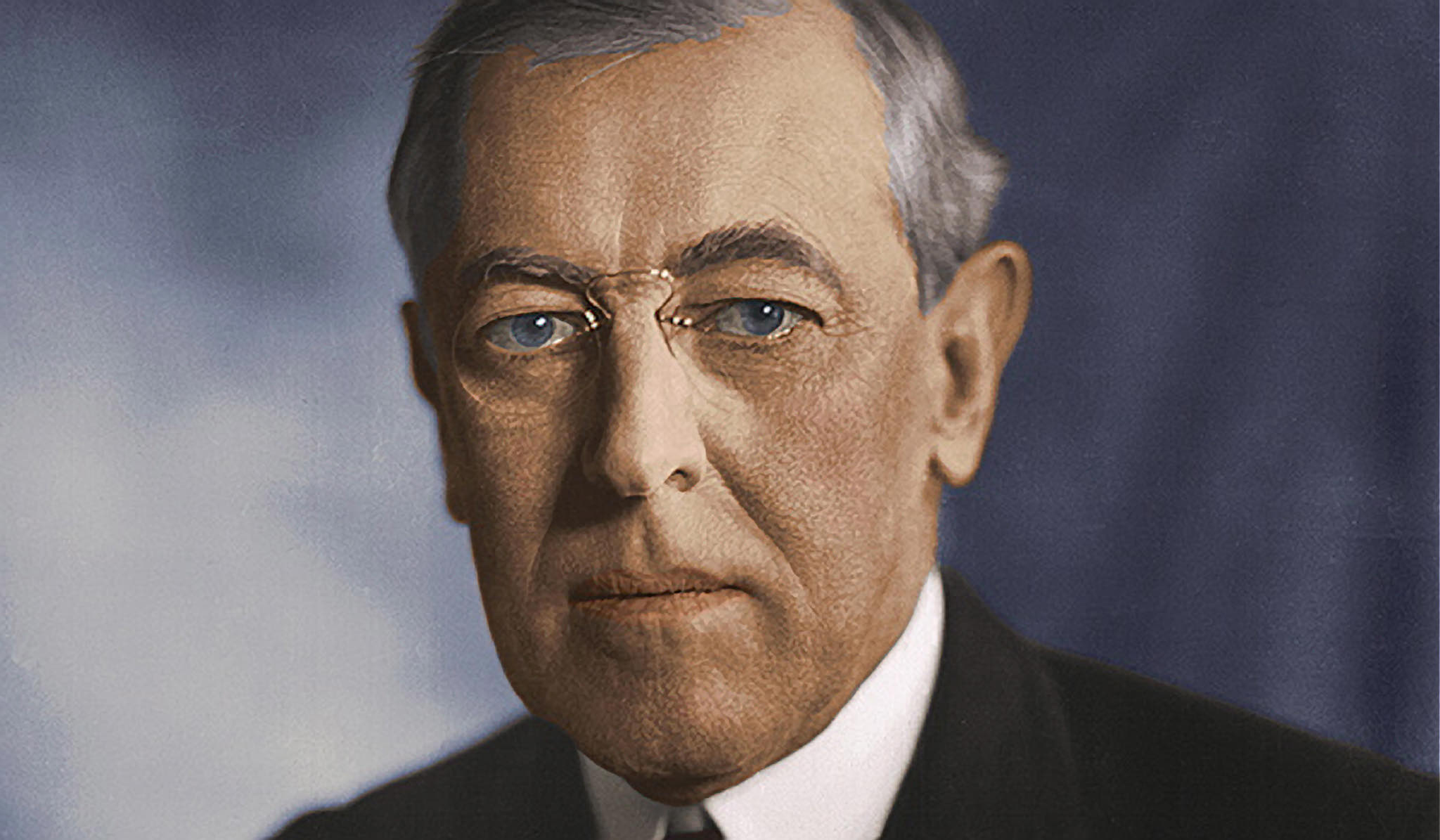
Woodrow Wilson’s intellectual leadership style was shaped by his academic background and deeply analytical approach to governance. Born in the post-Civil War South, his early life in Virginia and Georgia exposed him to the political and cultural complexities of Reconstruction-era America. Educated at Princeton and Johns Hopkins, Wilson developed a scholarly understanding of political systems, which later defined his presidency as highly ideological and reform-oriented. His personality combined academic precision with moral conviction, often framing policy as an extension of ethical governance.
Wilson’s political breakthrough came through his presidency at Princeton University and later as Governor of New Jersey, where he implemented progressive reforms that gained national attention. His election as President in 1912 marked the beginning of a transformative era in American domestic and foreign policy. The 1910s represented his peak influence, particularly through the Federal Reserve Act, antitrust legislation, and his leadership during World War I, where he positioned the United States as a global moral authority through his Fourteen Points.
Wilson’s legacy is defined by his attempt to merge idealism with institutional reform. He expanded the federal government’s role in economic regulation while also attempting to reshape global diplomacy through the League of Nations, laying the foundation for modern international governance structures.
Key Facts
- Full name of the subject: Thomas Woodrow Wilson
- Date of birth: December 28, 1856
- Place of birth: Staunton, Virginia, United States
- Family background: Southern Presbyterian family with religious and academic influence
- Early childhood experiences: Raised during Reconstruction in the American South
- Education history: Princeton University; Johns Hopkins University (PhD in Political Science)
- Influences and mentors: Enlightenment political theory, European constitutional models
- Career beginnings: Academic at Princeton; political commentator; university president
- Major achievements: 28th President of the United States; Federal Reserve System creation; WWI leadership
- Challenges and obstacles faced: World War I diplomacy, domestic opposition, health decline (stroke)
- Turning points in life: Election as Governor of New Jersey; 1912 presidential victory; WWI entry decision
- Contributions to society: Federal financial reform, international diplomacy framework
- Personal life (marriage, children, relationships): Married Ellen Wilson, later Edith Wilson; three children
- Awards and recognitions: Nobel Peace Prize (1919)
- Beliefs, values, or philosophy: Moral diplomacy, progressive reform, constitutional idealism
- Legacy and impact: Shaped global diplomacy and U.S. financial institutions
- Historical or cultural significance: Key architect of modern international relations theory
Notable Works: Federal Reserve Act, Fourteen Points, League of Nations advocacy, progressive domestic reforms
Controversies: A significant controversy in Woodrow Wilson’s presidency centers on his administration’s resegregation of federal government workplaces. The issue arose during his term when policies were implemented that reversed previous integration efforts in certain federal departments. This occurred within the broader context of early 20th-century racial segregation norms in the United States, particularly under Jim Crow laws. Key stakeholders included African American federal employees, civil rights advocates, Wilson’s cabinet officials, and federal agencies implementing policy changes.
Critics argue that these actions institutionalized racial discrimination at the federal level, undermining African American progress in civil service employment. Wilson’s administration defended the changes as administrative restructuring, though historical records and institutional accounts confirm a clear pattern of segregationist policy implementation. The controversy has been widely reassessed in modern scholarship as a regression in civil rights progress during the Progressive Era.
The long-term impact includes ongoing debate about Wilson’s legacy, particularly regarding the tension between his global democratic ideals and domestic racial policies.
6. Harry S. Truman
Harry S. Truman’s leadership identity emerged from modest beginnings, shaped by rural Missouri upbringing and early exposure to agrarian hardship. Unlike many of his predecessors, Truman lacked elite educational credentials, instead developing practical leadership skills through military service and local politics. His early career in business failed, but his resilience and reputation for integrity helped him build credibility within the Democratic political machine in Missouri.
Truman’s breakthrough came as a U.S. Senator, where he gained national recognition for his oversight of wartime production inefficiencies through the Truman Committee. His unexpected ascension to the presidency in 1945, following Franklin D. Roosevelt’s death, placed him at the center of global transformation. The late 1940s marked his peak influence as he made decisive choices that shaped the postwar world, including the use of atomic weapons in Japan, the Marshall Plan, and the establishment of NATO.
Truman’s legacy is defined by decisive leadership under uncertainty. His presidency transitioned the United States from wartime power to Cold War superpower, fundamentally shaping global geopolitical structures for decades.
Key Facts
- Full name of the subject: Harry S. Truman
- Date of birth: May 8, 1884
- Place of birth: Lamar, Missouri, United States
- Family background: Middle-class farming family
- Early childhood experiences: Rural upbringing with limited financial resources
- Education history: No college degree; attended business college briefly
- Influences and mentors: Democratic Party leaders in Missouri, military service experience
- Career beginnings: Farmer, World War I artillery officer, local judge
- Major achievements: 33rd President of the United States; Marshall Plan; NATO formation; WWII conclusion decisions
- Challenges and obstacles faced: Sudden presidency, Cold War tensions, Korean War
- Turning points in life: Truman Committee success; succession to presidency; atomic bomb decision
- Contributions to society: Postwar reconstruction, international alliances, civil rights early support
- Personal life (marriage, children, relationships): Married Bess Truman; one daughter
- Awards and recognitions: Widely recognized for decisive Cold War leadership
- Beliefs, values, or philosophy: Pragmatic decision-making, accountability, anti-communism
- Legacy and impact: Architect of post-WWII global order
- Historical or cultural significance: Key figure in Cold War establishment
Notable Works: Marshall Plan, Truman Doctrine, NATO formation, decision to end WWII in Pacific
Controversies: A major controversy surrounding Harry S. Truman involves the decision to authorize the atomic bombings of Hiroshima and Nagasaki. The issue is framed as both a military decision and a moral dilemma regarding civilian casualties. The context of the decision was the final phase of World War II, where the United States sought to compel Japan’s surrender while minimizing further Allied casualties in a potential invasion. Key stakeholders included the U.S. military leadership, Japanese government officials, Allied nations, and civilian populations in Japan.
Critics argue that the bombings resulted in unprecedented civilian devastation and raised ethical questions about nuclear warfare. Truman and his advisors maintained that the decision shortened the war and prevented even greater loss of life in a prolonged invasion. Historical and military scholarship continues to debate the necessity and proportionality of the action, with interpretations varying across ethical and strategic frameworks.
The long-term impact includes the establishment of nuclear weapons as a central element of global security strategy and ongoing ethical debates in international law and warfare.
7. John F. Kennedy
John F. Kennedy’s political identity was shaped by privilege, charisma, and a cultivated public image that blended intellectual sophistication with youthful dynamism. Born into the influential Kennedy family of Massachusetts, his early life was marked by elite education, chronic health challenges, and a strong sense of public service instilled by his father. His academic journey through Harvard University emphasized international affairs, laying the groundwork for his future foreign policy focus.
Kennedy’s political breakthrough came through his service in the U.S. House of Representatives and Senate, where he developed a reputation for articulate communication and Cold War awareness. His election as President in 1960 symbolized a generational shift in American politics. The early 1960s marked his peak influence, particularly during the Cuban Missile Crisis, the establishment of the Peace Corps, and his ambitious vision for space exploration, which culminated in the lunar mission agenda.
Kennedy’s legacy is deeply tied to his rhetorical power and symbolic leadership. Though his presidency was cut short, his administration redefined modern political communication and elevated the presidency as a global media-centered institution.
Key Facts
- Full name of the subject: John Fitzgerald Kennedy
- Date of birth: May 29, 1917
- Place of birth: Brookline, Massachusetts, United States
- Family background: Wealthy Irish-American political family
- Early childhood experiences: Privileged upbringing with health struggles and private schooling
- Education history: Harvard University
- Influences and mentors: Joseph P. Kennedy Sr., World War II naval experience, Cold War strategists
- Career beginnings: U.S. House of Representatives; U.S. Senator from Massachusetts
- Major achievements: 35th President of the United States; Cuban Missile Crisis resolution; space program expansion
- Challenges and obstacles faced: Cold War nuclear tensions, civil rights pressures, Bay of Pigs invasion failure
- Turning points in life: PT-109 wartime service; presidential election of 1960; Cuban Missile Crisis
- Contributions to society: Advancement of space exploration, civil rights advocacy groundwork
- Personal life (marriage, children, relationships): Married Jacqueline Kennedy; four children
- Awards and recognitions: Widely regarded as influential modern American leader
- Beliefs, values, or philosophy: New Frontier idealism, liberal internationalism
- Legacy and impact: Redefined modern presidential image and media politics
- Historical or cultural significance: Symbol of modern American optimism and Cold War leadership
Notable Works: Cuban Missile Crisis resolution, Peace Corps establishment, Apollo space program initiation, New Frontier policies
Controversies: A major controversy surrounding John F. Kennedy involves allegations regarding his personal relationships and their potential security implications during his presidency. The issue is framed within the broader context of Cold War espionage fears and presidential security protocols. Reports and later historical investigations have examined Kennedy’s extramarital relationships and whether they posed any vulnerability to national security, particularly in relation to individuals with potential foreign intelligence connections. Key stakeholders include Secret Service officials, intelligence agencies, political opponents, historians, and the media.
Critics argue that such relationships could have exposed the presidency to blackmail risks during a highly sensitive geopolitical era. Kennedy’s administration and supporters have maintained that no verified evidence has confirmed any direct security breach or compromise. Declassified documents and historical assessments generally indicate that while personal conduct raised concerns, no substantiated intelligence failure resulted.
The controversy continues to be debated primarily within historical and ethical discussions of presidential conduct and security standards, with emphasis on distinguishing personal life from documented national security outcomes.
8. Richard Nixon
Richard Nixon’s political identity was shaped by relentless ambition, intellectual discipline, and a deep sense of personal grievance that influenced both his rise and governance style. Born in California to a modest Quaker family, his early life was defined by economic hardship and moral rigor. He excelled academically, earning scholarships to Whittier College and Duke University School of Law, where his competitive instincts and analytical mind became central to his political identity. These formative years produced a leader who combined legal precision with political calculation.
Nixon’s breakthrough came through his service in Congress, where he gained national attention during the Alger Hiss espionage case, establishing his reputation as a determined anti-communist investigator. His ascent continued as Vice President under Dwight D. Eisenhower, where he developed foreign policy experience during the Cold War. His presidency in the late 1960s and early 1970s marked his peak influence, particularly through opening diplomatic relations with China, détente with the Soviet Union, and restructuring global geopolitical dynamics.
Nixon’s legacy is defined by paradox: significant diplomatic achievements overshadowed by the Watergate scandal. His administration reshaped international relations while simultaneously exposing vulnerabilities in executive accountability, leaving a dual imprint on modern political history.
Key Facts
- Full name of the subject: Richard Milhous Nixon
- Date of birth: January 9, 1913
- Place of birth: Yorba Linda, California, United States
- Family background: Working-class Quaker farming family
- Early childhood experiences: Raised in modest conditions with strict moral upbringing
- Education history: Whittier College; Duke University School of Law
- Influences and mentors: Cold War anti-communism ideology, Eisenhower administration
- Career beginnings: U.S. Representative; U.S. Senator; Vice President
- Major achievements: 37th President of the United States; opening relations with China; détente policy
- Challenges and obstacles faced: Watergate scandal, Vietnam War protests, political opposition
- Turning points in life: Hiss case prominence; 1968 presidential victory; resignation in 1974
- Contributions to society: Foreign policy realignment, environmental regulatory expansion (EPA creation era)
- Personal life (marriage, children, relationships): Married Pat Nixon; two daughters
- Awards and recognitions: Recognized for foreign policy achievements despite resignation
- Beliefs, values, or philosophy: Realpolitik, anti-communism, strategic diplomacy
- Legacy and impact: Transformed global diplomacy while redefining presidential accountability standards
- Historical or cultural significance: First U.S. president to resign from office
Notable Works: Opening of China relations (1972), Strategic Arms Limitation Talks (SALT I), Environmental Protection Agency establishment era policies, Vietnam War “Vietnamization”
Controversies: The central controversy surrounding Richard Nixon is the Watergate scandal, a political crisis involving a break-in at the Democratic National Committee headquarters and subsequent efforts to conceal the administration’s involvement. The issue emerged during the broader context of intense political polarization in the United States amid the Cold War and Vietnam War. Key stakeholders included Nixon’s administration officials, the Committee to Re-elect the President, investigative journalists, Congress, and the U.S. judicial system.
Critics argued that the administration engaged in obstruction of justice, abuse of executive power, and violation of democratic norms through attempts to impede investigations. Nixon and his supporters initially denied wrongdoing, but evidence from recordings and congressional hearings confirmed efforts to obstruct inquiries. The Supreme Court ultimately ordered the release of White House tapes, which played a decisive role in the unfolding of the scandal. The matter was officially concluded with Nixon’s resignation in 1974.
The impact of Watergate fundamentally transformed American political accountability, strengthening oversight mechanisms and shaping modern expectations of transparency in government.
9. Nelson Mandela
Nelson Mandela’s leadership identity was shaped by resistance, legal training, and a lifelong commitment to dismantling institutionalized racial oppression. Born into the Thembu royal family in rural South Africa, his early life combined traditional leadership expectations with exposure to colonial legal systems. Educated at Fort Hare University and later the University of Witwatersrand, Mandela developed a legal and political consciousness that positioned him at the forefront of anti-apartheid resistance. His early activism reflected a growing belief in organized political struggle as a tool for systemic change.
Mandela’s breakthrough came through his leadership role in the African National Congress (ANC), where he helped establish resistance strategies against apartheid laws. His imprisonment in 1962 became a defining turning point, transforming him into a global symbol of resistance. The decades of incarceration that followed elevated his moral authority internationally, particularly during the 1980s when global anti-apartheid movements intensified pressure on the South African government. His release in 1990 marked the beginning of a negotiated transition toward democracy.
Mandela’s legacy is defined by reconciliation and institutional transformation. As South Africa’s first Black president, he prioritized national unity over retribution, guiding the country through one of the most peaceful political transitions in modern history.
Key Facts
- Full name of the subject: Nelson Rolihlahla Mandela
- Date of birth: July 18, 1918
- Place of birth: Mvezo, Cape Province, South Africa
- Family background: Royal Thembu lineage
- Early childhood experiences: Traditional rural upbringing with tribal leadership influences
- Education history: University of Fort Hare; University of Witwatersrand (Law studies)
- Influences and mentors: African National Congress leaders, Mahatma Gandhi, anti-colonial movements
- Career beginnings: Lawyer; ANC youth activist
- Major achievements: First Black President of South Africa; dismantling apartheid system
- Challenges and obstacles faced: 27 years of imprisonment; systemic racial oppression; political negotiations
- Turning points in life: ANC leadership rise; Rivonia Trial imprisonment; 1990 release
- Contributions to society: Democratic transition in South Africa, reconciliation policies
- Personal life (marriage, children, relationships): Married Evelyn Mase and later Winnie Mandela and Graça Machel; multiple children
- Awards and recognitions: Nobel Peace Prize (1993)
- Beliefs, values, or philosophy: Reconciliation, equality, non-racial democracy
- Legacy and impact: Global symbol of justice and peaceful resistance
- Historical or cultural significance: Architect of post-apartheid South African democracy
Notable Works: Anti-apartheid activism, Rivonia Trial defense statement, presidency (1994–1999), Truth and Reconciliation support
Controversies: A major controversy surrounding Nelson Mandela involves debates over the African National Congress’s armed struggle during apartheid, particularly the use of sabotage and militant resistance tactics. The issue is framed within the broader context of systemic racial oppression in South Africa under apartheid laws, where peaceful protest had been met with violent suppression. Key stakeholders included the apartheid government, ANC leadership, international anti-apartheid movements, and global human rights organizations.
Critics of the armed struggle argued that sabotage campaigns risked civilian harm and escalated political violence. Supporters, including Mandela himself at different stages of the struggle, maintained that armed resistance became a necessary response after peaceful avenues were systematically blocked by state violence. Historical records confirm that Mandela was convicted in part for sabotage-related activities, though the ANC’s actions were widely reinterpreted later as part of a legitimate liberation movement. The controversy is now largely contextualized within anti-colonial resistance scholarship.
The long-term impact has been a global reevaluation of liberation movements, particularly how states and historians distinguish between terrorism and resistance in oppressive political systems.
10. Barack Obama
Barack Obama’s leadership identity emerged from a blend of intellectual rigor, multicultural upbringing, and a deliberate construction of a unifying political narrative. Born in Hawaii to a Kenyan father and American mother, his early life was marked by geographic and cultural diversity that shaped his worldview. Raised partly in Indonesia and later returning to the United States, Obama’s educational journey through Occidental College, Columbia University, and Harvard Law School refined his analytical and rhetorical skills, particularly in constitutional law and community organizing.
Obama’s political breakthrough came with his work as a community organizer in Chicago, followed by his rise as a civil rights lawyer and Illinois state senator. His national prominence surged after his keynote speech at the 2004 Democratic National Convention, which positioned him as a rising figure in American politics. His election as President in 2008 marked a historic milestone. The 2009–2016 period represented his peak influence, defined by the Affordable Care Act, financial crisis recovery efforts, and a foreign policy approach emphasizing multilateral diplomacy and targeted counterterrorism strategies.
Obama’s legacy is characterized by symbolic transformation and policy recalibration. His presidency reshaped expectations of leadership representation in America while navigating deeply polarized political conditions.
Key Facts
- Full name of the subject: Barack Hussein Obama II
- Date of birth: August 4, 1961
- Place of birth: Honolulu, Hawaii, United States
- Family background: Multicultural family with Kenyan and American heritage
- Early childhood experiences: Raised across Hawaii and Indonesia with diverse cultural exposure
- Education history: Occidental College; Columbia University; Harvard Law School
- Influences and mentors: Civil rights movement leaders, constitutional scholars, community organizers
- Career beginnings: Community organizer; civil rights attorney; Illinois State Senator
- Major achievements: 44th President of the United States; Affordable Care Act; economic recovery leadership
- Challenges and obstacles faced: Financial crisis aftermath, partisan polarization, foreign policy conflicts
- Turning points in life: 2004 DNC speech; 2008 presidential election victory; ACA passage
- Contributions to society: Healthcare reform, climate diplomacy, global coalition-building
- Personal life (marriage, children, relationships): Married Michelle Obama; two daughters
- Awards and recognitions: Nobel Peace Prize (2009)
- Beliefs, values, or philosophy: Progressive pragmatism, multilateralism, inclusive governance
- Legacy and impact: Redefined modern political communication and healthcare policy framework
- Historical or cultural significance: First African American President of the United States
Notable Works: Affordable Care Act, Paris Climate Agreement participation, economic stimulus response, Operation against Osama bin Laden
Controversies: A significant controversy surrounding Barack Obama involves the expansion of drone warfare policies during his administration. The issue centers on the use of unmanned aerial strikes in counterterrorism operations across multiple countries. This policy developed within the broader context of post-9/11 security strategy and efforts to dismantle terrorist networks while minimizing U.S. troop deployments. Key stakeholders included the U.S. Department of Defense, intelligence agencies, affected foreign governments, human rights organizations, and international law experts.
Critics argue that drone strikes raised concerns about civilian casualties, transparency, and the legal framework governing targeted killings outside traditional battlefields. The Obama administration defended the program as a precise counterterrorism tool that reduced risks to American personnel and disrupted extremist operations. Independent investigations and reports have varied in their estimates of civilian impact, and debates continue regarding accountability standards and oversight mechanisms.
The long-term impact of this controversy has influenced global norms around remote warfare, prompting ongoing discussions about ethics, sovereignty, and international humanitarian law.
Notable Mentions:
Winston Churchill
Angela Merkel
Dwight D. Eisenhower
Charles de Gaulle
Mahatma Gandhi