Top 10 Fitness Icons
Top 10 Fitness Icons
In This Content
1. ARNOLD SCHWARZENEGGER
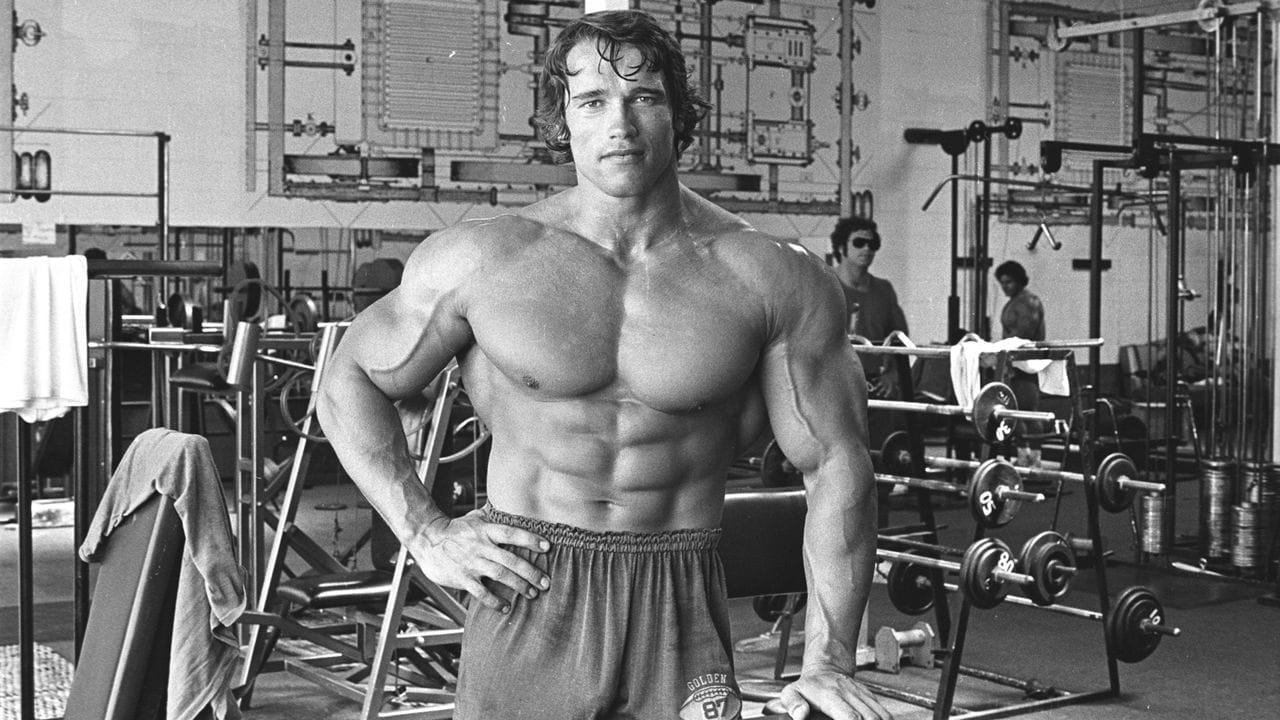
Arnold Schwarzenegger’s evolution into a global fitness icon is inseparable from a life defined by discipline, ambition, and relentless self-reinvention. Born in Thal, Austria, in 1947, he grew up in a strict household where structure and authority shaped his early worldview. His introduction to physical training came through weightlifting as a teenager, a discipline that quickly became both escape and identity. In a small European village with limited opportunity, bodybuilding became his pathway to global possibility.
Schwarzenegger began his career as a competitive bodybuilder in the 1960s, entering European competitions before moving to the United States. His early training was marked by extreme dedication and an almost scientific approach to muscle development, where he treated bodybuilding not as a sport alone but as engineered performance art. His relocation to America was a turning point that exposed him to larger platforms and more competitive arenas.
His breakthrough came with multiple Mr. Olympia titles in the 1970s, where his physique, symmetry, and stage presence redefined bodybuilding aesthetics. Unlike his peers, Schwarzenegger understood performance psychology, using charisma and theatrical posing to elevate bodybuilding into a mainstream spectacle. This period established him as the global face of modern fitness culture.
By the 1990s, Schwarzenegger had transitioned into Hollywood stardom while maintaining his identity as the ultimate fitness authority. His legacy is defined by the fusion of physical excellence, entertainment, and motivational influence, making him the blueprint for modern fitness celebrity culture worldwide.
Key Facts
- Full name of the subject: Arnold Alois Schwarzenegger
- Date of birth: 30 July 1947
- Place of birth: Thal, Styria, Austria
- Family background: Strict working-class Austrian household
- Early childhood experiences: Exposure to disciplined upbringing and military-style authority
- Education history: Self-educated in fitness and bodybuilding; business studies in the U.S.
- Influences and mentors: Reg Park, bodybuilding pioneers
- Career beginnings: Competitive bodybuilding in Europe
- Major achievements: Multiple Mr. Olympia titles, Hollywood success
- Challenges and obstacles faced: Language barriers and cultural transition to the U.S.
- Turning points in life: Winning Mr. Olympia and moving to America
- Contributions to society: Fitness advocacy and public health campaigns
- Personal life (marriage, children, relationships): Married with children
- Awards and recognitions: Mr. Olympia titles, Hollywood honours
- Beliefs, values, or philosophy: Discipline, consistency, and self-transformation
- Legacy and impact: Global symbol of bodybuilding excellence
- Historical or cultural significance: Popularized bodybuilding worldwide
Notable Works: Mr. Olympia titles, Pumping Iron, Terminator franchise, Total Recall, Predator
Controversies:
Criticism over the performance-enhancing drug culture in the bodybuilding era
Political controversies during the governorship of California
Public scrutiny of personal relationships during marriage
Debates over the representation of bodybuilding as an extreme physical standard.
2. JANE FONDA
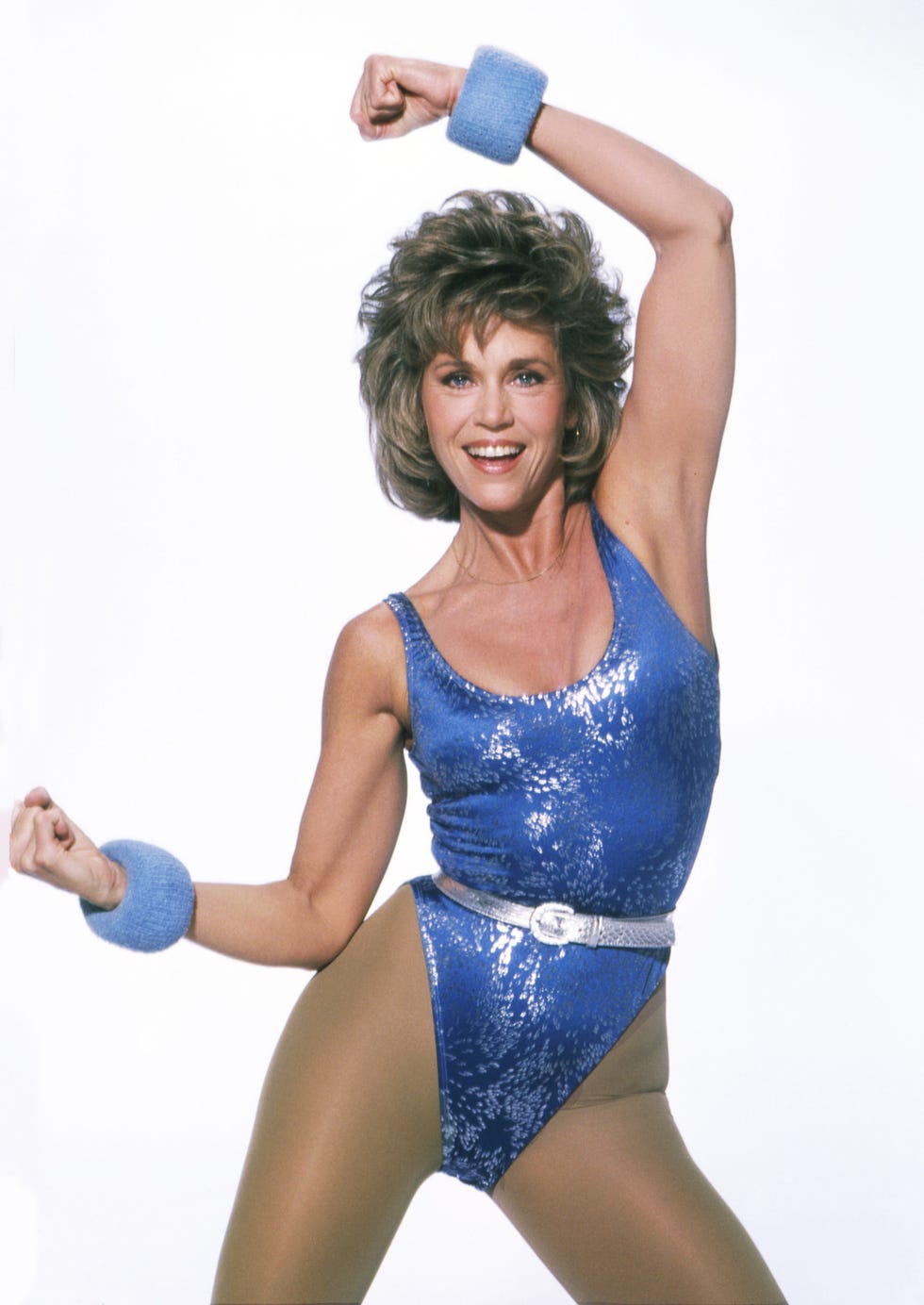
Jane Fonda’s reinvention as a fitness icon is rooted in a dramatic transformation from Hollywood actress to global wellness authority. Born in New York City in 1937 into a prominent acting family, she grew up in the shadow of her father, Henry Fonda, whose disciplined acting style influenced her early artistic identity. Her early exposure to performance art shaped her understanding of physical expression as a form of storytelling.
Fonda began her career as an actress in the late 1950s, initially gaining attention for her screen presence and emotional versatility. However, it was her shift toward socially conscious roles in the 1970s that broadened her public identity beyond entertainment. During this period, she also began to explore physical fitness as part of personal discipline and political activism.
Her breakthrough in fitness came in the 1980s with the release of her aerobic workout videos, which revolutionized home exercise culture. These programs combined accessibility with structured fitness methodology, making exercise a mainstream household practice for millions of people worldwide. Her approach emphasized consistency, rhythm, and empowerment.
By the 1990s, Fonda had become a global fitness authority, expanding into wellness advocacy and ageing health education. Her legacy lies in transforming fitness into a culturally accessible practice and redefining how women engage with physical health across generations.
Key Facts
- Full name of the subject: Lady Jayne Seymour Fonda
- Date of birth: 21 December 1937
- Place of birth: New York City, USA
- Family background: Hollywood acting family
- Early childhood experiences: Exposure to performance arts and discipline
- Education history: Vassar College; acting training in Europe
- Influences and mentors: Henry Fonda, European theatre traditions
- Career beginnings: Film actress in Hollywood
- Major achievements: Pioneer of home fitness video industry
- Challenges and obstacles faced: Public scrutiny and political activism backlash
- Turning points in life: Release of Jane Fonda’s Workout series
- Contributions to society: Fitness accessibility and wellness awareness
- Personal life (marriage, children, relationships): Married multiple times, children
- Awards and recognitions: Academy Awards, fitness industry honours
- Beliefs, values, or philosophy: Holistic health and empowerment
- Legacy and impact: Redefined global home fitness culture
- Historical or cultural significance: Feminist fitness movement icon
Notable Works: Jane Fonda Workout Series, Klute, Coming Home, Grace and Frankie, Barbarella
Controversies:
Political activism during the Vietnam War era
Public criticism in the United States during 1970s
Media scrutiny over workout commercialization
Debates over public image shift across decades.
3. JACK LA LANNE
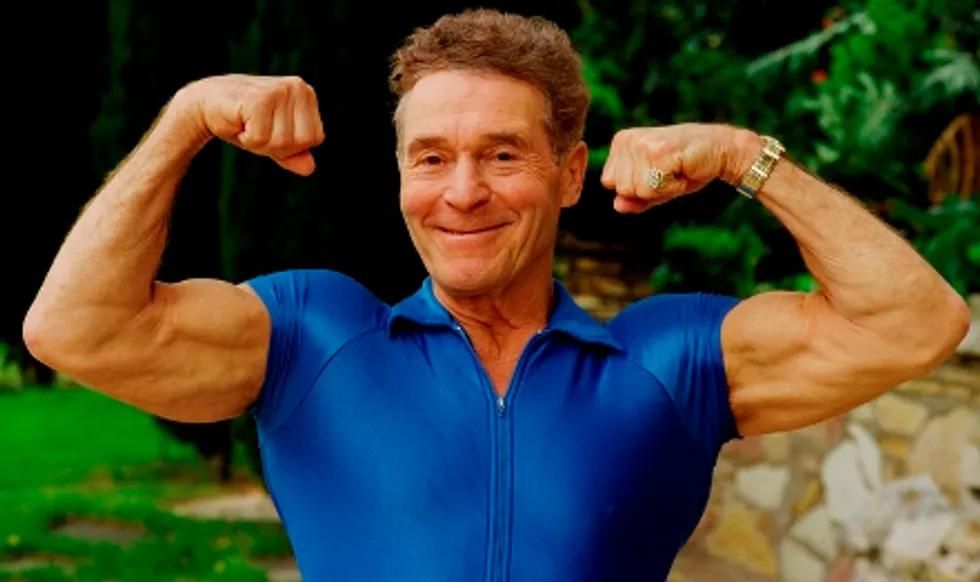
Jack LaLanne is widely regarded as the founding father of modern fitness culture, a figure whose lifelong mission transformed exercise from a niche discipline into a mainstream health philosophy. Born in San Francisco in 1914, he grew up in a household where poor diet and illness were common, shaping his early awareness of physical health as a matter of survival. His transformation began after attending a lecture on nutrition and bodily health that reshaped his life trajectory.
LaLanne began his career opening one of the first modern fitness gyms in the United States during the 1930s. At a time when exercise was not widely accepted, he promoted structured resistance training, nutrition, and disciplined living. His early ideas were often dismissed by medical professionals, but he persisted in advocating for physical transformation through regular exercise.
His breakthrough came on television, where he hosted one of the first fitness programs broadcast nationally. His energetic demonstrations and practical routines made fitness accessible to everyday Americans, breaking cultural resistance toward exercise and physical training. His influence expanded across decades as he became a symbol of longevity and vitality.
By the 1990s, LaLanne was celebrated as a living embodiment of lifelong fitness. His legacy is defined by pioneering the modern health movement, proving that disciplined exercise and nutrition could extend quality of life well into old age.
Key Facts
- Full name of the subject: Francois Henri “Jack” LaLanne
- Date of birth: 26 September 1914
- Place of birth: San Francisco, California, USA
- Family background: French-American working-class family
- Early childhood experiences: Health struggles and dietary issues
- Education history: Self-educated in nutrition and physical training
- Influences and mentors: Nutrition science pioneers, bodybuilding early adopters
- Career beginnings: Fitness gym founder and trainer
- Major achievements: Pioneer of the televised fitness movement
- Challenges and obstacles faced: Skepticism from the medical community
- Turning points in life: Launch of national fitness television program
- Contributions to society: Promoted preventive health and exercise culture
- Personal life (marriage, children, relationships): Married with children
- Awards and recognitions: Fitness industry pioneer honours
- Beliefs, values, or philosophy: Discipline, nutrition, and lifelong exercise
- Legacy and impact: Father of the modern fitness movement
- Historical or cultural significance: Introduced exercise to the mass media
Notable Works: Jack LaLanne Show, fitness equipment innovations, gym systems, nutritional advocacy, motivational health lectures
Controversies:
Criticism from the early medical establishment regarding exercise claims
Debates over commercial fitness equipment promotion
Skepticism of extreme longevity health demonstrations
No major scandal recorded
4. RICHARD SIMEON “RICHARD” SIMMONS
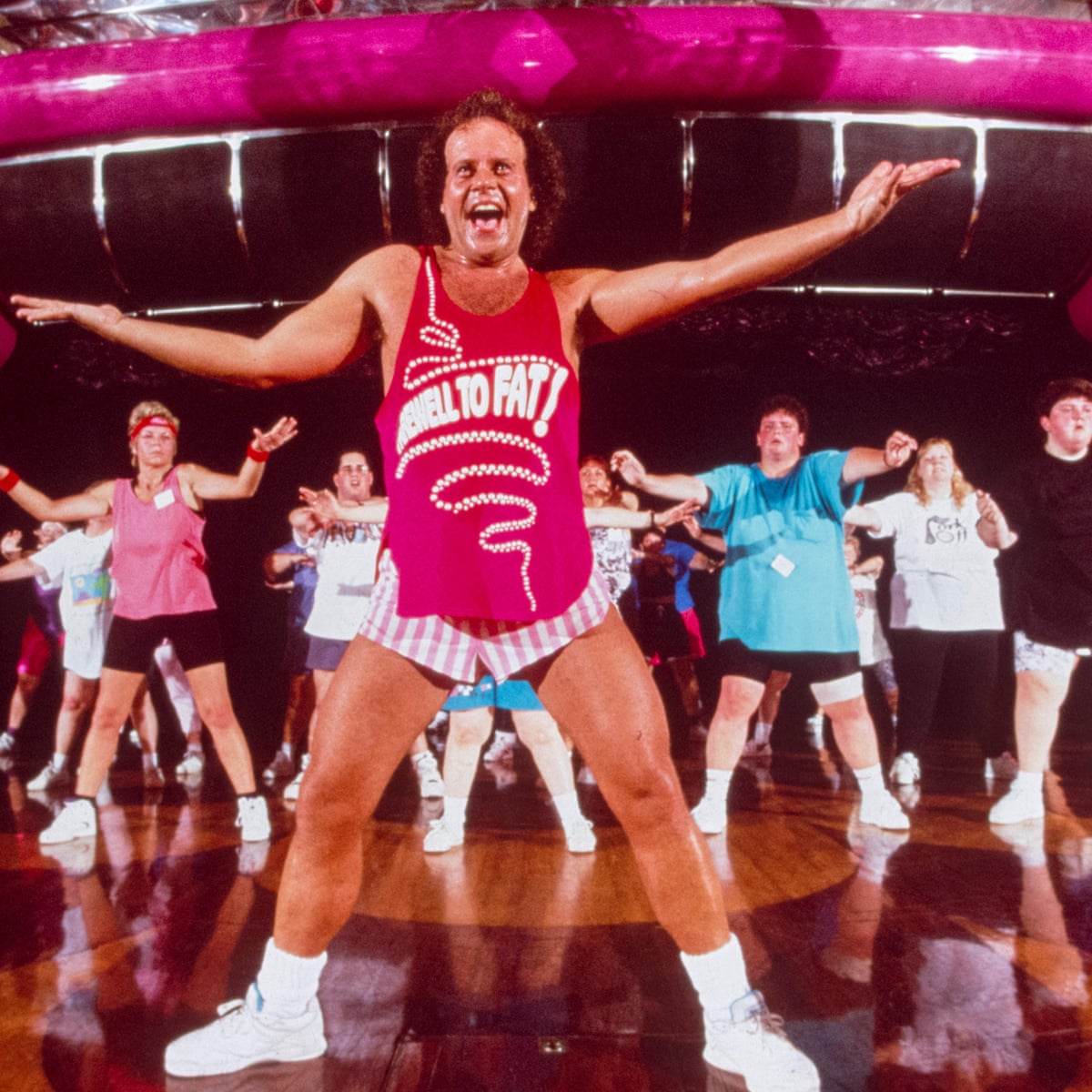
Richard Simmons emerged as one of the most recognizable and emotionally engaging fitness personalities in modern media, redefining exercise culture through charisma, empathy, and accessibility. Born in New Orleans in 1948, he grew up in a supportive but image-conscious household that later influenced his understanding of body confidence and self-esteem. His early struggles with weight shaped both his personal identity and his lifelong mission to make fitness inclusive.
Simmons began his career working in hospitality and later in small fitness-related ventures in Los Angeles, where he observed how traditional gyms excluded individuals who felt intimidated or marginalized. His early work focused on creating welcoming environments for people who had been neglected by mainstream fitness culture, emphasizing emotional encouragement alongside physical training.
His breakthrough came in the late 1970s and 1980s with the opening of his Beverly Hills fitness studio and his subsequent television appearances. Unlike conventional fitness instructors, Simmons combined high-energy routines with humour, emotional support, and motivational communication, turning exercise into a joyful and socially engaging experience. This approach revolutionized how fitness was marketed to everyday audiences.
By the 1990s, Simmons had become a cultural phenomenon through home workout videos and televised fitness programs. His legacy is defined by emotional accessibility in fitness culture, proving that transformation begins with self-acceptance and encouragement rather than intimidation or elitism.
Key Facts
- Full name of the subject: Milton Teagle “Richard” Simmons
- Date of birth: 12 July 1948
- Place of birth: New Orleans, Louisiana, USA
- Family background: Middle-class Southern American family
- Early childhood experiences: Struggled with weight and self-image issues
- Education history: Florida State University; art studies background
- Influences and mentors: Early nutrition advocates and wellness educators
- Career beginnings: Restaurant work and small-scale fitness instruction
- Major achievements: Revolutionized inclusive fitness culture
- Challenges and obstacles faced: Body image struggles and public criticism
- Turning points in life: Opening of Beverly Hills fitness studio
- Contributions to society: Promoted body positivity in fitness
- Personal life (marriage, children, relationships): Never married, no children
- Awards and recognitions: Fitness advocacy awards, media recognition
- Beliefs, values, or philosophy: Fitness should be joyful and inclusive
- Legacy and impact: Humanized global fitness culture
- Historical or cultural significance: Pioneer of body-positive fitness movement
Notable Works: Sweatin’ to the Oldies series, The Richard Simmons Show, Deal-a-Meal program, fitness DVDs, motivational speaking tours
Controversies:
Intense media speculation about private life and public withdrawal
Criticism of the highly emotional fitness presentation style
Rumours and misinformation about personal reclusiveness
Debates over commercialization of emotional fitness branding
5. JILLIAN MICHAELS
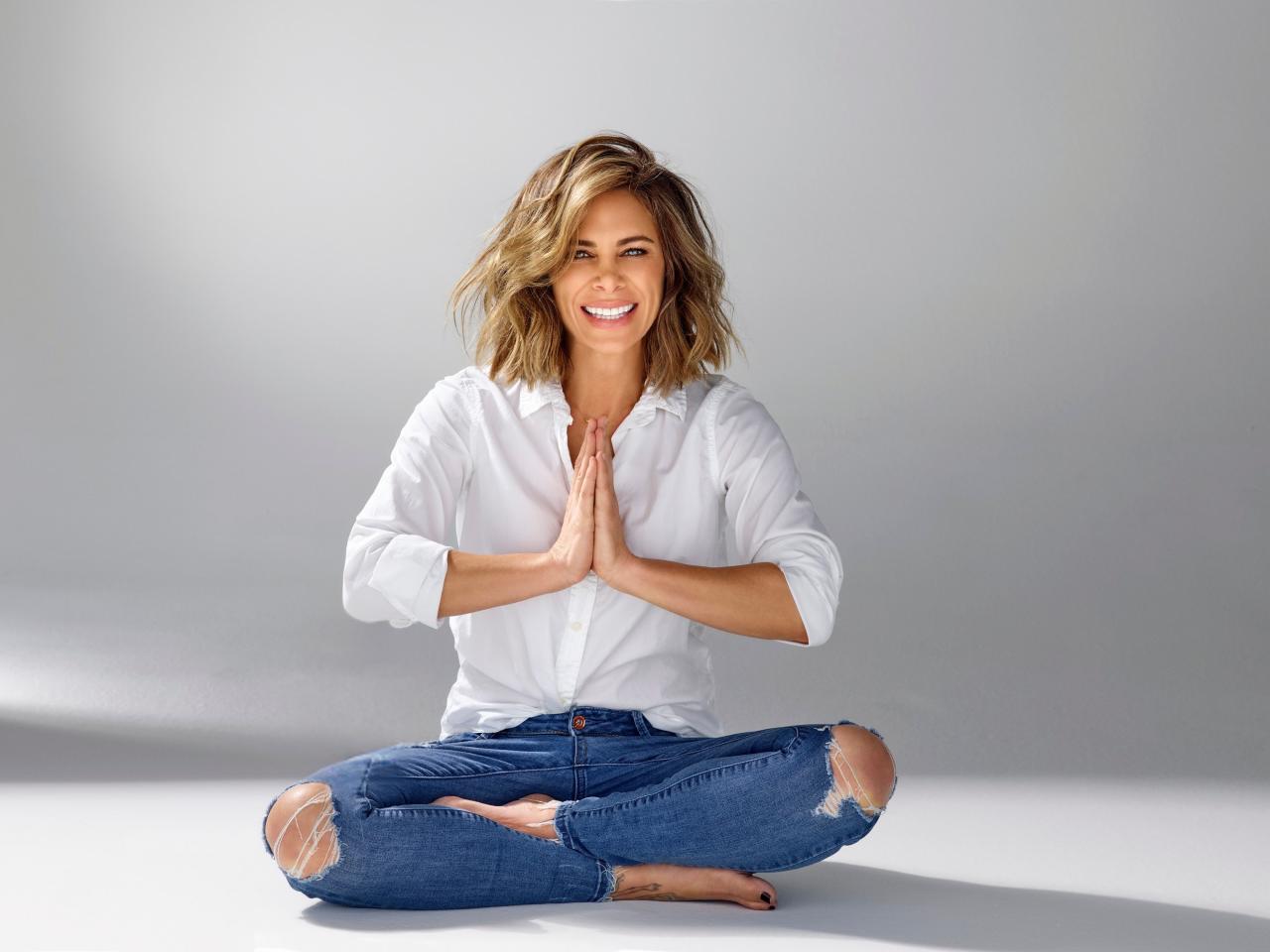
Jillian Michaels emerged as a dominant force in modern fitness culture, transforming personal training into a globally accessible digital industry. Born in Los Angeles in 1974, she grew up in a household marked by emotional and financial instability, which later influenced her intense and disciplined approach to health and fitness. Her early struggles with weight and identity became central to her transformation philosophy.
Michaels began her career as a personal trainer in Los Angeles gyms, where she quickly developed a reputation for combining physical rigour with psychological motivation. Her early approach emphasized behavioral change alongside exercise, positioning fitness as a mental and emotional discipline rather than purely physical activity.
Her breakthrough came through television, particularly as a trainer on The Biggest Loser, where her direct coaching style gained national attention. Her presence helped redefine reality fitness programming, blending dramatic personal transformation narratives with structured training systems.
By the 1990s and into the 2000s, Michaels had become a leading fitness entrepreneur, expanding into apps, DVDs, and global wellness platforms. Her legacy is defined by the integration of fitness, psychology, and digital accessibility in modern health culture.
Key Facts
- Full name of the subject: Jillian Michaels
- Date of birth: 18 February 1974
- Place of birth: Los Angeles, California, USA
- Family background: Middle-class American family
- Early childhood experiences: Struggled with weight and self-esteem challenges
- Education history: California State University (studies in psychology and fitness)
- Influences and mentors: Sports science, behavioral psychology experts
- Career beginnings: Personal trainer in Los Angeles gyms
- Major achievements: Global fitness media personality
- Challenges and obstacles faced: Early career instability and personal health struggles
- Turning points in life: Casting on The Biggest Loser
- Contributions to society: Fitness education and wellness accessibility
- Personal life (marriage, children, relationships): Partnered, children
- Awards and recognitions: Fitness industry awards, media honors
- Beliefs, values, or philosophy: Discipline, accountability, behavioral transformation
- Legacy and impact: Modernized digital fitness coaching
- Historical or cultural significance: Reality TV fitness revolution figure
Notable Works: The Biggest Loser, 30 Day Shred, Body Revolution, Fitness App programs, Empowered wellness books
Controversies:
Criticism over the aggressive coaching style on television
Debates regarding weight-loss methods on reality TV
Public scrutiny of fitness safety claims in media programs
Industry disagreements over fitness commercialization approaches.
6. CHRIS POWELL
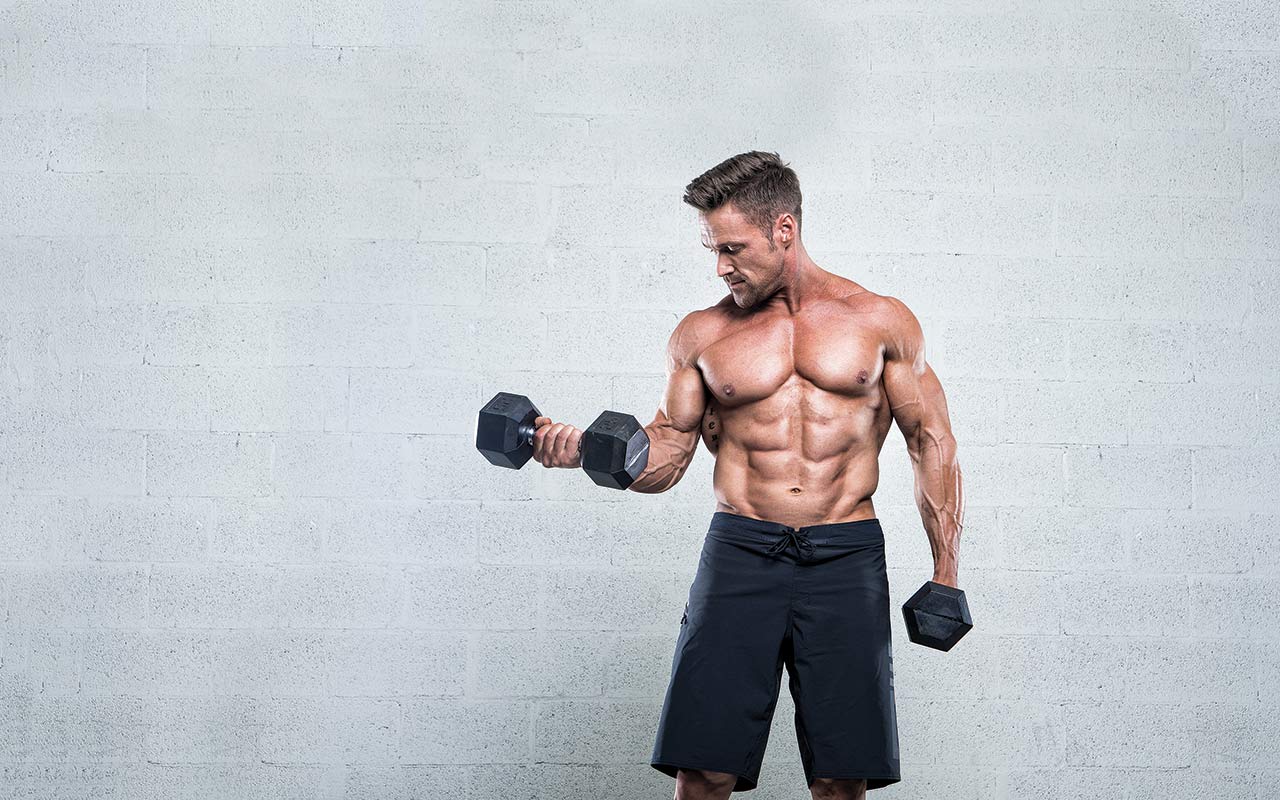
Chris Powell rose as one of the most influential transformation coaches in modern fitness media, known for his structured approach to long-term body and lifestyle change. Born in Phoenix, Arizona, in 1980, he grew up in an environment that valued athletic participation and physical discipline, shaping his early interest in sports performance and conditioning.
Powell began his career as a personal trainer specializing in behavioral transformation and weight-loss coaching. His early methodology focused on incremental lifestyle restructuring rather than rapid physical change, distinguishing him from more intensity-driven fitness personalities. This approach emphasized sustainability and psychological resilience.
His breakthrough came with the television series Extreme Weight Loss, where he guided individuals through year-long transformation journeys. The show highlighted not only physical change but emotional recovery, discipline, and identity rebuilding, positioning Powell as a mentor figure in fitness storytelling.
By the 1990s and early 2000s, Powell had become a recognized voice in lifestyle transformation coaching. His legacy lies in redefining fitness as a holistic journey that integrates mental health, emotional support, and long-term behavioral change.
Key Facts
- Full name of the subject: Christopher Russell Powell
- Date of birth: 2 March 1980
- Place of birth: Phoenix, Arizona, USA
- Family background: Middle-class American family
- Early childhood experiences: Athletic upbringing and sports participation
- Education history: Exercise science and fitness certification programs
- Influences and mentors: Sports psychology and endurance training experts
- Career beginnings: Personal trainer and fitness coach
- Major achievements: Host of Extreme Weight Loss
- Challenges and obstacles faced: Early career building client base and credibility
- Turning points in life: Television coaching platform success
- Contributions to society: Long-term fitness transformation advocacy
- Personal life (marriage, children, relationships): Married with children
- Awards and recognitions: Fitness coaching awards and media recognition
- Beliefs, values, or philosophy: Sustainable transformation through discipline and mindset
- Legacy and impact: Popularized long-term transformation fitness coaching
- Historical or cultural significance: Reality fitness transformation movement
Notable Works: Extreme Weight Loss, transformation coaching programs, fitness books, online coaching platforms, motivational speaking
Controversies:
Criticism of reality TV’s emotional pressure dynamics
Debates over weight-loss speed expectations
Media scrutiny of transformation methods shown on television
General skepticism about the sustainability of televised fitness results.
7. CHUCK NORRIS
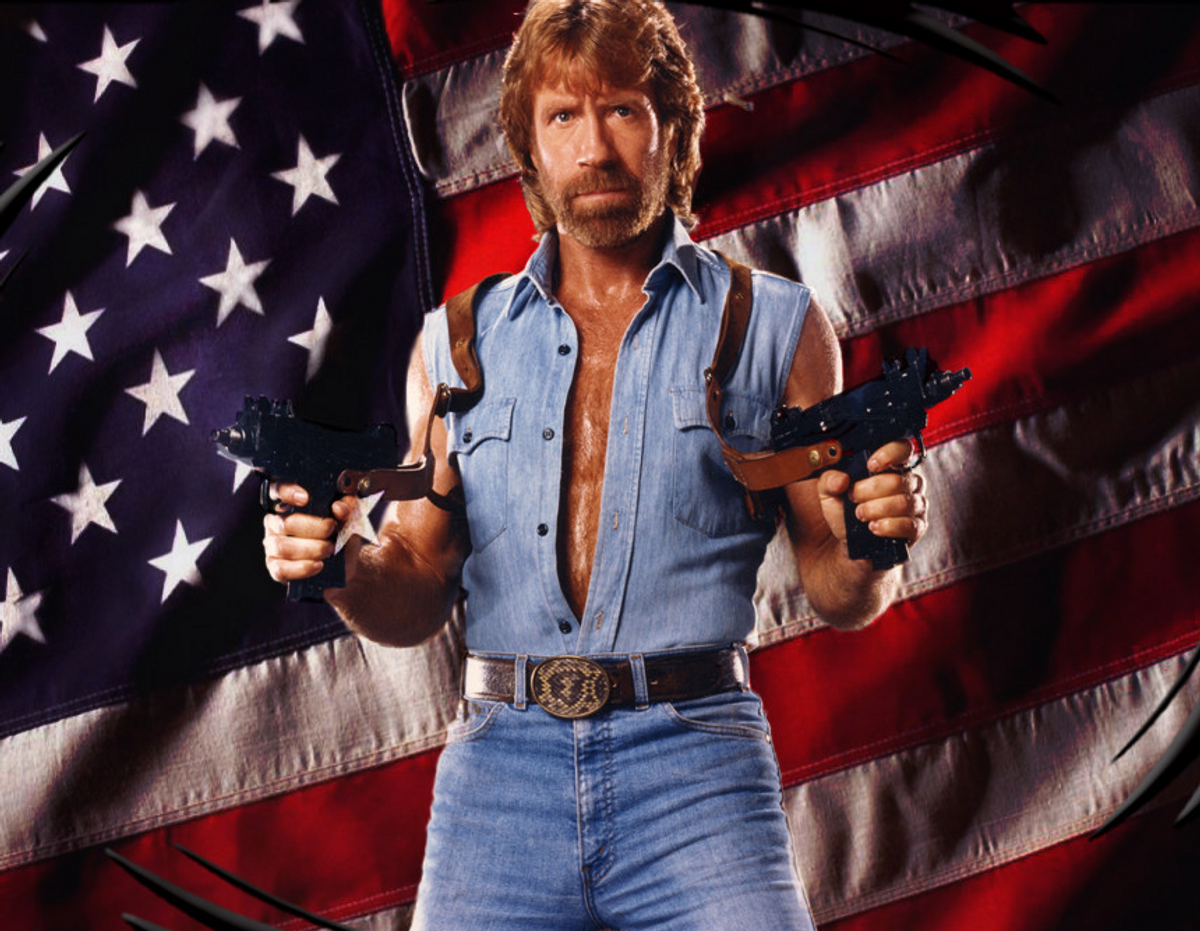
Chuck Norris emerged as a fitness icon through the convergence of martial discipline, physical conditioning, and cinematic presence that transformed him into a global symbol of strength and endurance. Born in Ryan, Oklahoma, in 1940, he grew up in a modest working-class family where instability and financial hardship shaped his early resilience. His youth was marked by self-doubt and a lack of direction until he discovered martial arts during his military service.
He began his career in the United States Air Force, where he was introduced to martial arts training while stationed in South Korea. This exposure became the foundation of his physical and philosophical transformation. After returning to the United States, he pursued competitive martial arts, gradually building a reputation as a disciplined and technically precise fighter.
His breakthrough came in the 1970s when he became a karate world champion and later transitioned into action cinema. His screen persona reinforced his real-life martial discipline, projecting controlled strength, precision, and stoic endurance. Unlike traditional athletes, Norris bridged the gap between combat sports and fitness culture, making martial arts training globally aspirational.
By the 1990s, Norris had evolved into a cultural fitness symbol, representing discipline-driven strength and functional physical conditioning. His legacy is defined by the integration of martial arts philosophy into mainstream fitness culture and the elevation of combat training as a lifestyle discipline.
Key Facts
- Full name of the subject: Carlos Ray “Chuck” Norris
- Date of birth: 10 March 1940
- Place of birth: Ryan, Oklahoma, USA
- Family background: Working-class American family
- Early childhood experiences: Shyness and low confidence during early years
- Education history: Military training and martial arts academies
- Influences and mentors: Korean martial arts masters, military discipline
- Career beginnings: United States Air Force serviceman and martial artist
- Major achievements: World karate champion and action film star
- Challenges and obstacles faced: Early confidence struggles and career uncertainty
- Turning points in life: Training in martial arts during military service
- Contributions to society: Martial arts education and fitness advocacy
- Personal life (marriage, children, relationships): Married with children
- Awards and recognitions: Martial arts hall of fame honors
- Beliefs, values, or philosophy: Discipline, self-control, and resilience
- Legacy and impact: Popularized martial arts fitness culture globally
- Historical or cultural significance: Icon of action-era physical discipline
Notable Works: Walker, Texas Ranger, The Way of the Dragon, Missing in Action, Delta Force, martial arts training programs
Controversies:
Criticism over exaggerated media portrayal of invincibility
Political commentary sparking public debate
Misinformation and internet meme culture distortion of persona
Limited scrutiny over commercialization of martial arts branding.
8. TAE BO (BILLY BLANKS)
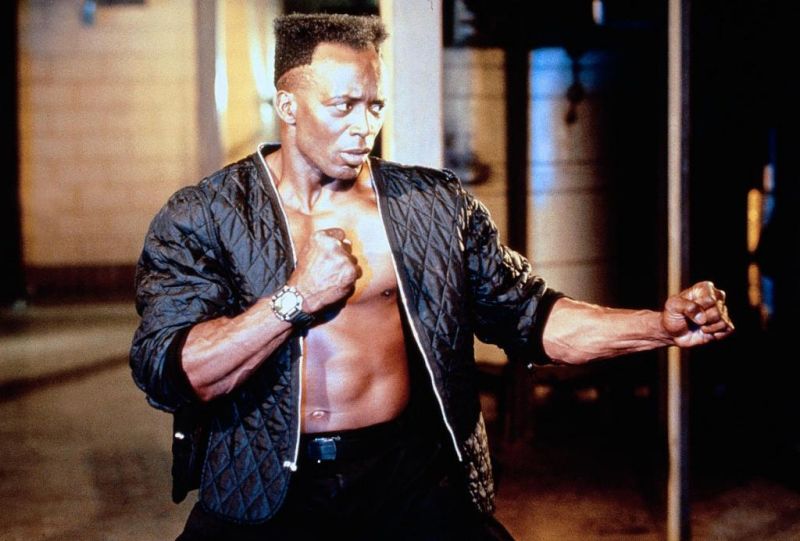
Billy Blanks, the creator of Tae Bo, revolutionized fitness culture by merging martial arts, dance, and aerobic conditioning into a high-intensity workout system that defined 1990s home fitness. Born in Erie, Pennsylvania, in 1955, he grew up in a large working-class family where physical activity and discipline were central survival tools. Early challenges with learning difficulties and physical coordination shaped his determination to build confidence through movement.
Blanks began his career as a martial artist and competitive fighter, training in multiple disciplines while refining his physical and mental endurance. His early career was marked by brief competitive appearances and instructional roles, during which he began experimenting with combining rhythmic movement and combat techniques.
His breakthrough came in the late 1980s and early 1990s when he developed Tae Bo, a hybrid fitness system that combined Taekwondo, boxing, and aerobic exercise. The program gained massive popularity through VHS tapes and television infomercials, making high-intensity fitness accessible to millions of households worldwide.
By the 1990s, Tae Bo became a global fitness phenomenon, reshaping how people approached home workouts. Blanks’ legacy lies in democratizing high-energy fitness and bridging martial arts discipline with mainstream exercise culture.
Key Facts
- Full name of the subject: Billy Wayne Blanks
- Date of birth: 1 September 1955
- Place of birth: Erie, Pennsylvania, USA
- Family background: Large working-class family
- Early childhood experiences: Learning challenges and physical coordination struggles
- Education history: Martial arts training institutions
- Influences and mentors: Taekwondo masters, boxing trainers
- Career beginnings: Martial artist and fitness instructor
- Major achievements: Creator of Tae Bo fitness system
- Challenges and obstacles faced: Early financial struggles and industry skepticism
- Turning points in life: Launch of Tae Bo workout program
- Contributions to society: Made fitness accessible through home workouts
- Personal life (marriage, children, relationships): Married with children
- Awards and recognitions: Fitness innovation awards
- Beliefs, values, or philosophy: Discipline through movement and repetition
- Legacy and impact: Pioneer of high-intensity home fitness culture
- Historical or cultural significance: 1990s home workout revolution figure
Notable Works: Tae Bo workout series, VHS fitness programs, infomercial fitness campaigns, martial arts demonstrations, fitness training seminars
Controversies:
Criticism of exaggerated fitness marketing claims
Debates over workout safety for beginners
Commercialization of martial arts techniques
Media skepticism toward infomercial fitness culture.
9. SIMONE BILES
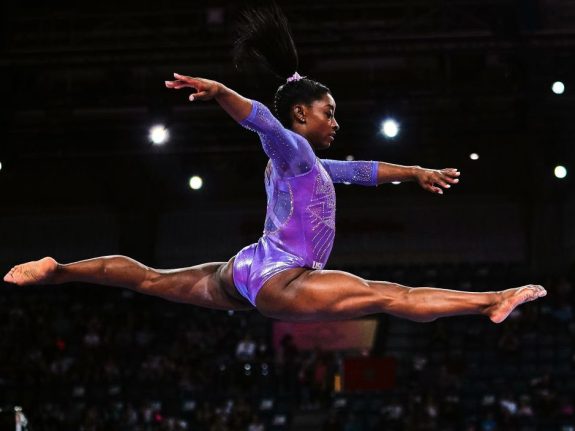
Simone Biles represents the modern evolution of fitness excellence, where physical mastery is inseparable from mental strength, discipline, and psychological resilience. Born in Columbus, Ohio, in 1997, she experienced early instability in her childhood before being adopted by her grandparents, who provided the structure and support necessary for her development. Her early exposure to gymnastics revealed exceptional natural athletic ability combined with extraordinary spatial awareness.
Biles began her career in competitive gymnastics at a young age, quickly rising through junior ranks due to her explosive power, precision, and technical innovation. Her training emphasized not only physical conditioning but also mental preparation, allowing her to perform highly complex routines under extreme competitive pressure.
Her breakthrough came in the 2016 Olympics, where she dominated international competition and redefined gymnastics standards with unprecedented difficulty levels. Her performances established her as one of the greatest gymnasts in history, transforming global expectations of female athletic performance.
By the 2020s, Biles expanded her legacy beyond medals, becoming a leading advocate for mental health in sports. Her decision to prioritize psychological well-being during competition shifted global conversations around athlete safety and long-term health, redefining what strength means in modern fitness culture.
Key Facts
- Full name of the subject: Simone Arianne Biles
- Date of birth: 14 March 1997
- Place of birth: Columbus, Ohio, USA
- Family background: Early childhood instability, later adopted by grandparents
- Early childhood experiences: Introduced to gymnastics through daycare program
- Education history: Homeschooled during elite training
- Influences and mentors: Coaches Aimee Boorman and Laurent Landi
- Career beginnings: Junior gymnastics competitions
- Major achievements: Multiple Olympic and World Championship medals
- Challenges and obstacles faced: Mental health pressures in elite competition
- Turning points in life: 2016 Olympic breakthrough
- Contributions to society: Mental health advocacy in sports
- Personal life (marriage, children, relationships): Married
- Awards and recognitions: Olympic gold medals, global sports honors
- Beliefs, values, or philosophy: Balance of physical excellence and mental wellness
- Legacy and impact: Redefined elite athletic standards in gymnastics
- Historical or cultural significance: Icon of modern athletic mental health awareness
Notable Works: Olympic performances, World Championship routines, gymnastics skill innovations (Biles moves), mental health advocacy campaigns, sports documentaries
Controversies:
Debate over withdrawal from events during Tokyo 2020 Olympics
Public scrutiny regarding athlete mental health decisions
Media pressure and performance expectations discussions
Misinterpretation of competitive withdrawal as controversy rather than health prioritization.
10. Bruce Lee
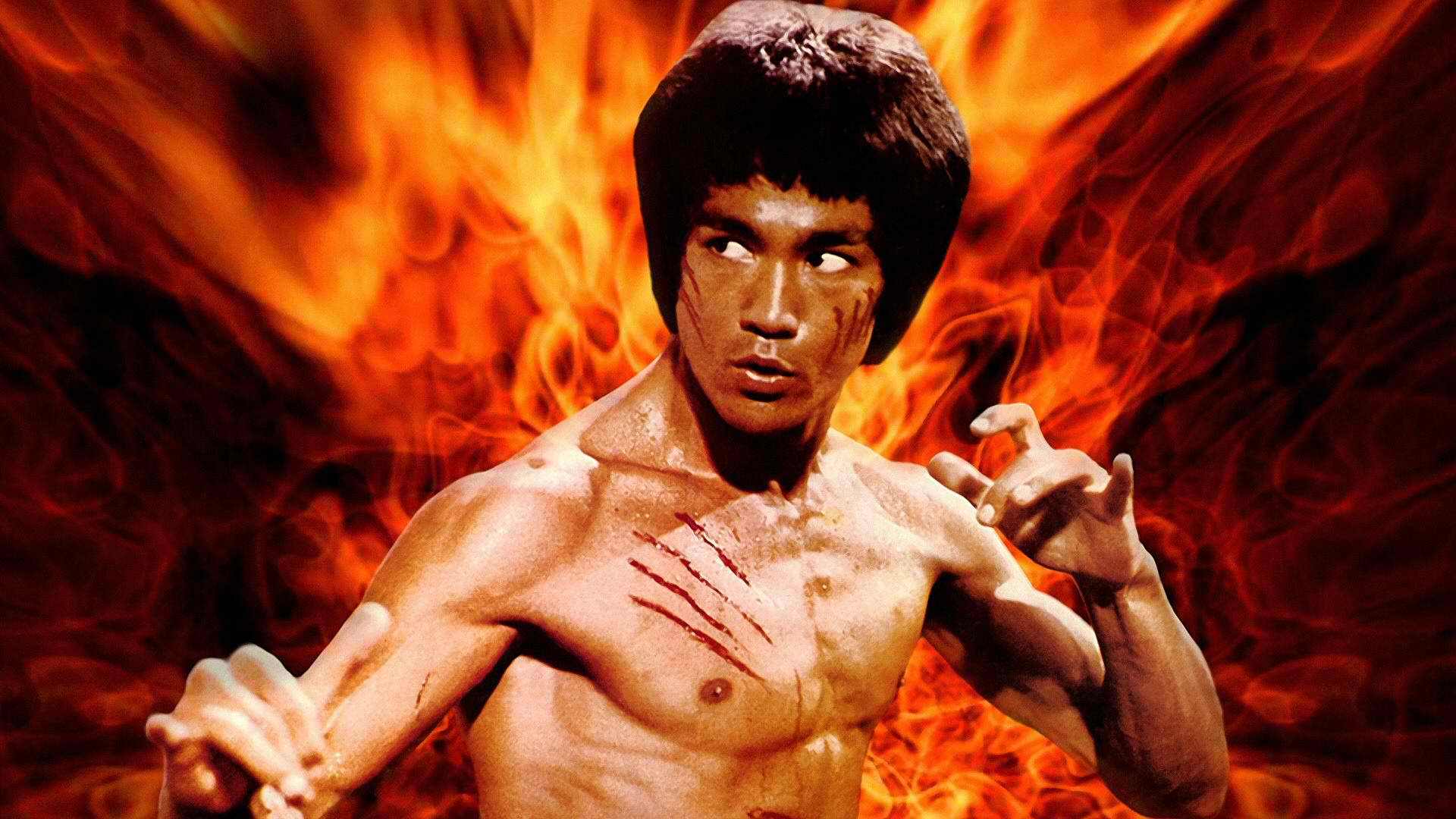
Bruce Lee is often remembered as a martial arts legend, but behind the cinematic image was a deeply disciplined athlete who treated his body as a constantly evolving experiment in human performance.
Born Lee Jun-fan on November 27, 1940, in San Francisco, and raised in Hong Kong, Bruce Lee grew up moving between cultures, languages, and identities. His early exposure to martial arts came through traditional Wing Chun training under Ip Man, but even in his youth, he was less interested in preserving tradition than in testing what actually worked.
That mindset shaped everything about his physical development.
In his early years as a martial artist, Lee trained in structured, traditional ways—forms, drills, and repetition. But as he matured, especially after moving to the United States, he began questioning rigid systems. This shift eventually led him to develop his own philosophy: Jeet Kune Do, a style built on efficiency, adaptability, and directness rather than fixed techniques.
His fitness journey was not about size alone—it was about function.
Lee was known for an exceptionally lean physique, especially at a time when many fighters and actors favored bulk. He prioritized speed, flexibility, and explosive power. His training combined strength work, endurance conditioning, martial practice, and intense focus on body awareness.
A typical Bruce Lee fitness philosophy included:
- High-intensity bodyweight training
- Heavy bag and speed bag work
- Road running for endurance
- Core-focused conditioning
- Flexibility and mobility drills
- Constant refinement of technique efficiency
He also incorporated weight training, which was controversial in martial arts circles at the time. Lee rejected the idea that lifting weights would make a fighter “slow.” Instead, he used weights strategically—focusing on strength without sacrificing speed. His approach helped challenge outdated training beliefs in martial arts communities.
By the late 1960s and early 1970s, his physique had become iconic: extremely low body fat, visible muscular definition, and explosive athletic capability. He famously emphasized that “the body should be an instrument,” meaning it should be trained for precision and control rather than appearance alone.
His philosophy extended beyond physical exercise into nutrition and recovery. Lee was known to pay attention to diet quality, favouring high-protein foods, natural ingredients, and avoiding excess processed meals. He also studied biomechanics, anatomy, and even philosophy, blending science with martial practice.
This integration of mind and body became central to his identity.
In films like Enter the Dragon, his physical abilities were not just performance—they reflected years of deliberate conditioning. His movements were economical, fast, and precise, reflecting his belief that “simplicity is the shortest distance between two points.”
Tragically, Bruce Lee’s life was cut short on July 20, 1973, in Hong Kong, but his influence on fitness and martial arts has only grown. Modern combat sports, MMA training systems, and athletic conditioning programs still draw from his principles of adaptability and functional strength.
Bruce Lee’s fitness journey was not about building the biggest body.
It was about building the most capable one.
And in doing so, he changed how the world thinks about physical training entirely.
Notable Mentions:
Muhammad Ali
Jack LaLanne
Cristiano Ronaldo
Serena Williams