Top 10 Film Directors
Top 10 Film Directors
In This Content
1. ALFRED HITCHCOCK
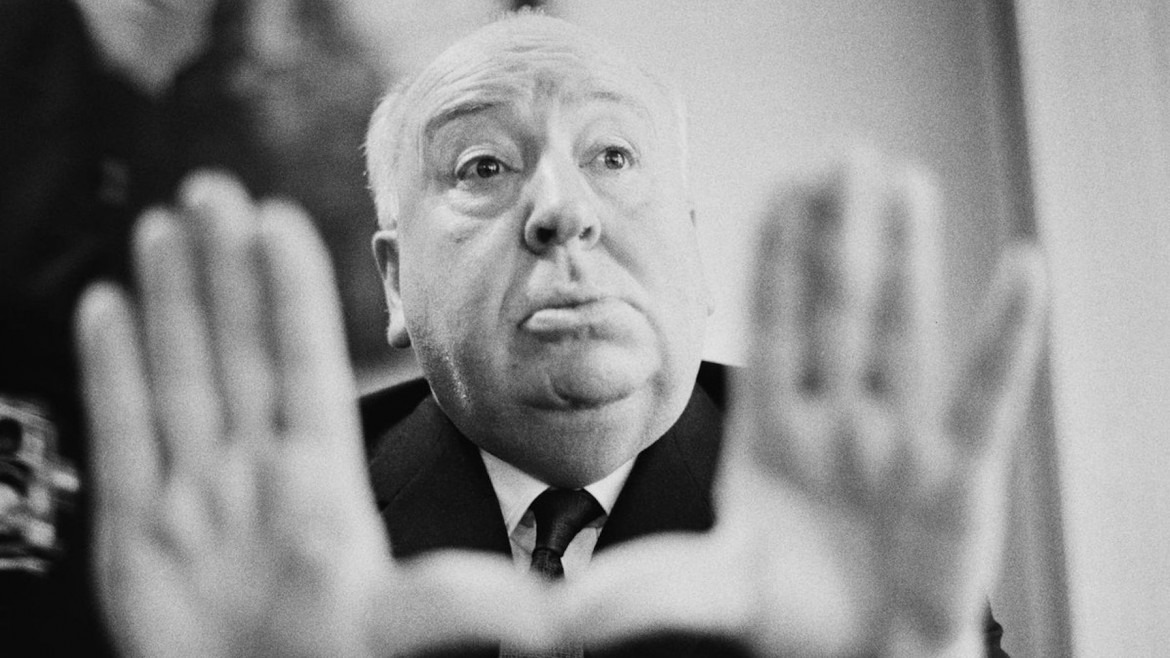
Alfred Hitchcock stands as one of cinema’s most meticulously engineered storytellers, a director whose artistic identity was shaped by an early fascination with suspense, control, and psychological tension. Born in Leytonstone, England, in 1899, he grew up in a strict Catholic household where discipline and fear subtly informed his later obsession with guilt, consequence, and moral unease. His early exposure to engineering drafts and visual composition cultivated a precision-based approach to filmmaking that would later define his entire career.
Hitchcock began his career in the silent film era, working in title design and as an assistant director before making his directorial debut in the 1920s. His early British films, such as The Lodger, revealed his instinct for suspenseful framing and visual storytelling without dialogue. This foundation allowed him to transition seamlessly into sound cinema, where his command over pacing and audience psychology deepened significantly.
His breakthrough came in the 1940s and 1950s with a series of American masterpieces, including Rear Window, Vertigo, and Psycho. These works established him as the “Master of Suspense,” but beneath the label was a far more complex innovator exploring voyeurism, identity fragmentation, and emotional repression. His ability to manipulate audience perception through camera movement and editing reshaped cinematic grammar.
By the late 1950s and 1960s, Hitchcock had reached a creative peak that permanently altered global filmmaking standards. His legacy is defined not only by suspense narratives but by his influence on cinematic language itself, how stories are seen, not just told. Directors across generations continue to study his visual logic as a foundation of modern thriller cinema.
Key Facts
- Full name of the subject: Alfred Joseph Hitchcock
- Date of birth: 13 August 1899
- Place of birth: Leytonstone, London, England
- Family background: Working-class, strict Catholic upbringing
- Early childhood experiences: Isolation and disciplined home environment
- Education history: St. Ignatius College; technical drawing studies
- Influences and mentors: German Expressionism, silent film pioneers
- Career beginnings: Title card designer and assistant director in silent films
- Major achievements: Pioneer of psychological thriller cinema
- Challenges and obstacles faced: Transition from silent to sound film era
- Turning points in life: Move to Hollywood in 1939
- Contributions to society: Redefined cinematic suspense language
- Personal life (marriage, children, relationships): Married to Alma Reville, one daughter
- Awards and recognitions: AFI Life Achievement Award, honorary Academy Award
- Beliefs, values, or philosophy: Control of audience emotion through visual storytelling
- Legacy and impact: Architect of modern suspense cinema
- Historical or cultural significance: Foundational influence on the global thriller genre
Notable Works: Psycho, Vertigo, Rear Window, North by Northwest, The Birds
Controversies:
Criticism over alleged controlling behaviour on set toward actors
Modern reassessments of gender representation in his films
Claims of emotional manipulation of the cast during productions
No criminal wrongdoing substantiated.
2. AKIRA KUROSAWA
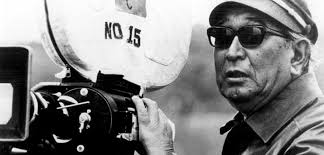
Akira Kurosawa emerged from pre-war Japan as a visionary director whose artistic sensibilities fused Japanese tradition with Western narrative structure. Born in Tokyo in 1910, he was raised in a culturally rich but economically uncertain household, where exposure to both samurai literature and Western art shaped his hybrid storytelling identity. His early fascination with painting and literature laid the foundation for his cinematic visual composition.
Kurosawa entered the Japanese film industry in the 1930s, initially working as an assistant director and scriptwriter. His early career was interrupted by World War II, but this period of national upheaval deeply influenced his thematic focus on human morality, survival, and existential struggle. His early works already showed a distinctive command of framing and emotional pacing.
His breakthrough came with Rashomon (1950), which stunned international audiences and introduced Japanese cinema to the global stage. This was followed by landmark films such as Seven Samurai, which redefined ensemble storytelling and action choreography. Kurosawa’s directorial style blended dynamic movement, weather elements, and moral ambiguity, creating emotionally layered cinematic worlds.
By the 1960s and 1970s, Kurosawa had become a global cinematic reference point, influencing directors in Hollywood and beyond. His legacy is rooted in narrative innovation, visual poetry, and philosophical depth, making him one of the most studied filmmakers in cinema history.
Key Facts
- Full name of the subject: Akira Kurosawa
- Date of birth: 23 March 1910
- Place of birth: Tokyo, Japan
- Family background: Samurai-descended family with artistic influence
- Early childhood experiences: Exposure to traditional Japanese arts and Western painting
- Education history: Training in painting and fine arts
- Influences and mentors: Shakespeare, Dostoevsky, Japanese classical literature
- Career beginnings: Assistant director and screenwriter in Japanese studios
- Major achievements: Global breakthrough of Japanese cinema
- Challenges and obstacles faced: Studio interference and financial struggles
- Turning points in life: International success of Rashomon
- Contributions to society: Bridged Eastern and Western cinematic traditions
- Personal life (marriage, children, relationships): Married with children
- Awards and recognitions: Academy Honorary Award, Golden Lion
- Beliefs, values, or philosophy: Moral complexity and humanistic storytelling
- Legacy and impact: Influenced global action and drama filmmaking
- Historical or cultural significance: Internationalization of Japanese cinema
Notable Works: Rashomon, Seven Samurai, Yojimbo, Ikiru, Ran
Controversies:
Struggles with studio executives over creative control
Financial difficulties later in life led to public concern
Criticism of pessimistic tone in later films by some scholars
No personal scandal or criminal allegations substantiated
3. FEDERICO FELLINI
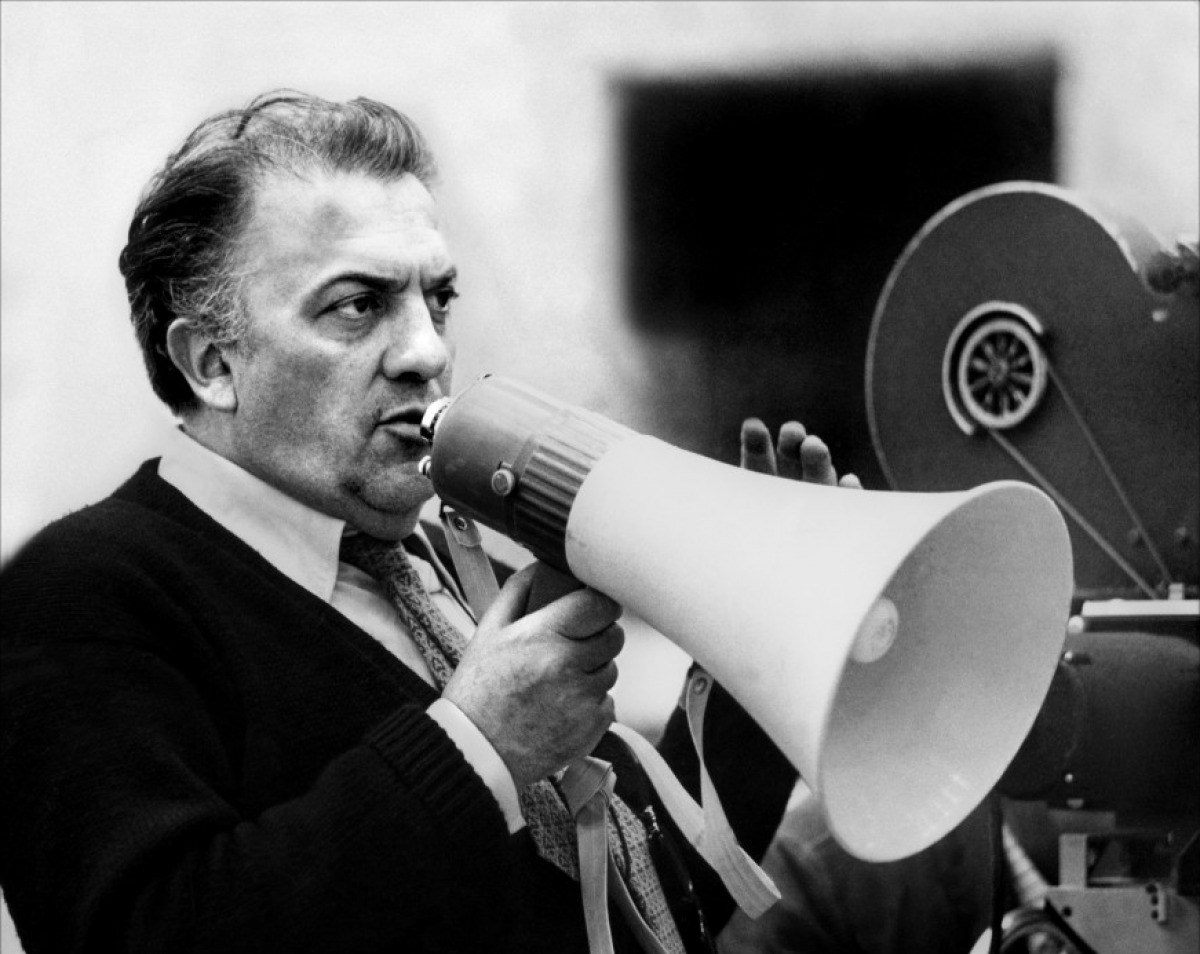
Federico Fellini’s cinematic identity was forged in the cultural turbulence of early 20th-century Italy, where imagination often served as an escape from political and social constraint. Born in Rimini in 1920, Fellini grew up in a coastal town atmosphere filled with travelling performers, carnival imagery, and religious ritual elements that later became central to his dreamlike storytelling language.
He began his career as a cartoonist and scriptwriter during Italy’s neorealist film movement, collaborating with established directors before stepping into directing himself. His early work reflected neorealism’s grounded aesthetic, but Fellini quickly diverged, seeking instead to explore memory, fantasy, and subjective reality as cinematic truth.
His breakthrough came with La Strada (1954), followed by La Dolce Vita, which positioned him as a global auteur redefining the boundaries of narrative cinema. Rather than linear storytelling, Fellini constructed films as emotional mosaics, blending satire, surrealism, and autobiographical reflection into a unique cinematic language.
By the 1960s and 1970s, Fellini had become synonymous with artistic freedom in cinema. His work influenced not only filmmakers but also visual artists and writers, establishing him as a symbol of creative liberation. His legacy lies in his rejection of realism in favour of psychological and symbolic expression.
Key Facts
- Full name of the subject: Federico Fellini
- Date of birth: 20 January 1920
- Place of birth: Rimini, Italy
- Family background: Middle-class family with strong regional cultural influence
- Early childhood experiences: Exposure to circus culture and Catholic rituals
- Education history: Classical schooling in Rimini
- Influences and mentors: Italian neorealism, Charlie Chaplin, literature
- Career beginnings: Cartoonist and screenwriter in Italian cinema
- Major achievements: Creation of surrealist cinematic storytelling style
- Challenges and obstacles faced: Resistance from traditional critics of neorealism
- Turning points in life: International acclaim of La Dolce Vita
- Contributions to society: Expanded artistic boundaries of narrative film
- Personal life (marriage, children, relationships): Married to actress Giulietta Masina
- Awards and recognitions: Academy Honorary Award, Palme d’Or
- Beliefs, values, or philosophy: Cinema as dream, memory, and illusion
- Legacy and impact: Pioneer of surrealist and autobiographical filmmaking
- Historical or cultural significance: Transformed European art cinema
Notable Works: La Dolce Vita, 8½, La Strada, Amarcord, Satyricon
Controversies:
Criticism for departure from the neorealist tradition
Debates over perceived self-indulgence in later works
Occasional disputes with Italian critics over artistic direction
No criminal or personal scandal substantiated.
4. STANLEY KUBRICK
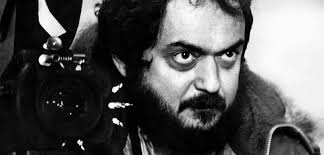
Stanley Kubrick emerged as one of cinema’s most intellectually rigorous and visually controlled directors, a filmmaker whose artistic identity was shaped by an early fascination with structure, logic, and photographic precision. Born in New York City in 1928, he grew up in a middle-class Jewish household where curiosity was encouraged but emotional expression was often restrained. This balance of intellectual freedom and emotional distance later defined the clinical precision of his cinematic style.
Kubrick began his career as a teenage photographer for Look magazine, where his instinct for composition, light, and narrative framing quickly distinguished him. He transitioned into filmmaking in the early 1950s with independent low-budget productions that already demonstrated his obsessive attention to detail and unconventional storytelling rhythm. Even in his earliest works, Kubrick rejected traditional Hollywood pacing in favour of deliberate, methodical construction.
His breakthrough came with Paths of Glory and later 2001: A Space Odyssey, which redefined science fiction as philosophical cinema. Kubrick’s work in the 1970s and 1980s, including A Clockwork Orange and The Shining, cemented his reputation as a director unafraid to confront human violence, psychological instability, and existential uncertainty through visual metaphor and technical mastery.
By the 1990s, Kubrick had become a near-mythical figure in filmmaking, culminating in the posthumously released Eyes Wide Shut. His legacy lies in his uncompromising perfectionism and his transformation of cinema into a space of philosophical inquiry, where every frame functions as a controlled experiment in human perception.
Key Facts
- Full name of the subject: Stanley Kubrick
- Date of birth: 26 July 1928
- Place of birth: New York City, USA
- Family background: Middle-class Jewish family
- Early childhood experiences: Intellectual curiosity shaped by urban environment
- Education history: William Howard Taft High School
- Influences and mentors: Photography, classical music, European literature
- Career beginnings: Photojournalism for Look magazine
- Major achievements: Redefined visual and philosophical filmmaking
- Challenges and obstacles faced: Studio resistance to unconventional storytelling
- Turning points in life: Success of Paths of Glory
- Contributions to society: Elevated cinema to a philosophical art form
- Personal life (marriage, children, relationships): Married with children
- Awards and recognitions: BAFTA Awards, Academy recognition
- Beliefs, values, or philosophy: Perfectionism and artistic control
- Legacy and impact: One of cinema’s most influential visual stylists
- Historical or cultural significance: Shaped modern science fiction and psychological film
Notable Works: 2001: A Space Odyssey, The Shining, A Clockwork Orange, Paths of Glory, Full Metal Jacket
Controversies:
Criticism for an emotionally detached storytelling style
Allegations of extreme perfectionism affecting the cast and crew
Debates over violent and disturbing thematic content
No verified personal scandal or criminal allegations.
5. STEVEN SPIELBERG
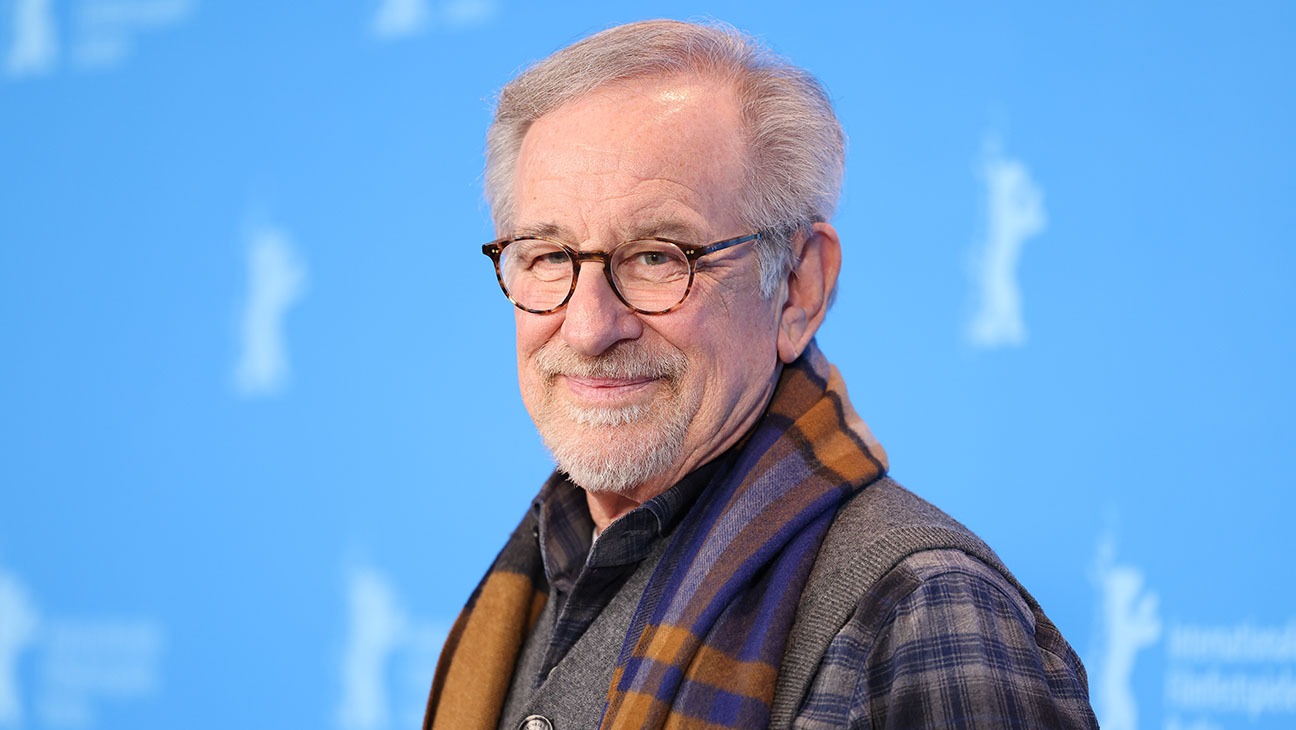
Steven Spielberg represents one of the most influential creative forces in modern cinema, a director whose storytelling identity was formed through childhood imagination, emotional sensitivity, and a deep fascination with spectacle. Born in Cincinnati, Ohio, in 1946, he grew up in a Jewish-American family that relocated frequently, an experience that shaped his themes of displacement, belonging, and wonder.
Spielberg began making amateur films in his teens, demonstrating early technical brilliance and narrative instinct. His entry into Hollywood came through television directing, where his short film Duel caught industry attention for its suspenseful pacing and visual clarity. This early success positioned him as a rising voice in American filmmaking.
His breakthrough came with Jaws in 1975, which redefined the modern blockbuster and changed the economics of Hollywood cinema. This was followed by E.T. the Extra-Terrestrial and Indiana Jones, films that established Spielberg as the master of emotional spectacle, blending human vulnerability with large-scale adventure storytelling.
By the 1990s, Spielberg reached his artistic peak with Schindler’s List and Jurassic Park, demonstrating both emotional depth and technological innovation. His legacy lies in his ability to unite mass entertainment with profound human storytelling, shaping global cinematic culture for generations.
Key Facts
- Full name of the subject: Steven Allan Spielberg
- Date of birth: 18 December 1946
- Place of birth: Cincinnati, Ohio, USA
- Family background: Jewish-American middle-class family
- Early childhood experiences: Frequent relocation and social adaptation challenges
- Education history: California State University, Long Beach (not completed)
- Influences and mentors: Classic Hollywood cinema, television directors
- Career beginnings: Television directing and short films
- Major achievements: Pioneer of the modern blockbuster era
- Challenges and obstacles faced: Early rejection from formal film school paths
- Turning points in life: Success of Jaws
- Contributions to society: Revolutionized global commercial cinema
- Personal life (marriage, children, relationships): Married with children
- Awards and recognitions: Academy Awards, AFI Lifetime Achievement Award
- Beliefs, values, or philosophy: Emotional storytelling and audience connection
- Legacy and impact: Defined modern blockbuster filmmaking
- Historical or cultural significance: Transformed global film industry economics
Notable Works: Jaws, E.T., Jurassic Park, Schindler’s List, Indiana Jones series
Controversies:
Criticism of blockbuster dominance over auteur cinema
Debates over historical interpretation in some films
Industry concerns about commercialization of Hollywood storytelling
No major personal scandal substantiated.
6. MARTIN SCORSESE
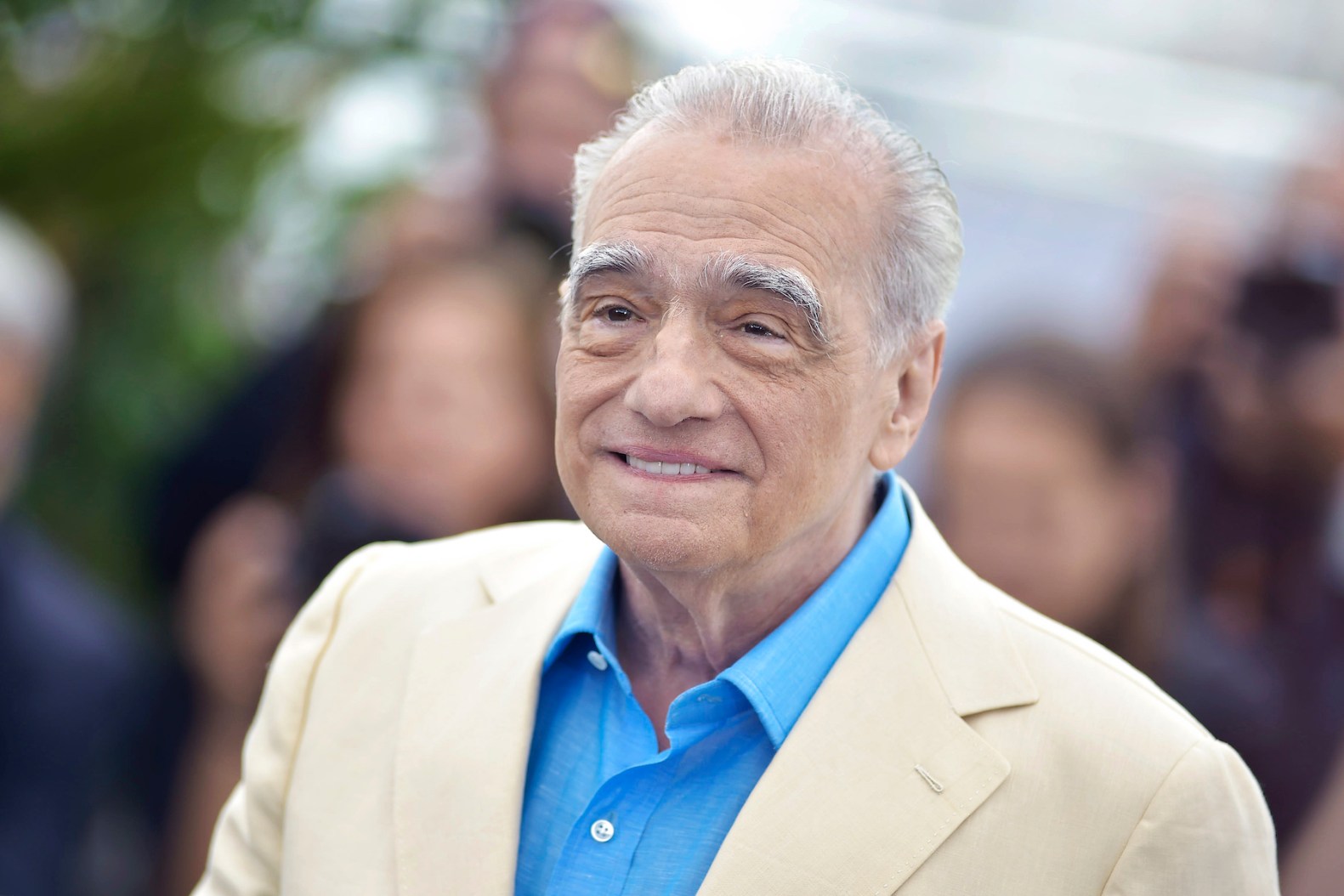
Martin Scorsese emerged as a defining voice of American urban cinema, a director whose storytelling identity was shaped by his upbringing in the culturally dense and often violent neighborhoods of New York City. Born in Queens in 1942, he grew up in an Italian-American Catholic household where faith, guilt, and morality became central themes that would later dominate his filmography.
Scorsese began his career experimenting with short films while studying at New York University, where he developed a deep understanding of film editing and narrative rhythm. His early work reflected raw urban energy and personal introspection, blending religious symbolism with street-level realism. This duality became a signature of his style.
His breakthrough came with Mean Streets in the 1970s, followed by Taxi Driver and Raging Bull, which established him as a chronicler of psychological instability and moral conflict. His films often explored violence, redemption, and identity within American society, marked by dynamic camera movement and intense character focus.
By the 1990s, Scorsese solidified his legacy with Goodfellas, redefining the crime genre with kinetic storytelling and documentary-like realism. His influence extends beyond cinema into cultural interpretations of urban life, masculinity, and moral ambiguity.
Key Facts
- Full name of the subject: Martin Charles Scorsese
- Date of birth: 17 November 1942
- Place of birth: Queens, New York City, USA
- Family background: Italian-American Catholic family
- Early childhood experiences: Severe asthma limited physical activity, leading to a cinema interest
- Education history: New York University (Film School)
- Influences and mentors: Italian neorealism, Catholic theology, classic Hollywood
- Career beginnings: Short films and university projects
- Major achievements: Redefined crime and psychological drama genres
- Challenges and obstacles faced: Health issues and industry funding struggles
- Turning points in life: Success of Mean Streets
- Contributions to society: Preservation of film history and cinematic education
- Personal life (marriage, children, relationships): Married multiple times, children
- Awards and recognitions: Academy Awards, Golden Globes, AFI honors
- Beliefs, values, or philosophy: Moral complexity and cinematic realism
- Legacy and impact: Master of modern American character-driven cinema
- Historical or cultural significance: Chronicler of urban American identity
Notable Works: Taxi Driver, Raging Bull, Goodfellas, The Irishman, The Departed
Controversies:
Criticism over depictions of violence and masculinity
Debates about glamorization of crime in films
Occasional industry disputes over film funding and distribution.
7. FRANCIS FORD COPPOLA
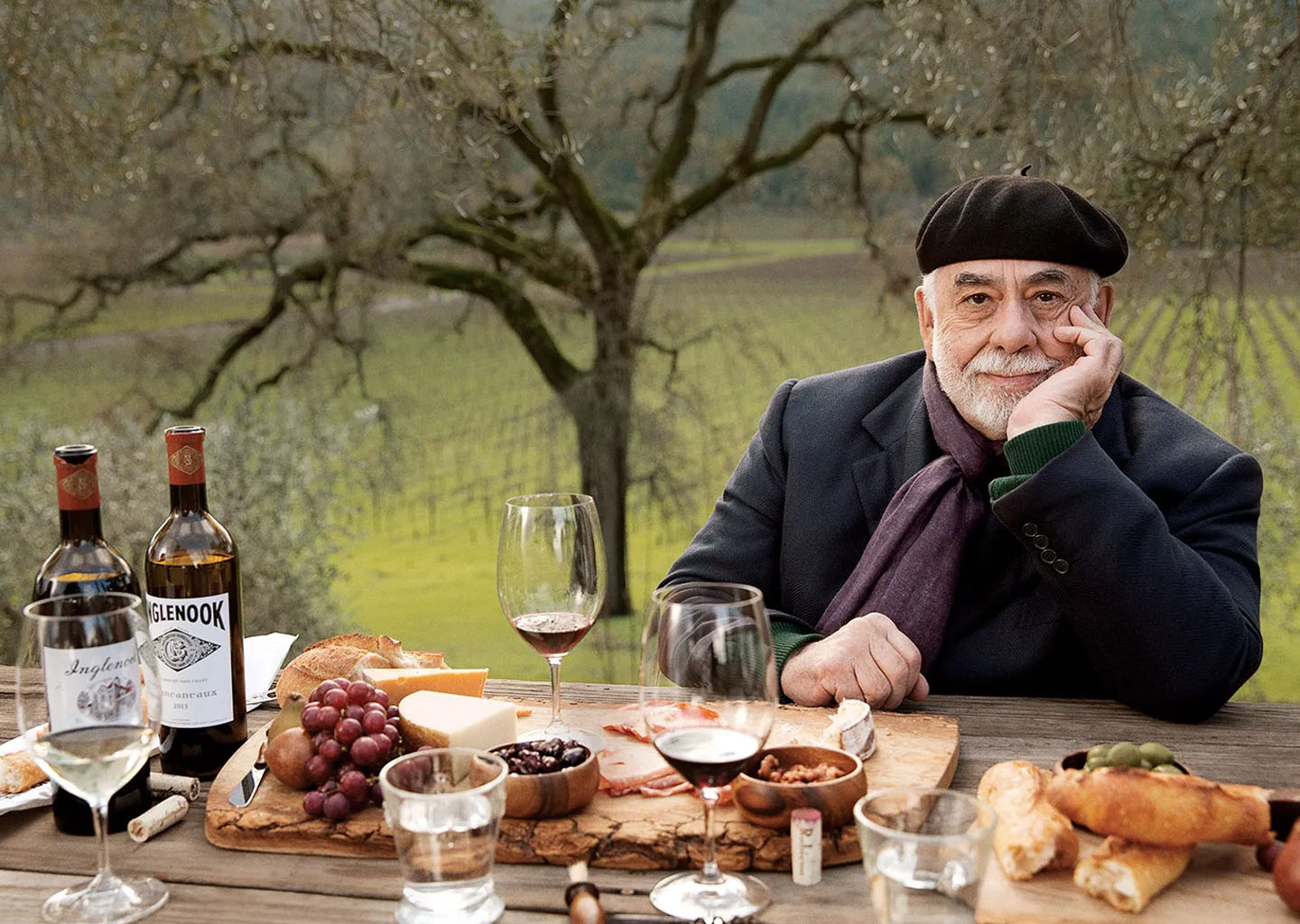
Francis Ford Coppola stands as one of the most ambitious and transformative directors in cinematic history, a filmmaker whose artistic identity was shaped by a deep immersion in storytelling, music, and theatrical tradition. Born in Detroit in 1939 to an Italian-American artistic family, Coppola grew up surrounded by creative influence, with his father a composer and his household steeped in artistic discipline.
Coppola began his career working in low-budget exploitation films and assisting established directors while studying film at UCLA. His early work reflected both commercial necessity and emerging artistic ambition, as he gradually developed a vision for large-scale narrative storytelling grounded in emotional and political complexity.
His breakthrough came with The Godfather trilogy, which redefined the American crime epic and elevated genre filmmaking into high art. These films combined intimate family drama with sweeping themes of power, loyalty, and corruption, establishing Coppola as one of the central architects of New Hollywood cinema.
By the 1990s, Coppola’s earlier influence remained deeply embedded in global filmmaking, even as he explored more experimental and personal projects. His legacy is defined by artistic risk-taking, narrative grandeur, and his willingness to push both financial and creative boundaries in pursuit of cinematic excellence.
Key Facts
- Full name of the subject: Francis Ford Coppola
- Date of birth: 7 April 1939
- Place of birth: Detroit, Michigan, USA
- Family background: Artistic Italian-American family
- Early childhood experiences: Exposure to music, theater, and storytelling
- Education history: UCLA Film School
- Influences and mentors: European cinema, opera, classical literature
- Career beginnings: Low-budget films and assistant directing
- Major achievements: The Godfather trilogy and New Hollywood leadership
- Challenges and obstacles faced: Financial risks and production difficulties
- Turning points in life: Success of The Godfather (1972)
- Contributions to society: Elevated crime drama into a cinematic art form
- Personal life (marriage, children, relationships): Married with children, including filmmaker Sofia Coppola
- Awards and recognitions: Academy Awards, Cannes Film Festival honours
- Beliefs, values, or philosophy: Artistic ambition and narrative depth
- Legacy and impact: Central figure in the New Hollywood revolution
- Historical or cultural significance: Transformed American epic filmmaking
Notable Works: The Godfather, The Godfather Part II, Apocalypse Now, The Conversation, Dracula
Controversies:
Severe financial risk from the Apocalypse Now production
Criticism for production delays and budget overruns
Debates over violence and moral ambiguity in films
No criminal allegations substantiated.
8. QUENTIN TARANTINO
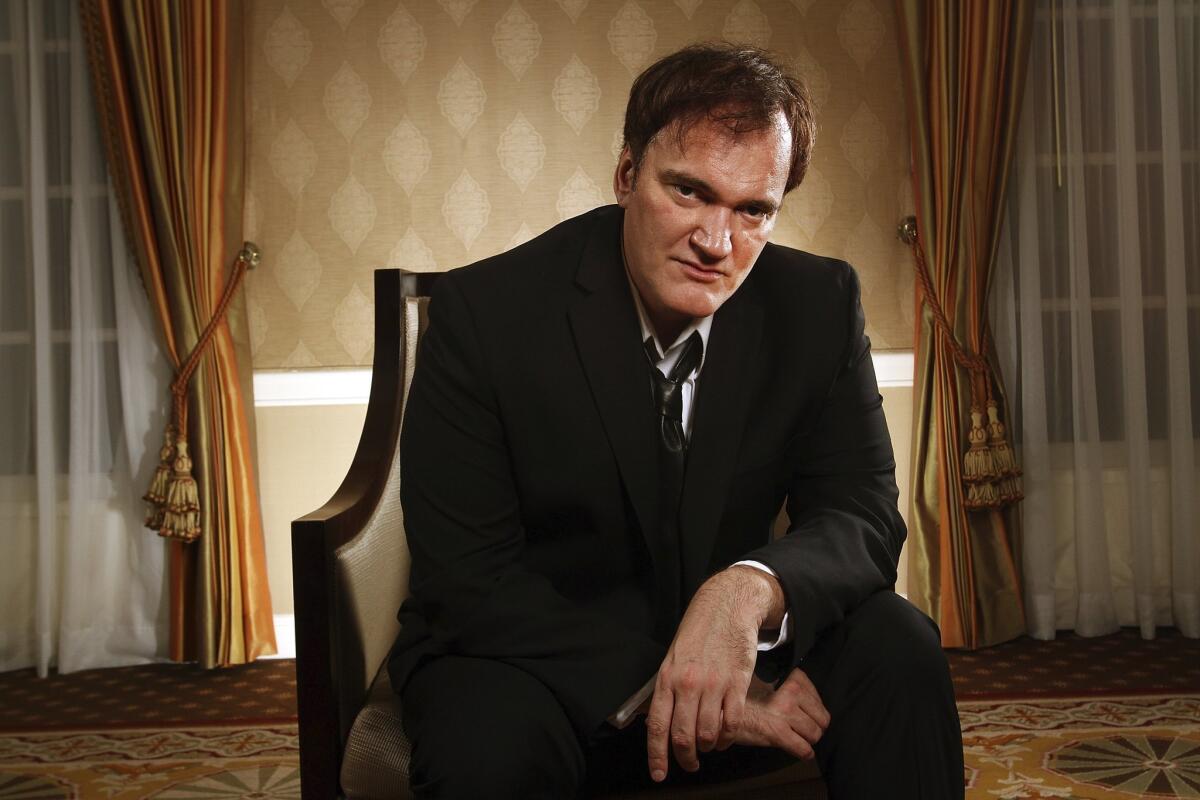
Quentin Tarantino emerged as one of the most distinctive cinematic voices of the late 20th century, a director whose artistic identity was shaped outside traditional film education and deeply rooted in pop culture immersion. Born in Knoxville, Tennessee, in 1963 and raised in Los Angeles, he grew up in a world of video stores, grindhouse cinema, and genre films that would later define his stylistic vocabulary. His early fascination with dialogue-heavy storytelling and non-linear narratives set him apart from conventional filmmakers.
Tarantino’s career began not in film school, but behind the counter of a video rental store, where he absorbed thousands of films across genres and decades. This informal education became the foundation of his encyclopedic knowledge of cinema. He later wrote scripts such as True Romance and Natural Born Killers, establishing his reputation as a sharp, unconventional screenwriter before ever directing a feature.
His breakthrough came with Reservoir Dogs (1992), followed by Pulp Fiction, which reshaped independent cinema and made non-linear storytelling a mainstream stylistic force. Tarantino’s films are characterized by stylized violence, cultural pastiche, and highly rhythmic dialogue that blends humor, tension, and philosophical undertones.
By the 1990s, he had become the defining voice of indie cinema’s global rise. His legacy lies in his ability to transform genre filmmaking into postmodern art, influencing an entire generation of filmmakers who embraced stylistic boldness and narrative experimentation.
Key Facts
- Full name of the subject: Quentin Jerome Tarantino
- Date of birth: 27 March 1963
- Place of birth: Knoxville, Tennessee, USA
- Family background: Single-parent upbringing with strong cultural exposure to film
- Early childhood experiences: Immersion in cinema culture and storytelling obsession
- Education history: Attended but did not complete acting classes; self-educated in film
- Influences and mentors: Grindhouse cinema, Sergio Leone, Hong Kong action films
- Career beginnings: Video store clerk and screenwriter
- Major achievements: Redefined independent cinema in the 1990s
- Challenges and obstacles faced: Lack of formal film education and industry skepticism
- Turning points in life: Success of Reservoir Dogs and Pulp Fiction
- Contributions to society: Revitalized independent filmmaking culture
- Personal life (marriage, children, relationships): Married with children
- Awards and recognitions: Academy Awards, Cannes Palme d’Or
- Beliefs, values, or philosophy: Cinema as homage, remix, and cultural dialogue
- Legacy and impact: Pioneer of modern postmodern filmmaking
- Historical or cultural significance: Global influence on the indie film movement
Notable Works: Pulp Fiction, Reservoir Dogs, Kill Bill Vol. 1, Inglourious Basterds, Django Unchained
Controversies:
Criticism for excessive violence and stylized brutality
Debates over racial language in dialogue-heavy scripts
Industry discussions about the portrayal of historical events
Public disputes over film criticism and media interviews.
9. CHRIS NOLAN
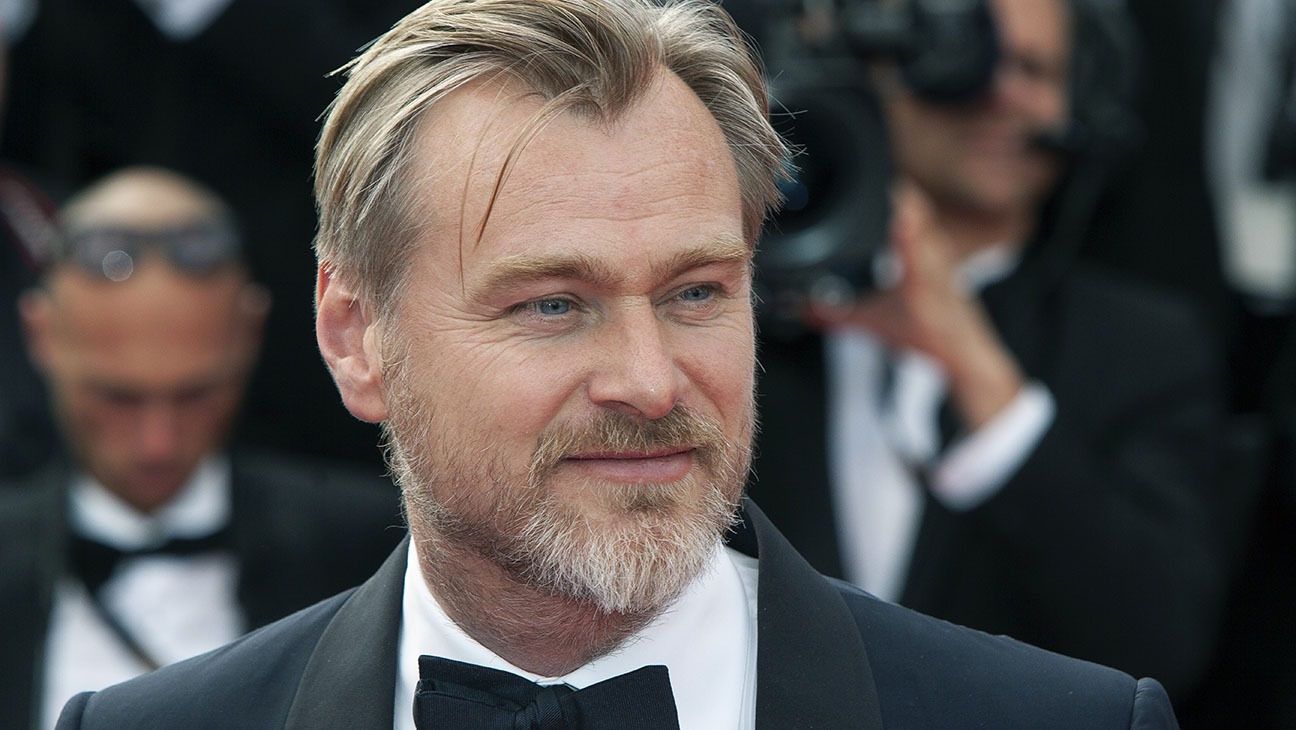
Christopher Nolan stands as one of contemporary cinema’s most intellectually ambitious directors, known for blending blockbuster scale with philosophical depth. Born in London in 1970, he grew up between the UK and the United States, developing an early fascination with concepts of time, memory, and perception that would later become central to his storytelling identity.
Nolan began making short films using his father’s camera, developing a disciplined approach to low-budget filmmaking that emphasized structure over spectacle. His early independent feature, Following, demonstrated his interest in non-linear narrative construction and psychological tension, laying the groundwork for his signature style.
His breakthrough came with Memento (2000), a film that challenged conventional storytelling by reversing narrative chronology. This was followed by The Dark Knight Trilogy, which elevated superhero cinema into a serious thematic exploration of chaos, morality, and identity. Nolan’s ability to merge intellectual storytelling with mass appeal became his defining strength.
By the 2010s and 2020s, Nolan had solidified his position as one of the most influential filmmakers in global cinema, with works like Inception, Interstellar, and Oppenheimer. His legacy lies in redefining modern blockbuster filmmaking as both commercially successful and conceptually complex.
Key Facts
- Full name of the subject: Christopher Edward Nolan
- Date of birth: 30 July 1970
- Place of birth: London, England
- Family background: British-American household
- Early childhood experiences: Exposure to filmmaking through family camera use
- Education history: University College London (English Literature)
- Influences and mentors: Stanley Kubrick, Ridley Scott, classical literature
- Career beginnings: Independent short films and low-budget feature filmmaking
- Major achievements: Redefined modern blockbuster intellectual cinema
- Challenges and obstacles faced: Early industry skepticism of narrative complexity
- Turning points in life: Success of Memento
- Contributions to society: Elevated narrative structure in mainstream cinema
- Personal life (marriage, children, relationships): Married with children
- Awards and recognitions: Academy Awards, BAFTA Awards
- Beliefs, values, or philosophy: Time, memory, and structured storytelling
- Legacy and impact: Bridge between arthouse and blockbuster cinema
- Historical or cultural significance: Modern reinvention of mainstream cinematic intelligence
Notable Works: Inception, The Dark Knight, Interstellar, Oppenheimer, Memento
Controversies:
Criticism of overly complex narratives
Debates over sound mixing and dialogue clarity
Industry discussion about practical effects vs digital filmmaking debates.
10. Woody Allen

Woody Allen is one of the most influential and controversial figures in modern American cinema—an artist whose work reshaped film comedy and neurotic storytelling, while his personal life has generated decades of public debate.
He was born Allan Stewart Konigsberg on December 1, 1935, in New York City. Woody Allen grew up in Brooklyn in a Jewish working-class family. From an early age, he showed a sharp wit and a tendency toward introspection and anxiety—traits that would later define both his public persona and his creative work.
As a teenager, he began writing jokes and selling them to newspapers and comedians. By his late teens and early twenties, he was working as a comedy writer for television, contributing material to major American shows and performers. His early success came not as a performer, but as a behind-the-scenes writer with a distinctive voice: self-deprecating, intellectual, and often absurd.
In the 1960s, Allen transitioned into stand-up comedy, performing monologues that contrasted sharply with the dominant comedic styles of the time. Rather than punchlines and physical comedy, he delivered anxious, philosophical humour rooted in neurosis, relationships, and existential doubt. This persona became central to his identity as an entertainer.
His move into filmmaking marked a turning point.
Allen began directing films in the late 1960s, eventually creating a body of work that includes some of the most recognized titles in American cinema. His breakthrough as a filmmaker came with early comedies such as Bananas and Sleeper, but his artistic reputation was solidified with later works that blended humour and introspection.
One of his most celebrated films, Annie Hall, won the Academy Award for Best Picture and Best Director, establishing him as a major voice in contemporary film. The movie introduced a new style of romantic comedy—fragmented, reflective, and deeply personal. It also helped define his cinematic themes: relationships, identity, memory, and the anxieties of modern life.
He continued to produce a large body of work over the following decades, including films like Manhattan, Hannah and Her Sisters, and Midnight in Paris, often working with ensembles of well-known actors and maintaining an unusual annual output in Hollywood.
Allen’s filmmaking style is characterized by:
- Conversational dialogue
- Urban, often New York-centered settings
- Philosophical humor
- Romantic and existential themes
- Jazz-influenced soundtracks (frequently using traditional jazz music)
Despite his artistic success, his life has been overshadowed by serious controversies, particularly allegations involving his personal relationships and family life. These allegations have been widely discussed in the media and have led to intense public debate, legal scrutiny, and divided opinion within the film industry. Allen has consistently denied some of the allegations, and the subject remains highly contentious.
Because of this, his legacy is often viewed in two contrasting ways: as a pioneering filmmaker with a distinctive artistic voice, and as a deeply polarizing public figure.
Woody Allen’s influence on cinema remains significant. His approach to dialogue, character psychology, and urban storytelling has shaped generations of filmmakers, particularly in the romantic comedy and independent film space.
In the end, Woody Allen’s career is defined by both creativity and complexity.
He expanded what comedy and personal storytelling could look like on screen—but his legacy continues to be interpreted through both his artistic achievements and the controversies surrounding his personal life.