Top 10 People Who Overcame Career-Ending Injuries
Top 10 People Who Overcame Career-Ending Injuries
In This Content
1. Bethany Hamilton

Bethany Hamilton grew up on the shores of Hawaii, where the ocean was not just a backdrop but the central architecture of her identity. Born into a surfing family, she was immersed early in a culture of discipline, balance, and reverence for the sea. Her childhood was defined by long hours on the water, where she developed a fluid, instinctive surfing style that blended fearless aggression with technical precision.
Her early career began as a child prodigy in competitive surfing circuits, where she quickly established herself as one of the most promising young athletes in the sport. By her early teens, she was already gaining attention for her powerful wave selection and unconventional ability to maintain composure in high-risk conditions. Her breakthrough trajectory seemed inevitable, positioning her for a dominant professional career.
That trajectory was violently interrupted at age 13 when a shark attack resulted in the loss of her left arm. In the world of competitive surfing, such an injury is typically considered career-ending, as it removes the physical symmetry and balance required for elite performance. Yet Hamilton’s return to surfing just weeks after the attack redefined not only her career path but the psychological boundaries of athletic recovery.
By the time she returned to competitive surfing, Hamilton had transformed her technique entirely, adapting her stance, timing, and wave strategy to compensate for her physical loss. Her 1990s-era foundational identity evolved into a modern symbol of adaptive excellence and mental resilience. She did not merely return to competition, she reshaped what competitive viability could mean.
Her legacy extends far beyond sport. Hamilton became a global emblem of perseverance, inspiring athletes across disciplines to reconsider the limits of physical limitations. Her influence bridges sport, media, and motivational culture, reinforcing the idea that identity in performance is not fixed by injury but reconstructed through discipline and will.
Key Facts
- Full name of the subject: Bethany Meilani Hamilton
- Date of birth: 8 February 1990
- Place of birth: Lihue, Hawaii, USA
- Family background: Surfer family with strong Christian values
- Early childhood experiences: Introduced to surfing at a very young age
- Education history: Homeschooled with a focus on athletics and recovery training
- Influences and mentors: Family surf culture, professional Hawaiian surfers
- Career beginnings: Junior competitive surfing circuits in Hawaii
- Major achievements: Professional surfing championships after a major injury
- Challenges and obstacles faced: Shark attack resulting in arm loss at age 13
- Turning points in life: Return to professional surfing post-injury
- Contributions to society: Disability advocacy and motivational speaking
- Personal life (marriage, children, relationships): Married with children
- Awards and recognitions: ESPY awards, sports resilience honours
- Beliefs, values, or philosophy: Faith-driven perseverance and adaptation
- Legacy and impact: Global symbol of resilience in sport
- Historical or cultural significance: Redefined athletic recovery narratives
Notable Works: Competitive surfing career, Soul Surfer, motivational speaking tours, documentaries, charity work
Controversies:
Public debates over commercialization of personal tragedy
Criticism from some athletic purists regarding performance comparisons
Discussions around faith-based messaging in sports advocacy
Media scrutiny of film adaptation accuracy (Soul Surfer).
2. Peyton Manning
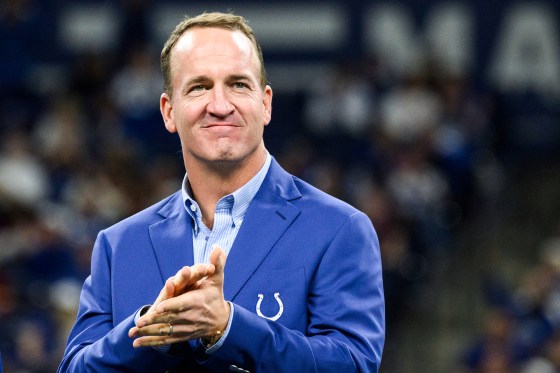
Peyton Manning was born into one of the most influential football families in American sports history, where discipline, play-calling intelligence, and competitive structure defined daily life. Growing up in a football environment shaped by his father’s NFL legacy, Manning developed an analytical approach to the game that emphasized precision over physical dominance.
His early career began at the University of Tennessee, where he quickly emerged as a quarterback known for his exceptional reading of defensive formations and pre-snap adjustments. By the time he entered the NFL, he was widely regarded as a franchise-altering talent. His breakthrough came with the Indianapolis Colts, where he redefined quarterback efficiency and offensive orchestration.
During his peak years in the late 1990s and early 2000s, Manning became the intellectual centre of professional football offences, often functioning as an on-field strategist rather than a traditional athlete. His ability to dissect defences in real time elevated him into one of the most respected quarterbacks in league history.
However, a severe neck injury requiring multiple surgeries placed his career in jeopardy, with many analysts predicting permanent retirement. The injury not only threatened his physical ability but also cast doubt on his future effectiveness in a league dependent on precision mechanics and rapid decision-making.
Manning’s return to the NFL marked one of the most successful comebacks in sports history, culminating in record-setting seasons and championship success. His legacy is defined not just by statistics but by his transformation of quarterback play into a cerebral discipline that blends leadership, preparation, and adaptability.
Key Facts
- Full name of the subject: Peyton Williams Manning
- Date of birth: 24 March 1976
- Place of birth: New Orleans, Louisiana, USA
- Family background: NFL football family (son of Archie Manning)
- Early childhood experiences: Immersed in structured athletic training
- Education history: University of Tennessee
- Influences and mentors: Archie Manning, collegiate coaching staff
- Career beginnings: NCAA football standout quarterback
- Major achievements: Super Bowl victories, NFL MVP awards
- Challenges and obstacles faced: Career-threatening neck injury
- Turning points in life: Post-surgery comeback to the NFL
- Contributions to society: Youth sports programs and philanthropy
- Personal life (marriage, children, relationships): Married with children
- Awards and recognitions: Multiple MVP awards, Hall of Fame induction
- Beliefs, values, or philosophy: Preparation, discipline, and leadership
- Legacy and impact: Redefined quarterback intelligence in modern football
- Historical or cultural significance: Symbol of strategic evolution in NFL offence
Notable Works: Indianapolis Colts career, Denver Broncos championship run, record-setting passing seasons, Super Bowl 50 victory, Peyton’s Places media work
Controversies:
Allegations regarding performance-enhancing speculation (unproven)
Media criticism of competitive demeanour under pressure
Disputes over late-career team transitions
Commercial endorsements scrutiny during peak fame.
3. Randy Travis
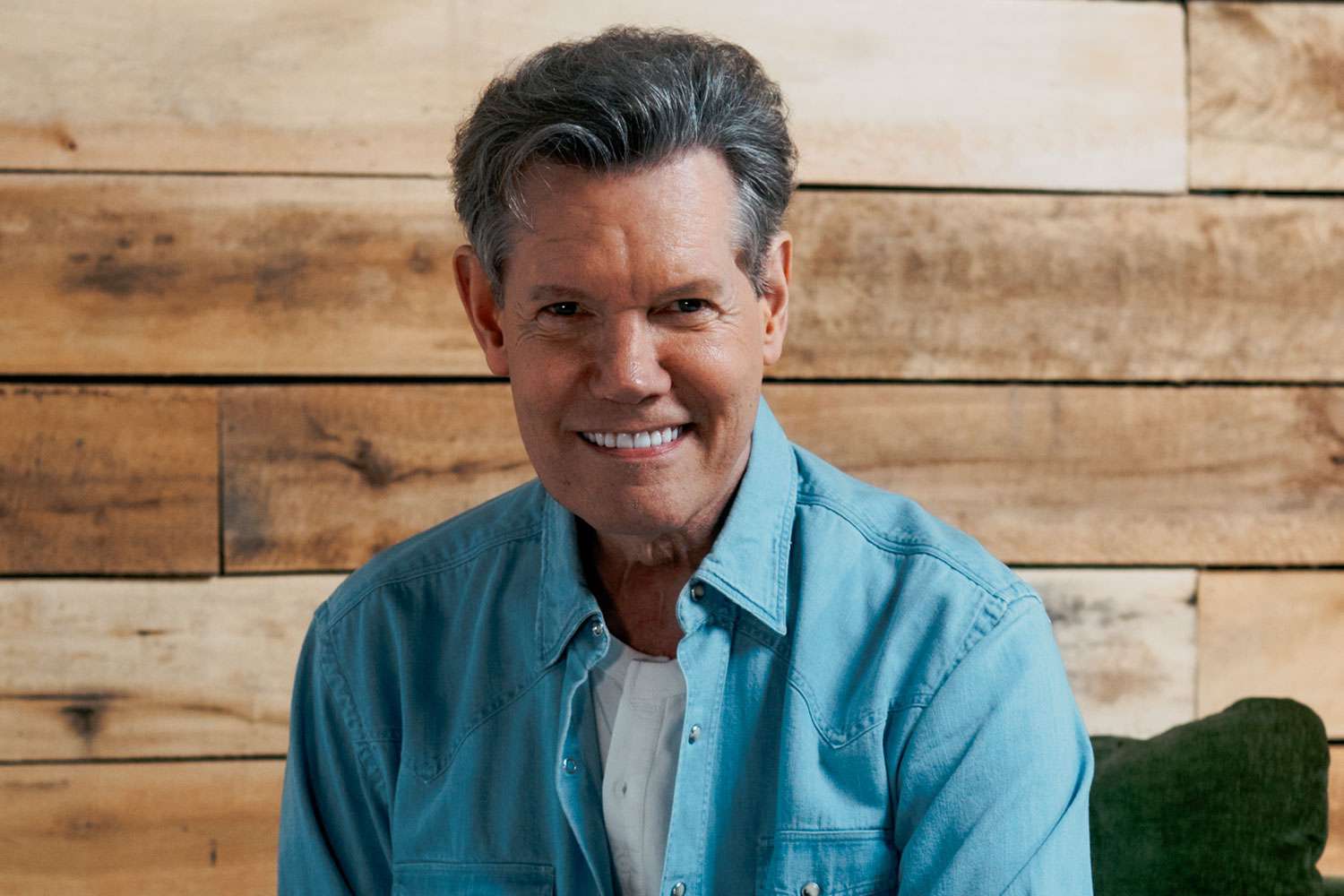
Randy Travis rose from a difficult Southern upbringing to become one of country music’s most recognizable voices, defined by a deep baritone and emotionally direct storytelling style. Born in North Carolina, he grew up marked by rebellion and instability, but also by a powerful connection to gospel and country traditions that shaped his artistic identity.
His early career began in small clubs where he performed under difficult conditions, often struggling with industry rejection and personal setbacks. His breakthrough came with the release of Storms of Life, which reintroduced the traditional country sound to a genre increasingly leaning toward pop. His voice became emblematic of authenticity in modern country music.
During his peak in the late 1980s and 1990s, Travis became one of the defining voices of neo-traditional country, producing a series of chart-topping hits that emphasized emotional clarity and narrative simplicity. His performance style was grounded in restraint, allowing lyrical storytelling to carry emotional weight rather than vocal excess.
His career was dramatically interrupted by severe medical complications following a stroke that left him with significant speech and mobility challenges. The injury was widely regarded as career-ending, removing his ability to perform at the level that had defined his identity for decades.
Yet his gradual reappearance in public and limited musical contributions redefined his legacy. Rather than fading into retirement, Travis became a symbol of artistic endurance, illustrating how cultural influence can persist even as physical performance capacity diminishes.
Key Facts
- Full name of the subject: Randy Bruce Traywick (Randy Travis)
- Date of birth: 4 May 1959
- Place of birth: Marshville, North Carolina, USA
- Family background: Working-class rural Southern upbringing
- Early childhood experiences: Exposure to gospel and country church music
- Education history: Limited formal education; early focus on a music career
- Influences and mentors: Gospel music traditions, traditional country artists
- Career beginnings: Small club performances under difficult circumstances
- Major achievements: Multi-platinum country music recordings
- Challenges and obstacles faced: Stroke, causing severe speech impairment
- Turning points in life: Breakthrough album Storms of Life
- Contributions to society: Influence on neo-traditional country revival
- Personal life (marriage, children, relationships): Married multiple times
- Awards and recognitions: Grammy Awards, Country Music Hall of Fame induction
- Beliefs, values, or philosophy: Faith, storytelling, emotional honesty
- Legacy and impact: Restored traditional sound in modern country music
- Historical or cultural significance: Bridge between classic and modern country eras
Notable Works: Forever and Ever, Amen, Deeper Than the Holler, On the Other Hand, Storms of Life, Three Wooden Crosses
Controversies:
Legal issues related to DUI arrest (widely publicized)
Media scrutiny of personal life and relationships
Health-related speculation during the recovery period
Industry debates about genre authenticity during career peak.
4. Monica Seles
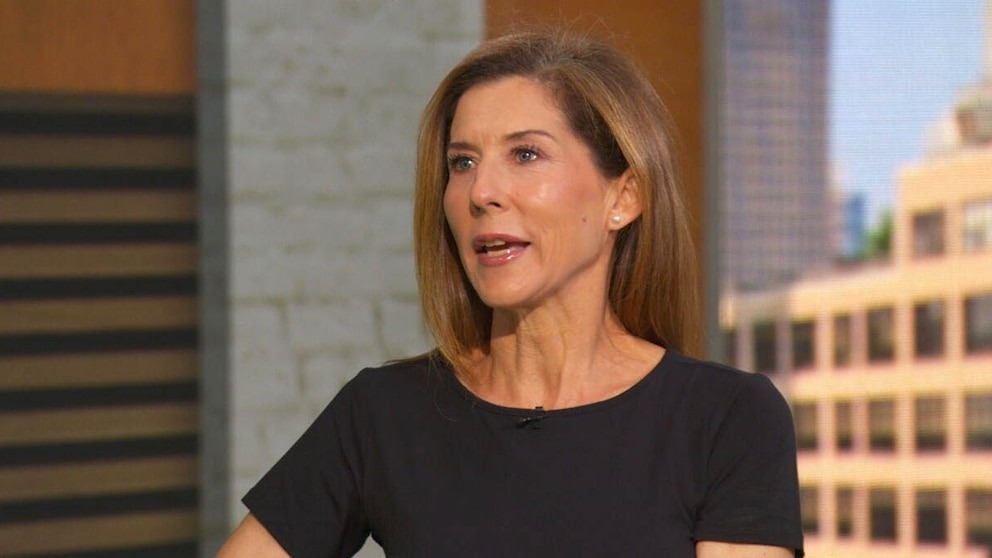
Monica Seles emerged from early childhood in Novi Sad with a relentless competitive instinct shaped by disciplined training and family sacrifice. From the beginning, her life revolved around tennis as both identity and survival, a focus sharpened by early coaching under her father and structured European training systems.
Her career began with extraordinary teenage promise, rapidly ascending the professional ranks through a double-handed baseline style that disrupted traditional women’s tennis. Her breakthrough arrived as she dominated the early 1990s circuit, redefining power and aggression in the women’s game.
In 1993, her trajectory was violently interrupted when she was stabbed on court during a match in Hamburg, Germany a moment that nearly ended not only her career but her sense of physical safety in sport. The psychological aftermath reshaped her relationship with competition and public life.
Her return to professional tennis years later demonstrated not just physical recovery but emotional reconstruction. Though she never fully reclaimed her prior dominance, her presence redefined resilience in elite sport, influencing how athletes confront trauma and recovery.
Seles’ legacy rests in her transformation from prodigy to symbol, an athlete whose career became a global reference point for vulnerability, survival, and the cost of public greatness.
Key Facts
- Full name of the subject: Monica Seles
- Date of birth: 2 December 1973
- Place of birth: Novi Sad, Yugoslavia (now Serbia)
- Family background: Hungarian-Serbian athletic family
- Early childhood experiences: Intensive tennis training from early childhood
- Education history: Home-schooled during training years
- Influences and mentors: Gabor and Karolj Seles (family coaches)
- Career beginnings: Junior tennis circuits in Europe
- Major achievements: Multiple Grand Slam titles before age 20
- Challenges and obstacles faced: On-court stabbing attack in 1993
- Turning points in life: Temporary withdrawal from professional tennis
- Contributions to society: Advocacy for athlete mental health and safety
- Personal life (marriage, children, relationships): Married, private family life
- Awards and recognitions: International Tennis Hall of Fame inductee
- Beliefs, values, or philosophy: Resilience through psychological recovery
- Legacy and impact: Redefined mental strength in professional tennis
- Historical or cultural significance: Symbol of athlete vulnerability and survival
Notable Works: Australian Open wins, French Open titles, US Open victories, Comeback Tour performances, World No. 1 ranking years
Controversies:
On-court stabbing incident and subsequent media speculation around security failures; later disputes about competitive ranking protections and comeback scheduling debates.
5. Alex Smith

Alex Smith’s early life in California was defined by discipline, structure, and a dual commitment to academics and athletics. Raised in a stable family environment, he developed into a highly strategic quarterback, valued more for decision-making than physical dominance.
His football career began at the University of Utah, where he rose to national prominence as a precise and intelligent offensive leader. Drafted first overall into the NFL, expectations framed him as a franchise cornerstone, though early professional years were marked by instability and shifting team systems.
His breakthrough came later with the Kansas City Chiefs and Washington Football Team, where he matured into a veteran leader and stabilizing force. However, in 2018, a catastrophic leg injury resulted in multiple surgeries and life-threatening complications, placing his career and potentially his life in jeopardy.
After an extended and medically complex recovery, Smith achieved one of the most remarkable returns in professional sports history, re-entering the NFL and winning Comeback Player of the Year. His return symbolized medical advancement, mental endurance, and elite athletic identity reconstruction.
Smith’s legacy extends beyond football statistics; he became a living example of how modern medicine and personal determination can intersect to redefine the end of a career.
Key Facts
- Full name of the subject: Alexander Douglas Smith
- Date of birth: 7 May 1984
- Place of birth: Bremerton, Washington, USA
- Family background: Supportive middle-class family
- Early childhood experiences: Athletic development in competitive school sports
- Education history: University of Utah (Business degree)
- Influences and mentors: College coaches and NFL quarterback mentors
- Career beginnings: University of Utah football program
- Major achievements: NFL first overall draft pick, Comeback Player of the Year
- Challenges and obstacles faced: Severe compound leg fracture and infection complications
- Turning points in life: Medical recovery and return to professional football
- Contributions to society: Youth mentorship and injury recovery advocacy
- Personal life (marriage, children, relationships): Married with children
- Awards and recognitions: NFL Comeback Player of the Year
- Beliefs, values, or philosophy: Discipline, patience, and structured recovery
- Legacy and impact: Defined modern NFL comeback narrative
- Historical or cultural significance: Symbol of medical recovery in professional sport
Notable Works: NFL playoff appearances, Washington comeback season, Kansas City leadership years, Pro Bowl selection seasons, quarterback development mentorship roles
Controversies: Draft expectations pressure narratives; media criticism during early career inconsistency phases.
7. Jean-Dominique Bauby

Jean-Dominique Bauby began his career in France’s elite media landscape, rising through editorial ranks with intellectual precision and a deeply reflective writing style. His early life in Paris exposed him to literature, journalism, and cultural criticism that shaped his editorial voice.
He became editor-in-chief of Elle magazine, where his career reached its creative peak. Known for refined taste and narrative sophistication, Bauby’s professional identity was built on communication until a sudden, catastrophic stroke changed everything.
The stroke left him with locked-in syndrome, a condition that paralysed nearly his entire body while leaving his cognitive awareness intact. His career as a communicator appeared permanently ended, yet he adapted by developing a blinking-based communication system.
From this constraint emerged his defining breakthrough: dictating an entire memoir, The Diving Bell and the Butterfly, one letter at a time. The work became an extraordinary act of intellectual persistence and literary precision under impossible conditions.
Bauby’s legacy is not rooted in recovery but in transformation, demonstrating that creative expression can survive even when physical agency is almost entirely removed.
Key Facts
- Full name of the subject: Jean-Dominique Bauby
- Date of birth: 23 April 1952
- Place of birth: Paris, France
- Family background: French intellectual middle-class upbringing
- Early childhood experiences: Literary and cultural exposure in Paris
- Education history: French academic institutions (humanities focus)
- Influences and mentors: French literary and journalism tradition
- Career beginnings: Journalism and magazine editorial work
- Major achievements: Editor-in-Chief of Elle magazine
- Challenges and obstacles faced: Locked-in syndrome following a massive stroke
- Turning points in life: Ability to communicate through the blinking system
- Contributions to society: Memoir highlighting consciousness in disability
- Personal life (marriage, children, relationships): Father of children, private relationships
- Awards and recognitions: Posthumous literary acclaim and international recognition
- Beliefs, values, or philosophy: Expression of mind beyond physical limitation
- Legacy and impact: Redefined communication, disability narrative, and authorship
- Historical or cultural significance: Global symbol of consciousness trapped in paralysis
Notable Works: The Diving Bell and the Butterfly (book), memoir publication, film adaptation, journalism career at Elle, editorial leadership work
Controversies: Ethical debates about the accuracy of assisted communication; discussions about the representation of severe disability narratives in the media.
8. Rick Allen

Rick Allen’s early life in Dronfield, England, was shaped by rhythm long before fame arrived. As a child, he was drawn to percussion in a household that recognized his unusual musical instinct. By his teenage years, he was already performing with local bands, displaying a technical precision and emotional intensity that set him apart in Britain’s emerging rock scene.
His career began in earnest when he joined Def Leppard as a teenager, becoming the backbone of a band that would soon define stadium rock in the 1980s. His breakthrough came rapidly as the group’s sound evolved into a global phenomenon, with Allen’s drumming anchoring their explosive rise.
In 1984, at the height of Def Leppard’s ascent, Allen lost his left arm in a car accident. The injury was widely regarded as career-ending for a drummer at the level of physical complexity his role demanded. The psychological impact was immediate and severe, forcing both personal and professional redefinition.
Rather than exit music, Allen engineered a radical adaptation, developing a custom electronic drum kit that allowed him to perform using his remaining limb coordination. His return to the stage redefined technical possibilities in rock performance, turning limitation into innovation.
Allen’s legacy is anchored in reinvention: he did not return to drumming as it was known, but reimagined what it could become under entirely new physical conditions.
Key Facts
- Full name of the subject: Richard John Cyril Allen
- Date of birth: 1 November 1963
- Place of birth: Dronfield, Derbyshire, England
- Family background: Working-class British household
- Early childhood experiences: Early interest in rhythm and percussion instruments
- Education history: Local British schooling with early music training
- Influences and mentors: Classic rock drummers and the early British rock scene
- Career beginnings: Local bands before joining Def Leppard
- Major achievements: Global success as Def Leppard drummer
- Challenges and obstacles faced: Loss of left arm in a 1984 car accident
- Turning points in life: Development of an adapted electronic drum system
- Contributions to society: Disability representation in professional music
- Personal life (marriage, children, relationships): Married, family-oriented private life
- Awards and recognitions: Rock and Roll Hall of Fame induction (Def Leppard)
- Beliefs, values, or philosophy: Adaptation and persistence through innovation
- Legacy and impact: Redefined physical limits of professional drumming
- Historical or cultural significance: Symbol of adaptive creativity in rock music
Notable Works: Hysteria album, Pyromania performances, Def Leppard world tours, Rock of Ages performances, live stadium drumming innovations
Controversies: Debate over electronic enhancement of drumming authenticity; occasional criticism from traditionalists about “non-acoustic” performance adaptation.
9. Frida Kahlo

Frida Kahlo’s early life in Coyoacán, Mexico, was marked by physical fragility and cultural richness. A childhood bout with polio left her with long-term complications, yet she developed a fiercely observant personality shaped by isolation, illness, and intellectual curiosity. Her early experiences cultivated a deep awareness of identity, pain, and self-representation.
Her career trajectory as an artist was interrupted and ultimately defined by a catastrophic bus accident at age 18, which caused lifelong injuries and chronic pain. During extended periods of immobility, she began painting, initially as a means of psychological survival rather than artistic ambition.
Her breakthrough came through self-portraiture that fused surrealism, symbolism, and raw autobiographical truth. Kahlo rejected artistic detachment, instead placing her physical suffering and emotional reality at the center of her work. This approach distinguished her from contemporaries and positioned her outside traditional European artistic frameworks.
While she gained recognition during her lifetime, her influence expanded dramatically posthumously, especially from the late 20th century onward, as her work became central to feminist art discourse and identity politics.
Kahlo’s legacy is inseparable from her injuries: rather than overcoming them in a traditional sense, she transformed them into the foundation of a new visual language of pain, identity, and resilience.
Key Facts
- Full name of the subject: Magdalena Carmen Frida Kahlo y Calderón
- Date of birth: 6 July 1907
- Place of birth: Coyoacán, Mexico City, Mexico
- Family background: Middle-class Mexican family with German and indigenous heritage
- Early childhood experiences: Childhood illness (polio) and physical isolation
- Education history: National Preparatory School, Mexico City
- Influences and mentors: Diego Rivera, Mexican folk art traditions
- Career beginnings: Self-taught painting during recovery from bus accident
- Major achievements: Iconic self-portrait paintings and global art recognition
- Challenges and obstacles faced: Chronic pain, multiple surgeries, and infertility issues
- Turning points in life: Post-accident transition into painting
- Contributions to society: Feminist identity expression in the visual arts
- Personal life (marriage, children, relationships): Married Diego Rivera, complex personal relationships
- Awards and recognitions: Posthumous global art acclaim and cultural honours
- Beliefs, values, or philosophy: Identity, pain, and emotional authenticity in art
- Legacy and impact: Central figure in feminist and postcolonial art movements
- Historical or cultural significance: Symbol of resilience and Mexican cultural identity
Notable Works: The Two Fridas, Self-Portrait with Thorn Necklace, The Broken Column, Henry Ford Hospital, Self-Portrait with Cropped Hair
Controversies: Political affiliations with communism; debates over mythologization of personal life; posthumous commercialization of her image
10. Stephen Hawking
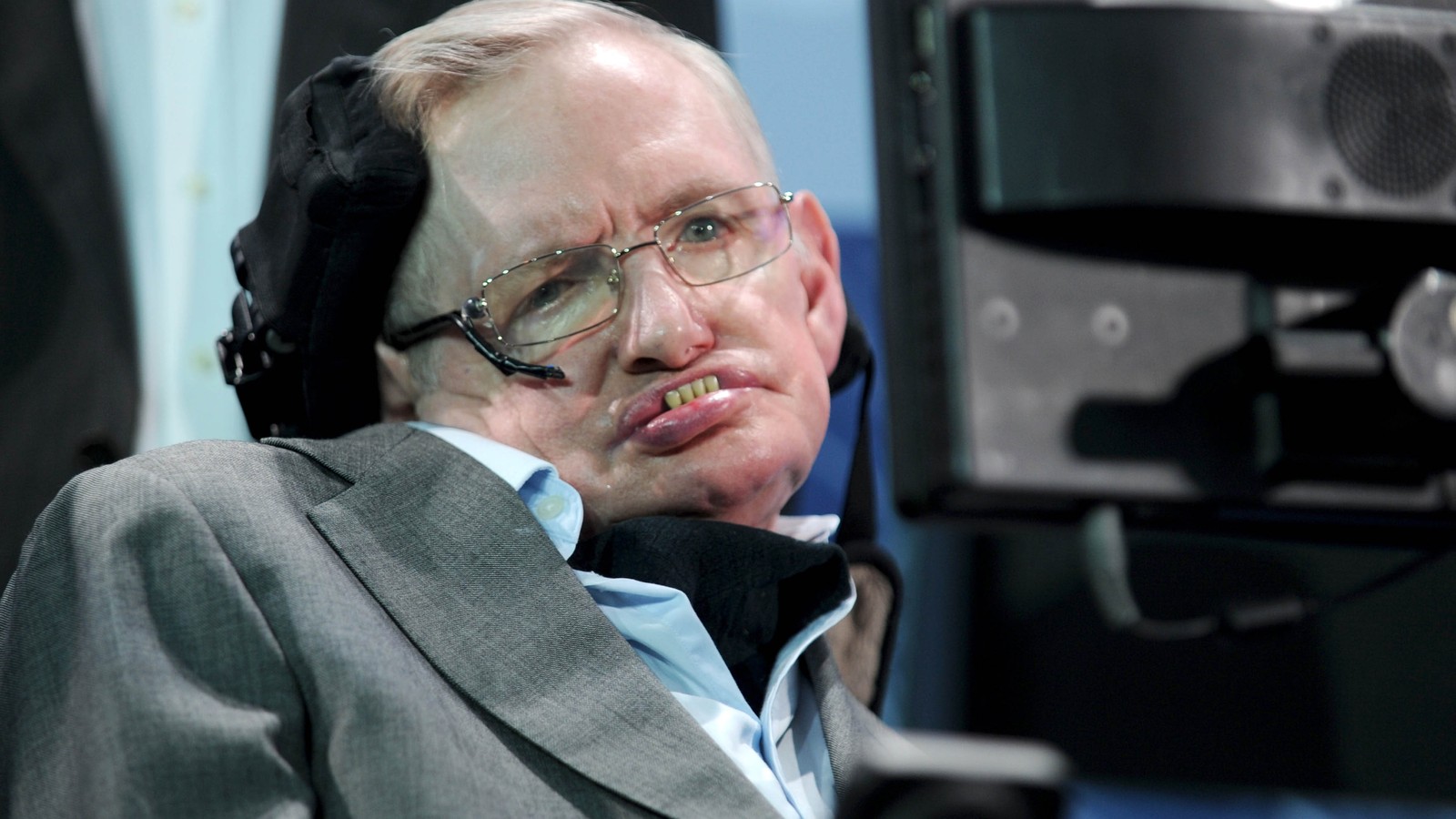
He was born on January 8, 1942, in Oxford, into a family that valued knowledge and curiosity. From an early age, Hawking showed a fascination with how things worked—not just machines, but the universe itself. Though not initially considered an outstanding student by conventional standards, he possessed something less visible but far more powerful: a restless, probing mind.
He went on to study at the University of Oxford, and later at the University of Cambridge, where he began to focus on cosmology—the study of the universe as a whole. It was a field filled with profound questions: How did the universe begin? What happens inside a black hole? Is time itself finite?
It was during his early twenties that Hawking received a diagnosis that would alter the course of his life: Amyotrophic Lateral Sclerosis (ALS), a progressive condition that gradually destroys nerve cells and leads to paralysis. Doctors gave him only a few years to live.
But Hawking did not follow that script.
As his physical abilities declined, his intellectual work intensified. Confined increasingly to a wheelchair and eventually unable to speak without assistance, he continued to explore some of the most complex ideas in physics. His work on black holes led to one of his most famous discoveries: what is now known as Hawking radiation—the idea that black holes are not entirely black but can emit radiation and eventually evaporate.
This insight reshaped the way scientists understood the universe. It bridged concepts from quantum mechanics and general relativity, two pillars of modern physics that had long resisted unification. Hawking’s work suggested that even the most extreme objects in the cosmos were subject to the subtle laws of quantum behaviour.
Yet his influence extended far beyond the scientific community.
In 1988, he published A Brief History of Time, a work that sought to explain the origins and structure of the universe to a general audience. Remarkably, it became a global bestseller, bringing complex ideas about space, time, and existence into the hands of millions. Hawking had achieved something rare: he made the abstract not only understandable, but compelling.
Despite his condition, Hawking maintained a presence that was both intellectual and cultural. His computerized voice—instantly recognizable—became a symbol of resilience and clarity. He appeared in documentaries, lectures, and even popular television shows, bridging the gap between science and everyday life.
His personal life, however, was not without complexity. His marriages—to Jane Hawking and later Elaine Mason—reflected the challenges of living with a severe disability alongside a demanding career. There were periods of strain, separation, and public scrutiny, reminding the world that even extraordinary minds exist within very human circumstances.
Hawking continued his work for decades, defying medical expectations. He lived not a few years, but more than half a century after his diagnosis. Over that time, he became not only a leading physicist but a symbol of determination—the idea that the limits placed on the body need not define the reach of the mind.
He died on March 14, 2018, a date that carried its own quiet symmetry, coinciding with the birthday of Albert Einstein, another giant of theoretical physics.
Today, Stephen Hawking’s legacy endures in equations, in books, and in the continued exploration of the universe he sought to understand. He asked questions that stretched beyond the visible world—questions about beginnings, endings, and the nature of reality itself.
In the end, Hawking did not merely study the cosmos.
He reminded humanity that even in the face of profound limitation, the mind can remain vast—capable of reaching beyond stars, beyond time, and into the very fabric of existence.