[People Profile] All We Know About Desmond Tutu Biography, Life, Networth, Family, Career
Desmond Tutu Biography, Life, Networth, Family, Career.
In This Content
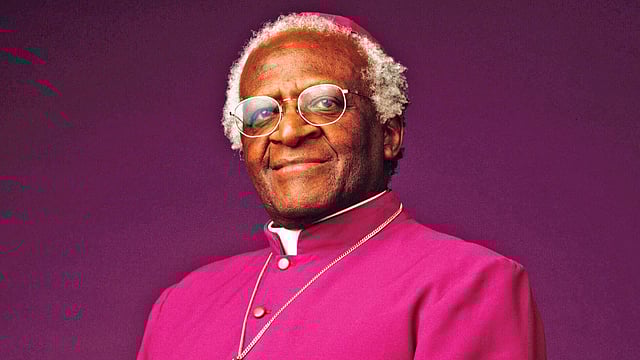
Biography
Early Life
- Full name: Desmond Mpilo Tutu
- Born: October 7, 1931 — Klerksdorp
- Grew up in Soweto during apartheid
- Originally trained as a teacher, but left due to discriminatory education policies
He later turned to religion as a path to fight injustice.
Religious Career
- Ordained as an Anglican priest in 1960
- Studied theology in the UK
- Became the first Black Archbishop of Cape Town in 1986
As a church leader, he used the pulpit to challenge apartheid openly.
Anti-Apartheid Activism
Tutu became one of the most powerful moral voices against apartheid in South Africa.
What he did:
- Led nonviolent protests
- Advocated for economic sanctions against the apartheid government
- Spoke globally about racial injustice
Unlike some activists, he strongly promoted peaceful resistance.
Nobel Peace Prize
- Awarded the Nobel Peace Prize
- Recognized for:
- Courage
- Nonviolent struggle
- Leadership in human rights
Truth and Reconciliation Commission (TRC)
After apartheid ended:
- Appointed chairman of the Truth and Reconciliation Commission (1996)
Role:
- Investigated crimes during apartheid
- Allowed victims to tell their stories
- Offered amnesty in exchange for the truth.
This helped South Africa avoid widespread revenge violence and civil war.
Beliefs & Philosophy
Tutu was known for:
Ubuntu Philosophy
- “I am because we are”
- Emphasized humanity, forgiveness, and unity
Key Values
- Justice
- Forgiveness
- Equality
- Human dignity
Controversies & Criticism
1. Economic Sanctions Debate
- Some argued that sanctions hurt Black South Africans economically
- Tutu insisted they were necessary to end apartheid
2. Political Criticism
- Later criticized post-apartheid leaders, including:
- Jacob Zuma
- Spoke against corruption and poor governance
3. Religious & Social Views
- Advocated for:
- LGBTQ+ rights (controversial among some religious groups)
- Took progressive stances that divided opinion
Personal Life
- Married to Leah Tutu
- Had four children
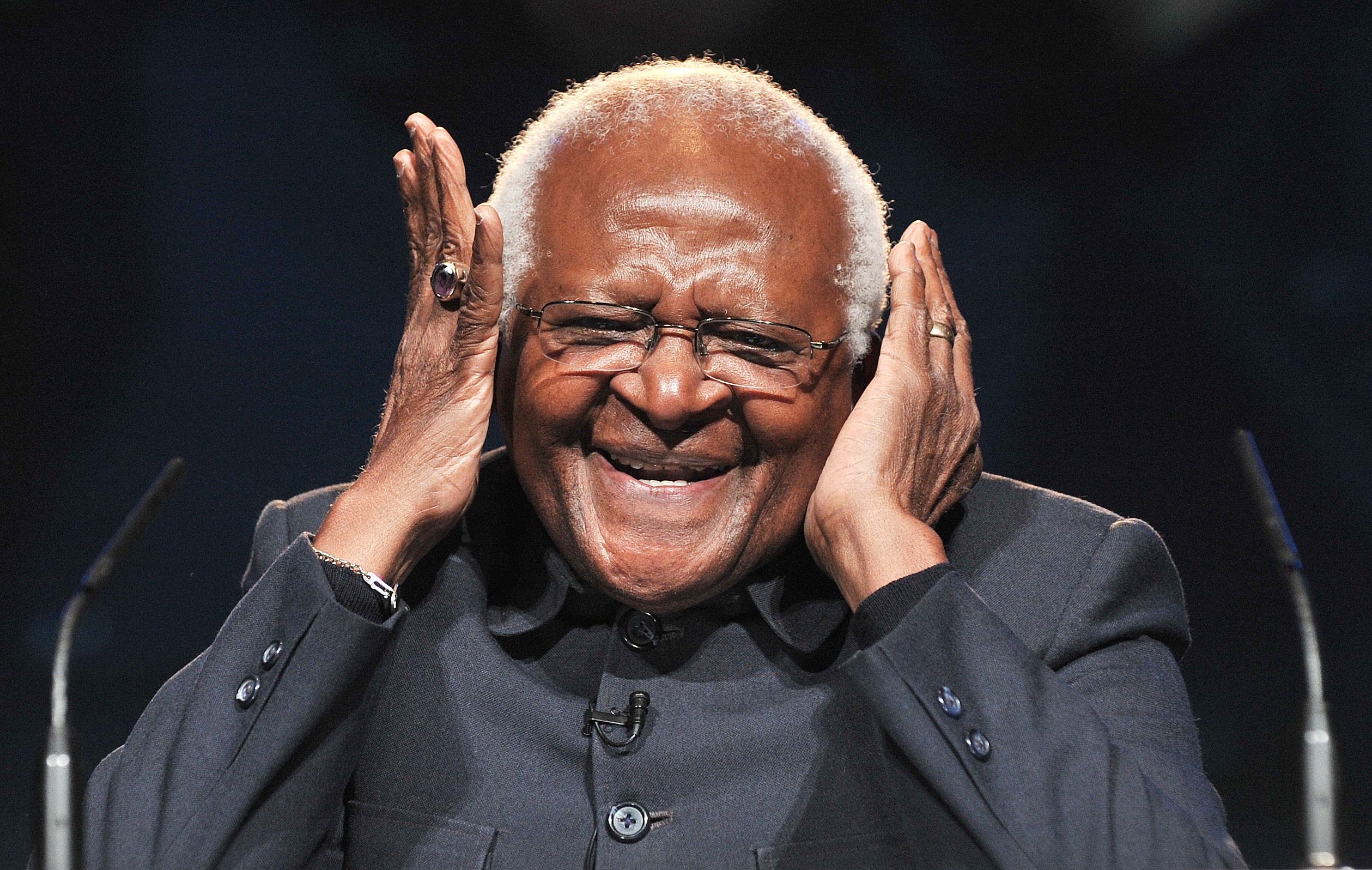
- Known for his warmth, humour, and distinctive laugh
Death
- Died: December 26, 2021 (age 90)
- In Cape Town
Legacy
Desmond Tutu is remembered as:
- A moral giant of the 20th century
- A key figure in ending apartheid
- A global symbol of:
- Peace
- Justice
- Reconciliation
Alongside Nelson Mandela, he helped reshape South Africa without large-scale civil war.
About Desmond Tutu
Archbishop Desmond Mpilo Tutu stands as one of the most luminous moral voices of the 20th and early 21st centuries—a man whose laughter rang as freely as his convictions, and whose life became a testament to justice pursued without hatred.
Born on October 7, 1931, in Klerksdorp, Desmond Tutu grew up in a country already tightening under the grip of racial segregation. His father was a schoolteacher, his mother a domestic worker, and from them he inherited both discipline and quiet resilience. As a child, he survived tuberculosis—a long and painful illness that kept him bedridden for months and brought him into close contact with compassionate caregivers, shaping his early sense of empathy and purpose.
He first pursued teaching, but his path changed in response to the oppressive policies of Apartheid. When the government introduced laws that enforced inferior education for Black South Africans, Tutu refused to participate in a system he deemed unjust. He left teaching and turned toward the church, seeking a platform from which he could challenge injustice at a deeper moral level.
Ordained as an Anglican priest in 1961, Tutu continued his studies abroad, gaining a broader theological and philosophical perspective. But no matter how far he travelled, his focus remained firmly on South Africa and the suffering of its people.
By the 1970s and 1980s, Tutu had become one of the most prominent and outspoken critics of apartheid. Unlike some contemporaries, he championed nonviolent resistance, calling for international pressure—particularly economic sanctions—against the apartheid regime. His speeches were fearless, often delivered in the face of threats, surveillance, and intimidation.
In 1984, his efforts were recognized globally when he was awarded the Nobel Peace Prize. The honour amplified his voice on the world stage, but it did not soften his message. He continued to denounce injustice with clarity and urgency, insisting that neutrality in the face of oppression was itself a form of complicity.
When apartheid finally began to crumble, and South Africa moved toward democracy under Nelson Mandela, Tutu was called upon to help heal a deeply wounded nation. He was appointed chair of the Truth and Reconciliation Commission, a body tasked with uncovering the truth about human rights abuses committed during apartheid.
In this role, Tutu became both witness and shepherd. He listened to stories of unimaginable pain—victims recounting torture, families describing loss—and he wept openly, refusing to hide his humanity behind authority. Yet he also advocated for forgiveness, not as a dismissal of justice, but as a path toward national healing. His philosophy of “restorative justice” sought not revenge, but reconciliation.
Throughout his life, Tutu remained a moral compass not only for South Africa but for the world. He spoke out against injustice wherever he saw it—whether in racial inequality, poverty, or global conflicts. He also became an advocate for human rights broadly, including speaking in support of LGBTQ+ dignity, a stance that set him apart from many religious leaders of his time.
Despite his global stature, Tutu retained a disarming humility and a joyful spirit. He was known for his infectious laughter, his warmth, and his unwavering belief in the goodness of humanity—even after witnessing its darkest chapters.
Desmond Tutu passed away on December 26, 2021, but his legacy endures—not merely in history books, but in the moral imagination of a world still grappling with injustice.
He once said, “Do your little bit of good where you are; it’s those little bits of good put together that overwhelm the world.”
And in his life, those “little bits” became something vast—an enduring light in the long struggle for human dignity.