[People Profile] All We Know About Bertha Von Suttner Biography, Career, Family, Networth, Life
Bertha Von Suttner Biography, Career, Family, Networth, Life
In This Content
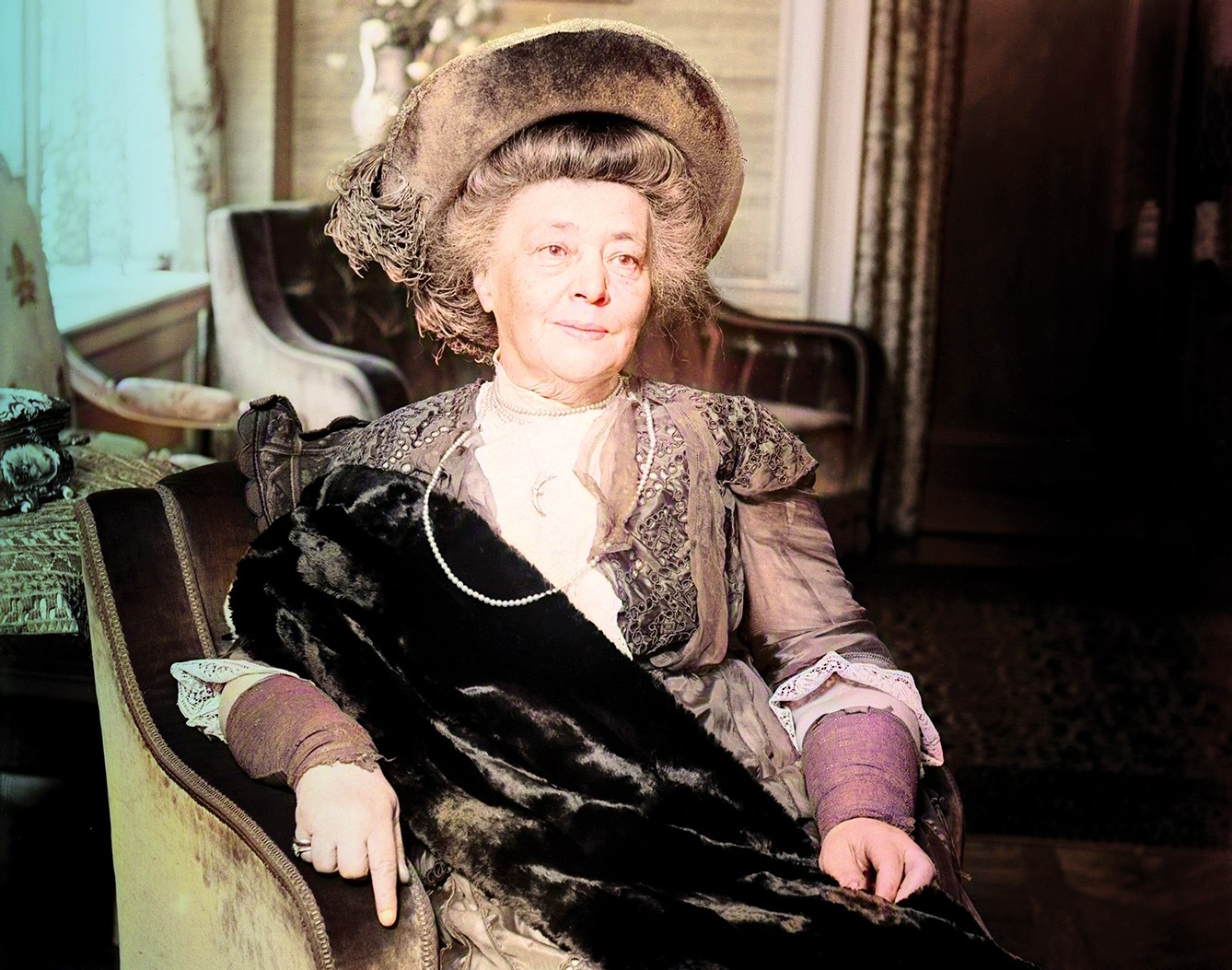
Biography
Early Life
- Full name: Bertha Felicitas Sophie Kinsky von Wchinitz und Tettau
- Born: June 9, 1843 — Prague (then part of the Austrian Empire)
- Came from an aristocratic but financially struggling family
- Received a broad education, including languages and music
Despite noble roots, her early life involved financial hardship.
Love & Marriage
- Worked as a governess for the von Suttner family
- Fell in love with Arthur Gundaccar von Suttner (younger son of the family)
- His family opposed the relationship
They secretly married in 1876 and moved to the Caucasus, where they lived modestly and worked as writers and tutors.
Literary Career
Major Work:
- Lay Down Your Arms! (1889)
Impact:
- A powerful anti-war novel showing the horrors of war
- Became one of the most influential peace writings of the 19th century
- Translated into many languages
It helped shift public opinion toward peace movements in Europe.
Peace Activism
Bertha von Suttner became a leading figure in the international peace movement.
Key Contributions:
- Founded the Austrian Peace Society (1891)
- Attended and organized international peace congresses
- Advocated for:
- Disarmament
- Arbitration instead of war
- International cooperation
Connection to Alfred Nobel
- Briefly worked as Nobel’s secretary in Paris
- Maintained a long correspondence with him
Her influence is widely believed to have helped inspire the creation of the Nobel Peace Prize
Nobel Peace Prize
- Awarded the Nobel Peace Prize in 1905
- First woman to receive this specific prize
Recognition of her lifelong commitment to peace and disarmament.
Challenges & Criticism
1. Idealism vs Reality
- Critics argued her pacifism was unrealistic in a militarized Europe
2. Limited Immediate Impact
- Despite her efforts, Europe still moved toward World War I shortly after her death
Her ideas were ahead of their time but not fully embraced then.
Philosophy & Beliefs
- Strong belief in peace through dialogue
- Opposed militarism and nationalism
- Advocated for:
- International law
- Conflict resolution without violence
She believed war was not inevitable—and could be prevented through cooperation.
Death
- Died: June 21, 1914 — Vienna
- Just weeks before the outbreak of World War I
Legacy
Bertha von Suttner is remembered as:
- A pioneer of the modern peace movement
- A key influence behind the Nobel Peace Prize
- One of the earliest global voices against war
About Bertha Felicitas
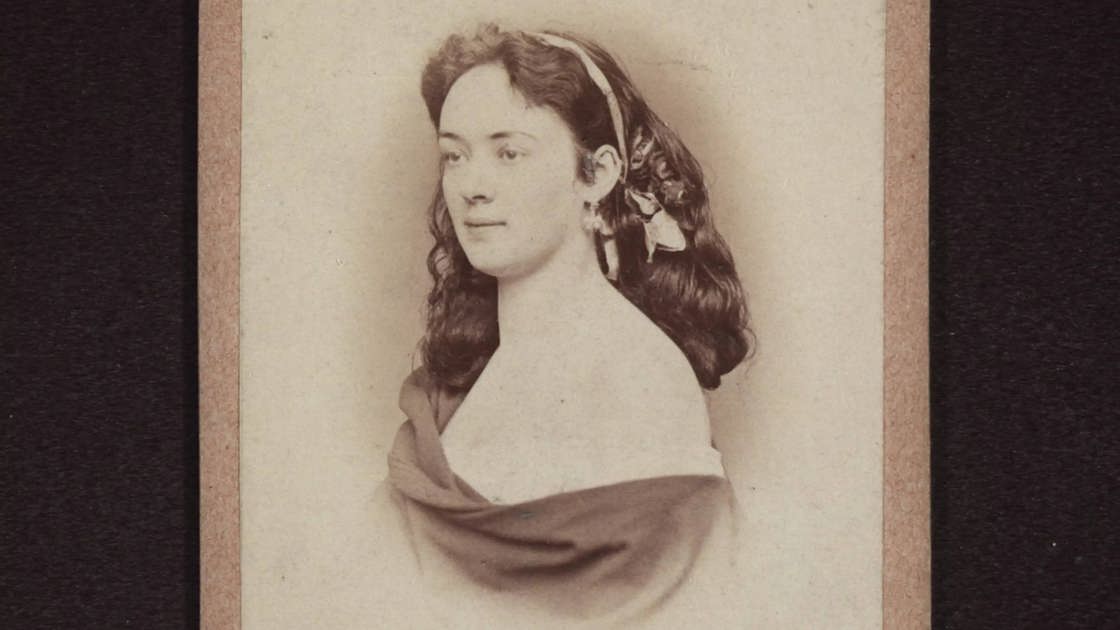
Bertha Felicitas Sophie von Suttner emerges from history as a voice of conscience in an age intoxicated by power—a woman who dared to imagine a world without war when war was still considered inevitable.
Born on June 9, 1843, in Prague—then part of the Austrian Empire—Bertha von Suttner entered a society defined by aristocratic privilege and rigid expectations. Though of noble birth, her family’s finances were unstable, and her upbringing combined refinement with quiet struggle. From an early age, she displayed intellectual curiosity and a sensitivity to the human cost of conflict—traits that would later define her life’s work.
In her youth, she worked as a governess, a position that eventually brought her into contact with Baron Arthur Gundaccar von Suttner, whom she later married despite strong opposition from his family. Their union was not merely romantic but deeply intellectual; together, they shared a passion for literature, philosophy, and social reform.
A brief but significant chapter of her life connected her to Alfred Nobel. In 1876, she worked for him in Paris as a secretary, though only briefly. Despite the brevity of their professional relationship, the two maintained a lifelong correspondence. Their exchange of ideas—particularly on war and peace—would later influence Nobel’s decision to establish the Nobel Peace Prize.
Bertha von Suttner’s true legacy, however, was forged through her writing.
In 1889, she published her most influential work, Lay Down Your Arms! (Die Waffen nieder!), a novel that exposed the brutal realities of war through deeply human storytelling. Unlike the glorified depictions common at the time, her narrative stripped war of its heroism and revealed its suffering—its widows, its orphans, its silent grief. The book resonated across Europe and became a cornerstone of the emerging peace movement.
Through her writing and activism, Suttner became one of the leading figures of the international pacifist movement. She participated in peace congresses, helped establish organizations dedicated to arbitration and conflict resolution, and tirelessly advocated for diplomacy over violence. At a time when women were largely excluded from political discourse, she carved out a space not only for herself but for the broader idea that moral authority could challenge political power.
Her efforts were recognized in 1905 when she became the first woman to be awarded the Nobel Peace Prize. The honour was both a personal milestone and a validation of the pacifist cause she had championed for decades.
Yet, even as recognition came, the world she warned about seemed to move in the opposite direction. Rising nationalism and militarization across Europe hinted at a looming catastrophe—one she would not live to see, but had long feared. Bertha von Suttner died on June 21, 1914, just weeks before the outbreak of World War I.
In retrospect, her life reads almost like a prophecy—one that went unheeded until it was too late.
Bertha von Suttner was more than an activist; she was a moral visionary. She believed that peace was not passive, but something to be actively constructed through courage, dialogue, and empathy. In a world still marked by conflict, her voice continues to echo—reminding us that the call to “lay down arms” is not an act of weakness, but of profound strength.