
[People Profile] All We Know About Muhammed Ali Biography, Career, Family, Networth, Education
Muhammed Ali Biography, Career, Family, Networth, Education.
In This Content
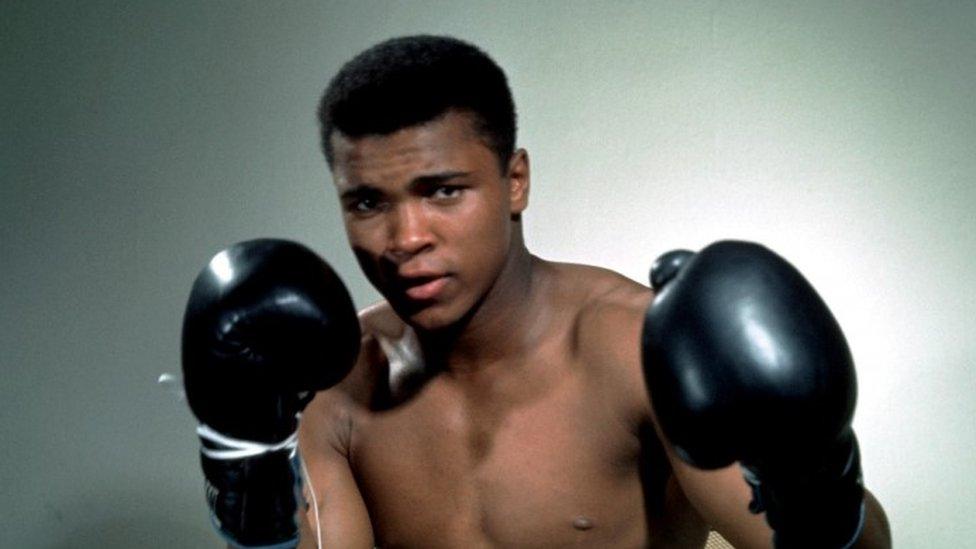
Career Statistics
- Full name: Cassius Marcellus Clay Jr.
- Record: 56 wins – 5 losses
- Knockouts (KOs): 37
- Total fights: 61
- Olympic gold: 1960 (Rome)
- World heavyweight champion: 3 times (first boxer to do so)
- Title defences: 19
Known for:
- Incredible speed & footwork (unusual for a heavyweight)
- “Float like a butterfly, sting like a bee” style
- Fighting elite opponents (Frazier, Foreman, Norton)
Biography
Early Life
- Born January 17, 1942, in Louisville
- Started boxing at age 12 after his bike was stolen
- Won Olympic gold in 1960, launching his career
Rise to Fame
- Beat Sonny Liston in 1964 to become world champion
- Soon after, converted to Islam and changed his name to Muhammad Ali
Prime Years
- Dominated the heavyweight division in the 1960s
- Famous fights:
- vs Joe Frazier (“Fight of the Century”, 1971)
- vs George Foreman (“Rumble in the Jungle”, 1974)
- “Thrilla in Manila” (1975)
Comebacks & Retirement
- Regained title multiple times
- Retired in 1981
- Diagnosed with Parkinson-like symptoms later in life
Death
- Died June 3, 2016 (age 74)
Major Controversies
1. Vietnam War Draft Refusal (BIGGEST)
- Refused to join the U.S. Army in 1967
- Said: “I ain’t got no quarrel with them Vietcong”
- Consequences:
- Stripped of the world title
- Banned from boxing for ~3.5 years
- Faced a prison sentence (later overturned)
This made him:
- A hero to some (civil rights & anti-war symbol)
- A villain to others at the time
2. Nation of Islam & Racial Views
- Joined the Nation of Islam
- Early statements included controversial racial ideas
- Later rejected those views and embraced a more inclusive Islam
3. Trash Talk & Personal Rivalries
- Known for extreme psychological warfare:
- Insulted opponents publicly
- Called Joe Frazier offensive names
Criticism:
- Some say it damaged relationships and went too far
4. Personal Life Criticism
- Multiple marriages and complicated relationships
- Some criticism around treatment of partners (debated and varies by source)
5. Health & Boxing Ethics
- Later suffered from a Parkinson-like condition
- Sparked debates about:
- Long-term brain damage in boxing
- Athlete safety
Legacy
Muhammad Ali is widely considered:
- One of the greatest boxers ever
- A global cultural icon
- A symbol of:
- Black pride
- Resistance
- Speaking truth to power
He wasn’t just a fighter — he changed sports, politics, and culture.
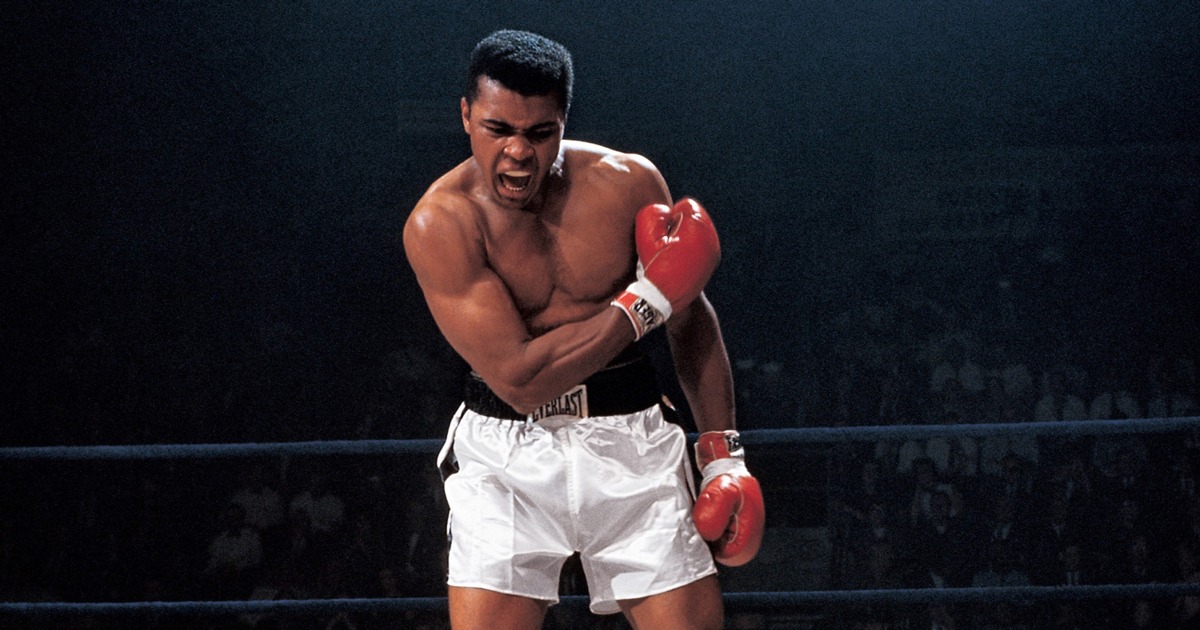
Muhammad Ali—born Cassius Marcellus Clay Jr., and later known to the world as Muhammad Ali—was not merely a fighter in the ring, but a force of personality, conviction, and defiance far beyond it. His life unfolded like a contest of many rounds, each marked by triumph, controversy, and an unwavering belief in himself.
He was born on January 17, 1942, in Louisville, a city shaped by the racial divisions of its time. As a boy, he discovered boxing almost by accident, after reporting his stolen bicycle to a police officer who also trained young fighters. What began as anger quickly transformed into discipline, and then into purpose.
Ali’s rise was swift and electrifying. At the age of 18, he won a gold medal at the 1960 Summer Olympics, announcing himself to the world with both skill and confidence. But it was not only his fists that captured attention—it was his voice. He spoke in rhyme, in rhythm, in bold declarations that blurred the line between poetry and prophecy. “I am the greatest,” he proclaimed, long before the world agreed.
In 1964, he shocked the boxing world by defeating Sonny Liston to become the heavyweight champion. Soon after, he made a decision that would redefine his identity: he joined the Nation of Islam and changed his name to Muhammad Ali, rejecting what he called his “slave name.” The choice was deeply personal—and deeply political.
Ali’s life outside the ring became inseparable from the struggles of his time. In 1967, during the height of the Vietnam War, he refused to be drafted into the U.S. military, stating that he had no quarrel with the Vietnamese people. The decision cost him dearly: he was stripped of his boxing titles and banned from the sport during what should have been his prime years. Yet he stood firm, turning personal sacrifice into a broader statement about conscience, race, and justice.
When he returned to boxing in the 1970s, Ali was no longer just a champion—he was a symbol. His fights became global events, watched by millions who saw in him not just an athlete, but a figure of resistance and resilience.
Among these contests, none are more legendary than the “Fight of the Century” against Joe Frazier and the “Rumble in the Jungle” against George Foreman in Kinshasa. In the latter, Ali employed his famous “rope-a-dope” strategy—absorbing blows against the ropes before striking back with precision—to reclaim the heavyweight title in one of the greatest upsets in sports history.
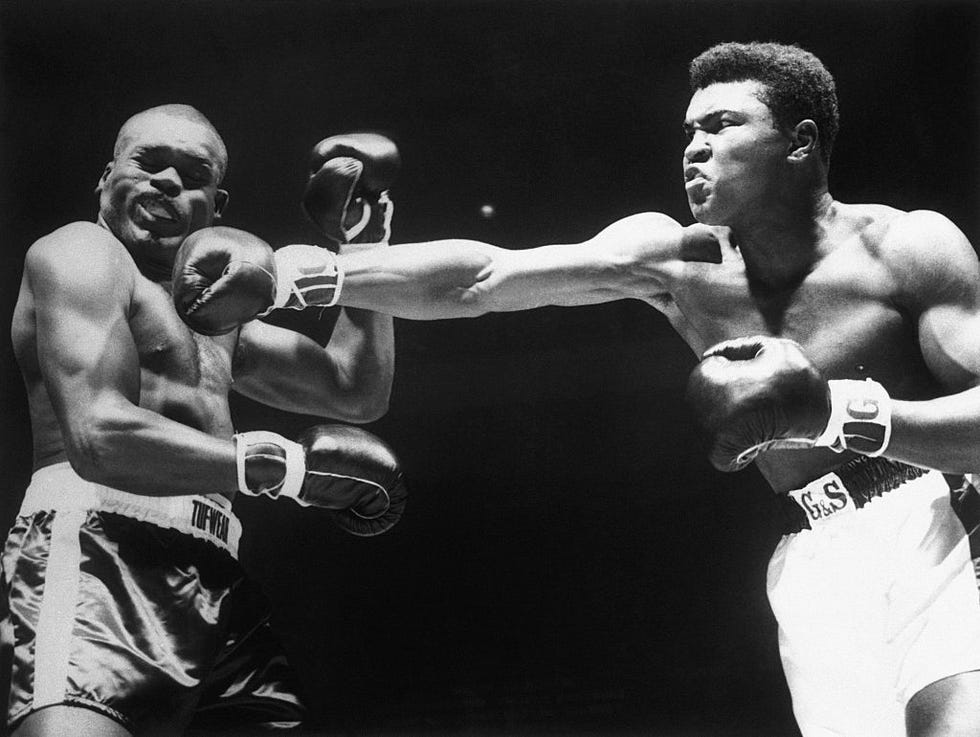
Inside the ring, he was swift, strategic, and theatrical. Outside it, he was charismatic, controversial, and unafraid to speak his mind. He challenged not only his opponents, but the expectations placed upon him as a Black man in America.
But time, as it does with all fighters, began to take its toll. After years of punishing bouts, Ali retired from boxing. In 1984, he was diagnosed with Parkinson’s disease, a condition that gradually slowed his movements and softened his once booming voice.
Yet even in this quieter phase of life, Ali remained a powerful presence. He became a global ambassador for peace and humanitarian causes, lighting the Olympic flame at the 1996 Summer Olympics—a moment that moved millions—a champion, no longer defined by speed or strength, but by dignity and endurance.
He died on June 3, 2016, but his legacy continues to echo across generations. Muhammad Ali is remembered not only as one of the greatest boxers of all time, but as a man who refused to be confined by expectation, by fear, or by silence.
In the end, Ali did more than fight.
He stood. He spoke. He endured.
And in doing so, he became something larger than sport—a symbol of courage, conviction, and the enduring power of a voice that refused to be quiet.
Breakdown of Famous Muhammad Ali Fights
. Fight of the Century
Muhammad Ali vs Joe Frazier
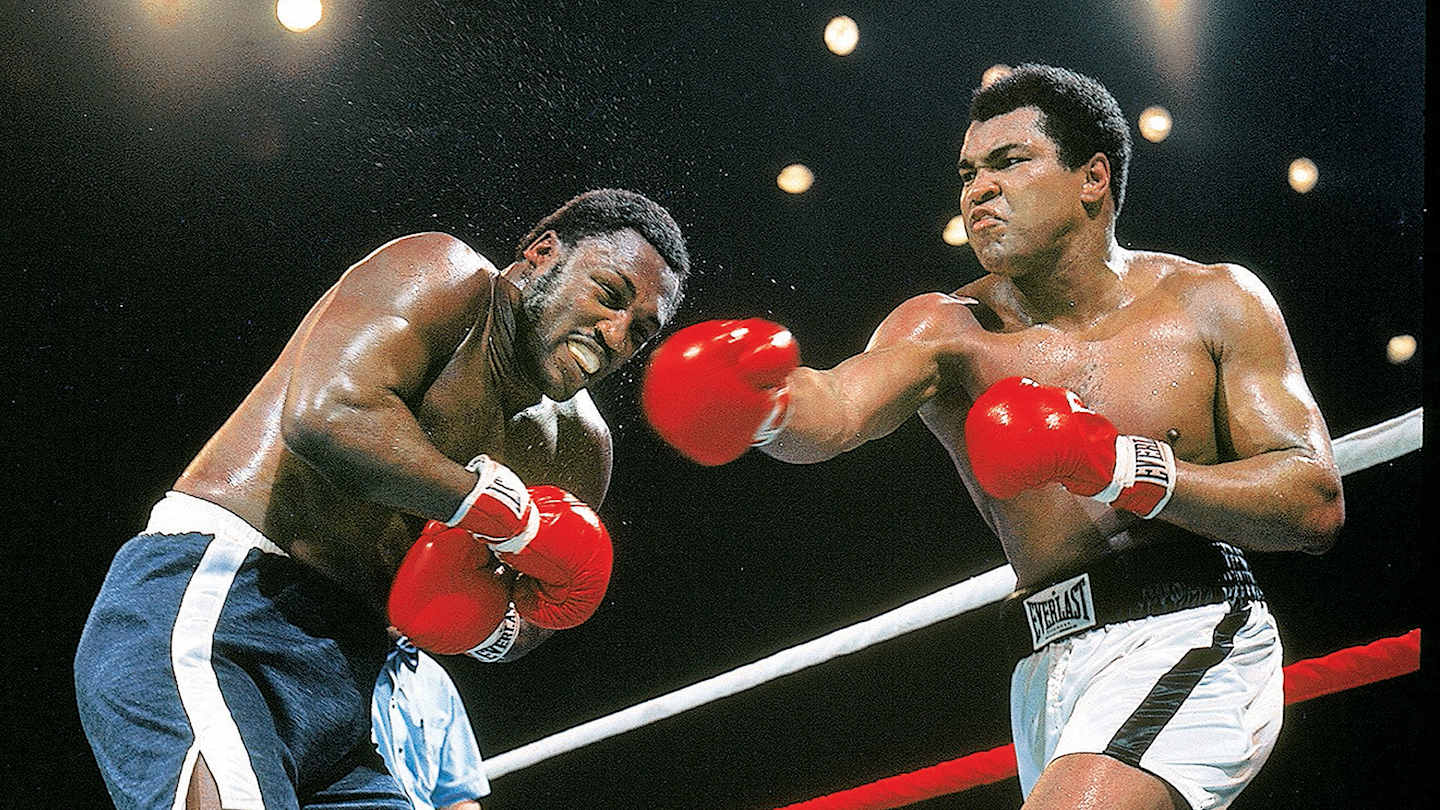
Context
- Ali was returning after his 3.5-year ban
- Frazier was the undefeated champion
- Massive cultural clash: politics, race, personality
Fight Breakdown
- Rounds 1–5: Ali starts fast, sharp jabs, controlling distance
- Rounds 6–10: Frazier closes in, brutal body shots, momentum shifts
- Rounds 11–14: War of attrition—Ali slowing, Frazier relentless
- Round 15: Frazier lands a devastating left hook knockdown
Result
- Frazier wins by unanimous decision
Why it matters:
Ali proved he still belonged—but learned he wasn’t invincible anymore.
2. Rumble in the Jungle
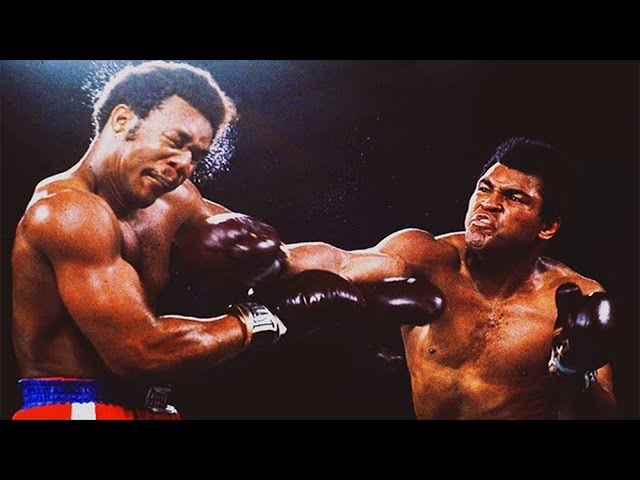
Muhammad Ali vs George Foreman
Context
- Took place in Kinshasa
- Foreman was seen as unstoppable (destroyed Frazier & Norton)
- Most expected Ali to lose badly
Fight Breakdown
- Rounds 1–2: Ali surprises everyone—attacks early
- Rounds 3–7: Ali introduces “rope-a-dope”
- Leans on ropes
- Let’s Foreman punch himself out
- Round 8: Ali explodes with a perfect combination → KO
Result
- Ali wins by KO (Round 8)
Why it matters:
One of the greatest upsets in sports history—Ali outsmarted raw power.
3. Thrilla in Manila
Muhammad Ali vs Joe Frazier
Context
- Final fight in their trilogy
- Extremely personal rivalry
Fight Breakdown
- Rounds 1–5: Ali dominates early, fast combinations
- Rounds 6–10: Frazier comes back—vicious body attack
- Rounds 11–13: Both fighters exhausted, trading heavy blows
- Round 14: Ali nearly collapses from fatigue
- Before Round 15, Frazier’s corner stops the fight
Result
- Ali wins by TKO (corner stoppage)
Why it matters:
Ali called it “the closest thing to dying”—arguably the most brutal fight ever.
4. Ali vs Liston II
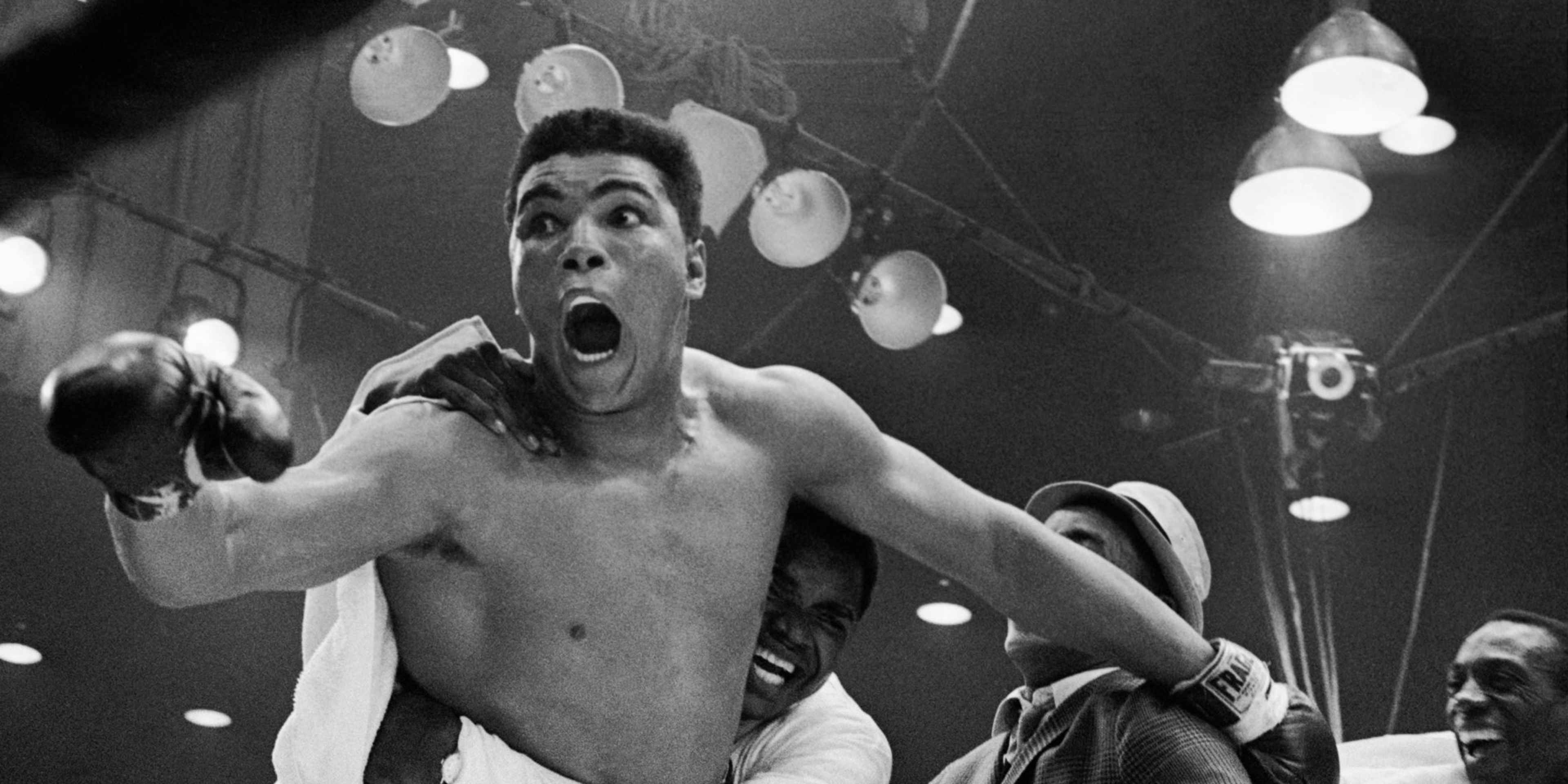
Muhammad Ali vs Sonny Liston
Context
- Rematch after Ali shocked the world in 1964
- Heavy controversy before the fight
Fight Breakdown
- Round 1: Ali throws a quick right hand
- Liston goes down unexpectedly
Result
- Ali wins by KO (Round 1)
Controversy:
- Called the “phantom punch”
- Many believed Liston took a dive
5. Ali vs Norton I
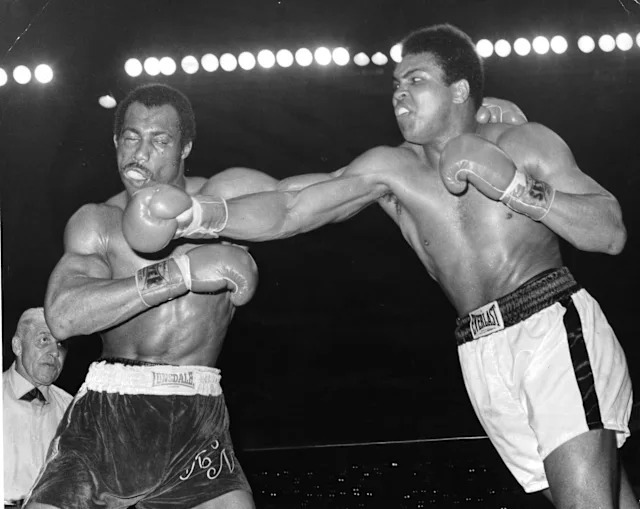
Muhammad Ali vs Ken Norton
Context
- Norton was an underdog
Fight Breakdown
- Early rounds: Competitive
- Middle rounds: Norton breaks Ali’s jaw
- Later rounds: Ali struggles but continues
Result
- Norton wins by split decision
Why it matters:
Showed Ali’s toughness—fighting many rounds with a broken jaw.
6. Ali vs Spinks II
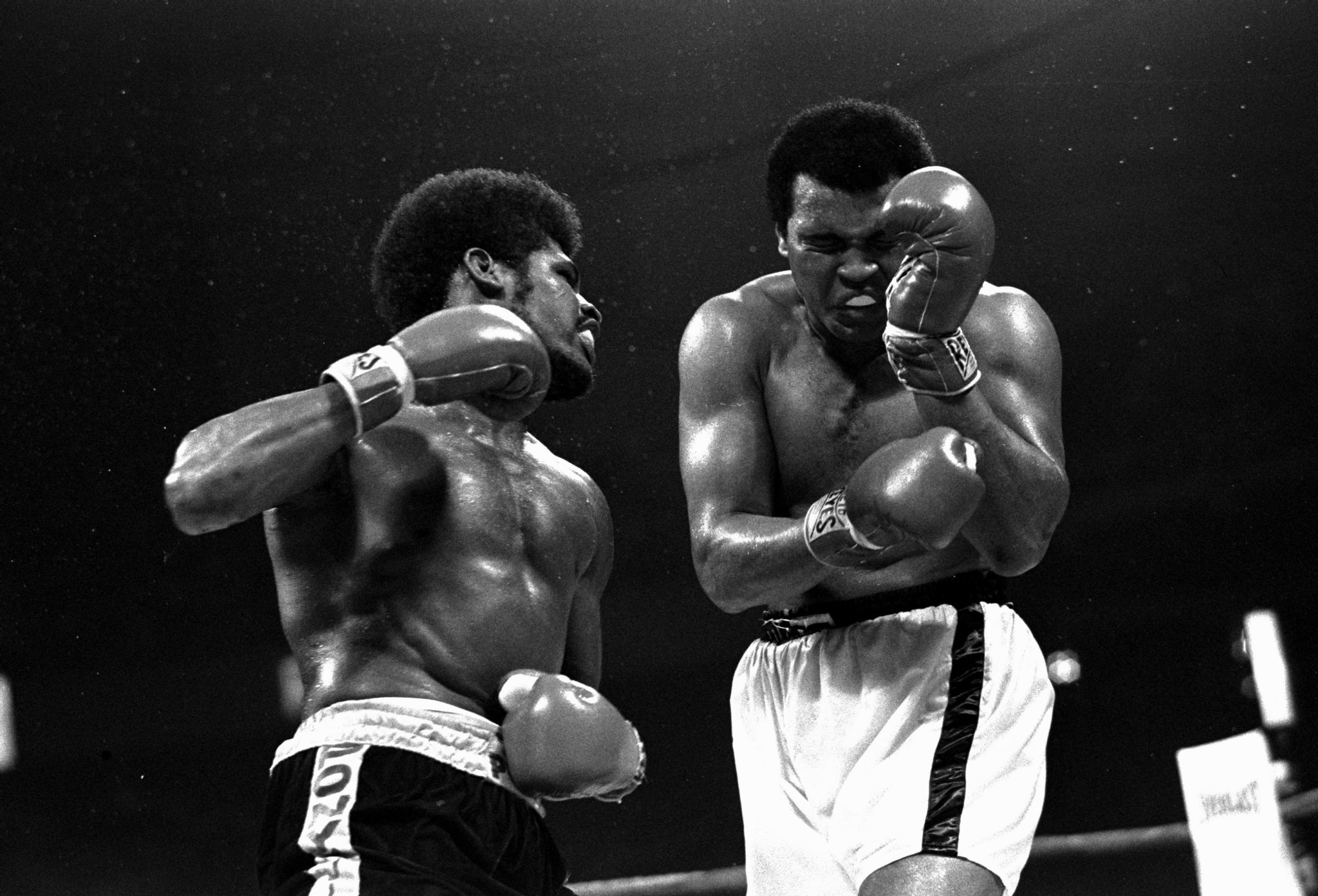
Muhammad Ali vs Leon Spinks
Context
- Ali had lost to Spinks earlier
- Trying to make history
Fight Breakdown
- Ali boxes smart:
- Controls distance
- Uses jab consistently
- No wild exchanges—pure strategy
Result
- Ali wins by unanimous decision
Why it matters:
- Became first 3-time heavyweight champion