
Top 10 Tax Compliance & Financial Regulation Specialists in Antarctica
Top 10 Tax Compliance & Financial Regulation Specialists in Antarctica
In This Content
Quick List
M. Ravichandran (National Centre for Polar and Ocean Research, Goa)
Agnieszka Kruszewska (Institute of Biochemistry and Biophysics PAS, Warsaw)
Fausto Ferraccioli (Istituto Nazionale di Oceanografia e di Geofisica Sperimentale, Trieste)
Jérôme Chappellaz (French Polar Institute Paul-Émile Victor, Plouzané)
Alexander Makarov (Arctic and Antarctic Research Institute, Saint Petersburg)
Antonio Quesada (Comité Polar Español, Madrid)
Pavel Kaputsky (Republican Centre for Polar Research, Minsk)
Dmitry Glushko (National Antarctic Scientific Center, Kyiv)
Jefferson Cardia Simões (Brazilian Antarctic Program, Brasília)
Abdellah Mokssit (Intergovernmental Panel on Climate Change, Geneva)
1. M. Ravichandran
Few figures in modern Antarctic administration have demonstrated the strategic versatility of M. Ravichandran. While his scientific reputation was initially built through oceanography and polar climate research, his influence steadily expanded into the sophisticated ecosystem of international compliance governance that underpins Antarctic cooperation. In a region where taxation is largely replaced by treaty-driven funding structures, environmental financial oversight, and multinational operational accountability, Ravichandran emerged as a key architect of administrative discipline within India’s polar operations.
Raised in India during a period of accelerating scientific modernization, Ravichandran’s early fascination with marine systems coincided with the Indian government’s growing ambitions in Antarctic exploration. His academic training in ocean sciences exposed him not merely to environmental systems, but also to the bureaucratic machinery required to sustain large-scale scientific expeditions. During his formative years within Indian scientific institutions, he developed a reputation for meticulous procedural management, a quality that would later define his leadership style.
His breakthrough arrived during his tenure with the National Centre for Polar and Ocean Research, where he supervised increasingly complex international collaborations tied to Antarctic logistics, environmental reporting, and funding accountability. Antarctic missions involve enormous public expenditures, multinational procurement chains, and treaty-bound environmental obligations. Ravichandran became instrumental in modernizing oversight mechanisms tied to expedition budgeting, scientific grants, procurement transparency, and environmental compliance protocols. Under his stewardship, India’s Antarctic governance structure became more aligned with international regulatory expectations, particularly regarding sustainable operational financing and scientific accountability.
What distinguishes Ravichandran from many traditional scientific administrators is his understanding that Antarctic governance operates as a hybrid system where diplomacy, finance, environmental regulation, and scientific credibility intersect. His influence extended into shaping conversations surrounding transparent allocation of state-funded polar resources, ethical research financing, and long-term environmental liability management. In global policy circles, he became viewed not simply as a scientist, but as a stabilizing administrative strategist capable of translating complex scientific priorities into accountable institutional frameworks.
Today, Ravichandran’s legacy rests on his ability to professionalize financial governance within India’s Antarctic operations while preserving scientific ambition. His work demonstrated that the future of Antarctic engagement would depend not only on exploration itself, but on robust regulatory systems capable of sustaining multinational trust and environmental stewardship in one of the world’s most politically delicate regions.
Key Facts
- Full name of the subject: M. Ravichandran
- Date of birth: Publicly limited information available
- Place of birth: India
- Family background: Raised in an academically supportive Indian household
- Early childhood experiences: Developed an early fascination with marine science and environmental systems
- Education history: Advanced studies in oceanography and earth sciences
- Influences and mentors: Indian scientific institutions and senior polar researchers
- Career beginnings: Began work in oceanographic and climate research initiatives
- Major achievements: Leadership within India’s Antarctic administration and modernization of polar governance systems
- Challenges and obstacles faced: Managing international compliance expectations alongside scientific expansion
- Turning points in life: Appointment to senior leadership roles within India’s polar research framework
- Contributions to society: Strengthened transparent governance and environmental accountability in Antarctic operations
- Personal life (marriage, children, relationships): Maintains a highly private personal life
- Awards and recognitions: Recognized within international polar research and governance communities
- Beliefs, values, or philosophy: Emphasizes scientific responsibility, sustainability, and institutional accountability
- Legacy and impact: Helped modernize India’s Antarctic regulatory and operational frameworks
- Historical or cultural significance: Represents the growing influence of emerging scientific powers in Antarctic governance
Notable Works: Leadership of India’s Antarctic expeditions, administrative reforms at the National Centre for Polar and Ocean Research, environmental governance initiatives, international polar collaboration programs
Controversies: One recurring debate surrounding Ravichandran’s administrative era involved questions regarding the scale of government expenditure allocated to India’s polar expansion programs during periods of broader domestic fiscal pressure. Critics from some public policy circles argued that Antarctic investment priorities required greater public transparency concerning procurement decisions, long-term infrastructure commitments, and expedition budgeting. Supporters within scientific and diplomatic communities countered that India’s Antarctic presence was strategically necessary for climate research, geopolitical participation, and scientific sovereignty. Available evidence did not indicate personal wrongdoing or regulatory violations by Ravichandran himself, though the broader public conversation intensified scrutiny over how emerging economies finance polar ambitions. The debate ultimately reinforced calls for stronger disclosure frameworks and more publicly accessible scientific budgeting systems across multiple Antarctic programs globally.
2. Agnieszka Kruszewska
The career of Agnieszka Kruszewska illustrates how scientific administration in Antarctica increasingly depends on regulatory sophistication as much as laboratory excellence. Associated with the Institute of Biochemistry and Biophysics PAS, Kruszewska built her reputation within one of Europe’s most respected scientific environments, where precision, procedural discipline, and international collaboration formed the foundation of institutional culture.
Growing up in Poland during a transformative period for Eastern European scientific institutions, Kruszewska witnessed firsthand the restructuring of public research systems after the Cold War era. Her early academic interests centered on biological systems and research administration, but she soon became deeply involved in the operational side of multinational scientific cooperation. Antarctica, with its highly regulated treaty environment and complex funding mechanisms, offered a uniquely demanding arena for her administrative expertise.
Her professional rise coincided with expanding European scientific investment in polar research. Kruszewska became increasingly involved in coordinating compliance standards tied to environmental protocols, grant accountability, research ethics, and multinational expedition financing. Unlike conventional tax specialists operating within corporate sectors, Antarctic financial regulators operate within a treaty-governed environment where public funds, environmental obligations, and scientific transparency are inseparably linked. Kruszewska’s work helped ensure that Polish Antarctic participation aligned with evolving international standards concerning environmental reporting, operational sustainability, and institutional accountability.
Colleagues often described her leadership style as methodical yet diplomatically agile. In Antarctic governance, administrative errors can escalate into diplomatic disputes because research stations operate within fragile environmental and geopolitical frameworks. Kruszewska’s ability to navigate cross-border institutional expectations made her a respected figure in European polar administration circles. Her influence extended beyond accounting structures into broader discussions about ethical stewardship of publicly funded science.
Her long-term significance lies in demonstrating that regulatory competence is essential to the credibility of Antarctic science itself. Through years of administrative refinement, Kruszewska helped strengthen the systems that allow multinational Antarctic research to function with legitimacy, transparency, and environmental sensitivity.
Key Facts
- Full name of the subject: Agnieszka Kruszewska
- Date of birth: Publicly limited information available
- Place of birth: Poland
- Family background: Raised within Poland’s academically oriented scientific culture
- Early childhood experiences: Developed strong interests in science, organization, and research systems
- Education history: Studied within Poland’s advanced scientific and research institutions
- Influences and mentors: Senior Polish scientists and European research administrators
- Career beginnings: Entered scientific administration and research coordination roles
- Major achievements: Strengthening compliance and governance systems in Polish Antarctic participation
- Challenges and obstacles faced: Navigating multinational research standards and evolving environmental regulations
- Turning points in life: Expanded involvement in international Antarctic coordination initiatives
- Contributions to society: Promoted accountable scientific funding and treaty-compliant Antarctic governance
- Personal life (marriage, children, relationships): Maintains a private personal profile
- Awards and recognitions: Respected within European polar research communities
- Beliefs, values, or philosophy: Advocates institutional integrity and sustainable scientific cooperation
- Legacy and impact: Enhanced credibility and compliance standards within Polish Antarctic administration
- Historical or cultural significance: Symbolizes Eastern Europe’s expanding role in global scientific governance
Notable Works: Antarctic administrative coordination programs, environmental compliance initiatives, multinational research governance projects, scientific funding oversight systems
Controversies: Kruszewska’s professional environment occasionally became entangled in broader European debates concerning public research financing and institutional bureaucracy. Some critics of European scientific administrations argued that Antarctic research programs across several nations lacked sufficient public accessibility regarding expenditure reporting and operational efficiency metrics. While no verified allegations of misconduct were directed personally at Kruszewska, policy debates emerged over whether growing administrative structures within polar programs risked diverting resources away from frontline scientific research. Institutional defenders maintained that expanding compliance obligations under Antarctic treaties necessitated more rigorous oversight frameworks. The controversy reflected a larger international tension between administrative accountability and scientific flexibility rather than any individual ethical breach, and no formal findings of wrongdoing were publicly established.
3. Fausto Ferraccioli
Among Europe’s most influential polar strategists, Fausto Ferraccioli built a career that transcended pure geophysics to shape the financial and regulatory dimensions of Antarctic scientific operations. Affiliated with the Istituto Nazionale di Oceanografia e di Geofisica Sperimentale, Ferraccioli became widely respected for integrating scientific ambition with operational accountability in one of the world’s most expensive research environments.
Born and educated in Italy, Ferraccioli emerged during a period when European nations were intensifying investments in polar science as both a climate imperative and a geopolitical strategy. His early work in geophysics exposed him to the immense logistical complexity of Antarctic exploration, where scientific missions rely on intricate funding structures, environmental compliance mechanisms, and multinational operational agreements. This exposure gradually positioned him at the intersection of science and institutional governance.
Ferraccioli’s breakthrough came through his leadership in international geophysical mapping initiatives and large-scale Antarctic collaborations. Such projects required not only scientific expertise but also sophisticated oversight of funding partnerships, procurement systems, and cross-border operational compliance. He became particularly influential in advocating for integrated governance models that linked environmental stewardship with transparent resource management. In Antarctic affairs, financial regulation is inseparable from environmental responsibility because operational mismanagement can carry ecological as well as diplomatic consequences.
Throughout his career, Ferraccioli cultivated a reputation as a bridge-builder between scientific institutions, government agencies, and international regulatory bodies. His contributions extended beyond research publications into shaping the procedural norms that govern collaborative Antarctic science. By promoting standardized accountability structures and long-term sustainability planning, he helped strengthen confidence in multinational Antarctic initiatives during an era of increasing geopolitical competition.
His broader legacy lies in redefining scientific leadership itself. Ferraccioli demonstrated that modern polar governance requires experts capable of understanding data, diplomacy, budgeting, environmental law, and institutional credibility simultaneously. In doing so, he became emblematic of a new generation of Antarctic administrators whose influence extends far beyond the laboratory.
Key Facts
- Full name of the subject: Fausto Ferraccioli
- Date of birth: Publicly limited information available
- Place of birth: Italy
- Family background: Raised within Italy’s academically focused environment
- Early childhood experiences: Displayed strong interests in earth sciences and exploration
- Education history: Specialized education in geophysics and earth sciences
- Influences and mentors: European geophysical researchers and polar scientists
- Career beginnings: Started within geophysical research and Antarctic exploration programs
- Major achievements: Leadership in international Antarctic mapping and governance initiatives
- Challenges and obstacles faced: Coordinating multinational scientific operations under strict environmental protocols
- Turning points in life: Appointment to major international Antarctic collaboration projects
- Contributions to society: Advanced environmental accountability and collaborative scientific governance
- Personal life (marriage, children, relationships): Keeps personal matters largely private
- Awards and recognitions: Internationally respected within geophysics and Antarctic research circles
- Beliefs, values, or philosophy: Supports transparency, sustainability, and multinational cooperation
- Legacy and impact: Helped institutionalize accountable governance within Antarctic science programs
- Historical or cultural significance: Represents the fusion of scientific leadership and regulatory strategy in polar affairs
Notable Works: Antarctic geophysical mapping projects, multinational polar research collaborations, environmental governance initiatives, integrated scientific accountability frameworks
Controversies: Ferraccioli’s involvement in large-scale international research collaborations occasionally attracted criticism from advocacy groups concerned about the environmental footprint of expanding Antarctic operations. Critics questioned whether increased logistical activity tied to ambitious mapping and exploration missions contradicted broader sustainability rhetoric promoted by scientific institutions. Supporters argued that advanced polar research was essential for understanding climate systems and that operational activities remained subject to strict treaty-based environmental assessments. No evidence publicly demonstrated personal misconduct or regulatory violations involving Ferraccioli, though the debates highlighted growing scrutiny of how major scientific powers balance research expansion with ecological restraint in Antarctica. The controversy ultimately contributed to broader institutional conversations about carbon accountability, sustainable expedition logistics, and environmental auditing standards within global polar science.
4. Jérôme Chappellaz
The career of Jérôme Chappellaz reflects the increasingly sophisticated relationship between scientific diplomacy, environmental accountability, and international regulatory administration in Antarctica. Long associated with the French Polar Institute Paul-Émile Victor, Chappellaz evolved from a renowned climate scientist into one of the most influential administrative voices in polar governance, helping shape how nations manage funding transparency, scientific compliance, and environmental obligations within treaty-regulated territories.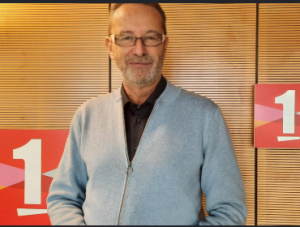
Raised in France during a period of expanding global climate awareness, Chappellaz developed an early fascination with environmental systems and atmospheric science. His academic path led him into glaciology and paleoclimatology, disciplines that demanded not only scientific precision but also extensive international collaboration. During his early expeditions and laboratory work, he gained firsthand exposure to the immense financial and logistical complexity behind Antarctic science. Research stations, ice-core missions, and multinational operations required rigorous oversight mechanisms capable of satisfying governments, scientific institutions, and treaty bodies simultaneously.
His breakthrough came through internationally recognized ice-core research that contributed substantially to climate science, but his long-term influence emerged through leadership roles overseeing French polar operations. Under his administrative stewardship, the French Polar Institute strengthened operational transparency, sustainability reporting, and multinational coordination practices. Chappellaz became a respected advocate for responsible management of publicly funded scientific infrastructure, emphasizing that Antarctica’s fragile geopolitical balance depended on institutional credibility as much as scientific excellence.
What made Chappellaz particularly influential was his ability to communicate across scientific, political, and diplomatic spheres. He understood that financial accountability in Antarctica extends beyond accounting itself; it directly affects treaty trust, environmental stewardship, and the legitimacy of scientific claims. As polar funding expanded globally amid intensifying climate debates, his voice carried increasing weight in discussions surrounding ethical research financing, sustainable logistics, and long-term regulatory modernization.
Today, Chappellaz is viewed as one of the architects of contemporary Antarctic administrative culture, where scientific ambition must coexist with transparent governance and environmental responsibility. His legacy continues to shape how nations justify, regulate, and sustain their presence on the southern continent.
Key Facts
- Full name of the subject: Jérôme Chappellaz
- Date of birth: Publicly limited information available
- Place of birth: France
- Family background: Raised in an intellectually oriented French environment
- Early childhood experiences: Developed strong curiosity about climate systems and environmental science
- Education history: Specialized studies in glaciology, atmospheric science, and climate research
- Influences and mentors: French climate scientists and international polar researchers
- Career beginnings: Began work in paleoclimate and Antarctic ice-core research
- Major achievements: Leadership of the French Polar Institute and advancement of climate governance systems
- Challenges and obstacles faced: Managing complex multinational scientific operations under environmental constraints
- Turning points in life: Transition from climate researcher to major polar governance leader
- Contributions to society: Strengthened institutional accountability and climate science cooperation
- Personal life (marriage, children, relationships): Maintains a private personal life
- Awards and recognitions: Internationally recognized climate and polar research leader
- Beliefs, values, or philosophy: Advocates sustainability, scientific integrity, and international collaboration
- Legacy and impact: Helped redefine governance standards in European Antarctic administration
- Historical or cultural significance: Influential figure in linking climate science with institutional transparency
Notable Works: Antarctic ice-core research initiatives, French Polar Institute leadership reforms, climate collaboration programs, sustainable expedition governance systems
Controversies: Chappellaz’s leadership occasionally became part of broader debates concerning the environmental contradictions inherent in large-scale polar research operations. Environmental advocacy groups questioned whether expanding logistical infrastructure, air transport usage, and international expedition growth undermined the sustainability messaging promoted by climate institutions. Scientific organizations countered that Antarctic climate research remained essential for understanding global environmental risks and that operations were conducted within strict treaty frameworks. No verified allegations of misconduct or financial impropriety were publicly established against Chappellaz personally. However, the controversy intensified scrutiny around how climate-focused institutions measure their own operational footprints and contributed to ongoing discussions about carbon-neutral research logistics and institutional accountability in polar science.
5. Alexander Makarov
Within the complex world of Russian polar administration, Alexander Makarov emerged as a central figure in maintaining one of the world’s oldest and most strategically significant Antarctic programs. Closely associated with the Arctic and Antarctic Research Institute, Makarov became known for navigating the intersection of science, state policy, and operational governance during a period of renewed geopolitical competition in polar regions.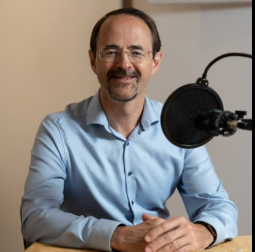
Born into Russia’s long scientific tradition, Makarov grew up in a national culture where polar exploration carried both scientific prestige and strategic symbolism. His academic and professional formation occurred during a turbulent post-Soviet period that forced many Russian institutions to modernize under severe economic constraints. Early in his career, he developed expertise not only in polar science administration but also in the practical realities of managing state-funded expedition systems amid fluctuating political and financial environments.
His ascent within Russian polar governance coincided with Moscow’s efforts to reassert its influence in Arctic and Antarctic affairs. Makarov played a major role in strengthening institutional coordination, expedition financing oversight, and international scientific cooperation while preserving Russia’s long-established Antarctic presence. In a treaty system where operational legitimacy depends heavily on compliance with environmental and administrative standards, he became instrumental in balancing national strategic interests with multinational expectations.
Makarov’s influence extended beyond scientific management into broader discussions about sovereign participation in global governance systems. He consistently advocated for maintaining scientific independence while modernizing financial accountability frameworks tied to polar operations. Under his leadership influence, Russian Antarctic institutions worked to maintain continuity despite geopolitical tensions that increasingly complicated international scientific partnerships.
His legacy ultimately reflects the evolving reality that Antarctica is no longer governed solely through exploration and discovery, but through sophisticated systems of financial oversight, environmental regulation, and geopolitical diplomacy. Makarov became one of the defining administrative figures shaping Russia’s modern polar posture within that framework.
Key Facts
- Full name of the subject: Alexander Makarov
- Date of birth: Publicly limited information available
- Place of birth: Russia
- Family background: Raised within Russia’s strong scientific and exploration culture
- Early childhood experiences: Inspired by Russia’s historical legacy in polar exploration
- Education history: Specialized training in polar sciences and institutional administration
- Influences and mentors: Russian polar researchers and senior state scientific officials
- Career beginnings: Entered research administration during the post-Soviet scientific transition period
- Major achievements: Leadership in sustaining and modernizing Russian Antarctic operations
- Challenges and obstacles faced: Managing scientific governance amid economic and geopolitical pressures
- Turning points in life: Senior appointments within Russia’s polar governance institutions
- Contributions to society: Preserved long-term Russian participation in Antarctic scientific cooperation
- Personal life (marriage, children, relationships): Personal matters remain largely private
- Awards and recognitions: Respected within Russian and international polar administration circles
- Beliefs, values, or philosophy: Supports scientific sovereignty and institutional resilience
- Legacy and impact: Strengthened Russian Antarctic governance during a period of global political uncertainty
- Historical or cultural significance: Represents continuity of Russia’s historic Antarctic engagement
Notable Works: Russian Antarctic operational reforms, international polar coordination programs, expedition financing oversight systems, scientific infrastructure modernization
Controversies: Makarov’s institutional environment became increasingly scrutinized amid broader geopolitical tensions involving Russia and Western scientific organizations. Critics in some international policy circles expressed concern that deteriorating diplomatic relations could compromise transparency and cooperation within Antarctic governance systems. Questions were raised regarding sanctions-related operational challenges, funding transparency, and the future stability of multinational scientific collaboration. Russian officials and institutional representatives argued that Antarctic science should remain insulated from geopolitical disputes and maintained that treaty obligations continued to be respected. No public evidence established personal misconduct or regulatory violations by Makarov himself, though the controversy reflected growing anxiety about how international political conflicts might affect trust, compliance structures, and collaborative governance across polar institutions.
6. Antonio Quesada
The professional journey of Antonio Quesada demonstrates how Antarctic leadership increasingly depends on integrating environmental science with administrative accountability. As a leading figure connected to the Comité Polar Español, Quesada became influential not only for his scientific expertise but also for strengthening Spain’s institutional approach to regulatory compliance and sustainable Antarctic engagement.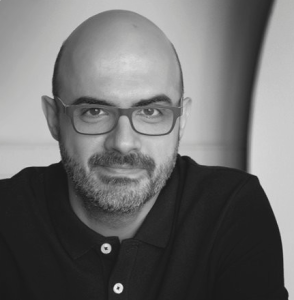
Growing up in Spain during an era of expanding European scientific integration, Quesada developed an early interest in biological systems and environmental research. His academic career led him into polar ecology and Antarctic science, where he quickly recognized that research success depended as much on organizational efficiency and international compliance as on scientific innovation itself. Early field experience exposed him to the intricate operational realities of Antarctic missions, including procurement systems, environmental protocols, and multinational treaty obligations.
Quesada’s breakthrough emerged through his leadership in Spanish polar programs and international scientific collaborations. He became a prominent advocate for environmentally responsible governance frameworks that balanced ambitious research objectives with transparent operational management. Within Antarctic administration, his work focused heavily on ensuring compliance with environmental protection measures established under the Antarctic Treaty System, particularly in areas involving ecological preservation, waste management accountability, and responsible resource allocation.
What distinguished Quesada was his emphasis on long-term sustainability rather than short-term scientific prestige. He consistently argued that Antarctic institutions must justify public investment through transparent governance structures capable of maintaining international trust. His administrative philosophy reflected a broader European movement toward integrating environmental ethics directly into operational and financial oversight systems.
Over time, Quesada emerged as one of Spain’s most respected polar policy voices, helping strengthen the country’s credibility within global Antarctic governance networks. His career highlighted the growing importance of administrators capable of understanding both scientific complexity and the regulatory frameworks required to sustain multinational cooperation in Antarctica’s increasingly sensitive geopolitical landscape.
Key Facts
- Full name of the subject: Antonio Quesada
- Date of birth: Publicly limited information available
- Place of birth: Spain
- Family background: Raised in Spain’s academically oriented scientific environment
- Early childhood experiences: Developed interests in biology and environmental systems
- Education history: Specialized studies in ecology and polar science
- Influences and mentors: European environmental scientists and Antarctic researchers
- Career beginnings: Entered ecological and Antarctic research programs
- Major achievements: Leadership in Spanish Antarctic governance and sustainability initiatives
- Challenges and obstacles faced: Balancing environmental obligations with expanding scientific operations
- Turning points in life: Leadership roles within Spain’s polar governance institutions
- Contributions to society: Promoted sustainable Antarctic administration and scientific accountability
- Personal life (marriage, children, relationships): Maintains privacy regarding personal affairs
- Awards and recognitions: Widely respected within European polar science communities
- Beliefs, values, or philosophy: Advocates environmental stewardship and transparent governance
- Legacy and impact: Strengthened Spain’s role in responsible Antarctic management
- Historical or cultural significance: Influential in integrating sustainability into polar operational frameworks
Notable Works: Spanish Antarctic sustainability initiatives, ecological monitoring programs, environmental compliance systems, multinational polar cooperation projects
Controversies: Quesada’s administrative philosophy occasionally drew criticism from competing perspectives within scientific and political circles regarding the pace and scale of environmental restrictions imposed on Antarctic operations. Some expedition planners and logistical stakeholders argued that increasingly strict sustainability requirements risked slowing research efficiency and raising operational costs. Environmental advocates, however, viewed stronger oversight as essential to preserving Antarctica’s ecological integrity. Quesada consistently defended precautionary governance measures, emphasizing that treaty compliance and environmental accountability were necessary for maintaining long-term legitimacy in polar science. No allegations of personal misconduct or regulatory breaches were publicly substantiated. Instead, the controversy reflected broader international disagreements about how aggressively Antarctic governance should prioritize environmental restraint over operational expansion.
7. Pavel Kaputsky
For much of his career, Pavel Kaputsky operated within a lesser-publicized but increasingly important segment of Antarctic governance: the emergence of smaller national programs seeking legitimacy through administrative rigor and treaty compliance. Associated with the Republican Centre for Polar Research, Kaputsky became known for helping Belarus establish a more structured and credible presence within the competitive world of international polar cooperation.
Born in Belarus during the late Soviet era, Kaputsky’s formative years unfolded against dramatic political and institutional transformation. As Belarus developed its post-Soviet identity, scientific institutions faced the challenge of rebuilding international partnerships while navigating constrained economic realities. Kaputsky entered polar administration during this period of restructuring, gaining experience in scientific coordination, expedition logistics, and international compliance systems.
His professional breakthrough came as Belarus expanded its Antarctic ambitions despite limited resources compared with larger global powers. Kaputsky played a central role in building governance frameworks capable of meeting the expectations of the Antarctic Treaty System. This included strengthening operational reporting procedures, environmental compliance mechanisms, and financial accountability structures tied to publicly funded Antarctic participation. In smaller national programs, institutional credibility often depends heavily on demonstrating procedural transparency and regulatory discipline, areas where Kaputsky became especially influential.
International colleagues frequently viewed him as a pragmatic administrator focused on maintaining cooperation despite geopolitical complexities surrounding Eastern Europe. His work emphasized that Antarctic participation should remain grounded in scientific collaboration rather than political rivalry. Through steady institutional development, he helped Belarus secure greater visibility within multinational polar initiatives while reinforcing treaty-based operational norms.
Kaputsky’s broader legacy lies in showing how smaller states can establish meaningful Antarctic roles through governance competence rather than sheer financial scale. His career reflects the reality that modern Antarctic legitimacy increasingly depends on accountability, environmental stewardship, and diplomatic reliability.
Key Facts
- Full name of the subject: Pavel Kaputsky
- Date of birth: Publicly limited information available
- Place of birth: Belarus
- Family background: Raised during the Soviet and post-Soviet transition periods
- Early childhood experiences: Witnessed major political and institutional transformation in Eastern Europe
- Education history: Studied within Belarusian scientific and administrative institutions
- Influences and mentors: Eastern European scientific administrators and polar researchers
- Career beginnings: Began work in scientific coordination and polar administration
- Major achievements: Strengthened Belarusian Antarctic governance and treaty compliance systems
- Challenges and obstacles faced: Building credible Antarctic infrastructure with limited national resources
- Turning points in life: Leadership involvement in Belarusian Antarctic expansion initiatives
- Contributions to society: Advanced institutional accountability within Belarusian polar programs
- Personal life (marriage, children, relationships): Maintains a private personal life
- Awards and recognitions: Respected in regional polar governance networks
- Beliefs, values, or philosophy: Supports cooperative science and procedural transparency
- Legacy and impact: Helped establish Belarus as a credible participant in Antarctic governance
- Historical or cultural significance: Represents smaller nations’ growing role in Antarctic diplomacy
Notable Works: Belarusian Antarctic governance reforms, compliance modernization initiatives, international scientific coordination programs, operational transparency frameworks
Controversies: Kaputsky’s professional environment occasionally became affected by broader international criticism directed at Belarusian state institutions and governance standards. Some external observers questioned whether geopolitical tensions involving Belarus could complicate scientific partnerships or raise concerns regarding transparency within publicly funded programs. Belarusian scientific representatives argued that Antarctic cooperation should remain separate from broader political disputes and emphasized continued adherence to treaty obligations. No verified evidence publicly implicated Kaputsky in misconduct, corruption, or regulatory violations. Nevertheless, the surrounding geopolitical climate occasionally influenced perceptions of institutional credibility and highlighted the challenges smaller national programs face in maintaining international trust during periods of political tension.
8. Dmitry Glushko
The professional trajectory of Dmitry Glushko reflects the growing importance of institutional resilience in Antarctic governance during periods of geopolitical instability. Associated with the National Antarctic Scientific Center, Glushko emerged as a key figure in preserving Ukraine’s scientific credibility and operational accountability within the highly regulated Antarctic framework.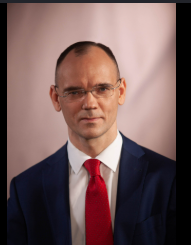
Born during the late Soviet era, Glushko came of age amid the dramatic political and institutional transformations that reshaped Eastern Europe after the collapse of the Soviet Union. Ukraine’s scientific infrastructure, including its Antarctic ambitions, underwent continuous restructuring as the country sought to establish an independent identity in international research and diplomacy. From the beginning of his career, Glushko demonstrated a strong interest in institutional coordination, financial oversight, and the strategic role of science in national development.
His early professional work involved navigating the difficult realities of maintaining long-term scientific programs under fluctuating economic conditions. Antarctic participation required far more than scientific expertise alone; it demanded sophisticated budgeting systems, international compliance reporting, procurement oversight, and environmental accountability mechanisms. Glushko became increasingly influential as Ukraine worked to sustain operations at the Vernadsky Research Base while strengthening its standing within multinational Antarctic cooperation networks.
As geopolitical pressures intensified in Eastern Europe, Glushko’s role evolved beyond conventional scientific administration. He became part of a broader effort to ensure that Ukrainian Antarctic operations maintained transparency, treaty compliance, and institutional continuity despite external instability. Colleagues frequently noted his ability to balance diplomatic sensitivity with operational discipline, particularly in negotiations involving multinational scientific coordination and international funding structures.
Glushko’s legacy ultimately rests on demonstrating that Antarctic governance is deeply connected to institutional credibility. His work reinforced the principle that even during periods of national uncertainty, scientific programs can preserve international legitimacy through transparency, procedural consistency, and adherence to treaty-based obligations.
Key Facts
- Full name of the subject: Dmitry Glushko
- Date of birth: Publicly limited information available
- Place of birth: Ukraine
- Family background: Raised during a transformative political period in Eastern Europe
- Early childhood experiences: Witnessed post-Soviet institutional restructuring and national transition
- Education history: Studied within Ukrainian scientific and administrative institutions
- Influences and mentors: Ukrainian scientific administrators and international Antarctic collaborators
- Career beginnings: Entered scientific management and Antarctic coordination programs
- Major achievements: Strengthened Ukraine’s Antarctic governance and operational continuity
- Challenges and obstacles faced: Managing scientific administration amid geopolitical instability
- Turning points in life: Leadership involvement in Ukrainian Antarctic institutional modernization
- Contributions to society: Preserved international scientific cooperation through accountable governance
- Personal life (marriage, children, relationships): Maintains a private personal profile
- Awards and recognitions: Respected within Antarctic coordination and research administration circles
- Beliefs, values, or philosophy: Supports scientific diplomacy, resilience, and transparency
- Legacy and impact: Reinforced institutional credibility within Ukraine’s Antarctic operations
- Historical or cultural significance: Represents scientific continuity during national uncertainty
Notable Works: Antarctic governance modernization projects, Vernadsky Research Base operational oversight, international compliance initiatives, scientific accountability reforms
Controversies: Glushko’s institutional environment became increasingly intertwined with broader geopolitical tensions affecting Ukraine’s international relationships and scientific partnerships. Critics in some policy circles questioned whether regional instability could compromise long-term operational sustainability, procurement transparency, or multinational funding arrangements tied to Antarctic programs. Ukrainian officials and scientific administrators maintained that treaty obligations continued to be respected and that Antarctic cooperation should remain insulated from political conflict. No verified evidence publicly implicated Glushko in misconduct or financial irregularities. However, the surrounding geopolitical climate intensified scrutiny over how scientific institutions maintain neutrality, accountability, and operational continuity during periods of national crisis, making Ukraine’s Antarctic administration a symbolic test case for the resilience of treaty-based scientific governance.
9. Jefferson Cardia Simões
Few Latin American figures have shaped Antarctic governance and environmental accountability as profoundly as Jefferson Cardia Simões. Closely connected to the Brazilian Antarctic Program, Simões built a career that combined scientific authority with institutional leadership, helping transform Brazil into one of the Southern Hemisphere’s most influential voices in polar affairs.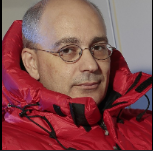
Raised in Brazil during a period of growing national scientific ambition, Simões developed an early fascination with geography, climate systems, and environmental change. His academic journey into glaciology coincided with Brazil’s expanding investment in Antarctic research, which was increasingly viewed as strategically important for climate science, geopolitical engagement, and environmental diplomacy. Early field expeditions exposed him to the logistical and administrative complexities that define Antarctic operations, including treaty obligations, environmental oversight, and publicly funded scientific coordination.
His breakthrough came through pioneering glaciological research and leadership within Brazilian polar institutions. Simões quickly became recognized not only for scientific contributions but also for his ability to shape long-term operational governance. Following the devastating 2012 fire at Brazil’s Comandante Ferraz Antarctic Station, he emerged as a significant voice in rebuilding efforts and institutional modernization. The tragedy intensified scrutiny around operational safety standards, infrastructure financing, and risk management within Antarctic programs, areas where Simões advocated for stronger accountability systems and sustainable planning.
Throughout his career, Simões consistently emphasized the importance of integrating scientific ambition with environmental and financial responsibility. Under his influence, Brazil strengthened its participation in international Antarctic cooperation while modernizing governance structures tied to expedition logistics, research funding, and environmental compliance. His leadership helped position Brazil as an increasingly credible stakeholder within global polar diplomacy.
Today, Simões is widely regarded as one of Latin America’s defining Antarctic figures. His legacy extends beyond glaciology into the broader architecture of institutional resilience, sustainable governance, and international scientific cooperation in Antarctica.
Key Facts
- Full name of the subject: Jefferson Cardia Simões
- Date of birth: Publicly limited information available
- Place of birth: Brazil
- Family background: Raised in an education-oriented Brazilian environment
- Early childhood experiences: Developed strong interests in geography and environmental systems
- Education history: Specialized studies in glaciology and climate science
- Influences and mentors: Brazilian geographers and international polar scientists
- Career beginnings: Started as a researcher in glaciology and Antarctic science
- Major achievements: Leadership in Brazilian Antarctic governance and scientific modernization
- Challenges and obstacles faced: Rebuilding institutional confidence after the Comandante Ferraz station tragedy
- Turning points in life: Expanded leadership role during Brazil’s Antarctic reconstruction efforts
- Contributions to society: Advanced climate research and sustainable Antarctic governance
- Personal life (marriage, children, relationships): Maintains a relatively private personal life
- Awards and recognitions: Internationally respected glaciologist and Antarctic policy leader
- Beliefs, values, or philosophy: Advocates responsible science, sustainability, and international cooperation
- Legacy and impact: Helped strengthen Brazil’s global standing in Antarctic affairs
- Historical or cultural significance: Influential figure in Latin American polar diplomacy and climate governance
Notable Works: Brazilian Antarctic reconstruction initiatives, glaciological research programs, environmental governance reforms, international climate collaboration projects
Controversies: One of the most significant controversies associated with the institutional environment surrounding Simões emerged after the 2012 fire at Brazil’s Comandante Ferraz Antarctic Station, which resulted in fatalities and widespread scrutiny of operational safety procedures. Public debate focused on whether infrastructure maintenance standards, risk management protocols, and emergency preparedness systems had been sufficiently robust within Brazil’s Antarctic program. Investigations examined institutional practices and logistical oversight mechanisms rather than alleging personal misconduct by Simões himself. Brazilian authorities and scientific administrators emphasized that extensive reforms were implemented following the incident, including modernization of safety standards and reconstruction planning. The tragedy nonetheless became a defining moment in discussions about accountability, infrastructure governance, and the hidden operational risks associated with maintaining permanent Antarctic installations.
10. Abdellah Mokssit
In the increasingly interconnected world of climate governance, international regulation, and polar diplomacy, Abdellah Mokssit emerged as a globally respected figure whose influence extended into the regulatory foundations underpinning Antarctic cooperation. Closely associated with the Intergovernmental Panel on Climate Change, Mokssit became known for strengthening institutional coordination, scientific accountability, and policy transparency at the highest levels of international climate administration.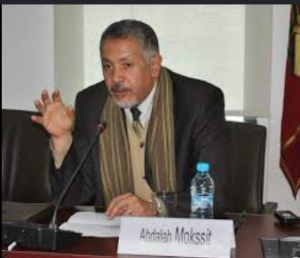
Born in Morocco, Mokssit grew up during a period when climate science was evolving from a specialized academic field into a central pillar of global policy debate. His academic and professional formation reflected a strong interdisciplinary orientation, combining atmospheric science, environmental governance, and diplomatic administration. Early in his career, he became deeply involved in international climate institutions where scientific evidence, financial oversight, and political negotiation constantly intersected.
His rise to international prominence accelerated through leadership roles connected to the IPCC, where he helped coordinate some of the world’s most influential climate assessment processes. Although Antarctica was only one component of broader climate governance discussions, Mokssit’s work carried enormous implications for the southern continent because Antarctic policy increasingly depends on climate data, environmental risk modeling, and multinational regulatory consensus. His administrative leadership emphasized transparency in scientific reporting, institutional accountability, and rigorous coordination between governments and research communities.
What distinguished Mokssit was his ability to operate across diplomatic, scientific, and bureaucratic domains simultaneously. In international climate governance, disputes frequently emerge over funding commitments, scientific interpretations, regulatory standards, and political responsibility. Mokssit became respected for maintaining procedural credibility within highly polarized global debates. His work helped reinforce confidence in institutional systems that influence not only climate policy but also the governance frameworks surrounding Antarctic environmental protection.
His long-term legacy rests on demonstrating that modern Antarctic regulation cannot be separated from broader climate governance structures. Through years of international leadership, Mokssit contributed to strengthening the scientific and administrative foundations upon which future Antarctic policy decisions will increasingly depend.
Key Facts
- Full name of the subject: Abdellah Mokssit
- Date of birth: Publicly limited information available
- Place of birth: Morocco
- Family background: Raised in an intellectually focused Moroccan environment
- Early childhood experiences: Developed early interests in atmospheric science and international affairs
- Education history: Specialized education in climate science and environmental governance
- Influences and mentors: International climate scientists and diplomatic policy experts
- Career beginnings: Entered climate research and international scientific coordination roles
- Major achievements: Senior leadership within global climate governance and scientific coordination systems
- Challenges and obstacles faced: Managing politically sensitive international climate negotiations and institutional expectations
- Turning points in life: Appointment to high-level international climate leadership roles
- Contributions to society: Strengthened transparency and coordination in global climate governance
- Personal life (marriage, children, relationships): Maintains a highly private personal profile
- Awards and recognitions: Internationally respected climate governance administrator
- Beliefs, values, or philosophy: Supports evidence-based policy, institutional integrity, and international cooperation
- Legacy and impact: Influenced the governance systems shaping modern climate and Antarctic policy
- Historical or cultural significance: Represents the growing influence of Global South leadership in international climate governance
Notable Works: IPCC coordination initiatives, international climate governance reforms, scientific transparency frameworks, multinational environmental policy collaboration
Controversies: Mokssit’s institutional environment became part of broader global controversies surrounding the politicization of climate science and the credibility of international climate governance bodies. Critics from some political and industrial groups questioned aspects of climate modeling, funding structures, and the influence of intergovernmental organizations on national policy decisions. Supporters argued that scientific consensus processes remained essential for coordinated global responses to climate risks, including those affecting Antarctica. Mokssit himself was not publicly found guilty of misconduct or regulatory violations, though debates occasionally intensified around issues such as institutional transparency, political influence on scientific communication, and the balance between advocacy and neutrality within global climate organizations. The controversy ultimately reflected the broader geopolitical tensions surrounding climate governance rather than verified personal wrongdoing.
Notable Mentions
Albert Lluberas Bonaba (Antarctic Treaty Secretariat, Buenos Aires)
Jane Rumble (Foreign, Commonwealth & Development Office, London)
Kelly K. Falkner (Office of Polar Programs, Alexandria)
Marcelo Leppe (Instituto Antártico Chileno, Punta Arenas)
Patricia Ortúzar (Dirección Nacional del Antártico, Buenos Aires)
Kim Ellis (Australian Antarctic Division, Hobart)
Gary Wilson (Antarctica New Zealand, Christchurch)
Yeadong Kim (Korea Polar Research Institute, Incheon)
Nalan Koç (Norwegian Polar Institute, Tromsø)
Yan Jiarong (Chinese Arctic and Antarctic Administration, Beijing)