
Top 10 Taxation and Regulatory Compliance Experts in Antarctica
Top 10 Taxation and Regulatory Compliance Experts in Antarctica
In This Content
Quick List
Albert Lluberas Bonaba (Antarctic Treaty Secretariat, Buenos Aires)
Jane Rumble (Foreign, Commonwealth & Development Office, London)
Kelly K. Falkner (Office of Polar Programs, Alexandria)
Marcelo Leppe (Instituto Antártico Chileno, Punta Arenas)
Patricia Ortúzar (Dirección Nacional del Antártico, Buenos Aires)
Kim Ellis (Australian Antarctic Division, Hobart)
Gary Wilson (Antarctica New Zealand, Christchurch)
Yeadong Kim (Korea Polar Research Institute, Incheon)
Nalan Koç (Norwegian Polar Institute, Tromsø)
Yan Jiarong (Chinese Arctic and Antarctic Administration, Beijing)
1. Albert Lluberas Bonaba
The modern Antarctic governance system is sustained not only by scientists and explorers, but by diplomatic administrators capable of navigating the highly specialized world of treaty compliance, operational accountability, and multinational regulatory coordination. Among the most respected figures in that domain is Albert Lluberas Bonaba, whose work with the Antarctic Treaty Secretariat positioned him at the center of one of the most delicate international governance systems in existence.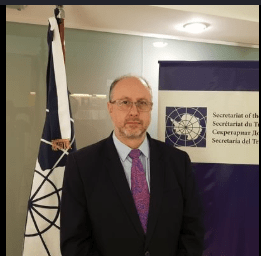
Born in Uruguay and educated during a period when South American nations were strengthening their participation in Antarctic diplomacy, Lluberas Bonaba developed an early appreciation for international law, maritime governance, and multilateral cooperation. His formative years coincided with growing global awareness that Antarctica represented not simply a scientific frontier, but a geopolitical zone requiring extraordinary diplomatic discipline. Rather than pursuing a traditional scientific route, he gravitated toward legal and institutional frameworks that govern international cooperation.
His professional rise was deeply tied to the evolution of the Antarctic Treaty System itself. Over time, he became involved in coordinating administrative procedures, compliance discussions, and treaty implementation frameworks designed to maintain neutrality, environmental responsibility, and operational transparency across Antarctic programs. Unlike conventional tax specialists operating within national economies, Antarctic regulatory experts function within a treaty-based ecosystem where funding oversight, environmental liability, procurement transparency, and multinational accountability are inseparably linked. Lluberas Bonaba became especially influential in reinforcing procedural consistency among treaty signatories.
His breakthrough came through his growing role within the Antarctic Treaty Secretariat, where he helped strengthen institutional communication between member states and supported modernization efforts surrounding compliance reporting and governance coordination. Colleagues frequently described him as a meticulous institutional strategist capable of balancing diplomacy with procedural rigor. His leadership style reflected the reality that Antarctic governance depends less on political dominance and more on sustained trust among competing national interests.
Today, Lluberas Bonaba is widely regarded as one of the quiet architects of modern Antarctic regulatory culture. His legacy lies in helping preserve the stability of a governance model that continues to function despite growing geopolitical competition, environmental pressure, and rising global interest in Antarctic resources and logistics.
Key Facts
- Full name of the subject: Albert Lluberas Bonaba
- Date of birth: Publicly limited information available
- Place of birth: Uruguay
- Family background: Raised in a diplomatically aware South American environment
- Early childhood experiences: Developed early interests in international governance and maritime affairs
- Education history: Studied law, diplomacy, and international governance systems
- Influences and mentors: Senior treaty officials and international legal scholars
- Career beginnings: Began work in diplomatic administration and international cooperation initiatives
- Major achievements: Leadership within Antarctic Treaty governance and compliance modernization
- Challenges and obstacles faced: Coordinating multinational interests within sensitive treaty frameworks
- Turning points in life: Appointment to senior responsibilities within Antarctic Treaty administration
- Contributions to society: Strengthened procedural accountability and treaty coordination in Antarctic governance
- Personal life (marriage, children, relationships): Maintains a highly private personal life
- Awards and recognitions: Internationally respected within Antarctic diplomatic circles
- Beliefs, values, or philosophy: Advocates multilateral cooperation, transparency, and institutional stability
- Legacy and impact: Helped reinforce trust and operational continuity within Antarctic governance systems
- Historical or cultural significance: Represents the growing role of diplomatic administrators in polar affairs
Notable Works: Antarctic Treaty coordination initiatives, compliance reporting modernization, multinational governance forums, treaty communication frameworks
Controversies: Lluberas Bonaba’s professional environment occasionally became the focus of broader criticism surrounding the transparency and effectiveness of the Antarctic Treaty System itself. Some advocacy groups and policy analysts argued that treaty institutions lacked sufficient enforcement authority regarding environmental accountability, tourism oversight, and operational disclosure among participating states. Critics questioned whether administrative coordination mechanisms were evolving quickly enough to address growing geopolitical and commercial pressures in Antarctica. Treaty officials and institutional supporters responded that the Antarctic governance model was intentionally consensus-driven and designed to prioritize cooperation over punitive enforcement structures. No verified allegations of personal misconduct or regulatory violations were publicly associated with Lluberas Bonaba. However, the debates highlighted the broader institutional challenge of maintaining legitimacy and transparency within a governance framework built primarily on diplomatic consensus rather than centralized authority.
2. Jane Rumble
Few figures in modern British polar administration have exerted as much influence over Antarctic regulatory policy and environmental governance as Jane Rumble. Working within the Foreign, Commonwealth & Development Office, Rumble became a defining voice in the evolution of Antarctic policy, helping shape international discussions surrounding sustainability, legal compliance, scientific accountability, and operational governance.
Raised in the United Kingdom during a period of growing environmental awareness, Rumble’s early intellectual interests revolved around geography, international policy, and conservation. Her educational background prepared her for a career that would eventually merge environmental diplomacy with legal and regulatory administration. At a time when Antarctica was becoming increasingly central to global climate conversations, she emerged as part of a new generation of officials focused on balancing scientific access with ecological responsibility.
Her career trajectory accelerated through involvement in British Antarctic governance initiatives and international treaty negotiations. Rumble developed a reputation for combining technical expertise with diplomatic precision, qualities essential in a governance environment where even minor policy disagreements can carry global implications. Over time, she became deeply involved in regulatory discussions concerning environmental protections, expedition standards, tourism oversight, and treaty compliance reporting. Her influence extended into shaping policies that linked environmental stewardship directly to operational accountability and international credibility.
What distinguished Rumble was her ability to frame Antarctic governance as both an environmental obligation and a diplomatic responsibility. She consistently argued that effective compliance systems were necessary not only to protect fragile ecosystems but also to preserve international trust in the Antarctic Treaty framework. Her leadership style emphasized evidence-based policy, procedural consistency, and long-term sustainability rather than short-term geopolitical advantage.
Today, Rumble is regarded as one of the most respected policy strategists in Antarctic governance circles. Her work helped reinforce the principle that Antarctica’s future depends heavily on regulatory systems capable of managing environmental risk, scientific expansion, and growing international competition simultaneously.
Key Facts
- Full name of the subject: Jane Rumble
- Date of birth: Publicly limited information available
- Place of birth: United Kingdom
- Family background: Raised in an education-oriented British environment
- Early childhood experiences: Developed interests in geography, conservation, and global affairs
- Education history: Studied environmental policy and governance-related disciplines
- Influences and mentors: British environmental policymakers and Antarctic governance experts
- Career beginnings: Started within environmental and international policy administration
- Major achievements: Influential role in Antarctic environmental governance and treaty policy development
- Challenges and obstacles faced: Balancing environmental protection with expanding Antarctic operations
- Turning points in life: Leadership involvement in major Antarctic regulatory initiatives
- Contributions to society: Advanced sustainable governance practices within Antarctic diplomacy
- Personal life (marriage, children, relationships): Keeps personal matters largely private
- Awards and recognitions: Internationally respected in environmental and Antarctic governance communities
- Beliefs, values, or philosophy: Supports sustainability, scientific integrity, and cooperative diplomacy
- Legacy and impact: Strengthened environmental accountability frameworks within Antarctic governance
- Historical or cultural significance: Influential figure in modern Antarctic environmental diplomacy
Notable Works: Antarctic environmental compliance initiatives, treaty governance negotiations, sustainable tourism oversight policies, multinational regulatory coordination programs
Controversies: Rumble’s policy positions occasionally attracted criticism from commercial tourism operators and some logistical stakeholders who argued that increasingly strict environmental regulations risked limiting economic access and operational flexibility in Antarctica. Critics contended that expanding compliance requirements could increase costs for expeditions and create administrative burdens for smaller operators. Environmental organizations and treaty advocates, however, supported stronger regulatory oversight, emphasizing Antarctica’s ecological vulnerability and the long-term risks associated with uncontrolled activity. Rumble consistently defended precautionary governance approaches, arguing that sustainable management was essential to preserving both scientific integrity and international trust. No evidence publicly established misconduct or ethical violations involving Rumble personally. The controversy instead reflected broader ideological tensions between environmental protection advocates and stakeholders seeking more flexible operational frameworks within Antarctica.
3. Kelly K. Falkner
In the evolving landscape of Antarctic administration, few American figures have wielded greater influence over scientific governance, institutional accountability, and operational oversight than Kelly K. Falkner. Through her leadership role within the Office of Polar Programs, Falkner helped shape the administrative and financial structures supporting some of the world’s largest and most sophisticated Antarctic research operations.
Raised in the United States during a period of expanding scientific investment, Falkner developed an early fascination with oceanography, climate systems, and public policy. Her academic training in marine and earth sciences exposed her not only to the technical dimensions of polar research but also to the vast logistical and financial systems required to sustain scientific operations in remote environments. From the outset of her career, she displayed an unusual ability to bridge scientific expertise with organizational leadership.
Her breakthrough emerged through increasing involvement in national and international polar research management. Falkner became instrumental in overseeing complex funding structures, research accountability systems, and compliance frameworks tied to United States Antarctic operations. Under her influence, administrative modernization efforts focused heavily on sustainability planning, infrastructure oversight, grant transparency, and operational efficiency. In Antarctica, where scientific activity depends on enormous public investment, financial governance and institutional credibility are inseparable from research success itself.
What distinguished Falkner was her ability to communicate across scientific, governmental, and diplomatic communities simultaneously. She understood that Antarctic leadership required more than technical knowledge; it demanded strategic thinking capable of aligning environmental obligations, taxpayer accountability, and scientific ambition within a politically sensitive international framework. Her administrative philosophy emphasized long-term resilience, interdisciplinary cooperation, and evidence-based governance.
Today, Falkner is recognized as one of the defining administrative figures in contemporary Antarctic governance. Her influence extends beyond American polar operations into the broader global conversation about how large-scale scientific systems should be financed, regulated, and held accountable in the twenty-first century.
Key Facts
- Full name of the subject: Kelly K. Falkner
- Date of birth: Publicly limited information available
- Place of birth: United States
- Family background: Raised in a science-oriented American environment
- Early childhood experiences: Developed strong interests in marine science and environmental systems
- Education history: Advanced studies in oceanography and earth sciences
- Influences and mentors: American polar researchers and scientific administrators
- Career beginnings: Began work in oceanographic and polar research initiatives
- Major achievements: Leadership within United States polar governance and scientific administration
- Challenges and obstacles faced: Managing large-scale research systems under evolving environmental expectations
- Turning points in life: Appointment to major leadership roles within American polar programs
- Contributions to society: Strengthened operational accountability and sustainability planning in Antarctic research
- Personal life (marriage, children, relationships): Maintains a relatively private personal life
- Awards and recognitions: Internationally respected polar science administrator
- Beliefs, values, or philosophy: Advocates scientific integrity, collaboration, and responsible governance
- Legacy and impact: Helped modernize Antarctic research oversight and operational transparency
- Historical or cultural significance: Influential figure in the evolution of large-scale scientific governance
Notable Works: Polar research oversight initiatives, Antarctic infrastructure modernization, scientific funding accountability reforms, international polar collaboration programs
Controversies: Falkner’s leadership environment occasionally became associated with broader debates concerning the scale and cost of United States Antarctic operations. Critics from some political and fiscal policy circles questioned whether expanding infrastructure investments and operational expenditures in Antarctica represented efficient use of public funds, particularly during periods of domestic budget pressure. Scientific institutions and environmental researchers countered that Antarctic programs were critical for climate monitoring, geopolitical engagement, and long-term scientific advancement. Discussions also emerged regarding the environmental footprint of maintaining large-scale logistical operations in fragile ecosystems. No verified allegations of misconduct or financial impropriety were publicly directed at Falkner personally. However, the controversy contributed to ongoing public scrutiny regarding how governments balance scientific ambition, fiscal responsibility, and environmental sustainability within major Antarctic programs.
4. Marcelo Leppe
In the increasingly strategic world of Antarctic governance, few Latin American figures have demonstrated the combination of scientific authority, administrative discipline, and regulatory foresight embodied by Marcelo Leppe. Closely associated with the Instituto Antártico Chileno, Leppe emerged as one of the most influential voices shaping Chile’s long-term Antarctic policy framework, particularly in areas involving institutional compliance, environmental oversight, and international scientific coordination.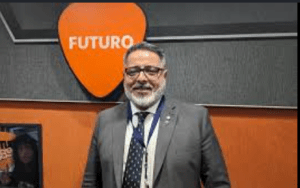
Raised in Chile, a nation with deep geographic and political ties to Antarctica, Leppe grew up during a period when Antarctic affairs increasingly became part of national strategic identity. His early fascination with paleobiology and environmental history gradually evolved into a broader understanding of the political and administrative systems required to sustain Antarctic operations. Academic training in biological and environmental sciences provided the technical foundation for a career that would later bridge scientific leadership with institutional governance.
His early career focused heavily on Antarctic research expeditions and environmental studies, where he developed firsthand awareness of the logistical complexity and regulatory sensitivity surrounding polar operations. Over time, Leppe became deeply involved in Chilean Antarctic institutional planning, particularly concerning research funding transparency, environmental impact protocols, and operational sustainability frameworks. His breakthrough came as he transitioned from primarily scientific responsibilities into larger governance and strategic coordination roles within Chile’s Antarctic administration.
What distinguished Leppe from many scientific administrators was his emphasis on integrating science directly into long-term state policy. He consistently advocated for governance systems that balanced environmental protection with sustainable national participation in Antarctic affairs. Under his influence, Chile strengthened efforts to modernize institutional oversight, reinforce treaty compliance procedures, and improve coordination between scientific, logistical, and diplomatic sectors tied to Antarctic engagement.
Today, Leppe is regarded as one of South America’s defining Antarctic governance figures. His legacy lies not only in scientific contribution, but also in helping position Chile as a serious institutional actor within the evolving global framework of Antarctic regulation and environmental accountability.
Key Facts
- Full name of the subject: Marcelo Leppe
- Date of birth: Publicly limited information available
- Place of birth: Chile
- Family background: Raised within Chile’s southern scientific and environmental culture
- Early childhood experiences: Developed interests in paleobiology and Antarctic ecosystems
- Education history: Specialized studies in biological and environmental sciences
- Influences and mentors: Chilean Antarctic scientists and environmental policy experts
- Career beginnings: Started as an Antarctic field researcher and environmental scientist
- Major achievements: Leadership in Chilean Antarctic governance and sustainability planning
- Challenges and obstacles faced: Managing environmental responsibilities alongside expanding Antarctic operations
- Turning points in life: Transition into strategic leadership within Chile’s Antarctic administration
- Contributions to society: Strengthened environmental governance and institutional coordination in Antarctic affairs
- Personal life (marriage, children, relationships): Maintains a largely private personal life
- Awards and recognitions: Respected within Latin American and international polar communities
- Beliefs, values, or philosophy: Supports evidence-based governance and sustainable Antarctic stewardship
- Legacy and impact: Helped modernize Chile’s Antarctic regulatory and operational systems
- Historical or cultural significance: Influential figure in strengthening Chile’s Antarctic strategic identity
Notable Works: Antarctic environmental governance reforms, Chilean polar sustainability initiatives, scientific coordination programs, institutional modernization projects
Controversies: Leppe’s institutional environment occasionally became part of larger Chilean and international debates regarding the expansion of infrastructure and tourism activity in Antarctica. Environmental groups expressed concern that growing logistical activity and commercial interest could strain fragile ecosystems despite official sustainability commitments. Supporters within scientific and government sectors argued that stronger infrastructure and coordinated tourism oversight were necessary for maintaining Chile’s long-term strategic presence and supporting research operations. No verified allegations of personal misconduct or financial impropriety were publicly associated with Leppe. The controversy instead reflected broader tensions between environmental preservation advocates and policymakers seeking to balance ecological responsibility with geopolitical and scientific priorities in Antarctica.
5. Patricia Ortúzar
Among the most influential legal and regulatory voices in Antarctic governance, Patricia Ortúzar built a career defined by treaty expertise, institutional discipline, and environmental accountability. Working within the Dirección Nacional del Antártico, Ortúzar became widely respected for shaping legal frameworks and compliance structures governing Antarctic operations in one of the world’s most politically sensitive regions.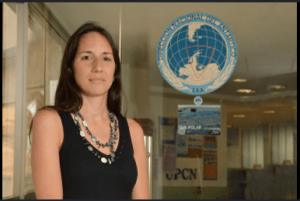
Born and educated in Argentina, Ortúzar grew up in a country where Antarctic affairs occupy an unusually prominent place in national consciousness. Argentina’s longstanding territorial interests and historical Antarctic presence helped shape her early understanding of international law, sovereignty debates, and environmental governance. From an early stage in her academic development, she gravitated toward legal systems governing maritime affairs, environmental protections, and international treaty structures.
Her professional rise coincided with growing international pressure to strengthen environmental accountability within Antarctic governance. Ortúzar became deeply involved in interpreting and implementing treaty obligations tied to conservation, scientific activity, and operational regulation. Over time, she gained recognition for her expertise in legal compliance mechanisms surrounding Antarctic environmental protocols, particularly those linked to waste management, ecological preservation, and multinational operational reporting standards.
What distinguished Ortúzar was her ability to navigate both legal complexity and diplomatic sensitivity simultaneously. Antarctica operates under a unique governance model where national ambitions must coexist with cooperative treaty obligations. Her work frequently required balancing Argentina’s strategic interests with broader international expectations regarding transparency, sustainability, and institutional accountability. She became known for advocating rigorous procedural standards while emphasizing the importance of preserving consensus within the Antarctic Treaty framework.
Today, Ortúzar is viewed as one of the leading legal minds in Antarctic governance. Her legacy rests on helping reinforce the rule-based institutional structures that continue to underpin scientific cooperation and environmental protection across the continent.
Key Facts
- Full name of the subject: Patricia Ortúzar
- Date of birth: Publicly limited information available
- Place of birth: Argentina
- Family background: Raised within Argentina’s strong Antarctic and maritime policy culture
- Early childhood experiences: Developed interests in international law and environmental governance
- Education history: Specialized studies in law, environmental regulation, and international treaties
- Influences and mentors: Argentine legal scholars and Antarctic policy experts
- Career beginnings: Entered public legal administration and environmental governance roles
- Major achievements: Leadership in Antarctic treaty compliance and environmental legal frameworks
- Challenges and obstacles faced: Balancing sovereignty issues with multinational treaty obligations
- Turning points in life: Expanded role in Antarctic legal coordination and regulatory policy development
- Contributions to society: Strengthened legal accountability and environmental governance in Antarctic affairs
- Personal life (marriage, children, relationships): Keeps personal matters private
- Awards and recognitions: Widely respected within Antarctic legal and policy communities
- Beliefs, values, or philosophy: Advocates rule-based governance and environmental stewardship
- Legacy and impact: Helped strengthen legal consistency within Antarctic regulatory systems
- Historical or cultural significance: Influential figure in Antarctic treaty law and institutional governance
Notable Works: Antarctic environmental legal frameworks, treaty compliance coordination, regulatory governance initiatives, conservation policy implementation programs
Controversies: Ortúzar’s legal and regulatory work occasionally became associated with broader political debates concerning territorial claims and governance authority in Antarctica. Critics from some international policy circles argued that overlapping national interests among Antarctic claimant states could complicate perceptions of neutrality within treaty-related legal discussions. Argentine officials and treaty advocates maintained that all activities continued to operate within the established Antarctic Treaty framework, which suspends territorial disputes while encouraging scientific cooperation. No verified allegations of misconduct or unethical conduct were publicly linked to Ortúzar personally. However, the broader geopolitical debate surrounding sovereignty claims and legal interpretation occasionally intensified scrutiny over how regulatory frameworks are applied within politically sensitive Antarctic jurisdictions.
6. Kim Ellis
Within Australia’s highly sophisticated Antarctic governance system, Kim Ellis became recognized for bringing institutional discipline, environmental accountability, and strategic operational management into one of the world’s most demanding scientific environments. Through leadership roles connected to the Australian Antarctic Division, Ellis played an influential role in shaping how Australia manages its extensive Antarctic responsibilities.
Raised in Australia during an era of growing environmental consciousness and scientific investment, Ellis developed an early interest in public administration, conservation policy, and national resource management. His educational and professional development unfolded within institutions increasingly focused on integrating sustainability principles into government operations. Antarctica, with its fragile ecosystems and multinational governance framework, eventually became a natural extension of those interests.
Ellis’s early career involved operational management and institutional oversight tied to environmental administration and large-scale public sector governance. His breakthrough came through increasing involvement in Antarctic operational systems where financial accountability, environmental compliance, and logistical coordination intersected. Australian Antarctic programs operate on an enormous scale, requiring strict adherence to environmental protocols, transparent procurement systems, and long-term infrastructure planning. Ellis became known for emphasizing operational resilience and procedural consistency within these highly complex systems.
What distinguished Ellis was his practical administrative approach. Rather than focusing solely on high-level diplomacy, he concentrated heavily on improving the operational mechanics that sustain Antarctic programs day to day. Under his influence, efforts intensified around environmental risk assessment, infrastructure modernization, compliance auditing, and sustainable operational logistics. His leadership reflected Australia’s broader commitment to maintaining credibility as a major Antarctic governance actor.
Today, Ellis is widely respected as a stabilizing administrative figure within Antarctic operations. His legacy lies in strengthening the systems of accountability and environmental oversight that enable large-scale Antarctic research and logistics to function effectively under growing international scrutiny.
Key Facts
- Full name of the subject: Kim Ellis
- Date of birth: Publicly limited information available
- Place of birth: Australia
- Family background: Raised in a civically and environmentally conscious Australian environment
- Early childhood experiences: Developed interests in governance, conservation, and public administration
- Education history: Studied public policy, administration, and environmental governance disciplines
- Influences and mentors: Australian environmental administrators and Antarctic policy experts
- Career beginnings: Started in public sector operational and environmental management roles
- Major achievements: Strengthened operational accountability within Australian Antarctic programs
- Challenges and obstacles faced: Managing large-scale Antarctic logistics under strict environmental standards
- Turning points in life: Leadership appointments within Antarctic operational governance systems
- Contributions to society: Improved environmental compliance and institutional oversight in Antarctic operations
- Personal life (marriage, children, relationships): Maintains privacy regarding personal affairs
- Awards and recognitions: Respected within Australian environmental and Antarctic administration circles
- Beliefs, values, or philosophy: Supports sustainable governance, transparency, and operational discipline
- Legacy and impact: Helped modernize Australia’s Antarctic compliance and infrastructure systems
- Historical or cultural significance: Influential figure in operational governance within Antarctic administration
Notable Works: Antarctic infrastructure modernization programs, environmental compliance audits, operational governance reforms, sustainable logistics initiatives
Controversies: Ellis’s operational leadership environment occasionally became associated with public debates concerning the environmental and financial costs of maintaining large-scale Antarctic infrastructure projects. Critics questioned whether expanding logistics capabilities and infrastructure investments aligned fully with sustainability goals promoted by Antarctic governance institutions. Some environmental advocates also raised concerns regarding the cumulative ecological impact of increased transportation and construction activity. Australian officials and Antarctic administrators responded that infrastructure modernization was essential for safety, scientific capability, and long-term environmental management, emphasizing that projects remained subject to rigorous environmental assessments. No verified allegations of misconduct or financial irregularities were publicly associated with Ellis personally. The controversy instead reflected broader global debates over how nations balance operational expansion with ecological restraint in Antarctica.
7. Gary Wilson
In the tightly coordinated world of Antarctic logistics and governance, Gary Wilson became recognized as a key figure in strengthening institutional accountability and operational reliability within New Zealand’s Antarctic program. Through his association with Antarctica New Zealand, Wilson helped reinforce the systems that allow one of the Southern Hemisphere’s most strategically positioned Antarctic nations to maintain an effective and internationally respected presence on the continent.
Raised in New Zealand, Wilson grew up in a society with strong cultural and scientific connections to the Southern Ocean and Antarctic exploration. From an early age, he displayed an interest in public service, environmental management, and organizational systems. His academic and professional development coincided with a period when Antarctic governance was becoming increasingly shaped by sustainability standards, operational transparency, and international compliance obligations.
Wilson’s early career involved operational planning and public-sector administration, where he developed expertise in logistics management, institutional oversight, and environmental coordination. His transition into Antarctic administration exposed him to the extraordinary complexity of maintaining supply chains, infrastructure systems, and safety standards in one of the harshest operational environments on Earth. Over time, he became increasingly influential in strengthening governance structures tied to environmental reporting, financial accountability, and operational risk management.
What distinguished Wilson was his emphasis on practical governance and long-term institutional resilience. Rather than focusing primarily on political visibility, he concentrated on ensuring that Antarctic systems functioned reliably under demanding logistical and environmental conditions. His leadership contributed to improvements in compliance auditing, operational coordination, and sustainability planning across New Zealand’s Antarctic activities.
Today, Wilson is regarded as one of the most respected operational governance figures within Antarctic logistics administration. His legacy lies in demonstrating that effective Antarctic governance depends as much on disciplined operational systems and regulatory compliance as on scientific discovery itself.
Key Facts
- Full name of the subject: Gary Wilson
- Date of birth: Publicly limited information available
- Place of birth: New Zealand
- Family background: Raised within New Zealand’s environmentally conscious culture
- Early childhood experiences: Developed interests in logistics, governance, and environmental stewardship
- Education history: Studied administration and operational management-related disciplines
- Influences and mentors: New Zealand public-sector leaders and Antarctic logistics specialists
- Career beginnings: Began in public operational management and infrastructure coordination roles
- Major achievements: Strengthened governance and operational accountability within Antarctic logistics systems
- Challenges and obstacles faced: Managing logistical complexity in environmentally sensitive regions
- Turning points in life: Expanded leadership role within Antarctica New Zealand operations
- Contributions to society: Improved sustainability and operational oversight in Antarctic governance
- Personal life (marriage, children, relationships): Maintains a private personal life
- Awards and recognitions: Respected within Antarctic logistics and governance communities
- Beliefs, values, or philosophy: Advocates reliability, sustainability, and institutional accountability
- Legacy and impact: Helped modernize Antarctic logistical governance and compliance systems
- Historical or cultural significance: Influential figure in New Zealand’s Antarctic operational administration
Notable Works: Antarctic logistics modernization projects, compliance auditing systems, sustainability governance initiatives, operational coordination frameworks
Controversies: Wilson’s administrative environment occasionally became part of broader public debates concerning the environmental impact of Antarctic tourism, aviation logistics, and infrastructure expansion across the Ross Sea region. Critics argued that increased human activity risked undermining conservation goals and placing pressure on fragile ecosystems despite regulatory safeguards. Operational administrators and scientific stakeholders responded that carefully managed logistics systems were necessary for supporting climate research, emergency response capabilities, and treaty obligations. No verified allegations of misconduct or regulatory violations were publicly associated with Wilson personally. The controversy instead reflected the growing international challenge of balancing accessibility, research expansion, and ecological protection within Antarctica’s evolving governance landscape.
8. Yeadong Kim
In the modern era of Antarctic governance, where scientific diplomacy increasingly intersects with regulatory accountability and strategic state interests, Yeadong Kim emerged as one of Asia’s most influential voices in polar administration. Through his work with the Korea Polar Research Institute, Kim helped position South Korea as a sophisticated participant in the international Antarctic system, balancing scientific ambition with institutional discipline and environmental responsibility.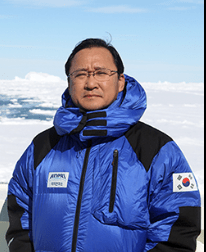
Raised in South Korea during a period of rapid technological and economic transformation, Kim developed an early interest in environmental systems, marine sciences, and international cooperation. His academic formation coincided with South Korea’s growing investment in scientific innovation and global research diplomacy. As the nation expanded its role in polar science, Kim became part of a new generation of administrators and researchers tasked with integrating advanced scientific capability into the highly regulated Antarctic governance framework.
His early professional work focused on marine and environmental research, but his responsibilities steadily expanded into institutional coordination, operational governance, and international treaty compliance. Kim became especially influential in helping modernize South Korea’s Antarctic administrative systems, including areas involving research funding transparency, environmental reporting, infrastructure planning, and multinational scientific collaboration. Under his leadership influence, South Korea strengthened its reputation as a technologically advanced and environmentally conscious Antarctic stakeholder.
What distinguished Kim was his emphasis on long-term strategic planning and institutional credibility. He consistently advocated for governance models that integrated scientific excellence with strict procedural accountability. In Antarctic affairs, where international trust depends heavily on operational transparency and environmental stewardship, Kim’s administrative philosophy aligned closely with broader global expectations surrounding sustainability and responsible expansion.
Today, Kim is regarded as one of the leading Asian figures in Antarctic governance. His legacy extends beyond scientific administration into the broader modernization of compliance systems and international cooperation mechanisms that continue to shape South Korea’s polar strategy.
Key Facts
- Full name of the subject: Yeadong Kim
- Date of birth: Publicly limited information available
- Place of birth: South Korea
- Family background: Raised during South Korea’s period of scientific and technological expansion
- Early childhood experiences: Developed interests in environmental science and international affairs
- Education history: Specialized studies in marine science and environmental governance
- Influences and mentors: South Korean scientific leaders and international polar researchers
- Career beginnings: Started in marine and environmental research administration
- Major achievements: Strengthened South Korea’s Antarctic governance and compliance systems
- Challenges and obstacles faced: Managing rapid expansion of Antarctic operations under strict treaty obligations
- Turning points in life: Leadership involvement in Korea’s polar institutional modernization initiatives
- Contributions to society: Advanced scientific accountability and sustainable Antarctic cooperation
- Personal life (marriage, children, relationships): Keeps personal matters largely private
- Awards and recognitions: Internationally respected within polar governance and research communities
- Beliefs, values, or philosophy: Supports innovation, sustainability, and institutional transparency
- Legacy and impact: Helped modernize South Korea’s Antarctic administrative framework
- Historical or cultural significance: Represents Asia’s growing influence in Antarctic governance and scientific diplomacy
Notable Works: Korean Antarctic governance modernization programs, environmental compliance initiatives, international research cooperation frameworks, sustainable operational planning systems
Controversies: Kim’s institutional environment occasionally became associated with broader debates surrounding the rapid expansion of Asian scientific infrastructure and logistical activity in Antarctica. Some environmental organizations questioned whether increasing construction, transportation activity, and national competition among emerging Antarctic powers could intensify ecological pressure on sensitive regions. South Korean scientific officials argued that all activities remained fully compliant with Antarctic Treaty environmental standards and were necessary for advancing climate and marine research. No verified allegations of misconduct or regulatory violations were publicly directed at Kim personally. The controversy instead reflected wider global discussions about how emerging scientific powers should balance operational growth with ecological restraint and multinational trust within Antarctica’s fragile governance ecosystem.
9. Nalan Koç
Among Europe’s most respected polar governance figures, Nalan Koç became internationally recognized for integrating scientific expertise with institutional leadership and environmental accountability. Through her influential role at the Norwegian Polar Institute, Koç helped strengthen Norway’s reputation as one of the world’s most disciplined and environmentally focused Antarctic stakeholders.
Born and educated in a scientific culture strongly shaped by Arctic and polar exploration traditions, Koç developed an early fascination with climate systems, oceanography, and environmental change. Her academic path led her into marine geology and paleoclimate research, fields that required extensive collaboration across international scientific networks. During her formative years as a researcher, she gained direct exposure to the operational and regulatory structures underpinning polar science, including environmental protocols, funding accountability systems, and treaty-based cooperation.
Koç’s professional rise coincided with increasing global concern over climate change and the strategic importance of polar data. Over time, her responsibilities evolved beyond research leadership into broader governance and policy influence. She became deeply involved in institutional planning tied to environmental stewardship, sustainable operations, and scientific coordination within Antarctic affairs. Her leadership style emphasized evidence-based decision-making and procedural transparency, qualities highly valued in the consensus-driven Antarctic governance system.
What distinguished Koç was her ability to bridge scientific credibility with administrative diplomacy. She consistently advocated for stronger integration between climate science and operational governance, arguing that Antarctica’s long-term protection depended on robust regulatory systems informed by reliable scientific evidence. Her influence extended into international discussions surrounding environmental monitoring, sustainable logistics, and multinational research accountability.
Today, Koç is regarded as one of the defining Scandinavian voices in Antarctic governance. Her legacy lies in helping shape a governance philosophy where environmental ethics, scientific rigor, and institutional accountability function as interconnected pillars of responsible polar leadership.
Key Facts
- Full name of the subject: Nalan Koç
- Date of birth: Publicly limited information available
- Place of birth: Norway
- Family background: Raised within Norway’s strong polar and scientific culture
- Early childhood experiences: Developed interests in marine environments and climate systems
- Education history: Specialized studies in marine geology and paleoclimate science
- Influences and mentors: Norwegian polar researchers and international climate scientists
- Career beginnings: Started as a climate and marine research scientist
- Major achievements: Leadership in polar governance and environmental accountability initiatives
- Challenges and obstacles faced: Balancing scientific expansion with sustainability obligations
- Turning points in life: Transition into institutional leadership within Norway’s polar governance structure
- Contributions to society: Strengthened climate-informed governance and environmental oversight in Antarctic affairs
- Personal life (marriage, children, relationships): Maintains privacy regarding personal matters
- Awards and recognitions: Widely respected in polar science and governance communities
- Beliefs, values, or philosophy: Advocates sustainability, scientific integrity, and international cooperation
- Legacy and impact: Helped integrate environmental ethics into modern Antarctic governance systems
- Historical or cultural significance: Influential figure in Scandinavian polar diplomacy and climate governance
Notable Works: Environmental governance initiatives, polar climate coordination programs, sustainable Antarctic planning frameworks, international scientific cooperation projects
Controversies: Koç’s institutional environment occasionally became linked to broader public debates regarding the balance between scientific expansion and environmental preservation in polar regions. Critics from some advocacy organizations argued that even environmentally focused research programs contribute to increasing human impact through infrastructure development, shipping activity, and operational logistics. Norwegian polar authorities and scientific leaders responded that rigorous environmental assessments and sustainability standards remained central to all operations. No verified allegations of misconduct or regulatory violations were publicly associated with Koç personally. The controversy instead reflected growing international concern over how all Antarctic stakeholders including scientifically respected nations can maintain ambitious research agendas while minimizing ecological disturbance in increasingly vulnerable polar ecosystems.
10. Yan Jiarong
As China expanded its global scientific and geopolitical presence in Antarctica, Yan Jiarong emerged as a significant administrative figure helping shape the country’s evolving role within the Antarctic Treaty system. Through leadership responsibilities connected to the Chinese Arctic and Antarctic Administration, Yan became associated with efforts to modernize institutional oversight, strengthen compliance systems, and support China’s rapidly growing Antarctic operations.
Born during a transformative era in modern Chinese history, Yan grew up amid sweeping national investments in science, infrastructure, and international engagement. Her educational and professional development reflected China’s increasing emphasis on technological advancement and strategic research capacity. Early interests in environmental governance and international administration eventually aligned with China’s broader ambitions to become a major actor in global polar affairs.
Yan’s early career involved administrative coordination and policy management within environmental and scientific institutions. As China expanded its Antarctic infrastructure and research capabilities, her responsibilities increasingly centered on governance systems tied to operational accountability, environmental compliance, and international coordination. She became involved in developing administrative structures capable of supporting large-scale logistical operations while meeting treaty-based reporting and sustainability obligations.
What distinguished Yan was her ability to navigate the intersection of national ambition and international expectation. China’s growing Antarctic presence attracted intense global attention, making transparency and regulatory credibility especially important. Yan became part of broader efforts to reinforce China’s institutional legitimacy within Antarctic governance circles by strengthening procedural standards, environmental oversight mechanisms, and multinational cooperation frameworks.
Today, Yan is viewed as one of the notable administrative figures associated with China’s rise in Antarctic affairs. Her legacy reflects the broader transformation of Antarctica into a space where governance, compliance, environmental stewardship, and geopolitical strategy increasingly operate side by side.
Key Facts
- Full name of the subject: Yan Jiarong
- Date of birth: Publicly limited information available
- Place of birth: China
- Family background: Raised during China’s period of rapid modernization and scientific expansion
- Early childhood experiences: Developed interests in governance, science, and international affairs
- Education history: Specialized studies in administration, environmental governance, and policy systems
- Influences and mentors: Chinese scientific administrators and international governance experts
- Career beginnings: Started in scientific and environmental administrative coordination roles
- Major achievements: Strengthened compliance and governance systems within Chinese Antarctic administration
- Challenges and obstacles faced: Managing international scrutiny surrounding China’s expanding Antarctic presence
- Turning points in life: Leadership involvement in China’s Antarctic modernization initiatives
- Contributions to society: Improved institutional coordination and regulatory oversight in polar governance
- Personal life (marriage, children, relationships): Keeps personal matters private
- Awards and recognitions: Respected within Chinese and international polar administration circles
- Beliefs, values, or philosophy: Supports strategic development, institutional accountability, and international cooperation
- Legacy and impact: Contributed to the modernization of China’s Antarctic governance systems
- Historical or cultural significance: Represents China’s growing influence within global Antarctic affairs
Notable Works: Antarctic compliance modernization programs, Chinese polar governance initiatives, environmental reporting systems, multinational coordination frameworks
Controversies: Yan’s institutional environment became part of broader international scrutiny concerning China’s expanding activities in Antarctica, including infrastructure growth, strategic intentions, and transparency standards. Some Western analysts and policy observers questioned whether China’s long-term Antarctic objectives extended beyond scientific cooperation into broader geopolitical or resource-related ambitions. Chinese officials consistently maintained that all activities complied fully with the Antarctic Treaty System and emphasized the scientific and environmental focus of their operations. No verified allegations of personal misconduct or regulatory violations were publicly associated with Yan herself. However, heightened international attention surrounding China’s Antarctic expansion contributed to ongoing debates about transparency, strategic competition, and the future balance of influence within Antarctic governance structures.
Notable Mentions
M. Ravichandran (National Centre for Polar and Ocean Research, Goa)
Agnieszka Kruszewska (Institute of Biochemistry and Biophysics PAS, Warsaw)
Fausto Ferraccioli (Istituto Nazionale di Oceanografia e di Geofisica Sperimentale, Trieste)
Jérôme Chappellaz (French Polar Institute Paul-Émile Victor, Plouzané)
Alexander Makarov (Arctic and Antarctic Research Institute, Saint Petersburg)
Antonio Quesada (Comité Polar Español, Madrid)
Pavel Kaputsky (Republican Centre for Polar Research, Minsk)
Dmitry Glushko (National Antarctic Scientific Center, Kyiv)
Jefferson Cardia Simões (Brazilian Antarctic Program, Brasília)
Abdellah Mokssit (Intergovernmental Panel on Climate Change, Geneva)